menu

Water Mitigation vs Restoration in San Francisco – Know the Difference Before Your Insurance Claim Depends on It

Understanding water damage mitigation vs restoration can save you thousands on your insurance deductible and prevent your claim from being denied by adjusters who exploit homeowner confusion about these two distinct processes.

Slider Image 1
Slider Image 2
Slider Image 3
Slider Image 4
Slider Image 5
Slider Image 7
Slider Image 8
Slider Image 9
Slider Image 10
Slider Image 11

Why San Francisco Property Owners Confuse Water Cleanup with Water Repair

When water invades your property near the Marina District or along the Embarcadero, the clock starts ticking. You call your insurance carrier. The adjuster uses terms like "mitigation" and "restoration" interchangeably. You assume they mean the same thing. They do not.

This confusion costs San Francisco homeowners and business owners real money. The difference between water mitigation and restoration is not semantic. Mitigation is the emergency response that stops ongoing damage. Restoration is the rebuilding phase that returns your property to pre-loss condition. Understanding water damage mitigation vs restoration determines whether your insurance claim gets approved or denied.

San Francisco's unique fog patterns and coastal moisture create chronic dampness in older Victorian homes and Edwardian flats throughout the Sunset and Richmond districts. When a pipe bursts or a toilet overflows, this ambient moisture accelerates mold colonization. You have 24 to 48 hours before spore growth becomes irreversible. Mitigation addresses this window. Restoration happens after.

Many property owners think water cleanup vs water repair is the same process. It is not. Cleanup extracts standing water and removes wet materials. Repair rebuilds walls, replaces flooring, and repaints surfaces. The liability shifts between these phases. Your insurance adjuster knows this. You should too.

The semantic difference between water remediation vs restoration or mitigation vs reconstruction matters when you are standing in three inches of water at 2 a.m. in Noe Valley. Knowing which phase you are in determines who pays for what. Mitigation prevents further loss. Restoration fixes what was already lost. Your insurance policy treats them differently.

Why San Francisco Property Owners Confuse Water Cleanup with Water Repair
How Mitigation Stops Damage and Restoration Fixes It

How Mitigation Stops Damage and Restoration Fixes It

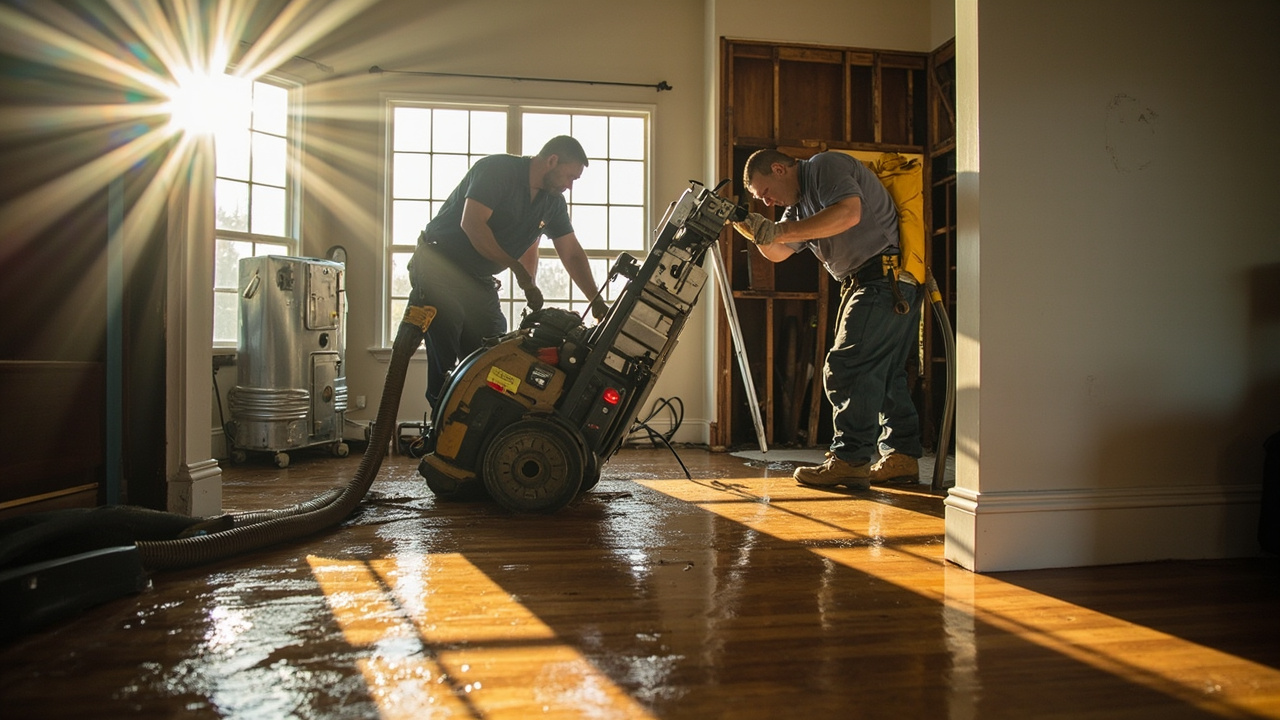
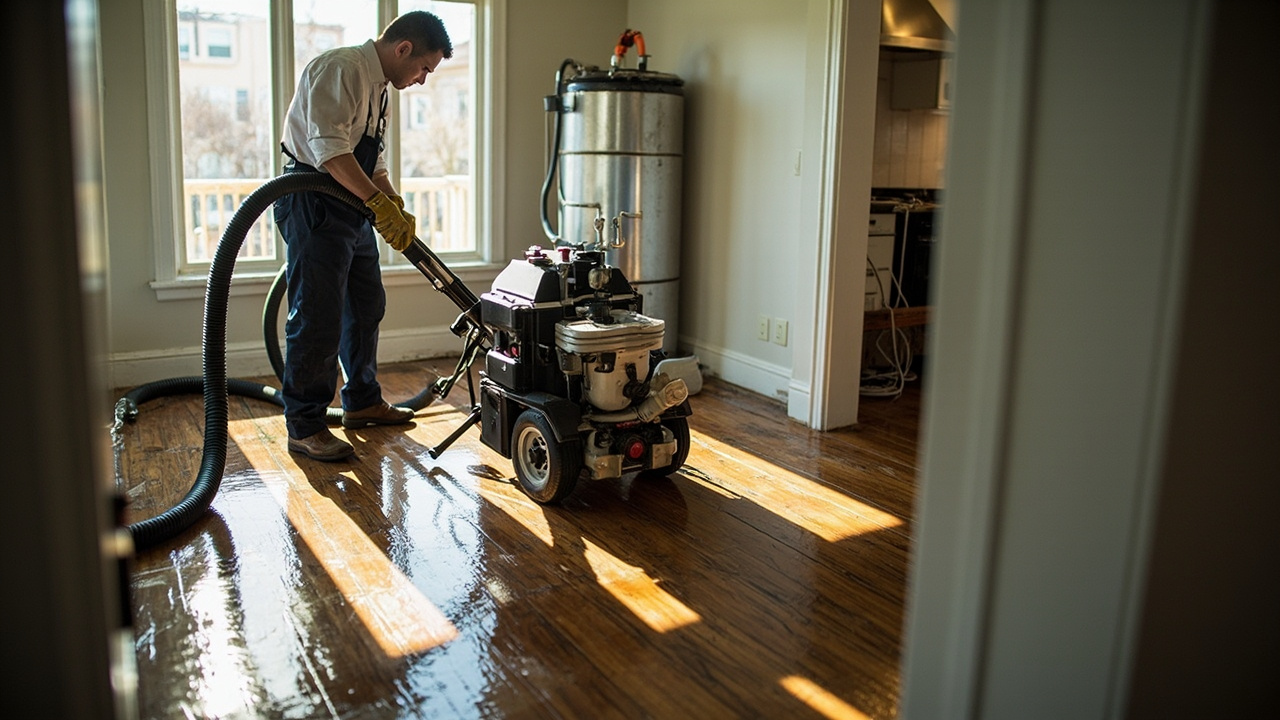
Water mitigation is crisis intervention. When we arrive at your property in Pacific Heights or SOMA, we extract standing water using truck-mounted extractors, remove saturated baseboards and drywall up to the flood cut line, apply antimicrobial treatments to exposed framing, and deploy commercial dehumidifiers and air movers to bring moisture content below 15 percent. This phase takes 3 to 5 days depending on the category of water and the extent of saturation.

Mitigation is not cosmetic. We are not replacing your hardwood floors or repainting your walls. We are preventing secondary damage. Mold growth, structural wood rot, and foundation wicking all occur during the drying window. If we leave wet insulation inside your walls or fail to monitor moisture meters daily, your property degrades even after the visible water is gone. This is why insurance carriers require certified mitigation before they authorize restoration.

Water restoration begins after your property is certified dry. This is when we rebuild. We install new drywall, replace insulation, refinish floors, repaint walls, and reinstall trim. Restoration is construction. It requires permits from the San Francisco Department of Building Inspection. It involves electricians, plumbers, and finish carpenters. It takes weeks, not days.

The water damage mitigation vs restoration distinction also affects your living situation. During mitigation, you can sometimes remain in your home if the affected area is contained. During restoration, construction dust, paint fumes, and noise often require temporary relocation. Insurance carriers handle these phases under different coverage sections. Your policy may fully cover mitigation but cap restoration reimbursement.

Summit Water Damage Restoration San Francisco manages both phases, which eliminates the handoff risk. When one company handles mitigation and a different contractor handles restoration, critical documentation gets lost. Moisture readings disappear. Photos vanish. Your claim stalls.

What Happens from Emergency Call to Final Walkthrough

Water Mitigation vs Restoration in San Francisco – Know the Difference Before Your Insurance Claim Depends on It
01

Emergency Mitigation Response

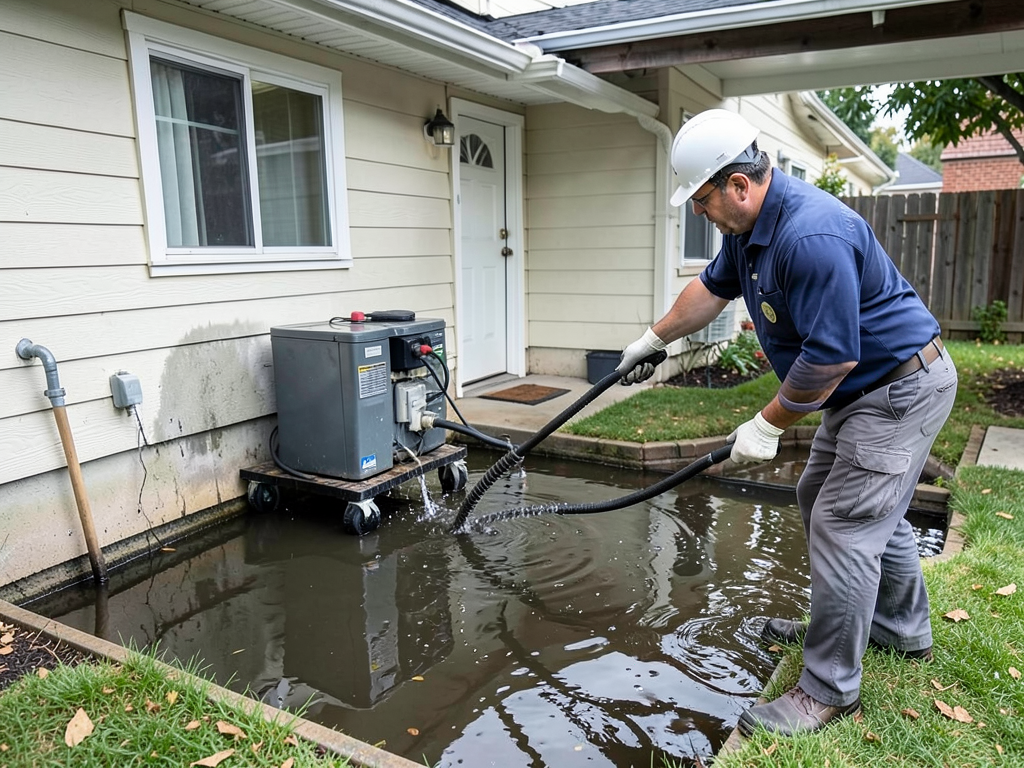
We dispatch to your property within 60 minutes of your call, day or night. Our technicians perform water extraction using high-capacity pumps, identify the source and category of water intrusion, document all damage with photos and moisture meter readings, remove unsalvageable materials, and establish a drying protocol with baseline humidity measurements. This phase protects your insurance claim by creating an indisputable damage timeline.
02

Structural Drying Verification

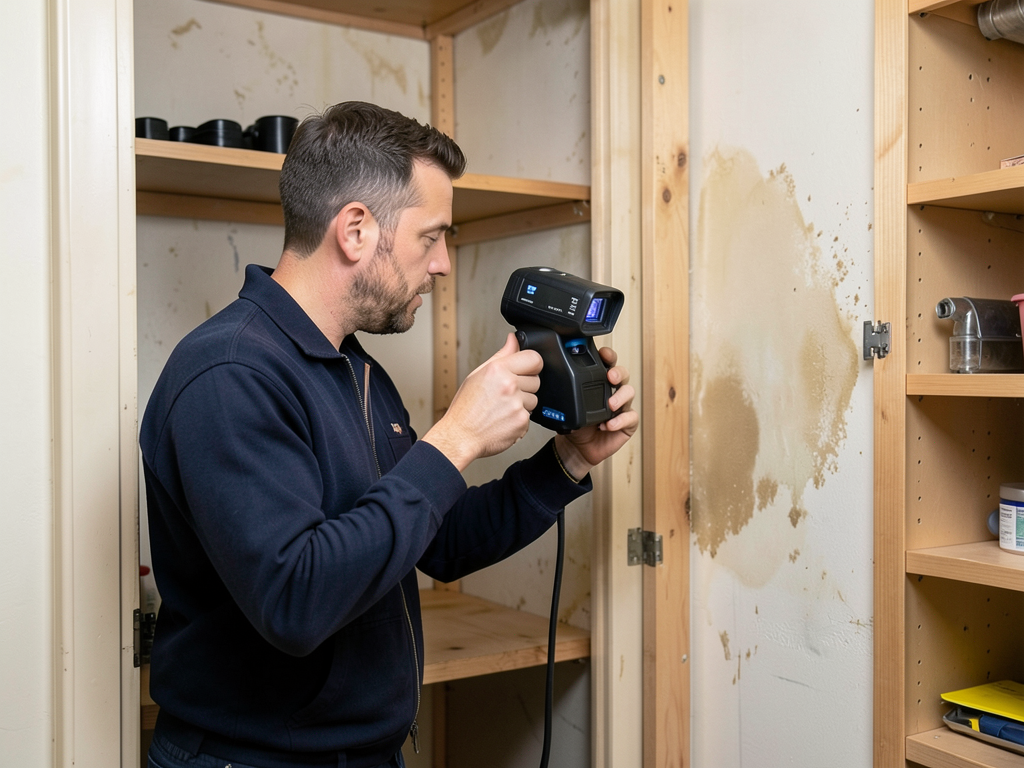
We monitor your property daily using thermal imaging cameras and penetrating moisture meters. Air movers run 24 hours to accelerate evaporation from wall cavities and subfloors. Dehumidifiers extract ambient moisture to maintain relative humidity below 50 percent. We document daily readings and adjust equipment placement based on drying progress. Your property is certified dry only when three consecutive readings meet IICRC S500 standards for structural materials.
03

Controlled Restoration Build

After drying certification, we submit restoration estimates to your insurance carrier with material specifications and labor breakdowns. Once approved, we pull permits, order materials, and schedule subcontractors. Drywall installation, texture matching, flooring replacement, and finish painting happen in sequence. You receive progress photos and change order documentation. The final walkthrough includes warranty paperwork and maintenance guidance to prevent future water intrusion in your specific building type.

Why Local Expertise Matters for San Francisco Water Damage

San Francisco is not Phoenix. Water damage here involves complications that out-of-town contractors miss. Victorian homes in Bernal Heights and the Castro have plaster walls over wood lath, not drywall. When water saturates plaster, you cannot simply cut a flood line and replace a sheet. You need plasterers who understand traditional lime-based finishes and horsehair binder.

The fog belt neighborhoods along the western edge of the city deal with persistent condensation. Restoration in the Outer Sunset or Parkside requires vapor barriers and mold-resistant materials that standard builds in drier climates skip. If your contractor does not account for this microclimate, you will see mold recurrence within six months.

San Francisco's seismic retrofit requirements also affect restoration. If we are opening walls during reconstruction, the Department of Building Inspection may require us to add shear wall bracing or foundation anchor bolts to bring your structure up to current code. This is not optional. Ignoring it means your final inspection fails and your certificate of occupancy gets withheld.

Summit Water Damage Restoration San Francisco has worked in all 49 square miles of this city. We know that South of Market lofts have concrete floors that require specialty drying equipment. We know that North Beach buildings have shared plumbing stacks that complicate water shutoffs. We know which neighborhoods have combined sewer systems that backflow during heavy rain.

Insurance adjusters also recognize local contractors. When we submit documentation, carriers know our work meets standards. They do not audit our drying logs or question our scope of work. This speeds your claim processing and gets you back in your home faster.

We also maintain relationships with local building inspectors, which matters when permit timelines affect your temporary housing costs. A contractor from Sacramento or San Jose does not have those relationships. They wait in line like everyone else.

What to Expect During Mitigation and Restoration

Emergency Response Time

We guarantee 60-minute response anywhere in San Francisco, 24 hours a day. When you call (415) 449-6555 at 3 a.m. because your water heater ruptured in the Tenderloin, our crew is already in the truck. Mitigation cannot wait until morning. Every hour of delay adds cubic feet of saturated material and increases your total claim cost. Our dispatch system prioritizes emergency calls over scheduled restoration work. You are never competing with another job. Speed determines whether your hardwood floors are salvageable or need full replacement.

Damage Assessment Process

Our initial assessment takes 45 to 90 minutes depending on your property size. We use thermal imaging to identify hidden water migration behind tile, inside cabinets, and under flooring. Moisture meters measure saturation levels in wood framing, drywall, and insulation. We categorize water as clean supply line, gray water from appliances, or black water from sewage. This categorization determines disposal requirements and safety protocols. You receive a written mitigation plan before we move equipment into your property. No surprises. No scope creep. Just transparent documentation that satisfies insurance requirements.

Final Restoration Quality

Restoration returns your property to pre-loss condition, not builder-grade basic. We match existing floor stains, replicate crown molding profiles, and color-match paint using spectrophotometry. If your Victorian home has original redwood wainscoting, we source period-appropriate replacement lumber from salvage yards. If your loft has polished concrete floors, we bring in grinders and sealers to match the existing finish. The goal is invisible repair. Your guests should not know which walls were replaced. Insurance carriers fund this level of finish because it maintains your property value and eliminates depreciation arguments during claims settlement.

Post-Restoration Support

We do not disappear after final payment. You receive a detailed maintenance guide specific to your property type and water source. If your loss involved a foundation crack, we provide monitoring guidance to catch recurring seepage before it escalates. If your building has old galvanized supply lines, we document remaining pipe life expectancy so you can budget for proactive replacement. We also maintain project files for five years, which matters if you sell your property and the buyer requests loss history during escrow. Future claims also benefit from our documentation because adjusters can compare current damage to previous baseline conditions.

Frequently Asked Questions

You Have Questions,
We Have Answers

What is the difference between water restoration and mitigation? +

Water mitigation stops damage in progress. It includes extracting standing water, removing wet materials, and drying out your property fast. Mitigation is the emergency response phase. Water restoration comes after. It repairs or replaces damaged drywall, flooring, cabinets, and structural elements to return your home to pre-loss condition. In San Francisco, mitigation often addresses burst pipes in older Victorian homes or storm flooding in lower-elevation neighborhoods like the Sunset District. Mitigation saves money by preventing mold and further damage. Restoration rebuilds what was already lost.

What is mitigation and restoration? +

Mitigation and restoration are two phases of water damage recovery. Mitigation is the urgent phase. Crews extract water, set up dehumidifiers, and remove soaked materials to prevent mold and structural deterioration. Restoration is the rebuild phase. It includes replacing drywall, installing new flooring, repainting, and fixing framing or subflooring. San Francisco properties with old plumbing or outdated galvanized pipes often need both. Mitigation must happen within 24 to 48 hours to protect your property. Restoration follows once everything is dry and safe. Both phases require specialized equipment and trained technicians.

What is the difference between restoration and remediation? +

Restoration rebuilds your property after damage. It replaces drywall, flooring, and structural components to restore function and appearance. Remediation removes hazardous materials like mold, asbestos, or contaminated water. Remediation often happens during mitigation. For example, if a sewage backup floods your basement, remediation sanitizes the space and removes contaminated materials. Restoration comes next to repair walls and floors. In San Francisco, older homes in neighborhoods like Noe Valley or the Mission often require remediation during water events due to lead pipes or hidden mold in wall cavities. Remediation protects health. Restoration returns your home to normal.

What is included in water mitigation? +

Water mitigation includes water extraction, structural drying, moisture monitoring, and removal of damaged materials. Technicians use pumps, industrial fans, and dehumidifiers to pull water from floors, walls, and crawl spaces. They document moisture levels daily to track progress. Mitigation may also include antimicrobial treatments to prevent mold growth and temporary boarding or tarping if windows or roofs are compromised. In San Francisco, mitigation addresses fog moisture intrusion in unventilated spaces and frequent plumbing failures in aging infrastructure. Fast mitigation prevents secondary damage. The goal is to stabilize your property within 72 hours and stop further loss.

Is it hard to sell a house that has had mold remediation? +

No, but disclosure is required. California law requires you to disclose past mold issues and remediation work to buyers. If remediation was done correctly by licensed professionals, it should not hurt your sale. Buyers want proof the problem was fixed and moisture sources were eliminated. In San Francisco, older homes with past water intrusion are common in foggy areas like the Richmond and Sunset districts. Professional documentation showing clearance testing and repairs adds buyer confidence. Failure to disclose or sloppy remediation work can kill a deal. Transparency and proper repairs protect your sale price.

What is the average cost of water mitigation? +

Water mitigation in San Francisco typically costs between $2,000 and $7,500, depending on the extent of damage, square footage, and water category. Clean water from a broken supply line costs less than contaminated water from a sewer backup. Mitigation in multi-story Victorian homes or properties with crawl spaces under the home can increase costs due to access challenges. Insurance often covers mitigation if the cause is sudden and accidental. Get a detailed estimate before work begins. Costs increase if you delay and mold develops. Fast action reduces overall expense and protects your claim.

What are the 4 types of mitigation? +

The four types of mitigation are avoidance, reduction, transfer, and acceptance. Avoidance eliminates risk entirely. Reduction minimizes damage through preparation like waterproofing or installing backflow valves. Transfer shifts risk to insurance policies. Acceptance means you absorb the loss. In water damage contexts, most property owners focus on reduction and transfer. San Francisco homeowners in flood-prone areas near Ocean Beach or low-lying Mission Bay neighborhoods benefit from proactive reduction strategies like sump pumps and updated drainage systems. Transfer through proper insurance coverage protects you financially. Mitigation planning reduces emergency costs and speeds recovery after water events.

When to call a water restoration company? +

Call a water restoration company immediately if you have standing water, visible ceiling stains, soaked carpets, or wet drywall. Do not wait. Water spreads fast and mold can develop within 24 to 48 hours. In San Francisco, call after pipe bursts, appliance malfunctions, roof leaks during winter storms, or sewer backups. Older homes in neighborhoods like Pacific Heights or the Haight often have hidden leaks that cause slow damage over time. If you smell mustiness or notice warping floors, call a professional for an inspection. Fast response protects your home, health, and insurance claim.

What does water restoration mean? +

Water restoration is the process of repairing and rebuilding your property after water damage. It includes replacing drywall, flooring, insulation, and structural framing damaged by water intrusion. Restoration returns your home or business to pre-loss condition. It happens after mitigation dries out the structure. In San Francisco, restoration often involves repairing water-damaged plaster walls in historic homes or replacing hardwood floors in older Edwardian flats. Restoration requires construction skills, not just drying equipment. Licensed contractors handle carpentry, electrical, and finish work to ensure code compliance and quality repairs. Restoration completes the recovery process.

Do I need water mitigation? +

Yes, if you have any amount of standing water, soaked materials, or active leaks. Water mitigation prevents mold, structural rot, and electrical hazards. Even small leaks under sinks or behind walls can cause hidden damage over time. In San Francisco, fog and moisture already challenge properties in neighborhoods like Daly City or the Outer Sunset. Adding water intrusion accelerates deterioration. Mitigation stops damage progression and protects your insurance claim. Delaying mitigation increases costs and reduces claim approval chances. If you see water where it does not belong, you need mitigation. Act fast to protect your property and health.

How San Francisco's Aging Infrastructure Creates Mitigation Urgency

San Francisco has some of the oldest residential plumbing in California. Many homes built before 1960 still have original galvanized steel supply lines and cast iron drains. These pipes corrode from the inside out. When they fail, the resulting water volume overwhelms floors and walls within minutes. The difference between water mitigation and restoration becomes critical because aging infrastructure creates catastrophic losses, not slow leaks. In neighborhoods like the Mission or Haight-Ashbury where buildings date to the 1900s, emergency mitigation saves entire floor systems that would otherwise require demolition. The coastal air also accelerates metal corrosion, which makes proactive pipe replacement part of responsible property maintenance throughout the city.

Summit Water Damage Restoration San Francisco works directly with insurance carriers who insure high-value properties in Pacific Heights, Russian Hill, and Sea Cliff. These carriers require contractors who understand historic preservation standards and can navigate Landmark Preservation Commission requirements when restoration involves protected structures. We also maintain relationships with structural engineers who specialize in seismic retrofitting, which becomes necessary when water damage exposes substandard foundation connections. Local expertise means we know which permit pathways expedite approvals and which building inspectors require additional engineering stamps for older construction. This knowledge prevents the permit delays that leave properties exposed to weather during multi-week restoration timelines.
Water Damage Restoration Services in The San Francisco Area

Our commitment to rapid response means we cover the entire San Francisco area and surrounding communities. View the map below to visualize our primary service region, which includes key neighborhoods and business districts. Whether you are located in the Financial District, the Mission, or out toward the Sunset, you can trust our 24/7 team to reach you quickly. We proudly serve both residential and commercial clients across the entire map, guaranteeing a fast and effective mitigation service the moment you need us.

Address:
Summit Water Damage Restoration San Francisco, 1390 Market St, San Francisco, CA, 94102

Additional Services We Offer

Our news updates

Latest Articles & News from The Blogs

What to Do if Your New Backyard ADU Floods During a Heavy San Francisco Rain A sudden downpour in San…

What to Do if Your New Backyard ADU Floods During a Heavy San Francisco Rain

What to Do if Your New Backyard ADU Floods During a Heavy San Francisco Rain A sudden downpour in San…

Selecting a Restoration Partner for Vulnerable Residents in a Richmond District Care Home

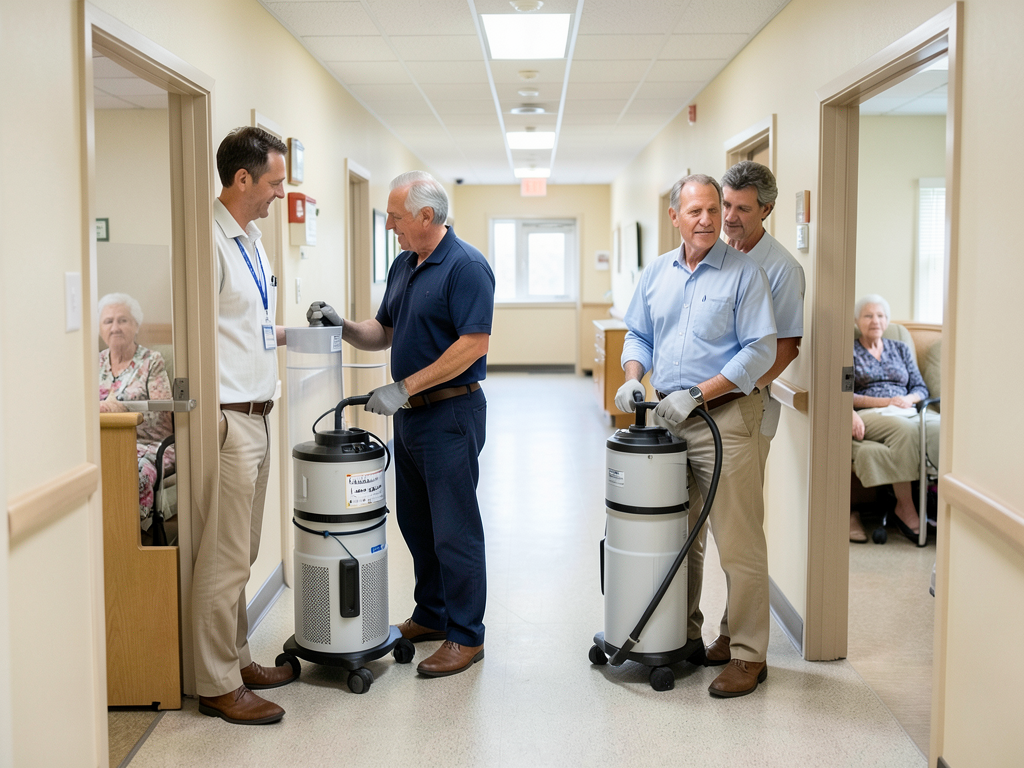
Specialized Senior Living Water Restoration Services in San Francisco Water damage in a Richmond District care home requires more than…

Why Your Noe Valley High Efficiency Boiler Could Be Slowly Flooding Your Utility Closet

Why Your Noe Valley High Efficiency Boiler Could Be Slowly Flooding Your Utility Closet If you live in a Noe…

Contact Us

Do not let insurance adjusters confuse you about mitigation vs reconstruction. Call Summit Water Damage Restoration San Francisco at (415) 449-6555 right now. We handle emergency mitigation and full restoration under one contract, which protects your claim and eliminates contractor handoff mistakes.