menu

Fire Damage Safety Checklist in San Francisco – Protect Your Family from Hidden Post-Fire Hazards

Get a comprehensive fire recovery safety guide designed for San Francisco homes, covering structural risks, toxic residue, and water damage from firefighting efforts that threaten your property long after the flames are out.

Slider Image 1
Slider Image 2
Slider Image 3
Slider Image 4
Slider Image 5
Slider Image 7
Slider Image 8
Slider Image 9
Slider Image 10
Slider Image 11

Why San Francisco Properties Face Unique Post-Fire Risks

You survived the fire, but the danger has not passed. San Francisco's dense urban neighborhoods and older building stock create specific challenges during fire recovery. Many structures in the Mission, Richmond, and Sunset districts were built before modern fire codes, with plaster walls and timber frames that absorb smoke and retain toxins differently than newer construction.

After the fire department leaves, you face three compounding threats. First, structural compromise from heat exposure weakens joists and load-bearing walls. Second, toxic residue from burned plastics, electronics, and synthetic materials coats every surface. Third, the thousands of gallons of water used to extinguish the flames saturate walls, floors, and subflooring, creating ideal conditions for mold growth within 24 to 48 hours.

San Francisco's marine layer and persistent fog make moisture evaporation slower than in drier climates. Water migrates through wall cavities and beneath flooring where you cannot see it. Without proper post-fire safety steps, you risk respiratory exposure, structural collapse, and microbial contamination that compounds your loss.

A proper fire damage safety protocol addresses all three hazards simultaneously. You need to assess structural integrity before anyone enters, document toxic residue for proper remediation, and extract water before secondary damage multiplies your restoration costs. After fire safety precautions are not optional. They protect your health and preserve what remains of your property.

Why San Francisco Properties Face Unique Post-Fire Risks
How Professional Fire Recovery Safety Assessment Works

How Professional Fire Recovery Safety Assessment Works

A professional post-fire hazard checklist starts with structural triage, not cleanup. Before you touch anything, a qualified restoration technician evaluates whether the building is safe to enter. We check floor joists for char depth, inspect ceiling supports for sag, and test electrical systems for short circuits. Fire weakens structural members from the inside. What looks intact may fail under load.

Next comes contaminant mapping. We use photoionization detectors to measure volatile organic compounds and particulate matter in the air. Different materials produce different toxins when burned. Melted PVC releases hydrochloric acid. Burned electronics leave heavy metal residues. We identify what burned so we know what we're dealing with.

Water extraction begins immediately after structural clearance. We use thermal imaging cameras to locate hidden moisture in wall cavities and beneath flooring. Standard moisture meters only read surface conditions. Thermal imaging shows temperature differentials that indicate trapped water. We map the full extent of saturation before extraction begins.

Our fire recovery safety guide prioritizes air quality restoration alongside physical cleanup. We set up negative air pressure containment with HEPA filtration to prevent cross-contamination to unaffected areas. This is critical in multi-unit buildings common throughout San Francisco's neighborhoods. We extract water using truck-mounted systems that pull moisture from deep within structural materials, not just surface puddles.

Summit Water Damage Restoration San Francisco coordinates with structural engineers when fire damage affects load-bearing components. We document everything for insurance and provide detailed remediation protocols before physical restoration begins.

Your Fire Safety Assessment Roadmap

Fire Damage Safety Checklist in San Francisco – Protect Your Family from Hidden Post-Fire Hazards
01

Initial Safety Clearance

We perform a detailed structural stability assessment before anyone enters the property. Our technicians inspect foundation integrity, check for compromised load-bearing walls, test floor stability, and identify immediate collapse hazards. We verify electrical systems are disconnected and gas lines are secure. You receive a written safety clearance or evacuation order within the first hour of our arrival.
02

Contamination and Water Mapping

Using thermal imaging and air quality monitoring equipment, we document toxic residue distribution and hidden water penetration throughout your property. We identify which materials require removal versus cleaning, map moisture migration patterns in walls and subflooring, and establish containment boundaries. This creates your customized fire damage safety protocol. You get a visual report showing exactly what needs attention and why.
03

Remediation Action Plan

We provide a prioritized remediation sequence covering structural repairs, toxic material removal, water extraction, and microbial prevention. You receive specific after fire safety precautions for your property, including which areas to avoid, what protective equipment is required, and when each space will be safe for occupancy. Our action plan coordinates with your insurance adjuster and includes timeline estimates for each phase of recovery.

Why San Francisco Fire Recovery Requires Local Expertise

San Francisco's unique building characteristics and environmental conditions demand specialized fire recovery knowledge. The city's strict building codes, historic preservation requirements, and seismic retrofit standards affect every aspect of post-fire restoration. A contractor unfamiliar with San Francisco Department of Building Inspection requirements will cost you time and money in rejected permits and rework.

Our team understands how fire affects San Francisco's common construction types. Victorian-era homes with balloon framing allow fire and smoke to travel differently than platform-framed structures. Unreinforced masonry buildings in SoMa and the Financial District require specific assessment protocols. We know which structural elements need engineer certification before restoration proceeds.

The marine environment creates accelerated deterioration after fire exposure. Salt air corrodes exposed metal components faster. Persistent moisture slows drying and accelerates mold growth. We adjust our water extraction and dehumidification protocols for San Francisco's coastal climate. Standard drying times from inland regions do not apply here.

Summit Water Damage Restoration San Francisco maintains relationships with local structural engineers, environmental testing labs, and restoration material suppliers. When your fire recovery requires specialized testing or hard-to-source materials compatible with historic properties, we have established channels. We navigate San Francisco's permitting process and understand which repairs require city inspection before proceeding.

We also understand the insurance landscape in San Francisco, where coverage for fire and water damage intersects with earthquake and flood policy exclusions. Our documentation supports your claim and helps you maximize recovery under your specific policy terms.

What Your Fire Safety Assessment Includes

Rapid Response Availability

Fire damage assessment cannot wait. We provide emergency response within two hours of your call, 24 hours a day. Our technicians arrive with thermal imaging equipment, moisture detection tools, and air quality monitors. We secure your property, establish safety perimeters, and begin documentation immediately. Time matters because hidden water damage progresses every hour, and toxic residues become harder to remediate as they cure. You get immediate answers about safety and next steps, not vague promises to schedule an appointment.

Comprehensive Safety Evaluation

Our assessment covers structural stability, air quality, water intrusion, electrical hazards, and toxic material contamination. We test air quality for carbon monoxide, volatile organic compounds, and particulate matter. We document all findings with photographs, thermal images, and moisture readings. You receive a written report detailing safe areas, restricted zones, and specific hazards identified. This documentation supports your insurance claim and provides the foundation for your restoration plan. We explain findings in clear terms and answer questions about health risks and property damage.

Detailed Remediation Roadmap

You get a specific action plan prioritizing safety and damage mitigation. We outline which materials require removal, which can be cleaned, and what structural repairs are needed. Our roadmap includes water extraction protocols, dehumidification timelines, and microbial prevention measures. We coordinate with your insurance adjuster and provide cost estimates for each phase. You understand exactly what needs to happen, in what order, and why. We identify long-term concerns like trapped moisture and hidden structural damage that could cause problems months later if not addressed now.

Ongoing Monitoring and Support

Fire recovery extends beyond initial cleanup. We provide follow-up moisture monitoring to verify complete drying, air quality retesting after remediation, and documentation for final insurance settlement. If you hire other contractors for reconstruction, we remain available to answer questions about hidden damage or moisture concerns that surface during repairs. Our goal is complete recovery, not just initial assessment. We track your property through restoration and verify that all fire-related and water-related hazards have been properly addressed before you reoccupy.

Frequently Asked Questions

You Have Questions,
We Have Answers

How San Francisco's Building Density Complicates Fire Damage Safety

San Francisco's tightly packed neighborhoods mean fire in one unit affects adjacent properties through shared walls, common attics, and interconnected utility systems. Smoke and water migrate through party walls. When firefighters flood your apartment to stop the flames, water saturates the unit below. Your post-fire safety steps must account for multi-unit contamination and structural compromise beyond the fire origin point. This is particularly critical in the Richmond and Sunset districts, where row houses share common structural elements. A comprehensive fire recovery safety guide for San Francisco properties addresses lateral damage and cross-contamination risks that do not exist in detached single-family homes.

San Francisco's Department of Building Inspection requires specific documentation and permitting for post-fire restoration work, especially in historic districts and buildings with previous seismic retrofits. Local contractors who understand these requirements prevent costly delays and rejected permits. Summit Water Damage Restoration San Francisco works regularly with city inspectors and knows which fire damage repairs require structural engineer review before proceeding. We document conditions to city standards and coordinate inspections at appropriate restoration milestones. Choosing a restoration company with established relationships within San Francisco's regulatory environment protects you from compliance issues that halt your recovery and extend displacement time.
Water Damage Restoration Services in The San Francisco Area

Our commitment to rapid response means we cover the entire San Francisco area and surrounding communities. View the map below to visualize our primary service region, which includes key neighborhoods and business districts. Whether you are located in the Financial District, the Mission, or out toward the Sunset, you can trust our 24/7 team to reach you quickly. We proudly serve both residential and commercial clients across the entire map, guaranteeing a fast and effective mitigation service the moment you need us.

Address:
Summit Water Damage Restoration San Francisco, 1390 Market St, San Francisco, CA, 94102

Additional Services We Offer

Our news updates

Latest Articles & News from The Blogs

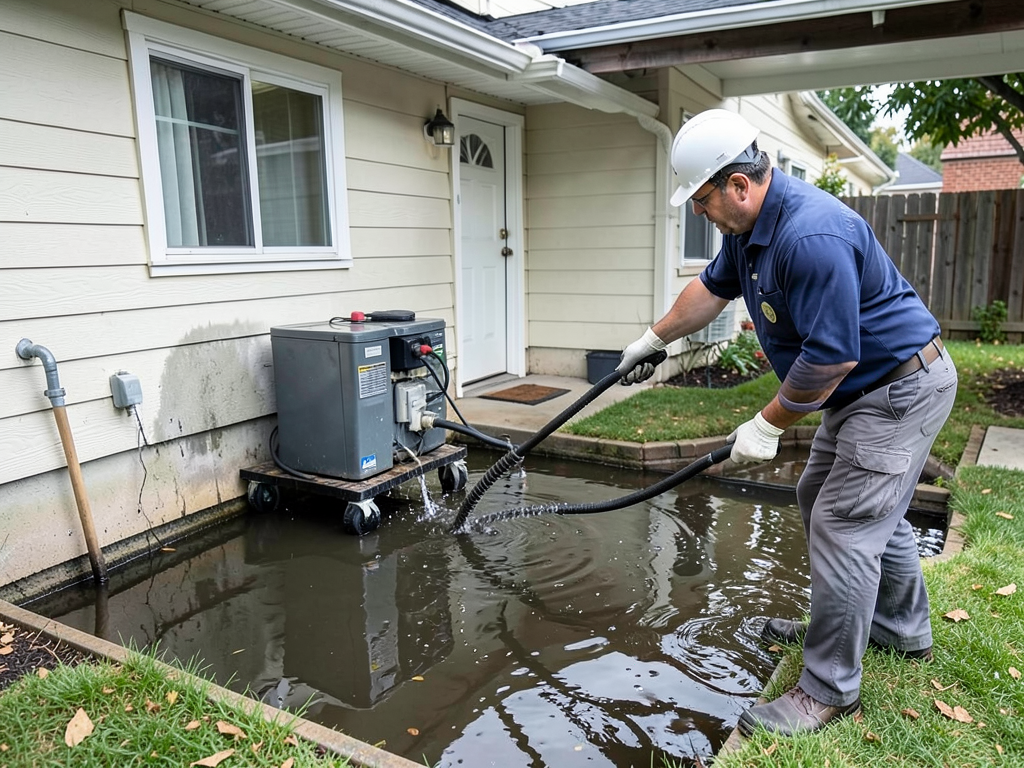
What to Do if Your New Backyard ADU Floods During a Heavy San Francisco Rain A sudden downpour in San…

What to Do if Your New Backyard ADU Floods During a Heavy San Francisco Rain

What to Do if Your New Backyard ADU Floods During a Heavy San Francisco Rain A sudden downpour in San…

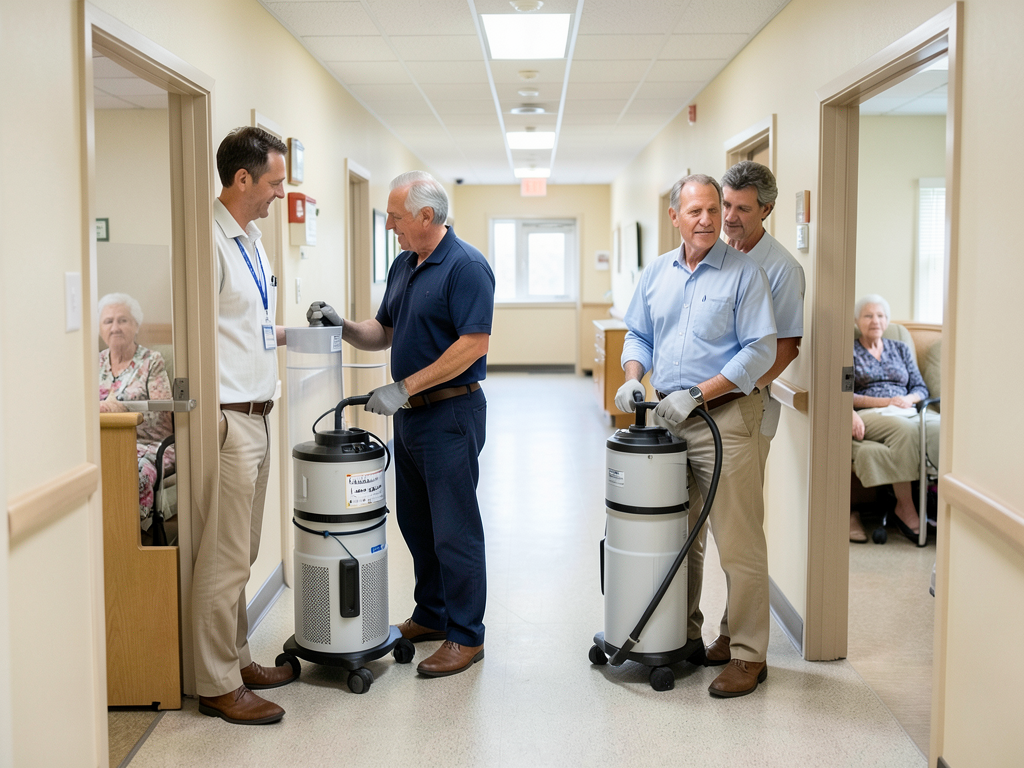
Selecting a Restoration Partner for Vulnerable Residents in a Richmond District Care Home

Specialized Senior Living Water Restoration Services in San Francisco Water damage in a Richmond District care home requires more than…

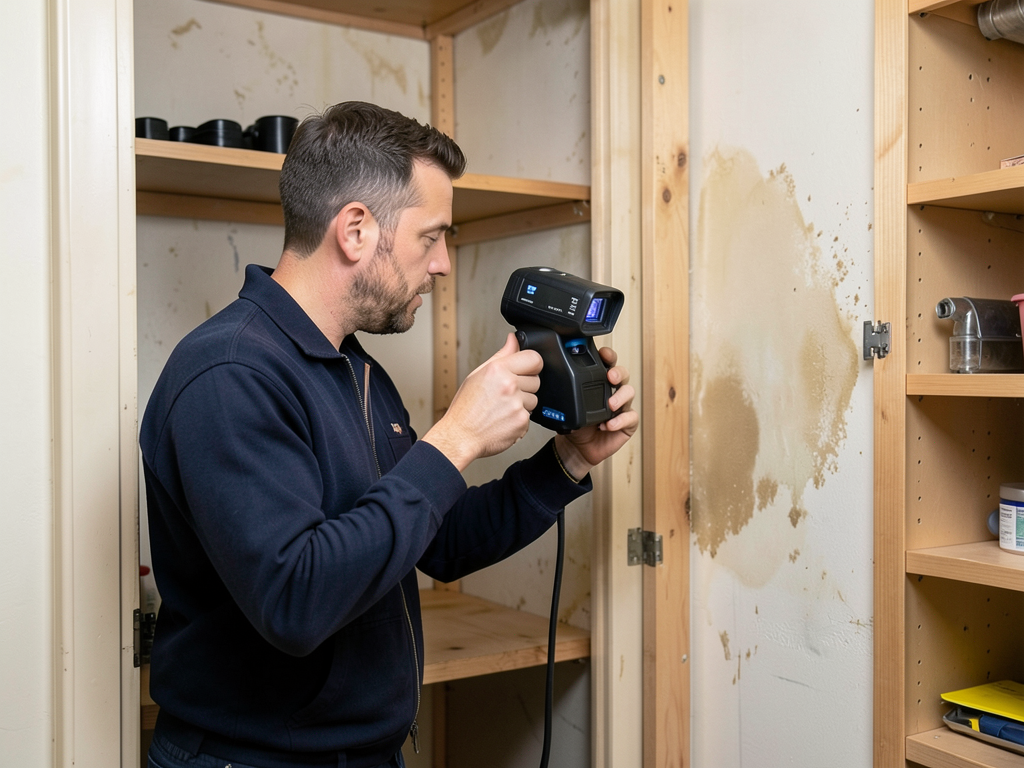
Why Your Noe Valley High Efficiency Boiler Could Be Slowly Flooding Your Utility Closet

Why Your Noe Valley High Efficiency Boiler Could Be Slowly Flooding Your Utility Closet If you live in a Noe…

Contact Us

Do not risk your family's safety or your property's value by guessing about post-fire hazards. Call Summit Water Damage Restoration San Francisco at (415) 449-6555 for immediate assessment. We respond within two hours and provide the comprehensive fire damage safety protocol your property needs.