menu

Dishwasher Leak Emergency in San Francisco – 60-Minute Response to Stop Water Damage Now

Summit Water Damage Restoration San Francisco arrives fast when your dishwasher floods your kitchen. We extract standing water, dry hidden moisture in cabinets and subflooring, and prevent mold before it starts with emergency dishwasher water cleanup available 24/7.

Slider Image 1
Slider Image 2
Slider Image 3
Slider Image 4
Slider Image 5
Slider Image 7
Slider Image 8
Slider Image 9
Slider Image 10
Slider Image 11

Why Dishwasher Leaks in San Francisco Homes Escalate Fast

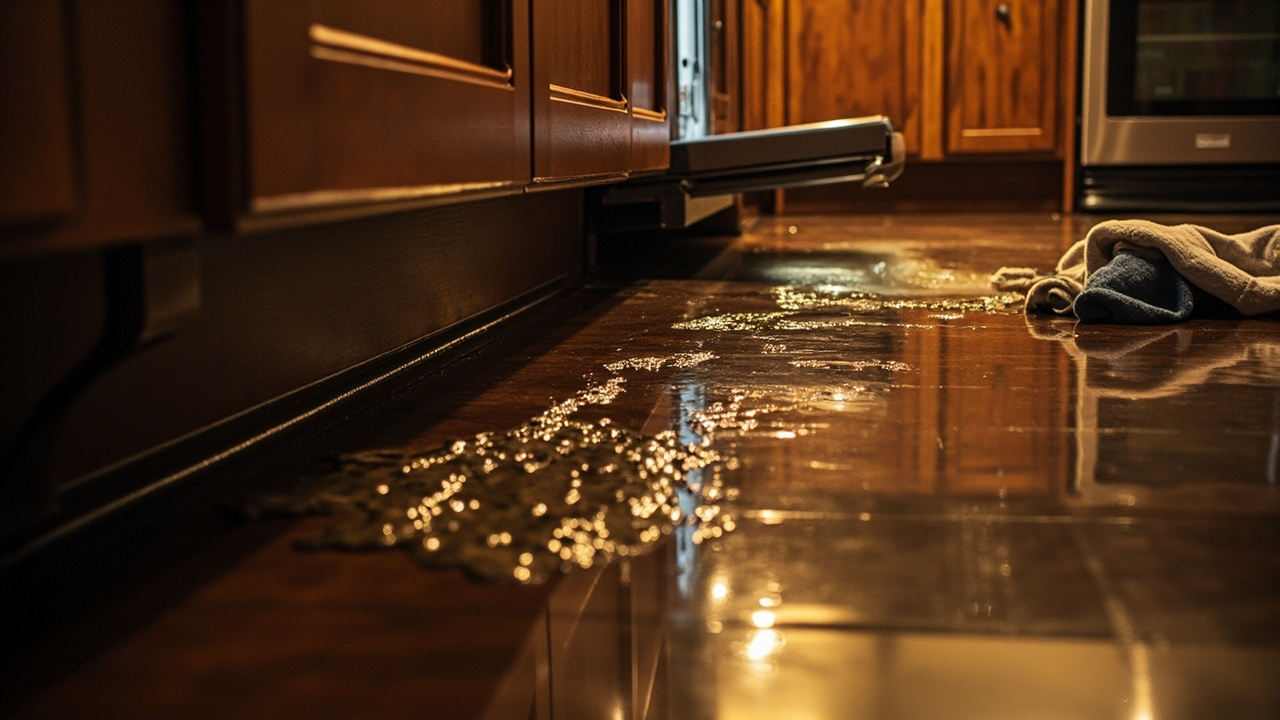
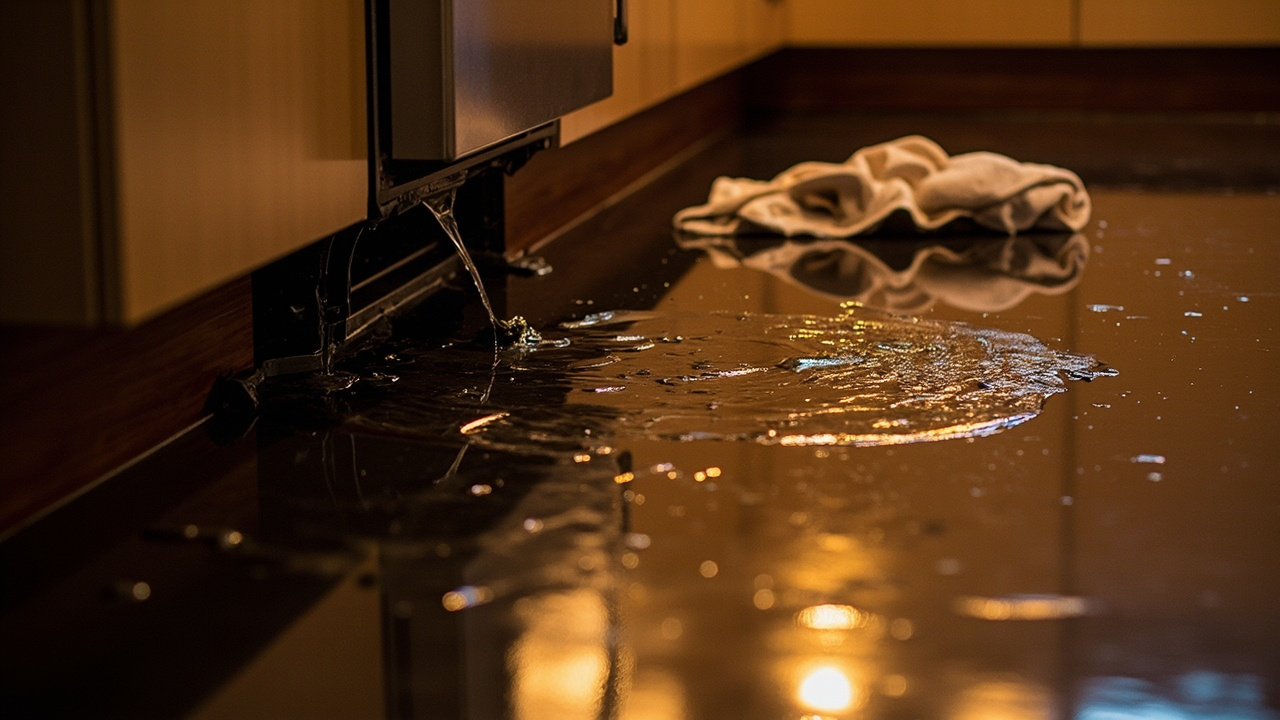
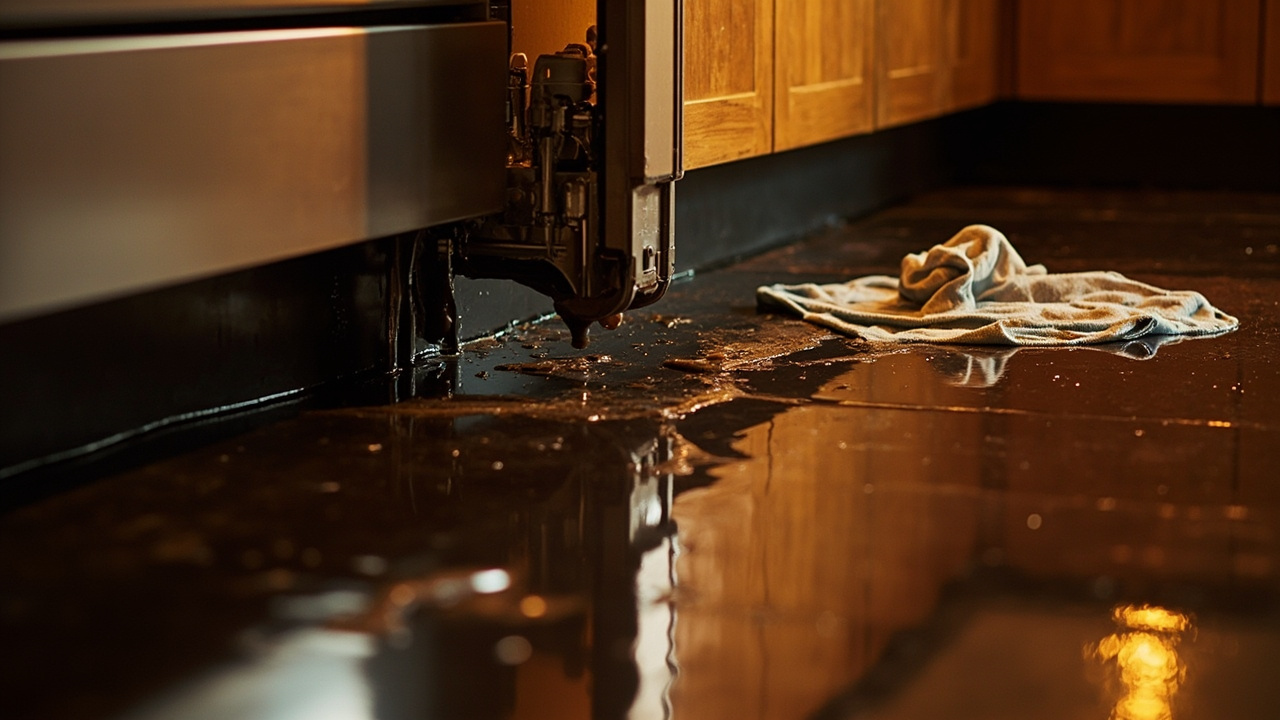
You walk into your kitchen and find water pooling around your dishwasher. Your first instinct is to grab towels and soak it up. But here's what you cannot see: water has already seeped under your cabinets, into the subfloor, and between the wall cavity behind your appliance.

San Francisco's older housing stock makes this worse. Many homes in the Sunset, Richmond, and Mission districts were built between 1920 and 1960 with hardwood floors laid directly over plywood subfloors. These materials absorb water quickly. The city's frequent fog and humidity mean your home's baseline moisture level is already elevated. When a dishwasher overflows or a supply line ruptures, that existing moisture compounds the damage. Wood swells, adhesive breaks down, and mold spores activate within 24 to 48 hours.

A leaking dishwasher water extraction job is not just about mopping up visible water. The real damage happens in the spaces you cannot reach. Water migrates through capillary action into adjoining rooms. It travels under baseboards and behind kickplates. If your home has original tongue-and-groove flooring common in Victorian and Edwardian homes, water spreads between the planks and sits on the subfloor below.

Urgent dishwasher flood restoration means addressing the source, extracting all standing water, and using thermal imaging to map moisture migration patterns. Flooded kitchen dishwasher cleanup is time-sensitive. Every hour you wait, the damage deepens and the bill grows.

Why Dishwasher Leaks in San Francisco Homes Escalate Fast
How We Execute Emergency Dishwasher Water Cleanup in San Francisco

How We Execute Emergency Dishwasher Water Cleanup in San Francisco

Summit Water Damage Restoration San Francisco does not just mop and leave. We follow a structured mitigation protocol designed for appliance-related water intrusion events.

First, we isolate the water source. If the supply line is still leaking, we shut off the fixture valve or the main water supply. If the drain line has backed up, we assess whether the issue is appliance-specific or tied to a deeper plumbing obstruction. This distinction matters because dishwasher overflow emergency services require different containment strategies depending on whether the water is clean supply line water or gray water from a drainage failure.

Next, we deploy truck-mounted extractors to remove standing water. These units generate negative pressure to pull water from carpet fibers, grout lines, and hardwood seams. We do not use shop vacs. Truck-mounted systems remove up to 95% of water in a single pass, which prevents secondary wicking and reduces drying time.

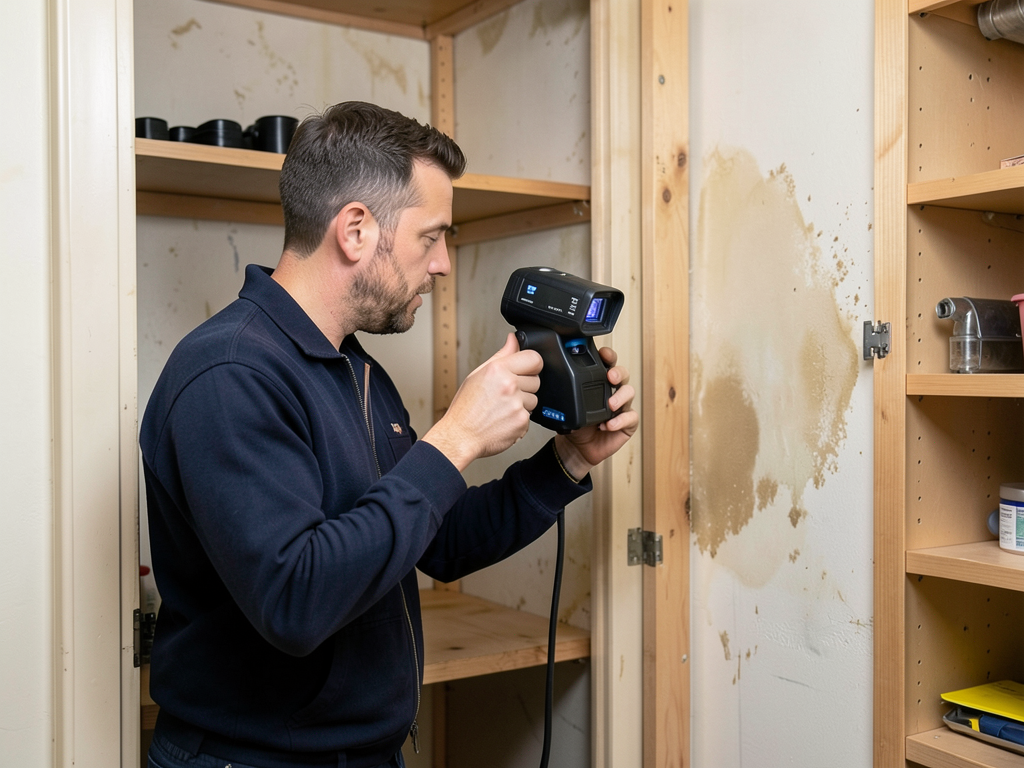
After extraction, we use infrared cameras to scan walls, cabinets, and subfloors for hidden moisture. San Francisco homes often have plaster walls and lathe backing. These materials trap water and do not dry passively. We place air movers and low-grain refrigerant dehumidifiers to create a controlled drying environment. Air movers increase evaporation rates by directing high-velocity airflow across wet surfaces. Dehumidifiers lower the dew point in the room so evaporated moisture does not condense back onto surfaces.

We monitor moisture levels daily using pin-type and pinless moisture meters. Drying is complete when readings match the baseline moisture content of unaffected materials. This is not guesswork. We document every reading for insurance claims and to ensure no residual moisture remains that could trigger mold growth.

What Happens During Your Dishwasher Leak Emergency Call

Dishwasher Leak Emergency in San Francisco – 60-Minute Response to Stop Water Damage Now
01

Immediate Dispatch and Arrival

You call our emergency line at (415) 449-6555 and speak directly to a dispatcher who logs your address and the nature of the leak. We dispatch a two-person crew within 60 minutes. Our trucks carry truck-mounted extractors, thermal imaging cameras, moisture meters, air movers, and dehumidifiers. You do not wait for equipment to be sourced. Everything arrives on the first visit.
02

Water Extraction and Containment

Our team shuts off the water source and begins extraction immediately. We pull up water from floors, baseboards, and cabinet interiors. We remove kickplates to access the subfloor and use thermal imaging to map moisture migration into walls and adjoining rooms. Air movers and dehumidifiers are placed based on moisture readings, not guesswork. We document all affected areas with photos and moisture logs.
03

Drying and Final Verification

We monitor drying progress daily. Moisture meters measure wood, drywall, and subfloor moisture levels until they return to normal. Once readings stabilize, we remove equipment and perform a final walkthrough. You receive a detailed report with before-and-after moisture readings, photos, and a timeline of all work performed. This documentation supports insurance claims and proves the job was completed correctly.

Why San Francisco Homeowners Choose Summit Water Damage Restoration

San Francisco's housing is different. You have multi-unit Victorians with shared walls, narrow galley kitchens with limited access, and older plumbing systems that do not meet current code. A dishwasher leak in a Marina condo can affect the unit below. A flood in a Noe Valley single-family home can spread under hardwood that has been in place for 80 years.

We understand how water moves through these structures. We know that many San Francisco homes have minimal crawl space clearance, which limits subfloor access. We know that older homes often lack vapor barriers, so moisture migrates quickly. We know that the Department of Building Inspection requires permits for structural drying in some cases, and we handle that paperwork.

Summit Water Damage Restoration San Francisco is local. We have worked in every neighborhood from Bayview to Pacific Heights. We know which streets have cast iron drain lines that corrode and which homes have subfloors that wick moisture from the Bay Area's natural humidity. We know how to navigate HOA requirements in high-rise buildings and how to coordinate with property managers when your dishwasher leak affects common areas.

We also work directly with insurance adjusters. We document everything with moisture maps, photos, and daily logs. We provide itemized estimates that match Xactimate pricing, which is the software most insurance companies use. This reduces claim disputes and speeds up reimbursement. You do not fight with your insurance company because we provide the documentation they need to approve your claim.

Trust matters when water is spreading through your home. You need a company that shows up fast, works methodically, and finishes the job correctly the first time.

What to Expect During Emergency Dishwasher Water Cleanup

60-Minute Emergency Response Time

We dispatch crews within 60 minutes of your call, any time of day or night. Our service area covers all of San Francisco, from the Embarcadero to Ocean Beach. You do not wait until morning or the next business day. Water damage does not pause, and neither do we. Our trucks are stocked with extraction equipment, drying tools, and moisture detection devices so we can begin mitigation immediately upon arrival. You get a realistic timeline on-site after we assess the extent of water migration.

Thermal Imaging and Moisture Mapping

We use FLIR thermal imaging cameras to detect moisture behind walls, under cabinets, and in subfloors. These cameras display temperature differentials that reveal wet areas invisible to the naked eye. We then use pin-type and pinless moisture meters to quantify moisture content in wood, drywall, and concrete. Every affected area is photographed and logged. This data forms the foundation of your insurance claim and ensures we dry every wet surface, not just the areas you can see.

Complete Drying and Mold Prevention

Drying is complete when moisture readings in affected materials match readings in unaffected areas. This process takes three to five days on average, depending on the extent of water intrusion and the materials involved. We place commercial-grade air movers and low-grain refrigerant dehumidifiers to accelerate evaporation and remove airborne moisture. We do not pull equipment early. Partial drying leads to mold growth, and we prevent that by monitoring moisture levels daily until they stabilize.

Insurance Coordination and Documentation

We document every step of the mitigation process with photos, moisture logs, and equipment placement records. You receive a detailed report that includes before-and-after moisture readings, a list of affected materials, and an itemized estimate. We use Xactimate software to generate estimates that align with insurance company pricing databases, which reduces disputes and speeds up claim approval. If your adjuster needs additional documentation or wants to inspect the site, we coordinate that visit and provide technical explanations of the work performed.

Frequently Asked Questions

You Have Questions,
We Have Answers

Is a dishwasher leak an emergency? +

Yes, a dishwasher leak can become an emergency if it floods your kitchen or seeps into walls, subfloors, or cabinets. Water spreads fast in San Francisco's older Victorian and Edwardian homes, where wood framing absorbs moisture quickly. If you see pooling water, shut off the dishwasher immediately and turn off the water supply valve under the sink. Mold starts growing within 24-48 hours in our humid coastal climate. Call a water damage restoration team right away to extract water and prevent structural damage. Fast action stops a small leak from becoming a costly disaster.

What do you do if your dishwasher is leaking? +

First, stop the water. Turn off your dishwasher mid-cycle and shut the supply valve under your sink. Pull towels around the leak to contain spreading water. Empty the standing water in the tub manually if needed. Next, check the door gasket and latch for visible damage. If water soaked into cabinets or flooring, move quickly. Call a water damage restoration professional in San Francisco who can extract moisture, check subfloors, and prevent mold. Do not ignore even small leaks. They worsen fast and can rot wood framing common in Bay Area homes.

Who to call if your dishwasher is leaking? +

Call a water damage restoration company immediately if water has spread beyond the immediate appliance area. They extract standing water, dry out hidden moisture in walls and subfloors, and prevent mold growth. If the leak is minor and confined, a licensed plumber can diagnose and repair the appliance issue. In San Francisco, many older homes have interconnected plumbing and tight spaces, so leaks can migrate quickly between floors. For serious flooding or structural concerns, restoration teams arrive 24/7 with industrial drying equipment. Speed matters. The faster you call, the less damage you face.

How to emergency drain a dishwasher? +

To emergency drain a dishwasher, first turn off power at the breaker or unplug the unit. Open the door and use a shallow pan or towels to soak up standing water in the tub. Locate the drain hose under the sink and disconnect it into a bucket to release trapped water. You can also bail water manually with a cup. If the drain pump failed, water may not exit fully. After draining, pull the unit forward to check for pooling underneath. In San Francisco's older homes, leaks can seep through flooring fast, so act quickly and call for professional water extraction.

How common is it for a dishwasher to leak? +

Dishwasher leaks are relatively common, especially in older units or homes with hard water buildup. Door gaskets wear out, hoses crack, and drain pumps fail over time. In San Francisco, the Bay Area's mineral-heavy water can accelerate wear on seals and connections. Most leaks start small but worsen without attention. Regular maintenance helps, but even new dishwashers can leak due to installation errors or faulty parts. The key is catching leaks early. If you see moisture pooling around the appliance, address it immediately before water damages cabinetry, subfloors, or spreads into adjacent rooms.

Is a leak considered an emergency? +

Yes, a leak is an emergency if water spreads rapidly, soaks into walls or floors, or threatens electrical systems. In San Francisco homes with older wood framing and plaster walls, water absorption happens fast. A small leak can escalate into structural damage, mold growth, and costly repairs within hours. If you see pooling water, damp drywall, or warping floors, treat it as urgent. Shut off the water source, contain the spread with towels, and call a water damage restoration team immediately. Waiting turns a manageable problem into a major disaster. Speed protects your home and your wallet.

Where is the most common place for a dishwasher to leak? +

The most common leak points are the door gasket, the drain hose connection under the sink, and the water inlet valve. The door gasket wears out from repeated use and can crack or lose its seal, letting water escape during cycles. Drain hoses can loosen or crack where they connect to the sink plumbing. The inlet valve, which controls water flow into the dishwasher, can fail and drip. In San Francisco's older homes, vibrations from settling foundations or outdated plumbing fittings can loosen connections over time. Inspect these areas first when troubleshooting a leak.

Can I still use a leaking dishwasher? +

No, do not use a leaking dishwasher. Running it will spread more water across your kitchen floor, into cabinets, and potentially through the subfloor into lower levels. In San Francisco's multi-story homes, leaks can damage ceilings and walls below. Continuing to use a faulty appliance also risks electrical hazards if water contacts wiring or outlets. The leak will worsen as seals degrade further or hoses crack completely. Shut off the unit immediately, turn off the water supply, and call a professional to assess the damage. Using a leaking dishwasher turns a repair into a renovation.

Why is my dishwasher leaking from the bottom underneath? +

A leak from the bottom usually means a failed door gasket, a cracked tub, a loose or damaged drain hose, or a failing pump seal. Water escaping during the wash cycle pools underneath the unit and spreads across your floor. In San Francisco homes, where kitchens often sit above basements or garages, leaks can drip through flooring and damage spaces below. Pull the dishwasher forward carefully to inspect hose connections and the pump area. If you see standing water or soaked insulation underneath, call a water damage restoration team to dry hidden moisture and prevent mold.

How much does it cost to fix a dishwasher leak? +

Repair costs vary depending on the cause. Replacing a door gasket runs around $100-$200, while a new drain hose costs $150-$250 installed. If the pump or inlet valve failed, expect $200-$400. However, if the leak caused water damage to your cabinets, flooring, or subfloor, restoration costs climb significantly. In San Francisco, where many homes have hardwood floors and custom cabinetry, water damage repair can reach thousands. The key is acting fast. Call a water damage restoration team immediately to extract moisture and prevent mold, which saves you money long-term.

How San Francisco's High Humidity Amplifies Dishwasher Leak Damage

San Francisco's average relative humidity hovers between 70% and 85% year-round due to marine air from the Pacific Ocean. This baseline moisture level means your home's building materials already contain elevated moisture. When a dishwasher leaks, water does not evaporate quickly. It soaks into wood, drywall, and grout, where it remains trapped. Mold spores, which are dormant in dry conditions, activate rapidly in this environment. Emergency dishwasher water cleanup in San Francisco requires aggressive dehumidification to counteract the natural humidity and force moisture out of materials before mold colonizes.

Many San Francisco homes are protected under historic preservation guidelines, especially in neighborhoods like Alamo Square and Haight-Ashbury. Water damage restoration in these properties requires sensitivity to original materials and architectural details. We work with contractors who understand how to dry and restore period-appropriate flooring, plaster walls, and custom cabinetry without violating preservation standards. We also coordinate with the San Francisco Planning Department when permits are required for structural drying or material replacement, ensuring your restoration complies with local regulations.
Water Damage Restoration Services in The San Francisco Area

Our commitment to rapid response means we cover the entire San Francisco area and surrounding communities. View the map below to visualize our primary service region, which includes key neighborhoods and business districts. Whether you are located in the Financial District, the Mission, or out toward the Sunset, you can trust our 24/7 team to reach you quickly. We proudly serve both residential and commercial clients across the entire map, guaranteeing a fast and effective mitigation service the moment you need us.

Address:
Summit Water Damage Restoration San Francisco, 1390 Market St, San Francisco, CA, 94102

Additional Services We Offer

Our news updates

Latest Articles & News from The Blogs

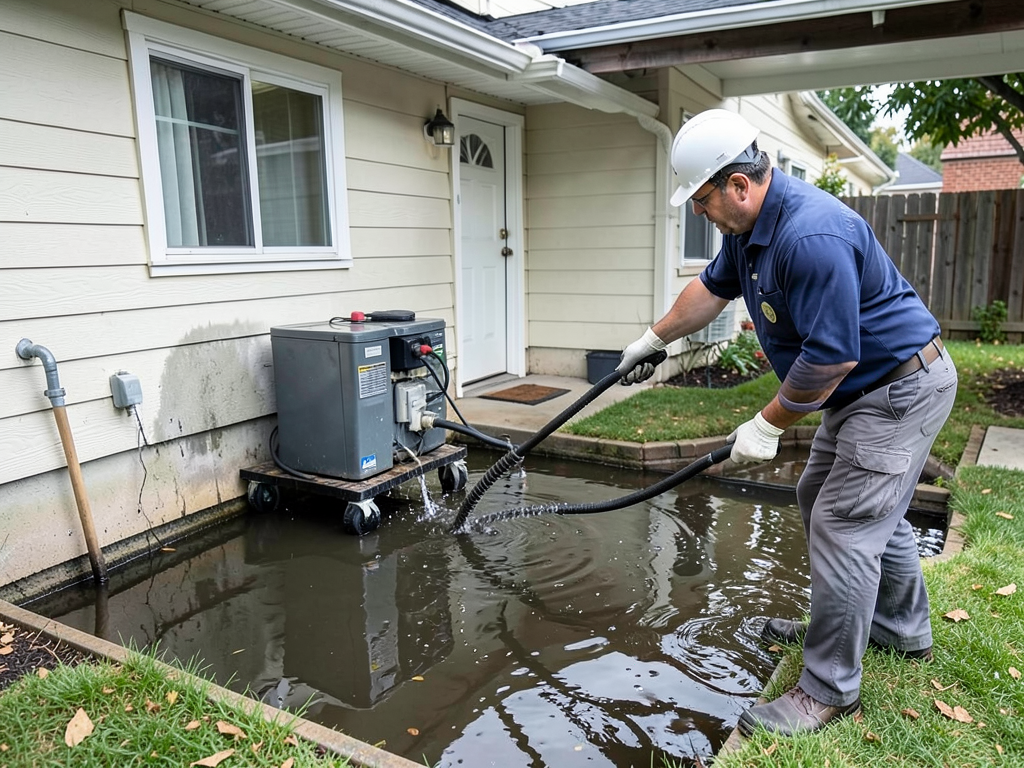
What to Do if Your New Backyard ADU Floods During a Heavy San Francisco Rain A sudden downpour in San…

What to Do if Your New Backyard ADU Floods During a Heavy San Francisco Rain

What to Do if Your New Backyard ADU Floods During a Heavy San Francisco Rain A sudden downpour in San…

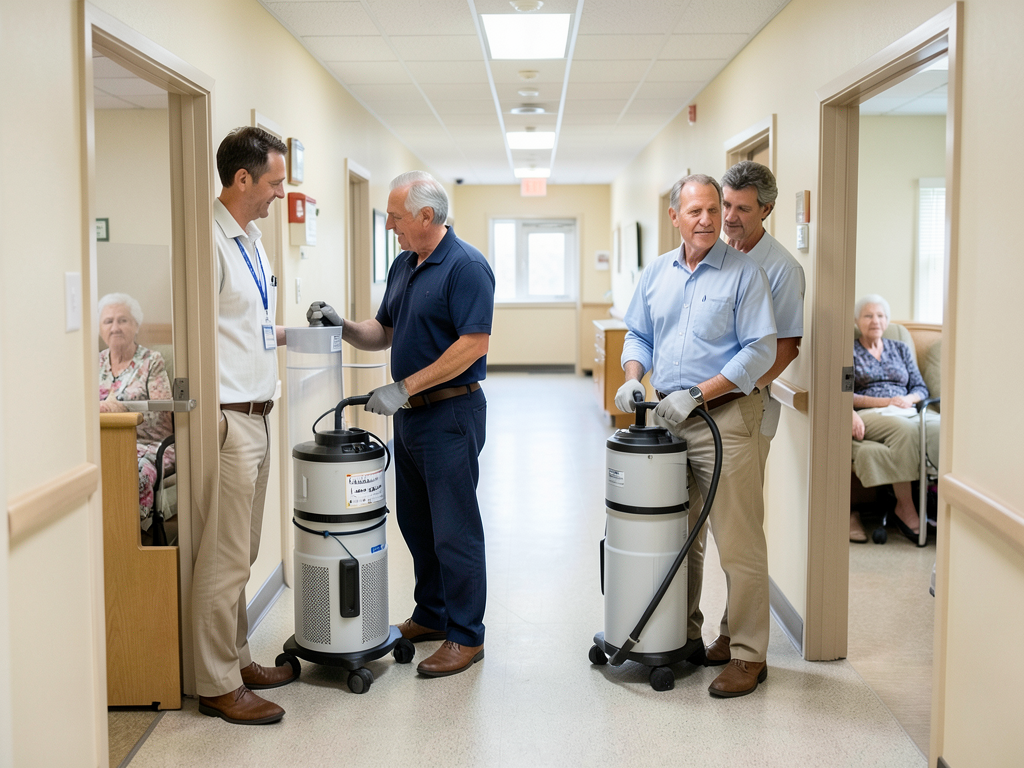
Selecting a Restoration Partner for Vulnerable Residents in a Richmond District Care Home

Specialized Senior Living Water Restoration Services in San Francisco Water damage in a Richmond District care home requires more than…

Why Your Noe Valley High Efficiency Boiler Could Be Slowly Flooding Your Utility Closet

Why Your Noe Valley High Efficiency Boiler Could Be Slowly Flooding Your Utility Closet If you live in a Noe…

Contact Us

Your dishwasher leak is not going to fix itself. Every minute water sits in your cabinets, subfloor, and walls increases the damage and the repair bill. Call Summit Water Damage Restoration San Francisco now at (415) 449-6555 for 60-minute emergency response and professional water extraction.