menu

24/7 Emergency Water Removal in San Francisco – Immediate Dispatch, Arrive in 60 Minutes or Less

When water invades your property, every minute counts. Our emergency water extraction services operate around the clock across San Francisco, deploying rapid-response teams equipped with industrial extraction gear to stop damage before it spreads.

Slider Image 1
Slider Image 2
Slider Image 3
Slider Image 4
Slider Image 5
Slider Image 7
Slider Image 8
Slider Image 9
Slider Image 10
Slider Image 11

Why Waiting Even One Hour Can Cost You Thousands in San Francisco

Water does not sleep. In the first 60 minutes after a pipe bursts or a toilet overflows, water seeps into subfloors, climbs drywall cavities, and saturates insulation. In San Francisco's fog-heavy microclimate, that moisture does not evaporate. It sits. Mold spores activate within 24 to 48 hours in our cool, damp air. Hardwood floors cup. Electrical panels corrode. Your homeowner's insurance adjuster will ask when you called for help. The longer you wait, the harder it is to prove you mitigated damage quickly.

San Francisco's Victorian and Edwardian homes, with their original plaster walls and balloon framing, are especially vulnerable. Water travels vertically through these structures faster than in modern homes. A second-floor bathroom leak can saturate the dining room ceiling below in minutes. Multi-unit buildings in neighborhoods like the Mission or the Sunset face added risk. One flooded apartment can cascade down three floors, triggering tenant displacement and liability claims.

You need 24 hour water damage cleanup that understands how water behaves in these older structures. Generic emergency water extraction services will pump out standing water and leave. We extract, dehumidify, and monitor moisture levels in wall cavities to prevent secondary damage. Our urgent water mitigation teams carry thermal imaging cameras to map water intrusion you cannot see. We document everything for your insurance claim because immediate water removal is only half the job.

Why Waiting Even One Hour Can Cost You Thousands in San Francisco
How Our Emergency Response Protocol Stops Damage in Its Tracks

How Our Emergency Response Protocol Stops Damage in Its Tracks

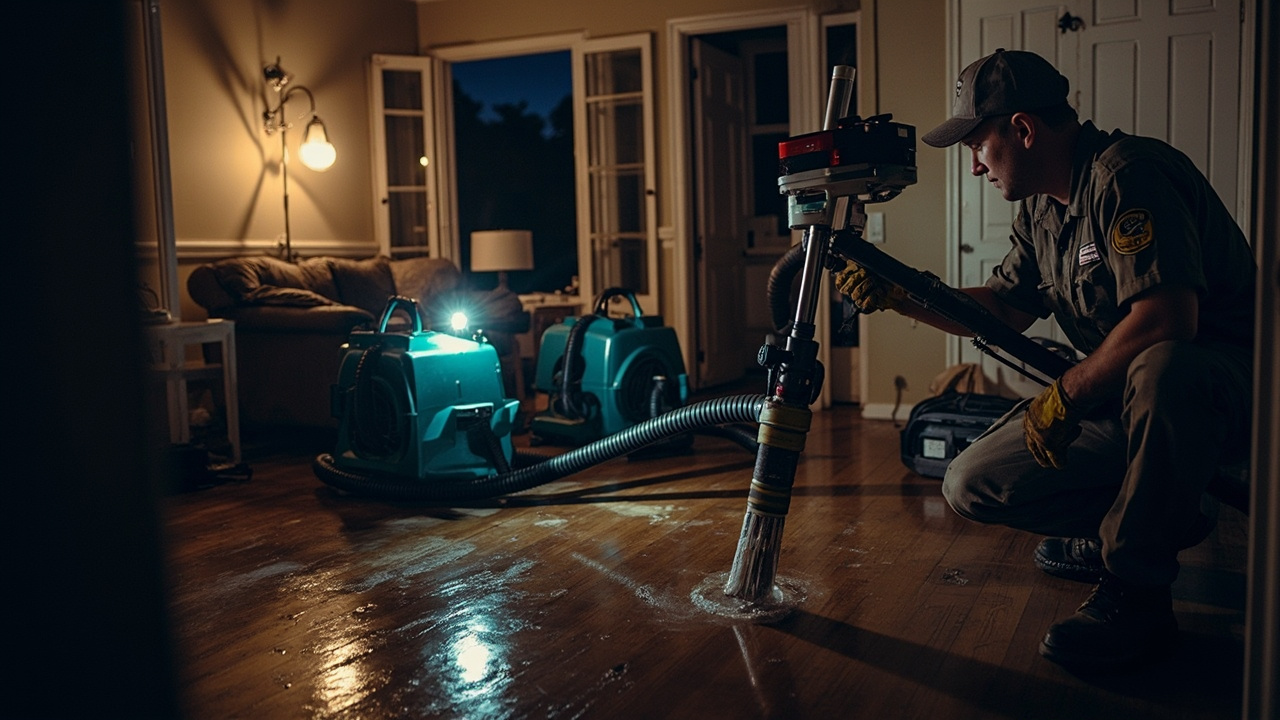
When you call our dispatch line, we do not schedule you for tomorrow. We activate the nearest crew immediately. Our trucks carry truck-mounted extractors capable of removing hundreds of gallons per hour, portable air movers rated for commercial airflow, and low-grain refrigerant dehumidifiers that pull moisture out of saturated materials faster than conventional units.

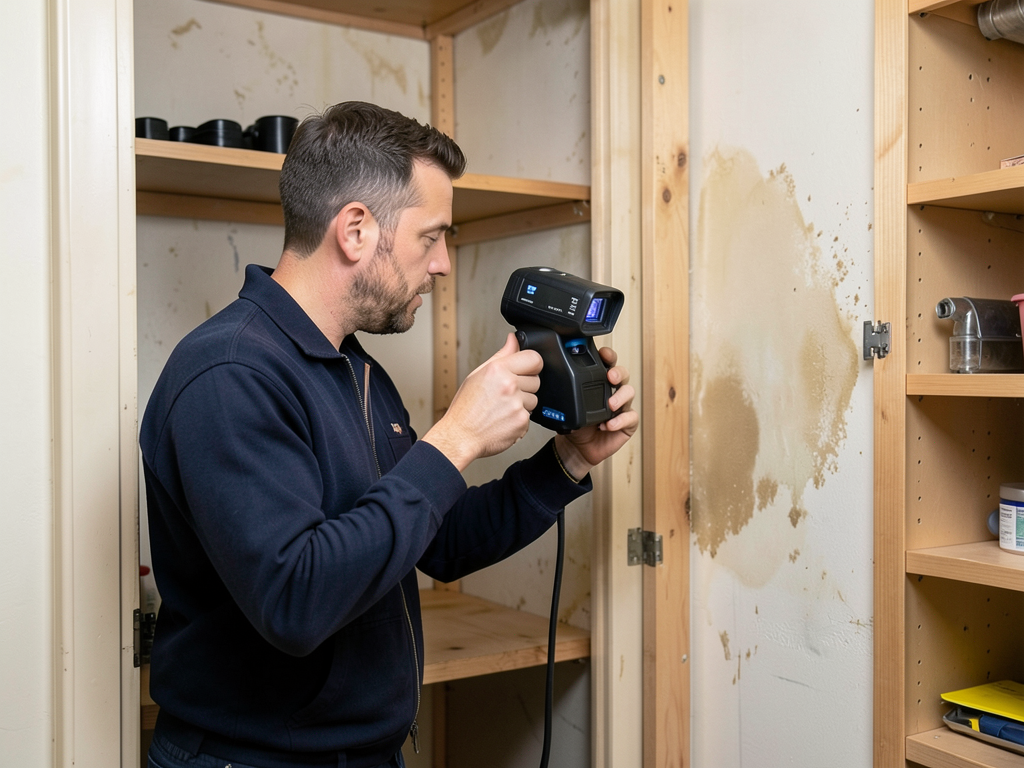
We start with source control. If a supply line broke, we isolate the water main. If a sewer backup occurred, we assess contamination level and determine if this is a Category 3 loss requiring biohazard protocols. Then we map the affected area using moisture meters that measure water content in wood, drywall, and concrete. This baseline reading guides our drying strategy.

Next comes extraction. We use weighted wands to pull water from carpet padding and subfloors. For hardwood, we deploy specialized mats that create negative pressure to draw moisture up through the planks without destroying the finish. In San Francisco's dense housing stock, we also protect adjacent units by setting containment barriers and running air scrubbers to prevent cross-contamination.

Drying is not passive. We position air movers to create a vortex effect, moving air across wet surfaces at calculated angles. Dehumidifiers cycle continuously, and we adjust equipment placement every 12 hours based on new moisture readings. Our 24/7 flood extraction teams monitor drying progress remotely through job-site sensors, adjusting protocol if readings plateau. We do not pack up until moisture levels match the unaffected areas of your building. That is how you prevent mold, buckling, and insurance disputes.

What Happens When You Call for Immediate Water Removal

24/7 Emergency Water Removal in San Francisco – Immediate Dispatch, Arrive in 60 Minutes or Less
01

Emergency Dispatch and Assessment

You call our 24 hour emergency line and speak to a live technician, not an answering service. We collect basic details about the water source, affected area size, and any safety hazards like electrical issues or structural instability. A crew is dispatched to your San Francisco location within minutes, typically arriving in under 60 minutes. During transit, we coordinate with you on access and prepare equipment based on your situation.
02

Extraction and Damage Containment

Upon arrival, we photograph the scene for insurance documentation, then begin immediate water removal using high-capacity extractors. We remove soaked materials that cannot be saved, like saturated drywall or padding, and set up air movers and dehumidifiers to begin active drying. Moisture meters are used to map the full extent of water intrusion, including hidden areas behind baseboards or inside wall cavities.
03

Monitored Drying and Restoration

Drying is not complete when surfaces feel dry. We monitor moisture levels daily, adjusting equipment until readings meet industry standards for dry structures. Once verified, we remove equipment and coordinate with you on repairs or reconstruction. You receive a complete moisture log and photo documentation for your insurer, ensuring your claim is supported by data, not guesswork.

Why San Francisco Property Owners Choose Summit Water Damage Restoration

San Francisco's housing landscape is unforgiving. You cannot treat a 1920s Mission District flat the same way you treat a 2010 SoMa condo. We have worked in this city long enough to know which buildings have cast iron drain stacks prone to sudden failure, which neighborhoods experience the worst storm surge during king tides, and how the Department of Building Inspection expects water damage repairs to be documented for permit compliance.

Our crews understand the quirks of San Francisco construction. We know that many Sunset District homes have post-tensioned slab foundations that trap water if drainage is compromised. We know that North Beach apartments often share common wall cavities, meaning water can migrate laterally between units. We know that if you are in a seismic retrofit building, we cannot drill into shear walls without engineer approval. These are not things you learn from a corporate manual. You learn them by working in the field, in this city, for years.

We also coordinate directly with local insurance adjusters who know our work. When you file a claim, the adjuster will ask if mitigation was performed correctly. If we handled it, they know the answer is yes. That speeds up approval and gets you reimbursed faster. We provide line-item estimates that match Xactimate pricing, the software most carriers use, so there are no disputes over scope or cost.

You are not hiring a national franchise with a local phone number. You are hiring a team that knows how to navigate San Francisco's unique building codes, weather patterns, and insurance landscape. When water hits, you need people who can move fast and get it right the first time.

What to Expect During Emergency Water Extraction

Response Time and Availability

We operate 24 hours a day, 365 days a year, including holidays. When you call, a live technician answers and dispatches the nearest available crew immediately. Most San Francisco locations receive service within 60 minutes, depending on traffic and your specific neighborhood. Our trucks are pre-stocked with extraction equipment, so we do not waste time gathering supplies. If you call at 2 a.m. because a water heater flooded your basement, we will be there before sunrise. Speed is the difference between drying out a room and replacing an entire floor.

Initial Inspection and Moisture Mapping

Before we extract a single gallon, we document the extent of the damage. We use infrared cameras to detect water behind walls and under flooring. Moisture meters measure water content in materials like wood studs, drywall, and concrete slabs. We classify the water source as clean, gray, or black water, which determines the safety protocols and disposal methods we use. This inspection takes 15 to 30 minutes, but it is critical. It ensures we address hidden moisture and gives your insurance company the documentation they need to process your claim without delay.

Drying Results and Structural Integrity

Our goal is not just to remove water. Our goal is to return your property to a dry, stable condition that prevents mold growth and structural failure. We achieve this by using controlled drying techniques that balance airflow, temperature, and dehumidification. Daily moisture readings track progress, and we adjust equipment placement as needed. Most residential water losses dry within three to five days, depending on severity. We do not remove equipment until moisture levels are verifiable and documented. You will receive a final moisture report showing your property is dry and safe.

Post-Mitigation Support and Repairs

Once drying is complete, we coordinate with you on necessary repairs. If drywall was removed, flooring was pulled, or structural elements were damaged, we can connect you with licensed contractors or handle the reconstruction ourselves. We also provide mold prevention recommendations, especially in San Francisco's damp climate. You receive all documentation, including before and after photos, moisture logs, and equipment placement diagrams, organized for your insurance claim. Our team remains available to answer questions from your adjuster or contractor, ensuring the process moves smoothly from emergency response to final repairs.

Frequently Asked Questions

You Have Questions,
We Have Answers

What is emergency water removal? +

Emergency water removal is the rapid extraction of standing water from your property after flooding, burst pipes, or sewage backups. Time matters. Water spreads fast through walls, floors, and subflooring. Professional crews use industrial pumps, wet vacuums, and truck-mount extractors to remove thousands of gallons quickly. In San Francisco's older Victorian and Edwardian homes, water seeps into original hardwood and plaster faster than modern construction. The goal is to stop structural damage, prevent mold growth, and salvage your belongings. Emergency services operate 24/7 because water damage worsens every hour you wait.

How much does it cost to get water out of a basement? +

Basement water removal costs depend on water volume, contamination level, and damage extent. Minor clean water extraction may run a few hundred dollars. Major sewage backups or deep flooding cost significantly more due to disposal requirements and sanitization. Most companies charge for equipment runtime, labor hours, and disposal fees. San Francisco's hilly terrain and older infrastructure often mean complex extraction scenarios. Insurance typically covers sudden events like burst pipes but excludes gradual seepage or maintenance neglect. Get multiple quotes and document everything for your claim. Emergency response fees apply for after-hours or weekend calls.

What should I do immediately after water damage? +

Stop the water source immediately if safe to do. Shut off your main water valve for pipe bursts. Call a 24/7 emergency water removal service right away. Move valuables and furniture to dry areas. Do not enter standing water if electrical outlets are submerged. Document damage with photos and video for insurance. Remove standing water with towels or a wet vacuum if minimal. Open windows for ventilation if weather permits. In San Francisco's foggy climate, moisture lingers longer, so professional drying equipment is critical. Do not delay. Mold starts growing within 24 to 48 hours.

What would be considered a water emergency? +

A water emergency is any sudden, uncontrolled water intrusion that threatens your property or safety. Burst pipes, water heater failures, sewage backups, appliance malfunctions, and storm flooding qualify. If water is actively spreading, soaking into walls, or pooling on floors, you need immediate help. In San Francisco, heavy winter rains can overwhelm older drainage systems, causing basement floods. Ceiling leaks from upstairs units in multi-family buildings are also emergencies. The key factor is speed. The longer water sits, the more damage it causes to structure, flooring, drywall, and belongings. Act within the first hour.

How likely is mold after water damage? +

Mold growth after water damage is highly likely if you do not dry the area within 24 to 48 hours. San Francisco's cool, humid coastal climate accelerates mold colonization. Spores are always present in the air. They need only moisture and organic material like drywall, wood, or carpet to grow. Visible mold appears within days, but hidden mold grows inside walls and under flooring where you cannot see it. Professional water removal includes moisture meters and thermal imaging to find hidden wet spots. Proper drying and dehumidification are your only defense against mold after a flood.

How to remove a large amount of water from a floor? +

Remove large amounts of floor water with industrial water extractors and submersible pumps. Professionals use truck-mount systems that extract thousands of gallons per hour. Wet vacuums work for smaller areas but lack the power for major floods. After extraction, air movers and dehumidifiers dry remaining moisture trapped in subflooring and baseboards. Do not mop or towel-dry major flooding. You will spread contamination and waste time. In San Francisco's dense neighborhoods, quick equipment deployment matters. Techs must navigate narrow streets and stairs in multi-story buildings. Call a certified water damage company with commercial-grade extraction equipment immediately.

Will insurance cover water in a basement? +

Insurance coverage for basement water depends on the cause. Sudden pipe bursts, water heater failures, and appliance malfunctions are typically covered under standard homeowners policies. Sewer backups require separate endorsement coverage. Groundwater seepage, foundation cracks, and gradual leaks are usually excluded. Flood insurance through FEMA is separate and mandatory in some San Francisco zones near the Bay or low-lying areas. Read your policy carefully. Document the source immediately and file your claim within 24 hours. Insurance adjusters look for maintenance neglect, so show you responded quickly and hired professionals.

How to quickly remove water from a basement? +

Quickly remove basement water by calling a 24/7 emergency water removal service with industrial extraction equipment. Professionals arrive with submersible pumps, truck-mount extractors, and commercial air movers. They extract standing water in hours, not days. Do not use a shop vacuum for major flooding. It is too slow and risks electrical shock. If water is minimal and you can safely access the space, use a wet vacuum and towels while waiting for help. San Francisco basements often have limited access and older electrical systems, making DIY risky. Speed prevents mold, wood rot, and foundation damage.

How much does Servpro cost to clean a basement? +

Servpro and similar franchises charge based on water volume, contamination category, and labor hours. Expect costs to vary widely depending on basement size and damage severity. Emergency response fees apply for after-hours calls. Equipment rental, disposal, and antimicrobial treatment add to the total. Request a detailed written estimate before work begins. In San Francisco, local independent restoration companies often provide comparable service at competitive rates. Compare multiple quotes. Focus on certifications, response time, and insurance claim experience rather than brand name. Most reputable companies work directly with your insurance adjuster to streamline the claim process.

What kills mold after a water leak? +

Professional antimicrobial treatments and HEPA air scrubbers kill mold after water leaks. Bleach works on non-porous surfaces but cannot penetrate drywall or wood where mold roots live. You must remove contaminated materials like wet drywall, insulation, and carpet padding. Surface cleaning is not enough. Certified mold remediation includes containment, HEPA vacuuming, antimicrobial fogging, and controlled demolition of affected materials. In San Francisco's older homes, mold hides behind original plaster and inside wall cavities. Moisture meters and thermal cameras locate hidden growth. Do not rely on DIY solutions for anything beyond minor surface mold.

Why San Francisco's Fog and Coastal Humidity Make 24/7 Emergency Water Removal Critical

San Francisco does not get the torrential rain that other cities experience, but our persistent coastal fog and high humidity create the perfect environment for water damage to worsen quickly. When a leak occurs, the ambient moisture in the air slows natural evaporation. Water does not dry on its own here. It sits, soaks deeper, and creates conditions for mold within 24 hours. Our marine layer means even minor water intrusion can become a major remediation job if not addressed immediately. Urgent water mitigation in this climate requires industrial dehumidification, not just fans and open windows.

We have worked with property managers in Nob Hill, homeowners in the Richmond, and landlords in the Tenderloin. We understand how San Francisco's Residential Rent Ordinance affects your obligations when water damages a rental unit. We know which plumbing systems in pre-1950 buildings are most likely to fail. We know how to work within the city's strict permitting requirements if structural repairs are needed. Local expertise matters because water damage is not just a cleanup job. It is a coordination effort involving insurers, tenants, contractors, and city inspectors. You need a team that speaks the language and knows the players.
Water Damage Restoration Services in The San Francisco Area

Our commitment to rapid response means we cover the entire San Francisco area and surrounding communities. View the map below to visualize our primary service region, which includes key neighborhoods and business districts. Whether you are located in the Financial District, the Mission, or out toward the Sunset, you can trust our 24/7 team to reach you quickly. We proudly serve both residential and commercial clients across the entire map, guaranteeing a fast and effective mitigation service the moment you need us.

Address:
Summit Water Damage Restoration San Francisco, 1390 Market St, San Francisco, CA, 94102

Additional Services We Offer

Our news updates

Latest Articles & News from The Blogs

What to Do if Your New Backyard ADU Floods During a Heavy San Francisco Rain A sudden downpour in San…

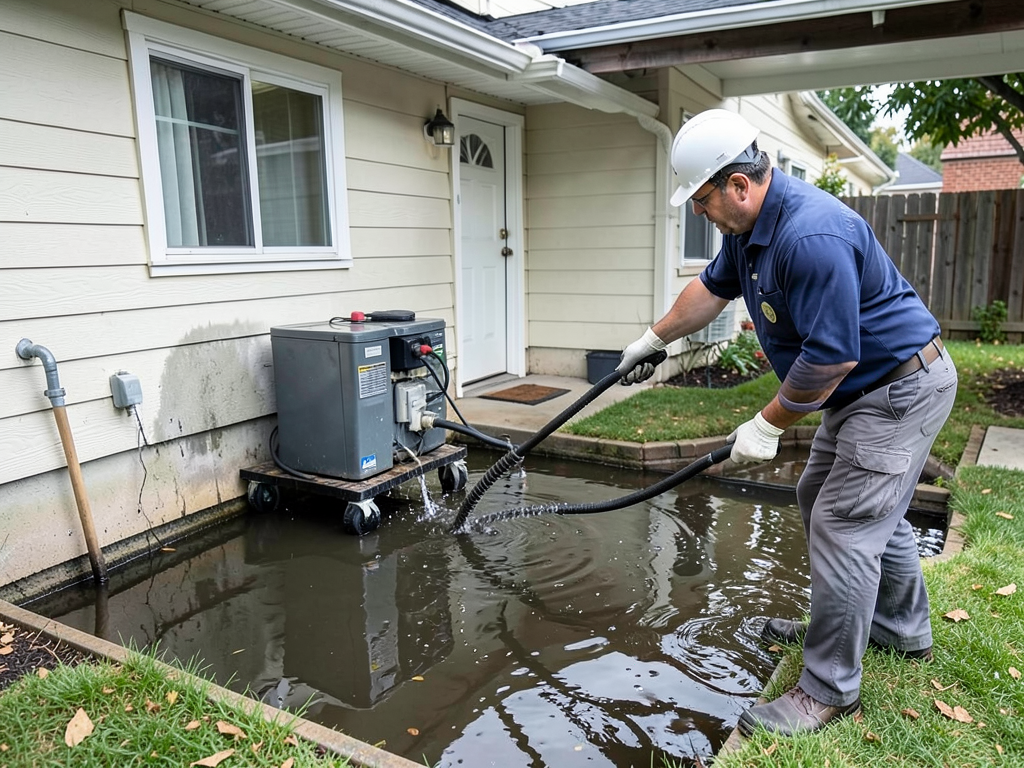
What to Do if Your New Backyard ADU Floods During a Heavy San Francisco Rain

What to Do if Your New Backyard ADU Floods During a Heavy San Francisco Rain A sudden downpour in San…

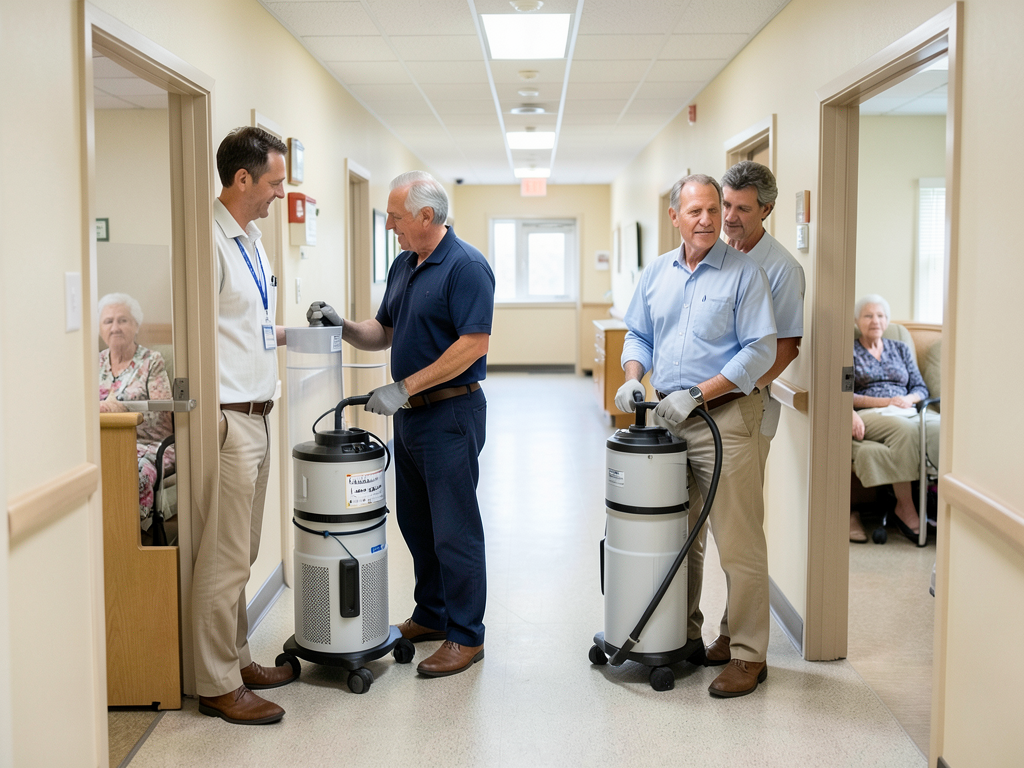
Selecting a Restoration Partner for Vulnerable Residents in a Richmond District Care Home

Specialized Senior Living Water Restoration Services in San Francisco Water damage in a Richmond District care home requires more than…

Why Your Noe Valley High Efficiency Boiler Could Be Slowly Flooding Your Utility Closet

Why Your Noe Valley High Efficiency Boiler Could Be Slowly Flooding Your Utility Closet If you live in a Noe…

Contact Us

Every minute you wait, water spreads. Call Summit Water Damage Restoration San Francisco now at (415) 449-6555. Our emergency crews are standing by, ready to dispatch to your location immediately. Do not let a manageable problem become a total loss.