menu

Office Building Water Restoration in San Francisco – Minimize Downtime and Protect Your Business Operations

Summit Water Damage Restoration San Francisco delivers rapid commercial property water mitigation with industrial-grade extraction systems and 24-hour response protocols designed to keep your office building operational and compliant with California commercial building codes.

Slider Image 1
Slider Image 2
Slider Image 3
Slider Image 4
Slider Image 5
Slider Image 7
Slider Image 8
Slider Image 9
Slider Image 10
Slider Image 11

Water Damage in San Francisco Office Buildings Creates Immediate Business Liability

San Francisco's dense fog and coastal humidity create persistent moisture challenges for commercial properties. Office buildings in the Financial District and South of Market experience condensation issues, while seismic retrofitting in older structures near the Embarcadero often disrupts plumbing systems and creates hidden leaks behind walls.

When water penetrates your office space, the clock starts immediately. Every hour of inaction increases structural damage, mold colonization risk, and potential code violations. Commercial building water extraction becomes urgent when server rooms flood, HVAC systems leak onto workstations, or burst pipes saturate carpeted floors across multiple levels.

The liability extends beyond property damage. California Health and Safety Code Section 17920.3 requires commercial property owners to maintain safe working conditions. Unaddressed water intrusion creates slip hazards, compromises indoor air quality, and can trigger workers' compensation claims. Your business interruption insurance may deny coverage if you delay professional office water damage cleanup.

San Francisco's strict building codes add complexity. Repairs must meet current seismic standards, ADA compliance requirements, and Title 24 energy efficiency mandates. DIY approaches or unqualified contractors create permit violations and future sale complications.

Commercial water damage restoration requires different equipment and protocols than residential work. Office buildings need rapid water extraction across large square footage, strategic dehumidification to protect IT infrastructure, and documented moisture readings for insurance claims. The difference between a three-day disruption and a three-week closure often depends on response speed and commercial-grade restoration capacity.

Water Damage in San Francisco Office Buildings Creates Immediate Business Liability
Commercial-Grade Water Mitigation Protocols for Multi-Tenant Office Properties

Commercial-Grade Water Mitigation Protocols for Multi-Tenant Office Properties

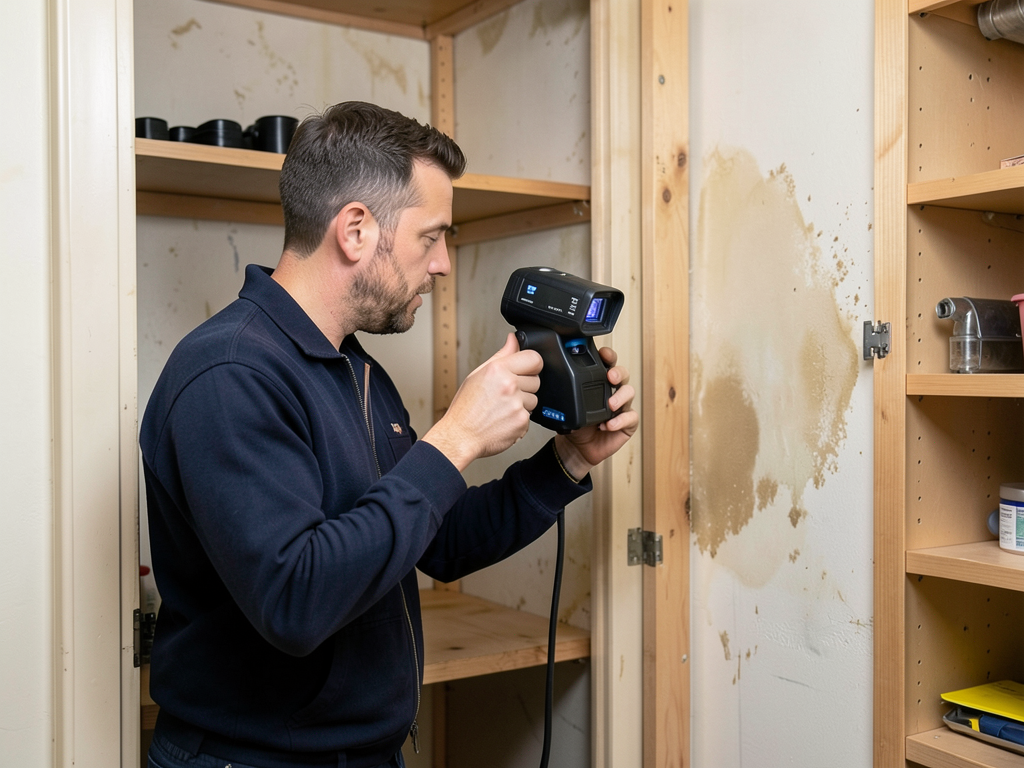
Business water damage repair follows industrial protocols, not residential procedures. We deploy truck-mounted extraction units capable of removing thousands of gallons per hour, not small shop vacuums. Our thermal imaging cameras map moisture migration through concrete substrates and behind drywall without destructive testing.

The approach differs fundamentally from residential work. We coordinate with building management to access utility shutoffs, maintain elevator functionality, and preserve security protocols. Our teams work overnight shifts to avoid disrupting your business hours. We isolate affected zones using temporary barriers and negative air pressure systems that prevent cross-contamination to occupied floors.

Documentation drives the process. We photograph pre-existing conditions, log moisture readings at 12-hour intervals, and maintain chain-of-custody records for insurance adjusters. Every step gets timestamped and GPS-tagged. This data protects you during claims disputes and demonstrates due diligence if third-party damage claims emerge.

Material handling separates commercial from residential restoration. Office environments contain sensitive electronics, confidential documents, and expensive furniture systems. We inventory affected assets, transport salvageable items to climate-controlled storage, and coordinate with your IT department before touching any networked equipment.

Dehumidification requires precision. We calculate grain depression rates based on your building's HVAC capacity and adjust desiccant placement to account for San Francisco's exterior humidity. Our systems pull moisture from structural cavities without over-drying, which can crack plaster in older buildings near Russian Hill or Pacific Heights.

The structural drying phase uses moisture meters calibrated for commercial materials like engineered lumber, metal studs, and concrete topping slabs. We dry to IICRC S500 standards, not guesswork. Only after three consecutive readings below 15 percent moisture content do we authorize reconstruction.

How Office Building Water Extraction Works in High-Rise Properties

Office Building Water Restoration in San Francisco – Minimize Downtime and Protect Your Business Operations
01

Emergency Access and Containment

Our teams arrive within two hours of your call and coordinate with building security for after-hours access. We immediately identify the water source, execute shutoff procedures, and establish containment barriers to prevent lateral spread across tenant spaces. Infrared scanning maps the full extent of water intrusion, including hidden migration through ceiling plenums and wall cavities that visual inspection misses.
02

Industrial Water Extraction

Truck-mounted extraction systems remove standing water through reinforced hoses capable of reaching upper floors. We extract from carpet padding, subfloors, and wall cavities using specialized tools designed for commercial-grade materials. Submersible pumps handle deep flooding in below-grade spaces. Real-time moisture monitoring tracks extraction efficiency and identifies saturation pockets that require focused attention before we proceed to drying phases.
03

Controlled Environment Drying

Commercial dehumidifiers and air movers create controlled drying environments calibrated to your building's materials and San Francisco's ambient humidity. We monitor grain depression rates and adjust equipment placement every 12 hours. The process continues until structural materials reach equilibrium moisture content verified through non-invasive meter readings. Only then do we authorize repairs and return your space to operational status with full documentation for insurance and compliance purposes.

Why San Francisco Commercial Properties Choose Local Water Damage Specialists

San Francisco commercial buildings present unique challenges that require local knowledge. Properties built before 1980 often contain unreinforced masonry and outdated plumbing systems prone to corrosion from the Bay's salt air. Seismic retrofitting common in SoMa and the Financial District creates concealed spaces where water accumulates undetected. We understand these architectural quirks because we work in these buildings daily.

Local code compliance matters. San Francisco Department of Building Inspection requires permits for structural repairs exceeding basic maintenance. We maintain relationships with DBI plan checkers and know which repairs trigger permit requirements versus minor work exemptions. This prevents project delays and protects you from stop-work orders.

Our equipment staging accounts for San Francisco logistics. Limited loading zones, restricted truck access on steep grades near Nob Hill, and parking enforcement require planning. We coordinate with building management for freight elevator reservations and after-hours access. Our teams carry commercial liability coverage that meets the requirements of Class A office building landlords.

Insurance coordination separates experienced commercial contractors from residential-focused companies. We speak the language of commercial adjusters, provide COPE data (Construction, Occupancy, Protection, Exposure) in initial reports, and document losses using Xactimate estimating software that insurers recognize. This accelerates claims processing and reduces payment disputes.

Response capacity matters during widespread events. When atmospheric rivers flood multiple properties simultaneously, residential-focused companies get overwhelmed. Our commercial equipment inventory includes redundant extraction units, industrial dehumidifiers, and backup generators. We maintain vendor relationships for emergency equipment rental when jobs exceed our internal capacity.

The work happens without disrupting your operations. We coordinate with janitorial services, adjust work schedules around your business hours, and communicate through designated property management contacts rather than bothering tenants directly.

What Commercial Clients Can Expect During Office Building Water Restoration

Rapid Mobilization and Resource Allocation

We dispatch teams within two hours of initial contact, arriving with commercial-grade extraction equipment and moisture detection technology. Our project managers assess scope, provide preliminary timelines, and coordinate with your insurance carrier before work begins. For multi-floor impacts, we mobilize multiple crews simultaneously to compress the mitigation timeline. You receive a dedicated project manager with direct phone access throughout the restoration process. Emergency response continues 24 hours daily, including weekends and holidays, because water damage does not respect business hours.

Comprehensive Damage Assessment and Scope Documentation

Initial assessment includes thermal imaging, moisture mapping, and documentation photography completed within four hours of arrival. We test HVAC systems for contamination, inspect electrical panels for water intrusion, and evaluate structural components for compromised integrity. You receive a written scope of work with moisture readings, affected square footage calculations, and equipment placement diagrams. This documentation satisfies insurance requirements and provides baseline data for monitoring drying progress. We identify code compliance issues early to prevent permit delays during reconstruction phases.

Verified Structural Drying and Clearance Standards

Drying continues until moisture meters confirm structural materials reach industry standard equilibrium levels below 15 percent moisture content. We provide daily moisture logs showing grain depression rates and equipment performance metrics. Air quality testing verifies no microbial growth before we authorize reconstruction. You receive final clearance documentation with moisture readings, thermal images showing complete drying, and certification that work meets IICRC S500 standards. This documentation protects you from future liability claims and satisfies insurance carrier requirements for claim closure.

Post-Restoration Monitoring and Prevention Protocols

Following restoration completion, we conduct 30-day and 90-day moisture checks to verify no residual dampness or secondary damage. You receive recommendations for leak detection systems, moisture alarms, and maintenance protocols to prevent future incidents. Our reports identify plumbing systems nearing end-of-life, HVAC condensation issues, and building envelope vulnerabilities. For properties with recurring water intrusion, we provide engineering referrals for permanent solutions. These follow-up services protect your investment and demonstrate proactive risk management to insurance carriers, often resulting in favorable premium considerations.

Frequently Asked Questions

You Have Questions,
We Have Answers

How much does a water restoration company charge? +

Office building water restoration costs vary based on damage extent, affected square footage, and contamination level. Commercial projects in San Francisco typically involve multi-floor coordination, specialized equipment for high-rise buildings, and compliance with strict seismic and building codes. Pricing factors include water category (clean, grey, or black water), structural drying requirements, and business downtime mitigation. Extraction, dehumidification, and antimicrobial treatments are billed separately. Most commercial policies cover sudden incidents like pipe bursts, but documentation is critical. Request itemized estimates from certified contractors who understand San Francisco's commercial building regulations and can provide detailed loss documentation for your carrier.

Does insurance pay for water restoration? +

Most commercial property insurance policies cover water restoration from sudden, accidental events like burst pipes, HVAC failures, or sprinkler malfunctions. San Francisco office buildings with older plumbing systems often qualify for coverage when damage is unforeseeable. Your policy typically covers extraction, structural drying, and content restoration. However, gradual damage from deferred maintenance or seepage is usually excluded. Review your policy's deductible and coverage limits before filing. Carriers require immediate mitigation to prevent secondary damage. Work with restoration contractors who provide detailed documentation, moisture readings, and photographic evidence. This documentation protects your claim and demonstrates you acted to minimize business interruption losses.

Is water damage restoration worth it? +

Water restoration is worth it for office buildings because unmitigated water damage compounds quickly. Within 48 hours, mold colonization begins, structural materials weaken, and equipment suffers irreversible damage. San Francisco's moderate humidity accelerates microbial growth in concealed spaces. Professional restoration protects your building's structural integrity, prevents liability exposure from mold-related tenant claims, and maintains property value. Delayed response increases costs exponentially. Drywall replacement is cheaper than structural steel corrosion repair. Insurance carriers expect immediate professional mitigation. Restoration also minimizes business interruption for tenants, protecting rental income streams. The ROI is clear when compared to demolition costs, code violation fines, or prolonged vacancy losses.

What is the difference between water remediation and restoration? +

Water remediation focuses on removing contaminated water, sanitizing affected areas, and stabilizing the environment to prevent further damage. This includes extraction, antimicrobial treatment, and controlled demolition of unsalvageable materials. Restoration encompasses the rebuild phase—replacing drywall, flooring, and damaged systems to pre-loss condition. In San Francisco office buildings, remediation addresses immediate threats like Category 3 black water from sewer backups, which require specialized protocols. Restoration follows after full structural drying and includes coordinating with electricians, HVAC contractors, and municipal inspectors. Commercial projects require both phases, executed sequentially, to meet building codes and return tenants to occupancy. Separating these phases ensures proper insurance allocation and compliance.

Do you need a license for water restoration? +

Yes. California requires water restoration contractors to hold a C-61 (Limited Specialty) or appropriate General Contractor license when performing structural repairs. San Francisco enforces strict licensing through the Department of Building Inspection. Contractors must also carry liability insurance and workers' compensation coverage. IICRC (Institute of Inspection, Cleaning and Restoration Certification) credentials demonstrate technical competency in water damage restoration, structural drying, and microbial remediation. For office buildings, verify your contractor holds active California licensing, carries commercial-grade insurance, and employs certified technicians. Unlicensed operators cannot pull permits for reconstruction, leaving you liable for code violations. Always request license numbers and verify through the Contractors State License Board.

Is water damage in walls covered by insurance? +

Insurance typically covers water damage inside walls if caused by a sudden, accidental event like a burst pipe or HVAC condensate line failure. San Francisco office buildings with concealed plumbing in masonry or steel-framed walls often experience hidden leaks. Coverage depends on the source. If moisture intrusion results from gradual seepage, poor waterproofing, or deferred maintenance, carriers deny claims. You must prove the damage was unforeseeable and sudden. Thermal imaging and moisture mapping document the extent. Insurance pays for drying cavity walls, replacing insulation, and repairing finishes. However, upgrades to outdated plumbing systems are typically excluded. File claims promptly with comprehensive documentation.

What type of water damage is not covered by insurance? +

Insurance excludes water damage from flooding (rising groundwater or storm surge), gradual leaks, deferred maintenance, and seepage. San Francisco office buildings near coastal areas require separate flood policies through NFIP or private carriers. Damage from neglected roof membranes, deteriorated window seals, or corroded pipes is not covered. Sewer backups require specific endorsements. Groundwater intrusion through foundation cracks, common in older San Francisco buildings, is excluded. Mold resulting from long-term humidity or condensation issues falls under maintenance, not sudden peril. Carriers also deny claims when property owners fail to mitigate damage promptly. Review your policy's exclusions and consider endorsements for sewer backup and equipment breakdown coverage.

What does water damage restoration include? +

Water damage restoration includes emergency water extraction, moisture detection using thermal imaging and hygrometers, structural drying with industrial dehumidifiers and air movers, antimicrobial treatment, and controlled demolition of unsalvageable materials. For San Francisco office buildings, this involves coordinating with building management, documenting tenant belongings, and addressing HVAC system contamination. Restoration contractors remove baseboards, drill weep holes in walls, and monitor moisture levels daily until materials reach equilibrium. Content pack-out, cleaning, and storage are included for salvageable items. Final phases include reconstruction—replacing drywall, flooring, and ceilings—followed by municipal inspections. Comprehensive services minimize downtime and return your property to pre-loss condition while maintaining code compliance.

Will insurance cover mold from a leak? +

Insurance covers mold only if it results directly from a covered peril like a sudden pipe burst. San Francisco's marine climate creates ideal mold conditions, but carriers deny claims when fungal growth stems from humidity, condensation, or delayed mitigation. Your policy requires immediate action to prevent secondary damage. If you report a leak promptly and mold appears during professional drying, coverage applies. However, mold from long-term roof leaks or poor ventilation is excluded as maintenance-related. Commercial policies often cap mold remediation at specific limits. Document timelines, moisture readings, and response efforts. Delayed reporting or failure to mitigate gives carriers grounds to deny mold claims entirely.

How long does water restoration take? +

Water restoration timelines depend on damage extent, building materials, and water category. Small office suite incidents resolve in three to five days. Multi-floor or structural damage in San Francisco high-rises requires two to four weeks. Extraction occurs within hours. Structural drying takes three to seven days, depending on humidity and airflow. Reconstruction adds one to three weeks based on permit processing through San Francisco's Department of Building Inspection. Black water events or extensive microbial remediation extend timelines. Commercial projects require phased work to minimize tenant disruption. Contractors use moisture meters to confirm materials reach acceptable levels before reconstruction begins. Proper drying prevents callbacks and long-term structural failure.

How San Francisco's Seismic Retrofitting Requirements Complicate Office Building Water Damage

San Francisco Mandatory Soft Story Retrofit Ordinance affects thousands of commercial buildings, particularly older structures in the Marina District and South of Market. Seismic upgrades often involve extensive plumbing rerouting and foundation work that creates concealed spaces where leaks go undetected. When water damage occurs in retrofitted buildings, restoration must preserve the seismic improvements while addressing moisture intrusion. Standard repair approaches can compromise shear walls, moment frames, or foundation anchoring systems installed during seismic work. Commercial property water mitigation in these structures requires coordination with structural engineers and careful documentation to maintain code compliance certifications.

Our teams work regularly with San Francisco structural engineers and understand how seismic retrofitting affects water damage restoration protocols. We maintain relationships with DBI inspectors who review our repair plans for code compliance before work begins. This local expertise prevents costly mistakes like drilling into new shear walls or removing bracing installed during seismic upgrades. Properties near the Embarcadero, Financial District, and older neighborhoods with unreinforced masonry benefit from contractors who understand the intersection of water damage repair and earthquake safety requirements. Choosing local specialists protects both your immediate restoration needs and your long-term structural integrity certifications.
Water Damage Restoration Services in The San Francisco Area

Our commitment to rapid response means we cover the entire San Francisco area and surrounding communities. View the map below to visualize our primary service region, which includes key neighborhoods and business districts. Whether you are located in the Financial District, the Mission, or out toward the Sunset, you can trust our 24/7 team to reach you quickly. We proudly serve both residential and commercial clients across the entire map, guaranteeing a fast and effective mitigation service the moment you need us.

Address:
Summit Water Damage Restoration San Francisco, 1390 Market St, San Francisco, CA, 94102

Additional Services We Offer

Our news updates

Latest Articles & News from The Blogs

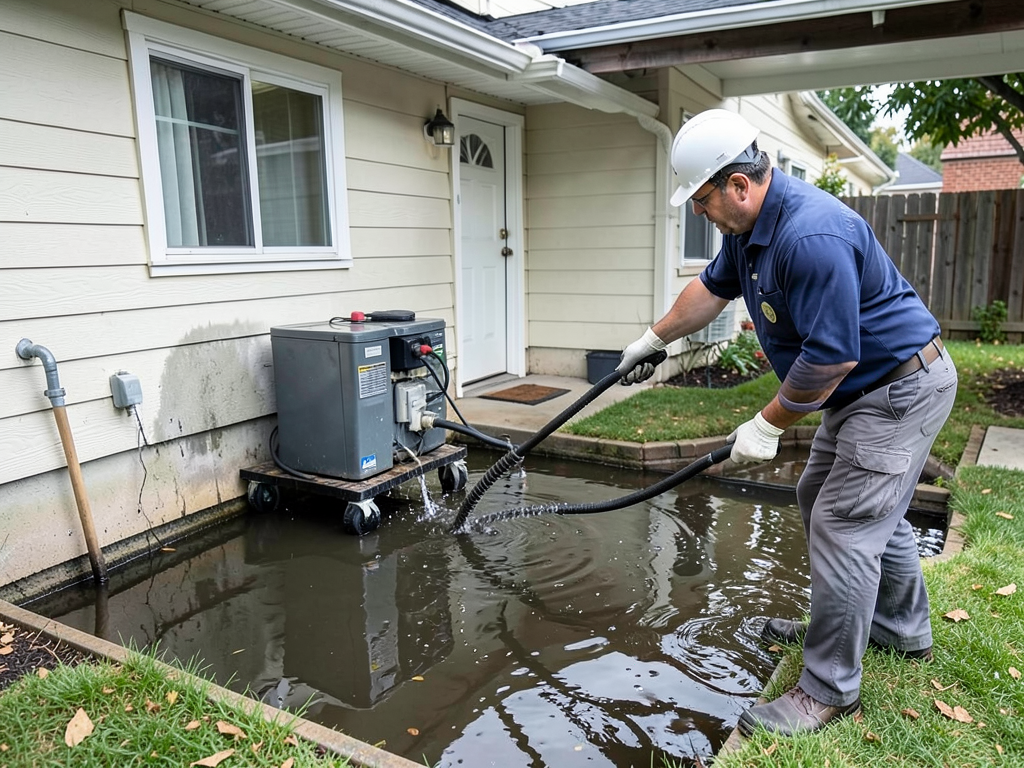
What to Do if Your New Backyard ADU Floods During a Heavy San Francisco Rain A sudden downpour in San…

What to Do if Your New Backyard ADU Floods During a Heavy San Francisco Rain

What to Do if Your New Backyard ADU Floods During a Heavy San Francisco Rain A sudden downpour in San…

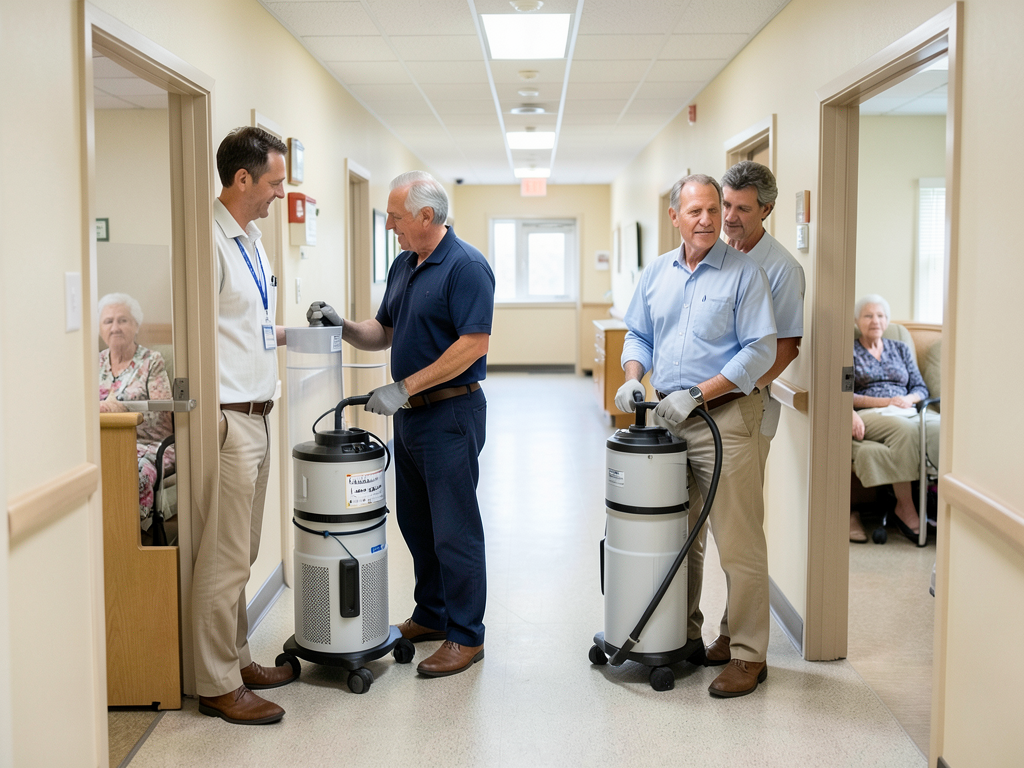
Selecting a Restoration Partner for Vulnerable Residents in a Richmond District Care Home

Specialized Senior Living Water Restoration Services in San Francisco Water damage in a Richmond District care home requires more than…

Why Your Noe Valley High Efficiency Boiler Could Be Slowly Flooding Your Utility Closet

Why Your Noe Valley High Efficiency Boiler Could Be Slowly Flooding Your Utility Closet If you live in a Noe…

Contact Us

Every hour of delay increases restoration costs and business interruption losses. Summit Water Damage Restoration San Francisco responds immediately with commercial-grade equipment and documentation protocols your insurance carrier requires. Call (415) 449-6555 now for emergency dispatch.