


Santa Clara sits in the South Bay with heavy clay soil that creates unique water damage risks for homeowners and businesses. When pipes burst or storms hit, water has nowhere to go in the dense adobe clay beneath most properties near the Guadalupe River corridor. This soil composition means flooding spreads laterally rather than draining naturally, affecting foundations, crawl spaces, and adjacent structures faster than in other regions.
The city's older housing stock in neighborhoods like Old Quad and Civic Center features pier and beam foundations that trap moisture beneath living spaces. Combined with Santa Clara's winter rainfall patterns and proximity to the Bay's marine layer, water damage creates mold conditions within 24 to 48 hours if not addressed immediately. Many homes near El Camino Real and Lawrence Expressway were built before modern moisture barrier requirements, making them vulnerable to foundation saturation and structural wood rot.
Commercial properties in the Great America Parkway business district face additional challenges with flat roofs and HVAC systems that can leak into ceiling cavities undetected. The city's strict building codes require licensed contractors for any structural drying work, and insurance claims move faster when restoration begins within hours of discovery. Every hour of delay means deeper water penetration into drywall, insulation, and subflooring. In Santa Clara's real estate market, unaddressed water damage destroys property values and creates disclosure nightmares for future sales.
Summit Water Damage Restoration built its reputation responding to water emergencies throughout Santa Clara County, and we understand what property owners near Mission College and San Tomas Aquino Creek face when disaster strikes. We dispatch from our Bay Area facility with truck-mounted extraction units powerful enough to remove thousands of gallons per hour, but precise enough to protect hardwood floors and tile work in Santa Clara's historic craftsman homes.
Our approach puts damage mitigation first. While other companies spend time estimating and scheduling, our crews arrive with thermal imaging cameras to map moisture behind walls and under floors where damage hides. We document everything for your insurance carrier using the same Xactimate software adjusters use, eliminating the back-and-forth that delays approval and payment. You get a detailed scope of work within hours, not days, because we know every hour counts when water is destroying your property.
What separates us from other restoration companies is complete accountability. We don't subcontract demolition to one crew, drying to another, and reconstruction to a third. Our technicians handle your project from emergency call to final walkthrough, which means faster completion and zero finger-pointing when questions arise. We maintain relationships with property managers throughout Santa Clara's apartment complexes and commercial buildings because they need restoration teams who show up prepared, work clean, and finish on schedule.
We also understand Santa Clara insurance policies and carrier requirements. Whether you carry coverage through State Farm, Allstate, or a surplus lines carrier, we know what documentation satisfies their claims process. We bill insurance directly in most cases, so you avoid paying tens of thousands upfront while waiting for reimbursement. Our goal is removing every obstacle between you and a fully restored property, starting with the first phone call and ending when you sign off on completed work that passes city inspection.

We dispatch immediately when you call with water damage in Santa Clara. Our trucks carry industrial extraction equipment, air movers, and dehumidifiers so we start mitigation the moment we arrive. Fast response prevents secondary damage that multiplies restoration costs and extends your displacement time. We work 24/7 because water damage doesn't wait for business hours.

Every technician holds IICRC certification in water damage restoration and applied structural drying. We carry general liability and workers compensation insurance that protects your property and gives insurers confidence in our work. Santa Clara building officials recognize our permits because we follow code requirements for structural drying, mold remediation, and reconstruction work from initial demo through final inspection.
We work directly with your insurance carrier to document damage, provide detailed estimates using Xactimate software, and bill approved work without requiring upfront payment from you. Our team knows what adjusters need to approve claims quickly, which eliminates delays and gets restoration moving while other companies are still scheduling estimate appointments. You focus on your family while we handle the paperwork.
We restore properties throughout Santa Clara and understand challenges specific to this area, from clay soil drainage issues to pier and beam foundation moisture problems common in older neighborhoods. Our experience with local building codes, permit requirements, and insurance carriers active in Santa Clara County means faster approvals and fewer surprises. We treat your property like it's in our own neighborhood.
Water damage takes many forms in Santa Clara, from catastrophic flooding during winter storms to slow leaks that hide in walls for months. Summit Water Damage Restoration handles every type of water intrusion with services designed for complete remediation and reconstruction. We separate our approach into three categories based on damage severity and source because each situation requires different equipment, techniques, and timeline expectations.
Emergency water removal stops active damage. Structural drying eliminates hidden moisture before mold develops. Complete restoration rebuilds affected areas to pre-loss condition. This progression ensures nothing gets missed and your property receives appropriate treatment at each phase. Many companies focus only on extraction and drying, then refer you elsewhere for repairs. We handle everything under one contract because fragmented restoration creates delays, finger-pointing, and cost overruns.
Our technicians assess your specific situation and explain which services your property needs. A burst supply line requires different treatment than a roof leak or sewage backup. Clean water responds to standard drying protocols while category three contamination demands antimicrobial treatment and disposal of affected materials. We tailor our response to match your damage type, insurance coverage, and occupancy needs. Every project gets a detailed scope of work that outlines timeline, costs, and expected results before we start any billable work.
When water invades your property, minutes matter. Our emergency extraction service deploys truck-mounted pumps that remove standing water at rates up to 300 gallons per minute, preventing deeper saturation into structural materials. We arrive with portable extraction units for confined spaces, submersible pumps for flooded basements and crawl spaces, and weighted extraction tools for carpets and padding. Our technicians immediately identify the water source, stop active flow if possible, and begin documentation for your insurance claim while extraction equipment runs. This service includes emergency board-up, content protection, and initial moisture mapping.
Water hides in cavities, insulation, and porous materials long after visible flooding disappears. Our structural drying service uses thermal imaging to map moisture in walls, ceilings, and floors, then positions industrial air movers and commercial dehumidifiers to create optimal drying conditions. We monitor progress daily with moisture meters and adjust equipment placement based on measurements, not guesswork. This process typically runs three to seven days depending on materials affected and saturation levels. Proper drying prevents mold growth, wood rot, and structural compromise that appear weeks after inadequate remediation. We document everything for insurance requirements.
After drying completes, damaged materials need replacement and your property needs restoration to pre-loss condition. Our reconstruction service handles everything from demolition of unsalvageable drywall and flooring to installation of new materials that match existing finishes. We repair structural framing damaged by moisture, replace insulation, install new drywall with texture matching, paint affected areas, and reinstall trim and fixtures. This includes flooring replacement, cabinet work, and coordination with licensed electricians or plumbers when systems sustained damage. Our goal is seamless restoration where you can't tell work was performed.
Santa Clara properties face predictable water damage patterns based on the area's climate, construction methods, and infrastructure age. Understanding these common scenarios helps property owners recognize problems early and respond appropriately. Winter brings heavy rainfall that overwhelms gutters and tests roof integrity, particularly on commercial buildings with flat or low-slope designs common in the Great America business district. Spring often reveals damage that occurred during wet months as temperatures rise and trapped moisture accelerates mold growth.
The region's older neighborhoods contain homes built with materials and methods that predate modern moisture management standards. Properties near Central Park and along the Alameda corridor feature crawl spaces vulnerable to groundwater intrusion when clay soil becomes saturated. Apartment complexes built in the 1970s and 1980s often have original galvanized supply lines reaching the end of their service life, creating risk for catastrophic failures that flood multiple units. Commercial properties with aging HVAC systems develop condensate line clogs and drain pan overflows that leak into ceiling cavities for weeks before tenants notice staining. These patterns repeat throughout Santa Clara, making fast professional response essential for protecting property value and occupant health.
Aging copper and galvanized pipes fail without warning in Santa Clara's older homes, releasing hundreds of gallons into walls and subfloors. Supply line bursts often occur when residents are away, allowing water to run for hours before discovery. These failures flood living spaces, saturate insulation, and compromise electrical systems. Fast response limits damage to the immediate area rather than allowing water to migrate through the structure and affect additional rooms.
Santa Clara's winter storms test aging roofs and inadequate flashing, creating leaks that saturate attic insulation and drip into living spaces. Flat commercial roofs develop ponding that finds any weakness in membrane systems. Clogged gutters overflow and direct water behind siding or into foundation areas. Storm damage often goes unnoticed until mold appears or ceiling drywall collapses from water weight. Professional assessment after major weather events catches problems before they spread.
Water heaters, dishwashers, and washing machines eventually fail and flood utility rooms, kitchens, and adjacent spaces. Water heaters in Santa Clara homes often sit in garages or closets where slow leaks go unnoticed until tanks rupture and release 40 to 50 gallons instantly. Washing machine supply hoses burst during operation, flooding laundry areas and seeping into nearby rooms. These appliance failures create category one clean water damage that responds well to immediate extraction and drying.
Sewer line blockages and failures create category three contamination requiring specialized cleanup protocols and material disposal. Tree roots invade aging clay sewer pipes common in older Santa Clara neighborhoods, causing backups that flood bathrooms and basements with contaminated water. These situations demand immediate professional response with appropriate safety equipment and antimicrobial treatment. Insurance coverage for sewer backups requires specific endorsements, making documentation critical for claim approval and proper remediation.
Water damage creates chaos and panic. You need a restoration company that brings order to the situation and handles details while you process what happened. When you call Summit Water Damage Restoration, you reach a live person who understands the emergency you face, not an answering service reading from a script. We ask targeted questions about your situation, dispatch the nearest crew immediately, and stay on the line until you understand what happens next.
Our goal is eliminating uncertainty. You get accurate arrival times, not vague windows. You receive detailed explanations of what we find and what needs to happen, not confusing jargon designed to justify inflated pricing. You see documentation and photos throughout the process because insurance companies demand it and you deserve transparency about work performed in your property. We treat your Santa Clara home or business like it matters because it does.
Expect direct communication throughout your restoration project. The project manager handling your job gives you a cell number and responds to questions without delay. You receive daily updates during active drying and clear timelines for each phase of work. When insurance questions arise, we handle carrier communication and advocate for complete coverage of necessary repairs. Our job is making a terrible situation as painless as possible while delivering restoration work that passes inspection and satisfies your carrier's requirements. These three commitments guide every project we accept.
You reach a qualified technician when you call our emergency line, day or night. We ask about your situation, explain what to expect, and dispatch a crew to your Santa Clara property within the hour. Our technicians arrive with equipment ready to start mitigation immediately, not schedule a future appointment. You get the project manager's direct cell number and clear communication about timeline, insurance process, and what happens at each phase. We answer questions in plain language and keep you informed as work progresses through completion.
We photograph damage before touching anything and create detailed moisture maps showing affected areas. Our estimates use Xactimate software that insurance adjusters recognize and accept, eliminating disputes over pricing and scope. You receive copies of all documentation, and we communicate directly with your carrier to answer questions and provide additional details they request. This coordination speeds approval and gets restoration moving while other companies are still submitting initial estimates. We handle the paperwork burden so you can focus on getting back to normal.
Every project receives the same attention to detail regardless of size or insurance coverage. Our reconstruction work matches existing finishes and passes Santa Clara building inspection on the first attempt because we follow code requirements and use licensed subcontractors for electrical and plumbing work when needed. You get a final walkthrough where we address any concerns before you sign off on completed work. Our warranty covers workmanship because we stand behind our restoration results and want you confident in the finished product.
Water damage restoration follows a proven sequence that stops ongoing damage, removes moisture, and rebuilds affected areas. We refine this process for each project based on damage extent and property type.
Our crew arrives at your Santa Clara property within 60 minutes and immediately assesses damage extent, water source, and affected areas. We use moisture meters and thermal imaging to map water intrusion behind walls and under floors where damage hides. This assessment determines equipment needs and creates the foundation for your insurance documentation. We photograph everything, stop active water flow if possible, and begin extraction while explaining our findings and recommended action plan. You receive a preliminary scope of work before any billable work starts.
We remove standing water with truck-mounted extractors and portable pumps, then position air movers and commercial dehumidifiers to create optimal drying conditions. Structural drying typically runs three to seven days depending on materials affected and saturation depth. We monitor moisture levels daily and adjust equipment based on measurements, not arbitrary timelines. This phase includes antimicrobial treatment when appropriate and content manipulation to access hidden moisture. Proper drying prevents mold growth and secondary damage that appears weeks after inadequate remediation.
After drying completes and moisture readings confirm materials reached acceptable levels, we begin reconstruction. This includes demolition of unsalvageable materials, structural repairs, drywall installation and finishing, painting, flooring replacement, and trim work. We coordinate licensed trades for electrical and plumbing repairs when systems sustained damage. Our goal is seamless restoration where you can't identify which areas received work. You get a final walkthrough and sign-off before we consider the project complete. All work carries our workmanship warranty.
Water damage restoration relies on applied psychrometry and building science principles, not guesswork or rules of thumb. The Institute of Inspection, Cleaning and Restoration Certification establishes standards that guide proper water damage mitigation and structural drying protocols. These IICRC S500 standards define water categories, material classifications, and drying goals based on scientific research into moisture behavior in building assemblies.
Water damage falls into three categories based on contamination level. Category one involves clean water from supply lines or rainwater that hasn't contacted contaminants. Category two contains significant contamination from sources like washing machine discharge, toilet overflow with urine, or dishwasher backups. Category three includes gross contamination from sewage, rising floodwater, or any water that contacted category three sources. These categories determine safety protocols, disposal requirements, and antimicrobial treatment needs.
Building materials receive classifications that predict drying difficulty. Class one involves materials with minimal moisture absorption like concrete or tile. Class two includes materials with significant absorption like carpet, cushion, and drywall facing. Class three involves materials that absorb and retain moisture like insulation, ceiling tiles, and hardwood flooring. Class four covers specialty drying situations like hardwood, plaster, and concrete that require extended drying times. Understanding these classifications allows technicians to position equipment effectively and predict realistic drying timelines.
Proper structural drying creates conditions where evaporation occurs faster than materials can absorb moisture from the air. This requires controlling temperature, humidity, and air movement. We measure these variables with psychrometers and adjust dehumidifier capacity and air mover placement based on readings, not intuition. Daily documentation tracks progress toward drying goals defined by material type and industry standards. This scientific approach prevents under-drying that leads to mold growth and over-drying that damages materials or wastes energy. Insurance carriers expect this documentation to justify drying equipment charges and project timeline.
All Summit technicians hold IICRC certification in water damage restoration and applied structural drying. These credentials require classroom training, examination, and continuing education to maintain current status. The IICRC S500 standard establishes procedures for water damage restoration that insurance carriers recognize and building officials accept. Our adherence to these standards protects your property and ensures work meets industry benchmarks for quality and safety. Certification matters when insurance questions arise about procedures or timeline.
Water damage restoration costs depend on damage extent, water category, affected materials, and drying time required. Category three sewage contamination costs more than clean water damage because it requires disposal of porous materials and antimicrobial treatment. Hardwood floor drying takes longer than carpet, affecting equipment rental duration. Two-story homes require more air movers than single-story properties of similar square footage. Insurance deductibles apply to final costs. We provide detailed estimates using Xactimate software so you understand pricing before work begins.
Emergency water removal begins within hours of your call. Structural drying typically requires three to seven days depending on materials affected and saturation depth. Reconstruction timelines vary based on damage extent and material availability, ranging from days for simple drywall repair to weeks for extensive remodeling. Insurance approval processes add time to project completion. We provide accurate timelines based on your specific situation and update you when circumstances change. Rushing drying creates mold problems. Patient, measured restoration delivers lasting results.
Water damage restoration work in Santa Clara requires appropriate California contractor licensing when repairs exceed $500 in value. We maintain proper licensing and insurance coverage that protects your property and satisfies building department requirements. All reconstruction work meets California building code and passes inspection. We pull required permits and schedule inspections so your restoration complies with local regulations. This compliance matters for insurance claims, property sales, and liability protection. Never hire unlicensed contractors for water damage work.
This video explains water damage restoration services provided by Summit Water Damage Restoration in Santa Clara, California. Content covers emergency response procedures, structural drying techniques, insurance coordination, and complete reconstruction services. Viewers learn about common water damage scenarios in Santa Clara properties, timeline expectations, and why immediate professional response prevents mold growth and secondary damage. The video details the restoration process from initial assessment through final repairs and explains IICRC standards that guide proper water damage mitigation.
Summit Water Damage Restoration serves the entire Santa Clara area from our Bay Area facility, providing fast emergency response to residential and commercial properties throughout the city. We respond to water damage calls in Old Quad where historic craftsman homes feature crawl spaces vulnerable to moisture intrusion, and in the Civic Center district where older apartment buildings experience plumbing failures in original supply lines. Our crews know the challenges facing properties near Central Park and the Alameda corridor, where established neighborhoods contain homes built before modern moisture management standards became code requirements.
Commercial properties in the Great America Parkway business district receive the same rapid response as residential customers. We handle office building floods, retail water damage, and industrial facility restoration with appropriate equipment and procedures. The area near Mission College sees steady development, and we work with property managers and HOAs throughout the newer residential complexes where construction defect water intrusion sometimes appears in buildings under ten years old. Lawrence Expressway corridor properties call us for fast response to roof leaks and HVAC condensate problems common in commercial strip centers.
We extend service throughout surrounding South Bay communities including Sunnyvale, San Jose, Milpitas, and Mountain View. Properties near San Tomas Aquino Creek face flood risks during heavy winter rainfall that requires specialized pumping and drying equipment. The proximity to San Francisco Bay creates marine layer moisture conditions that slow natural drying and accelerate mold growth when water damage goes untreated. We understand these regional factors and adjust our approach accordingly.
Homeowners near El Camino Real and surrounding arterials benefit from our central Bay Area location that allows response throughout Santa Clara County. We maintain relationships with insurance agents, property managers, and real estate professionals who trust our work and recommend our services when their clients face water emergencies. Whether you own a Victorian near downtown, a ranch home in one of the mid-century neighborhoods, or a modern townhome in a newer development, we provide the same quality restoration and customer service. Distance from our facility doesn't matter when you need help. We dispatch immediately and arrive ready to start mitigation work that stops damage and begins your path back to normal.
Water damage restoration costs in Santa Clara vary based on the extent of damage, source type, and affected square footage. Typical residential jobs range from a few hundred dollars for minor leaks to several thousand for major flooding. Factors include water category (clean, gray, or black), structural drying time, materials requiring replacement, and whether mold remediation is needed. Emergency extraction and mitigation cost less than full reconstruction. Most Santa Clara restoration companies offer free inspections to provide accurate estimates after assessing your specific situation. Insurance often covers sudden and accidental water damage, which can significantly reduce your out-of-pocket expense.
Yes, professional water damage restoration is worth it for Santa Clara homeowners. Unaddressed water damage leads to mold growth within 24 to 48 hours, structural deterioration, and decreased property value. DIY efforts miss hidden moisture in walls, subfloors, and crawlspaces. Professional restoration includes moisture mapping, industrial-grade drying equipment, antimicrobial treatment, and proper documentation for insurance claims. The cost of restoration is minimal compared to future mold remediation, structural repairs, or health issues from prolonged exposure. Quick professional intervention protects your investment and prevents minor water intrusion from becoming a major structural problem.
Repairing water damaged floors in Santa Clara depends on the flooring material and damage severity. Hardwood floor drying and refinishing costs less than full replacement. Carpet padding replacement and professional drying are often sufficient for recent water intrusion. Laminate and engineered wood typically require full replacement if swollen. Tile floors may need subfloor drying and grout resealing. Severe cases with subfloor rot require structural repairs before new flooring installation. Many Santa Clara homes have concrete slabs, which require specialized drying techniques. Professional assessment identifies whether drying or replacement is the most cost-effective solution for your specific flooring type.
Water damage restoration costs in Santa Clara vary based on the extent of damage, source type, and affected square footage. Typical residential jobs range from a few hundred dollars for minor leaks to several thousand for major flooding. Factors include water category (clean, gray, or black), structural drying time, materials requiring replacement, and whether mold remediation is needed. Emergency extraction and mitigation cost less than full reconstruction. Most Santa Clara restoration companies offer free inspections to provide accurate estimates after assessing your specific situation. Insurance often covers sudden and accidental water damage, which can significantly reduce your out-of-pocket expense.
Yes, professional water damage restoration is worth it for Santa Clara homeowners. Unaddressed water damage leads to mold growth within 24 to 48 hours, structural deterioration, and decreased property value. DIY efforts miss hidden moisture in walls, subfloors, and crawlspaces. Professional restoration includes moisture mapping, industrial-grade drying equipment, antimicrobial treatment, and proper documentation for insurance claims. The cost of restoration is minimal compared to future mold remediation, structural repairs, or health issues from prolonged exposure. Quick professional intervention protects your investment and prevents minor water intrusion from becoming a major structural problem.
Repairing water damaged floors in Santa Clara depends on the flooring material and damage severity. Hardwood floor drying and refinishing costs less than full replacement. Carpet padding replacement and professional drying are often sufficient for recent water intrusion. Laminate and engineered wood typically require full replacement if swollen. Tile floors may need subfloor drying and grout resealing. Severe cases with subfloor rot require structural repairs before new flooring installation. Many Santa Clara homes have concrete slabs, which require specialized drying techniques. Professional assessment identifies whether drying or replacement is the most cost-effective solution for your specific flooring type.
Water remediation and restoration are two phases of the same process. Remediation refers to the immediate emergency response: stopping the water source, extracting standing water, and beginning the drying process to prevent further damage. This phase stabilizes your property. Restoration is the rebuilding phase: repairing or replacing damaged materials like drywall, flooring, and cabinetry to return your home to pre-loss condition. Some water damage situations only require remediation if you catch the problem early. Severe flooding in Santa Clara homes requires both phases. Professional companies handle the entire process from initial extraction through final reconstruction for seamless service.
Insurance coverage for water restoration depends on your policy and the water damage cause. Homeowners insurance typically covers sudden and accidental events like burst pipes, appliance malfunctions, or roof leaks from storm damage. Gradual damage from slow leaks or maintenance neglect is usually excluded. Flood damage requires separate flood insurance, which is important for Santa Clara properties near waterways or in FEMA flood zones. Most restoration companies work directly with insurance adjusters, document damage thoroughly, and help navigate the claims process. Review your specific policy details and contact your insurer immediately after discovering water damage for coverage verification.
Water damage restoration timelines vary by company and job complexity. While Servpro is one national franchise option, response times and completion schedules depend on the specific location, current workload, and damage extent. Most professional water damage companies in Santa Clara aim for same-day emergency response with extraction beginning within hours. Structural drying typically takes three to five days using industrial dehumidifiers and air movers. Complete restoration including repairs can take one to three weeks for moderate damage. Severe flooding requiring extensive reconstruction may take longer. Always confirm estimated timelines during your initial consultation with any restoration provider.
Water damage restoration costs reflect the specialized equipment, labor intensity, and urgency required. Industrial-grade dehumidifiers, air movers, moisture meters, and thermal imaging cameras are expensive to purchase and operate. Technicians need certification in water damage restoration and work irregular hours for emergency response. Hidden moisture in walls, floors, and ceilings requires invasive inspection and treatment. Mold prevention requires antimicrobial treatments and controlled drying conditions. Insurance documentation demands detailed photos and reports. Santa Clara's higher cost of living also impacts labor rates. The alternative, ignoring water damage, leads to exponentially higher costs from mold, structural rot, and complete reconstruction needs.
Mold growth begins within 24 to 48 hours after water damage in Santa Clara's climate. Warm indoor temperatures and moisture create ideal conditions for mold spores to colonize porous materials like drywall, insulation, and wood. Visible mold appears within a week if materials stay wet. Some mold species grow faster than others, and hidden mold in wall cavities or under flooring develops undetected. This tight timeline makes immediate professional water extraction critical. Thorough structural drying within the first 72 hours prevents mold establishment. Once mold takes hold, you need separate mold remediation services, significantly increasing restoration costs and complexity.
Call a water restoration company immediately when you discover standing water, active leaks you cannot stop, ceiling stains, saturated carpets, or flooding from any source. Do not wait to see if materials dry on their own. Contact professionals for sewage backups, which require specialized handling. If you smell musty odors or see visible mold near water damage, the situation demands expert intervention. Santa Clara homeowners should call after appliance malfunctions, pipe bursts, roof leaks, or any water intrusion affecting multiple rooms. Emergency response within the first few hours prevents secondary damage and mold growth. Quick action protects your property value and health.
Homeowners insurance typically covers water damage to floors if the cause is sudden and accidental. Covered events include burst pipes, appliance leaks, toilet overflows, and roof damage from storms. Gradual damage from slow leaks or lack of maintenance is excluded. Flood damage requires separate flood insurance. Your policy deductible applies, and coverage limits vary. Insurance may cover flooring replacement if drying is impossible, but not upgrades to better materials. Santa Clara homeowners should document damage immediately with photos and contact their insurance company before beginning repairs. Professional restoration companies provide detailed documentation and moisture readings to support your claim for maximum coverage.
Water remediation and restoration are two phases of the same process. Remediation refers to the immediate emergency response: stopping the water source, extracting standing water, and beginning the drying process to prevent further damage. This phase stabilizes your property. Restoration is the rebuilding phase: repairing or replacing damaged materials like drywall, flooring, and cabinetry to return your home to pre-loss condition. Some water damage situations only require remediation if you catch the problem early. Severe flooding in Santa Clara homes requires both phases. Professional companies handle the entire process from initial extraction through final reconstruction for seamless service.
Insurance coverage for water restoration depends on your policy and the water damage cause. Homeowners insurance typically covers sudden and accidental events like burst pipes, appliance malfunctions, or roof leaks from storm damage. Gradual damage from slow leaks or maintenance neglect is usually excluded. Flood damage requires separate flood insurance, which is important for Santa Clara properties near waterways or in FEMA flood zones. Most restoration companies work directly with insurance adjusters, document damage thoroughly, and help navigate the claims process. Review your specific policy details and contact your insurer immediately after discovering water damage for coverage verification.
Water damage restoration timelines vary by company and job complexity. While Servpro is one national franchise option, response times and completion schedules depend on the specific location, current workload, and damage extent. Most professional water damage companies in Santa Clara aim for same-day emergency response with extraction beginning within hours. Structural drying typically takes three to five days using industrial dehumidifiers and air movers. Complete restoration including repairs can take one to three weeks for moderate damage. Severe flooding requiring extensive reconstruction may take longer. Always confirm estimated timelines during your initial consultation with any restoration provider.
Water damage restoration costs reflect the specialized equipment, labor intensity, and urgency required. Industrial-grade dehumidifiers, air movers, moisture meters, and thermal imaging cameras are expensive to purchase and operate. Technicians need certification in water damage restoration and work irregular hours for emergency response. Hidden moisture in walls, floors, and ceilings requires invasive inspection and treatment. Mold prevention requires antimicrobial treatments and controlled drying conditions. Insurance documentation demands detailed photos and reports. Santa Clara's higher cost of living also impacts labor rates. The alternative, ignoring water damage, leads to exponentially higher costs from mold, structural rot, and complete reconstruction needs.
Mold growth begins within 24 to 48 hours after water damage in Santa Clara's climate. Warm indoor temperatures and moisture create ideal conditions for mold spores to colonize porous materials like drywall, insulation, and wood. Visible mold appears within a week if materials stay wet. Some mold species grow faster than others, and hidden mold in wall cavities or under flooring develops undetected. This tight timeline makes immediate professional water extraction critical. Thorough structural drying within the first 72 hours prevents mold establishment. Once mold takes hold, you need separate mold remediation services, significantly increasing restoration costs and complexity.
Call a water restoration company immediately when you discover standing water, active leaks you cannot stop, ceiling stains, saturated carpets, or flooding from any source. Do not wait to see if materials dry on their own. Contact professionals for sewage backups, which require specialized handling. If you smell musty odors or see visible mold near water damage, the situation demands expert intervention. Santa Clara homeowners should call after appliance malfunctions, pipe bursts, roof leaks, or any water intrusion affecting multiple rooms. Emergency response within the first few hours prevents secondary damage and mold growth. Quick action protects your property value and health.
Homeowners insurance typically covers water damage to floors if the cause is sudden and accidental. Covered events include burst pipes, appliance leaks, toilet overflows, and roof damage from storms. Gradual damage from slow leaks or lack of maintenance is excluded. Flood damage requires separate flood insurance. Your policy deductible applies, and coverage limits vary. Insurance may cover flooring replacement if drying is impossible, but not upgrades to better materials. Santa Clara homeowners should document damage immediately with photos and contact their insurance company before beginning repairs. Professional restoration companies provide detailed documentation and moisture readings to support your claim for maximum coverage.
Our commitment to rapid response means we cover the entire San Francisco area and surrounding communities. View the map below to visualize our primary service region, which includes key neighborhoods and business districts. Whether you are located in the Financial District, the Mission, or out toward the Sunset, you can trust our 24/7 team to reach you quickly. We proudly serve both residential and commercial clients across the entire map, guaranteeing a fast and effective mitigation service the moment you need us.
Address:
Santa Clara, CA, 95050
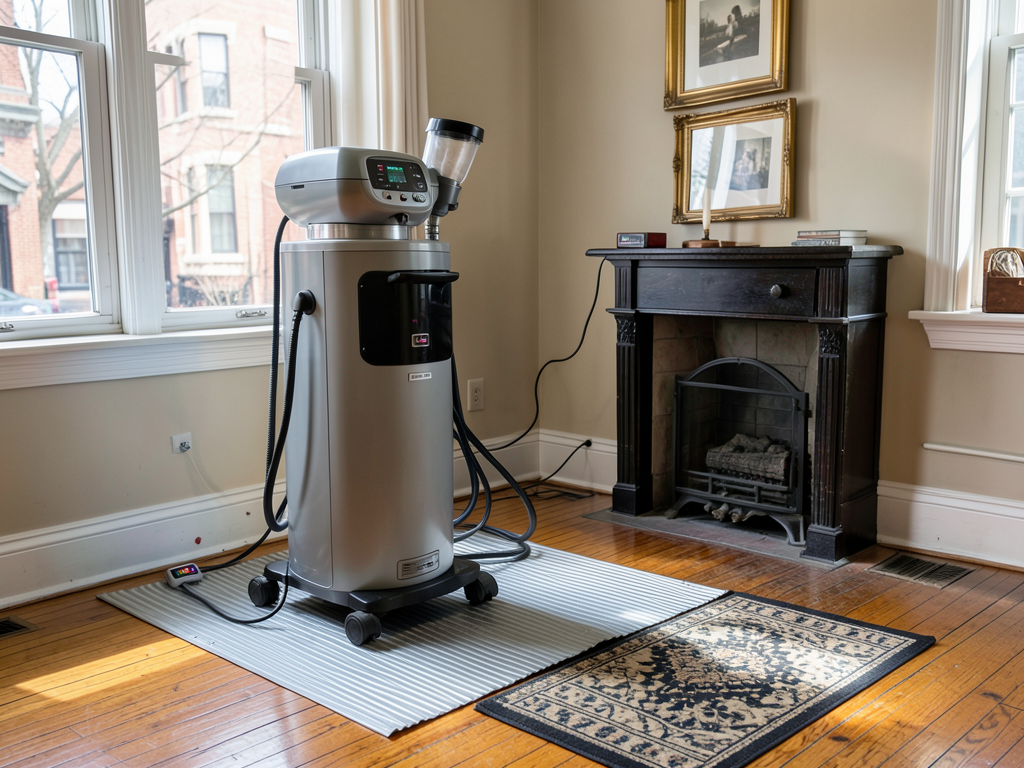
Understanding the Speed Benefits of Structural Heat Drying for a Rapid Recovery When water invades your San Francisco property every hour counts. Traditional drying methods using air movers and dehumidifiers can take 3-5 days to…
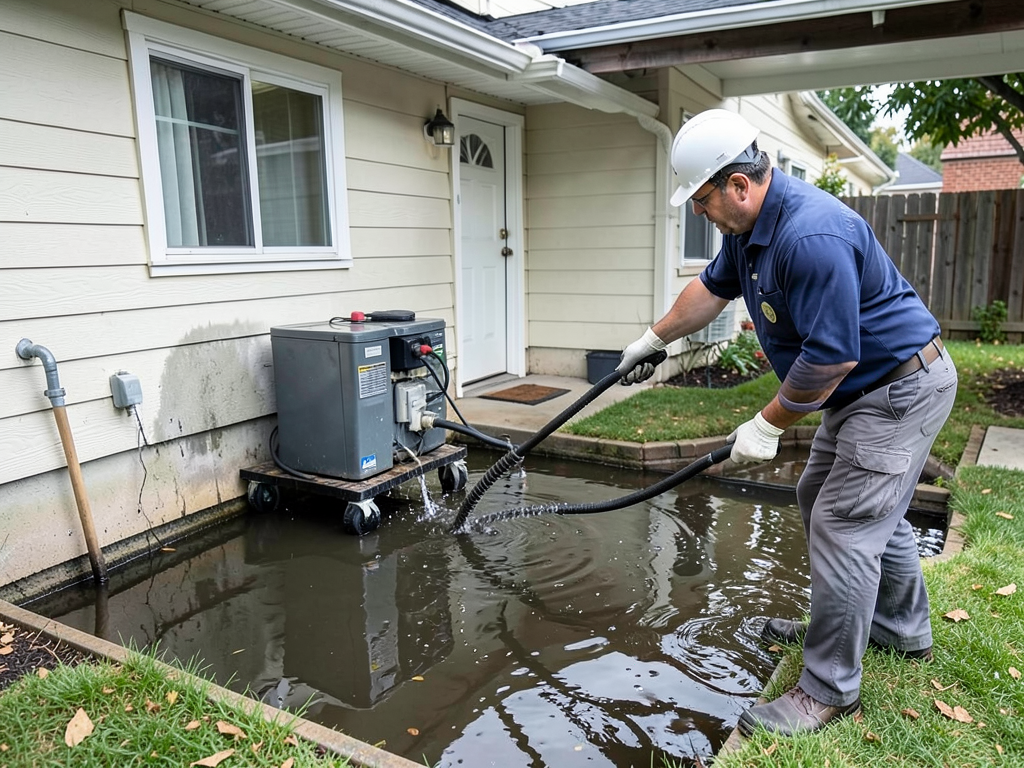
What to Do if Your New Backyard ADU Floods During a Heavy San Francisco Rain…
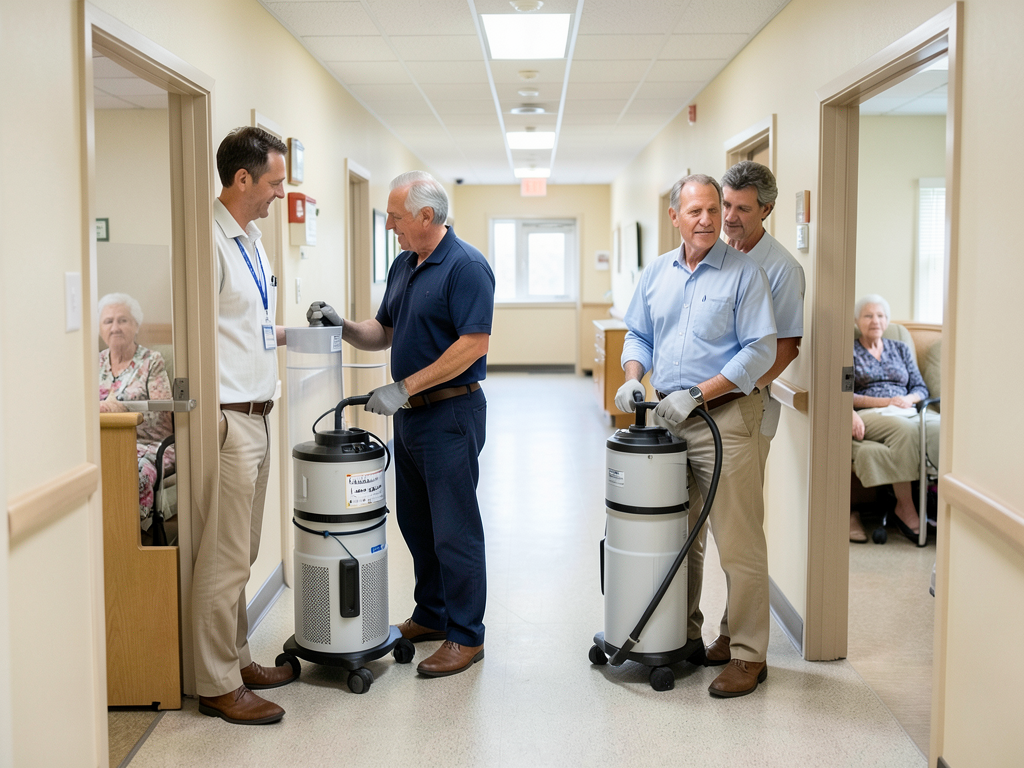
Specialized Senior Living Water Restoration Services in San Francisco Water damage in a Richmond District…
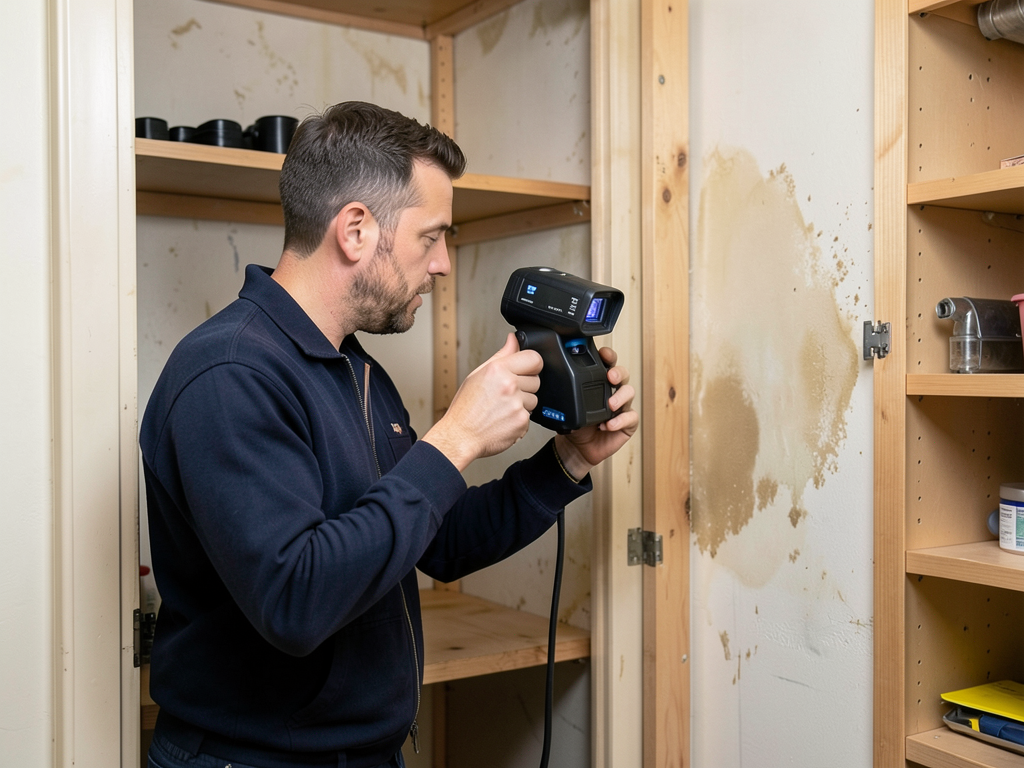
Why Your Noe Valley High Efficiency Boiler Could Be Slowly Flooding Your Utility Closet If…
Water damage spreads every minute you wait. Call Summit Water Damage Restoration at (415) 449-6555 right now for immediate dispatch to your Santa Clara property. Our crews arrive within 60 minutes with equipment ready to start extraction and drying. We handle insurance coordination and documentation so you can focus on your family. Stop the damage before it gets worse.