menu

Business Interruption Mitigation in San Francisco – Industrial-Grade Water Damage Response That Keeps Your Operations Running

When water damage threatens your San Francisco business, our rapid commercial restoration protocols minimize operational downtime through strategic containment, phased drying, and business continuity planning that prioritizes your revenue stream.

Slider Image 1
Slider Image 2
Slider Image 3
Slider Image 4
Slider Image 5
Slider Image 7
Slider Image 8
Slider Image 9
Slider Image 10
Slider Image 11

Why Water Damage Poses an Immediate Financial Threat to San Francisco Businesses

Water intrusion in a commercial facility is not just a maintenance issue. It is a revenue hemorrhage. Every hour your San Francisco business sits idle due to flooding, burst pipes, or structural water infiltration directly impacts your bottom line. For restaurants in the Financial District, retailers along Market Street, or tech offices in SoMa, even a 24-hour closure can mean tens of thousands in lost revenue and customer defection.

San Francisco's aging infrastructure compounds this risk. Many commercial buildings in the city were constructed before 1980, featuring outdated plumbing systems prone to catastrophic failure. The city's seismic activity creates chronic stress on pipe joints and connections. When a 4-inch supply line fails in a multi-tenant building, the damage cascades through floors, impacting multiple businesses simultaneously.

The financial exposure extends beyond immediate water damage. Business interruption includes lost contracts, spoiled inventory, displaced employees, and reputational harm. Your insurance policy may cover property damage, but it will not compensate for customers who choose a competitor during your closure. Minimizing business downtime requires immediate, strategic intervention.

Generic residential water damage protocols do not apply to commercial environments. You need industrial extraction capacity, thermal imaging for concealed moisture in structural assemblies, and coordination with your operations team to maintain partial functionality during restoration. Reducing operational downtime means understanding your business processes well enough to phase the work around your critical revenue functions. That level of coordination separates amateur restoration from professional business continuity restoration.

Why Water Damage Poses an Immediate Financial Threat to San Francisco Businesses
How Strategic Water Extraction and Drying Protocols Protect Your Revenue Stream

How Strategic Water Extraction and Drying Protocols Protect Your Revenue Stream

Commercial water damage mitigation is not about drying a space. It is about surgical restoration that allows you to resume operations as quickly as possible. Our approach to mitigating commercial downtime begins with rapid assessment of your facility's critical zones. We identify which areas must be restored first to allow partial operations, then execute a phased restoration plan that minimizes total closure time.

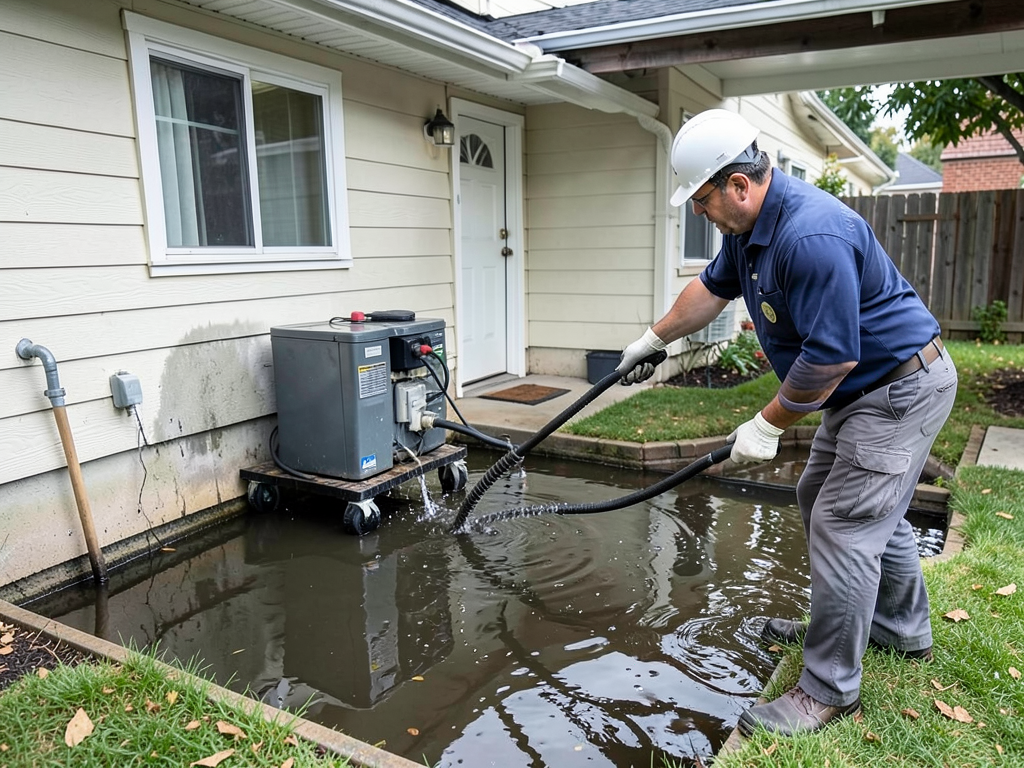
We deploy truck-mounted extraction units capable of removing thousands of gallons per hour, not small shop vacuums. For San Francisco's older buildings with dense concrete subfloors common in industrial zones south of Market Street, we use injectidry systems that pull moisture from within the slab itself. Standard air movers cannot address structural moisture. You need negative pressure drying and desiccant dehumidification to prevent long-term humidity issues that lead to mold colonization and secondary business interruption weeks after the initial event.

Our thermal imaging protocols map moisture migration through walls and ceilings. This prevents the common mistake of declaring a space dry while moisture remains trapped in wall cavities or above drop ceilings. When that hidden moisture eventually manifests as mold growth, you face a second closure and remediation cycle. Proper moisture mapping eliminates that risk.

We coordinate directly with your insurance adjuster and provide detailed moisture logs that support your business interruption claim. Many policies cover lost income, but only if you can document the necessity and duration of the closure. Our documentation protocols provide the evidence your carrier requires to process claims without dispute. Limiting business disruption means managing both the physical restoration and the financial recovery process simultaneously.

Our Phased Commercial Water Damage Response Protocol

Business Interruption Mitigation in San Francisco – Industrial-Grade Water Damage Response That Keeps Your Operations Running
01

Emergency Assessment and Containment

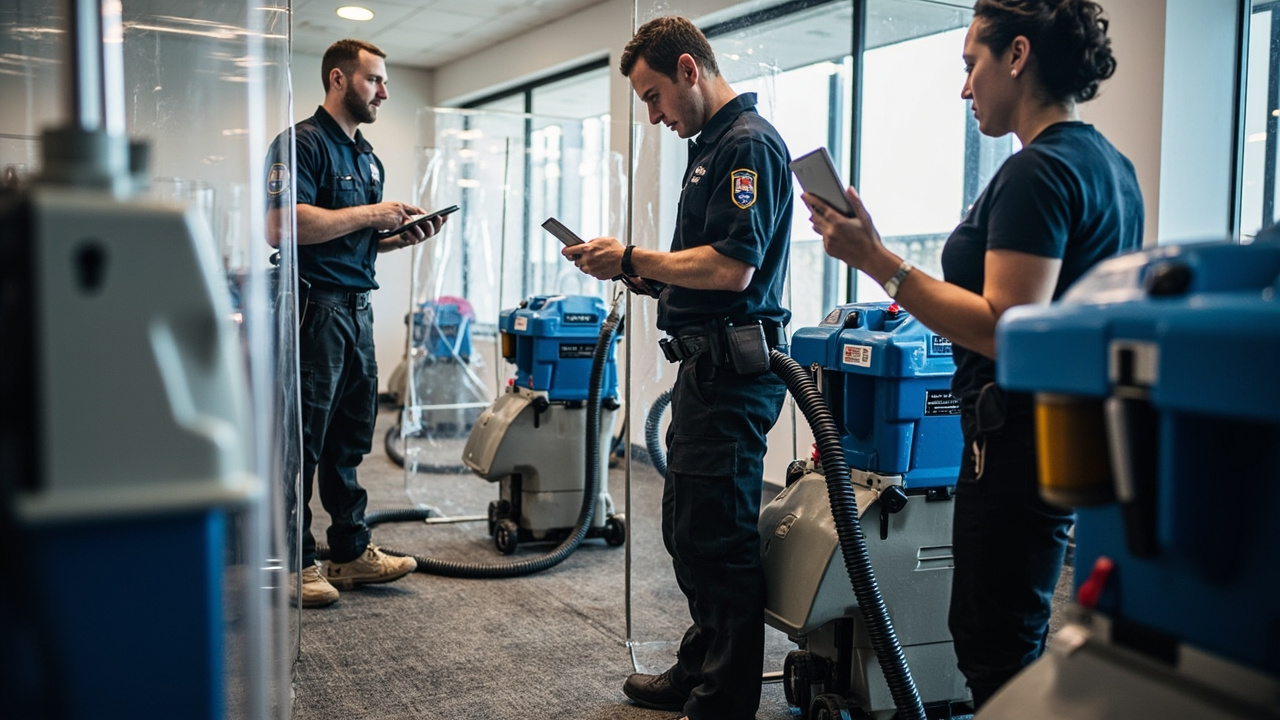
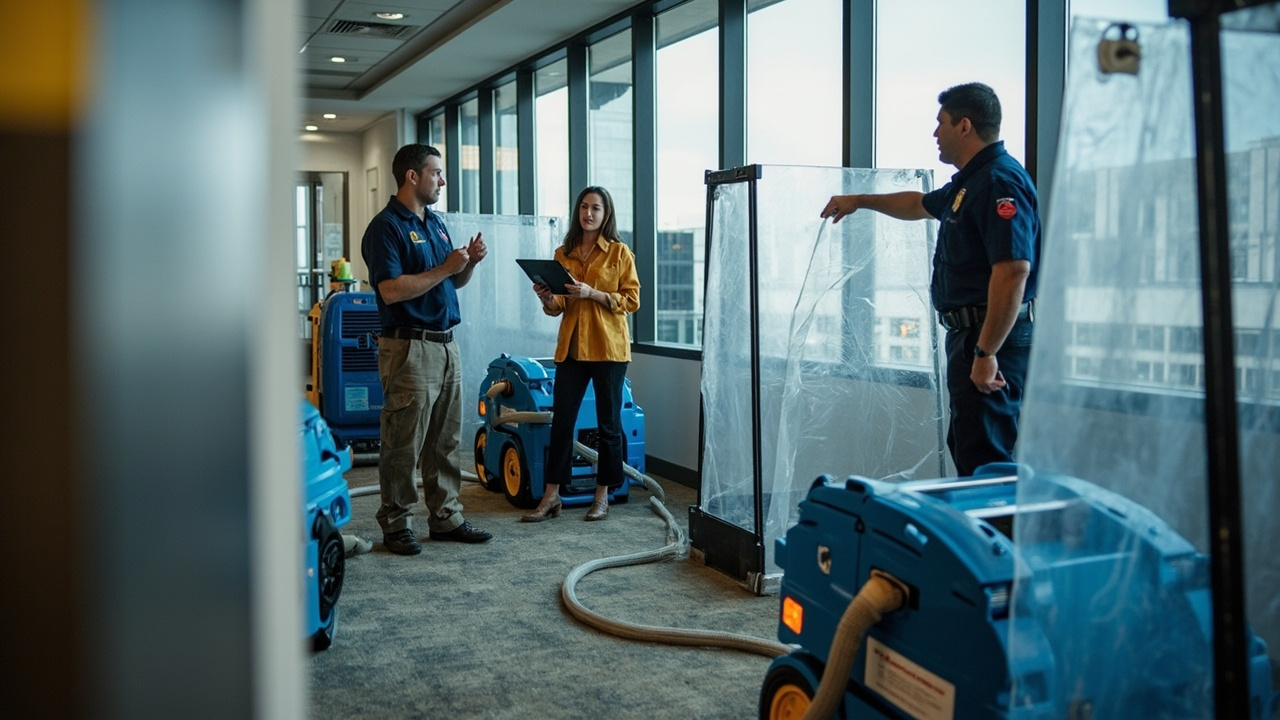
Within 60 minutes of your call, our commercial response team arrives with industrial extraction equipment and moisture detection technology. We perform a rapid facility assessment to identify the water source, shut off supply lines if needed, and establish containment barriers using polyethylene sheeting to isolate affected zones. This allows unaffected portions of your facility to remain operational while we address the damaged areas, immediately reducing your total closure footprint.
02

Extraction and Structural Drying

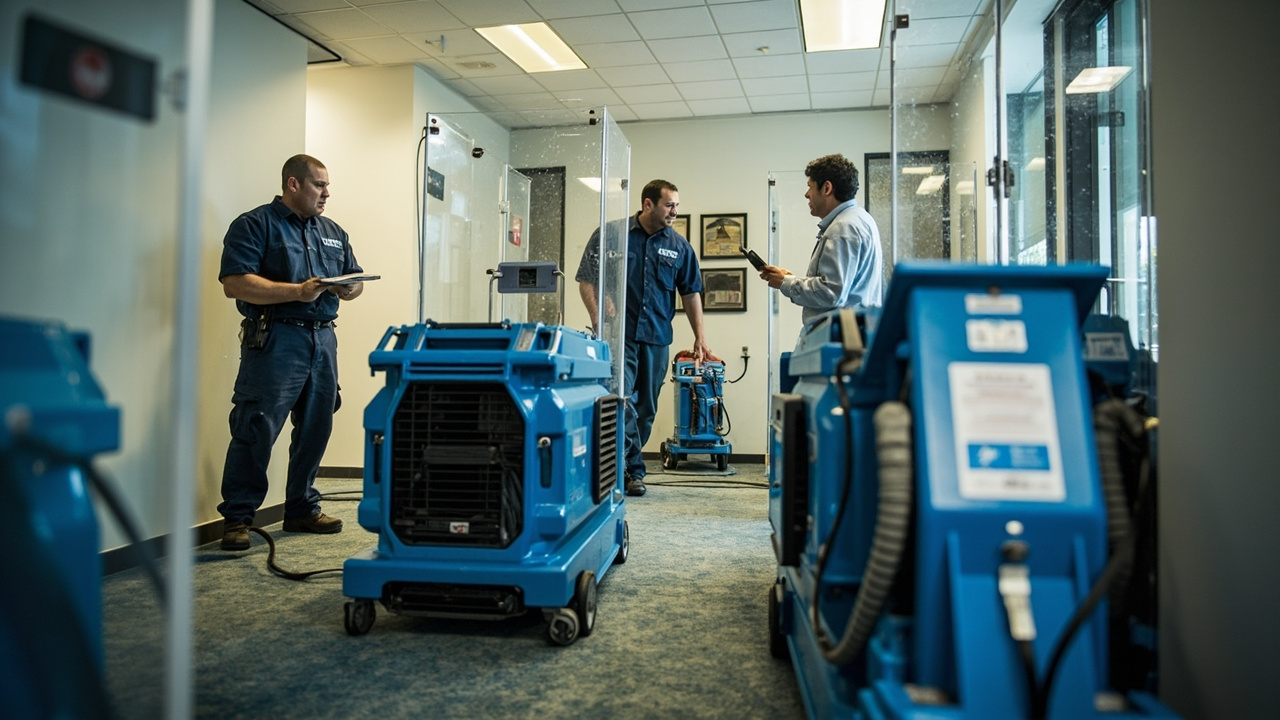
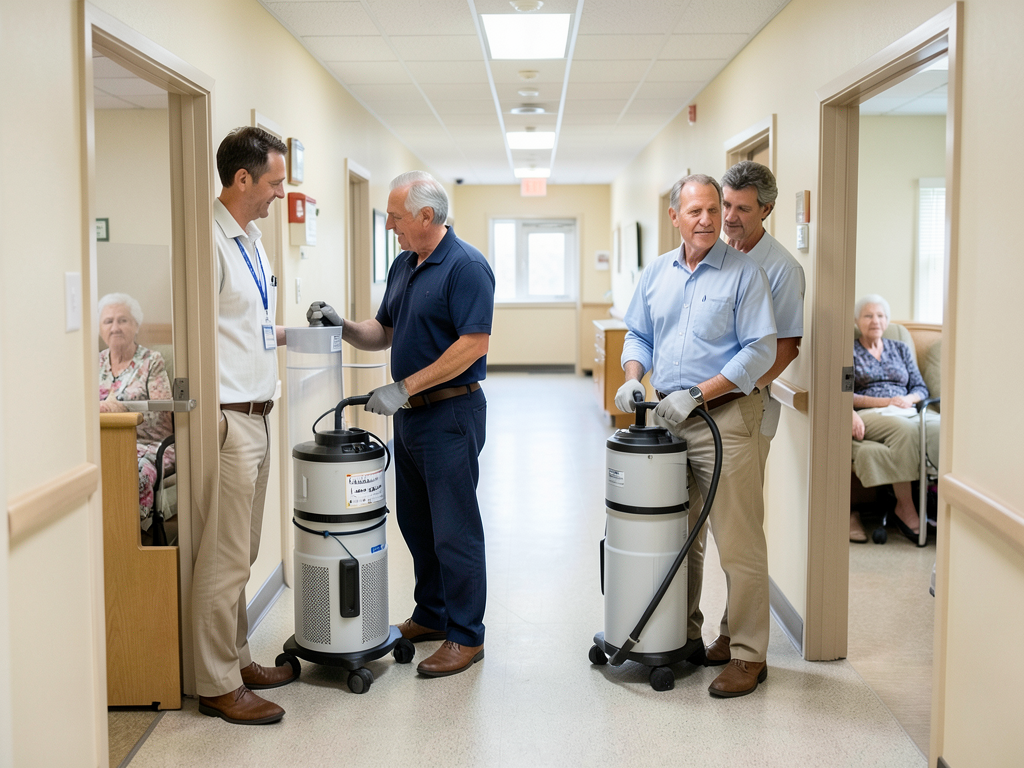
We deploy truck-mounted extraction units and commercial-grade air movers to remove standing water and initiate rapid evaporation. For structural drying, we use low-grain refrigerant dehumidifiers that operate continuously, pulling moisture from building materials faster than standard equipment. Daily moisture readings using penetrating and non-invasive meters track drying progress across all affected materials. We adjust equipment placement based on these readings to optimize drying efficiency and compress your total downtime window.
03

Verification and Operational Handoff

Before we clear any space for reoccupancy, we conduct final moisture verification using FLIR thermal imaging and calibrated moisture meters. All readings must meet IICRC S500 standards for structural drying. We provide a written certification of dryness, which satisfies insurance requirements and protects you from liability. We coordinate with your contractors for any necessary reconstruction, then hand the space back to you with a detailed timeline for final finishes, ensuring you can resume operations immediately.

Why San Francisco Businesses Trust Our Commercial Water Damage Expertise

Commercial water damage response is not a residential service scaled up. It requires different equipment, different protocols, and a fundamentally different understanding of what is at stake. Summit Water Damage Restoration San Francisco operates with commercial-grade extraction and drying capacity designed for facilities ranging from 5,000 to 50,000 square feet. We understand that your business cannot wait three weeks for a space to dry. You need it functional in 72 to 96 hours.

Our familiarity with San Francisco's commercial building stock gives us an immediate advantage. We know the construction methods used in the South of Market industrial conversions, the outdated plumbing common in Financial District high-rises, and the seismic retrofitting that affects moisture barriers in older structures. When we walk into your facility, we already understand the likely failure points and hidden vulnerabilities that contributed to your water intrusion event.

We work directly with commercial insurance adjusters who handle business interruption claims. Our documentation meets the evidentiary standards required by carriers, and our moisture logs provide the timeline proof needed to support lost income claims. Many business owners do not realize their policy covers business interruption, or they fail to document the claim properly. We handle that process as part of our service, ensuring you recover both property damage costs and lost revenue.

Coordination is everything in commercial restoration. We integrate with your operations team, your property manager, your insurance broker, and your general contractor. You get a single point of contact who manages the entire restoration process while you focus on maintaining customer relationships and salvaging revenue from unaffected portions of your business. That level of project management is what separates competent restoration from true business continuity restoration.

What to Expect During Commercial Water Damage Restoration

Rapid Response and Immediate Mobilization

Commercial water damage requires immediate response. Our team mobilizes within 60 minutes of your call, arriving with truck-mounted extraction equipment and commercial air movers. We operate 24/7 because water damage does not wait for business hours. The first four hours after a water intrusion event are critical. Delays allow water to migrate deeper into structural assemblies, saturate insulation, and begin the mold colonization process. Our rapid response capability means we begin extraction and containment immediately, compressing your total restoration timeline and minimizing the financial impact of closure. For multi-location businesses, we can deploy simultaneous crews to address multiple sites concurrently.

Comprehensive Facility Assessment and Moisture Mapping

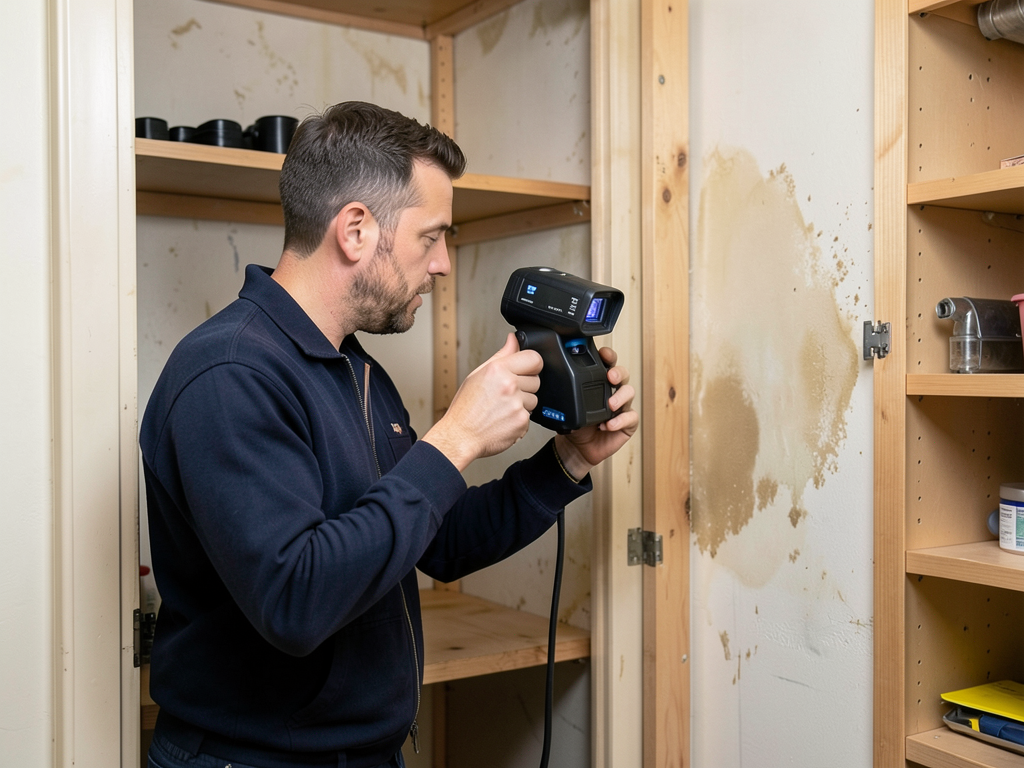
Before we begin extraction, we conduct a full facility assessment using FLIR thermal imaging cameras and penetrating moisture meters. This identifies all affected areas, including hidden moisture in wall cavities, above ceilings, and within structural concrete. We create a detailed moisture map that guides equipment placement and tracks drying progress. This assessment also identifies your facility's critical zones, the areas you need operational first to resume partial business activity. We use this information to create a phased restoration plan that prioritizes revenue-generating spaces. You receive a written assessment report within four hours of our arrival, complete with photographic documentation that supports your insurance claim.

Industrial-Grade Drying and Continuous Monitoring

Structural drying in commercial spaces requires industrial-capacity equipment. We deploy low-grain refrigerant dehumidifiers that remove up to 150 pints of moisture per day, along with high-velocity air movers positioned based on psychrometric calculations. For concrete subfloors, we use injectidry systems that create negative pressure beneath the slab, pulling trapped moisture out from within the concrete itself. We monitor drying progress every 12 hours using calibrated moisture meters, adjusting equipment placement to optimize evaporation rates. Our goal is to achieve IICRC S500 dryness standards within 72 to 96 hours, allowing you to resume operations while reconstruction proceeds. You receive daily moisture logs that document drying progress and support your business interruption claim.

Post-Restoration Verification and Documentation

Before we remove equipment and clear your space for reoccupancy, we conduct final moisture verification across all affected materials. Readings must meet or exceed IICRC S500 standards, which define specific moisture content thresholds for wood, drywall, concrete, and other building materials. We provide a written certificate of dryness that satisfies insurance requirements and protects you from future liability if moisture issues resurface. This documentation includes thermal images showing uniform temperature distribution, which confirms complete evaporation. We also provide recommendations for any necessary reconstruction work and coordinate with your general contractor to ensure seamless transition from restoration to rebuild. Our final report includes a complete timeline of the restoration process, supporting your business interruption claim with documented evidence of closure necessity and duration.

Frequently Asked Questions

You Have Questions,
We Have Answers

What does business interruption coverage cover? +

Business interruption coverage compensates for lost income when your San Francisco operation shuts down due to a covered peril. This includes fire, water damage, or structural issues that force closure. The policy covers net profit you would have earned during the downtime, continuing operating expenses like payroll and rent, and temporary relocation costs if you move operations. Coverage begins after the property damage occurs and continues until you resume normal operations or reach policy limits. For San Francisco businesses facing seismic risks or water main failures common in older SOMA and Financial District buildings, this coverage protects your revenue stream during mandatory closures.

What is mitigation in business? +

Mitigation in business refers to proactive measures that reduce risk exposure and minimize potential losses before they occur. For San Francisco commercial properties, this means addressing vulnerabilities in aging infrastructure, implementing water detection systems in basement-level spaces common to Civic Center and Richmond District buildings, and maintaining HVAC systems to prevent mold growth in fog-prone coastal areas. Mitigation also includes emergency response planning, supplier diversification, and operational redundancy. Insurance carriers favor businesses with documented mitigation protocols because these measures reduce claim frequency and severity. Effective mitigation protects your bottom line and demonstrates operational maturity to stakeholders and insurers.

What actions can be taken to reduce or mitigate business risks? +

Reduce business risks through systematic facility audits identifying vulnerabilities in plumbing, roofing, and HVAC systems. San Francisco businesses should prioritize seismic retrofitting for older buildings, install water leak detection systems in areas prone to pipe failures, and maintain proper drainage around structures given the city's clay soil conditions. Implement employee training protocols for emergency response, establish relationships with restoration vendors before incidents occur, and maintain digital backups offsite. Regular maintenance prevents catastrophic failures. Document all prevention activities for insurance purposes. Create redundancy in critical operations and supplier relationships. For businesses in the Financial District or Mission Bay, coordinate with building management on shared infrastructure vulnerabilities that could trigger business interruption.

What does business interuption insurance cover? +

Business interruption insurance covers lost income and continuing expenses when physical damage forces your operation to close temporarily. The policy reimburses net profits you would have earned, fixed costs like lease payments and salaries, and expenses to minimize the interruption period. Coverage includes costs to relocate temporarily if needed. The trigger is direct physical loss from covered perils like fire, water damage, or equipment failure. For San Francisco businesses, this protection is critical given earthquake risks, aging infrastructure in districts like North Beach and Chinatown, and potential supply chain disruptions from port delays. Coverage continues until you restore operations or reach policy time limits.

What is not covered under business interruption? +

Business interruption policies exclude losses from uncovered perils like flooding without separate flood insurance, pandemic-related closures unless specifically endorsed, and utility failures occurring off premises. Losses from poor business decisions, market changes, or voluntary closures do not qualify. Pre-existing conditions or deferred maintenance issues are excluded. San Francisco businesses cannot claim interruption losses from municipal infrastructure projects, planned renovations, or seasonal business fluctuations. Cyberattacks and data breaches require separate coverage. The policy only responds to physical damage from covered perils. Losses occurring before or after the restoration period are not compensated. Undocumented income or speculative profits are excluded from claim calculations.

What is the 80% rule in insurance? +

The 80% rule requires you to insure your property for at least 80% of its replacement value to avoid coinsurance penalties. If you underinsure and file a claim, the carrier will only pay a proportional amount based on the coverage-to-value ratio. For example, if your San Francisco building is worth one million dollars and you only carry 600,000 in coverage, you fail the 80% threshold. You become a coinsurer for the shortfall. This penalty applies per claim and significantly reduces your recovery. Given rising construction costs in San Francisco and seismic retrofit requirements, regularly reassess your property values to maintain adequate coverage ratios.

What are 5 examples of mitigation? +

Five mitigation examples include installing automatic water shutoff valves to prevent flooding when pipes fail, implementing fire suppression systems in high-risk areas, conducting regular roof inspections to identify weak points before storms, creating redundant data backup systems offsite, and establishing emergency response plans with designated roles. For San Francisco businesses, add seismic gas shutoff valves given earthquake risk, maintain proper drainage around foundations due to clay soil expansion, install sump pumps in below-grade spaces common to Sunset and Ingleside properties, weatherproof entry points against fog moisture, and secure supply chain alternatives for port-dependent operations. These measures reduce claim likelihood and demonstrate risk management maturity to insurers.

What are the 4 types of mitigation? +

The four mitigation types are avoidance, reduction, transfer, and acceptance. Avoidance eliminates the risk entirely by changing operations or locations. Reduction implements controls that lower risk probability or impact through maintenance, training, and monitoring systems. Transfer shifts risk to third parties through insurance policies, contracts, or outsourcing. Acceptance acknowledges certain risks as unavoidable and budgets for potential losses. San Francisco businesses combine these approaches based on specific exposures. You might avoid flood risk by relocating from ground-floor Embarcadero spaces, reduce water damage risk through leak detection systems, transfer financial exposure through comprehensive insurance, and accept minor risks where mitigation costs exceed potential losses.

What is included in mitigation? +

Mitigation includes risk assessment identifying vulnerabilities, implementing physical controls like water detection systems and fire suppression, establishing preventive maintenance schedules for critical infrastructure, training staff on emergency protocols, and documenting all activities for insurance and compliance purposes. For San Francisco commercial properties, mitigation involves seismic evaluations, addressing aging plumbing common to pre-1960 buildings in the Richmond and Sunset districts, maintaining roof integrity against wind-driven rain, and controlling moisture in fog-prone areas. Include vendor relationships with restoration contractors, emergency contact protocols, and business continuity planning. Effective mitigation combines engineering controls, administrative procedures, and financial protections that work together to reduce operational disruption.

What are the 5 mitigation strategies? +

The five mitigation strategies are risk identification through facility audits, prevention via maintenance and monitoring systems, preparedness including emergency plans and vendor relationships, response protocols for immediate damage control, and recovery procedures for business continuity. San Francisco businesses should identify seismic vulnerabilities and aging infrastructure risks, prevent failures through scheduled inspections and upgrades, prepare emergency contacts and backup systems, respond quickly to contain damage when incidents occur, and recover operations efficiently through documented procedures. Implement redundancy in critical systems, maintain insurance coverage adequate for replacement costs, train employees on emergency roles, establish alternative supplier relationships, and conduct regular drills. These strategies work sequentially to minimize interruption duration and financial impact.

San Francisco's Aging Infrastructure and Seismic Stress Increase Commercial Water Damage Risk

San Francisco's commercial building stock faces unique water damage vulnerabilities. Many structures in the Financial District and South of Market were built between 1920 and 1980, featuring galvanized steel and cast iron supply lines that corrode from the inside out. The city's seismic activity creates chronic stress on these aging systems. Even minor tremors cause micro-fractures in pipe joints, which eventually fail under normal operating pressure. For businesses in older buildings, the question is not if a pipe will fail, but when. This makes proactive inspection and rapid response planning critical for business continuity restoration. The city's dense construction also means a failure in one unit often impacts adjacent tenants, multiplying the business interruption exposure.

San Francisco businesses also face strict building code requirements when restoring water-damaged spaces. Any work that involves structural modification or electrical systems must comply with California Building Code and local amendments. This includes seismic bracing for restored plumbing, GFCI protection for replaced outlets, and low-flow fixture requirements for any new plumbing installations. Working with a restoration provider who understands these local code requirements prevents permit delays that extend your closure. We coordinate directly with San Francisco Department of Building Inspection when permits are required, ensuring your restoration meets all regulatory standards without adding unnecessary downtime to your business interruption timeline.
Water Damage Restoration Services in The San Francisco Area

Our commitment to rapid response means we cover the entire San Francisco area and surrounding communities. View the map below to visualize our primary service region, which includes key neighborhoods and business districts. Whether you are located in the Financial District, the Mission, or out toward the Sunset, you can trust our 24/7 team to reach you quickly. We proudly serve both residential and commercial clients across the entire map, guaranteeing a fast and effective mitigation service the moment you need us.

Address:
Summit Water Damage Restoration San Francisco, 1390 Market St, San Francisco, CA, 94102

Additional Services We Offer

Our news updates

Latest Articles & News from The Blogs

What Happens if Your Home Addition Gets Flooded During Construction in Noe Valley Water flooding your home addition during construction…

What Happens if Your Home Addition Gets Flooded During Construction in Noe Valley

What Happens if Your Home Addition Gets Flooded During Construction in Noe Valley Water flooding your home addition during construction…

How San Francisco Summer Fog Can Cause More Water Damage Than Winter Rain

How San Francisco Summer Fog Can Cause More Water Damage Than Winter Rain San Francisco’s famous summer fog, known locally…

Why Your Chronic Cough Might Actually Be a Hidden Mold Problem in the Richmond District

Why Your Chronic Cough Might Actually Be a Hidden Mold Problem in the Richmond District If you’ve lived in San…

Contact Us

Every hour of delay increases your financial exposure. Call Summit Water Damage Restoration San Francisco now at (415) 449-6555 for immediate dispatch. Our commercial response team is standing by 24/7 with industrial extraction equipment and business continuity protocols designed to get you operational fast.