menu

Frozen Pipe Burst Cleanup in San Francisco – 60-Minute Emergency Response to Stop Water Damage Now

When a frozen pipe bursts in your San Francisco home or business, every minute counts. Our emergency crews arrive fast to extract standing water, contain flooding, and prevent structural damage before it spreads.

Slider Image 1
Slider Image 2
Slider Image 3
Slider Image 4
Slider Image 5
Slider Image 7
Slider Image 8
Slider Image 9
Slider Image 10
Slider Image 11

Why Frozen Pipes Explode in San Francisco and What Happens Next

San Francisco does not see harsh winters, but cold snaps still hit hard. When temperatures drop into the low 30s, uninsulated pipes in crawl spaces, attics, and exterior walls freeze solid. Water expands as it turns to ice. That pressure cracks copper, splits PVC, and ruptures galvanized steel. You wake up to a flooded kitchen, soaked drywall, or water pouring through ceilings.

The damage accelerates fast. Within hours, subflooring swells. Carpet padding turns into a sponge. Wood framing absorbs moisture, creating conditions for mold colonization. In neighborhoods like the Richmond District and Sunset, where many homes were built in the 1920s and 1930s, older plumbing systems lack modern freeze protection. A single burst pipe can discharge 400 gallons per hour, saturating everything in its path.

Immediate emergency burst pipe water removal stops the cascade. You need frozen pipe burst remediation crews who understand how San Francisco's microclimates affect plumbing. Homes near Ocean Beach face salt air and wind chill that accelerate freezing. Properties in fog-heavy areas like Twin Peaks deal with prolonged dampness that slows drying. Every hour of delay adds cost, disruption, and health risk. Burst pipe water damage restoration is not a cleanup job. It is a race against secondary damage, and the clock starts the moment the pipe fails.

Why Frozen Pipes Explode in San Francisco and What Happens Next
Our Emergency Protocol for Frozen Pipe Flood Cleanup

Our Emergency Protocol for Frozen Pipe Flood Cleanup

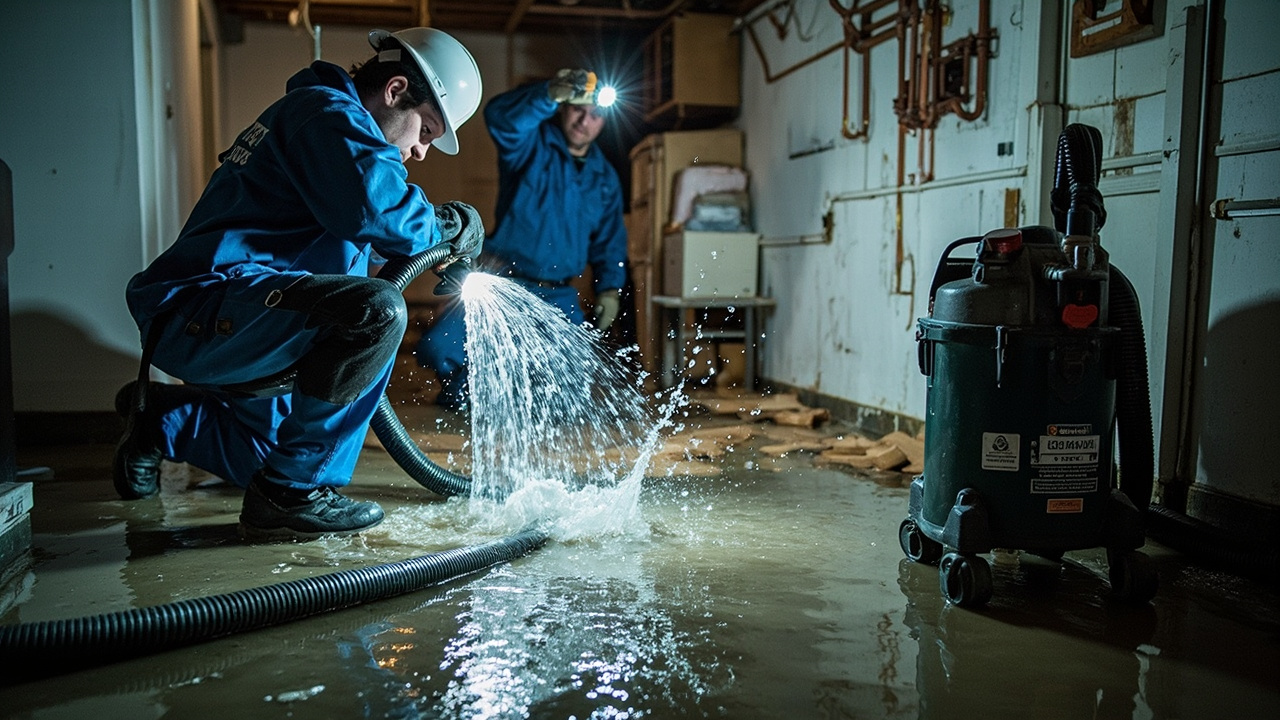
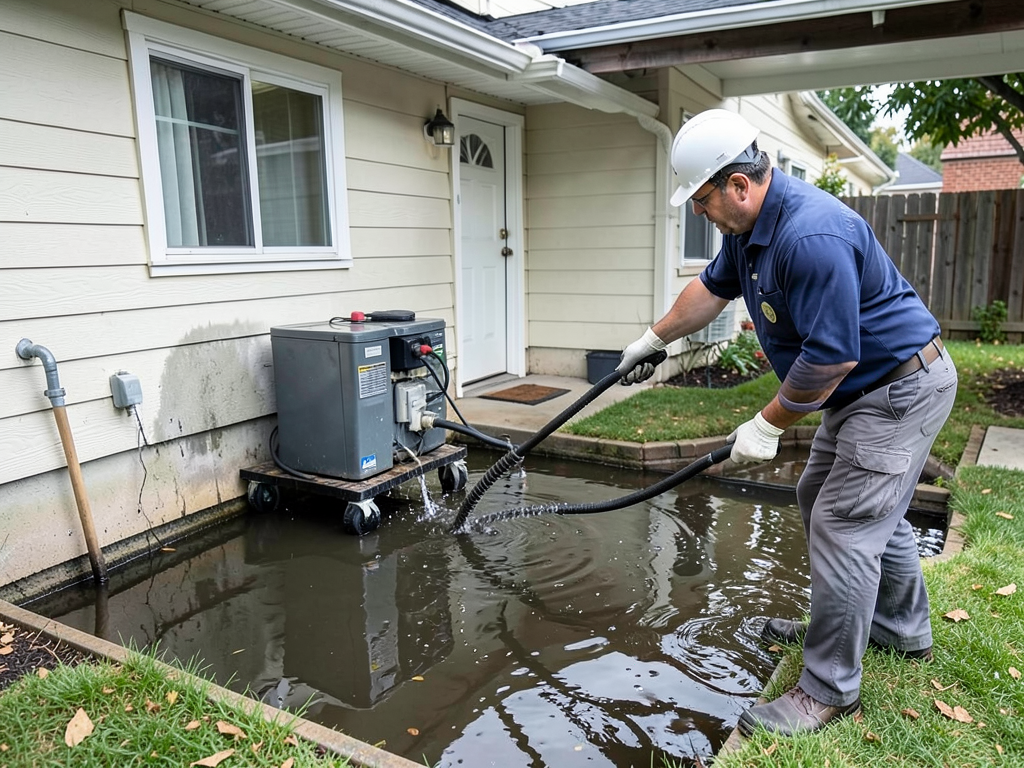
We do not wait for business hours. When you call for frozen pipe flood cleanup, our dispatch activates a mobile unit within minutes. The crew arrives with truck-mounted extractors, submersible pumps, and thermal imaging cameras. First action is containment. We shut off water supply, identify the breach point, and map the affected zones using infrared sensors. Water migrates through wall cavities and floor joists. You cannot see the full scope without equipment.

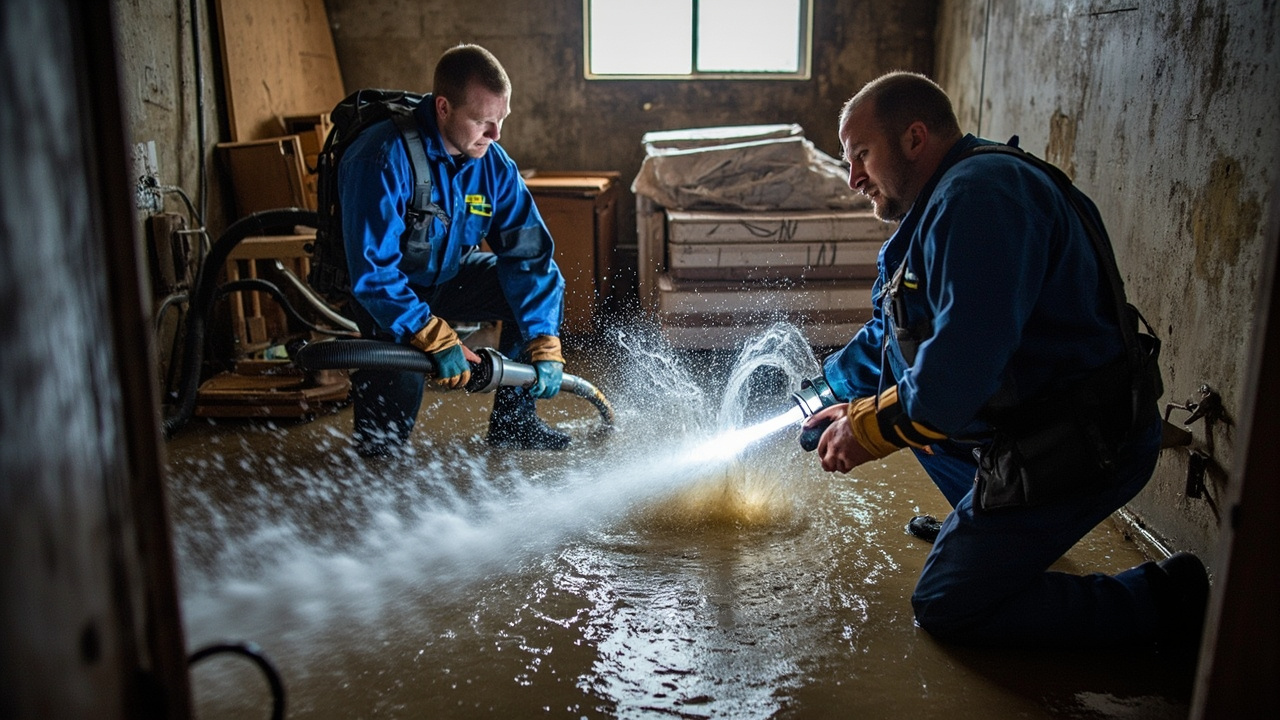
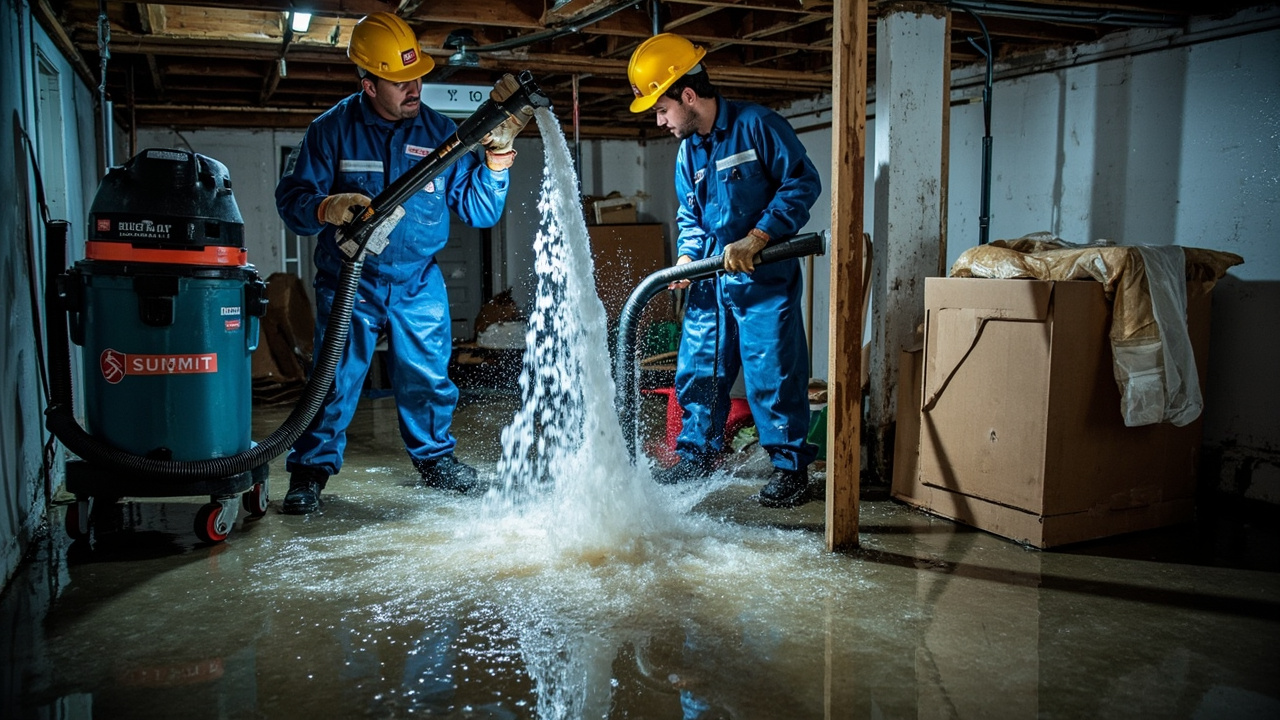
Extraction starts immediately. Portable pumps pull standing water from basements and crawl spaces. Truck-mounted systems handle high-volume removal in commercial spaces. We use weighted wands to extract water from carpet and padding without tearing up flooring prematurely. Speed matters because category 1 water, the cleanest type from supply lines, degrades into category 2 gray water within 48 hours as organic contaminants multiply.

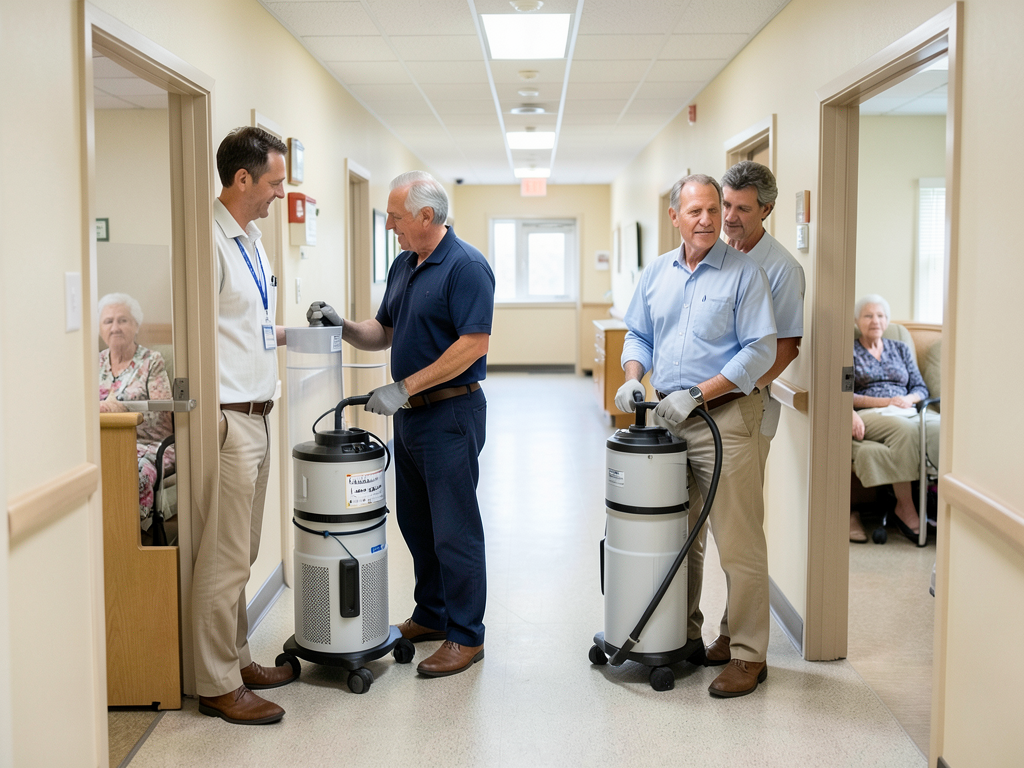
After extraction, we deploy air movers and commercial dehumidifiers. Air movers create rapid evaporation by pushing moisture-laden air across wet surfaces. Dehumidifiers condense that airborne moisture, pulling it out of the structure. We monitor moisture levels in framing, subflooring, and drywall using pin-type and non-invasive meters. Drying is not guesswork. We document readings twice daily and adjust equipment placement until materials return to baseline moisture content. This prevents warping, delamination, and microbial growth. Water extraction for frozen pipes is only the beginning. Proper drying is what saves your structure and your health.

What Happens During Emergency Response

Frozen Pipe Burst Cleanup in San Francisco – 60-Minute Emergency Response to Stop Water Damage Now
01

Immediate Water Extraction

We arrive and contain the scene. Our crew shuts off your main water supply, locates the burst section using thermal imaging, and deploys submersible pumps to remove standing water. Truck-mounted extractors pull water from flooring and subfloors. The goal is to remove bulk water within the first two hours to minimize absorption into structural materials and prevent category degradation.
02

Structural Moisture Mapping

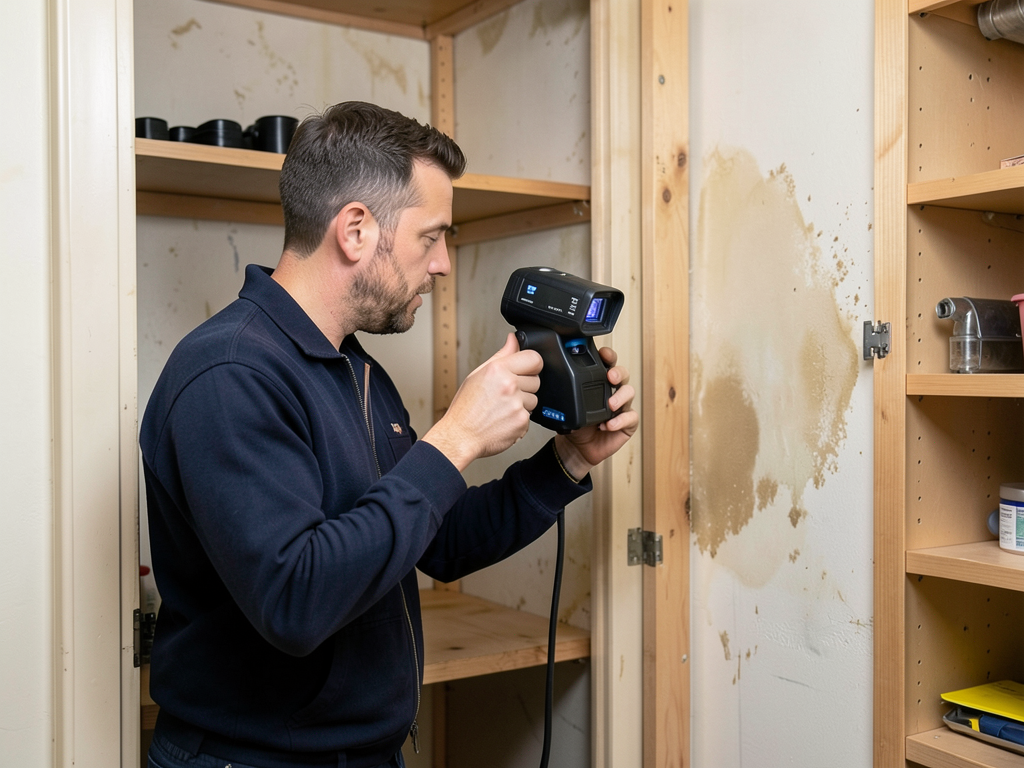
After extraction, we scan your property with infrared cameras and moisture meters. Water travels through wall cavities, under baseboards, and into insulation. We document moisture levels in framing members, drywall, and subflooring. This data drives equipment placement and tells us which materials need removal versus drying. We monitor readings daily and adjust airflow and dehumidification as conditions change.
03

Complete Drying and Verification

We run air movers and dehumidifiers until all structural materials reach baseline moisture content. This takes three to five days for most residential burst pipe events. We document final readings and provide you with a completion report showing moisture levels before and after. Only after verification do we recommend repairs. Premature reconstruction traps moisture and creates mold problems months later.

Why San Francisco Properties Need Local Frozen Pipe Expertise

San Francisco's housing stock is older than most West Coast cities. Victorian homes, Edwardian flats, and mid-century ranch houses were not built with modern insulation standards. Pipes run through unheated crawl spaces, attics without ventilation, and exterior walls with zero thermal breaks. When a cold snap arrives, these vulnerabilities become disasters.

We know the architecture. We have worked in Richmond District Victorians with uninsulated knee walls, Mission District apartments with exposed plumbing in laundry alcoves, and Sunset homes with pipes tucked into eaves. Each construction type requires a different approach to water extraction for frozen pipes. Older homes often have hidden plumbing chases. Water migrates through lath-and-plaster walls differently than drywall. You need a crew that understands how these structures respond to flooding.

We also understand San Francisco's permit and code environment. If your burst pipe requires plumbing replacement, that work must meet current code. The San Francisco Department of Building Inspection requires permits for certain repairs, especially in multi-unit buildings. We coordinate with licensed plumbers and document all work for your records. Many property owners try DIY frozen pipe burst remediation, only to discover weeks later that mold is growing behind walls. They saved money upfront and spent triple on remediation, lost belongings, and temporary housing. Speed and expertise cost less than mistakes. We work with your insurance adjuster, provide photo documentation, and handle the claim process so you can focus on getting back to normal. Local knowledge is not a marketing line. It is the difference between a clean restoration and a recurring nightmare.

What You Get When You Call for Emergency Service

Response Time and Availability

We dispatch crews 24 hours a day, 365 days a year. When you call our emergency line, you reach a live dispatcher, not a voicemail. Our average response time in San Francisco is under 60 minutes. We maintain trucks pre-loaded with extraction equipment, air movers, and dehumidifiers. No waiting for equipment rentals or backorders. We arrive ready to work. For commercial properties, we coordinate off-hours access to minimize business disruption. Speed is not a convenience. It is the primary factor in controlling damage and cost.

Initial Assessment and Damage Mapping

Our lead technician performs a complete moisture assessment using thermal imaging and moisture meters. We identify affected zones, document water category, and explain the scope of damage. You receive a written estimate before work begins, covering extraction, drying, and any necessary tear-out. We photograph everything for insurance documentation. If your policy requires direct billing, we handle that. The assessment takes 30 to 45 minutes. You will know exactly what needs to happen, how long it takes, and what your insurance will cover.

Complete Structural Drying

We do not leave until your property is dry. Our drying process runs three to five days for most residential jobs, longer for multi-story or commercial properties. We monitor moisture levels twice daily and adjust equipment as needed. Final readings are documented and provided to you. Your property will be at or below baseline moisture content, verified by calibrated meters. This is the standard insurance companies require and the only standard that prevents mold. We do not cut corners or remove equipment early to move to the next job.

Post-Drying Support and Reconstruction Coordination

After drying is complete, we provide referrals to licensed contractors for drywall repair, flooring replacement, and plumbing upgrades. We stay involved through reconstruction to ensure no hidden moisture problems emerge. If mold develops after our work, we investigate and address it at no cost if our drying protocol was followed. Many restoration companies disappear after extraction. We stay until your home is livable. That commitment matters when you are dealing with insurance adjusters, contractors, and the stress of displacement. You get a single point of contact through the entire process.

Frequently Asked Questions

You Have Questions,
We Have Answers

What to do when a pipe freezes and bursts? +

Shut off your main water valve immediately to stop flooding. Turn off electricity to affected areas to prevent shock hazards. Move furniture and valuables away from standing water. Do not touch the burst pipe. Call a licensed plumber to repair the pipe and a water damage restoration company to extract water and dry your property. San Francisco homes built before 1970 often have galvanized pipes prone to freezing. Document all damage with photos for your insurance claim. Speed matters. Water spreads fast through floors and walls, causing structural damage and mold growth within 24 hours.

How to clean up after a pipe burst? +

Start by extracting all standing water using pumps or wet vacuums. Remove soaked carpets, padding, and damaged drywall to prevent mold. Set up industrial dehumidifiers and air movers to dry structural materials. San Francisco's coastal humidity slows evaporation, making professional drying equipment critical. Disinfect all affected surfaces to prevent bacterial growth. Check hidden areas like wall cavities and subfloors with moisture meters. Do not assume surfaces are dry because they look dry. Trapped moisture causes rot and mold. Professional restoration teams complete this process in 3-5 days, preventing long-term damage and insurance complications.

Which faucets to drip during freeze? +

Drip faucets on exterior walls and in unheated spaces like garages or crawl spaces. In San Francisco, focus on north-facing walls that receive less sun exposure and rooms facing the Bay where wind chill drops temperatures. Let both hot and cold water drip at a pencil-lead width. Kitchen and bathroom faucets in older Victorian or Edwardian homes with inadequate insulation are most vulnerable. If you have a two-story home, open upstairs faucets since heat rises and upper pipes get colder. Running water prevents pressure buildup that causes bursts. A small water bill beats thousands in repair costs.

How much do plumbers charge to unfreeze pipes? +

Plumbers in San Francisco charge between $200-$600 for basic pipe thawing, depending on pipe location and accessibility. Emergency after-hours calls cost more. If pipes are inside walls or under concrete slabs, expect higher fees for access work. The actual thawing takes 30-90 minutes using heat tape or infrared lamps. Costs increase if the pipe already burst and needs replacement. Copper repiping runs higher than PEX repairs. Get a written estimate before work begins. Many plumbers offer flat-rate emergency services. This does not include water damage restoration, which is a separate service requiring specialized equipment and expertise.

Should you leave your faucets open if your pipes are frozen? +

Yes. Open faucets slightly to relieve pressure and allow water to move through the system. Flowing water is harder to freeze than standing water. If the pipe has already burst, shut off the main water supply first, then open faucets to drain remaining water and reduce pressure. In San Francisco, where freezes are rare but sudden, this technique prevents additional pipe stress. Keep cabinet doors open under sinks to let warm air circulate around pipes. Do not use open flames or high-heat devices to thaw pipes. You risk fire, pipe damage, or releasing steam that can cause burns.

Does homeowners insurance cover frozen pipes? +

Most homeowners insurance covers sudden pipe bursts from freezing, including water damage to floors, walls, and belongings. However, insurers may deny claims if you neglected basic maintenance or left your home unheated during cold weather. If you are away from your San Francisco home for more than 72 hours during winter, you must maintain heat above 55 degrees or drain the water system. Read your policy exclusions carefully. Insurance typically does not cover the pipe repair itself, only resulting water damage. File your claim immediately and document everything. Delayed reporting can trigger denials.

How to dry out a house after burst pipe? +

Remove all standing water immediately using extraction pumps. Pull up wet flooring, carpets, and remove soaked drywall to expose studs and subfloors. Position commercial dehumidifiers and high-velocity air movers to create airflow through wall cavities and under floors. San Francisco's fog and marine layer keep humidity high, extending dry times. Monitor moisture levels daily with meters. Structural wood must reach below 15 percent moisture content to prevent rot and mold. This process takes 3-7 days depending on saturation depth. Do not rely on fans alone. Professional drying equipment runs 24/7 and prevents secondary damage that costs more than initial repairs.

How long does it take for a water leak to cause mold? +

Mold begins growing within 24-48 hours after water exposure in San Francisco's moderate climate. Porous materials like drywall, insulation, and carpets grow mold fastest. You cannot see initial growth, but spores activate immediately when moisture and organic material combine. By 72 hours, visible colonies appear. San Francisco's older housing stock with plaster walls and wood lath provides ideal mold habitat. Black mold and other toxic species thrive in hidden wall cavities. This is why emergency water extraction matters. Waiting even one day turns a cleanup job into a mold remediation project requiring containment barriers and air scrubbers.

How much water should I run to keep pipes from freezing? +

Let faucets drip at a rate of five to ten drips per minute, roughly a pencil-lead width stream. This keeps water moving through pipes and prevents freezing. In San Francisco, focus on faucets connected to pipes in exterior walls, unheated garages, or crawl spaces. You do not need a heavy flow. A slight trickle relieves pressure and maintains circulation. Both hot and cold lines should drip since both can freeze. One dripping faucet uses about one gallon per day. This minimal water waste prevents thousands in burst pipe repairs and water damage restoration costs. Stop dripping once outdoor temperatures rise above freezing.

Should you drip faucets all day or just at night? +

Drip faucets continuously during freezing conditions, day and night. Pipes freeze when temperatures drop below 32 degrees for extended periods. In San Francisco, freezes happen rarely but occur suddenly during clear winter nights when marine layer protection disappears. Nighttime-only dripping leaves pipes vulnerable during morning hours when temperatures remain low. If forecasts predict sustained freezing, keep faucets dripping until temperatures stay above freezing for 24 hours. San Francisco's Victorian and Edwardian homes have pipes in exterior walls with minimal insulation. Continuous dripping provides the best protection. The small water cost prevents catastrophic flooding and structural damage requiring full restoration services.

How San Francisco's Microclimate Creates Hidden Pipe Freeze Risks

San Francisco sits on a peninsula surrounded by cold Pacific water. Fog banks roll in daily during summer, but winter brings different challenges. Clear, cold nights allow temperatures to drop rapidly. Homes in Outer Sunset, Richmond, and areas near Twin Peaks experience faster freezing than downtown neighborhoods protected by urban heat. Pipes in uninsulated exterior walls or attics freeze before homeowners realize temperatures have dropped below 32 degrees. Many properties lack central heating in crawl spaces or attics, creating isolated cold zones. When a pipe bursts in these conditions, water damage spreads fast through ceiling cavities and wall chases before you see visible flooding. Emergency burst pipe water removal must account for these hidden pathways to prevent long-term structural damage.

San Francisco's older housing stock means most homes were built before modern plumbing codes required freeze protection. Victorian homes and Edwardian flats often have galvanized steel or early copper piping with minimal insulation. These materials are more brittle when cold and more prone to catastrophic failure. Local building codes now require pipe insulation in vulnerable areas, but existing homes are grandfathered in. We work with San Francisco properties daily and understand these construction quirks. Choosing a local frozen pipe burst remediation provider means you get a crew that knows where pipes hide, how water migrates through older framing, and what the Department of Building Inspection requires for repairs. That local expertise saves time, money, and prevents repeat failures.
Water Damage Restoration Services in The San Francisco Area

Our commitment to rapid response means we cover the entire San Francisco area and surrounding communities. View the map below to visualize our primary service region, which includes key neighborhoods and business districts. Whether you are located in the Financial District, the Mission, or out toward the Sunset, you can trust our 24/7 team to reach you quickly. We proudly serve both residential and commercial clients across the entire map, guaranteeing a fast and effective mitigation service the moment you need us.

Address:
Summit Water Damage Restoration San Francisco, 1390 Market St, San Francisco, CA, 94102

Additional Services We Offer

Our news updates

Latest Articles & News from The Blogs

What Happens if Your Home Addition Gets Flooded During Construction in Noe Valley Water flooding your home addition during construction…

What Happens if Your Home Addition Gets Flooded During Construction in Noe Valley

What Happens if Your Home Addition Gets Flooded During Construction in Noe Valley Water flooding your home addition during construction…

How San Francisco Summer Fog Can Cause More Water Damage Than Winter Rain

How San Francisco Summer Fog Can Cause More Water Damage Than Winter Rain San Francisco’s famous summer fog, known locally…

Why Your Chronic Cough Might Actually Be a Hidden Mold Problem in the Richmond District

Why Your Chronic Cough Might Actually Be a Hidden Mold Problem in the Richmond District If you’ve lived in San…

Contact Us

A burst pipe gets worse every minute. Call (415) 449-6555 now for emergency frozen pipe burst cleanup in San Francisco. Our crews are dispatched immediately, and we arrive ready to extract water, dry your structure, and restore your property. Do not wait.