menu

How Long Does Drying Take in San Francisco? – Get Accurate Timelines Based on Real Psychrometric Data

Water damage drying time in San Francisco varies wildly based on moisture class, building materials, and microclimates. Our certified technicians use thermal imaging and hygrometers to give you honest structural drying duration estimates, not guesses.

Slider Image 1
Slider Image 2
Slider Image 3
Slider Image 4
Slider Image 5
Slider Image 7
Slider Image 8
Slider Image 9
Slider Image 10
Slider Image 11

Why San Francisco's Marine Layer Makes Water Restoration Drying Timelines Longer Than You Expect

You need a straight answer. Most property owners searching for water damage drying time expect 3 to 5 days. The reality is different.

San Francisco's coastal fog and marine layer push ambient humidity to 70 to 85 percent most mornings. When you add water intrusion to an already moisture-saturated environment, evaporation slows dramatically. Hardwood floors in the Sunset District can take 7 to 10 days to reach equilibrium moisture content. Drywall in the Mission absorbs more moisture from the air during overnight fog cycles, extending structural drying duration by 30 percent compared to inland climates.

Water restoration drying timeline depends on three factors: the volume of water, the building materials affected, and the environment. A burst pipe in a Richmond District Victorian with plaster walls and subfloor voids requires different drying protocols than a broken supply line in a SoMa loft with polished concrete floors.

The time to dry out water damage is not guesswork. Certified technicians measure vapor pressure differentials using psychrometric charts. We track specific humidity, temperature gradients, and material-specific moisture content daily. If the readings do not show consistent drying, we adjust airflow, add dehumidification capacity, or isolate problem areas.

San Francisco's building stock complicates things. Older structures with lathe and plaster trap moisture behind walls. Row houses share common walls, which means water migrates laterally. Basements in the Excelsior and Portola sit below grade with limited ventilation, creating conditions where mold amplification begins in 48 to 72 hours if drying process length is not managed correctly.

You deserve transparency. The answer to how long drying takes starts with accurate moisture mapping and honest assessment of your specific conditions.

Why San Francisco's Marine Layer Makes Water Restoration Drying Timelines Longer Than You Expect
How We Calculate Structural Drying Duration Using IICRC S500 Standards

How We Calculate Structural Drying Duration Using IICRC S500 Standards

We do not estimate drying time based on calendar days. We measure it with tools and standards.

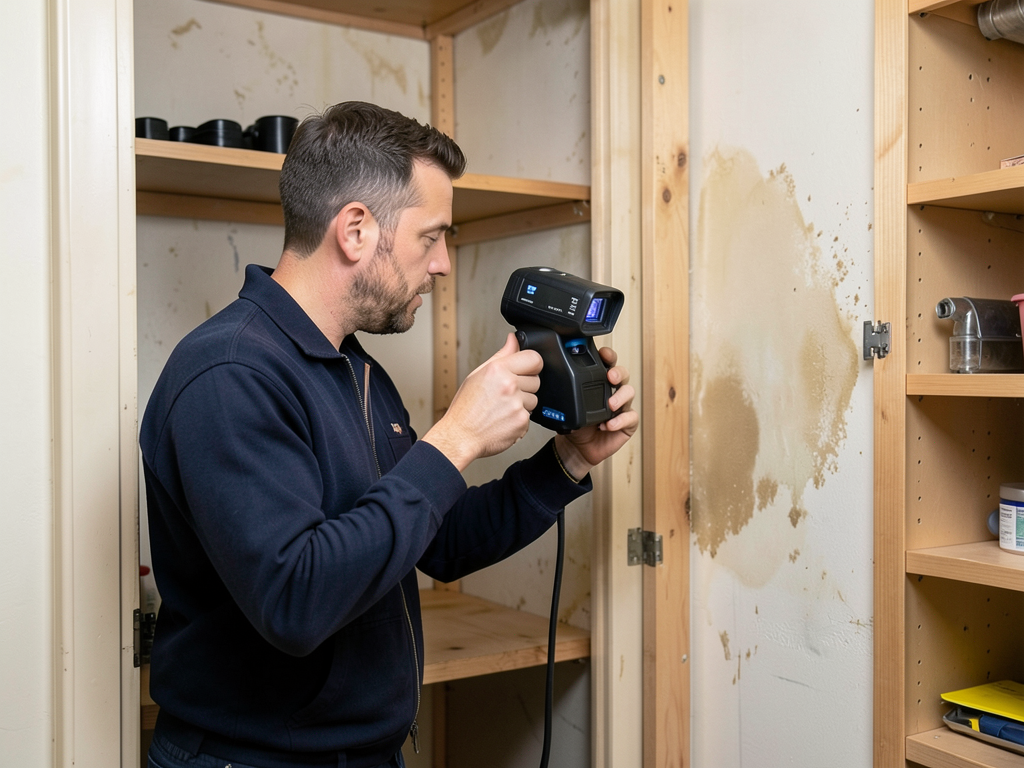
Every water damage restoration begins with moisture detection. Our technicians use infrared thermal cameras to identify hidden saturation behind baseboards, under cabinets, and inside wall cavities. Moisture meters with deep-sensing probes measure water content in framing lumber, subfloors, and concrete slabs. These readings determine the moisture class: Class 1 (minimal absorption), Class 2 (significant absorption), Class 3 (greatest amount of absorption), or Class 4 (specialty drying for materials like hardwood, plaster, and stone).

San Francisco properties often fall into Class 2 or Class 3 due to older construction and high ambient humidity. A Class 3 loss in a Noe Valley home with saturated carpet, pad, drywall, and insulation requires 5 to 9 days of controlled drying with air movers, low-grain refrigerant dehumidifiers, and continuous monitoring.

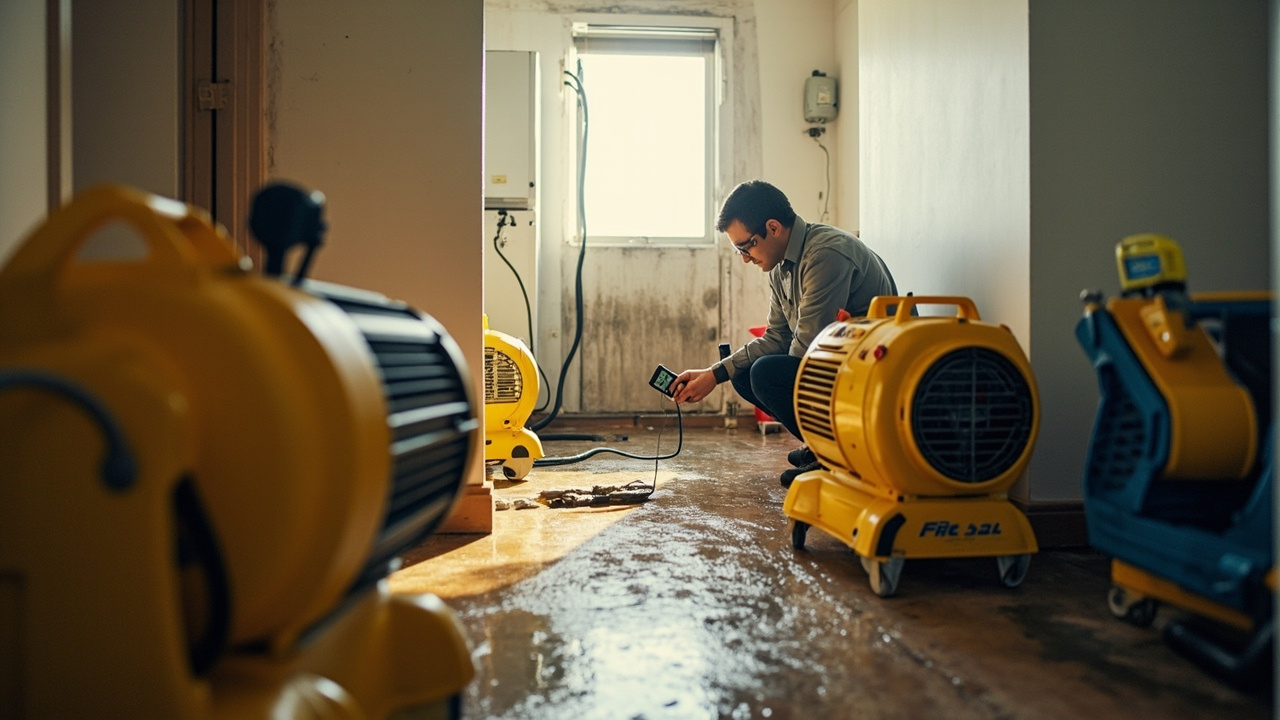
We document baseline readings, then track drying progression daily. Technicians record temperature, relative humidity, and specific humidity at multiple points in the affected area. We compare these readings to psychrometric targets. If moisture levels plateau or rebound overnight due to fog intrusion, we seal the drying environment, increase dehumidification, or inject heat to raise vapor pressure and accelerate evaporation.

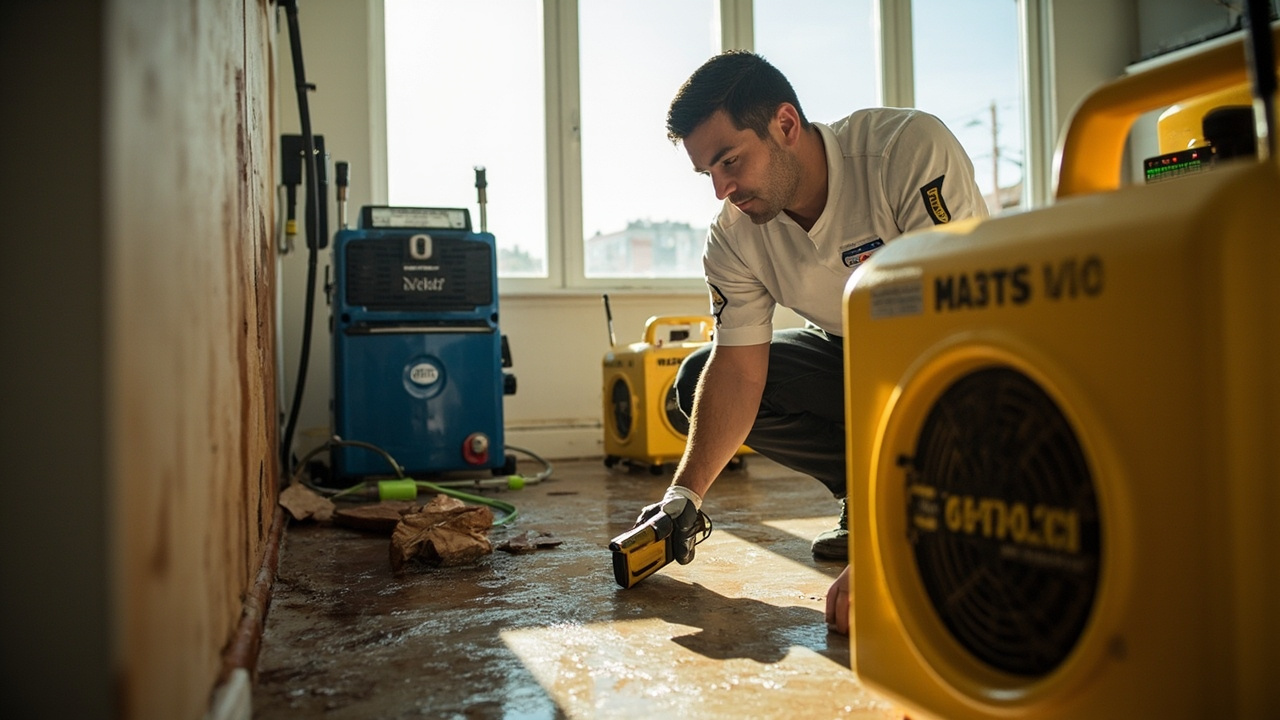
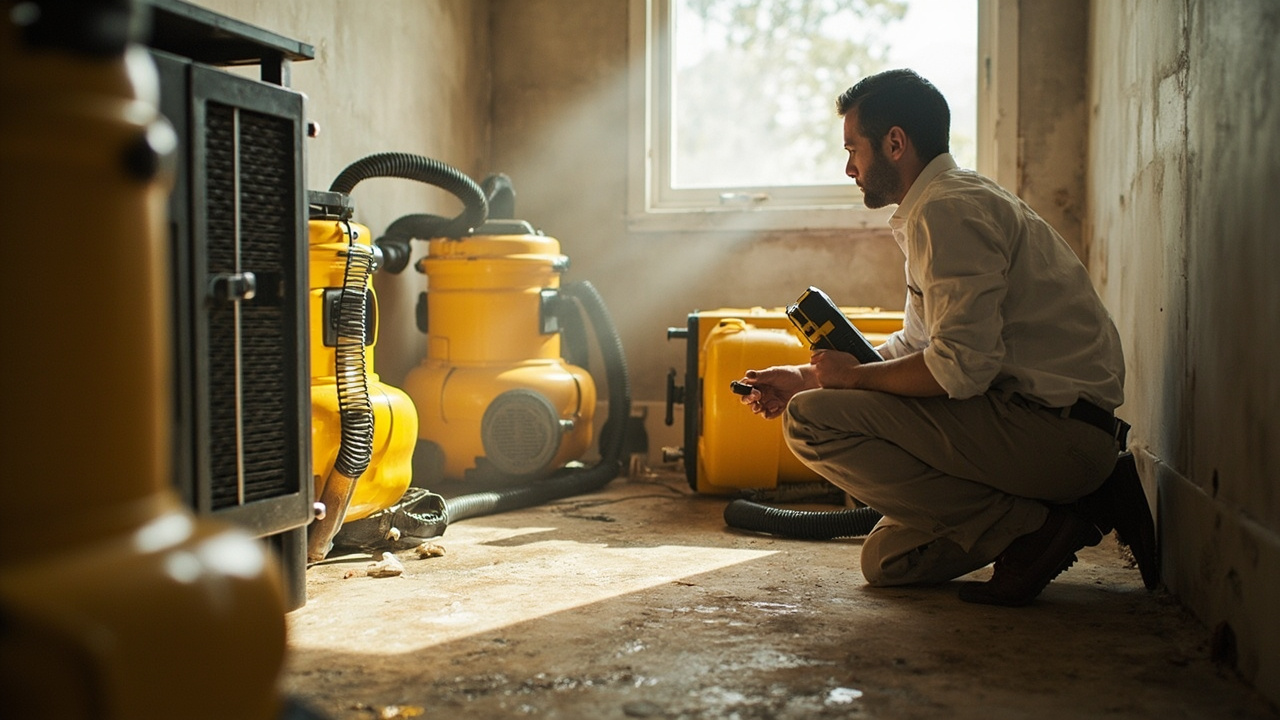
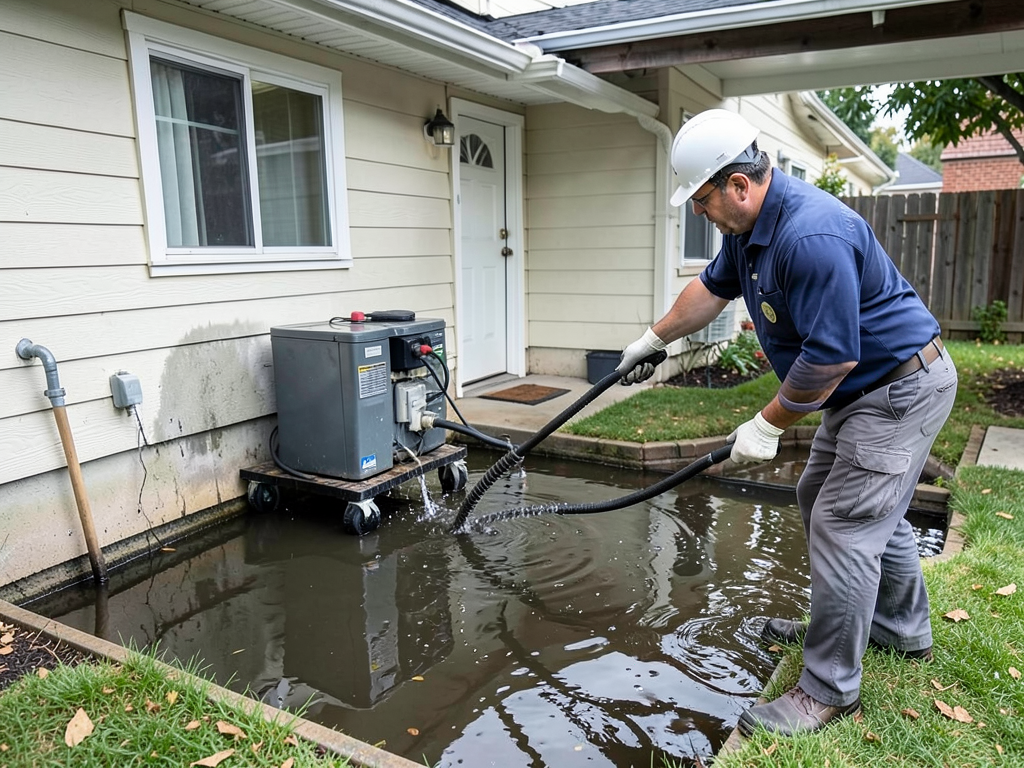
Airflow placement matters. We position air movers to create laminar airflow across wet surfaces without causing secondary damage or cross-contamination. Dehumidifiers run 24 hours a day, extracting moisture from the air and preventing it from reabsorbing into materials.

We follow IICRC S500 protocols for drying goals: materials must reach their pre-loss moisture content or industry-accepted dry standards. Wood framing should measure below 15 percent moisture content. Drywall should read below 1 percent on a moisture meter scale. We do not pull equipment until the data confirms stability.

What Happens During Your Drying Process in San Francisco

How Long Does Drying Take in San Francisco? – Get Accurate Timelines Based on Real Psychrometric Data
01

Moisture Assessment and Classification

Our certified technicians arrive with thermal cameras and moisture meters to map the full extent of water intrusion. We document affected areas with photos and moisture readings, then classify the loss by IICRC moisture class and evaporation rate. This assessment determines equipment needs, estimated drying timeline, and the monitoring protocol. You receive a written scope that explains what materials are affected, what equipment we will deploy, and the projected structural drying duration based on current conditions and psychrometric data.
02

Equipment Deployment and Monitoring

We extract standing water, then place air movers and commercial dehumidifiers to create controlled drying conditions. Equipment runs continuously. Technicians return daily to measure temperature, humidity, and material moisture content at fixed monitoring points. We adjust airflow direction, add supplemental heat if needed, or increase dehumidification capacity if drying stalls. Each visit includes updated psychrometric readings logged in your project file. This data-driven approach prevents over-drying, under-drying, and secondary damage from improper airflow or humidity imbalance.
03

Final Verification and Equipment Removal

Drying is complete when moisture readings stabilize at or below pre-loss levels for 24 to 48 hours. Our final inspection includes comprehensive moisture mapping to verify all affected materials meet IICRC dry standards. You receive a completion certificate with before and after readings, total drying process length, and clearance for reconstruction or contents restoration. We remove all equipment, inspect for secondary issues like odor or microbial growth indicators, and provide documentation for your insurance claim or property records.

Why Local Knowledge Matters for Water Restoration Drying Timelines in San Francisco

Drying water damage in San Francisco is different than drying it in Sacramento or Fresno. The marine layer is not just fog. It is a moisture delivery system that replenishes ambient humidity every night. Technicians from inland areas often underestimate the impact.

We operate in this environment every day. Our teams understand how microclimates affect drying. The Sunset and Richmond Districts stay cooler and wetter longer. The Mission and Potrero Hill warm up faster but have dense building envelopes that trap moisture. Basements in the Excelsior require vapor barriers and negative air pressure to prevent rehydration from groundwater vapor intrusion.

San Francisco's building codes also influence drying strategy. Properties built before 1950 often have knob-and-tube wiring, plaster walls, and dimensional lumber framing that absorbs water differently than modern materials. Victorians and Edwardians have subfloor voids, which create hidden pockets where moisture accumulates. Our technicians know where to probe, where to place equipment, and how to navigate these older structures without causing additional damage.

We also understand the permitting and notification requirements for San Francisco Department of Building Inspection when structural drying uncovers concealed damage that requires repair. If we find compromised framing, mold amplification, or code violations during drying, we document it correctly and guide you through next steps.

Local relationships matter. We work with insurance adjusters who handle claims in San Francisco daily. They trust our documentation because we follow industry standards and provide the data they need to process claims efficiently. You get faster approvals and fewer disputes over drying timelines or equipment costs.

Choosing a restoration company that understands San Francisco's climate, building stock, and regulatory environment means faster resolution, accurate timelines, and fewer surprises. You need someone who knows the difference between drying a Marina loft and drying a Bernal Heights bungalow.

What You Should Know About Water Damage Drying Time in San Francisco

Drying Speed and Equipment Mobilization

We mobilize within 2 hours for emergency water losses in San Francisco. Equipment placement begins the same day. Initial water extraction and airflow setup happen within the first 4 to 6 hours. Dehumidification starts immediately to prevent secondary damage and microbial amplification. Most residential water losses require 3 to 7 days of active drying, but timelines extend in high-humidity conditions or when structural cavities are involved. Commercial properties with larger affected areas or specialty materials like hardwood subflooring and plaster may require 7 to 14 days. We provide updated timelines after the initial assessment and adjust estimates based on daily moisture readings.

How the Initial Assessment Works

Our assessment begins with a walkthrough using thermal imaging and moisture meters to map the affected area. We identify the water source, classify the loss by contamination level (clean, gray, or black water), and determine moisture class based on material absorption. You receive a written scope outlining affected materials, equipment needs, estimated drying duration, and cost breakdown. We explain the psychrometric monitoring process and establish daily check-in schedules. This assessment takes 45 to 90 minutes depending on property size. We photograph all affected areas and document baseline moisture readings for insurance purposes. You know exactly what to expect before drying begins.

The Final Outcome and Dry Standard Verification

Your property is dry when moisture readings stabilize at pre-loss levels or industry-accepted dry standards. Wood framing measures below 15 percent moisture content. Drywall reads below 1 percent on our meter scale. Concrete slabs reach equilibrium relative humidity below 75 percent. We document final readings at all monitoring points and provide a completion certificate with comparison data showing moisture reduction from start to finish. This certificate satisfies insurance requirements and provides proof of proper drying for future buyers or tenants. We inspect for secondary issues like lingering odors or visible mold indicators before declaring the job complete. You receive clear documentation of drying process length and verification that materials are safe for reconstruction.

Post-Drying Support and Documentation

We provide all moisture logs, psychrometric charts, and photo documentation for your insurance claim or property records. If reconstruction is needed, we coordinate with licensed contractors and provide them with moisture maps and material removal recommendations. We do not warranty drying outcomes if subsequent work is delayed beyond 30 days, as San Francisco's ambient humidity can cause rehydration in unsealed structures. For properties with recurring moisture issues or elevated humidity basements, we offer ongoing monitoring services and recommendations for vapor barriers, sump pumps, or permanent dehumidification systems. Our documentation meets IICRC standards and is accepted by all major insurance carriers operating in California.

Frequently Asked Questions

You Have Questions,
We Have Answers

How long does normal drying take? +

Normal water damage drying takes 3 to 5 days for most residential structures in San Francisco. The timeline depends on the extent of water intrusion, affected materials, and humidity levels. Hardwood floors and drywall require longer drying periods than tile or concrete. Coastal fog and San Francisco's naturally high humidity can extend drying time by 1 to 2 days if dehumidifiers are not used properly. Professional restoration teams use moisture meters to track progress and confirm materials reach industry-standard dry levels before declaring the job complete. Skipping proper drying invites mold growth within 48 hours.

Is 40 minutes enough for a dryer? +

This question refers to laundry dryers, not water damage restoration. For structural drying after water damage, 40 minutes is nowhere near enough time. Professional drying equipment runs continuously for days, not minutes. Air movers and commercial dehumidifiers operate 24/7 to remove moisture from walls, subfloors, and insulation. San Francisco's dense construction and multi-unit buildings often require extended drying periods because moisture migrates between units. If you experienced water damage and someone told you 40 minutes fixes it, you need a second opinion. Proper restoration takes days with industrial equipment and ongoing monitoring.

Is it normal for a dryer to take 3 hours? +

For laundry dryers, 3 hours signals a malfunction or vent blockage. For water damage restoration, 3 hours is just the beginning. Structural drying requires days of continuous airflow and dehumidification. Water saturates porous materials like drywall, insulation, and wood framing. These materials release moisture slowly, even with professional equipment running full power. In San Francisco's older Victorian and Edwardian homes, hidden wall cavities and layered flooring systems trap water longer than modern construction. Restoration professionals use thermal imaging cameras to identify trapped moisture pockets that extend drying time beyond initial estimates.

Is 30 minutes enough to dry clothes? +

No. Thirty minutes does not dry water-damaged structures. Professional restoration drying runs for 72 to 120 hours minimum. Water penetrates deep into building materials, subflooring, and wall cavities. Surface moisture evaporates quickly, but trapped moisture requires extended drying time. San Francisco's cool, foggy climate keeps ambient humidity high, slowing evaporation rates. Restoration teams deploy air movers to increase airflow and dehumidifiers to pull moisture from the air. Moisture meters track progress in real time. Stopping equipment after 30 minutes guarantees mold growth, wood rot, and structural damage. Trust the process and the timeline.

How San Francisco's Fog Belt and Victorian Building Stock Extend Water Damage Drying Time

San Francisco sits in a unique fog microclimate where Pacific moisture moves inland every afternoon and settles overnight. Relative humidity rarely drops below 60 percent, even on warm days. This constant moisture load means water restoration drying timelines run 20 to 40 percent longer than in drier California regions like the Central Valley or Southern California inland areas. Victorian and Edwardian homes in the Richmond, Sunset, and Haight-Ashbury districts have plaster walls, lathe backing, and subfloor voids that trap moisture and resist evaporation. Drying these older structures requires specialized equipment placement, extended monitoring, and often supplemental heat to overcome the marine layer's impact on vapor pressure differentials.

Summit Water Damage Restoration San Francisco operates under California contractor licensing requirements and maintains IICRC certification for applied structural drying. We understand San Francisco's building codes, historic preservation guidelines for Victorian-era properties, and the permitting process for structural repairs uncovered during drying. Our technicians train specifically on moisture dynamics in coastal climates and older building envelopes common to San Francisco neighborhoods. Local insurance adjusters recognize our documentation standards and trust our psychrometric data because we follow industry protocols without cutting corners. Choosing a restoration company with San Francisco-specific expertise means accurate drying timelines, proper equipment deployment, and transparent communication throughout the water restoration process.
Water Damage Restoration Services in The San Francisco Area

Our commitment to rapid response means we cover the entire San Francisco area and surrounding communities. View the map below to visualize our primary service region, which includes key neighborhoods and business districts. Whether you are located in the Financial District, the Mission, or out toward the Sunset, you can trust our 24/7 team to reach you quickly. We proudly serve both residential and commercial clients across the entire map, guaranteeing a fast and effective mitigation service the moment you need us.

Address:
Summit Water Damage Restoration San Francisco, 1390 Market St, San Francisco, CA, 94102

Additional Services We Offer

Our news updates

Latest Articles & News from The Blogs

What Happens if Your Home Addition Gets Flooded During Construction in Noe Valley Water flooding your home addition during construction…

What Happens if Your Home Addition Gets Flooded During Construction in Noe Valley

What Happens if Your Home Addition Gets Flooded During Construction in Noe Valley Water flooding your home addition during construction…

How San Francisco Summer Fog Can Cause More Water Damage Than Winter Rain

How San Francisco Summer Fog Can Cause More Water Damage Than Winter Rain San Francisco’s famous summer fog, known locally…

Why Your Chronic Cough Might Actually Be a Hidden Mold Problem in the Richmond District

Why Your Chronic Cough Might Actually Be a Hidden Mold Problem in the Richmond District If you’ve lived in San…

Contact Us

Stop guessing. Call (415) 449-6555 now for a professional moisture assessment. Our certified technicians provide transparent water damage drying time estimates based on real data, not sales pitches. We are available 24/7 for emergency water losses in San Francisco.