menu

Preventative Waterproofing Tips in San Francisco – Protect Your Home Before Water Damage Strikes

Expert preventative waterproofing strategies designed for San Francisco's unique fog, rain, and seismic conditions to keep your property dry year-round and avoid costly emergency repairs.

Slider Image 1
Slider Image 2
Slider Image 3
Slider Image 4
Slider Image 5
Slider Image 7
Slider Image 8
Slider Image 9
Slider Image 10
Slider Image 11

Why San Francisco Homes Need Proactive Moisture Control

San Francisco's marine climate creates relentless moisture challenges that catch property owners off guard. The fog rolling in from the Pacific brings sustained dampness that penetrates foundations, crawl spaces, and exterior walls. Winter storms dump heavy rainfall in short bursts, overwhelming unprepared drainage systems and exposing weak points in your building envelope.

The city's hilly terrain compounds these issues. Water naturally flows downhill, pooling against foundations and retaining walls in neighborhoods like Noe Valley, Glen Park, and Twin Peaks. Add in the seismic activity that gradually shifts foundations and cracks concrete, and you have a recipe for water intrusion that only worsens over time.

Most San Francisco homeowners wait until they see visible water damage before taking action. By then, mold has already colonized wall cavities, wood framing has begun to rot, and repair costs have multiplied. The smarter approach uses proactive water sealing methods to stop problems before they start.

DIY waterproofing techniques can address many vulnerabilities if you know where to look. Your home waterproofing maintenance guide begins with understanding how water moves around and through your property. Moisture control best practices focus on creating multiple layers of defense, from proper grading to functional gutters to sealed foundation walls.

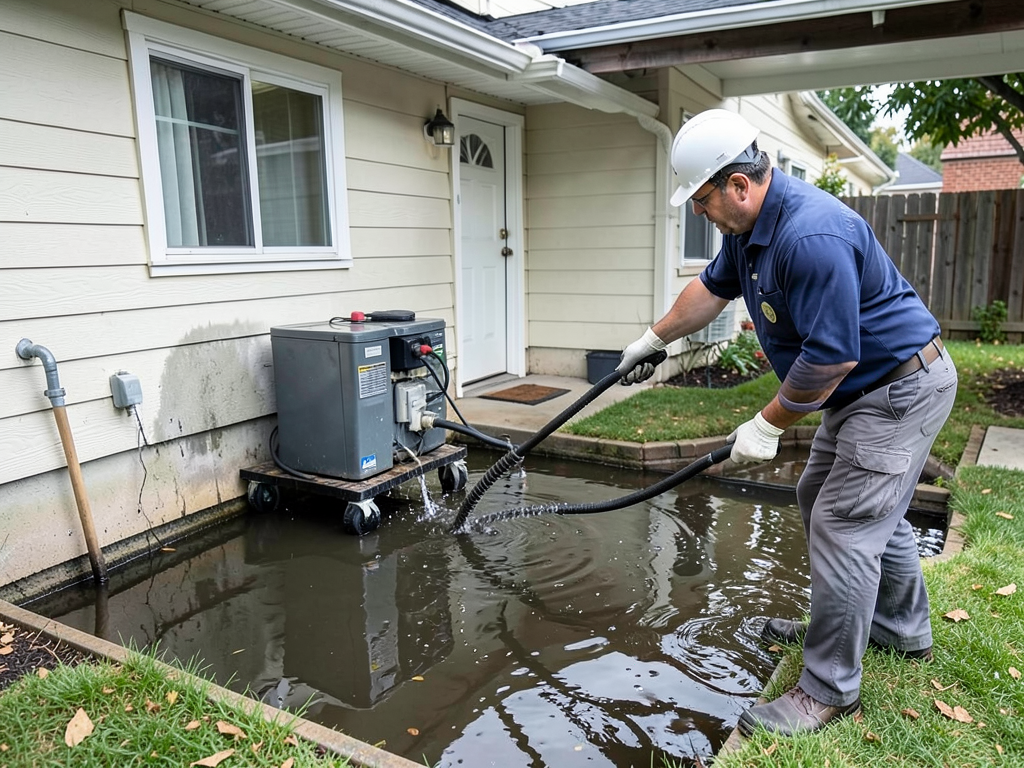
The water damage prevention checklist we provide helps you identify and fix weak points before the next atmospheric river hits. You protect your investment, preserve indoor air quality, and avoid the disruption of emergency water extraction and structural drying.

Why San Francisco Homes Need Proactive Moisture Control
The Strategic Approach to Home Waterproofing

The Strategic Approach to Home Waterproofing

Effective waterproofing works from the outside in, creating barriers that redirect water away from vulnerable areas. The first defense line starts at your roofline. Gutters must be clean and properly pitched to move water toward downspouts. Those downspouts need extensions that discharge at least six feet from your foundation, not directly against it.

Grading around your home should slope away at a minimum of six inches over the first ten feet. This seems obvious, but soil settles over time, and landscaping projects often disrupt proper drainage patterns. Walk your property during a rainstorm and watch where water pools or flows toward your foundation. Those are your problem zones.

Foundation waterproofing requires attention to both above-grade and below-grade surfaces. Exterior foundation walls benefit from waterproof coatings or membranes, but access is often limited without excavation. Interior solutions include hydraulic cement for active cracks, crystalline waterproofing that penetrates concrete, and capillary break systems that manage hydrostatic pressure.

Crawl spaces and basements need encapsulation with vapor barriers on floors and walls. This controls ground moisture that otherwise migrates upward through capillary action, creating damp conditions even without visible leaks. Proper ventilation or controlled dehumidification maintains relative humidity below 60 percent, the threshold where mold growth accelerates.

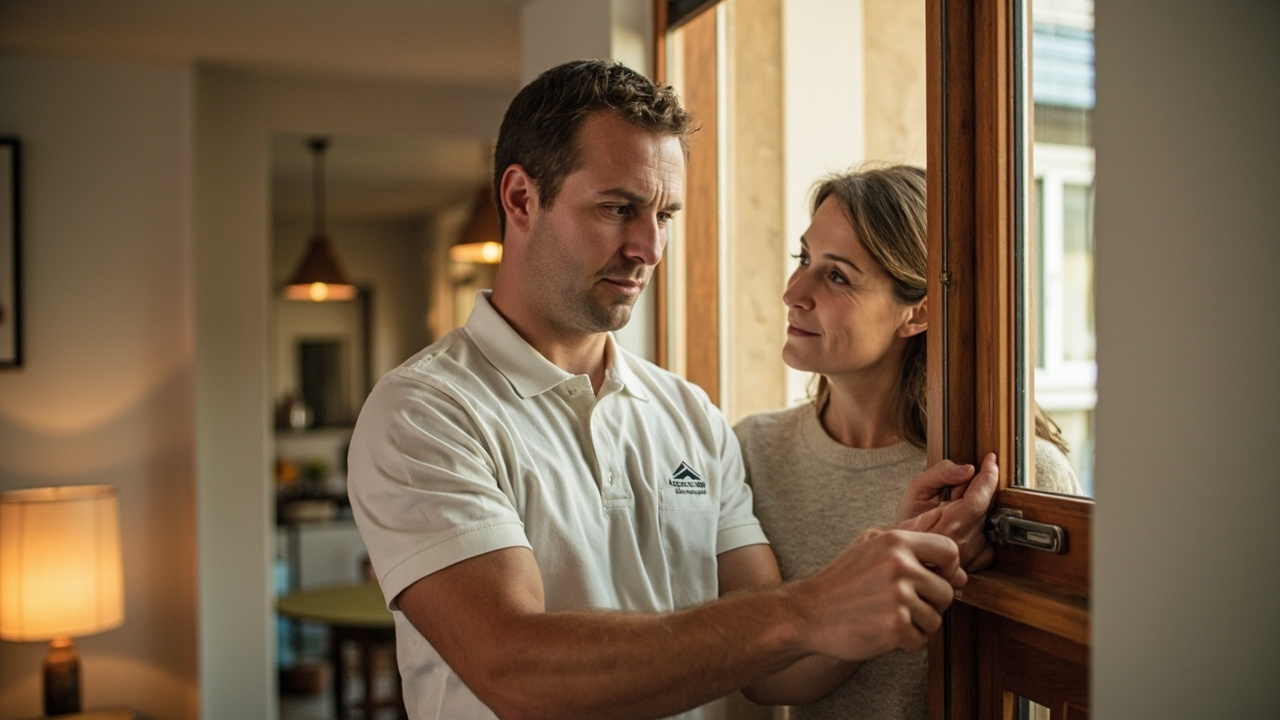
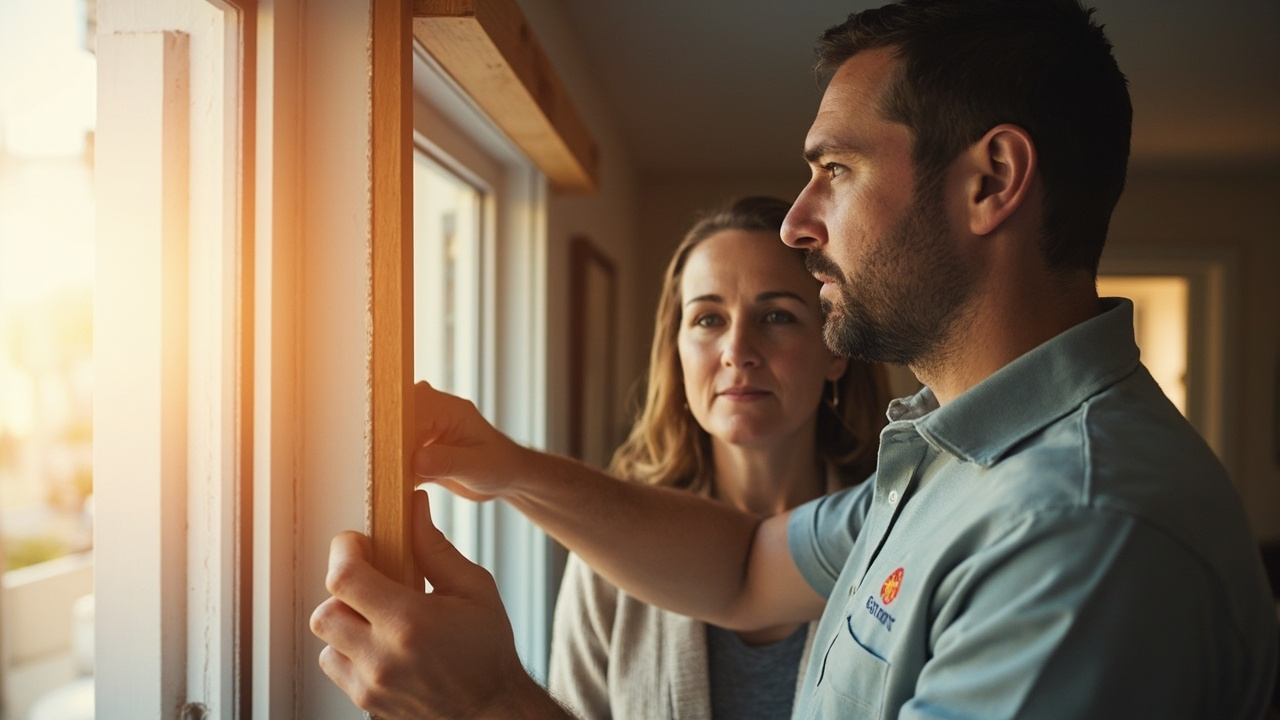
Window and door thresholds are common failure points. Flashing must be installed correctly during construction, but you can apply flexible sealants to joints and gaps as part of routine maintenance. Check these areas annually, especially after seismic activity that can shift frames and break seals.

Your Waterproofing Action Plan

Preventative Waterproofing Tips in San Francisco – Protect Your Home Before Water Damage Strikes
01

Identify Vulnerable Areas

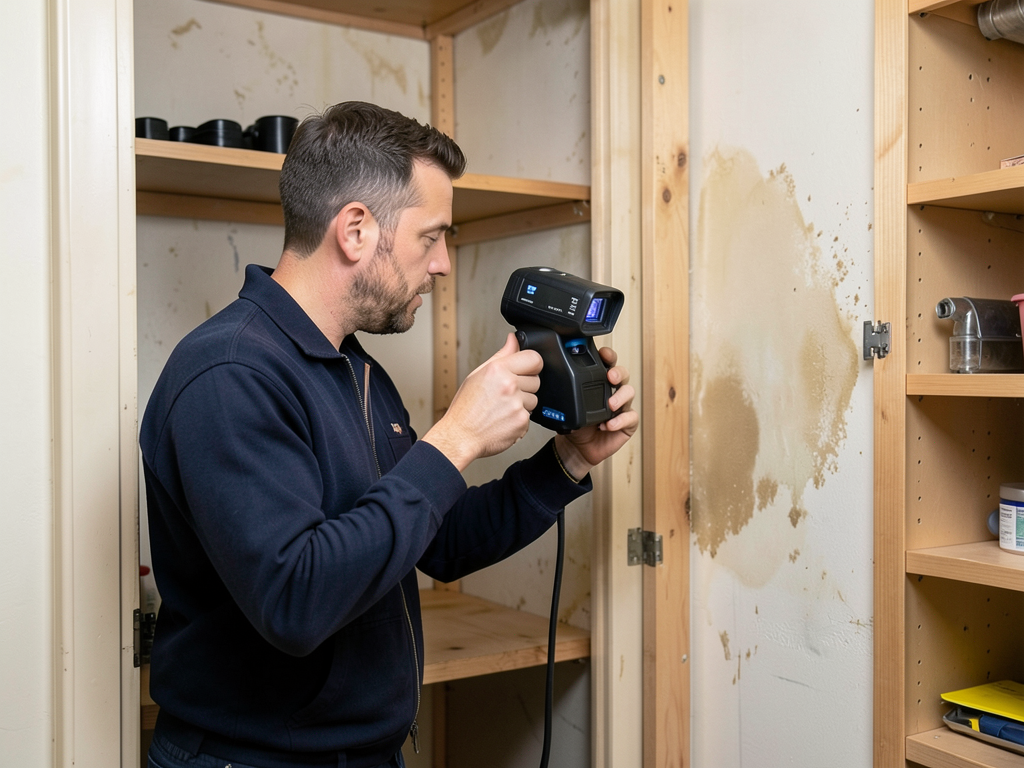
Conduct a thorough exterior and interior inspection focusing on water entry points. Check foundation walls for cracks, examine window wells for standing water, and inspect basement corners for efflorescence. Use a moisture meter to detect hidden dampness in walls and floors. Document problem areas with photos and notes to prioritize your waterproofing efforts based on severity and risk.
02

Apply Preventative Measures

Address drainage issues by extending downspouts and regrading soil away from foundations. Seal cracks with hydraulic cement or polyurethane sealants appropriate for the substrate. Apply waterproof coatings to foundation walls and install vapor barriers in crawl spaces. Clean and repair gutters, then add gutter guards to reduce future maintenance. Each layer of protection reduces your overall risk of water intrusion.
03

Monitor and Maintain

Schedule seasonal inspections before and after San Francisco's rainy season from November through March. Check all previously sealed areas for deterioration. Test sump pumps monthly if you have a basement system. Monitor indoor humidity levels with a hygrometer. Keep records of maintenance activities and any new moisture issues that develop. Early detection prevents minor problems from becoming major water damage events.

Why Local Expertise Matters for San Francisco Waterproofing

San Francisco's building stock spans from Victorian-era wood-frame homes to modern condominiums, each with distinct waterproofing challenges. The soft-story buildings common in the Sunset and Richmond districts require different moisture control strategies than the hillside homes built into bedrock in Pacific Heights or Russian Hill.

Local building codes have evolved in response to seismic requirements, which affects how waterproofing integrates with structural systems. Foundation retrofits that add shear walls or moment frames create new penetrations and joints that must be properly sealed. Working with professionals who understand these local construction methods ensures waterproofing solutions complement rather than compromise structural upgrades.

The microclimate variations across San Francisco's neighborhoods demand tailored approaches. Properties near Ocean Beach face salt-laden fog that degrades exterior sealants faster than homes in sheltered valleys like Bernal Heights. North-facing slopes receive less solar drying, maintaining higher ambient moisture levels that require more aggressive vapor control.

Summit Water Damage Restoration San Francisco combines hands-on experience with San Francisco's unique conditions and the technical knowledge needed to implement moisture control best practices. We recognize the signs of chronic moisture issues versus acute water damage events. That diagnostic skill means you get targeted solutions rather than unnecessary work.

Our familiarity with local suppliers and material availability matters when you need specific waterproofing products for your home's vintage or construction type. We source materials rated for the marine environment and seismic movement, not generic products that fail prematurely in San Francisco's demanding conditions.

What to Expect from Professional Waterproofing Guidance

Response Time and Availability

Waterproofing consultation scheduling typically accommodates your timeline, whether you need immediate assessment before forecasted storms or planned evaluation during dry months. We prioritize properties showing active water intrusion or recent moisture damage. Phone consultations help determine if your situation requires urgent attention or can proceed as preventative maintenance. Our team remains available during San Francisco's rainy season when waterproofing concerns peak and property owners discover vulnerabilities during storm events.

Property Assessment Process

Comprehensive moisture assessment combines visual inspection with diagnostic tools including infrared cameras, moisture meters, and pressure testing. We examine drainage patterns, foundation condition, crawl space humidity, and potential entry points. You receive a detailed report identifying current issues and vulnerabilities, ranked by risk severity. The assessment includes specific recommendations for DIY waterproofing techniques you can implement yourself and situations requiring professional intervention. We explain the reasoning behind each recommendation so you understand the moisture dynamics affecting your property.

Quality of Outcomes

Properly executed waterproofing eliminates moisture intrusion at identified entry points and reduces overall building humidity. You should observe dry basement floors during storms, absence of musty odors, and stable humidity readings below 60 percent. Waterproof coatings maintain their integrity through multiple wet seasons. Drainage improvements prevent pooling and foundation contact. The results manifest as both immediate dryness and long-term structural preservation. Quality waterproofing remains invisible but effective, protecting your home without ongoing intervention.

Ongoing Maintenance Support

Waterproofing systems require periodic inspection and maintenance to remain effective. We provide seasonal maintenance checklists specific to your property's waterproofing configuration. Follow-up inspections verify that applied solutions continue performing as designed and catch new issues before they escalate. You receive guidance on which maintenance tasks you can handle and which require professional attention. Our documentation creates a maintenance history that proves valuable for property value and helps diagnose any future moisture problems that develop.

Frequently Asked Questions

You Have Questions,
We Have Answers

What to do before applying waterproofing? +

Clean and inspect all surfaces thoroughly before applying waterproofing. Remove dirt, old paint, efflorescence, and loose material with a wire brush or pressure washer. Check for cracks, gaps, or structural damage that need repair first. In San Francisco, moisture from fog and marine air often hides existing damage, so inspect carefully. Fill cracks with hydraulic cement or epoxy-based filler. Ensure surfaces are completely dry before application. Moisture trapped beneath waterproofing creates blisters and failures. Test concrete pH levels if dealing with older homes, as high alkalinity affects adhesion. Proper prep accounts for 80% of waterproofing success.

What are common waterproofing mistakes? +

Using the wrong product for your specific surface is the most common mistake. Coating concrete with a product designed for wood fails quickly. Skipping surface prep causes poor adhesion and peeling. Applying waterproofing over wet surfaces traps moisture and leads to blistering. Many people forget to seal seams, joints, and penetrations where pipes enter walls. In San Francisco's foggy climate, inadequate curing time before rain exposure ruins fresh applications. Over-application creates thick films that crack. Under-application leaves gaps in protection. Ignoring manufacturer instructions for temperature ranges and recoat windows also causes failures. Always match product to substrate and conditions.

Should you prime before waterproofing? +

Yes, priming before waterproofing significantly improves adhesion and performance. Primers seal porous surfaces like concrete and masonry, creating a uniform base layer. They prevent the waterproofing membrane from soaking into the substrate unevenly. In San Francisco, where older homes feature brick and stucco, primers are essential for proper bonding. Use a primer compatible with your chosen waterproofing system. Some acrylic and rubberized products include primer in their system. Concrete surfaces especially benefit from alkaline-resistant primers that handle high pH levels. Skip primer on non-porous surfaces like existing paint or metal. Always follow manufacturer recommendations for your specific application and substrate type.

How much does it cost to waterproof a 1000 sq ft basement? +

Basement waterproofing costs vary widely based on method and severity of moisture issues. Interior sealant coatings for minor dampness run lower than exterior excavation and membrane installation. San Francisco homes often require additional work due to high water tables near the Bay and aging infrastructure in older neighborhoods. Factors affecting cost include existing damage, accessibility, drainage system installation, sump pump needs, and wall condition. Interior waterproofing typically costs less than exterior work but may not solve serious seepage. Exterior excavation costs significantly more but provides comprehensive protection. Get multiple quotes from licensed contractors who inspect your specific situation before committing to any approach.

How San Francisco's Fog and Seismic Activity Affect Home Waterproofing

The persistent fog that defines San Francisco's summer climate creates moisture challenges absent in most other regions. Marine layer fog deposits microscopic water droplets on exterior surfaces throughout the day, maintaining constant dampness that penetrates porous materials. This sustained moisture exposure accelerates the deterioration of exterior sealants and allows water to wick into wall assemblies through capillary action. Seismic movement compounds the problem by creating hairline cracks in foundations and separating building joints, opening pathways for moisture intrusion. Your proactive water sealing methods must account for both chronic fog exposure and periodic foundation shifting.

San Francisco's hillside topography creates hydrostatic pressure conditions that differ dramatically from flat properties just blocks away. Homes built into slopes or with below-grade spaces face constant groundwater pressure that pushes moisture through concrete and masonry. Understanding these site-specific conditions requires local knowledge that generic waterproofing guides cannot provide. Summit Water Damage Restoration San Francisco applies moisture control best practices refined through years of addressing the city's unique combination of marine climate, seismic activity, and varied terrain. This localized expertise produces waterproofing solutions that actually work in your specific San Francisco neighborhood.
Water Damage Restoration Services in The San Francisco Area

Our commitment to rapid response means we cover the entire San Francisco area and surrounding communities. View the map below to visualize our primary service region, which includes key neighborhoods and business districts. Whether you are located in the Financial District, the Mission, or out toward the Sunset, you can trust our 24/7 team to reach you quickly. We proudly serve both residential and commercial clients across the entire map, guaranteeing a fast and effective mitigation service the moment you need us.

Address:
Summit Water Damage Restoration San Francisco, 1390 Market St, San Francisco, CA, 94102

Additional Services We Offer

Our news updates

Latest Articles & News from The Blogs

What Happens if Your Home Addition Gets Flooded During Construction in Noe Valley Water flooding your home addition during construction…

What Happens if Your Home Addition Gets Flooded During Construction in Noe Valley

What Happens if Your Home Addition Gets Flooded During Construction in Noe Valley Water flooding your home addition during construction…

How San Francisco Summer Fog Can Cause More Water Damage Than Winter Rain

How San Francisco Summer Fog Can Cause More Water Damage Than Winter Rain San Francisco’s famous summer fog, known locally…

Why Your Chronic Cough Might Actually Be a Hidden Mold Problem in the Richmond District

Why Your Chronic Cough Might Actually Be a Hidden Mold Problem in the Richmond District If you’ve lived in San…

Contact Us

Get expert guidance on waterproofing your property against San Francisco's moisture challenges. Call Summit Water Damage Restoration San Francisco at (415) 449-6555 for a consultation that identifies your vulnerabilities and provides actionable solutions.