
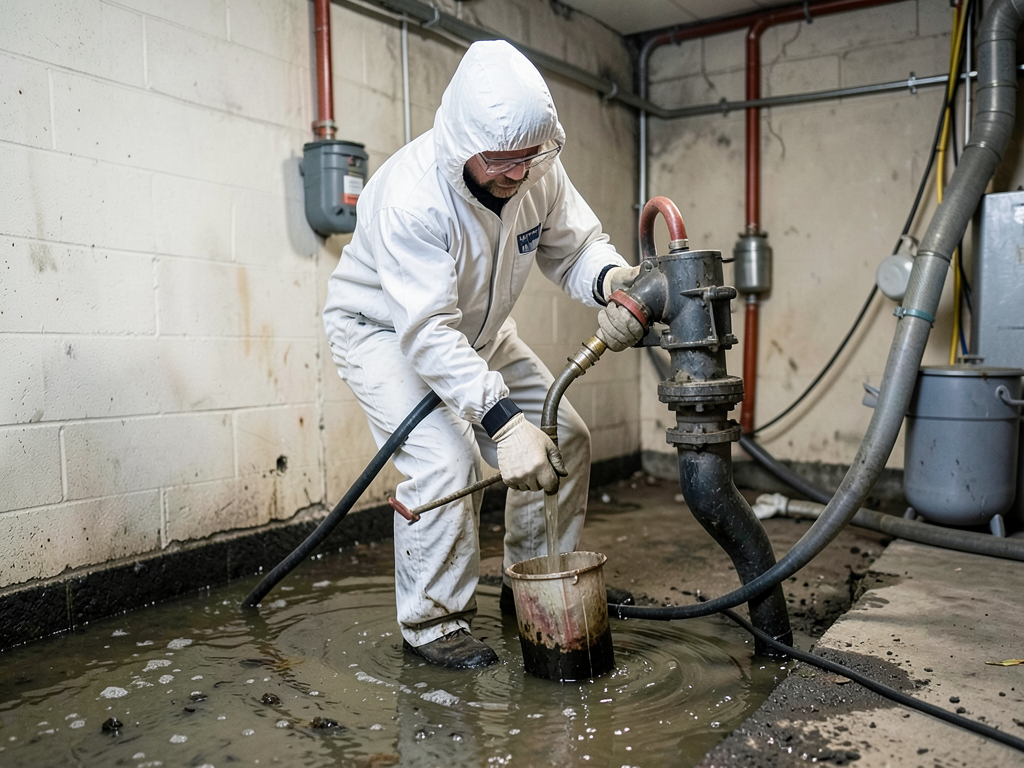
Professional Sewage Cleanup and Sanitization for Mission District Basements
When sewage backs up into your Mission District basement, every minute counts. The combination of San Francisco’s aging combined sewer system and the Mission’s older Victorian-era plumbing creates a perfect storm for basement sewage backups during heavy rains or system overloads. This isn’t just dirty water—it’s Category 3 black water containing dangerous pathogens that can make your family sick within hours.. Read more about How to handle basement flooding in San Francisco after a heavy rainstorm.
Professional sewage cleanup requires immediate action, specialized equipment, and strict adherence to safety protocols. The Mission District’s unique mix of historic buildings and modern infrastructure means each cleanup scenario presents its own challenges, from accessing century-old clay pipes to dealing with the high water table that affects many basement spaces in this neighborhood.
Our team responds within 60 minutes to Mission District addresses, bringing industrial-grade extraction equipment, HEPA air scrubbers, and EPA-registered antimicrobial treatments. We don’t just remove the sewage—we eliminate the health hazards, prevent mold growth, and restore your basement to a safe, livable condition. EPA Emergency Response Guidelines.
The Mission’s proximity to the bay and its position in San Francisco’s combined sewer system means basement backups can occur without warning. Whether it’s a blocked sewer line, a city main overflow, or a failed sump pump during a storm, our technicians understand the specific vulnerabilities of Mission District properties and how to address them quickly and safely.
The Hidden Dangers of Mission District Basement Sewage Backups
Category 3 water damage in Mission District basements poses serious health risks that many property owners underestimate. The sewage that backs up through Mission District sewer lines often contains E. coli, Hepatitis A, Giardia, and other harmful microorganisms that thrive in the warm, moist environment of a flooded basement.
Mission District homes, particularly those built before 1940, often have aging clay sewer pipes that are prone to root intrusion and collapse. When these pipes fail during heavy rains, the resulting backup can introduce not just sewage but also groundwater contaminants into your basement space. The combination creates a biohazard that requires professional handling according to IICRC S500 standards.
The Mission’s high water table, especially in areas near the former Mission Creek, means that even minor sewer line issues can lead to significant basement flooding. Water can seep through foundation cracks, overwhelming drainage systems and creating standing water that becomes a breeding ground for bacteria and mold within 24-48 hours.
Beyond the immediate health risks, untreated sewage damage can compromise your home’s structural integrity. The moisture can warp wooden supports, corrode electrical systems, and create conditions that lead to extensive mold growth behind walls and under flooring. Professional assessment is crucial to identify all affected areas, including those hidden from view.
Our technicians use moisture meters and thermal imaging cameras to detect water migration patterns specific to Mission District basement construction. We understand how water travels through the pier-and-post foundations common in this neighborhood, ensuring no contaminated area goes untreated.
Mission District Emergency Sewage Response Protocol
When you call (415) 449-6555 for sewage backup in your Mission District basement, our emergency response follows a proven protocol designed to minimize health risks and property damage. Our technicians arrive within 60 minutes, equipped with full personal protective equipment (PPE) including respirators, chemical-resistant suits, and waterproof boots.
The first step involves isolating the affected area to prevent cross-contamination. Mission District homes often have open floor plans or connected basement spaces, so we establish containment barriers using 6-mil polyethylene sheeting and negative air pressure systems. This prevents airborne contaminants from spreading to other parts of your home.
We then conduct a thorough assessment using moisture detection equipment to map the extent of contamination. Mission District basements frequently have multiple levels or crawl spaces that require careful inspection. Our technicians document everything with photos and moisture readings, which becomes crucial for insurance claims processing.
Water extraction follows immediately using truck-mounted extraction units capable of removing thousands of gallons per hour. For Mission District properties with limited access, we bring portable extraction units that can navigate narrow basement stairs and tight corners common in Victorian-era homes.
The contaminated water is then pumped into our specialized containment tanks for proper disposal according to San Francisco Department of Public Health regulations. Mission District properties must comply with strict hazardous waste disposal requirements, and we handle all permitting and documentation to ensure legal compliance.
Throughout the process, we maintain constant communication with you about what we’re finding and what needs to be done. Our goal is not just to clean up the mess but to restore your basement to a safe, healthy condition while minimizing disruption to your daily life.
Professional Sewage Decontamination Process for Mission District Properties
Our comprehensive sewage cleanup process follows IICRC S500 standards and San Francisco health department requirements. The process begins with complete water extraction using industrial-grade equipment capable of removing water from Mission District basement flooring, whether it’s concrete, tile, or original hardwood that’s been damaged by the backup.
After water removal, we apply EPA-registered antimicrobial treatments to all affected surfaces. Mission District basements often contain porous materials like wood framing, drywall, and insulation that can harbor bacteria and mold spores. We use specialized cleaning agents that penetrate these materials to eliminate pathogens at the source.
The drying phase is critical and often takes 3-5 days depending on the extent of contamination and Mission District basement construction. We use commercial dehumidifiers and air movers strategically placed to create optimal air circulation. Our technicians monitor moisture levels daily using calibrated moisture meters to ensure complete drying.
Odor removal is another crucial step that many homeowners overlook. Sewage backups leave behind persistent odors that can linger for months if not properly treated. We use hydroxyl generators and ozone treatments to neutralize odor-causing molecules, not just mask them with fragrances.
For Mission District properties with finished basements, we assess which materials can be salvaged and which must be removed. Carpeting, padding, and water-damaged drywall typically need replacement, while structural elements can often be cleaned and treated if caught early enough.
Our final sanitization step involves treating all surfaces with hospital-grade disinfectants that continue working for up to 72 hours after application. This provides an extra layer of protection against any remaining microorganisms that might have survived the initial cleaning process.
Insurance Claims Navigation for Mission District Sewage Damage
Dealing with insurance after a sewage backup can be overwhelming, especially when you’re already stressed about the damage to your Mission District property. We work directly with all major insurance carriers serving San Francisco, including State Farm, Farmers, Allstate, and local providers familiar with Mission District property characteristics.
Our team provides detailed documentation of all damage, including before-and-after photos, moisture readings, and itemized lists of materials removed and replaced. This documentation meets insurance adjuster requirements and helps expedite your claim approval process. We understand the specific language and requirements that San Francisco insurance companies use for Category 3 water damage claims.
Mission District properties often have unique features that affect insurance coverage, such as historic designations, mixed-use zoning, or basement apartments. We help you navigate these complexities by providing information about local building codes and restoration standards that support your claim.
We handle all communication with your insurance adjuster, explaining the technical aspects of the cleanup process and why certain restoration steps are necessary. This advocacy often results in higher claim approvals and faster processing times, getting you back to normal faster.
Our technicians are trained to identify and document pre-existing conditions that might affect your claim, such as previous water damage or structural issues common in older Mission District buildings. This transparency helps prevent claim disputes and ensures you receive appropriate compensation for necessary repairs.
We also provide guidance on temporary housing options if your basement apartment or in-law unit becomes uninhabitable during the restoration process. Many Mission District residents rent out basement spaces, and we understand the urgency of restoring these units to minimize lost rental income.
Preventing Future Sewage Backups in Mission District Basements
After the immediate crisis is resolved, we help Mission District property owners implement preventive measures to reduce the risk of future sewage backups. The neighborhood’s combination of aging infrastructure and increasing rainfall intensity due to climate change makes prevention strategies essential.
Backflow prevention valves are one of the most effective safeguards for Mission District basements. These devices automatically close when sewage begins backing up through the main line, preventing contaminated water from entering your basement. We install these according to San Francisco Plumbing Code requirements, ensuring they function properly with your existing plumbing system.
Sump pump installation is another critical prevention measure, especially for Mission District properties in low-lying areas or near former waterways. Modern sump pumps with battery backup systems can keep your basement dry even during power outages that often accompany severe storms.
Regular sewer line maintenance through hydro-jetting can prevent the buildup of grease, roots, and debris that commonly cause Mission District sewer backups. We recommend annual cleaning for properties with known plumbing issues or those located in areas with problematic soil conditions that accelerate pipe deterioration.
Foundation waterproofing is particularly important for Mission District basements due to the area’s high water table and frequent seismic activity. We use flexible waterproofing membranes that can withstand minor foundation movement while creating an effective barrier against groundwater intrusion.
Landscaping modifications can also help prevent basement flooding. Proper grading directs water away from your foundation, while rain gardens and permeable surfaces reduce the volume of water entering the city’s combined sewer system during storms.
We provide detailed maintenance schedules and checklists specific to your property’s needs, taking into account factors like the age of your plumbing system, local soil conditions, and your basement’s intended use. This proactive approach can save you thousands in potential damage costs.
Mission District Service Areas and Response Times
We provide 24/7 emergency sewage cleanup throughout the Mission District and surrounding San Francisco neighborhoods. Our service area includes all Mission District zip codes: 94103, 94110, and 94114, with typical response times of 60 minutes or less for emergency calls.
Our technicians are familiar with Mission District’s unique layout, from the narrow alleys off Valencia Street to the hillside properties near Dolores Park. We understand how to navigate the neighborhood’s one-way streets and limited parking to reach your location quickly during emergencies.
We regularly service properties near key Mission District landmarks including Mission Dolores, the 24th Street corridor, and the area around the U.S. 101 on-ramps. Our familiarity with these high-traffic areas allows us to plan the most efficient routes during peak hours and emergency situations.
For commercial properties in the Mission District, including restaurants, retail spaces, and multi-unit buildings, we offer after-hours emergency response to minimize business disruption. We understand the economic impact of basement sewage backups on Mission District businesses and prioritize rapid restoration to get you back to normal operations.
Our service extends to adjacent neighborhoods including the Castro, Noe Valley, and Potrero Hill, providing seamless coverage across central San Francisco. This broad service area allows us to maintain adequate staffing levels to ensure quick response times throughout the region.
We maintain a fleet of fully equipped response vehicles strategically positioned throughout San Francisco, with dedicated units ready for immediate deployment to the Mission District. This preparation ensures we can handle multiple simultaneous emergencies without compromising response times.
Why Professional Sewage Cleanup Matters for Mission District Properties
Attempting DIY sewage cleanup in your Mission District basement can actually make the problem worse and put your health at serious risk. Professional cleanup isn’t just about removing visible sewage—it’s about eliminating the invisible threats that can linger long after the water is gone.
Mission District basements often contain materials that require specialized cleaning techniques. Original hardwood flooring, exposed brick walls, and vintage tile can all be damaged by improper cleaning methods. Our technicians understand how to preserve these historic elements while ensuring complete sanitization.
The city’s combined sewer system means that Mission District sewage backups can contain not just residential waste but also street runoff, industrial contaminants, and other hazardous materials. Professional testing and treatment are essential to identify and neutralize all potential threats.
Professional cleanup also protects your property value. Improper sewage remediation can lead to hidden mold growth, structural damage, and persistent odors that significantly reduce your home’s market value. Our thorough documentation and proper restoration techniques maintain your property’s integrity and appeal.
We carry comprehensive liability insurance and workers’ compensation coverage, protecting you from potential lawsuits if someone gets sick from improper cleanup or if damage occurs during the restoration process. DIY cleanup leaves you personally liable for any resulting health issues or property damage.
Professional services also include warranty protection. If problems arise after the cleanup is complete, we return to address them at no additional cost. This peace of mind is invaluable when dealing with the stress and uncertainty of sewage damage in your Mission District home.
Frequently Asked Questions
How quickly should I call for sewage backup in my Mission District basement?
Call immediately at the first sign of sewage backup. Every hour allows contamination to spread deeper into materials and increases health risks. Our 24/7 emergency line at (415) 449-6555 ensures rapid response to prevent further damage.
Is sewage backup covered by my homeowner’s insurance in San Francisco?
Most standard policies cover sudden and accidental sewage backups, but coverage varies by carrier and specific circumstances. We work with all major insurers and can help you understand your coverage and navigate the claims process.
How long does professional sewage cleanup take for a Mission District basement?
The process typically takes 3-7 days depending on the extent of contamination, basement size, and materials affected. This includes water extraction, cleaning, drying, and final sanitization to ensure complete safety.
Can I stay in my home during sewage cleanup?
For Category 3 water damage, we recommend temporary relocation during active cleanup due to health risks. However, we can work with you to isolate safe living areas if relocation isn’t possible.
What makes Mission District basements more susceptible to sewage backups?
The combination of aging clay sewer pipes, high water table, and the city’s combined sewer system creates conditions where backups are more likely, especially during heavy rains or system overloads.
Do you handle sewage cleanup for rental properties in the Mission District?
Yes, we work with both property owners and tenants to restore rental units quickly and safely, understanding the urgency of minimizing lost rental income and displacement time.
What safety precautions do your technicians take during sewage cleanup?
Our technicians wear full PPE including respirators, chemical-resistant suits, and waterproof boots. We use containment barriers and negative air pressure to prevent cross-contamination throughout your home.
How do you dispose of contaminated materials from Mission District properties?
We follow all San Francisco Department of Public Health regulations for hazardous waste disposal, using licensed disposal facilities and providing documentation for your records and insurance claims.
Can sewage backup cause mold growth in my Mission District basement?
Yes, the moisture from sewage backups creates ideal conditions for mold growth within 24-48 hours. Our complete drying and sanitization process includes mold prevention treatments to protect your property.
What should I do while waiting for professional help to arrive?
Evacuate the area immediately, turn off electricity if safe to do so, and avoid contact with contaminated water. Open windows for ventilation but don’t attempt cleanup yourself. Call (415) 449-6555 right away.
Don’t Wait – Call Now for Mission District Sewage Emergency
Sewage backup in your Mission District basement requires immediate professional attention. The longer you wait, the more extensive the damage becomes and the greater the health risks to your family. Our team is standing by 24/7 to respond to your emergency.
We understand the unique challenges of Mission District properties and have the equipment, expertise, and local knowledge to handle any sewage backup situation quickly and safely. From historic Victorian homes to modern basement apartments, we’ve seen it all and know exactly how to restore your space to a safe, healthy condition.
Don’t risk your health or your property value with DIY cleanup attempts. Professional sewage remediation isn’t just about removing the mess—it’s about protecting your family from serious illnesses and preventing costly secondary damage like mold growth and structural deterioration.
Call (415) 449-6555 now for immediate emergency response. Our technicians will be at your Mission District location within 60 minutes, ready to begin the professional cleanup process that will protect your home and your health. The sooner you call, the faster we can stop the damage and get your life back to normal.
Remember, sewage backup isn’t just an inconvenience—it’s a serious health emergency that requires professional handling. Trust the experts who understand Mission District properties and can provide the rapid, thorough cleanup your situation demands.
Pick up the phone and call (415) 449-6555 before the next storm hits. Don’t let a sewage backup turn into a nightmare for your Mission District home. For more information, visit CDC Sewage Contamination Health Risks.
{
“@context”: “https://schema.org”,
“@type”: “BlogPosting”,
“headline”: “Professional sewage cleanup and sanitization for Mission District basements”,
“description”: “Emergency sewage backup cleanup in San Francisco’s Mission District. 24/7 response for basement flooding, black water removal, and biohazard sanitization. Call (415) 449-6555 now.”,
“wordCount”: 2822,
“datePublished”: “2026-02-18T07:10:00.000Z”,
“dateModified”: “2026-02-18T07:10:00.000Z”,
“inLanguage”: “en-US”,
“mainEntityOfPage”: {
“@type”: “WebPage”,
“@id”: “https://summitwaterdamagerestorationsanfrancisco.com”
},
“publisher”: {
“@type”: “LocalBusiness”,
“name”: “Summit Water Damage Restoration San Francisco”,
“url”: “https://summitwaterdamagerestorationsanfrancisco.com”
},
“author”: {
“@type”: “Organization”,
“name”: “Summit Water Damage Restoration San Francisco”,
“url”: “https://summitwaterdamagerestorationsanfrancisco.com”
},
“image”: {
“@type”: “ImageObject”,
“url”: “https://summitwaterdamagerestorationsanfrancisco.com/wp-content/uploads/2026/03/professional-sewage-cleanup-and-sanitization-for-m-1.png”
}
}
{
“@context”: “https://schema.org”,
“@type”: “LocalBusiness”,
“name”: “Summit Water Damage Restoration San Francisco”,
“url”: “https://summitwaterdamagerestorationsanfrancisco.com”,
“address”: {
“@type”: “PostalAddress”,
“addressLocality”: “San Francisco”
},
“areaServed”: {
“@type”: “City”,
“name”: “San Francisco”
}
}
{
“@context”: “https://schema.org”,
“@type”: “FAQPage”,
“mainEntity”: [
{
“@type”: “Question”,
“name”: “How quickly should I call for sewage backup in my Mission District basement?”,
“acceptedAnswer”: {
“@type”: “Answer”,
“text”: “Call immediately at the first sign of sewage backup. Every hour allows contamination to spread deeper into materials and increases health risks. Our 24/7 emergency line at (415) 449-6555 ensures rapid response to prevent further damage.”
}
},
{
“@type”: “Question”,
“name”: “Is sewage backup covered by my homeowner’s insurance in San Francisco?”,
“acceptedAnswer”: {
“@type”: “Answer”,
“text”: “Most standard policies cover sudden and accidental sewage backups, but coverage varies by carrier and specific circumstances. We work with all major insurers and can help you understand your coverage and navigate the claims process.”
}
},
{
“@type”: “Question”,
“name”: “How long does professional sewage cleanup take for a Mission District basement?”,
“acceptedAnswer”: {
“@type”: “Answer”,
“text”: “The process typically takes 3-7 days depending on the extent of contamination, basement size, and materials affected. This includes water extraction, cleaning, drying, and final sanitization to ensure complete safety.”
}
},
{
“@type”: “Question”,
“name”: “Can I stay in my home during sewage cleanup?”,
“acceptedAnswer”: {
“@type”: “Answer”,
“text”: “For Category 3 water damage, we recommend temporary relocation during active cleanup due to health risks. However, we can work with you to isolate safe living areas if relocation isn’t possible.”
}
},
{
“@type”: “Question”,
“name”: “What makes Mission District basements more susceptible to sewage backups?”,
“acceptedAnswer”: {
“@type”: “Answer”,
“text”: “The combination of aging clay sewer pipes, high water table, and the city’s combined sewer system creates conditions where backups are more likely, especially during heavy rains or system overloads.”
}
},
{
“@type”: “Question”,
“name”: “Do you handle sewage cleanup for rental properties in the Mission District?”,
“acceptedAnswer”: {
“@type”: “Answer”,
“text”: “Yes, we work with both property owners and tenants to restore rental units quickly and safely, understanding the urgency of minimizing lost rental income and displacement time.”
}
},
{
“@type”: “Question”,
“name”: “What safety precautions do your technicians take during sewage cleanup?”,
“acceptedAnswer”: {
“@type”: “Answer”,
“text”: “Our technicians wear full PPE including respirators, chemical-resistant suits, and waterproof boots. We use containment barriers and negative air pressure to prevent cross-contamination throughout your home.”
}
},
{
“@type”: “Question”,
“name”: “How do you dispose of contaminated materials from Mission District properties?”,
“acceptedAnswer”: {
“@type”: “Answer”,
“text”: “We follow all San Francisco Department of Public Health regulations for hazardous waste disposal, using licensed disposal facilities and providing documentation for your records and insurance claims.”
}
},
{
“@type”: “Question”,
“name”: “Can sewage backup cause mold growth in my Mission District basement?”,
“acceptedAnswer”: {
“@type”: “Answer”,
“text”: “Yes, the moisture from sewage backups creates ideal conditions for mold growth within 24-48 hours. Our complete drying and sanitization process includes mold prevention treatments to protect your property.”
}
}
]
}
{
“@context”: “https://schema.org”,
“@type”: “BreadcrumbList”,
“itemListElement”: [
{
“@type”: “ListItem”,
“position”: 1,
“name”: “Home”,
“item”: “https://summitwaterdamagerestorationsanfrancisco.com”
},
{
“@type”: “ListItem”,
“position”: 2,
“name”: “Blog”,
“item”: “https://summitwaterdamagerestorationsanfrancisco.com/blog”
},
{
“@type”: “ListItem”,
“position”: 3,
“name”: “Professional sewage cleanup and sanitization for Mission District basements”
}
]
}
{
“@context”: “https://schema.org”,
“@type”: “Service”,
“serviceType”: “Water Damage Restoration”,
“provider”: {
“@type”: “LocalBusiness”,
“name”: “Summit Water Damage Restoration San Francisco”,
“url”: “https://summitwaterdamagerestorationsanfrancisco.com”
},
“areaServed”: {
“@type”: “City”,
“name”: “San Francisco”
},
“description”: “Emergency sewage backup cleanup in San Francisco’s Mission District. 24/7 response for basement flooding, black water removal, and biohazard sanitization. Call (415) 449-6555 now.”
}