
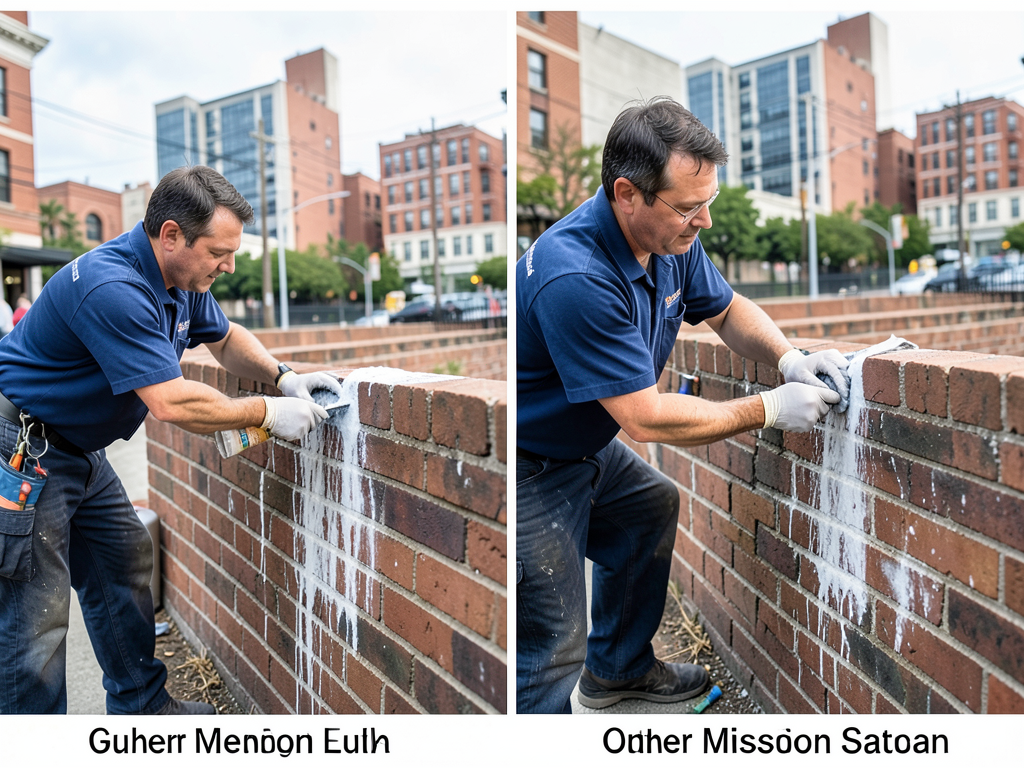
Understanding the White Chalky Stuff on Your Outer Mission Retaining Walls
Those white chalky deposits on your Outer Mission retaining walls aren’t just cosmetic blemishes. They’re a visible sign of water movement through your masonry, driven by San Francisco’s unique coastal climate and the area’s hillside topography. The white substance is efflorescence, a crystalline deposit of salts that forms when water migrates through concrete or brick, carrying dissolved minerals to the surface where they evaporate and leave behind chalky residue. San Francisco Building Inspection requirements.
In the Outer Mission, where homes sit on slopes with varying soil compositions and moisture levels, efflorescence often indicates underlying moisture problems that could threaten your retaining wall’s structural integrity. The combination of Pacific Ocean salt air, seasonal fog, and occasional heavy rains creates perfect conditions for salt migration through masonry. Left untreated, this moisture movement can lead to spalling, cracking, and even wall failure during seismic events.
Understanding what causes these deposits and how to address them properly is crucial for Outer Mission homeowners. The white chalky stuff isn’t just an aesthetic issue—it’s your wall telling you there’s water where it shouldn’t be. Let’s examine what’s really happening behind those deposits and what you can do about it. Who to call for emergency water damage repair in San Francisco right now.
How San Francisco’s Coastal Climate Creates Efflorescence Problems
San Francisco’s Outer Mission neighborhood experiences unique moisture conditions that accelerate efflorescence formation. The area’s proximity to the Pacific Ocean means constant exposure to salt-laden air, while the neighborhood’s elevation changes create varying pressure conditions in soil and retaining walls. When moisture from fog, rain, or irrigation systems enters your masonry, it dissolves naturally occurring salts within the concrete or brick.. Read more about Preparing Your St. Francis Wood Estate for Heavy Winter Rain and Slope Runoff.
As water moves through the material via capillary action, it carries these dissolved salts toward the surface. When the water reaches the outer face and evaporates, the salts are left behind as the characteristic white, powdery deposits. The process is accelerated by San Francisco’s temperature fluctuations, which cause masonry to expand and contract, creating microscopic pathways for water movement. Fast water restoration services for SoMa businesses and tech offices.
The Outer Mission’s specific geology also plays a role. Many properties sit on soil mixtures that retain moisture differently than surrounding areas, creating pressure differentials that drive water through retaining walls. The neighborhood’s hillside location means some walls face significant hydrostatic pressure from groundwater, especially during wet winter months when atmospheric river events bring heavy rainfall to the Bay Area. High-end water damage restoration for historic Pacific Heights estates.
Identifying the Source: Hydrostatic Pressure and Water Intrusion
Efflorescence is a symptom, not the problem itself. The real issue is water intrusion through your retaining wall. In Outer Mission properties, this often stems from improper drainage, cracked mortar joints, or porous concrete that allows water to penetrate. The water carries dissolved salts from the cement paste, aggregates, or even the soil behind the wall.
Hydrostatic pressure builds when water accumulates behind a retaining wall without proper drainage. This pressure forces water through the smallest cracks and pores in the masonry. In San Francisco’s older homes, many retaining walls lack modern drainage systems required by current building codes. The San Francisco Building Code Section 704A.1 mandates proper drainage for retaining structures over four feet tall, but many Outer Mission walls predate these requirements.
Water can enter through multiple pathways: from the top during rain, from the sides where soil meets wall, or from below through capillary rise. Each pathway requires different diagnostic approaches. A moisture meter reading above 15% on your wall’s surface often indicates active water movement, while readings over 20% suggest significant moisture intrusion that could compromise structural integrity.
Professional Efflorescence Removal Methods That Actually Work
Removing efflorescence requires more than just scrubbing with water, which can actually worsen the problem by driving salts deeper into the masonry. Professional removal depends on the severity and type of salt deposits. For light surface deposits, dry brushing with stiff nylon bristles can remove loose material without damaging the masonry surface. Professional sewage cleanup and sanitization for Mission District basements.
Moderate deposits often require chemical treatment. A diluted muriatic acid solution (typically 1 part acid to 10 parts water) can dissolve calcium carbonate deposits, but must be applied carefully to avoid etching the masonry surface. The acid reaction produces carbon dioxide bubbles as it works, a diagnostic sign that the treatment is effective. Always neutralize with baking soda solution afterward and rinse thoroughly.
For severe cases or when efflorescence returns quickly after cleaning, media blasting using crushed walnut shells or corn cobs can remove deposits without damaging the underlying masonry. This method works well on brick surfaces common in Outer Mission’s older properties. After removal, the wall must be allowed to dry completely—typically 24-48 hours in San Francisco’s climate—before any sealing treatments are applied.
Prevention and Waterproofing: Why Cleaning Is Only Half the Battle
Cleaning efflorescence without addressing the underlying moisture problem is like treating symptoms without curing the disease. The deposits will return within months if water continues to move through your wall. Effective prevention starts with proper drainage behind the retaining wall. This means installing or repairing drainage systems that include perforated pipe, gravel backfill, and proper grading to direct water away from the structure. EPA mold information and health effects.
Vapor barriers and waterproofing membranes create critical barriers against moisture intrusion. Modern elastomeric coatings can bridge small cracks while remaining flexible enough to accommodate the thermal movement common in San Francisco’s climate. For older walls, applying a breathable water repellent allows moisture vapor to escape while preventing liquid water penetration—crucial in our fog-prone environment where walls need to breathe.
The San Francisco Department of Building Inspection requires that retaining walls over four feet incorporate drainage systems that prevent hydrostatic pressure buildup. For Outer Mission properties, this often means retrofitting older walls with modern drainage solutions. The cost of prevention is typically 30-40% of what major wall repairs would cost if moisture problems are left unaddressed.
Efflorescence vs. Mold: How San Francisco Homeowners Can Tell the Difference
Many Outer Mission homeowners mistake efflorescence for mold, especially since both appear as white deposits on masonry surfaces. However, they have different causes, health implications, and treatment methods. Efflorescence is simply salt deposits—completely inert and non-toxic. It dissolves in water and feels powdery to the touch. When you apply a few drops of water, efflorescence will dissolve and disappear temporarily.
Mold, conversely, is a living organism that thrives in damp environments. It often appears in areas with poor ventilation and persistent moisture. Unlike efflorescence, mold doesn’t dissolve in water—it may smear or spread when wet. Mold also typically has a musty odor and can cause health issues, particularly for people with allergies or respiratory conditions.
In San Francisco’s humid climate, both conditions can occur simultaneously, making diagnosis challenging. A simple test involves applying diluted bleach to a small area. If the white substance is mold, it will lighten or disappear. If it’s efflorescence, the bleach will have little effect since it’s just mineral deposits. For definitive identification, a moisture meter reading and visual inspection by a certified professional can determine whether you’re dealing with salt deposits or biological growth.
Local Service Areas: Serving the Greater Outer Mission Community
Our efflorescence removal and waterproofing services extend throughout the Outer Mission and surrounding neighborhoods where similar moisture challenges exist. We regularly work in areas like Crocker-Amazon, Excelsior, and Oceanview where hillside properties face comparable drainage and moisture issues. The 94112 and 94134 zip codes encompass much of our service territory, though we also serve clients in nearby Daly City where coastal fog creates similar conditions.
The Outer Mission’s unique combination of mid-century construction and older retaining walls presents specific challenges we’ve mastered over years of local experience. Many homes in the area were built between the 1940s and 1970s, using construction methods that predate modern moisture control standards. Our team understands these older building systems and how to retrofit them for today’s weather patterns and building codes.
We’ve completed successful projects near key Outer Mission landmarks including the Balboa Park BART station area and along Geneva Avenue corridor. Our familiarity with local soil conditions, from the clay-heavy areas near McLaren Park to the more sandy soils toward the coast, allows us to diagnose and solve moisture problems specific to each property’s location and construction type.
Before and After: Real Results from Outer Mission Properties
Property owners throughout Outer Mission have seen dramatic improvements after our efflorescence treatment and waterproofing services. One recent project on Persia Avenue involved a 60-foot retaining wall where efflorescence had returned within weeks of previous cleaning attempts. Our comprehensive approach—including drainage system repair, chemical treatment, and application of a silane-based water repellent—has kept the wall clean for over a year with no recurrence.
Another success story involved a property near Mission Street where moisture was causing both efflorescence and spalling on a decorative brick wall. Beyond cleaning, we installed French drains and applied a specialized breathable sealer that has maintained the wall’s appearance through multiple rainy seasons. The homeowner reported a 90% reduction in moisture-related issues in their basement, which had been affected by the same water intrusion. How to handle basement flooding in San Francisco after a heavy rainstorm.
These results demonstrate why addressing the root cause matters more than surface cleaning alone. Our process typically takes 2-3 days for a standard residential wall, with immediate visual improvement and long-term protection against moisture damage. The investment pays for itself by preventing costly structural repairs and maintaining property values in San Francisco’s competitive real estate market.
Frequently Asked Questions
Is efflorescence dangerous to my home’s structure?
Efflorescence itself isn’t dangerous, but it’s a warning sign of moisture problems that can be. Persistent water movement through masonry can cause cracking, spalling, and structural weakening over time. In retaining walls, this moisture can also create hydrostatic pressure that leads to wall failure, especially during seismic events common in the Bay Area.. Read more about Why Atmospheric Rivers Are So Dangerous for Hillside Homes in Portola.
How much does professional efflorescence removal cost in San Francisco?
Professional removal typically ranges from $500 to $2,500 depending on wall size, severity of deposits, and whether drainage repairs are needed. Simple cleaning of a small wall might cost around $500, while comprehensive treatment including waterproofing for a large retaining wall could reach $2,500 or more. We provide detailed estimates after inspection.
Can I prevent efflorescence from coming back after cleaning?
Yes, but prevention requires addressing the moisture source. This typically involves improving drainage behind the wall, repairing cracks, and applying appropriate sealers. Without these steps, efflorescence will likely return within 6-12 months. Our prevention systems come with warranties of up to 10 years when properly maintained.
How long does the efflorescence removal process take?
Most residential projects take 1-2 days for cleaning alone. If drainage repairs or waterproofing are needed, the process extends to 2-3 days total. Weather can affect timing—we need dry conditions for cleaning and at least 24 hours of dry weather after chemical treatments before rain exposure.
Should I be concerned about mold if I see white deposits?
Not necessarily. Efflorescence and mold can look similar but have different causes. Efflorescence dissolves in water and feels powdery, while mold typically has a musty smell and doesn’t dissolve. If you’re unsure, we offer free inspections to identify whether you’re dealing with salt deposits or biological growth.
Take Action Before Moisture Damage Worsens
Those white chalky deposits on your Outer Mission retaining walls are more than just an eyesore—they’re a clear signal that water is moving through your masonry in ways that could compromise your home’s structural integrity. San Francisco’s unique coastal climate, with its salt air, seasonal fog, and occasional heavy rains, creates perfect conditions for efflorescence formation and the moisture problems that cause it.
Don’t wait until minor moisture issues become major structural problems. Our team understands the specific challenges Outer Mission properties face, from hillside drainage issues to the effects of aging construction methods on modern moisture control. We’ve helped numerous local homeowners eliminate efflorescence, protect their retaining walls, and prevent costly water damage to their foundations and basements.
Call (415) 449-6555 today to schedule your free inspection. We’ll identify the source of your moisture problems, recommend the right solution for your specific situation, and provide a clear plan to protect your property from further damage. Our local expertise means we understand not just the technical aspects of moisture control, but the specific conditions that affect Outer Mission homes. Don’t let another rainy season pass without addressing these warning signs—your retaining walls are telling you they need attention now.
Understanding Your Moisture Problem Is the First Step to Protection
Every day you wait to address efflorescence is another day that moisture could be compromising your retaining wall’s integrity. In San Francisco’s seismic zone, the combination of water damage and earthquake activity creates particularly dangerous conditions for masonry structures. The good news is that most efflorescence problems can be resolved with the right diagnosis and treatment approach.
Our inspection process goes beyond surface cleaning to identify the root causes of moisture intrusion specific to your property. We examine drainage patterns, soil conditions, wall construction, and surrounding landscape features that contribute to your moisture problems. This comprehensive approach ensures that when we treat your efflorescence, we’re also preventing its return and protecting your investment for years to come.
Ready to eliminate those white chalky deposits and protect your retaining walls from future damage? Call (415) 449-6555 now to speak with our Outer Mission efflorescence specialists. We’ll answer your questions, schedule your inspection at your convenience, and provide a clear path to solving your moisture problems. Your retaining walls have been sending you a message—it’s time to listen and take action before small problems become expensive repairs.
{
“@context”: “https://schema.org”,
“@type”: “BlogPosting”,
“headline”: “Understanding the White Chalky Stuff on Your Outer Mission Retaining Walls”,
“description”: “Discover why efflorescence appears on Outer Mission retaining walls and what it means for your home’s structural integrity. Learn the causes, removal methods, and prevention strategies specific to San Francisco’s coastal climate.”,
“wordCount”: 2298,
“datePublished”: “2026-03-13T11:34:00.000Z”,
“dateModified”: “2026-03-13T11:34:00.000Z”,
“inLanguage”: “en-US”,
“mainEntityOfPage”: {
“@type”: “WebPage”,
“@id”: “https://summitwaterdamagerestorationsanfrancisco.com”
},
“publisher”: {
“@type”: “LocalBusiness”,
“name”: “Summit Water Damage Restoration San Francisco”,
“url”: “https://summitwaterdamagerestorationsanfrancisco.com”
},
“author”: {
“@type”: “Organization”,
“name”: “Summit Water Damage Restoration San Francisco”,
“url”: “https://summitwaterdamagerestorationsanfrancisco.com”
},
“image”: {
“@type”: “ImageObject”,
“url”: “https://summitwaterdamagerestorationsanfrancisco.com/wp-content/uploads/2026/03/understanding-the-white-chalky-stuff-on-your-outer-1.png”
}
}
{
“@context”: “https://schema.org”,
“@type”: “LocalBusiness”,
“name”: “Summit Water Damage Restoration San Francisco”,
“url”: “https://summitwaterdamagerestorationsanfrancisco.com”,
“address”: {
“@type”: “PostalAddress”,
“addressLocality”: “San Francisco”
},
“areaServed”: {
“@type”: “City”,
“name”: “San Francisco”
}
}
{
“@context”: “https://schema.org”,
“@type”: “FAQPage”,
“mainEntity”: [
{
“@type”: “Question”,
“name”: “Is efflorescence dangerous to my home’s structure?”,
“acceptedAnswer”: {
“@type”: “Answer”,
“text”: “Efflorescence itself isn’t dangerous, but it’s a warning sign of moisture problems that can be. Persistent water movement through masonry can cause cracking, spalling, and structural weakening over time. In retaining walls, this moisture can also create hydrostatic pressure that leads to wall failure, especially during seismic events common in the Bay Area.”
}
},
{
“@type”: “Question”,
“name”: “How much does professional efflorescence removal cost in San Francisco?”,
“acceptedAnswer”: {
“@type”: “Answer”,
“text”: “Professional removal typically ranges from $500 to $2,500 depending on wall size, severity of deposits, and whether drainage repairs are needed. Simple cleaning of a small wall might cost around $500, while comprehensive treatment including waterproofing for a large retaining wall could reach $2,500 or more. We provide detailed estimates after inspection.”
}
},
{
“@type”: “Question”,
“name”: “Can I prevent efflorescence from coming back after cleaning?”,
“acceptedAnswer”: {
“@type”: “Answer”,
“text”: “Yes, but prevention requires addressing the moisture source. This typically involves improving drainage behind the wall, repairing cracks, and applying appropriate sealers. Without these steps, efflorescence will likely return within 6-12 months. Our prevention systems come with warranties of up to 10 years when properly maintained.”
}
},
{
“@type”: “Question”,
“name”: “How long does the efflorescence removal process take?”,
“acceptedAnswer”: {
“@type”: “Answer”,
“text”: “Most residential projects take 1-2 days for cleaning alone. If drainage repairs or waterproofing are needed, the process extends to 2-3 days total. Weather can affect timing—we need dry conditions for cleaning and at least 24 hours of dry weather after chemical treatments before rain exposure.”
}
},
{
“@type”: “Question”,
“name”: “Should I be concerned about mold if I see white deposits?”,
“acceptedAnswer”: {
“@type”: “Answer”,
“text”: “Not necessarily. Efflorescence and mold can look similar but have different causes. Efflorescence dissolves in water and feels powdery, while mold typically has a musty smell and doesn’t dissolve. If you’re unsure, we offer free inspections to identify whether you’re dealing with salt deposits or biological growth.”
}
}
]
}
{
“@context”: “https://schema.org”,
“@type”: “BreadcrumbList”,
“itemListElement”: [
{
“@type”: “ListItem”,
“position”: 1,
“name”: “Home”,
“item”: “https://summitwaterdamagerestorationsanfrancisco.com”
},
{
“@type”: “ListItem”,
“position”: 2,
“name”: “Blog”,
“item”: “https://summitwaterdamagerestorationsanfrancisco.com/blog”
},
{
“@type”: “ListItem”,
“position”: 3,
“name”: “Understanding the White Chalky Stuff on Your Outer Mission Retaining Walls”
}
]
}
{
“@context”: “https://schema.org”,
“@type”: “Service”,
“serviceType”: “Water Damage Restoration”,
“provider”: {
“@type”: “LocalBusiness”,
“name”: “Summit Water Damage Restoration San Francisco”,
“url”: “https://summitwaterdamagerestorationsanfrancisco.com”
},
“areaServed”: {
“@type”: “City”,
“name”: “San Francisco”
},
“description”: “Discover why efflorescence appears on Outer Mission retaining walls and what it means for your home’s structural integrity. Learn the causes, removal methods, and prevention strategies specific to San Francisco’s coastal climate.”
}