
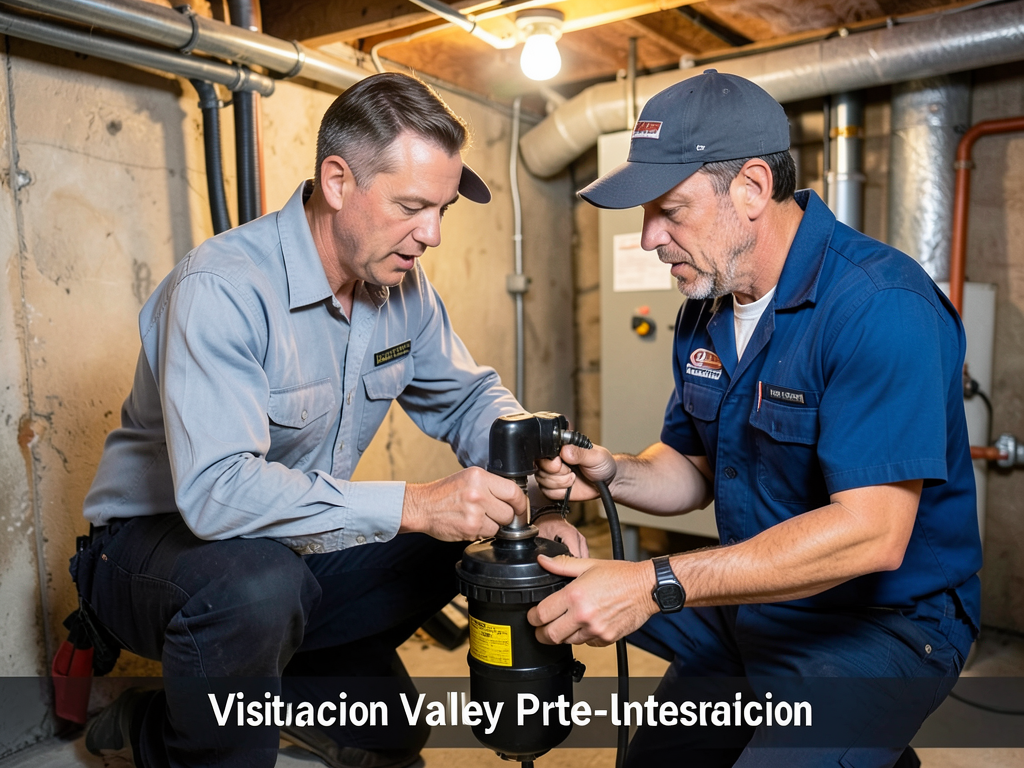
Why Every Visitacion Valley Homeowner Needs to Check Their Sump Pump Before Winter
Winter storms in San Francisco can overwhelm basement drainage systems in low-lying neighborhoods like Visitacion Valley. A failing sump pump turns minor groundwater seepage into thousands of dollars in water damage within hours. This guide shows you how to test your pump now and what to do when it fails. San Francisco Public Utilities Commission.
Visitacion Valley sits in a bowl-shaped depression near the San Francisco Bay. The area’s clay-heavy soil and proximity to the bay create a high water table that pushes groundwater toward basement walls. When heavy winter rains arrive, that water seeks the path of least resistance—often through foundation cracks or floor drains. Who to call for emergency water damage repair in San Francisco right now.
The San Francisco Public Utilities Commission reports that Visitacion Valley experiences groundwater levels that can rise within 3 feet of the surface during peak winter months. A properly functioning sump pump is your first line of defense against this seasonal threat. Fast water restoration services for SoMa businesses and tech offices.
How Sump Pumps Work in Visitacion Valley Homes
Sump pumps collect groundwater in a pit below your basement floor. When water reaches a certain level, a float switch activates the pump. The pump then pushes water through a discharge pipe away from your foundation. High-end water damage restoration for historic Pacific Heights estates.
Most Visitacion Valley homes built after the 1970s have submersible pumps installed in a gravel-lined pit. Older homes might have pedestal pumps that sit above the water line. Both types face the same winter challenges: power outages, frozen discharge lines, and mechanical wear.
The discharge pipes in Visitacion Valley often connect to the city’s combined sewer system. During heavy rains, this system can back up, causing water to flow backward through your discharge pipe and into the pit. A working check valve prevents this backflow, but many older installations lack this critical component.. Read more about How to Prevent Your Forest Hill Garden Drainage from Flooding Your Basement.
Common Sump Pump Failure Points Before Winter
Power outages are the most frequent cause of sump pump failure in Visitacion Valley. PG&E’s aging electrical infrastructure means winter storms often knock out power for hours. Without electricity, even a brand-new pump cannot operate.
Float switch failure represents the second most common problem. The switch can stick in the “off” position due to debris, mineral buildup, or simply wear over time. When this happens, water continues to rise in the pit but never triggers the pump.
Discharge line blockages cause the third major failure category. Leaves, dirt, and small animals can enter outdoor discharge pipes. In Visitacion Valley’s older homes, these pipes sometimes connect to deteriorated clay sewer lines that collapse under pressure.
Mechanical wear affects all pumps eventually. The impeller blades can break, the motor bearings can seize, and the housing can crack. Most pumps last 7-10 years, but those in Visitacion Valley’s high-water-table areas often fail sooner due to constant operation.
Testing Your Sump Pump Before the First Storm
Testing your pump takes about 15 minutes and could save you thousands in repair costs. Start by locating your sump pit, usually found in the basement’s lowest corner or in a utility closet. How to handle basement flooding in San Francisco after a heavy rainstorm.
Pour a bucket of water into the pit. The water should trigger the float switch within seconds. The pump should activate and discharge water through the pipe. If nothing happens, check your circuit breaker first.
Listen for unusual noises during operation. Grinding sounds indicate failing bearings. Clicking without pumping suggests a stuck switch. No sound at all could mean a dead motor or tripped GFCI outlet.
Check the discharge pipe’s exit point outside your home. Water should flow freely when the pump runs. If you see water pooling near the foundation or hear gurgling sounds, your pipe may be blocked or frozen.
Inspect the check valve if you can access it. A working check valve has a distinct “thunk” sound when the pump shuts off. Without it, water flows back into the pit, causing the pump to cycle rapidly and wear out prematurely.
Emergency Steps When Your Pump Fails During a Storm
If water starts rising in your basement during a storm, act quickly. First, shut off electricity to the affected area at your main breaker panel. Water and electricity create lethal conditions.
Move valuable items to higher ground. Electronics, documents, and furniture on the floor are most vulnerable. Use plastic bins or trash bags to protect items you cannot move immediately.
Try to remove standing water with a wet vacuum or buckets if the volume is manageable. For deeper flooding, professional extraction equipment becomes necessary. Every hour of standing water increases damage to flooring, drywall, and structural elements. Professional sewage cleanup and sanitization for Mission District basements.
Document everything with photos before cleanup begins. Insurance companies require evidence of damage extent and water levels. Time-stamp your photos if possible.
Call (415) 449-6555 immediately for emergency water damage restoration. Quick response prevents mold growth, which can begin within 24-48 hours in Visitacion Valley’s cool, damp climate.
San Francisco Building Code Requirements for Sump Systems
The San Francisco Department of Building Inspection requires all new sump pump installations to include battery backup systems. This mandate, outlined in Section 1209.2 of the San Francisco Building Code, recognizes the city’s vulnerability to power outages during winter storms.
Discharge pipes must terminate at least 5 feet from any foundation wall and cannot connect directly to the sanitary sewer system without proper backflow prevention. Violations can result in fines and mandatory system upgrades.
Water-powered backup systems offer an alternative for homes with municipal water service. These systems use water pressure to create suction that removes water from the pit. They work even during power outages but increase water usage significantly.
Visitacion Valley’s older homes may not meet current code requirements. Retrofitting these systems often reveals hidden plumbing issues, including deteriorated pipes and inadequate drainage.
Professional Water Damage Restoration Process
When water breaches your basement defenses, professional restoration follows a systematic approach. First, technicians assess the water category using IICRC S500 standards. Clean water from a broken supply line poses different risks than contaminated groundwater or sewage.
Water extraction begins immediately using truck-mounted or portable extraction units. These machines remove thousands of gallons per hour, far exceeding household wet vacuums.
Structural drying involves industrial air movers and dehumidifiers. Technicians calculate the exact equipment needed based on cubic footage, material types, and moisture levels. They monitor progress daily using moisture meters to ensure complete drying.
Sanitization follows drying. EPA-registered antimicrobial treatments eliminate bacteria and prevent mold growth. In Visitacion Valley’s high-humidity environment, this step proves critical for long-term indoor air quality.
Content restoration addresses damaged belongings. Some items clean and restore on-site, while others require specialized off-site processing. Electronics, documents, and textiles each need specific handling procedures.
Insurance Coverage for Sump Pump Failures
Standard homeowners insurance policies in California typically exclude sump pump failures. You need a specific endorsement for “Water Backup and Sump Discharge” coverage. This rider covers damage when your pump fails but not when it’s overwhelmed by surface flooding. California Department of Insurance.
The California Department of Insurance reports that only 30% of San Francisco homeowners carry this endorsement. Many learn about the gap in coverage only after experiencing a loss.
Document your pump’s age and maintenance history. Insurance companies may deny claims for pumps older than 10 years unless you can prove regular maintenance. Keep receipts for battery replacements, inspections, and repairs.
Understand your deductible. Water damage claims often have higher deductibles than standard claims. Some policies require a separate deductible for flood-related losses.
Preventative Maintenance Schedule
Monthly checks during wet seasons prevent most failures. Remove debris from the pit, test the pump operation, and listen for unusual noises. Check battery backup systems quarterly and replace batteries every 2-3 years.
Annual professional inspections identify developing problems before they cause failures. Technicians test pump capacity, inspect electrical connections, and verify discharge line integrity. They also check for proper pit sizing and ventilation.
Consider installing a water alarm that alerts you when the pit fills. These devices provide early warning of pump failure or overwhelming water volume. Some smart home systems integrate these alarms with mobile notifications.
Upgrade aging systems before they fail. Modern pumps offer higher capacity, better energy efficiency, and improved reliability. The cost of replacement often proves less than emergency service calls and water damage repairs.
Why Visitacion Valley Homes Face Unique Risks
Visitacion Valley’s geography creates specific drainage challenges. The neighborhood sits in a natural depression between McLaren Park and the bay. This topography channels groundwater toward homes in the area.
Many Visitacion Valley homes were built on filled marshland. This soil composition drains poorly and can shift during wet seasons. Foundation cracks that develop slowly during dry months suddenly leak when saturated.
The area’s aging infrastructure compounds these problems. Some homes still connect to original clay sewer lines installed in the 1950s. These pipes crack and collapse, creating pathways for groundwater intrusion.
Climate change intensifies these risks. San Francisco’s winter storms now bring heavier rainfall in shorter periods. The atmospheric river events that hit the Bay Area every few years can overwhelm even well-maintained sump systems.. Read more about Why Atmospheric Rivers Are So Dangerous for Hillside Homes in Portola.
Comparing Sump Pump Options for Visitacion Valley
| Pump Type | Power Source | Backup Available | Best For | Cost Range |
|---|---|---|---|---|
| Submersible | Electric | Battery, water | Most homes | $150-$400 |
| Pedestal | Electric | Battery only | Shallow pits | $100-$250 |
| Combination | Electric + backup | Built-in | High risk | $400-$800 |
| Water-powered | City water | None needed | High water table | $300-$500 |
Warning Signs Your Pump Needs Immediate Attention
- Rust or corrosion on the pump housing
- Frequent cycling (turning on and off rapidly)
- Unusual vibrations during operation
- Water visible in the pit when the pump should be off
- Cracks in the pit walls or floor
- Discharge pipes that sweat or drip
- Burning smells from the motor area
Professional Installation Considerations
Proper sump pump installation requires more than swapping out a unit. The pit must be correctly sized for your home’s drainage needs. A pit too small causes frequent cycling and premature failure.
Discharge line routing affects system performance. Pipes should slope continuously downward and avoid sharp bends. In Visitacion Valley’s older homes, routing may require cutting through concrete foundations.
Electrical requirements matter for safety and code compliance. Dedicated GFCI circuits prevent shock hazards. Battery backup systems need accessible charging stations and automatic testing features.
Permits ensure installations meet current standards. San Francisco requires permits for all new sump pump installations and major repairs. Unpermitted work can complicate future home sales and insurance claims.
Cost Factors for Sump Pump Services
Basic pump replacement costs $400-$600 including labor for standard installations. Complex jobs involving pit excavation or electrical upgrades run $800-$1,500.
Battery backup systems add $200-$400 to installation costs. Water-powered backups cost $300-$500 but eliminate battery replacement expenses.
Emergency service calls during storms command premium rates, often 1.5x to 2x normal pricing. Weekend and holiday calls may cost even more.
Professional inspections run $100-$200 but can identify problems before they cause flooding. Many companies credit this fee toward any recommended repairs.
Long-term Solutions for Chronic Flooding
Interior drainage systems collect water along basement walls before it reaches the floor. These systems connect to the sump pit and can handle volumes that overwhelm individual pumps.
Exterior waterproofing prevents water from entering foundation walls. This approach involves excavating around the foundation, applying waterproof membranes, and installing drainage boards.
Foundation repair addresses structural issues that allow water intrusion. Cracks widen over time, creating larger pathways for groundwater. Professional sealing and reinforcement prevent future problems.
Landscaping modifications direct surface water away from foundations. Proper grading, French drains, and downspout extensions reduce the load on sump systems.
Frequently Asked Questions
How often should I test my sump pump?
Test your pump monthly during wet seasons and quarterly during dry months. Pour a bucket of water into the pit to verify operation. Check battery backups every three months and replace batteries every two to three years.
What causes sump pumps to fail during storms?
Power outages from PG&E infrastructure failures are the leading cause. Float switch failures, discharge line blockages, and mechanical wear follow closely. Many Visitacion Valley homes lack battery backups, making them vulnerable when storms knock out electricity.
Can I install a sump pump myself?
Basic replacements might seem straightforward, but proper installation requires understanding local codes, electrical requirements, and drainage principles. DIY installations often violate San Francisco Building Code requirements and may void insurance coverage if failures occur.
How long do sump pumps typically last?
Most pumps last 7-10 years under normal conditions. Those in Visitacion Valley’s high water table areas often fail sooner due to constant operation. Regular maintenance can extend lifespan, but planning for replacement every 7-8 years prevents unexpected failures.
What’s the difference between clean and contaminated water damage?
Clean water comes from broken supply lines or rainwater. Contaminated water includes groundwater, which may contain bacteria, chemicals, or sewage. San Francisco’s combined sewer system means groundwater can quickly become contaminated during heavy rains, requiring professional sanitization.
Take Action Before Winter Storms Arrive
Don’t wait for the first heavy rain to discover your sump pump has failed. Testing your system now takes less than 30 minutes and could prevent thousands in water damage repairs.
If you notice any warning signs or want professional peace of mind, call (415) 449-6555 today. Our technicians understand Visitacion Valley’s unique drainage challenges and can recommend the right solution for your home.
Winter is coming. Make sure your basement stays dry when the storms hit San Francisco. Pick up the phone and call (415) 449-6555 before the next atmospheric river arrives.
{
“@context”: “https://schema.org”,
“@type”: “BlogPosting”,
“headline”: “Why Every Visitacion Valley Homeowner Needs to Check Their Sump Pump Before Winter”,
“description”: “Don’t wait for a flood. Learn why Visitacion Valley homes need sump pump checks before winter rains hit San Francisco’s low-lying areas.”,
“wordCount”: 2275,
“datePublished”: “2026-03-14T10:58:00.000Z”,
“dateModified”: “2026-03-14T10:58:00.000Z”,
“inLanguage”: “en-US”,
“mainEntityOfPage”: {
“@type”: “WebPage”,
“@id”: “https://summitwaterdamagerestorationsanfrancisco.com”
},
“publisher”: {
“@type”: “LocalBusiness”,
“name”: “Summit Water Damage Restoration San Francisco”,
“url”: “https://summitwaterdamagerestorationsanfrancisco.com”
},
“author”: {
“@type”: “Organization”,
“name”: “Summit Water Damage Restoration San Francisco”,
“url”: “https://summitwaterdamagerestorationsanfrancisco.com”
},
“image”: {
“@type”: “ImageObject”,
“url”: “https://summitwaterdamagerestorationsanfrancisco.com/wp-content/uploads/2026/03/why-every-visitacion-valley-homeowner-needs-to-che-1.png”
}
}
{
“@context”: “https://schema.org”,
“@type”: “LocalBusiness”,
“name”: “Summit Water Damage Restoration San Francisco”,
“url”: “https://summitwaterdamagerestorationsanfrancisco.com”,
“address”: {
“@type”: “PostalAddress”,
“addressLocality”: “San Francisco”
},
“areaServed”: {
“@type”: “City”,
“name”: “San Francisco”
}
}
{
“@context”: “https://schema.org”,
“@type”: “FAQPage”,
“mainEntity”: [
{
“@type”: “Question”,
“name”: “How often should I test my sump pump?”,
“acceptedAnswer”: {
“@type”: “Answer”,
“text”: “Test your pump monthly during wet seasons and quarterly during dry months. Pour a bucket of water into the pit to verify operation. Check battery backups every three months and replace batteries every two to three years.”
}
},
{
“@type”: “Question”,
“name”: “What causes sump pumps to fail during storms?”,
“acceptedAnswer”: {
“@type”: “Answer”,
“text”: “Power outages from PG&E infrastructure failures are the leading cause. Float switch failures, discharge line blockages, and mechanical wear follow closely. Many Visitacion Valley homes lack battery backups, making them vulnerable when storms knock out electricity.”
}
},
{
“@type”: “Question”,
“name”: “Can I install a sump pump myself?”,
“acceptedAnswer”: {
“@type”: “Answer”,
“text”: “Basic replacements might seem straightforward, but proper installation requires understanding local codes, electrical requirements, and drainage principles. DIY installations often violate San Francisco Building Code requirements and may void insurance coverage if failures occur.”
}
},
{
“@type”: “Question”,
“name”: “What’s the difference between clean and contaminated water damage?”,
“acceptedAnswer”: {
“@type”: “Answer”,
“text”: “Clean water comes from broken supply lines or rainwater. Contaminated water includes groundwater, which may contain bacteria, chemicals, or sewage. San Francisco’s combined sewer system means groundwater can quickly become contaminated during heavy rains, requiring professional sanitization.”
}
}
]
}
{
“@context”: “https://schema.org”,
“@type”: “BreadcrumbList”,
“itemListElement”: [
{
“@type”: “ListItem”,
“position”: 1,
“name”: “Home”,
“item”: “https://summitwaterdamagerestorationsanfrancisco.com”
},
{
“@type”: “ListItem”,
“position”: 2,
“name”: “Blog”,
“item”: “https://summitwaterdamagerestorationsanfrancisco.com/blog”
},
{
“@type”: “ListItem”,
“position”: 3,
“name”: “Why Every Visitacion Valley Homeowner Needs to Check Their Sump Pump Before Winter”
}
]
}
{
“@context”: “https://schema.org”,
“@type”: “Service”,
“serviceType”: “Water Damage Restoration”,
“provider”: {
“@type”: “LocalBusiness”,
“name”: “Summit Water Damage Restoration San Francisco”,
“url”: “https://summitwaterdamagerestorationsanfrancisco.com”
},
“areaServed”: {
“@type”: “City”,
“name”: “San Francisco”
},
“description”: “Don’t wait for a flood. Learn why Visitacion Valley homes need sump pump checks before winter rains hit San Francisco’s low-lying areas.”
}