
Choosing Between DIY Mold Cleanup and Professional Remediation in Your San Francisco Home
Finding mold in your San Francisco home can be alarming. You might wonder if you can handle it yourself to save money or if you need to call a professional. The answer depends on several factors including the size of the mold problem, the type of surface affected, and your home’s unique San Francisco characteristics. San Francisco Department of Building Inspection.
This guide breaks down exactly when DIY mold cleanup is safe and when professional remediation is necessary. We’ll cover the EPA’s 10-square-foot rule, San Francisco-specific considerations like our foggy climate and historic architecture, and what equipment you’ll need for each approach. EPA Mold Resources.
The EPA Rule of Thumb for Mold Cleanup
The Environmental Protection Agency provides clear guidelines for homeowners dealing with mold. According to EPA standards, you can handle mold cleanup yourself if the affected area is less than 10 square feet approximately a patch three feet by three feet. How to handle basement flooding in San Francisco after a heavy rainstorm.
This 10-square-foot rule exists because smaller mold problems are less likely to spread spores throughout your home during cleanup. Larger areas require professional containment to prevent cross-contamination. Professional sewage cleanup and sanitization for Mission District basements.
Beyond size, consider the surface type. Mold on hard, non-porous surfaces like glass, metal, or sealed tile is much easier to clean than mold on porous materials like drywall, wood, or carpet.
When DIY Mold Cleanup is Appropriate
DIY mold cleanup works well for small, contained problems on non-porous surfaces. Here are specific situations where you can safely handle mold yourself:
- Small bathroom mildew on tile, glass, or sealed grout lines
- Mold on window sills or shower doors under 10 square feet
- Surface mold on sealed concrete or ceramic tile
- Mildew on bathroom fixtures or non-porous hardware
For DIY cleanup, you’ll need proper personal protective equipment. The EPA recommends at minimum an N95 respirator mask, chemical-resistant gloves, and safety goggles. Never use bleach on porous surfaces it doesn’t penetrate deep enough to kill mold roots.
The cleaning process involves scrubbing with detergent and water, then drying completely. For stubborn mold on non-porous surfaces, you can use commercial mold removers designed for bathrooms. Who to call for emergency water damage repair in San Francisco right now.
The Dangers of DIY Mold Remediation
Attempting to clean larger mold problems yourself can make things much worse. When disturbed, mold releases thousands of microscopic spores that can spread throughout your home via your HVAC system.
Many San Francisco homes have hidden mold problems behind lath-and-plaster walls common in Victorian and Edwardian architecture. These walls were built before modern moisture barriers existed, making them prone to water intrusion from our coastal fog and seasonal rains. Fast water restoration services for SoMa businesses and tech offices.
DIY cleanup often fails to address the moisture source. Without fixing the underlying water problem whether it’s a leaky pipe, poor ventilation, or foundation seepage the mold will return within weeks. High-end water damage restoration for historic Pacific Heights estates.
Certain mold types found in San Francisco’s humid climate pose serious health risks. Stachybotrys chartarum, commonly called black mold, produces mycotoxins that can cause respiratory problems, headaches, and immune system issues. You cannot identify toxic mold by color alone professional testing is required.
The Professional Advantage
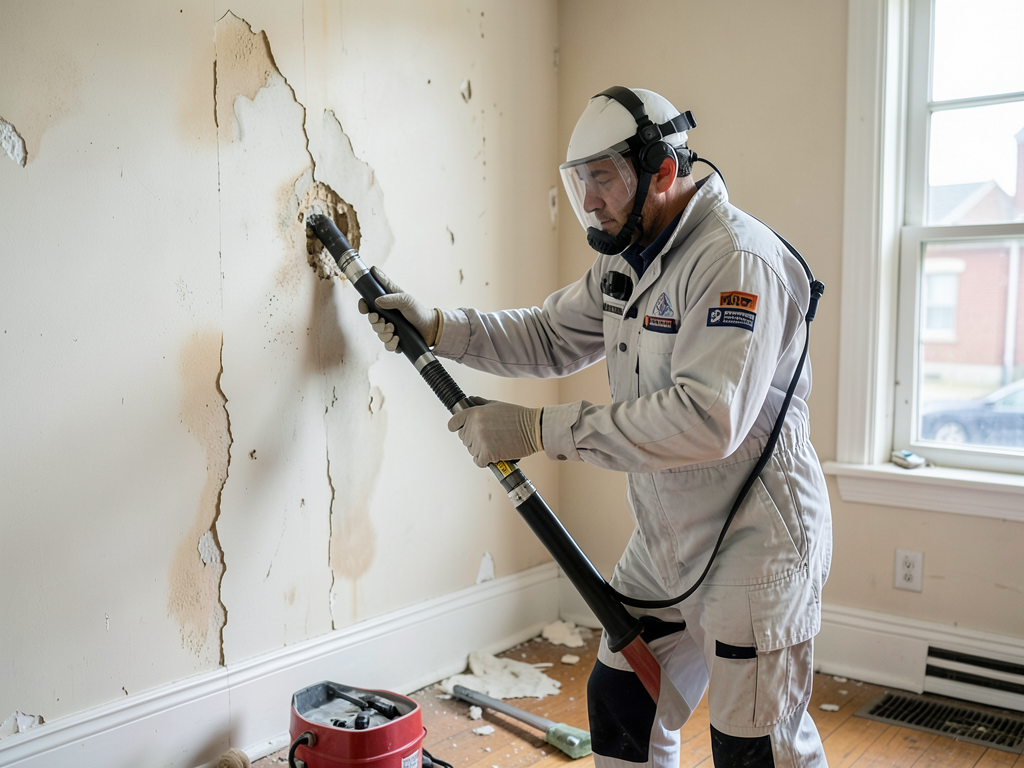
Professional mold remediation follows the IICRC S520 standard, which ensures safe and complete removal. Professionals use specialized equipment and techniques that homeowners cannot access.
Negative air pressure containment is a key professional technique. This involves sealing the work area and using air scrubbers with HEPA filtration to capture mold spores before they escape. The contained area maintains negative pressure so air flows in but not out.
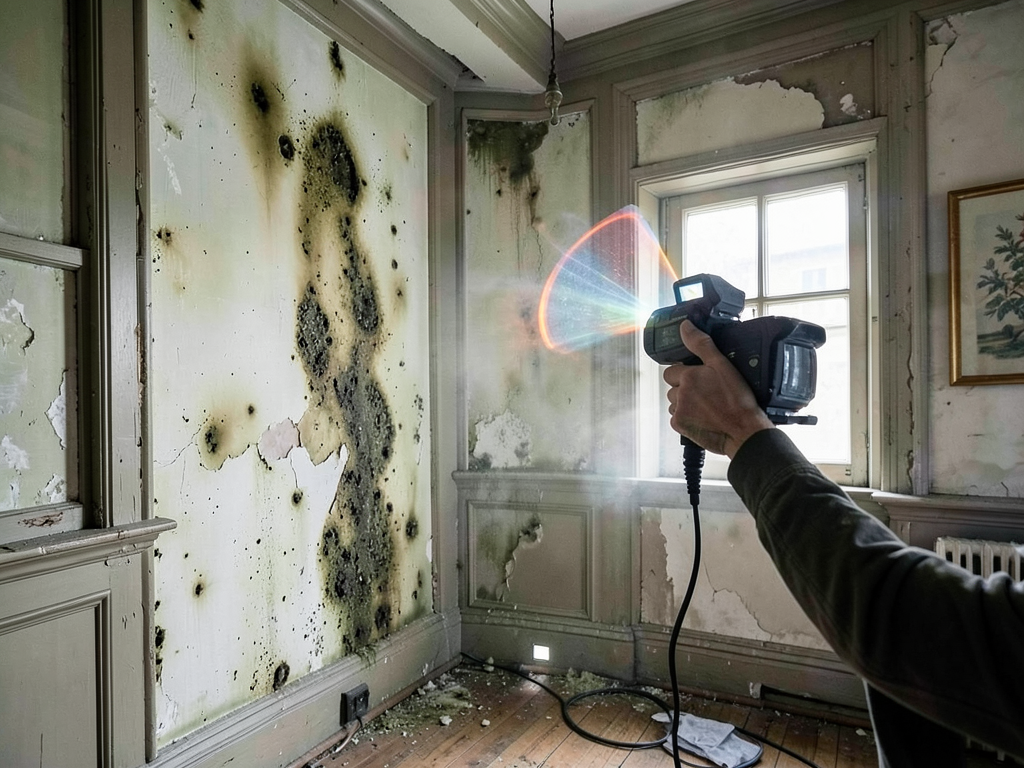
Thermal imaging cameras help professionals find hidden moisture behind walls without destructive testing. This technology detects temperature differences caused by moisture, revealing problems you cannot see.
Post-remediation verification testing confirms the mold is completely gone. Professionals take air samples and surface swabs to verify spore counts are back to normal levels before considering the job complete.
Cost Comparison: Upfront vs. Long-term
DIY mold cleanup might cost $50-200 for supplies like N95 masks, gloves, cleaning solutions, and scrub brushes. However, improper cleanup can lead to much higher costs.
Professional mold remediation in the San Francisco Bay Area typically costs $500-6,000 depending on the size and complexity of the job. Small bathroom mold problems might cost $500-1,500, while whole-house remediation can exceed $10,000.
The long-term cost of DIY failure includes potential structural damage as mold eats through wood and drywall, decreased home value, and possible insurance claim denials if you didn’t address the problem properly.
Many San Francisco homeowners discover that DIY attempts spread mold to previously unaffected areas, doubling or tripling the final remediation cost.
San Francisco Specific Considerations
San Francisco’s unique climate and architecture create specific mold challenges. Our coastal fog and high humidity especially in neighborhoods like the Sunset District and Richmond District create perfect conditions for mold growth year-round.
Historic Victorian and Edwardian homes built before 1940 often lack proper moisture barriers. These buildings were constructed when building codes didn’t address modern moisture management, making them particularly vulnerable to mold in our damp climate.
The city’s combined sewer system can back up during heavy rains, causing basement flooding that leads to mold growth. Homes in low-lying areas near Mission Creek or Islais Creek are especially at risk during atmospheric river events.
California landlord-tenant law requires landlords to maintain rental properties free from mold hazards. San Francisco’s Rent Board has specific guidelines for mold remediation in rental units, and tenants have rights if landlords fail to address mold problems.
Building codes in San Francisco require permits for mold remediation affecting more than 100 square feet or involving structural changes. The Department of Building Inspection oversees these permits to ensure proper containment and disposal.
Making the Right Choice for Your Home
Consider these factors when deciding between DIY and professional mold cleanup:. Read more about The Complicated Link Between Lead Paint and Water Damage in Older San Francisco Properties.
- Measure the Area
If the mold covers more than 10 square feet, call a professional. This is the EPA’s clear safety threshold.
- Identify the Surface
Hard, non-porous surfaces like tile or glass are DIY-friendly. Porous materials like drywall or wood require professional assessment.
- Check for Hidden Moisture
If you see water stains, smell musty odors, or have had recent water damage, professional moisture detection is essential.
- Consider Your Health
If anyone in your home has allergies, asthma, or compromised immune systems, professional remediation is safer.
- Look for Warning Signs
Black mold, extensive growth, or mold returning after cleaning indicates you need professional help.
When in doubt, start with a professional inspection. Many companies offer free or low-cost assessments that can save you from making costly mistakes.
Frequently Asked Questions
Can I use bleach to kill mold?
Bleach only kills surface mold on non-porous materials. It cannot penetrate porous surfaces like wood or drywall where mold roots grow. Bleach also loses effectiveness quickly and can actually feed mold growth by adding moisture.
How long does professional mold remediation take?
Small projects typically take 1-2 days. Larger jobs requiring containment and structural repairs can take 3-7 days. The timeline depends on the extent of mold, the need for repairs, and post-remediation testing requirements.
Will my insurance cover mold damage?
Most standard homeowners policies exclude mold damage unless it results from a covered peril like a sudden pipe burst. Gradual mold growth from maintenance issues is typically not covered. Check your specific policy or call your insurance agent.
Take Action Before Mold Spreads Further
Mold problems rarely improve on their own. What starts as a small patch can quickly become a major health and structural issue, especially in San Francisco’s humid climate.
If you’re unsure about your mold situation or if the affected area exceeds 10 square feet, don’t risk your health or your home’s value. Professional assessment can identify the full extent of the problem and provide a clear remediation plan.
Call (415) 449-6555 today to schedule your inspection. Our certified technicians can determine whether DIY cleanup is safe for your situation or if you need professional remediation. We serve all San Francisco neighborhoods and offer same-day emergency service for urgent mold problems.
Don’t wait until mold spreads through your HVAC system or causes structural damage. Pick up the phone and call (415) 449-6555 before the next foggy night creates perfect conditions for mold to multiply in your home.
{
“@context”: “https://schema.org”,
“@type”: “BlogPosting”,
“headline”: “Choosing Between DIY Mold Cleanup and Professional Remediation in Your San Francisco Home”,
“description”: “Find out when it’s safe to clean mold yourself and when you need a pro in San Francisco. Learn EPA rules, costs, and local factors affecting your decision.”,
“wordCount”: 1412,
“datePublished”: “2026-03-26T07:49:00.000Z”,
“dateModified”: “2026-03-26T07:49:00.000Z”,
“inLanguage”: “en-US”,
“mainEntityOfPage”: {
“@type”: “WebPage”,
“@id”: “https://summitwaterdamagerestorationsanfrancisco.com”
},
“publisher”: {
“@type”: “LocalBusiness”,
“name”: “Summit Water Damage Restoration San Francisco”,
“url”: “https://summitwaterdamagerestorationsanfrancisco.com”
},
“author”: {
“@type”: “Organization”,
“name”: “Summit Water Damage Restoration San Francisco”,
“url”: “https://summitwaterdamagerestorationsanfrancisco.com”
},
“image”: {
“@type”: “ImageObject”,
“url”: “https://summitwaterdamagerestorationsanfrancisco.com/wp-content/uploads/2026/03/choosing-between-diy-mold-cleanup-and-professional-1.png”
}
}
{
“@context”: “https://schema.org”,
“@type”: “LocalBusiness”,
“name”: “Summit Water Damage Restoration San Francisco”,
“url”: “https://summitwaterdamagerestorationsanfrancisco.com”,
“address”: {
“@type”: “PostalAddress”,
“addressLocality”: “San Francisco”
},
“areaServed”: {
“@type”: “City”,
“name”: “San Francisco”
}
}
{
“@context”: “https://schema.org”,
“@type”: “FAQPage”,
“mainEntity”: [
{
“@type”: “Question”,
“name”: “Can I use bleach to kill mold?”,
“acceptedAnswer”: {
“@type”: “Answer”,
“text”: “Bleach only kills surface mold on non-porous materials. It cannot penetrate porous surfaces like wood or drywall where mold roots grow. Bleach also loses effectiveness quickly and can actually feed mold growth by adding moisture.”
}
},
{
“@type”: “Question”,
“name”: “How long does professional mold remediation take?”,
“acceptedAnswer”: {
“@type”: “Answer”,
“text”: “Small projects typically take 1-2 days. Larger jobs requiring containment and structural repairs can take 3-7 days. The timeline depends on the extent of mold, the need for repairs, and post-remediation testing requirements.”
}
},
{
“@type”: “Question”,
“name”: “Will my insurance cover mold damage?”,
“acceptedAnswer”: {
“@type”: “Answer”,
“text”: “Most standard homeowners policies exclude mold damage unless it results from a covered peril like a sudden pipe burst. Gradual mold growth from maintenance issues is typically not covered. Check your specific policy or call your insurance agent.”
}
}
]
}
{
“@context”: “https://schema.org”,
“@type”: “HowTo”,
“name”: “Mold Cleanup Decision Guide”,
“step”: [
{
“@type”: “HowToStep”,
“position”: 1,
“name”: “Measure the Area”,
“text”: “If the mold covers more than 10 square feet, call a professional. This is the EPA’s clear safety threshold.”
},
{
“@type”: “HowToStep”,
“position”: 2,
“name”: “Identify the Surface”,
“text”: “Hard, non-porous surfaces like tile or glass are DIY-friendly. Porous materials like drywall or wood require professional assessment.”
},
{
“@type”: “HowToStep”,
“position”: 3,
“name”: “Check for Hidden Moisture”,
“text”: “If you see water stains, smell musty odors, or have had recent water damage, professional moisture detection is essential.”
},
{
“@type”: “HowToStep”,
“position”: 4,
“name”: “Consider Your Health”,
“text”: “If anyone in your home has allergies, asthma, or compromised immune systems, professional remediation is safer.”
},
{
“@type”: “HowToStep”,
“position”: 5,
“name”: “Look for Warning Signs”,
“text”: “Black mold, extensive growth, or mold returning after cleaning indicates you need professional help.”
}
],
“image”: “https://summitwaterdamagerestorationsanfrancisco.com/wp-content/uploads/2026/03/choosing-between-diy-mold-cleanup-and-professional-1.png”
}
{
“@context”: “https://schema.org”,
“@type”: “BreadcrumbList”,
“itemListElement”: [
{
“@type”: “ListItem”,
“position”: 1,
“name”: “Home”,
“item”: “https://summitwaterdamagerestorationsanfrancisco.com”
},
{
“@type”: “ListItem”,
“position”: 2,
“name”: “Blog”,
“item”: “https://summitwaterdamagerestorationsanfrancisco.com/blog”
},
{
“@type”: “ListItem”,
“position”: 3,
“name”: “Choosing Between DIY Mold Cleanup and Professional Remediation in Your San Francisco Home”
}
]
}
{
“@context”: “https://schema.org”,
“@type”: “Service”,
“serviceType”: “Water Damage Restoration”,
“provider”: {
“@type”: “LocalBusiness”,
“name”: “Summit Water Damage Restoration San Francisco”,
“url”: “https://summitwaterdamagerestorationsanfrancisco.com”
},
“areaServed”: {
“@type”: “City”,
“name”: “San Francisco”
},
“description”: “Find out when it’s safe to clean mold yourself and when you need a pro in San Francisco. Learn EPA rules, costs, and local factors affecting your decision.”
}