
Managing the High Humidity Levels in Your Yerba Buena Loft During the Foggy Winter Months
San Francisco’s coastal fog, known locally as Karl the Fog, creates unique humidity challenges for Yerba Buena loft residents. During winter months, the combination of high outdoor humidity and temperature fluctuations can push indoor relative humidity levels above 70%, creating ideal conditions for mold growth and structural damage. This guide explains how to identify and manage humidity issues specific to your loft’s design and the surrounding microclimate. San Francisco Department of Public Works.
The Yerba Buena neighborhood sits in a bowl-shaped area where fog settles and lingers. Large loft windows facing south or west trap moisture against concrete walls, creating condensation that can damage drywall and promote microbial growth. Understanding these local factors is the first step to effective humidity control.
Understanding the SF Microclimate
San Francisco’s marine layer brings average winter humidity levels between 75-85%. In Yerba Buena, this moisture becomes trapped by surrounding buildings and the neighborhood’s urban canyon effect. Concrete and steel construction common in loft buildings absorb moisture during foggy nights and release it slowly during warmer days, creating a continuous cycle of elevated indoor humidity.. Read more about How the San Francisco Fog Causes Hidden Rot Behind Your Home Wood Siding.
Building orientation plays a crucial role. Lofts with west-facing windows experience the most dramatic humidity swings as afternoon sun heats glass, causing warm air to hold more moisture before cooling rapidly at night. This temperature differential creates condensation on windows and walls, particularly where concrete meets drywall.
Immediate DIY Steps to Lower Humidity
Start with simple interventions that require no special tools. Run exhaust fans in bathrooms and kitchens for 30 minutes after use. Open windows during midday when outdoor humidity drops below 60%, typically between 1-3 PM. Use moisture-absorbing products like calcium chloride crystals in closets and near windows where condensation forms.
Monitor humidity with a hygrometer placed away from direct sunlight or heat sources. Target levels between 30-50% for optimal comfort and mold prevention. If readings consistently exceed 60%, more aggressive measures are needed.
The Danger Zone: When Humidity Leads to Mold
Mold spores require three conditions to germinate: moisture above 60% relative humidity, temperatures between 40-100°F, and organic material to feed on. In Yerba Buena lofts, drywall paper and wood framing provide food sources, while the marine layer supplies moisture. Once established, mold can spread through wall cavities in 24-48 hours.
Common signs include musty odors, visible black or green spots on walls, and water stains that reappear after cleaning. Check behind furniture and in corners where air circulation is poor. Use a moisture meter to test wall cavities if you suspect hidden mold growth. Who to call for emergency water damage repair in San Francisco right now.
Structural Solutions for Bay Area Homes
Older loft buildings in Yerba Buena often lack modern vapor barriers installed after 1980 building codes. Without these barriers, moisture migrates through concrete walls and condenses on cooler interior surfaces. Installing vapor retarders on the warm side of walls can reduce moisture migration by up to 70%.
Consider whole-house dehumidification systems that integrate with existing HVAC. These systems maintain consistent humidity levels and prevent the cycling that occurs with portable units. For concrete loft buildings, desiccant dehumidifiers perform better than refrigerant models in cooler temperatures common during San Francisco winters.. Read more about How to Protect Rare Books and Fine Art from San Francisco Humidity Spikes in Sea Cliff.
Professional Humidity Assessment & Restoration
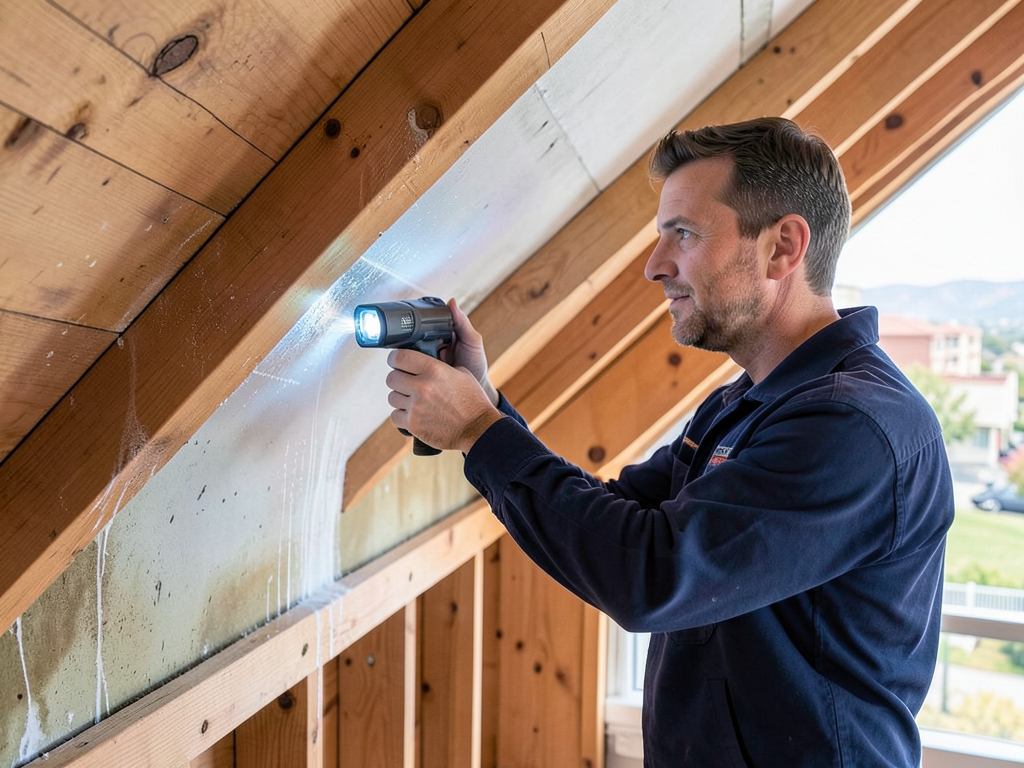
Professional assessment becomes necessary when DIY methods fail or when you discover signs of water damage. Certified technicians use infrared cameras to detect moisture behind walls and moisture meters to quantify water content in building materials. This diagnostic approach identifies hidden problems before they cause structural damage. Fast water restoration services for SoMa businesses and tech offices.
According to IICRC S500 standards, materials with moisture content above 16% require professional drying to prevent secondary damage. Professional restoration also includes antimicrobial treatment to prevent mold growth in affected areas. Professional sewage cleanup and sanitization for Mission District basements.
Ventilation Strategies for SF Apartments and Historic Homes
Modern loft ventilation systems often struggle with the unique demands of San Francisco’s climate. Heat recovery ventilators (HRVs) can exchange indoor air while maintaining temperature, but they require professional installation. For apartments without central HVAC, window-mounted energy recovery ventilators provide similar benefits without major modifications.
Strategic fan placement can create cross-ventilation patterns that move moist air out of problem areas. Place fans near windows on the windward side of your loft and exhaust fans on the opposite side to create a natural airflow.
Mold Prevention Specifically for the Bay Area
Bay Area mold species like Stachybotrys chartarum thrive in the constant moisture provided by our marine climate. These molds produce mycotoxins that can cause respiratory issues and other health problems. Prevention requires maintaining humidity below 60% and addressing water intrusion immediately. High-end water damage restoration for historic Pacific Heights estates.
Regular inspection of roof decks and window seals prevents water intrusion that can feed mold growth. Pay special attention to areas where different materials meet, as these joints are prone to failure in our temperature-variable climate.
Crawl Space and Basement Moisture Barriers
While most Yerba Buena lofts are above-grade, understanding moisture barriers helps prevent problems that can affect entire buildings. A 6-mil polyethylene vapor barrier installed on crawl space floors prevents ground moisture from entering living spaces above. This simple intervention can reduce indoor humidity by 15-20%.
For buildings with below-grade storage areas, consider installing a sump pump system with battery backup. San Francisco’s combined sewer system can back up during heavy rains, causing basement flooding that raises humidity throughout connected spaces. How to handle basement flooding in San Francisco after a heavy rainstorm.
When to Call a Professional
Call professionals if you notice persistent musty odors, visible mold growth covering more than 10 square feet, or water stains that keep returning. Also seek help if humidity levels remain above 60% despite your best DIY efforts, or if you discover soft spots in walls or ceilings.
Professional restoration services follow EPA guidelines for mold remediation and use commercial-grade equipment that removes moisture more effectively than consumer products. They also document the process for insurance purposes and provide warranties on their work. EPA mold information.
Cost-Benefit Analysis of Professional Solutions
While professional humidity control systems require upfront investment, they prevent costly damage that can run thousands of dollars. A whole-house dehumidifier system costs $3,000-5,000 installed but can prevent $10,000-20,000 in mold remediation and structural repairs.
Consider the value of your belongings and your health when deciding between DIY and professional solutions. Professional systems provide peace of mind and protect your investment in your loft.
Maintaining Your Humidity Control System
Once you’ve achieved target humidity levels, regular maintenance keeps your system working efficiently. Clean dehumidifier filters monthly, check humidity sensor calibration quarterly, and inspect seals around windows and doors annually. These simple tasks prevent the gradual degradation that leads to humidity problems.
Keep records of humidity readings and any interventions you make. This documentation helps identify patterns and proves due diligence if you ever need to file an insurance claim for water damage.
Seasonal Adjustments for Optimal Performance
San Francisco’s humidity patterns change with the seasons, requiring different strategies throughout the year. During summer fog season, focus on moisture removal and air circulation. In winter, when outdoor humidity drops but indoor sources remain, adjust your systems to prevent over-drying.
Spring and fall require the most attention as temperature swings are greatest. Monitor humidity levels closely during these transition periods and be prepared to adjust your approach based on conditions.
Local Resources and Support
Yerba Buena residents can access resources through the San Francisco Department of Public Health for information on indoor air quality and mold prevention. The local building department provides guidance on moisture control in historic buildings and modern lofts.
Professional associations like the IICRC maintain directories of certified technicians who understand local building codes and environmental conditions. These professionals can provide targeted solutions for your specific situation.
Future-Proofing Your Loft Against Humidity
As climate patterns shift, San Francisco may experience more extreme humidity swings. Investing in adaptable humidity control systems now prepares your loft for future conditions. Smart humidity monitors that integrate with home automation systems provide real-time monitoring and automatic adjustments.
Consider upgrades like triple-pane windows with low-E coatings that reduce condensation while improving energy efficiency. These improvements pay dividends in both comfort and property value.
Frequently Asked Questions
How do I know if my loft has a humidity problem?
Signs include condensation on windows, musty odors, visible mold growth, and humidity readings above 60%. You might also notice peeling paint, warped wood, or allergy symptoms that improve when you leave your home.
Can I use a regular dehumidifier in my loft?
Portable dehumidifiers work for small spaces but struggle in open loft layouts. They also require frequent emptying and may not maintain consistent humidity levels. For best results, choose a model rated for at least 500 square feet more than your actual space.
How long does professional mold remediation take?
Small projects take 1-2 days while extensive remediation can require 3-5 days. The process includes containment, removal of affected materials, cleaning, and verification testing. Your technician will provide a timeline specific to your situation.
Will controlling humidity reduce my energy bills?
Yes. Proper humidity levels allow your HVAC system to work more efficiently. You may find you can set your thermostat higher in summer and lower in winter while maintaining comfort, reducing energy consumption by 10-15%.
Is mold in my loft dangerous?
Most molds cause allergy-like symptoms, but some species produce mycotoxins that can cause more serious health effects. People with asthma, allergies, or compromised immune systems are most at risk. Professional assessment can identify dangerous species and recommend appropriate remediation.
Take Action Before Humidity Damages Your Investment
High humidity in your Yerba Buena loft isn’t just uncomfortable—it’s actively damaging your property and potentially your health. The marine layer creates conditions that make DIY solutions insufficient for many lofts, especially those with concrete construction and large windows.
Don’t wait until you see mold or feel soft spots in your walls. Early intervention prevents costly repairs and protects your investment. Professional assessment can identify problems you can’t see and provide solutions tailored to your specific building and situation.
Call (415) 449-6555 today to schedule your inspection. Our certified technicians understand the unique challenges of San Francisco’s climate and can recommend solutions that work for your loft’s specific design and your budget. We’re available 24/7 for emergencies and can often provide same-day service for urgent situations.
Pick up the phone and call (415) 449-6555 before the next foggy night causes more condensation and puts your property at risk. Your loft deserves professional care from experts who understand local conditions and building codes.
You may also find this helpful. What Your Rincon Hill Condo Board Likely Requires Regarding Smart Leak Detectors.
{
“@context”: “https://schema.org”,
“@type”: “BlogPosting”,
“headline”: “Managing the High Humidity Levels in Your Yerba Buena Loft During the Foggy Winter Months”,
“description”: “Learn how San Francisco’s marine layer affects Yerba Buena lofts and discover effective humidity control strategies to prevent mold and structural damage.”,
“wordCount”: 1781,
“datePublished”: “2026-04-15T07:06:00.000Z”,
“dateModified”: “2026-04-15T07:06:00.000Z”,
“inLanguage”: “en-US”,
“mainEntityOfPage”: {
“@type”: “WebPage”,
“@id”: “https://summitwaterdamagerestorationsanfrancisco.com”
},
“publisher”: {
“@type”: “LocalBusiness”,
“name”: “Summit Water Damage Restoration San Francisco”,
“url”: “https://summitwaterdamagerestorationsanfrancisco.com”
},
“author”: {
“@type”: “Organization”,
“name”: “Summit Water Damage Restoration San Francisco”,
“url”: “https://summitwaterdamagerestorationsanfrancisco.com”
},
“image”: {
“@type”: “ImageObject”,
“url”: “https://summitwaterdamagerestorationsanfrancisco.com/wp-content/uploads/2026/03/managing-the-high-humidity-levels-in-your-yerba-bu-1.png”
}
}
{
“@context”: “https://schema.org”,
“@type”: “LocalBusiness”,
“name”: “Summit Water Damage Restoration San Francisco”,
“url”: “https://summitwaterdamagerestorationsanfrancisco.com”,
“address”: {
“@type”: “PostalAddress”,
“addressLocality”: “San Francisco”
},
“areaServed”: {
“@type”: “City”,
“name”: “San Francisco”
}
}
{
“@context”: “https://schema.org”,
“@type”: “FAQPage”,
“mainEntity”: [
{
“@type”: “Question”,
“name”: “How do I know if my loft has a humidity problem?”,
“acceptedAnswer”: {
“@type”: “Answer”,
“text”: “Signs include condensation on windows, musty odors, visible mold growth, and humidity readings above 60%. You might also notice peeling paint, warped wood, or allergy symptoms that improve when you leave your home.”
}
},
{
“@type”: “Question”,
“name”: “Can I use a regular dehumidifier in my loft?”,
“acceptedAnswer”: {
“@type”: “Answer”,
“text”: “Portable dehumidifiers work for small spaces but struggle in open loft layouts. They also require frequent emptying and may not maintain consistent humidity levels. For best results, choose a model rated for at least 500 square feet more than your actual space.”
}
},
{
“@type”: “Question”,
“name”: “How long does professional mold remediation take?”,
“acceptedAnswer”: {
“@type”: “Answer”,
“text”: “Small projects take 1-2 days while extensive remediation can require 3-5 days. The process includes containment, removal of affected materials, cleaning, and verification testing. Your technician will provide a timeline specific to your situation.”
}
},
{
“@type”: “Question”,
“name”: “Will controlling humidity reduce my energy bills?”,
“acceptedAnswer”: {
“@type”: “Answer”,
“text”: “Yes. Proper humidity levels allow your HVAC system to work more efficiently. You may find you can set your thermostat higher in summer and lower in winter while maintaining comfort, reducing energy consumption by 10-15%.”
}
},
{
“@type”: “Question”,
“name”: “Is mold in my loft dangerous?”,
“acceptedAnswer”: {
“@type”: “Answer”,
“text”: “Most molds cause allergy-like symptoms, but some species produce mycotoxins that can cause more serious health effects. People with asthma, allergies, or compromised immune systems are most at risk. Professional assessment can identify dangerous species and recommend appropriate remediation.”
}
}
]
}
{
“@context”: “https://schema.org”,
“@type”: “BreadcrumbList”,
“itemListElement”: [
{
“@type”: “ListItem”,
“position”: 1,
“name”: “Home”,
“item”: “https://summitwaterdamagerestorationsanfrancisco.com”
},
{
“@type”: “ListItem”,
“position”: 2,
“name”: “Blog”,
“item”: “https://summitwaterdamagerestorationsanfrancisco.com/blog”
},
{
“@type”: “ListItem”,
“position”: 3,
“name”: “Managing the High Humidity Levels in Your Yerba Buena Loft During the Foggy Winter Months”
}
]
}
{
“@context”: “https://schema.org”,
“@type”: “Service”,
“serviceType”: “Water Damage Restoration”,
“provider”: {
“@type”: “LocalBusiness”,
“name”: “Summit Water Damage Restoration San Francisco”,
“url”: “https://summitwaterdamagerestorationsanfrancisco.com”
},
“areaServed”: {
“@type”: “City”,
“name”: “San Francisco”
},
“description”: “Learn how San Francisco’s marine layer affects Yerba Buena lofts and discover effective humidity control strategies to prevent mold and structural damage.”
}