
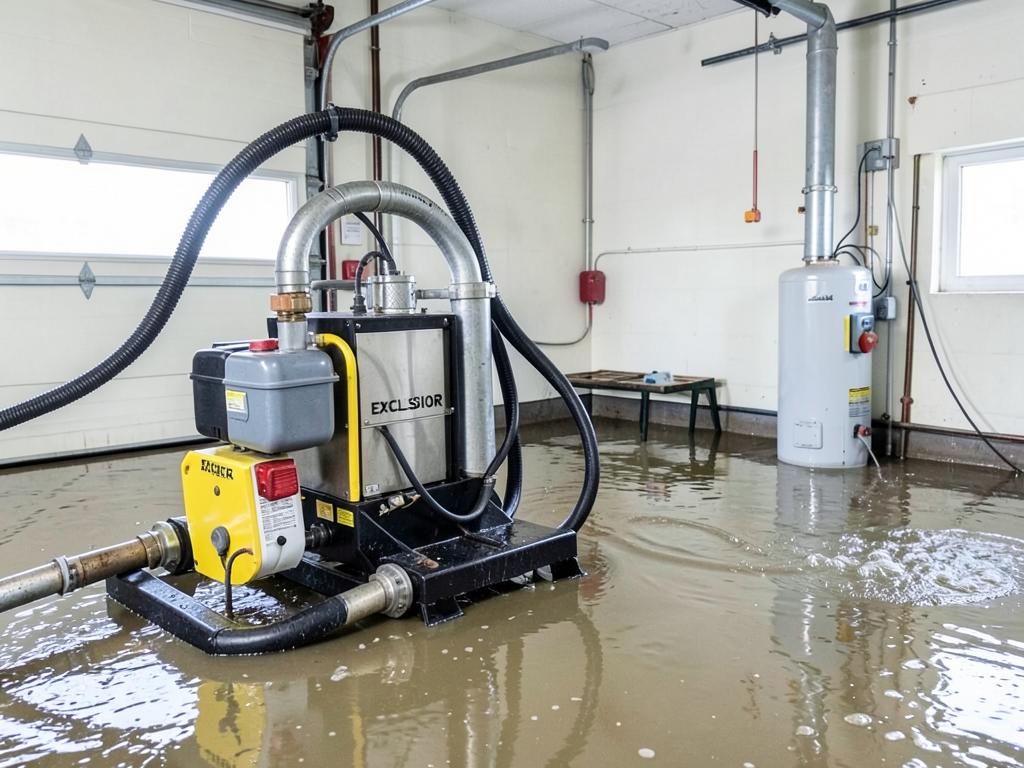
How to Handle a Burst Water Heater in Your Excelsior Garage or Basement
A burst water heater can flood your Excelsior garage or basement in minutes. Cold water rushes across the floor, soaking everything in its path. The smell of wet drywall and insulation fills the air. You hear the steady drip of water from the ceiling below. This is a plumbing emergency that demands quick action. Who to call for emergency water damage repair in San Francisco right now.
Excelsior homes often have water heaters in garages or basements where a sudden failure can cause major damage. Older galvanized pipes and hard San Francisco water accelerate corrosion inside the tank. When the tank finally ruptures, water pressure forces gallons of water through the breach. You need to act fast to stop the flooding and prevent mold growth. Fast water restoration services for SoMa businesses and tech offices.
First shut off the water supply to the heater using the cold water valve on top of the tank. If you have a gas heater, turn the gas valve to “off” and open windows for ventilation. For electric heaters, switch off the breaker at your electrical panel. These steps stop more water from entering the damaged tank. High-end water damage restoration for historic Pacific Heights estates.
Once the immediate flow stops, the real work begins. Standing water seeps into subfloors, drywall, and insulation. Within 24-48 hours, mold spores begin to grow in the damp environment. The restoration process involves water extraction, structural drying, and antimicrobial treatment to protect your home.. Read more about Professional Water Extraction for Flooded Underground Garages in Rincon Hill.
Immediate Steps: What to Do When Your Water Heater Bursts
When you discover a burst water heater, your priority is safety. Water and electricity create a deadly combination. Gas leaks pose another serious risk. Take these steps immediately:
- Shut off the cold water supply valve at the top of the heater
- Turn off the gas valve if you have a gas heater
- Switch off the electrical breaker for electric heaters
- Open windows to ventilate the area
- Remove any electrical devices from the wet area
- Call for professional help
Water from a burst heater can be Category 1 clean water initially. But if it sits for more than 48 hours, it becomes Category 2 gray water. This change happens because bacteria and mold begin to grow in the standing water. The longer you wait, the more contaminated the water becomes.
Excelsior homes built before 1980 often have aging plumbing systems. Galvanized steel pipes corrode from the inside out. Hard water in San Francisco accelerates this process. The sediment builds up at the bottom of the tank, creating hot spots that weaken the metal. Eventually, the tank fails under pressure.
How to Safely Shut Off Your Water and Gas Supply
Knowing how to shut off your utilities is crucial during a water heater emergency. PG&E requires all gas appliances to have accessible shut-off valves. The California Plumbing Code mandates that water heaters have a dedicated shut-off valve on the cold water inlet. PG&E safety guidelines.
For gas water heaters, locate the gas control valve on the front of the unit. Turn the valve clockwise until it stops. You should feel resistance when the valve closes completely. If you smell gas, evacuate immediately and call PG&E from outside your home.. Read more about Why Cow Hollow Homeowners Should Check for IICRC Certification Before Hiring a Water Restorer.
Electric water heaters use a double-pole breaker, typically rated for 30 amps. The breaker is usually labeled in your electrical panel. Flip the breaker to the “off” position. If you cannot identify the correct breaker, turn off the main breaker to cut power to the entire house.
The cold water shut-off valve is usually a gate valve or ball valve located on the pipe leading into the top of the heater. Turn the valve clockwise to close it. If the valve is stuck, do not force it. Call a professional plumber to avoid breaking the valve and causing more damage. Professional sewage cleanup and sanitization for Mission District basements.
Never attempt to repair a leaking water heater yourself. The combination of water, electricity, and sometimes gas creates dangerous conditions. Professional technicians have the training and equipment to handle these hazards safely.
Our San Francisco Water Damage Restoration Process
Professional water damage restoration follows industry standards set by the IICRC S500. This standard ensures proper drying and prevents secondary damage like mold growth. Our process addresses both visible water and hidden moisture that can cause problems later. IICRC S500 standards.
Water Extraction and Dehumidification
Extraction begins with powerful truck-mounted or portable extraction units. These machines can remove thousands of gallons of water per hour. We use specialized wands to extract water from carpets, padding, and hard-to-reach areas under cabinets and in wall cavities.
After extraction, we set up commercial-grade dehumidifiers and air movers. LGR (Low Grain Refrigerant) dehumidifiers can remove moisture from the air even when humidity is low. This prevents condensation on cool surfaces like concrete basement floors or metal pipes. How to handle basement flooding in San Francisco after a heavy rainstorm.
Moisture meters help us track drying progress. We take readings from multiple depths in walls, floors, and ceilings. The goal is to reduce moisture content to normal levels for your building materials. For Excelsior homes, this typically means reducing moisture in wood framing to below 16%.
Drying times vary based on several factors. Concrete subfloors in basements take longer to dry than wood subfloors. Cold San Francisco weather can slow the drying process. We monitor conditions daily and adjust our equipment placement for optimal results.. Read more about Determining if Your Sunnyside Subfloor Needs Replacement or Just Professional Drying.
Sanitation and Antimicrobial Treatments
Category 1 water from a burst heater becomes contaminated if left untreated. Bacteria multiply rapidly in warm, moist environments. We apply EPA-registered antimicrobial treatments to all affected surfaces. These treatments kill existing microorganisms and prevent new growth.
For basements and garages, we pay special attention to concrete surfaces. Concrete is porous and can harbor bacteria in its tiny capillaries. We use specialized cleaning agents that penetrate the concrete and sanitize deep within the material.
Affected drywall often needs removal. Water wicks up drywall at approximately one inch per hour. After several hours, water can reach several feet up the wall. We cut drywall at the flood line, typically 24 inches above the highest visible water mark.
Insulation in walls and ceilings absorbs water like a sponge. Wet insulation loses its R-value and becomes a breeding ground for mold. We remove and dispose of wet insulation according to San Francisco Department of Public Works guidelines.
Common Causes of Water Heater Failure in SF Homes
San Francisco’s unique conditions contribute to water heater problems. The city’s hard water contains high mineral content. These minerals settle at the bottom of the tank, creating an insulating layer that forces the burner to work harder. This accelerates tank deterioration.
Older Excelsior homes often have water heaters that are 15-20 years old. The average lifespan of a traditional tank heater is 8-12 years. Age alone makes these units prone to failure. The sacrificial anode rod, which protects the tank from corrosion, becomes depleted over time.
Temperature and pressure relief valves (T&P valves) prevent dangerous pressure buildup. If these valves fail, pressure can cause the tank to rupture. California code requires T&P valves to be tested annually, but many homeowners skip this maintenance step.
Seismic activity is another factor. San Francisco sits near several active fault lines. While modern water heaters must be strapped to wall studs for earthquake safety, older installations may lack this protection. During a quake, an unstrapped heater can tip over, damaging gas lines and causing fires.
Hard water also causes sediment buildup that creates hot spots on the tank bottom. These hot spots weaken the metal until it fails. You might hear popping or rumbling sounds from your heater as sediment interferes with heat transfer. This noise is often the first sign of impending failure.
Navigating Home Insurance Claims for Flood Damage
Most standard homeowners insurance policies cover sudden and accidental water heater failures. However, they typically exclude damage from gradual leaks or poor maintenance. The key is documenting the damage properly when you file your claim.
Insurance companies classify water damage into categories. Category 1 is clean water from a supply line. Category 2 is gray water with some contamination. Category 3 is black water with significant contamination. A burst heater usually starts as Category 1 but can become Category 2 if not addressed quickly.
When you call for professional restoration, we document everything for your insurance claim. We take moisture readings, photograph damage, and create detailed reports. This documentation proves the extent of damage and justifies the restoration work needed.
The California Department of Insurance requires insurers to respond to claims within 15 days. However, the actual payment process can take weeks. Professional restoration companies often work directly with insurance adjusters to streamline the process.
Some policies have specific exclusions for basement flooding. If your basement has a history of water problems, your insurer might deny coverage. That’s why proper waterproofing and maintenance are so important for Excelsior homeowners.
Keep all receipts related to emergency services and restoration. These costs are typically covered under your policy’s additional living expenses if you must temporarily relocate. Document any preventive measures you took, as this shows you maintained your property responsibly.
Why San Francisco Homeowners Trust Our Emergency Response
When water floods your home, you need help fast. Our team arrives within 60 minutes of your call. We bring industrial-grade equipment and IICRC-certified technicians who understand San Francisco’s unique building challenges.
Excelsior homes often have mixed-use spaces where living areas adjoin garages. Water from a garage heater can easily spread to finished spaces. We use thermal imaging cameras to detect hidden moisture in walls and ceilings before it causes secondary damage.
Our technicians understand local building codes. San Francisco requires permits for water heater replacements. We ensure all work complies with Title 24 energy standards and seismic safety requirements. This knowledge prevents costly mistakes during the restoration process.
We maintain relationships with local insurance adjusters who know our work quality. This familiarity helps expedite claims approval. Our detailed documentation meets insurance company requirements for proper claim processing.
Emergency services are available 24/7. Water damage doesn’t wait for business hours, and neither do we. Our dispatchers answer calls around the clock and send technicians immediately to your location.
We also provide reconstruction services to restore your home to its original condition. This includes drywall repair, painting, and flooring replacement. Working with one company for both restoration and reconstruction simplifies the process for homeowners.
Don’t let a burst water heater destroy your Excelsior home. Call (415) 449-6555 now for immediate emergency response. Every minute counts when water is flooding your property.
Preventing Future Water Heater Failures
Regular maintenance extends your water heater’s life and prevents costly failures. Drain and flush your tank annually to remove sediment buildup. Check the pressure relief valve monthly to ensure it operates correctly. Replace the anode rod every 3-5 years.
Install a water alarm near your heater. These devices detect leaks early and sound an alarm before major flooding occurs. Some smart home systems can send alerts to your phone when a leak is detected.
Consider upgrading to a tankless water heater. These units heat water on demand and have a longer lifespan than traditional tanks. They also take up less space in your garage or basement. While the upfront cost is higher, the long-term savings and reliability make them worthwhile for many homeowners.
Check your water pressure. Excessive pressure stresses your plumbing system and can cause premature failures. A pressure-reducing valve maintains safe pressure levels throughout your home.
Inspect your water heater monthly for signs of trouble. Look for rust, corrosion, or moisture around fittings. Listen for unusual sounds during operation. Address small problems before they become major failures.
Know the age of your water heater. The manufacturing date is usually on a label near the top of the unit. If your heater is over 10 years old, consider replacing it before it fails unexpectedly.
Understanding Your Restoration Options
Water damage restoration involves several phases. The emergency phase stops ongoing damage. The mitigation phase removes water and prevents further harm. The restoration phase returns your home to its pre-loss condition.
Category 1 water from a clean source like a burst heater requires less extensive treatment than contaminated water. However, even clean water can cause significant damage if not addressed quickly. Wood flooring can warp, drywall can crumble, and mold can begin growing within 24-48 hours.
Professional restoration companies use specialized equipment that homeowners cannot rent at local stores. Industrial air movers create high-velocity airflow that speeds evaporation. Commercial dehumidifiers remove moisture more effectively than household units. Moisture meters detect hidden dampness that visual inspection cannot reveal.
The restoration timeline depends on several factors. The extent of flooding, the types of materials affected, and environmental conditions all impact drying time. A typical water heater flood in a garage might take 3-5 days to dry completely. More extensive damage could require weeks of work.
Always verify that your restoration company is properly licensed and certified. In California, contractors must hold a C-36 plumbing license for water-related work. IICRC certification ensures technicians follow industry best practices for water damage restoration.
Ask about the company’s insurance coverage. Professional restoration companies carry liability insurance and workers’ compensation. This protects you from liability if someone is injured while working on your property.
Environmental Considerations in Water Damage Restoration
Modern restoration practices emphasize environmental responsibility. We use EPA-registered antimicrobial treatments that are effective yet environmentally safe. Our equipment is energy-efficient, reducing the carbon footprint of the drying process.
San Francisco has strict regulations for construction waste disposal. We follow all local guidelines for disposing of water-damaged materials. Many items like drywall and insulation can be recycled rather than sent to landfills.
Water conservation is another priority. While we use large volumes of water for cleaning, we capture and properly dispose of all wastewater. This prevents contaminated water from entering the storm drain system.
Some restoration companies now offer green cleaning options. These use plant-based cleaners instead of harsh chemicals. While they may cost slightly more, they’re safer for families with chemical sensitivities or environmental concerns.
The restoration industry continues to evolve with new technologies. UV light treatment can sanitize surfaces without chemicals. Desiccant dehumidifiers work well in cold conditions where traditional units struggle. These innovations allow us to restore your home more effectively while minimizing environmental impact.
Local Building Considerations for Excelsior Homes
Excelsior homes reflect San Francisco’s architectural history. Many were built in the early 1900s with balloon-frame construction. This building method creates continuous wall cavities that can channel water upward during a flood. Understanding these structural characteristics helps us plan effective restoration.
The neighborhood’s elevation varies significantly. Some homes sit on hillsides where water flows differently than on flat lots. We account for these topographical factors when positioning equipment and planning the restoration approach.
Older homes may have asbestos-containing materials or lead-based paint. California law requires special handling of these materials during restoration work. Our technicians are trained in proper containment and disposal procedures to protect your family’s health.
Many Excelsior garages have concrete floors that were never sealed. Unsealed concrete absorbs water readily and releases it slowly. This extends drying times and can cause moisture problems long after the visible water is gone.
Electrical systems in older homes may not meet current codes. We identify and address potential electrical hazards during the restoration process. This includes checking for GFCI protection in areas where water was present.
San Francisco’s building department requires permits for many restoration activities. We handle all permitting requirements, ensuring your project complies with local regulations. This prevents delays and potential fines from unpermitted work.
Frequently Asked Questions
How long does water damage restoration take after a burst water heater?
The initial water extraction takes 1-2 days. Complete drying typically requires 3-5 days for moderate damage. Extensive damage affecting walls, ceilings, or multiple rooms may take 1-2 weeks. Reconstruction adds additional time depending on the scope of repairs needed.
Will my insurance cover water heater flood damage?
Most standard homeowners policies cover sudden and accidental water heater failures. However, they typically exclude damage from gradual leaks or lack of maintenance. Check your policy details or contact your insurance agent to understand your specific coverage.
Can I stay in my home during the restoration process?
This depends on the extent of damage. If only your garage or basement is affected, you can usually remain in your home. However, if water has spread to living areas or electrical systems are compromised, temporary relocation may be necessary for safety.
How can I prevent my water heater from bursting?
Regular maintenance is key. Drain and flush the tank annually to remove sediment. Check the pressure relief valve monthly. Replace the anode rod every 3-5 years. Consider replacing units over 10 years old before they fail. Install a water alarm to detect leaks early.
What should I do if I smell gas when my water heater leaks?
Evacuate immediately. Do not turn on lights, use phones, or create any sparks. Once outside, call 911 and PG&E from a safe location. Gas leaks are extremely dangerous and require immediate professional attention.
How much does professional water damage restoration cost?
Costs vary based on damage extent, but a typical water heater flood in a garage might cost $2,000-$5,000 for complete restoration. Insurance often covers these costs for sudden, accidental damage. We provide detailed estimates before beginning any work.
Is mold a concern after a water heater flood?
Yes, mold can begin growing within 24-48 hours in moist environments. Professional restoration includes antimicrobial treatments and thorough drying to prevent mold growth. If mold has already started, we provide complete remediation services to remove it safely.
Do I need permits for water heater replacement in San Francisco?
Yes, San Francisco requires permits for water heater replacements. The work must comply with Title 24 energy standards and seismic safety requirements. Professional contractors handle permitting as part of the replacement process.
Water damage waits for no one. When your Excelsior water heater bursts, every minute matters. Call (415) 449-6555 right now for emergency response. Our certified technicians are ready to protect your home 24/7.
{
“@context”: “https://schema.org”,
“@type”: “BlogPosting”,
“headline”: “How to Handle a Burst Water Heater in Your Excelsior Garage or Basement”,
“description”: “Burst water heater flooding your Excelsior basement? Learn immediate shut-off steps, cleanup process, and how to protect your San Francisco home from water damage.”,
“wordCount”: 3036,
“datePublished”: “2026-04-07T09:58:00.000Z”,
“dateModified”: “2026-04-07T09:58:00.000Z”,
“inLanguage”: “en-US”,
“mainEntityOfPage”: {
“@type”: “WebPage”,
“@id”: “https://summitwaterdamagerestorationsanfrancisco.com”
},
“publisher”: {
“@type”: “LocalBusiness”,
“name”: “Summit Water Damage Restoration San Francisco”,
“url”: “https://summitwaterdamagerestorationsanfrancisco.com”
},
“author”: {
“@type”: “Organization”,
“name”: “Summit Water Damage Restoration San Francisco”,
“url”: “https://summitwaterdamagerestorationsanfrancisco.com”
},
“image”: {
“@type”: “ImageObject”,
“url”: “https://summitwaterdamagerestorationsanfrancisco.com/wp-content/uploads/2026/03/how-to-handle-a-burst-water-heater-in-your-excelsi-1.png”
}
}
{
“@context”: “https://schema.org”,
“@type”: “LocalBusiness”,
“name”: “Summit Water Damage Restoration San Francisco”,
“url”: “https://summitwaterdamagerestorationsanfrancisco.com”,
“address”: {
“@type”: “PostalAddress”,
“addressLocality”: “San Francisco”
},
“areaServed”: {
“@type”: “City”,
“name”: “San Francisco”
}
}
{
“@context”: “https://schema.org”,
“@type”: “FAQPage”,
“mainEntity”: [
{
“@type”: “Question”,
“name”: “How long does water damage restoration take after a burst water heater?”,
“acceptedAnswer”: {
“@type”: “Answer”,
“text”: “The initial water extraction takes 1-2 days. Complete drying typically requires 3-5 days for moderate damage. Extensive damage affecting walls, ceilings, or multiple rooms may take 1-2 weeks. Reconstruction adds additional time depending on the scope of repairs needed.”
}
},
{
“@type”: “Question”,
“name”: “Will my insurance cover water heater flood damage?”,
“acceptedAnswer”: {
“@type”: “Answer”,
“text”: “Most standard homeowners policies cover sudden and accidental water heater failures. However, they typically exclude damage from gradual leaks or lack of maintenance. Check your policy details or contact your insurance agent to understand your specific coverage.”
}
},
{
“@type”: “Question”,
“name”: “Can I stay in my home during the restoration process?”,
“acceptedAnswer”: {
“@type”: “Answer”,
“text”: “This depends on the extent of damage. If only your garage or basement is affected, you can usually remain in your home. However, if water has spread to living areas or electrical systems are compromised, temporary relocation may be necessary for safety.”
}
},
{
“@type”: “Question”,
“name”: “How can I prevent my water heater from bursting?”,
“acceptedAnswer”: {
“@type”: “Answer”,
“text”: “Regular maintenance is key. Drain and flush the tank annually to remove sediment. Check the pressure relief valve monthly. Replace the anode rod every 3-5 years. Consider replacing units over 10 years old before they fail. Install a water alarm to detect leaks early.”
}
},
{
“@type”: “Question”,
“name”: “What should I do if I smell gas when my water heater leaks?”,
“acceptedAnswer”: {
“@type”: “Answer”,
“text”: “Evacuate immediately. Do not turn on lights, use phones, or create any sparks. Once outside, call 911 and PG&E from a safe location. Gas leaks are extremely dangerous and require immediate professional attention.”
}
},
{
“@type”: “Question”,
“name”: “How much does professional water damage restoration cost?”,
“acceptedAnswer”: {
“@type”: “Answer”,
“text”: “Costs vary based on damage extent, but a typical water heater flood in a garage might cost $2,000-$5,000 for complete restoration. Insurance often covers these costs for sudden, accidental damage. We provide detailed estimates before beginning any work.”
}
},
{
“@type”: “Question”,
“name”: “Is mold a concern after a water heater flood?”,
“acceptedAnswer”: {
“@type”: “Answer”,
“text”: “Yes, mold can begin growing within 24-48 hours in moist environments. Professional restoration includes antimicrobial treatments and thorough drying to prevent mold growth. If mold has already started, we provide complete remediation services to remove it safely.”
}
},
{
“@type”: “Question”,
“name”: “Do I need permits for water heater replacement in San Francisco?”,
“acceptedAnswer”: {
“@type”: “Answer”,
“text”: “Yes, San Francisco requires permits for water heater replacements. The work must comply with Title 24 energy standards and seismic safety requirements. Professional contractors handle permitting as part of the replacement process.”
}
}
]
}
{
“@context”: “https://schema.org”,
“@type”: “BreadcrumbList”,
“itemListElement”: [
{
“@type”: “ListItem”,
“position”: 1,
“name”: “Home”,
“item”: “https://summitwaterdamagerestorationsanfrancisco.com”
},
{
“@type”: “ListItem”,
“position”: 2,
“name”: “Blog”,
“item”: “https://summitwaterdamagerestorationsanfrancisco.com/blog”
},
{
“@type”: “ListItem”,
“position”: 3,
“name”: “How to Handle a Burst Water Heater in Your Excelsior Garage or Basement”
}
]
}
{
“@context”: “https://schema.org”,
“@type”: “Service”,
“serviceType”: “Water Damage Restoration”,
“provider”: {
“@type”: “LocalBusiness”,
“name”: “Summit Water Damage Restoration San Francisco”,
“url”: “https://summitwaterdamagerestorationsanfrancisco.com”
},
“areaServed”: {
“@type”: “City”,
“name”: “San Francisco”
},
“description”: “Burst water heater flooding your Excelsior basement? Learn immediate shut-off steps, cleanup process, and how to protect your San Francisco home from water damage.”
}