
The Real Reason You Should Never Use Bleach to Kill Mold in Your Apartment
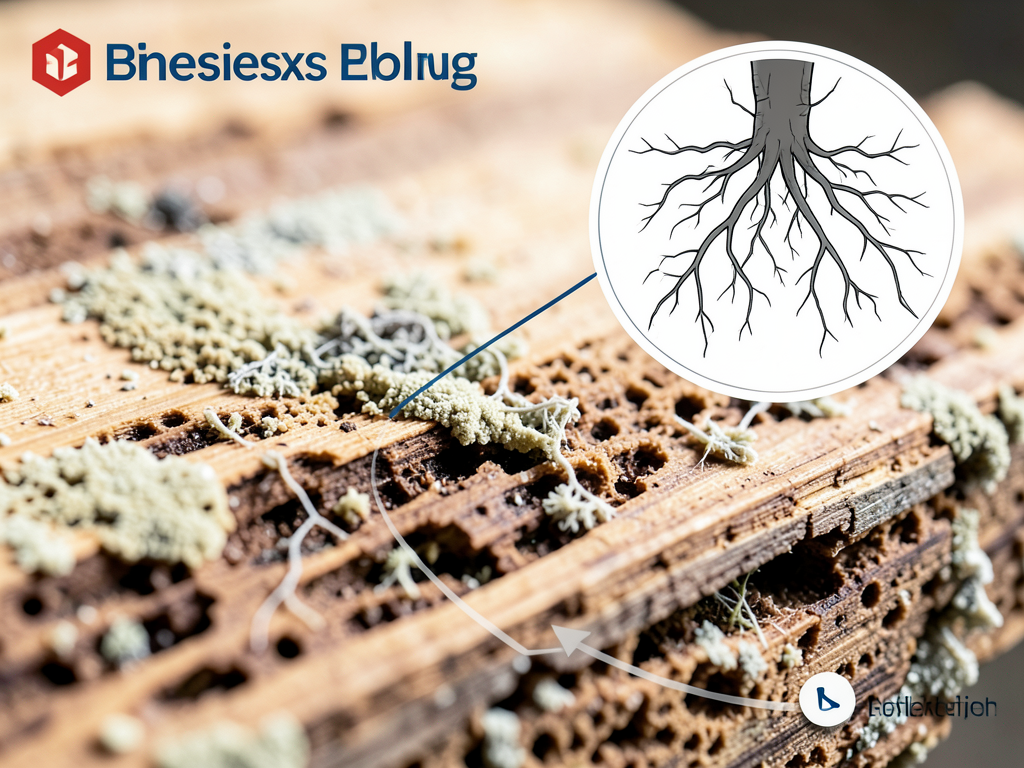
Using bleach to kill mold is one of the most common mistakes San Francisco homeowners make. The chlorine in bleach stays on the surface while the water penetrates deep into porous materials like drywall and wood. This water actually feeds the mold roots called hyphae allowing them to grow back stronger and faster. What you see disappearing is just the surface staining not the living organism underneath. Who to call for emergency water damage repair in San Francisco right now.
Why Bleach Fails on Porous Surfaces
Most San Francisco apartments and homes contain materials that are highly porous. Victorian-era wood framing common in the Haight-Ashbury and Mission districts absorbs liquids like a sponge. When you spray bleach on moldy drywall the sodium hypochlorite cannot penetrate deeply enough to reach the mold roots. The water component however travels through the material feeding the mold from within. This creates a perfect environment for rapid regrowth often within days of treatment. Fast water restoration services for SoMa businesses and tech offices.
The science is simple. Bleach is 90% water. The chlorine evaporates quickly leaving behind moisture that mold needs to survive. In San Francisco’s marine climate with average humidity levels around 75% this problem becomes even worse. The persistent fog and moisture in the air mean surfaces stay damp longer creating ideal conditions for mold to thrive after bleach treatment. High-end water damage restoration for historic Pacific Heights estates.

The Dangers of Using Bleach for Mold Remediation
Beyond being ineffective bleach creates several serious health hazards. When mixed with other common household cleaners found in San Francisco homes bleach can produce toxic chlorine gas. Many people unknowingly combine bleach with vinegar or ammonia creating dangerous chemical reactions. The fumes from bleach alone can trigger asthma attacks and respiratory distress especially in children and elderly residents.
Professional mold remediators follow EPA guidelines which specifically warn against using bleach on porous surfaces. The EPA states that bleach can actually make mold problems worse by adding moisture to the affected area. Instead they recommend using EPA-registered fungicides that are designed to penetrate porous materials and kill mold at the root level without adding excess moisture. EPA Mold Guidelines.
San Francisco’s Climate and Mold Growth
San Francisco’s unique microclimate creates perfect conditions for mold growth year-round. The marine layer brings high humidity levels averaging 75% throughout the year. This constant moisture combined with temperature fluctuations causes condensation on windows walls and pipes especially in older buildings. Victorian homes in Pacific Heights and Edwardian flats in the Castro often have poor ventilation systems that trap moisture inside creating mold breeding grounds.
The San Francisco Department of Public Health Article 11 requires landlords to maintain habitable conditions including addressing mold growth. However many property owners still reach for bleach as a quick fix not realizing it violates these health codes by potentially making the problem worse. The city’s building code also requires proper moisture barriers in new construction to prevent mold growth which many older buildings lack.
EPA-Approved Alternatives and Professional Standards
Professional mold remediation follows the IICRC S520 standard which specifically prohibits bleach use on porous materials. Instead certified technicians use HEPA vacuuming to remove visible mold then apply EPA-registered antimicrobials that kill mold without adding moisture. These products contain active ingredients like hydrogen peroxide or quaternary ammonium compounds that penetrate porous surfaces safely. IICRC S520 Standard.
The remediation process includes containing the affected area with plastic sheeting to prevent spore spread. Technicians wear N95 respirators and protective suits following OSHA safety standards. They use moisture meters to detect hidden water sources that feed mold growth. Simply killing visible mold without addressing the moisture source guarantees the problem returns within weeks. Water Damage Restoration Oakland.
When to Call a San Francisco Water Damage Expert
The EPA recommends calling professionals when mold covers more than 10 square feet or when you suspect hidden mold behind walls or under floors. In San Francisco’s older buildings mold often grows in wall cavities where plumbing leaks go undetected for months. The musty odor is usually the first sign of hidden mold growth. Professional sewage cleanup and sanitization for Mission District basements.
Summit Water Damage Restoration San Francisco offers 24/7 emergency response for mold issues. Our certified technicians use thermal imaging cameras to detect moisture behind walls without destructive testing. We follow San Francisco building codes and EPA guidelines to ensure safe effective mold removal. Call (415) 449-6555 today to schedule your inspection before the problem spreads further.
- Containment Setup
Install plastic barriers and negative air pressure to prevent spore spread to other areas of the home.
- HEPA Filtration
Use commercial-grade HEPA air scrubbers to capture airborne mold spores during removal.
- Removal of Affected Materials
Carefully remove and dispose of porous materials that cannot be salvaged like drywall and insulation.
- Antimicrobial Treatment
Apply EPA-registered fungicides to remaining surfaces to kill any remaining mold roots.
- Drying and Restoration
Use industrial dehumidifiers and air movers to ensure complete drying before reconstruction.
Comparing Mold Treatment Options
| Treatment Method | Effectiveness on Porous Surfaces | Moisture Added | EPA Approved | Cost Range |
|---|---|---|---|---|
| Bleach Solution | Low – only surface cleaning | High – 90% water | No | $5-15 per application |
| White Vinegar | Moderate – some penetration | Low – evaporates quickly | Yes | $3-8 per application |
| Hydrogen Peroxide | High – good penetration | Low – breaks down to water | Yes | $8-20 per application |
| Professional Antimicrobials | Very High – deep penetration | None – moisture-free formula | Yes | $200-500 per treatment area |
Frequently Asked Questions
Does bleach kill black mold?
Bleach only kills surface mold on non-porous materials. Black mold Stachybotrys chartarum grows deep roots in porous materials. The bleach removes the visible staining but the roots remain alive and will regrow within days especially in San Francisco’s humid climate.
How long does it take for mold to grow back after using bleach?
Mold can begin regrowing within 24-48 hours after bleach treatment. The water in bleach penetrates porous materials creating perfect conditions for rapid mold regrowth. In San Francisco’s cool damp environment this process happens even faster than in drier climates.
What is the safest way to clean small mold spots?
For small areas under 10 square feet white vinegar or hydrogen peroxide work better than bleach. These options kill mold without adding excess moisture. Always wear gloves and a mask when cleaning mold and ensure good ventilation. For recurring mold or larger areas call a professional.
Can I paint over mold after using bleach?
No. Painting over mold even after bleach treatment traps moisture and spores behind the paint. The mold will continue growing and eventually show through the paint. Professional remediation includes proper cleaning drying and mold-resistant primer before painting.
Don’t let bleach make your mold problem worse. Pick up the phone and call (415) 449-6555 before the next storm hits. Our certified technicians will properly assess your mold situation and provide effective solutions that actually work in San Francisco’s unique climate.
{
“@context”: “https://schema.org”,
“@type”: “BlogPosting”,
“headline”: “The Real Reason You Should Never Use Bleach to Kill Mold in Your Apartment”,
“description”: “Bleach fails on porous surfaces and can make mold worse. Learn why EPA-approved methods work better in San Francisco’s humid climate.”,
“wordCount”: 1167,
“datePublished”: “2026-03-31T06:34:00.000Z”,
“dateModified”: “2026-03-31T06:34:00.000Z”,
“inLanguage”: “en-US”,
“mainEntityOfPage”: {
“@type”: “WebPage”,
“@id”: “https://summitwaterdamagerestorationsanfrancisco.com”
},
“publisher”: {
“@type”: “LocalBusiness”,
“name”: “Summit Water Damage Restoration San Francisco”,
“url”: “https://summitwaterdamagerestorationsanfrancisco.com”
},
“author”: {
“@type”: “Organization”,
“name”: “Summit Water Damage Restoration San Francisco”,
“url”: “https://summitwaterdamagerestorationsanfrancisco.com”
},
“image”: {
“@type”: “ImageObject”,
“url”: “https://summitwaterdamagerestorationsanfrancisco.com/wp-content/uploads/2026/03/the-real-reason-you-should-never-use-bleach-to-kil-1.png”
}
}
{
“@context”: “https://schema.org”,
“@type”: “LocalBusiness”,
“name”: “Summit Water Damage Restoration San Francisco”,
“url”: “https://summitwaterdamagerestorationsanfrancisco.com”,
“address”: {
“@type”: “PostalAddress”,
“addressLocality”: “San Francisco”
},
“areaServed”: {
“@type”: “City”,
“name”: “San Francisco”
}
}
{
“@context”: “https://schema.org”,
“@type”: “FAQPage”,
“mainEntity”: [
{
“@type”: “Question”,
“name”: “Does bleach kill black mold?”,
“acceptedAnswer”: {
“@type”: “Answer”,
“text”: “Bleach only kills surface mold on non-porous materials. Black mold Stachybotrys chartarum grows deep roots in porous materials. The bleach removes the visible staining but the roots remain alive and will regrow within days especially in San Francisco’s humid climate.”
}
},
{
“@type”: “Question”,
“name”: “How long does it take for mold to grow back after using bleach?”,
“acceptedAnswer”: {
“@type”: “Answer”,
“text”: “Mold can begin regrowing within 24-48 hours after bleach treatment. The water in bleach penetrates porous materials creating perfect conditions for rapid mold regrowth. In San Francisco’s cool damp environment this process happens even faster than in drier climates.”
}
},
{
“@type”: “Question”,
“name”: “What is the safest way to clean small mold spots?”,
“acceptedAnswer”: {
“@type”: “Answer”,
“text”: “For small areas under 10 square feet white vinegar or hydrogen peroxide work better than bleach. These options kill mold without adding excess moisture. Always wear gloves and a mask when cleaning mold and ensure good ventilation. For recurring mold or larger areas call a professional.”
}
},
{
“@type”: “Question”,
“name”: “Can I paint over mold after using bleach?”,
“acceptedAnswer”: {
“@type”: “Answer”,
“text”: “No. Painting over mold even after bleach treatment traps moisture and spores behind the paint. The mold will continue growing and eventually show through the paint. Professional remediation includes proper cleaning drying and mold-resistant primer before painting.”
}
}
]
}
{
“@context”: “https://schema.org”,
“@type”: “BreadcrumbList”,
“itemListElement”: [
{
“@type”: “ListItem”,
“position”: 1,
“name”: “Home”,
“item”: “https://summitwaterdamagerestorationsanfrancisco.com”
},
{
“@type”: “ListItem”,
“position”: 2,
“name”: “Blog”,
“item”: “https://summitwaterdamagerestorationsanfrancisco.com/blog”
},
{
“@type”: “ListItem”,
“position”: 3,
“name”: “The Real Reason You Should Never Use Bleach to Kill Mold in Your Apartment”
}
]
}
{
“@context”: “https://schema.org”,
“@type”: “Service”,
“serviceType”: “Water Damage Restoration”,
“provider”: {
“@type”: “LocalBusiness”,
“name”: “Summit Water Damage Restoration San Francisco”,
“url”: “https://summitwaterdamagerestorationsanfrancisco.com”
},
“areaServed”: {
“@type”: “City”,
“name”: “San Francisco”
},
“description”: “Bleach fails on porous surfaces and can make mold worse. Learn why EPA-approved methods work better in San Francisco’s humid climate.”
}