
Why a Professional Moisture Survey Is Essential Before Selling Your San Francisco Property
Selling a home in San Francisco requires more than just staging and pricing. Before you list your property, a professional moisture survey can uncover hidden water damage that could derail your sale or leave you vulnerable to future liability. San Francisco’s unique climate, with persistent fog and seasonal rains, creates conditions where moisture problems often hide behind walls, under floors, or in crawl spaces. A comprehensive moisture inspection provides the documentation buyers and their agents need to move forward with confidence. San Francisco Building Code requirements.
Many sellers discover too late that a small leak or damp spot can trigger major repair negotiations during escrow. By identifying and addressing moisture issues upfront, you protect your sale price, avoid last-minute credits, and ensure compliance with California’s strict disclosure requirements. A professional moisture survey is not just a precaution—it’s a strategic move that can save you thousands of dollars and weeks of stress during the selling process. Professional sewage cleanup and sanitization for Mission District basements.
Understanding San Francisco’s Moisture Challenges
San Francisco’s coastal location creates a perfect storm for moisture-related problems. The city’s average relative humidity hovers around 70%, with coastal neighborhoods like the Outer Sunset and Richmond District experiencing even higher levels due to ocean proximity. These conditions, combined with the city’s historic architecture, create unique vulnerabilities that generic home inspections often miss.. Read more about Why Store Bought Moisture Meters Often Fail Stonestown Homeowners After a Leak.
Victorian and Edwardian homes, which make up a significant portion of San Francisco’s housing stock, were built before modern moisture barriers and vapor retarders became standard. Many of these homes feature original wood framing, lath and plaster walls, and aging galvanized plumbing systems that are prone to slow leaks and condensation buildup. The city’s hilly terrain also creates drainage challenges, with properties in areas like Noe Valley and Bernal Heights experiencing hydrostatic pressure against foundation walls during heavy rains.. Read more about Waterproofing Challenges for Mid Century Modern Homes in Diamond Heights.
San Francisco’s building code recognizes these risks. The San Francisco Building Code Section 1203.3 requires proper moisture control in all new construction and major renovations, but many older homes lack these modern protections. A professional moisture survey identifies these code compliance gaps before they become deal-breakers during the selling process.. Read more about Understanding Why Professional Grade LGR Dehumidifiers Are Necessary for Anza Vista Basements.
What a Professional Moisture Survey Actually Detects
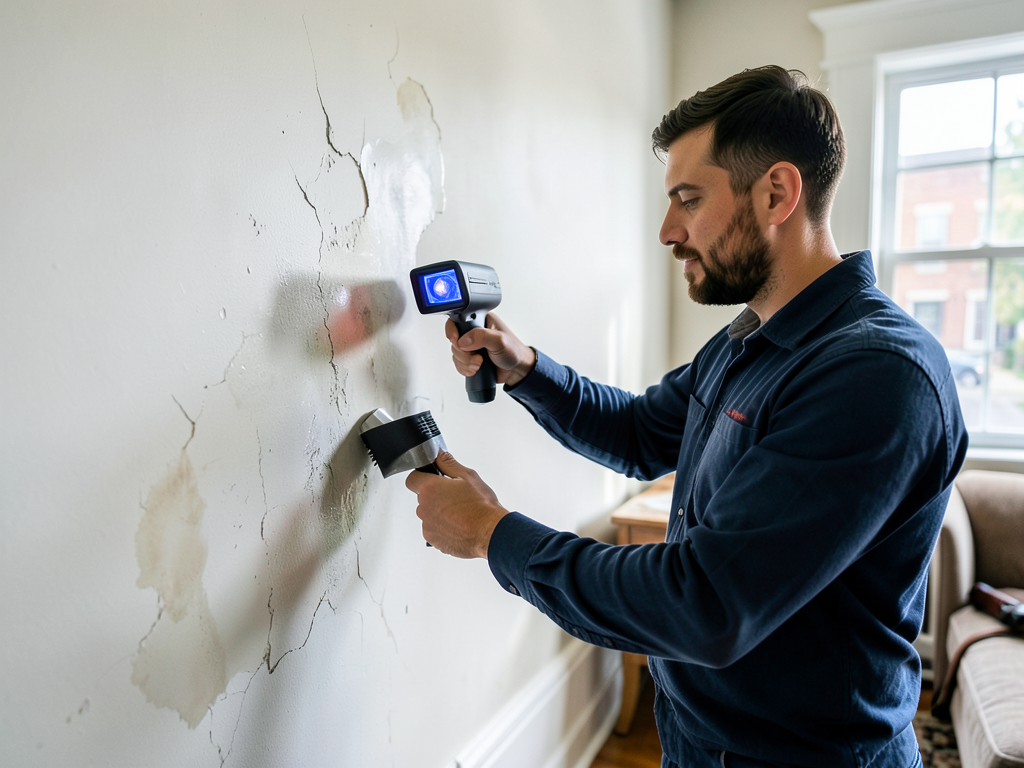
A professional moisture survey goes far beyond what a standard home inspector can provide. Using specialized equipment including infrared thermal imaging cameras, pin-type and pinless moisture meters, and hygrometers, trained technicians can detect moisture in areas invisible to the naked eye. These tools can identify water intrusion behind finished walls, under flooring, and in ceiling cavities where traditional visual inspections fail. Who to call for emergency water damage repair in San Francisco right now.
The process typically includes a 50-point inspection covering all critical areas of the property. Technicians measure moisture content in wood framing, check for condensation on windows and pipes, inspect crawl spaces and basements for groundwater intrusion, and evaluate roof penetrations and flashing for potential leak sources. In San Francisco’s climate, special attention is paid to areas where fog and humidity create condensation problems, such as poorly ventilated attic spaces and exterior walls facing the ocean. Fast water restoration services for SoMa businesses and tech offices.
Thermal imaging reveals temperature differences that indicate moisture presence. A damp wall will appear cooler than surrounding dry areas because evaporation creates a cooling effect. This technology can detect active leaks before they cause visible damage, potentially saving thousands in repair costs. The survey also includes testing for elevated humidity levels that could indicate ventilation problems or ongoing moisture sources.
California Disclosure Laws and Your Protection
California law requires sellers to disclose known material defects, including water damage and moisture problems. The Transfer Disclosure Statement (TDS) asks specific questions about leaks, flooding, and moisture intrusion that have occurred in the past three years. A professional moisture survey provides documented evidence of the property’s condition at the time of sale, protecting you from future claims if issues arise after closing. High-end water damage restoration for historic Pacific Heights estates.
According to California Civil Code Section 1102, sellers must disclose all known material facts that could affect the property’s value or desirability. This includes not just active leaks but also evidence of past water damage, even if repaired. A pre-sale moisture survey creates a baseline report showing the property’s condition, which can be invaluable if a buyer later claims undisclosed problems existed before the sale.
The survey also helps you comply with San Francisco’s specific requirements for older buildings. Many properties in historic districts require special permits for moisture mitigation work, and a professional survey identifies these needs before you list. This preparation prevents delays during escrow when buyers’ inspectors discover issues that require city approval for repairs.
Common Moisture Problem Areas in San Francisco Homes
San Francisco’s architecture creates specific moisture vulnerabilities that vary by neighborhood and building type. In the Sunset District and Richmond, homes built on sand dunes often experience foundation moisture issues due to the area’s high water table and poor drainage. These properties frequently develop basement dampness or crawl space moisture that can lead to mold growth and structural damage. How to handle basement flooding in San Francisco after a heavy rainstorm.
Victorian homes throughout the city often have original plumbing systems with galvanized steel pipes that corrode from the inside out. These pipes can develop slow leaks behind walls for years before causing visible damage. A moisture survey can detect these hidden leaks using acoustic listening devices and thermal imaging before they create major repair needs.
Properties in the Marina District face unique challenges due to the area’s former marshland composition. Many homes here experience soil settlement and drainage problems that create hydrostatic pressure against foundation walls. Combined with the area’s proximity to the bay, this creates conditions where moisture can penetrate basement walls even during normal weather conditions.
Modern high-rise condominiums in areas like SoMa and the Financial District have different vulnerabilities. These buildings often experience HVAC-related moisture problems, with condensation forming on chilled water pipes or in air handling units. A professional survey includes checking these mechanical systems for moisture that could lead to mold growth in concealed spaces.
The Cost-Benefit Analysis of Pre-Sale Moisture Inspection
The cost of a professional moisture survey typically ranges from $400 to $800 for a standard single-family home in San Francisco, depending on the property size and age. While this represents an upfront expense, the potential savings far outweigh the cost. A single undetected moisture problem discovered during buyer inspections can lead to repair demands of $5,000 to $15,000 or more, plus the cost of price reductions or credits to close the deal.
Consider the timeline impact as well. Properties with moisture issues often take 30 to 60 days longer to sell as buyers negotiate repairs or walk away from problematic deals. In San Francisco’s competitive market, this delay can mean missing peak selling seasons or watching interest rates rise during your listing period. A clean moisture report allows you to market your property as move-in ready, attracting serious buyers willing to pay premium prices.
Insurance considerations also factor into the equation. Properties with documented moisture history often face higher insurance premiums or coverage limitations. By addressing issues before listing, you can provide buyers with clean insurance quotes and avoid the complications that arise when moisture problems surface during the underwriting process.
Advanced Technology: How We Find Hidden Moisture
Professional moisture detection relies on several sophisticated technologies that work together to create a complete picture of a property’s moisture condition. Infrared thermal imaging cameras detect temperature variations as small as 0.1 degrees Fahrenheit, revealing moisture patterns invisible to the human eye. These cameras can scan entire walls in minutes, identifying areas where water intrusion has occurred without any destructive testing.
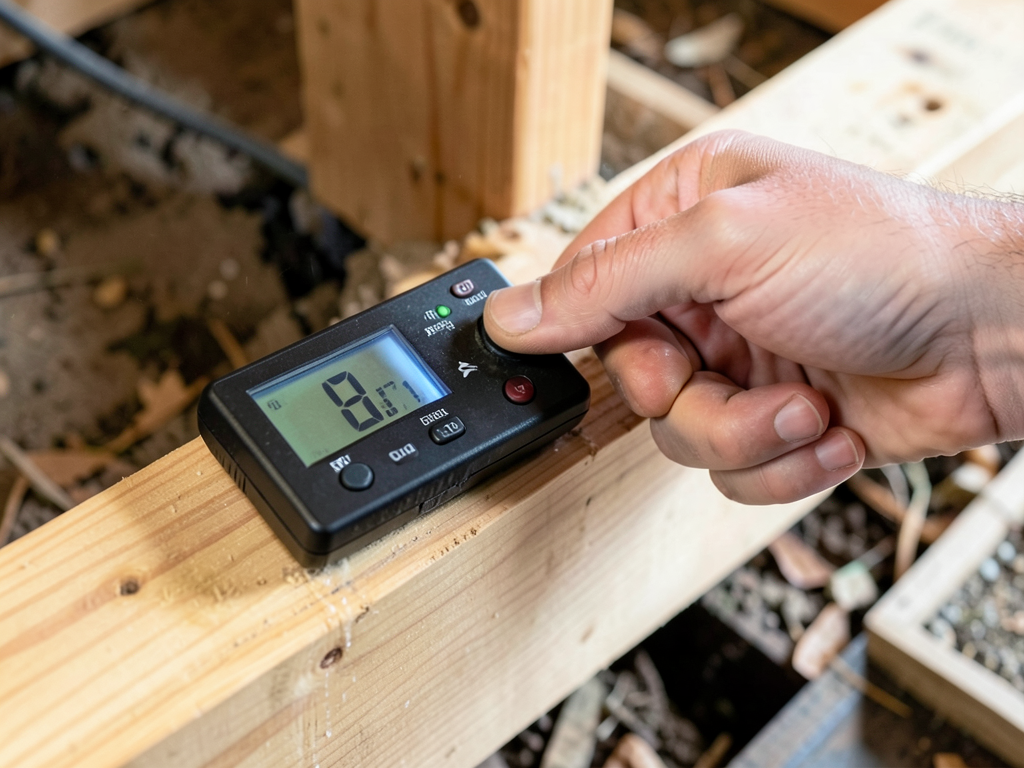
Pin-type moisture meters measure electrical resistance in wood and other porous materials to determine moisture content percentage. These readings are compared against baseline moisture levels for the specific material and local climate conditions. In San Francisco, normal wood moisture content typically ranges from 9% to 13%, with readings above 15% indicating potential problems requiring further investigation.
Pinless moisture meters use electromagnetic signals to scan materials without creating holes or marks. These are particularly useful for finished surfaces where destructive testing would be inappropriate. The technology can penetrate up to 1.5 inches into materials, providing quick scans of large areas to identify moisture patterns that warrant closer examination with other tools.
Delmhorst and Protimeter brand meters are industry standards, with accuracy ratings of ±1% for wood moisture content. Professional technicians calibrate these instruments for local conditions and building materials common in San Francisco, ensuring reliable readings that hold up to scrutiny during real estate transactions.
What the Final Moisture Report Includes
A professional moisture survey report provides comprehensive documentation that serves multiple purposes during the selling process. The report includes detailed floor plans showing moisture measurement locations, infrared images highlighting problem areas, and specific moisture content readings for all tested materials. Each finding is categorized by severity level, from normal moisture content to active water intrusion requiring immediate attention.
The documentation also includes recommendations for any necessary remediation work, prioritized by urgency and cost. This allows sellers to make informed decisions about which repairs to complete before listing versus which issues to disclose and potentially address through escrow credits. The report typically includes cost estimates for recommended repairs, helping you budget for any necessary work.
Most importantly, the report provides legal protection through its professional certification. The moisture surveyor’s license number, insurance information, and certification credentials are included, along with a statement of limitations and scope of work. This documentation satisfies due diligence requirements for both real estate agents and buyer’s inspectors, reducing the likelihood of deal-killing discoveries during the transaction process.
Timing Your Moisture Survey for Maximum Benefit
The optimal timing for a moisture survey depends on your selling timeline and the property’s condition. For homes that have experienced past water damage or are located in high-risk areas, conducting the survey 60 to 90 days before listing provides ample time to address any issues discovered. This timeline allows for permit acquisition, contractor scheduling, and proper drying time for any remediation work.
If your property is in excellent condition and located in a low-risk area, a survey conducted 30 days before listing may be sufficient. This timing ensures the report is current while still providing documentation for your disclosure statement. For properties in historic districts or those with known plumbing issues, earlier testing is advisable to accommodate potential repair complexities.
Weather considerations also affect timing. Conducting surveys during San Francisco’s dry season (typically May through October) provides the most accurate baseline readings, as seasonal moisture variations can affect test results. However, testing during the rainy season can reveal active leaks that might not be apparent during dry conditions, providing a more comprehensive assessment of the property’s moisture resistance.
Choosing the Right Moisture Inspection Professional
Not all moisture inspection services are created equal. Look for companies with specific experience in San Francisco’s unique building types and climate conditions. Certified moisture inspectors should hold credentials from organizations like the International Association of Certified Home Inspectors (InterNACHI) or have specialized training in building science and moisture detection technology.
Experience with local architecture is crucial. A technician familiar with Victorian construction methods will know where to look for common failure points like failing roof flashing, deteriorated window sills, and compromised foundation mortar joints. They should also understand how San Francisco’s building age affects moisture vulnerability, with homes built before 1940 requiring different inspection approaches than post-war construction.
Professional liability insurance and proper licensing are non-negotiable requirements. In California, moisture inspection services should carry at least $1 million in errors and omissions insurance. Ask potential providers about their equipment calibration procedures, reporting turnaround times, and experience with properties similar to yours in age, size, and construction type.
Frequently Asked Questions
How long does a professional moisture survey take?
A typical single-family home moisture survey takes 2 to 4 hours, depending on the property size and complexity. Larger homes or those with multiple stories and crawl spaces may require additional time. The inspection includes both interior and exterior assessments, with special attention to areas prone to moisture problems in San Francisco’s climate.
Will the inspection damage my walls or floors?
Professional moisture inspections use non-destructive testing methods in most cases. Thermal imaging and pinless moisture meters can detect problems without creating holes or marks. Pin-type meters may be used in limited areas where destructive testing is acceptable, but technicians always seek permission before making any penetrations and repair any damage created during testing.
What if the survey finds problems I can’t afford to fix?
Discovering moisture issues doesn’t necessarily mean you can’t sell your property. The survey report provides options for addressing problems through various price adjustment strategies. Many sellers choose to offer repair credits to buyers rather than completing work themselves, while others adjust their asking price to reflect the property’s condition. The key is having accurate information to make informed decisions.
Is a moisture survey different from a general home inspection?
Yes, a moisture survey is a specialized inspection focusing specifically on water intrusion and moisture content. While general home inspectors may use basic moisture meters, they typically lack the advanced thermal imaging equipment and specialized training that professional moisture inspectors possess. A moisture survey provides much more detailed analysis of potential water problems than a standard home inspection.
How much does a moisture survey cost in San Francisco?
Professional moisture surveys in San Francisco typically cost between $400 and $800 for a standard single-family home. Larger properties, historic homes, or those requiring specialized testing may cost more. This investment is generally much less expensive than the price reductions or repair credits buyers might demand if moisture problems are discovered during their inspection period.
- Schedule During Dry Season
Book your inspection during San Francisco’s dry months (May through October) for the most accurate baseline readings. This timing helps distinguish between normal seasonal moisture and active water intrusion problems.
- Clear Access Areas
Ensure technicians can access all areas of your property, including crawl spaces, attics, and mechanical rooms. Move furniture away from exterior walls and clear closet floors to allow thorough inspection of potential moisture problem areas.
- Document Past Issues
Provide the inspector with information about any past water damage, plumbing repairs, or moisture problems you’re aware of. This history helps focus the inspection on areas most likely to have ongoing issues and ensures comprehensive testing.
Don’t let hidden moisture problems derail your San Francisco home sale. A professional moisture survey provides the documentation and peace of mind you need to move forward with confidence. Call (415) 449-6555 today to schedule your inspection and protect your investment before listing your property.
Pick up the phone and call (415) 449-6555 before the next storm hits. Our certified moisture inspection team serves all San Francisco neighborhoods, from the Sunset District to the Marina, and can provide same-week service to get your property ready for market. Don’t wait until buyer inspections reveal costly surprises—take control of your sale with professional moisture documentation. For more information, visit IICRC moisture inspection standards.
{
“@context”: “https://schema.org”,
“@type”: “BlogPosting”,
“headline”: “Why a Professional Moisture Survey Is Essential Before Selling Your San Francisco Property”,
“description”: “Selling your SF home? A pre-sale moisture inspection can prevent costly surprises, protect you from liability, and ensure a smooth closing in San Francisco’s unique climate.”,
“wordCount”: 2531,
“datePublished”: “2026-06-01T14:53:00.000Z”,
“dateModified”: “2026-06-01T14:53:00.000Z”,
“inLanguage”: “en-US”,
“mainEntityOfPage”: {
“@type”: “WebPage”,
“@id”: “https://summitwaterdamagerestorationsanfrancisco.com”
},
“publisher”: {
“@type”: “LocalBusiness”,
“name”: “Summit Water Damage Restoration San Francisco”,
“url”: “https://summitwaterdamagerestorationsanfrancisco.com”
},
“author”: {
“@type”: “Organization”,
“name”: “Summit Water Damage Restoration San Francisco”,
“url”: “https://summitwaterdamagerestorationsanfrancisco.com”
},
“image”: {
“@type”: “ImageObject”,
“url”: “https://summitwaterdamagerestorationsanfrancisco.com/wp-content/uploads/2026/03/why-a-professional-moisture-survey-is-essential-be-1.png”
}
}
{
“@context”: “https://schema.org”,
“@type”: “LocalBusiness”,
“name”: “Summit Water Damage Restoration San Francisco”,
“url”: “https://summitwaterdamagerestorationsanfrancisco.com”,
“address”: {
“@type”: “PostalAddress”,
“addressLocality”: “San Francisco”
},
“areaServed”: {
“@type”: “City”,
“name”: “San Francisco”
}
}
{
“@context”: “https://schema.org”,
“@type”: “FAQPage”,
“mainEntity”: [
{
“@type”: “Question”,
“name”: “How long does a professional moisture survey take?”,
“acceptedAnswer”: {
“@type”: “Answer”,
“text”: “A typical single-family home moisture survey takes 2 to 4 hours, depending on the property size and complexity. Larger homes or those with multiple stories and crawl spaces may require additional time. The inspection includes both interior and exterior assessments, with special attention to areas prone to moisture problems in San Francisco’s climate.”
}
},
{
“@type”: “Question”,
“name”: “Will the inspection damage my walls or floors?”,
“acceptedAnswer”: {
“@type”: “Answer”,
“text”: “Professional moisture inspections use non-destructive testing methods in most cases. Thermal imaging and pinless moisture meters can detect problems without creating holes or marks. Pin-type meters may be used in limited areas where destructive testing is acceptable, but technicians always seek permission before making any penetrations and repair any damage created during testing.”
}
},
{
“@type”: “Question”,
“name”: “Is a moisture survey different from a general home inspection?”,
“acceptedAnswer”: {
“@type”: “Answer”,
“text”: “Yes, a moisture survey is a specialized inspection focusing specifically on water intrusion and moisture content. While general home inspectors may use basic moisture meters, they typically lack the advanced thermal imaging equipment and specialized training that professional moisture inspectors possess. A moisture survey provides much more detailed analysis of potential water problems than a standard home inspection.”
}
},
{
“@type”: “Question”,
“name”: “How much does a moisture survey cost in San Francisco?”,
“acceptedAnswer”: {
“@type”: “Answer”,
“text”: “Professional moisture surveys in San Francisco typically cost between $400 and $800 for a standard single-family home. Larger properties, historic homes, or those requiring specialized testing may cost more. This investment is generally much less expensive than the price reductions or repair credits buyers might demand if moisture problems are discovered during their inspection period.”
}
}
]
}
{
“@context”: “https://schema.org”,
“@type”: “HowTo”,
“name”: “How to Prepare for a Moisture Survey”,
“step”: [
{
“@type”: “HowToStep”,
“position”: 1,
“name”: “Schedule During Dry Season”,
“text”: “Book your inspection during San Francisco’s dry months (May through October) for the most accurate baseline readings. This timing helps distinguish between normal seasonal moisture and active water intrusion problems.”
},
{
“@type”: “HowToStep”,
“position”: 2,
“name”: “Clear Access Areas”,
“text”: “Ensure technicians can access all areas of your property, including crawl spaces, attics, and mechanical rooms. Move furniture away from exterior walls and clear closet floors to allow thorough inspection of potential moisture problem areas.”
},
{
“@type”: “HowToStep”,
“position”: 3,
“name”: “Document Past Issues”,
“text”: “Provide the inspector with information about any past water damage, plumbing repairs, or moisture problems you’re aware of. This history helps focus the inspection on areas most likely to have ongoing issues and ensures comprehensive testing.”
}
],
“image”: “https://summitwaterdamagerestorationsanfrancisco.com/wp-content/uploads/2026/03/why-a-professional-moisture-survey-is-essential-be-1.png”
}
{
“@context”: “https://schema.org”,
“@type”: “BreadcrumbList”,
“itemListElement”: [
{
“@type”: “ListItem”,
“position”: 1,
“name”: “Home”,
“item”: “https://summitwaterdamagerestorationsanfrancisco.com”
},
{
“@type”: “ListItem”,
“position”: 2,
“name”: “Blog”,
“item”: “https://summitwaterdamagerestorationsanfrancisco.com/blog”
},
{
“@type”: “ListItem”,
“position”: 3,
“name”: “Why a Professional Moisture Survey Is Essential Before Selling Your San Francisco Property”
}
]
}
{
“@context”: “https://schema.org”,
“@type”: “Service”,
“serviceType”: “Water Damage Restoration”,
“provider”: {
“@type”: “LocalBusiness”,
“name”: “Summit Water Damage Restoration San Francisco”,
“url”: “https://summitwaterdamagerestorationsanfrancisco.com”
},
“areaServed”: {
“@type”: “City”,
“name”: “San Francisco”
},
“description”: “Selling your SF home? A pre-sale moisture inspection can prevent costly surprises, protect you from liability, and ensure a smooth closing in San Francisco’s unique climate.”
}