
What Every San Francisco Resident Should Have in Their Emergency Water Damage Kit
Living in San Francisco means facing unique water damage risks from atmospheric river storms, high tides, and aging infrastructure. The city’s historic neighborhoods like the Mission District and SoMa sit in FEMA-designated flood zones where water can rise quickly during winter storms. A well-prepared emergency kit isn’t just about having supplies on hand—it’s about protecting your home from thousands of dollars in potential damage. Water Damage Restoration Oakland.
San Francisco’s combined sewer system, managed by the San Francisco Public Utilities Commission, can become overwhelmed during heavy rainfall events. When this happens, streets flood and water backs up into basements and crawl spaces. The average water damage claim in San Francisco exceeds $3,000, but a $200 emergency kit can prevent much of that damage. Basement Waterproofing Guide.
Essential Safety & Survival Items (The ‘Go-Bag’ Essentials)
Your emergency kit starts with personal safety items that protect you and your family during a flood event. These basics should be stored in a waterproof container that’s easy to grab quickly. Water Damage Restoration Milpitas.
- Waterproof Flashlights and Batteries
LED flashlights with extra batteries provide light when power fails. Store them in sealed plastic bags to prevent corrosion from humidity.. Read more about Why Store Bought Moisture Meters Often Fail Stonestown Homeowners After a Leak.
- First Aid Kit
Include waterproof bandages, antiseptic wipes, and any prescription medications your family needs. San Francisco’s damp climate can make wounds heal slowly. Water Stains on Drywall.
- Emergency Radio
A battery-powered or hand-crank NOAA weather radio keeps you informed about flood warnings from the National Weather Service.
- Protective Gear
Heavy-duty gloves, waterproof boots, and N95 masks protect you from contaminated floodwater and mold spores. Water Damage Restoration Santa Clara.
- Important Documents
Store insurance policies, identification, and medical records in a waterproof pouch. Consider including photos of your property for insurance claims.. Read more about Navigating Water Damage Responsibilities in a Candlestick Point HOA Community.
Store these items in a rolling plastic bin with a tight-sealing lid. Label it clearly and keep it in an accessible location away from potential flood zones in your home.
Property Protection Hardware (What to Keep in the Garage)
Protecting your property requires specific tools and materials that can stop water before it causes damage. These items work together to create barriers and manage water flow.
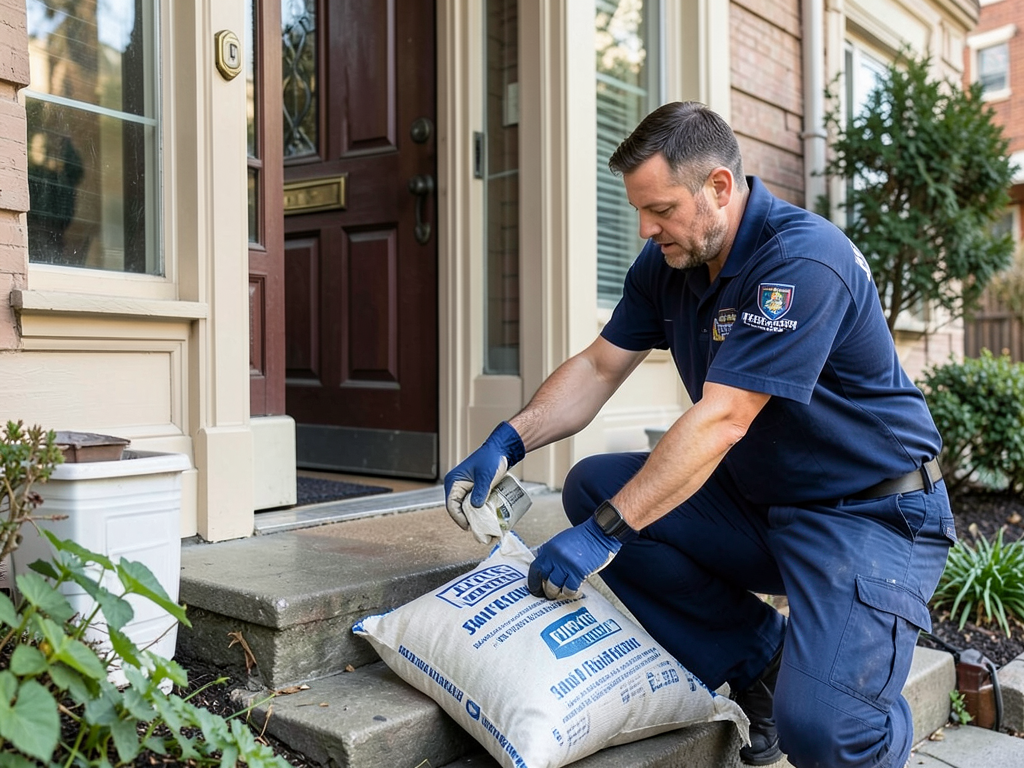
Sandbags and Flood Barriers
San Francisco Public Works provides free sandbags at designated locations before major storms. Call (415) 701-2311 or visit sfpublicworks.org for current distribution sites. Place sandbags in a pyramid formation around doorways and garage entrances, overlapping each layer like bricks.
For a more permanent solution, consider water-activated flood barriers. These expand when wet and create a watertight seal along foundation walls. They’re reusable and store flat when dry.
Sump Pump and Battery Backup
Many San Francisco homes, especially Victorians in the Haight and Noe Valley, have basements or crawl spaces vulnerable to groundwater seepage. A sump pump with a battery backup can prevent thousands in damage during power outages.
Test your sump pump monthly by pouring water into the pit until the float activates. Clean the inlet screen and check the discharge pipe for blockages. The pump should activate within 15-30 seconds of water entering the pit.
Water Sensors and Alarms
Place battery-powered water sensors near water heaters, under sinks, and in basements. These devices sound an alarm when they detect moisture, giving you time to respond before damage spreads. Smart sensors can send alerts to your phone if you’re away from home.
Install a whole-house water shutoff valve that automatically turns off your main water supply when it detects unusual flow patterns. This prevents catastrophic damage from burst pipes.
The Sump Pump Maintenance Checklist
Regular maintenance prevents sump pump failure when you need it most. Follow this checklist every three months:
- Check the power cord for damage and ensure the pump is plugged into a GFCI outlet
- Clean the pump inlet screen to remove debris that could clog the system
- Test the float switch by lifting it to ensure the pump activates
- Inspect the discharge pipe for cracks or blockages
- Check the battery backup and replace it every 2-3 years
San Francisco’s Building Code requires proper discharge of sump pumps to prevent water from flowing back toward the foundation. The discharge must be at least 5 feet from the foundation and directed away from neighboring properties.
San Francisco Local Resources & Contacts
Knowing who to call during a flood emergency can save valuable time. Keep this list in your emergency kit and program these numbers into your phone.
| Resource | Phone Number | Service |
|---|---|---|
| San Francisco Public Works | (415) 701-2311 | Sandbags, street flooding |
| SF72 Emergency Alert | Text SF72 to 888777 | Emergency notifications |
| PG&E | (800) 743-5000 | Power outages, gas leaks |
| San Francisco Fire Department | 911 | Life-threatening emergencies |
Register for SF72 alerts at sf72.org. This system sends emergency notifications about floods, fires, and other disasters directly to your phone.
San Francisco’s Atmospheric River Monitoring System tracks incoming storms that could cause flooding. These systems can predict rainfall intensity up to 72 hours in advance, giving you time to prepare.
What to Do if the Kit Isn’t Enough (Immediate Restoration Steps)
Sometimes even the best preparation isn’t enough. When water breaches your defenses, quick action can minimize damage and prevent mold growth.
First 24 Hours: Emergency Response
Within the first 24 hours after flooding, mold can begin to grow. According to the IICRC S500 Standard for water damage restoration, you have a critical window to prevent secondary damage.
Document everything with photos before starting cleanup. This documentation is essential for insurance claims. Remove standing water using wet vacuums or pumps. Open windows and use fans to circulate air if weather permits.
Remove wet carpets, padding, and damaged drywall immediately. These materials trap moisture and become breeding grounds for mold. San Francisco’s high humidity means materials stay wet longer, increasing mold risk.
When to Call a Professional
Call a professional restoration service if water has been standing for more than 24 hours, if you see mold growth, or if sewage is involved. Category 3 water (contaminated water from sewage or flooding) requires specialized equipment and training to clean safely.
Professional restoration companies use industrial-grade dehumidifiers and air movers to dry structures properly. They also test moisture levels in walls and floors to ensure complete drying. Hidden moisture in wall cavities can cause problems months later.
Summit Water Damage Restoration San Francisco provides 24/7 emergency response. Call (415) 449-6555 immediately if you’re facing active flooding or suspect hidden water damage.
Seasonal Maintenance Schedule for San Francisco Homes
San Francisco’s rainy season runs from November through March, with peak atmospheric river events typically occurring in January and February. Prepare your home before the season starts.
Fall Preparation (October)
- Clean gutters and downspouts to ensure proper drainage
- Test your sump pump and replace the battery if needed
- Inspect your roof for missing shingles or damaged flashing
- Check basement windows and foundation for cracks
- Stock up on sandbags and flood barriers
Winter Storm Watch (November-March)
- Monitor weather forecasts for atmospheric river warnings
- Place sandbags before predicted storms
- Keep your emergency kit easily accessible
- Know your evacuation route if you live in a flood zone
Post-Storm Inspection (April)
- Check for water damage in basements and crawl spaces
- Inspect for mold growth in damp areas
- Repair any damage from winter storms
- Restock emergency supplies used during the season
San Francisco’s unique geography creates microclimates where some neighborhoods receive significantly more rainfall than others. The Sunset District and Twin Peaks areas often see 20-30% more precipitation than downtown due to orographic lift.
Special Considerations for San Francisco’s Historic Homes
San Francisco’s Victorian and Edwardian homes present unique challenges during flooding. These homes often have crawl spaces instead of full basements, and their aging plumbing systems are more vulnerable to failure.
Older homes may have galvanized steel pipes that corrode from the inside out. When these pipes fail, they can release large volumes of water quickly. Consider replacing old plumbing with PEX or copper piping before problems occur.
Many historic homes have original wood flooring that swells and warps when exposed to water. Quick water removal is essential to prevent permanent damage. Professional drying equipment can often save historic floors if used within 24-48 hours.
San Francisco’s building code requires seismic retrofitting for many older homes. When updating your emergency kit, consider how seismic activity might affect your water damage risks. Earthquakes can break pipes and damage waterproofing systems.
Cost Comparison: Prevention vs. Restoration
| Item | Prevention Cost | Restoration Cost (if failed) | Potential Savings |
|---|---|---|---|
| Emergency Kit | $200-300 | $3,000-5,000 | $2,700-4,700 |
| Sump Pump | $300-600 | $4,000-8,000 | $3,400-7,400 |
| Flood Barriers | $100-200 | $2,000-4,000 | $1,800-3,800 |
| Water Sensors | $50-100 | $1,500-3,000 | $1,450-2,950 |
Investing in prevention costs significantly less than dealing with water damage after it occurs. The average homeowner spends $2,000-3,000 on preventive measures but can save $10,000-15,000 in potential restoration costs.
Frequently Asked Questions
How often should I update my emergency water damage kit?
Review your kit every six months, replacing expired items and checking battery levels. Update your contact list annually and test all electronic devices quarterly.
Where can I get free sandbags in San Francisco?
San Francisco Public Works provides free sandbags at various locations throughout the city before major storms. Call (415) 701-2311 or check sfpublicworks.org for current distribution sites and hours.
What should I do if my basement floods during a storm?
First, ensure your safety by turning off electricity if water reaches electrical outlets. Document the damage with photos, then begin removing standing water if it’s safe to do so. Call (415) 449-6555 for professional help if water has been standing for more than 24 hours.
Does homeowner’s insurance cover flood damage in San Francisco?
Standard homeowner’s insurance doesn’t cover flood damage from external sources. You need separate flood insurance through the National Flood Insurance Program (NFIP). Check your policy for coverage of internal water damage from plumbing failures.
How can I tell if I have a hidden water leak?
Signs include unexplained increases in your water bill, damp spots on walls or ceilings, musty odors, or the sound of running water when all fixtures are off. Use your water meter to check for leaks by monitoring it when no water is being used.
San Francisco’s unique climate and infrastructure create specific water damage risks that require targeted preparation. By assembling a comprehensive emergency kit and understanding when to call for professional help, you can protect your home from the costly damage that flooding causes.
Don’t wait for the next atmospheric river to hit. Call (415) 449-6555 today to schedule a free home inspection and learn how to better protect your property from water damage. Our certified technicians can identify vulnerabilities in your home’s water protection systems and recommend cost-effective solutions.
Pick up the phone and call (415) 449-6555 before the next storm hits. When water damage occurs, every minute counts. Our 24/7 emergency response team is ready to help San Francisco residents protect their homes and recover quickly from water damage events.
{
“@context”: “https://schema.org”,
“@type”: “BlogPosting”,
“headline”: “What Every San Francisco Resident Should Have in Their Emergency Water Damage Kit”,
“description”: “Prepare for San Francisco’s flood risks with this expert guide to emergency water damage kits. Learn what to include and how to protect your property from atmospheric rivers.”,
“wordCount”: 1812,
“datePublished”: “2026-06-02T11:58:00.000Z”,
“dateModified”: “2026-06-02T11:58:00.000Z”,
“inLanguage”: “en-US”,
“mainEntityOfPage”: {
“@type”: “WebPage”,
“@id”: “https://summitwaterdamagerestorationsanfrancisco.com”
},
“publisher”: {
“@type”: “LocalBusiness”,
“name”: “Summit Water Damage Restoration San Francisco”,
“url”: “https://summitwaterdamagerestorationsanfrancisco.com”
},
“author”: {
“@type”: “Organization”,
“name”: “Summit Water Damage Restoration San Francisco”,
“url”: “https://summitwaterdamagerestorationsanfrancisco.com”
},
“image”: {
“@type”: “ImageObject”,
“url”: “https://summitwaterdamagerestorationsanfrancisco.com/wp-content/uploads/2026/03/what-every-san-francisco-resident-should-have-in-t-1.png”
}
}
{
“@context”: “https://schema.org”,
“@type”: “LocalBusiness”,
“name”: “Summit Water Damage Restoration San Francisco”,
“url”: “https://summitwaterdamagerestorationsanfrancisco.com”,
“address”: {
“@type”: “PostalAddress”,
“addressLocality”: “San Francisco”
},
“areaServed”: {
“@type”: “City”,
“name”: “San Francisco”
}
}
{
“@context”: “https://schema.org”,
“@type”: “FAQPage”,
“mainEntity”: [
{
“@type”: “Question”,
“name”: “How often should I update my emergency water damage kit?”,
“acceptedAnswer”: {
“@type”: “Answer”,
“text”: “Review your kit every six months, replacing expired items and checking battery levels. Update your contact list annually and test all electronic devices quarterly.”
}
},
{
“@type”: “Question”,
“name”: “Where can I get free sandbags in San Francisco?”,
“acceptedAnswer”: {
“@type”: “Answer”,
“text”: “San Francisco Public Works provides free sandbags at various locations throughout the city before major storms. Call (415) 701-2311 or check sfpublicworks.org for current distribution sites and hours.”
}
},
{
“@type”: “Question”,
“name”: “What should I do if my basement floods during a storm?”,
“acceptedAnswer”: {
“@type”: “Answer”,
“text”: “First, ensure your safety by turning off electricity if water reaches electrical outlets. Document the damage with photos, then begin removing standing water if it’s safe to do so. Call (415) 449-6555 for professional help if water has been standing for more than 24 hours.”
}
},
{
“@type”: “Question”,
“name”: “Does homeowner’s insurance cover flood damage in San Francisco?”,
“acceptedAnswer”: {
“@type”: “Answer”,
“text”: “Standard homeowner’s insurance doesn’t cover flood damage from external sources. You need separate flood insurance through the National Flood Insurance Program (NFIP). Check your policy for coverage of internal water damage from plumbing failures.”
}
}
]
}
{
“@context”: “https://schema.org”,
“@type”: “HowTo”,
“name”: “Building Your Safety Kit”,
“step”: [
{
“@type”: “HowToStep”,
“position”: 1,
“name”: “Waterproof Flashlights and Batteries”,
“text”: “LED flashlights with extra batteries provide light when power fails. Store them in sealed plastic bags to prevent corrosion from humidity.”
},
{
“@type”: “HowToStep”,
“position”: 2,
“name”: “First Aid Kit”,
“text”: “Include waterproof bandages, antiseptic wipes, and any prescription medications your family needs. San Francisco’s damp climate can make wounds heal slowly. Water Stains on Drywall.”
},
{
“@type”: “HowToStep”,
“position”: 3,
“name”: “Emergency Radio”,
“text”: “A battery-powered or hand-crank NOAA weather radio keeps you informed about flood warnings from the National Weather Service.”
},
{
“@type”: “HowToStep”,
“position”: 4,
“name”: “Protective Gear”,
“text”: “Heavy-duty gloves, waterproof boots, and N95 masks protect you from contaminated floodwater and mold spores. Water Damage Restoration Santa Clara.”
},
{
“@type”: “HowToStep”,
“position”: 5,
“name”: “Important Documents”,
“text”: “Store insurance policies, identification, and medical records in a waterproof pouch. Consider including photos of your property for insurance claims.”
}
],
“image”: “https://summitwaterdamagerestorationsanfrancisco.com/wp-content/uploads/2026/03/what-every-san-francisco-resident-should-have-in-t-1.png”
}
{
“@context”: “https://schema.org”,
“@type”: “BreadcrumbList”,
“itemListElement”: [
{
“@type”: “ListItem”,
“position”: 1,
“name”: “Home”,
“item”: “https://summitwaterdamagerestorationsanfrancisco.com”
},
{
“@type”: “ListItem”,
“position”: 2,
“name”: “Blog”,
“item”: “https://summitwaterdamagerestorationsanfrancisco.com/blog”
},
{
“@type”: “ListItem”,
“position”: 3,
“name”: “What Every San Francisco Resident Should Have in Their Emergency Water Damage Kit”
}
]
}
{
“@context”: “https://schema.org”,
“@type”: “Service”,
“serviceType”: “Water Damage Restoration”,
“provider”: {
“@type”: “LocalBusiness”,
“name”: “Summit Water Damage Restoration San Francisco”,
“url”: “https://summitwaterdamagerestorationsanfrancisco.com”
},
“areaServed”: {
“@type”: “City”,
“name”: “San Francisco”
},
“description”: “Prepare for San Francisco’s flood risks with this expert guide to emergency water damage kits. Learn what to include and how to protect your property from atmospheric rivers.”
}