
Assessing Business Interruption Risks from Water Damage for Fillmore District Retailers
When water floods a Fillmore District retail space, the immediate damage to inventory and fixtures is just the beginning. Every hour of closure represents lost revenue that many small businesses cannot recover. Understanding the full scope of business interruption risks helps you make faster decisions that protect both your property and your profit margins. Who to call for emergency water damage repair in San Francisco right now.
The True Cost of Water Damage Beyond Physical Repairs
Retail operations in the Fillmore District face unique vulnerabilities due to the neighborhood’s historic building stock and high foot traffic patterns. Many storefronts occupy buildings constructed before modern waterproofing standards, with aging plumbing systems that fail without warning. When a pipe bursts or a roof leak develops, the financial impact extends far beyond replacing damaged merchandise. Fast water restoration services for SoMa businesses and tech offices.
Consider a typical Fillmore boutique generating $2,500 in daily revenue. A water incident that forces closure for just three days results in $7,500 in direct income loss. Add the cost of damaged inventory, which in a clothing store might represent 40% of your stock value, and the total exposure climbs quickly. Most Fillmore retailers operate on thin margins, making even short disruptions potentially catastrophic. High-end water damage restoration for historic Pacific Heights estates.
The neighborhood’s historic character also means many buildings lack modern drainage systems. Combined with San Francisco’s seasonal atmospheric river events, this creates a perfect storm for water intrusion. When heavy rains overwhelm century-old roof drains, water can back up through ceiling fixtures and damage both merchandise displays and electrical systems. San Francisco Building Code Requirements.
Understanding Your Insurance Coverage Gaps
Many Fillmore District retailers discover too late that their standard property insurance policies do not cover business interruption losses. While commercial property insurance typically covers physical damage to your building and contents, business interruption coverage is a separate endorsement that requires specific activation.
Business interruption insurance generally covers lost income and operating expenses during the restoration period. However, the policy only triggers when physical damage occurs to your property. This means if a citywide power outage or municipal water main break forces closure, you may have no coverage unless you carry specific civil authority or contingent business interruption endorsements.
The restoration timeline significantly impacts your claim. Insurance carriers calculate the “period of restoration” from the date of damage to when your business can resume operations at the pre-loss level. Delays in water mitigation directly extend this period and reduce your recoverable losses. A 48-hour delay in professional water extraction can allow mold growth that requires extensive remediation, adding weeks to your closure timeline. Professional sewage cleanup and sanitization for Mission District basements.
Many Fillmore retailers also overlook extra expense coverage, which reimburses costs for temporary relocation or expedited repairs to minimize downtime. Moving to a temporary pop-up space during restoration might cost $3,000-5,000 weekly, but this expense is often recoverable if it helps you maintain customer relationships and revenue streams.
San Francisco Building Code Requirements for Commercial Water Damage
San Francisco Building Code Section 107.2.1 requires that all water damage restoration work in commercial spaces be performed by licensed contractors familiar with local seismic and moisture control requirements. This means you cannot simply hire any restoration company; they must understand how to work within the constraints of historic Fillmore District buildings while meeting modern code standards.
The code also mandates specific documentation for insurance purposes. Restoration contractors must provide moisture mapping reports, thermal imaging documentation, and detailed drying logs that substantiate the extent of damage and the effectiveness of mitigation efforts. Without this documentation, insurance adjusters may dispute the scope of work or the necessity of certain restoration steps.
San Francisco’s unique climate creates additional challenges. The city’s high humidity levels, averaging 70-80% year-round, extend drying times compared to inland areas. This means a restoration project that might take three days in Sacramento could require five to seven days in the Fillmore District. These extended timelines directly impact your business interruption calculations.
Building Department inspections are mandatory for any structural modifications, even temporary ones. If water damage requires removing drywall or flooring, you must obtain permits and schedule inspections. These administrative delays can add 48-72 hours to your restoration timeline, further extending your period of business interruption.
The 24-Hour Rule: Why Speed Matters More Than You Think
Water damage follows a predictable timeline that directly correlates with business interruption costs. Within the first 24 hours, clean water from a broken pipe begins absorbing into porous materials. Hardwood flooring swells, drywall wicks moisture upward, and paper products become saturated. If addressed immediately, most of this damage is reversible with minimal demolition.
After 48 hours, the situation deteriorates rapidly. Mold spores, which exist naturally in all indoor environments, begin colonizing damp surfaces. The cost to remediate mold contamination can be three to five times higher than simple water extraction and drying. More importantly, mold remediation often requires complete business closure for health and safety reasons.
The financial impact compounds geometrically. A $5,000 water extraction job that prevents mold growth might save you $25,000 in remediation costs and two additional weeks of closure. For a Fillmore boutique operating on 15% margins, those two weeks of closure represent $35,000 in lost revenue that could have been avoided with faster response.
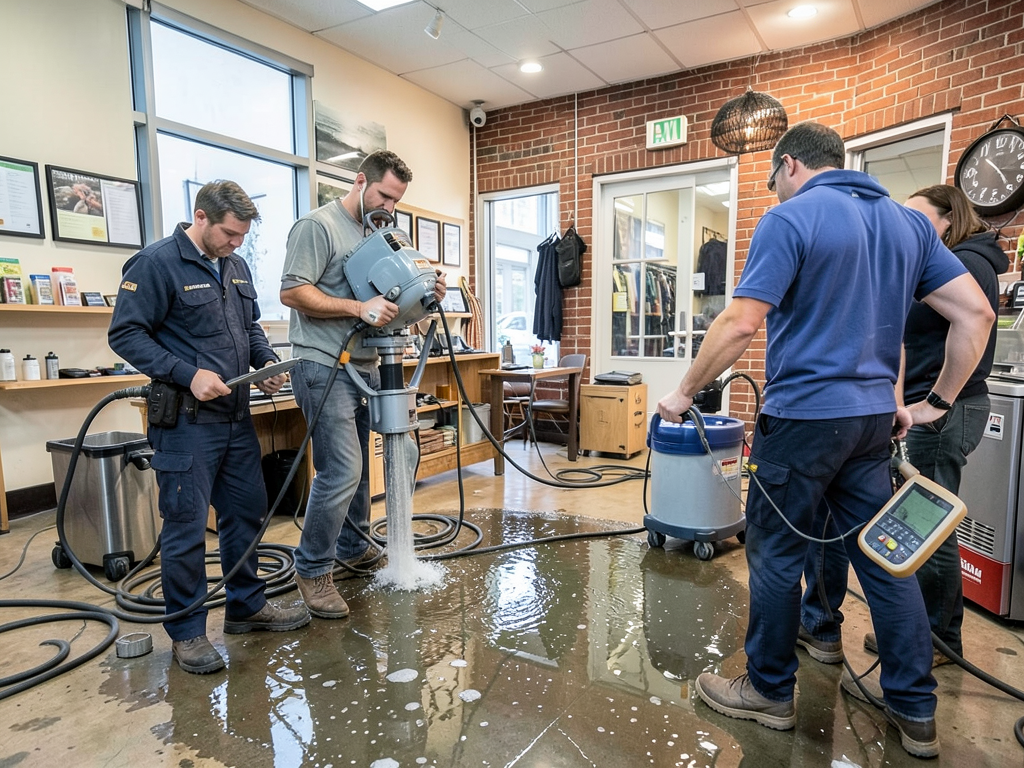
Professional restoration teams use industrial-grade equipment that can extract water and begin drying within hours of arrival. They deploy moisture meters, thermal cameras, and hygrometers to create a drying strategy that maximizes efficiency. This technical approach contrasts sharply with DIY efforts that often miss hidden moisture pockets, leading to secondary damage that extends closure timelines.
Documenting Damage for Maximum Insurance Recovery
Successful insurance claims require meticulous documentation that begins the moment damage occurs. Take timestamped photos of all affected areas before any cleanup begins. Document the water source, the extent of spread, and any visible damage to inventory or fixtures. These initial images establish the baseline for your claim.
Maintain a detailed inventory of damaged items, including purchase dates, replacement costs, and any special characteristics that affect value. For retail businesses, this means cataloging not just the physical items but also any specialized display equipment or point-of-sale systems that may be damaged.
Request daily progress reports from your restoration contractor. These should include moisture readings, drying goals achieved, and any structural modifications made. Insurance adjusters rely on this documentation to verify that restoration work was necessary and properly executed.
Keep all receipts related to the incident, including temporary storage costs, equipment rentals, and any expenses incurred to minimize further damage. Many policies cover these proactive measures if properly documented. For Fillmore retailers, this might include the cost of moving inventory to a temporary storage facility or renting portable display racks.
Communicate regularly with your insurance adjuster throughout the restoration process. Provide updates on drying progress, any discovered complications, and your estimated reopening timeline. Proactive communication helps prevent surprises that could delay claim approval or payment.
Creating a Business Continuity Plan for Water Emergencies
Preparation significantly reduces the impact of water damage on Fillmore District retailers. Develop a response plan that includes emergency contact numbers, shut-off valve locations, and a list of priority items to protect during an incident. Share this plan with all employees and post it prominently in your back office.
Identify temporary relocation options before you need them. Research nearby pop-up spaces, shared retail environments, or even outdoor market opportunities that could serve as temporary locations during restoration. Having these options pre-vetted saves valuable time when every hour of closure costs money.
Establish relationships with restoration contractors who understand Fillmore District’s unique challenges. Look for companies with experience in historic building restoration, knowledge of local building codes, and familiarity with San Francisco’s insurance landscape. These relationships can reduce response times from hours to minutes during an emergency.
Consider investing in water detection systems that can alert you to leaks before they cause major damage. Simple moisture sensors placed near water heaters, under sinks, and in basement areas can provide early warning that prevents small problems from becoming business-threatening emergencies. How to handle basement flooding in San Francisco after a heavy rainstorm.
Review your insurance coverage annually with a broker who specializes in retail businesses. Coverage needs change as your business grows, and what was adequate protection five years ago may leave you exposed to significant risks today. Ensure your policy limits reflect current inventory values and potential business interruption costs.
Financial Recovery Timeline: What to Expect
Understanding the typical restoration timeline helps you plan for business interruption costs. Initial water extraction and damage assessment usually requires 4-8 hours. The drying phase depends on materials affected and environmental conditions but typically spans 3-7 days for moderate damage.
Structural repairs begin once drying is complete. This phase includes replacing damaged drywall, flooring, and fixtures. For Fillmore District’s historic buildings, repairs may require specialized materials or techniques that extend timelines by several days or weeks.
Final inspection and insurance approval add additional time. San Francisco Building Department inspections typically schedule within 24-48 hours of request, but permit processing can add delays if structural changes were required. Insurance adjusters need 3-5 business days to review documentation and approve claims.
The total timeline from incident to reopening often spans 7-21 days for moderate water damage. During this period, you face not just lost revenue but also ongoing expenses like rent, utilities, and loan payments. Business interruption insurance should cover these continuing obligations, but the claims process can take weeks to months.
Planning for the worst-case scenario means budgeting for at least 30 days of potential closure. This includes not just the restoration work but also the time needed to restock inventory, retrain staff, and rebuild customer traffic. Many Fillmore retailers find that recovery takes longer than the physical repairs suggest.
Category 1, 2, and 3 Water: Understanding Your Risk Level
Water damage falls into three categories that determine cleanup requirements and business interruption duration. Category 1 water originates from clean sources like broken water supply lines or rainwater intrusion. While still damaging, Category 1 incidents typically require only extraction and drying, with minimal demolition.
Category 2 water contains significant contamination and can cause discomfort or illness if contacted. This includes dishwasher overflows, washing machine failures, or water from aquariums. Category 2 incidents require more extensive cleaning and disinfection, extending restoration timelines by 24-48 hours.
Category 3 water is grossly contaminated and can cause severe illness or death if ingested. Sewage backups, flooding from rivers or streams, and water from beyond the toilet trap all qualify as Category 3. These incidents require complete removal of affected materials, extensive disinfection, and often air quality testing before business can resume.
The Fillmore District’s combined sewer system increases the risk of Category 3 incidents during heavy rains. When storm runoff overwhelms the system, sewage can back up through floor drains and toilets, creating immediate health hazards that force complete closure until professional remediation is complete.
Understanding your water category helps you communicate effectively with restoration professionals and insurance adjusters. It also helps you explain closure requirements to customers and employees, managing expectations during the restoration process.
Minimizing Downtime Through Strategic Decision Making
Every decision during the restoration process impacts your business interruption timeline. Choosing between drying and replacing materials affects both cost and closure duration. While drying existing materials is often less expensive, replacement might allow faster reopening if matching materials are readily available.
Consider the impact of demolition on your business model. A clothing boutique might need to remove all fixtures and displays for thorough drying, extending closure to two weeks. Alternatively, sectioning the space and drying incrementally might allow limited operation in unaffected areas, maintaining some revenue stream.
Evaluate the cost-benefit of temporary relocation versus accelerated restoration. Moving to a temporary space might cost $5,000 weekly but could preserve $15,000 in weekly revenue. If your restoration contractor can guarantee reopening in ten days, the temporary move might not be cost-effective.
Communicate with customers throughout the process. Use social media, email newsletters, and in-store signage to explain the situation and maintain relationships. Many Fillmore District customers are loyal to specific retailers and will wait for reopening if properly informed about timelines and expected improvements.
Consider this closure period as an opportunity for strategic improvements. Many retailers use restoration downtime to implement upgrades, reorganize layouts, or refresh branding. These improvements can justify the closure to customers and potentially increase post-restoration revenue.
Frequently Asked Questions
How quickly should I respond to water damage in my Fillmore District store?
Immediate response is critical. Contact a professional restoration company within the first hour of discovering water damage. Every hour of delay increases both the physical damage and the business interruption costs.
Will my business interruption insurance cover the entire closure period?
Coverage depends on your specific policy and the cause of damage. Most policies cover lost income during the restoration period but may exclude certain causes or require specific endorsements for complete protection.
How long does water damage restoration typically take for Fillmore District retail spaces?
Timeline varies by damage extent, but expect 7-21 days for moderate damage. Historic building considerations and San Francisco’s permitting requirements often extend these timelines compared to newer construction.
What documentation do I need for insurance claims?
Maintain photos of damage, inventory lists of affected items, daily restoration reports, receipts for all related expenses, and communication records with your insurance adjuster and restoration contractor.
Can I continue operating during restoration work?
This depends on damage extent and local regulations. Some businesses can operate in unaffected areas with proper containment, while others must close completely for safety and insurance compliance.
Take Action Before Water Takes Your Business
Water damage in Fillmore District retail spaces creates a cascade of financial risks that extend far beyond the initial incident. Understanding these risks and preparing appropriate responses can mean the difference between a temporary setback and a permanent closure.
The neighborhood’s historic character, combined with San Francisco’s unique climate and infrastructure challenges, creates specific vulnerabilities that require specialized knowledge to address effectively. Professional restoration services familiar with Fillmore District’s building stock and local regulations can significantly reduce both physical damage and business interruption duration.
Don’t wait for disaster to strike. Review your insurance coverage today, establish relationships with qualified restoration professionals, and develop a business continuity plan that protects your investment. When water damage occurs, the decisions you make in the first 24 hours will determine your recovery timeline and financial outcome.
Call (415) 449-6555 today to schedule a free business interruption risk assessment. Our experts will evaluate your specific vulnerabilities and help you develop a comprehensive protection strategy tailored to your Fillmore District retail operation.
Water damage waits for no one, but with proper preparation and rapid professional response, you can minimize both physical destruction and financial losses. Take the first step toward protecting your business by contacting our team for a no-obligation consultation. For more information, visit IICRC S500 Standards.
{
“@context”: “https://schema.org”,
“@type”: “BlogPosting”,
“headline”: “Assessing Business Interruption Risks from Water Damage for Fillmore District Retailers”,
“description”: “Learn how water damage threatens Fillmore District retail revenue and discover expert strategies to minimize downtime, maximize insurance claims, and protect your bottom line.”,
“wordCount”: 2502,
“datePublished”: “2026-05-05T06:10:00.000Z”,
“dateModified”: “2026-05-05T06:10:00.000Z”,
“inLanguage”: “en-US”,
“mainEntityOfPage”: {
“@type”: “WebPage”,
“@id”: “https://summitwaterdamagerestorationsanfrancisco.com”
},
“publisher”: {
“@type”: “LocalBusiness”,
“name”: “Summit Water Damage Restoration San Francisco”,
“url”: “https://summitwaterdamagerestorationsanfrancisco.com”
},
“author”: {
“@type”: “Organization”,
“name”: “Summit Water Damage Restoration San Francisco”,
“url”: “https://summitwaterdamagerestorationsanfrancisco.com”
},
“image”: {
“@type”: “ImageObject”,
“url”: “https://summitwaterdamagerestorationsanfrancisco.com/wp-content/uploads/2026/03/assessing-business-interruption-risks-from-water-d-1.png”
}
}
{
“@context”: “https://schema.org”,
“@type”: “LocalBusiness”,
“name”: “Summit Water Damage Restoration San Francisco”,
“url”: “https://summitwaterdamagerestorationsanfrancisco.com”,
“address”: {
“@type”: “PostalAddress”,
“addressLocality”: “San Francisco”
},
“areaServed”: {
“@type”: “City”,
“name”: “San Francisco”
}
}
{
“@context”: “https://schema.org”,
“@type”: “FAQPage”,
“mainEntity”: [
{
“@type”: “Question”,
“name”: “How quickly should I respond to water damage in my Fillmore District store?”,
“acceptedAnswer”: {
“@type”: “Answer”,
“text”: “Immediate response is critical. Contact a professional restoration company within the first hour of discovering water damage. Every hour of delay increases both the physical damage and the business interruption costs.”
}
},
{
“@type”: “Question”,
“name”: “Will my business interruption insurance cover the entire closure period?”,
“acceptedAnswer”: {
“@type”: “Answer”,
“text”: “Coverage depends on your specific policy and the cause of damage. Most policies cover lost income during the restoration period but may exclude certain causes or require specific endorsements for complete protection.”
}
},
{
“@type”: “Question”,
“name”: “How long does water damage restoration typically take for Fillmore District retail spaces?”,
“acceptedAnswer”: {
“@type”: “Answer”,
“text”: “Timeline varies by damage extent, but expect 7-21 days for moderate damage. Historic building considerations and San Francisco’s permitting requirements often extend these timelines compared to newer construction.”
}
},
{
“@type”: “Question”,
“name”: “What documentation do I need for insurance claims?”,
“acceptedAnswer”: {
“@type”: “Answer”,
“text”: “Maintain photos of damage, inventory lists of affected items, daily restoration reports, receipts for all related expenses, and communication records with your insurance adjuster and restoration contractor.”
}
},
{
“@type”: “Question”,
“name”: “Can I continue operating during restoration work?”,
“acceptedAnswer”: {
“@type”: “Answer”,
“text”: “This depends on damage extent and local regulations. Some businesses can operate in unaffected areas with proper containment, while others must close completely for safety and insurance compliance.”
}
}
]
}
{
“@context”: “https://schema.org”,
“@type”: “BreadcrumbList”,
“itemListElement”: [
{
“@type”: “ListItem”,
“position”: 1,
“name”: “Home”,
“item”: “https://summitwaterdamagerestorationsanfrancisco.com”
},
{
“@type”: “ListItem”,
“position”: 2,
“name”: “Blog”,
“item”: “https://summitwaterdamagerestorationsanfrancisco.com/blog”
},
{
“@type”: “ListItem”,
“position”: 3,
“name”: “Assessing Business Interruption Risks from Water Damage for Fillmore District Retailers”
}
]
}
{
“@context”: “https://schema.org”,
“@type”: “Service”,
“serviceType”: “Water Damage Restoration”,
“provider”: {
“@type”: “LocalBusiness”,
“name”: “Summit Water Damage Restoration San Francisco”,
“url”: “https://summitwaterdamagerestorationsanfrancisco.com”
},
“areaServed”: {
“@type”: “City”,
“name”: “San Francisco”
},
“description”: “Learn how water damage threatens Fillmore District retail revenue and discover expert strategies to minimize downtime, maximize insurance claims, and protect your bottom line.”
}