
Clean Water vs Black Water and Why the Difference Matters for Your Health
When water floods your San Francisco home or business, the source determines everything about the cleanup process. Clean water from a broken supply line poses minimal health risk, while black water from sewage backups or river flooding contains dangerous pathogens that can make you seriously ill. Understanding these differences helps you make the right call when disaster strikes. Who to call for emergency water damage repair in San Francisco right now.
San Francisco’s unique infrastructure creates specific risks. The city’s combined sewer system in older neighborhoods like the Sunset District and Richmond can back up during heavy rains, turning clean water events into black water emergencies within hours. The aging Victorian-era plumbing throughout Pacific Heights and Noe Valley also increases the likelihood of sudden contamination when supply lines fail near waste pipes. Fast water restoration services for SoMa businesses and tech offices.
Time matters more than you think. Category 1 clean water becomes Category 2 gray water within 24-48 hours as bacteria multiply and materials break down. After 72 hours, even clean water can transform into Category 3 black water, requiring full biohazard protocols. This progression happens faster in San Francisco’s coastal climate, where fog and humidity accelerate microbial growth. High-end water damage restoration for historic Pacific Heights estates.
Professional restoration follows the IICRC S500 Standard, which defines three categories of water contamination. Each category requires different personal protective equipment, cleaning agents, and disposal methods. Using the wrong approach for black water can expose you to hepatitis, E. coli, salmonella, and other serious pathogens. EPA Water Safety Guidelines.
Category 1: Clean Water (The ‘Safe’ Zone)
Category 1 water comes from sanitary sources like broken water supply lines, faucet leaks, or rainwater entering through intact roofs. The water looks and smells clean, though it may still cause significant property damage. In San Francisco’s high-rise buildings, clean water often originates from burst pipes in walls or ceiling leaks from roof failures during winter storms.. Read more about What to Do When Your Refrigerator Water Line Leaks All Over Your Telegraph Hill Kitchen.
Clean water requires extraction and drying but minimal decontamination. The main concern is preventing secondary damage like mold growth, which thrives in San Francisco’s cool, damp climate. Mold can begin growing within 24-48 hours on wet materials, even when the original water was clean.
Common clean water sources in San Francisco include:
- Supply line breaks to washing machines or dishwashers
- Ice maker line failures in refrigerators
- Leaking water heaters, especially in older Sunset District homes
- Rainwater intrusion through roof leaks in Pacific Heights Victorians
Clean water events still require professional attention. The moisture can travel through building materials and create hidden damage. A Category 1 water incident in a SoMa high-rise can affect multiple units as water travels through ceiling cavities and wall spaces. Professional sewage cleanup and sanitization for Mission District basements.
Category 2: Gray Water (The Chemical Risk)
Gray water contains significant contamination and can cause discomfort or illness if contacted or consumed. This water may have chemicals, biological matter, or other contaminants that pose health risks. In San Francisco homes, gray water commonly comes from washing machine overflows, dishwasher leaks, or sump pump failures.
Gray water requires more extensive cleanup than clean water. Technicians wear gloves and eye protection, and affected materials often need antimicrobial treatment. The water may contain detergents, food particles, skin cells, and other organic matter that provides nutrients for bacteria.
San Francisco-specific gray water scenarios include:
- Overflowing washing machines in basement laundry rooms
- Dishwasher leaks in kitchen remodels throughout the Mission District
- Sump pump failures during atmospheric river events
- Water from aquariums or water beds
Gray water can quickly become black water if left untreated. The 24-48 hour rule applies here too. A washing machine overflow that sits for two days develops bacteria levels that require black water protocols. This timeline shortens in San Francisco’s humid coastal environment.
Category 3: Black Water (The Biohazard Level)
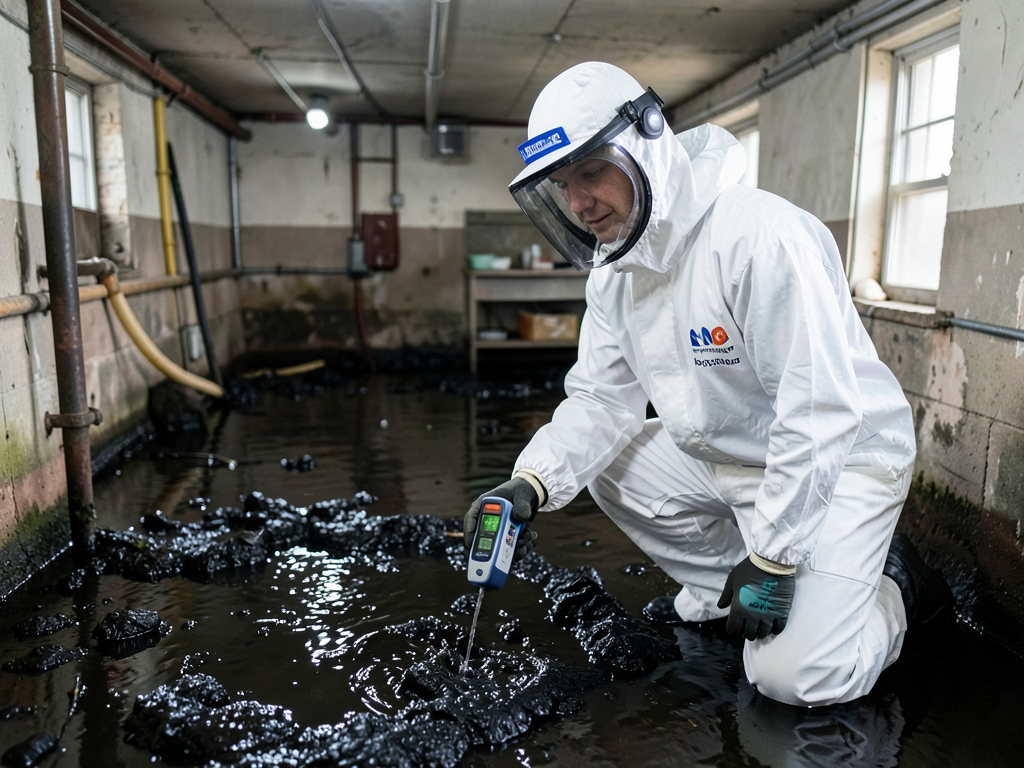
Black water contains pathogenic agents, toxins, and other harmful substances. This category includes sewage, seawater, rising river water, and ground surface water entering buildings. Black water events require full hazmat protocols, including respirators, Tyvek suits, and specialized disposal methods.
San Francisco’s combined sewer system creates unique black water risks. During heavy storms, the system can back up through floor drains, toilets, and sinks, bringing raw sewage into basements and ground floors. This happens frequently in the Sunset District, Richmond, and other low-lying areas during atmospheric river events. How to handle basement flooding in San Francisco after a heavy rainstorm.
Black water sources in San Francisco include:
- Sewage backups through floor drains during storms
- Flooding from San Francisco Bay or the Pacific Ocean
- River or stream overflow affecting properties near the Presidio
- Category 2 water that has remained stagnant for over 48 hours
- Water from toilet bowls with feces or urine
Black water requires complete removal of affected materials. Porous items like drywall, carpet, and insulation must be discarded. Hard surfaces need thorough cleaning and disinfection. The area must be dried completely to prevent mold growth, which thrives in the residual moisture.
How Categories Evolve: The 24-48 Hour Rule
Water categories are not static. Clean water becomes gray water within 24-48 hours as microorganisms multiply. Gray water becomes black water after 72 hours or when it contacts other contaminants. This progression happens faster in San Francisco’s cool, humid climate where bacteria thrive.
The evolution timeline depends on several factors:
- Temperature: Warmer conditions accelerate bacterial growth
- Humidity: San Francisco’s coastal moisture speeds contamination
- Material type: Porous materials absorb contaminants quickly
- Airflow: Poor ventilation traps moisture and pathogens
A clean water leak from a supply line can become a black water hazard if not addressed promptly. A broken pipe in a SoMa high-rise might start as Category 1 but become Category 3 if it contacts waste lines or sits for several days. This transformation makes rapid response critical.
Professional assessment determines the current category and necessary protocols. Technicians use moisture meters, infrared cameras, and visual inspection to evaluate contamination levels. They also consider the water’s history and exposure time when categorizing the damage.
Water Damage Classes vs. Categories: What’s the Difference?
Categories describe contamination levels, while classes describe evaporation rates and material absorption. Both matter for proper restoration but address different aspects of water damage. Understanding both helps you grasp why some situations require more extensive work than others.
Class 1 involves minimal water absorption in low-porosity materials like concrete or tile. Class 2 affects entire rooms with carpeting and wicking up walls less than 24 inches. Class 3 involves saturation of ceilings, walls, insulation, and subfloor in the affected area. Class 4 affects specialty drying situations with low evaporation materials like hardwood or plaster.
A Category 3 black water event in a Pacific Heights Victorian might be Class 3 if it affects the entire first floor. The same contamination level in a SoMa high-rise bathroom might be Class 1 if it’s contained to tile floors. The class determines drying equipment and time requirements.
Common combinations in San Francisco include:
- Category 1 Class 3: Clean water saturating historic wood floors
- Category 2 Class 2: Gray water affecting carpeted areas
- Category 3 Class 4: Black water in plaster-walled Victorians
Understanding both classifications helps you evaluate restoration proposals. A Category 3 Class 4 situation requires extensive demolition and specialized drying, while a Category 1 Class 1 incident might only need extraction and dehumidification.
Professional Water Mitigation in the Bay Area
Professional restoration follows strict protocols based on water category. Category 1 incidents require extraction, drying, and moisture monitoring. Category 2 needs antimicrobial treatment and material removal when necessary. Category 3 demands full hazmat procedures, including containment, air filtration, and proper disposal of contaminated materials.
San Francisco’s building codes add complexity to restoration. The San Francisco Department of Building Inspection requires permits for certain demolition and reconstruction work. Historic preservation guidelines in neighborhoods like Pacific Heights may restrict material choices. Professional restorers navigate these requirements while ensuring health and safety.
The restoration process typically includes:
- Emergency response within 60 minutes
- Category assessment and safety protocol establishment
- Water extraction using truck-mounted or portable equipment
- Antimicrobial treatment based on contamination level
- Structural drying with commercial dehumidifiers and air movers
- Moisture monitoring until materials reach safe levels
- Reconstruction and restoration to pre-loss condition
Insurance coverage varies by category. Most policies cover sudden clean water damage but may exclude gradual leaks or certain contamination sources. Category 3 black water from external flooding often requires separate flood insurance. Professional restorers work with insurance companies to document damage and justify necessary procedures.
San Francisco’s unique challenges include:
- Combined sewer system backups in older neighborhoods
- High-rise building water migration through multiple units
- Historic building material restoration requirements
- Coastal humidity affecting drying times
- Seismic considerations for structural repairs
Professional restoration protects your health and property value. Attempting Category 3 cleanup yourself risks exposure to dangerous pathogens and incomplete remediation that leads to mold growth. The investment in professional services prevents long-term health issues and structural problems.
Health Risks and Safety Considerations
Black water exposure can cause serious illness. Pathogens in sewage include bacteria like E. coli and salmonella, viruses like hepatitis A, and parasites like giardia. These organisms can cause severe gastrointestinal illness, liver damage, and other serious conditions. San Francisco’s dense population increases the risk of antibiotic-resistant strains.
Gray water also poses health risks through chemical exposure. Detergents, cleaning products, and other household chemicals can cause skin irritation, respiratory problems, and eye damage. The combination of biological and chemical contaminants in gray water makes it more dangerous than many people realize.
Even clean water creates health hazards through mold growth. San Francisco’s cool, damp climate provides ideal conditions for mold spores to multiply. Exposure to mold can trigger asthma attacks, allergic reactions, and respiratory infections. Children, elderly individuals, and those with compromised immune systems face the highest risks.
Professional safety protocols include:
- Personal protective equipment (PPE) appropriate to contamination level
- Containment barriers to prevent cross-contamination
- Air filtration devices to capture airborne particles
- Proper disposal of contaminated materials
- Post-remediation verification testing
The cost of professional restoration pales compared to potential medical expenses from exposure. A single case of serious bacterial infection can cost thousands in medical treatment. Professional services also prevent long-term property damage that reduces home value and requires expensive repairs.
Prevention and Early Detection
Preventing water damage starts with regular maintenance. San Francisco homeowners should inspect plumbing annually, especially in older homes with galvanized pipes. Check for signs of leaks under sinks, around toilets, and near water heaters. Install water sensors in high-risk areas like basements and laundry rooms.
Early detection saves money and prevents health risks. Small leaks can develop into major problems if left unaddressed. A slow supply line leak behind a wall might stay Category 1 for weeks but become Category 3 when it contacts waste lines or creates ideal conditions for mold growth.
Smart home technology helps detect problems early. Water leak detectors can alert you to problems before they cause extensive damage. Some systems automatically shut off water supply when leaks are detected. These devices are particularly valuable for San Francisco’s high-rise residents who might not immediately notice problems in lower floors.
Preventive measures include:
- Annual plumbing inspections, especially for homes over 50 years old
- Installation of backflow prevention devices in areas with combined sewers
- Regular cleaning of gutters and downspouts to prevent roof leaks
- Maintenance of sump pumps and French drains in flood-prone areas
- Sealing foundation cracks to prevent groundwater intrusion
Professional assessment can identify vulnerabilities specific to your property. A restoration expert can evaluate your home’s flood risk, plumbing condition, and mold susceptibility. This information helps you prioritize preventive measures and respond appropriately when problems occur.
Frequently Asked Questions
How can I tell if water is clean, gray, or black without testing?
Clean water looks clear and has no odor. Gray water may appear cloudy, have a slight odor, or contain visible particles. Black water often smells foul, may be dark in color, and can contain visible sewage or debris. However, never assume water is clean based on appearance alone.
How long does professional water restoration take?
Timeline varies by category and class. Category 1 Class 1 incidents might take 3-5 days. Category 3 Class 4 situations can require 2-3 weeks including demolition, drying, and reconstruction. San Francisco’s humidity can extend drying times by 24-48 hours compared to drier climates.
Is water damage covered by insurance?
Most homeowners policies cover sudden clean water damage from plumbing failures. Coverage for gray and black water varies significantly. External flooding requires separate flood insurance. Professional restorers can help document damage and work with insurance adjusters to maximize coverage.
Can I clean up water damage myself?
Category 1 clean water on hard surfaces might be manageable if addressed within 24 hours. However, any water affecting porous materials, gray water, or black water requires professional handling. DIY cleanup of contaminated water risks serious illness and incomplete remediation.
What should I do while waiting for help?
Stop the water source if possible. Turn off electricity in affected areas. Move valuables to dry areas. Document damage with photos for insurance. Avoid contact with water, especially if contamination is suspected. Open windows for ventilation but avoid using fans that might spread contamination.
Call (415) 449-6555 for Professional Water Restoration
Water damage doesn’t wait, and neither should you. Whether you’re dealing with a clean water leak or a black water emergency, professional restoration protects your health and property. Our certified technicians understand San Francisco’s unique challenges and respond 24/7 with the right equipment and protocols for your situation.
Don’t risk your family’s health or your property’s value. Call (415) 449-6555 now for immediate assessment and professional restoration. We’ll identify the water category, implement proper safety protocols, and restore your property to pre-loss condition. Every minute counts when water threatens your home or business.
Pick up the phone and call (415) 449-6555 before the next storm hits or that small leak becomes a major emergency. Professional restoration isn’t just about drying things out—it’s about protecting what matters most to you.
Summit Water Damage Restoration San Francisco – IICRC certified, locally owned, and ready to respond when you need us most. For more information, visit CDC Emergency Water Information.
{
“@context”: “https://schema.org”,
“@type”: “BlogPosting”,
“headline”: “Clean Water vs Black Water and Why the Difference Matters for Your Health”,
“description”: “Learn the critical differences between clean water and black water. Discover how San Francisco’s aging plumbing and flood risks make professional restoration essential for your safety.”,
“wordCount”: 2367,
“datePublished”: “2026-03-20T15:27:00.000Z”,
“dateModified”: “2026-03-20T15:27:00.000Z”,
“inLanguage”: “en-US”,
“mainEntityOfPage”: {
“@type”: “WebPage”,
“@id”: “https://summitwaterdamagerestorationsanfrancisco.com”
},
“publisher”: {
“@type”: “LocalBusiness”,
“name”: “Summit Water Damage Restoration San Francisco”,
“url”: “https://summitwaterdamagerestorationsanfrancisco.com”
},
“author”: {
“@type”: “Organization”,
“name”: “Summit Water Damage Restoration San Francisco”,
“url”: “https://summitwaterdamagerestorationsanfrancisco.com”
},
“image”: {
“@type”: “ImageObject”,
“url”: “https://summitwaterdamagerestorationsanfrancisco.com/wp-content/uploads/2026/03/clean-water-vs-black-water-and-why-the-difference-1.png”
}
}
{
“@context”: “https://schema.org”,
“@type”: “LocalBusiness”,
“name”: “Summit Water Damage Restoration San Francisco”,
“url”: “https://summitwaterdamagerestorationsanfrancisco.com”,
“address”: {
“@type”: “PostalAddress”,
“addressLocality”: “San Francisco”
},
“areaServed”: {
“@type”: “City”,
“name”: “San Francisco”
}
}
{
“@context”: “https://schema.org”,
“@type”: “FAQPage”,
“mainEntity”: [
{
“@type”: “Question”,
“name”: “Water Damage Classes vs. Categories: What’s the Difference?”,
“acceptedAnswer”: {
“@type”: “Answer”,
“text”: “Categories describe contamination levels, while classes describe evaporation rates and material absorption. Both matter for proper restoration but address different aspects of water damage. Understanding both helps you grasp why some situations require more extensive work than others.”
}
},
{
“@type”: “Question”,
“name”: “How can I tell if water is clean, gray, or black without testing?”,
“acceptedAnswer”: {
“@type”: “Answer”,
“text”: “Clean water looks clear and has no odor. Gray water may appear cloudy, have a slight odor, or contain visible particles. Black water often smells foul, may be dark in color, and can contain visible sewage or debris. However, never assume water is clean based on appearance alone.”
}
},
{
“@type”: “Question”,
“name”: “How long does professional water restoration take?”,
“acceptedAnswer”: {
“@type”: “Answer”,
“text”: “Timeline varies by category and class. Category 1 Class 1 incidents might take 3-5 days. Category 3 Class 4 situations can require 2-3 weeks including demolition, drying, and reconstruction. San Francisco’s humidity can extend drying times by 24-48 hours compared to drier climates.”
}
},
{
“@type”: “Question”,
“name”: “Is water damage covered by insurance?”,
“acceptedAnswer”: {
“@type”: “Answer”,
“text”: “Most homeowners policies cover sudden clean water damage from plumbing failures. Coverage for gray and black water varies significantly. External flooding requires separate flood insurance. Professional restorers can help document damage and work with insurance adjusters to maximize coverage.”
}
},
{
“@type”: “Question”,
“name”: “Can I clean up water damage myself?”,
“acceptedAnswer”: {
“@type”: “Answer”,
“text”: “Category 1 clean water on hard surfaces might be manageable if addressed within 24 hours. However, any water affecting porous materials, gray water, or black water requires professional handling. DIY cleanup of contaminated water risks serious illness and incomplete remediation.”
}
},
{
“@type”: “Question”,
“name”: “What should I do while waiting for help?”,
“acceptedAnswer”: {
“@type”: “Answer”,
“text”: “Stop the water source if possible. Turn off electricity in affected areas. Move valuables to dry areas. Document damage with photos for insurance. Avoid contact with water, especially if contamination is suspected. Open windows for ventilation but avoid using fans that might spread contamination.”
}
}
]
}
{
“@context”: “https://schema.org”,
“@type”: “BreadcrumbList”,
“itemListElement”: [
{
“@type”: “ListItem”,
“position”: 1,
“name”: “Home”,
“item”: “https://summitwaterdamagerestorationsanfrancisco.com”
},
{
“@type”: “ListItem”,
“position”: 2,
“name”: “Blog”,
“item”: “https://summitwaterdamagerestorationsanfrancisco.com/blog”
},
{
“@type”: “ListItem”,
“position”: 3,
“name”: “Clean Water vs Black Water and Why the Difference Matters for Your Health”
}
]
}
{
“@context”: “https://schema.org”,
“@type”: “Service”,
“serviceType”: “Water Damage Restoration”,
“provider”: {
“@type”: “LocalBusiness”,
“name”: “Summit Water Damage Restoration San Francisco”,
“url”: “https://summitwaterdamagerestorationsanfrancisco.com”
},
“areaServed”: {
“@type”: “City”,
“name”: “San Francisco”
},
“description”: “Learn the critical differences between clean water and black water. Discover how San Francisco’s aging plumbing and flood risks make professional restoration essential for your safety.”
}