
Deciding Between Patching Drywall or Replacing It After a Leak in Corona Heights
Water damage in your Corona Heights home creates a critical decision point. Small leaks might only need patching while larger intrusions often require complete replacement. The key factors are moisture content, visible mold growth, and structural integrity. San Francisco’s high humidity and historic building stock add complexity to this choice. San Francisco Building Inspection.
Corona Heights sits on a hillside with unique drainage patterns. Many homes here date to the early 1900s with aging plumbing systems. When water breaches your walls, you need to act within 24-48 hours to prevent mold colonization. This guide helps you make the right call based on damage severity and local conditions. Who to call for emergency water damage repair in San Francisco right now.
Moisture Content Determines Your Path
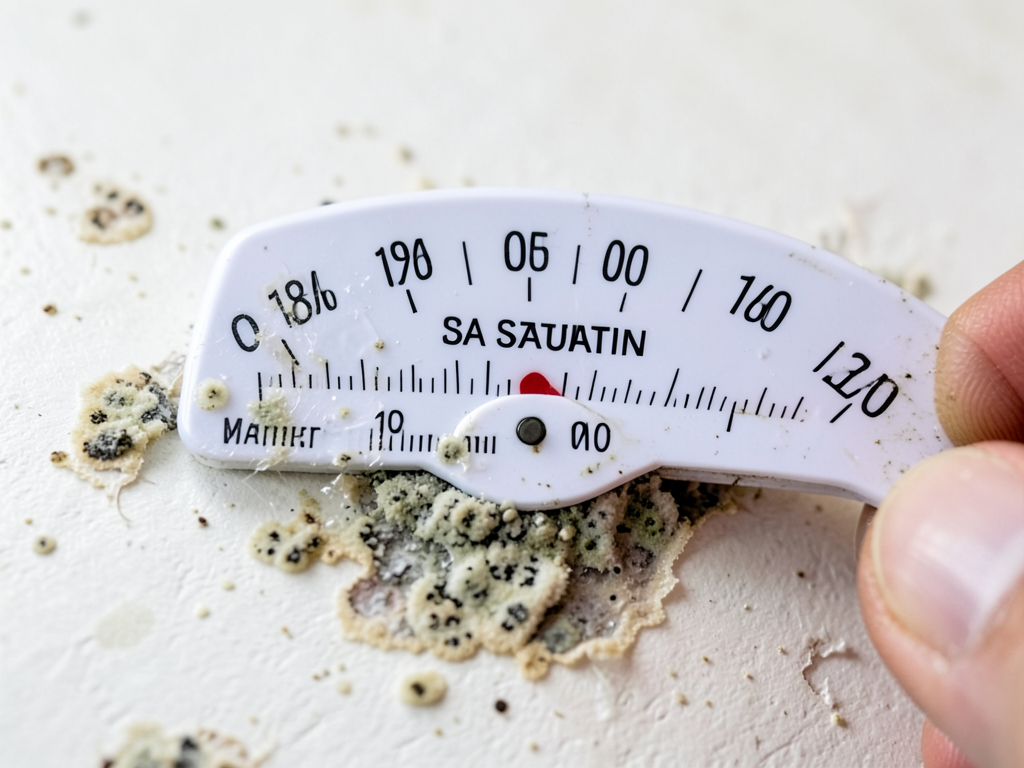
Professional restoration teams use moisture meters to measure gypsum saturation. Readings below 12% moisture content often allow for successful patching. Readings above 16% indicate the need for replacement. The space between represents a gray zone where professional assessment becomes critical. Fast water restoration services for SoMa businesses and tech offices.
San Francisco’s marine layer keeps relative humidity above 70% for much of the year. This slows natural drying and creates perfect conditions for microbial growth. A wall that might dry in three days in Arizona could remain wet for two weeks in Corona Heights.. Read more about Comparing Injection Drying and Full Replacement for Original Wood Panels in Alamo Square.
Category of Water Changes Everything
The Institute of Restoration Certification (IICRC) classifies water into three categories. Category 1 involves clean water from broken supply lines. Category 2 includes dishwasher or washing machine overflows with some contamination. Category 3 covers sewage backups and floodwater from outside sources. Professional sewage cleanup and sanitization for Mission District basements.
Category 1 water on non-porous surfaces might allow drying and patching. Category 3 water mandates complete removal of all affected materials regardless of moisture readings. The pathogens and toxins in black water make partial repairs unsafe. EPA mold guidelines.
Visible Mold Growth Requires Replacement
Once mold establishes visible colonies, patching becomes ineffective. Mold roots penetrate deep into gypsum beyond what cleaning can reach. The EPA recommends removing all materials showing active mold growth rather than attempting surface treatment.
San Francisco’s older homes often harbor Stachybotrys chartarum, commonly called black mold. This species produces mycotoxins that can cause respiratory problems. Victorian-era homes in Corona Heights frequently contain this mold in wall cavities where leaks went undetected for years.
Structural Integrity Assessment
Water-damaged drywall loses its structural properties when moisture content exceeds 18%. The gypsum core becomes soft and the paper facing separates. Press on the damaged area with moderate pressure. If it feels spongy or crumbles, replacement is necessary. High-end water damage restoration for historic Pacific Heights estates.
Check the wall studs behind damaged drywall. Use a screwdriver to probe wood framing. Sound wood resists penetration while water-damaged wood feels soft and may crumble. Any structural compromise requires complete replacement of both drywall and framing members.
San Francisco Building Code Requirements
San Francisco Building Code Section 1707 requires permits for drywall replacement exceeding 100 square feet. This ensures compliance with current seismic standards and proper vapor barrier installation. Work without permits can complicate future home sales.
California Title 24 energy standards affect replacement decisions. New drywall must meet current insulation requirements. This often makes full replacement more cost-effective than patching when considering long-term energy efficiency.
Cost Comparison in the Bay Area Market
Patching costs range from $50 to $75 per square foot in San Francisco including labor and materials. Replacement costs average $65 to $95 per square foot. The price difference narrows when factoring permit fees and potential energy code compliance.
Insurance coverage varies significantly. Most policies cover sudden water damage but exclude long-term moisture intrusion. Document damage with photos and moisture readings before beginning any work. This documentation supports insurance claims and ensures proper remediation.
DIY Patching Guidelines
Small areas under two square feet with Category 1 water exposure might qualify for DIY repair. Cut out damaged sections in rectangular shapes larger than visible damage. This allows proper backing installation and prevents future cracks at joints.
Apply antimicrobial treatment to surrounding areas before installing new drywall. Use moisture-resistant gypsum board in bathrooms and kitchens. Prime all patches with stain-blocking primer before painting. These steps prevent recurrence and ensure proper adhesion.
Professional Assessment Tools
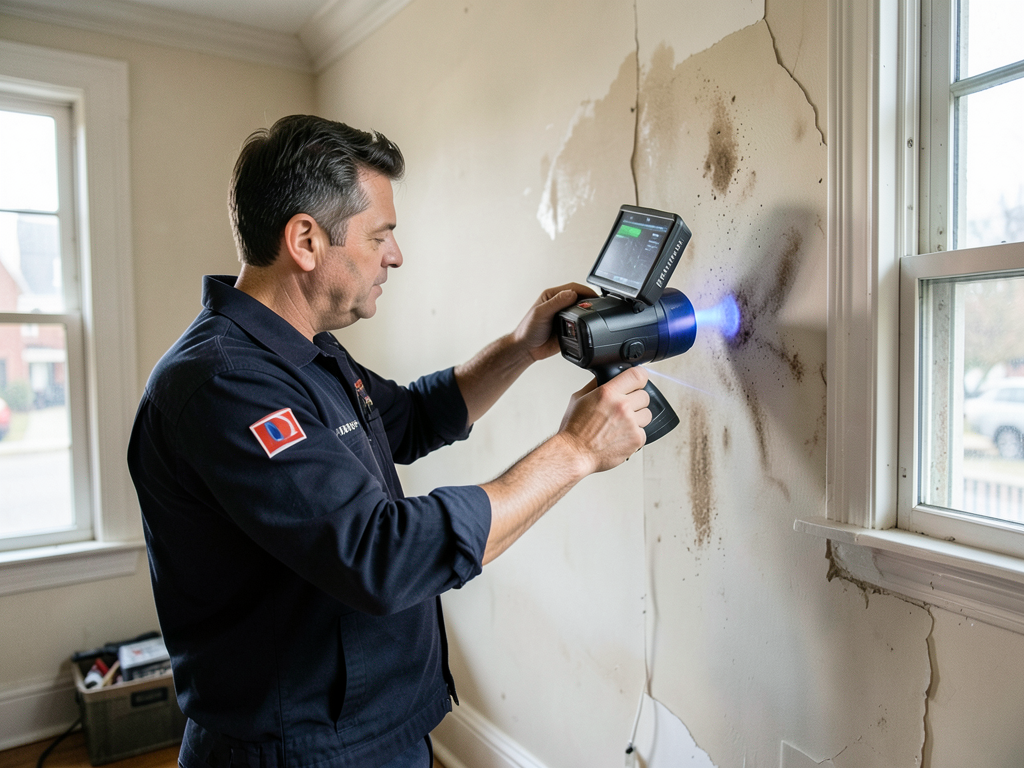
Restoration professionals use thermal imaging cameras to detect moisture behind walls without destructive testing. These cameras identify temperature differences caused by evaporative cooling from wet materials. This technology reveals the true extent of damage.. Read more about Critical Questions to Ask a Restoration Contractor Before They Start Tearing Out Your Drywall.
Moisture meters provide quantitative data about saturation levels. Pin-type meters measure electrical resistance through gypsum. Non-invasive meters use radio frequency to detect moisture without surface penetration. Both methods help determine whether materials are salvageable.
The 48-Hour Rule
Mold begins colonizing damp materials within 24-48 hours under favorable conditions. San Francisco’s humidity accelerates this timeline. Quick response prevents minor leaks from becoming major remediation projects.
Set up dehumidifiers and air movers immediately after discovering water damage. Remove wet materials from the house to prevent secondary damage. Monitor moisture levels daily until readings stabilize below 12%.
When Replacement Becomes Mandatory
Replace drywall if you observe any of these conditions: visible mold growth, structural weakness, saturation above 16%, Category 3 water exposure, or damage spanning more than ten square feet. These situations require complete removal for health and safety.
Pay special attention to areas around windows and doors where flashing failures commonly occur. These locations often hide extensive damage behind cosmetic finishes. Remove trim and check for rot in framing members.
Permit Requirements and Inspections
San Francisco requires building permits for drywall replacement in bedrooms, bathrooms, and kitchens. The Department of Building Inspection inspects framing, electrical, and plumbing before closing walls. This ensures compliance with current codes.
Schedule inspections early in your project timeline. Permit processing takes three to five business days. Missing inspections can result in fines and require opening walls to verify compliance.
Long-Term Prevention Strategies
Install water leak detection systems in high-risk areas. These sensors alert you to leaks before extensive damage occurs. Many systems integrate with smart home platforms for remote monitoring.
Schedule annual plumbing inspections for homes over 50 years old. Replace galvanized steel pipes showing signs of corrosion. Consider re-piping with PEX or copper to prevent future failures.
Insurance Claim Considerations
Document damage thoroughly before beginning repairs. Take photos from multiple angles showing the extent of damage. Keep all receipts for emergency services and repairs. This documentation supports your insurance claim.
Review your policy’s water damage coverage limits. Many policies exclude flood damage or require separate riders for comprehensive protection. Understanding your coverage prevents financial surprises.
Environmental Factors in Corona Heights
Corona Heights’ hillside location creates unique drainage challenges. Water flows downhill through soil and can enter basements through foundation cracks. Proper grading and drainage systems prevent these issues. How to handle basement flooding in San Francisco after a heavy rainstorm.
The neighborhood’s proximity to Twin Peaks affects local weather patterns. Fog and mist increase ambient moisture levels, slowing drying times for water-damaged materials. This microclimate requires adjusted remediation timelines.
Choosing the Right Contractor
Verify contractor licenses through the California State License Board. Check for IICRC certification in water damage restoration. Request references from similar projects in Corona Heights or nearby neighborhoods.
Ask contractors about their moisture testing protocols and documentation practices. Professional firms provide written assessments with moisture readings and photographic evidence. This transparency helps you make informed decisions.
Final Decision Matrix
Consider these factors when deciding between patching and replacement: water category, moisture content, visible mold, structural integrity, area size, and permit requirements. Small clean water incidents on sound materials often allow patching. Larger or contaminated incidents require replacement.
Consult professionals when uncertain about damage extent. The cost of professional assessment prevents expensive mistakes in remediation strategy. Quick action minimizes both damage and repair costs.
Frequently Asked Questions
How long does drywall take to dry naturally?
Natural drying takes seven to fourteen days depending on humidity levels. San Francisco’s high humidity extends this timeline significantly. Professional drying equipment reduces this to two to four days.
Can I paint over water stains?
Painting over water stains without proper treatment leads to bleed-through. Clean the area, apply stain-blocking primer, then paint. If the drywall is soft or shows mold, replacement is necessary.
What’s the difference between joint compound and spackle?
Joint compound is designed for drywall seams and large repairs. It dries slowly and shrinks less. Spackle works for small holes and dries quickly but isn’t suitable for structural repairs.
Do I need a permit to replace drywall?
Permits are required for replacements exceeding 100 square feet in bedrooms, bathrooms, and kitchens. Always check with San Francisco Building Inspection before starting major repairs.
How can I prevent future water damage?
Install leak detection sensors, maintain plumbing systems, ensure proper drainage around your foundation, and inspect your roof annually. Quick response to small leaks prevents major damage.
- Visual Inspection
Check for discoloration, warping, or visible mold growth. Note the size and location of damaged areas.
- Moisture Testing
Use a moisture meter to measure gypsum saturation. Readings above 16% indicate replacement needs.
- Structural Assessment
Press on damaged areas to check for softness. Probe wood framing with a screwdriver for rot.
- Water Category Identification
Determine if water is clean, gray, or black. Category 3 requires complete removal regardless of moisture levels.
- Permit Review
Check San Francisco Building Code requirements for your specific repair scope and area size.
Water damage decisions require quick action and informed choices. Small leaks caught early often allow for simple patching. Larger incidents or contaminated water require complete replacement to ensure safety and prevent future problems.
San Francisco’s unique climate and building stock add complexity to these decisions. Historic homes in Corona Heights need special consideration for both preservation and modern building standards. When in doubt, professional assessment prevents costly mistakes.. Read more about How to Tell if Your Historic Castro Stucco Is Hiding a Deep Water Intrusion Issue.
Don’t wait for minor damage to become major problems. Call (415) 449-6555 today to schedule your inspection and get expert guidance on the right repair approach for your specific situation. Quick action now saves time and money later.
{
“@context”: “https://schema.org”,
“@type”: “BlogPosting”,
“headline”: “Deciding Between Patching Drywall or Replacing It After a Leak in Corona Heights”,
“description”: “Learn when to patch or replace water-damaged drywall in Corona Heights. Get expert advice on moisture levels, mold risks, and San Francisco building codes.”,
“wordCount”: 1684,
“datePublished”: “2026-05-13T09:42:00.000Z”,
“dateModified”: “2026-05-13T09:42:00.000Z”,
“inLanguage”: “en-US”,
“mainEntityOfPage”: {
“@type”: “WebPage”,
“@id”: “https://summitwaterdamagerestorationsanfrancisco.com”
},
“publisher”: {
“@type”: “LocalBusiness”,
“name”: “Summit Water Damage Restoration San Francisco”,
“url”: “https://summitwaterdamagerestorationsanfrancisco.com”
},
“author”: {
“@type”: “Organization”,
“name”: “Summit Water Damage Restoration San Francisco”,
“url”: “https://summitwaterdamagerestorationsanfrancisco.com”
},
“image”: {
“@type”: “ImageObject”,
“url”: “https://summitwaterdamagerestorationsanfrancisco.com/wp-content/uploads/2026/03/deciding-between-patching-drywall-or-replacing-it-1.png”
}
}
{
“@context”: “https://schema.org”,
“@type”: “LocalBusiness”,
“name”: “Summit Water Damage Restoration San Francisco”,
“url”: “https://summitwaterdamagerestorationsanfrancisco.com”,
“address”: {
“@type”: “PostalAddress”,
“addressLocality”: “San Francisco”
},
“areaServed”: {
“@type”: “City”,
“name”: “San Francisco”
}
}
{
“@context”: “https://schema.org”,
“@type”: “FAQPage”,
“mainEntity”: [
{
“@type”: “Question”,
“name”: “How long does drywall take to dry naturally?”,
“acceptedAnswer”: {
“@type”: “Answer”,
“text”: “Natural drying takes seven to fourteen days depending on humidity levels. San Francisco’s high humidity extends this timeline significantly. Professional drying equipment reduces this to two to four days.”
}
},
{
“@type”: “Question”,
“name”: “Can I paint over water stains?”,
“acceptedAnswer”: {
“@type”: “Answer”,
“text”: “Painting over water stains without proper treatment leads to bleed-through. Clean the area, apply stain-blocking primer, then paint. If the drywall is soft or shows mold, replacement is necessary.”
}
},
{
“@type”: “Question”,
“name”: “What’s the difference between joint compound and spackle?”,
“acceptedAnswer”: {
“@type”: “Answer”,
“text”: “Joint compound is designed for drywall seams and large repairs. It dries slowly and shrinks less. Spackle works for small holes and dries quickly but isn’t suitable for structural repairs.”
}
},
{
“@type”: “Question”,
“name”: “Do I need a permit to replace drywall?”,
“acceptedAnswer”: {
“@type”: “Answer”,
“text”: “Permits are required for replacements exceeding 100 square feet in bedrooms, bathrooms, and kitchens. Always check with San Francisco Building Inspection before starting major repairs.”
}
},
{
“@type”: “Question”,
“name”: “How can I prevent future water damage?”,
“acceptedAnswer”: {
“@type”: “Answer”,
“text”: “Install leak detection sensors, maintain plumbing systems, ensure proper drainage around your foundation, and inspect your roof annually. Quick response to small leaks prevents major damage.”
}
}
]
}
{
“@context”: “https://schema.org”,
“@type”: “HowTo”,
“name”: “How to Assess Water Damaged Drywall”,
“step”: [
{
“@type”: “HowToStep”,
“position”: 1,
“name”: “Visual Inspection”,
“text”: “Check for discoloration, warping, or visible mold growth. Note the size and location of damaged areas.”
},
{
“@type”: “HowToStep”,
“position”: 2,
“name”: “Moisture Testing”,
“text”: “Use a moisture meter to measure gypsum saturation. Readings above 16% indicate replacement needs.”
},
{
“@type”: “HowToStep”,
“position”: 3,
“name”: “Structural Assessment”,
“text”: “Press on damaged areas to check for softness. Probe wood framing with a screwdriver for rot.”
},
{
“@type”: “HowToStep”,
“position”: 4,
“name”: “Water Category Identification”,
“text”: “Determine if water is clean, gray, or black. Category 3 requires complete removal regardless of moisture levels.”
},
{
“@type”: “HowToStep”,
“position”: 5,
“name”: “Permit Review”,
“text”: “Check San Francisco Building Code requirements for your specific repair scope and area size.”
}
],
“image”: “https://summitwaterdamagerestorationsanfrancisco.com/wp-content/uploads/2026/03/deciding-between-patching-drywall-or-replacing-it-1.png”
}
{
“@context”: “https://schema.org”,
“@type”: “BreadcrumbList”,
“itemListElement”: [
{
“@type”: “ListItem”,
“position”: 1,
“name”: “Home”,
“item”: “https://summitwaterdamagerestorationsanfrancisco.com”
},
{
“@type”: “ListItem”,
“position”: 2,
“name”: “Blog”,
“item”: “https://summitwaterdamagerestorationsanfrancisco.com/blog”
},
{
“@type”: “ListItem”,
“position”: 3,
“name”: “Deciding Between Patching Drywall or Replacing It After a Leak in Corona Heights”
}
]
}
{
“@context”: “https://schema.org”,
“@type”: “Service”,
“serviceType”: “Water Damage Restoration”,
“provider”: {
“@type”: “LocalBusiness”,
“name”: “Summit Water Damage Restoration San Francisco”,
“url”: “https://summitwaterdamagerestorationsanfrancisco.com”
},
“areaServed”: {
“@type”: “City”,
“name”: “San Francisco”
},
“description”: “Learn when to patch or replace water-damaged drywall in Corona Heights. Get expert advice on moisture levels, mold risks, and San Francisco building codes.”
}