
Fixing hidden water damage under your kitchen sink in Russian Hill
Water damage under your kitchen sink often starts as a slow drip that goes unnoticed for weeks or months. In Russian Hill’s historic homes, these leaks can compromise cabinetry, subflooring, and even structural supports before you see any visible signs. The combination of aging plumbing systems and the area’s coastal humidity creates perfect conditions for hidden water damage to flourish behind closed cabinet doors. Who to call for emergency water damage repair in San Francisco right now.
Early detection is critical. A small leak from a loose connection or deteriorating supply line can release gallons of water over time, creating the ideal environment for mold growth and wood rot. The musty smell you notice when opening the cabinet might be your first warning sign that water has been silently damaging your home. Fast water restoration services for SoMa businesses and tech offices.
Professional restoration in Russian Hill requires understanding the unique challenges of these hillside properties. Many homes here have original plumbing that’s reached the end of its service life, and the area’s soil composition can create pressure on underground pipes. Quick action prevents minor leaks from becoming major structural repairs. EPA mold guidelines.
Common causes of kitchen sink water damage in Russian Hill
Several factors make Russian Hill kitchens particularly vulnerable to hidden water damage. The neighborhood’s mix of Victorian-era homes and mid-century renovations means plumbing systems vary widely in age and condition. Supply lines in homes built before 1960 often use galvanized steel that corrodes from the inside out, creating weak points that fail without warning. Water Damage Restoration Oakland.
High water pressure in Russian Hill can stress older fittings and connections. The area’s elevation changes mean some homes experience pressure fluctuations that gradually loosen compression fittings and valve connections. These slow failures often start as minor drips that worsen over months until significant damage occurs. Water Damage Restoration Milpitas.
Humidity from San Francisco’s marine layer accelerates corrosion on metal components and creates condensation on cold water pipes. This moisture buildup can cause supply lines to sweat, drip onto cabinet bottoms, and promote mold growth in the dark, enclosed space under the sink.
Call (415) 449-6555 today to schedule your inspection.
How to identify hidden water damage under your sink
Finding hidden water damage requires more than a visual inspection. Start by removing everything from under the sink and using a flashlight to examine all surfaces. Look for water stains, discoloration, or warping on cabinet floors and walls. Run your fingers along pipes and connections to feel for moisture or mineral deposits.
Pay attention to odors. A musty, earthy smell indicates active mold growth or decaying organic material. This smell often precedes visible signs of damage by weeks or months. If you detect this odor, investigate immediately even if you don’t see standing water.
Check for soft spots by pressing firmly on cabinet floors and walls. Water-damaged wood loses its structural integrity and feels spongy or gives under pressure. This test can reveal damage that’s not visible from above. Also examine the area where the cabinet meets the floor for signs of water wicking up from below.
Listen for dripping sounds when water is running elsewhere in the house. Sometimes leaks only occur when other fixtures are in use, making them difficult to catch during a casual inspection. Have someone run water while you monitor the area under the sink.
The restoration process for kitchen water damage
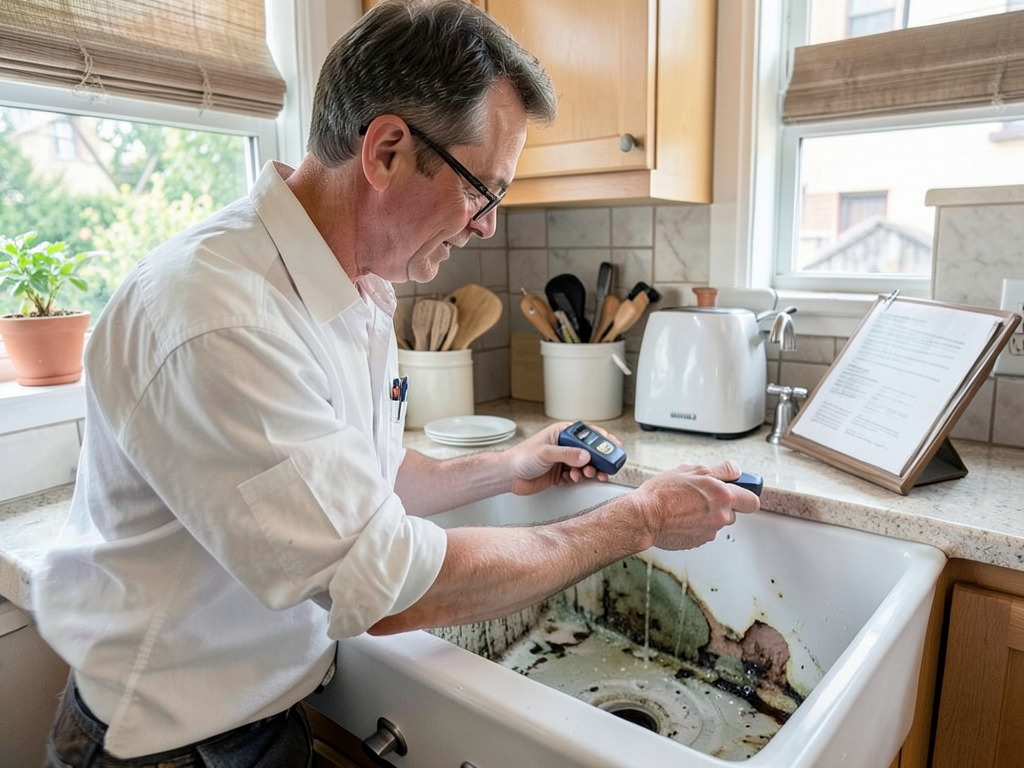
Professional restoration follows a systematic approach to ensure complete drying and prevent future problems. The process begins with a thorough assessment using moisture meters and thermal imaging cameras to detect water in walls, floors, and hidden cavities. This diagnostic step identifies the full extent of damage that might not be visible to the naked eye.
Water removal comes next, using specialized equipment to extract standing water and moisture from porous materials. High-powered fans and dehumidifiers create airflow patterns that draw moisture out of wood, drywall, and other building materials. This step typically takes 3-5 days depending on the severity of saturation.
Once drying is complete, damaged materials must be removed and replaced. This often includes cabinet bottoms, subflooring, and any insulation that absorbed water. Mold remediation may be necessary if growth has occurred, following EPA guidelines for proper containment and removal procedures.
Final repairs involve replacing damaged components with water-resistant materials and addressing the original cause of the leak. This might include replacing old supply lines, installing new shut-off valves, or resealing connections to prevent future failures.
Preventing future kitchen water damage
Prevention starts with regular maintenance of plumbing components under your sink. Check supply lines annually for signs of wear, corrosion, or loose connections. Replace flexible supply lines every 5-7 years, even if they appear to be in good condition, as the rubber components degrade over time.
Install water leak detectors in cabinet bases under sinks. These battery-powered devices sound an alarm when they detect moisture, giving you early warning of developing leaks. Some smart models can send alerts to your phone, allowing you to respond quickly even when you’re away from home.
Consider upgrading to braided stainless steel supply lines, which resist corrosion and bursting better than traditional rubber or plastic lines. These lines have a longer lifespan and can withstand higher water pressure without failing.
Monitor your water bill for unexplained increases, which often indicate hidden leaks. A sudden jump in usage without a corresponding change in your habits suggests water is escaping somewhere in your plumbing system.
Why Russian Hill homes need special attention
Russian Hill’s unique geography creates specific challenges for water damage restoration. The neighborhood’s hillside location means many homes have complex plumbing systems with multiple elevation changes. Water pressure can vary significantly between floors, stressing connections and fittings in ways that flat-land homes don’t experience.
The area’s historic building stock often contains original plumbing that’s incompatible with modern fixtures. Mixing old and new components creates failure points where different materials meet. For example, connecting modern PEX tubing to century-old galvanized steel requires careful transition fittings that can be prone to leaks if not installed correctly.
Russian Hill’s proximity to the bay means high humidity levels year-round. This constant moisture in the air accelerates corrosion on metal components and creates condensation on cold water pipes. Homes here need moisture-resistant materials and proper ventilation to prevent the damp conditions that lead to mold growth.
Many Russian Hill homes have finished basements or below-grade spaces where water damage can spread unnoticed. These areas often have limited ventilation, allowing moisture to accumulate and cause damage before it becomes visible in living spaces above. Basement Waterproofing Guide.
Insurance considerations for water damage
Most homeowner insurance policies cover sudden and accidental water damage but exclude damage from neglected maintenance or gradual leaks. This distinction is crucial because many kitchen sink leaks develop slowly over time. Insurance companies may deny claims if they determine the damage resulted from lack of maintenance rather than a sudden failure.
Document everything when you discover water damage. Take photos and videos of the affected area, keep receipts for any emergency repairs, and maintain records of your plumbing maintenance history. This documentation supports your claim and demonstrates you’ve been proactive about home maintenance.
Work with restoration professionals who have experience dealing with insurance companies. They can provide detailed damage assessments, create proper documentation, and communicate directly with adjusters to ensure your claim is processed correctly. Many restoration companies offer direct insurance billing to simplify the process.
Consider adding water damage riders to your policy for additional coverage. These endorsements can provide protection for scenarios that standard policies exclude, such as sewer backups or sump pump failures.
Choosing the right restoration company
Look for restoration companies with specific experience in historic San Francisco homes. Russian Hill properties often require specialized knowledge of older building methods and materials. Companies familiar with local architecture understand how to preserve original features while making necessary repairs.
Verify proper licensing and insurance. In California, water damage restoration companies should hold a valid contractor’s license and carry appropriate liability insurance. Ask for proof of both before allowing any work to begin in your home.
Check for industry certifications from organizations like the IICRC (Institute of Inspection, Cleaning and Restoration Certification). These certifications indicate technicians have received training in current restoration standards and best practices. IICRC certification standards.
Read reviews specifically from Russian Hill and surrounding neighborhoods. Local reviews provide insight into how companies handle the unique challenges of San Francisco’s architecture and building codes.
Emergency response for water damage
Time is critical when dealing with water damage. Mold can begin growing within 24-48 hours of water exposure, and structural damage accelerates as materials stay wet. Emergency response teams should arrive within hours of your call, not days, to begin the mitigation process.
During the initial response, technicians should identify and stop the source of water, protect undamaged areas from moisture spread, and begin water extraction immediately. This rapid response limits the extent of damage and reduces restoration costs.
Emergency services include temporary plumbing repairs to stop active leaks, water extraction using truck-mounted equipment, and setup of drying equipment to begin moisture removal. These immediate actions prevent further damage while permanent repairs are planned.
Professional emergency response includes 24/7 availability, because water damage doesn’t follow a convenient schedule. Companies should have crews on call ready to respond at any hour, with the equipment and materials needed to begin work immediately.
Cost factors in kitchen water damage restoration
Restoration costs vary based on the extent of damage, materials affected, and required repairs. Minor damage limited to cabinet bottoms might cost $500-1,500, while extensive damage requiring subfloor replacement and mold remediation can exceed $10,000.
Factors affecting cost include the need for asbestos or lead testing in older homes, the extent of mold growth, and whether structural repairs are necessary. Historic homes may require specialized materials or restoration techniques that increase costs.
Insurance coverage significantly impacts out-of-pocket expenses. If your policy covers the damage, you’ll typically pay only your deductible, with the insurance company covering the rest of the restoration costs. However, uncovered damage or denied claims mean you’re responsible for the full cost.
Emergency response fees apply for after-hours service, but these costs are often justified by preventing more extensive damage. The cost of immediate response is usually much less than the cost of repairing damage that worsens over days or weeks.
Frequently Asked Questions
How long does kitchen water damage restoration take?
The drying process typically takes 3-5 days, with complete restoration requiring 1-3 weeks depending on the extent of damage and needed repairs. Emergency water extraction and setup can begin within hours of your call.
Can I stay in my home during restoration?
For minor damage limited to under-sink areas, you can usually remain in your home. However, extensive damage requiring demolition or mold remediation may require temporary relocation during the most intensive work phases.
Will my insurance cover kitchen water damage?
Most policies cover sudden and accidental damage but exclude gradual leaks from lack of maintenance. Coverage depends on the specific cause and your policy terms. Professional assessment can help determine coverage eligibility.
How can I prevent future kitchen sink leaks?
Regular inspection of supply lines, replacement of flexible hoses every 5-7 years, installation of leak detectors, and prompt attention to any signs of moisture can prevent most kitchen sink water damage.
What should I do immediately after discovering a leak?
Shut off the water supply to the affected area, remove items from under the sink, and call a professional restoration company. Quick action limits damage and prevents mold growth.
Don’t wait for small leaks to become major problems. Call (415) 449-6555 now for immediate assistance with hidden water damage under your kitchen sink.
{
“@context”: “https://schema.org”,
“@type”: “BlogPosting”,
“headline”: “Fixing hidden water damage under your kitchen sink in Russian Hill”,
“description”: “Discover how to identify and repair hidden kitchen water damage in Russian Hill homes. Learn about leak detection, mold prevention, and professional restoration services.”,
“wordCount”: 1969,
“datePublished”: “2026-02-24T11:18:00.000Z”,
“dateModified”: “2026-02-24T11:18:00.000Z”,
“inLanguage”: “en-US”,
“mainEntityOfPage”: {
“@type”: “WebPage”,
“@id”: “https://summitwaterdamagerestorationsanfrancisco.com”
},
“publisher”: {
“@type”: “LocalBusiness”,
“name”: “Summit Water Damage Restoration San Francisco”,
“url”: “https://summitwaterdamagerestorationsanfrancisco.com”
},
“author”: {
“@type”: “Organization”,
“name”: “Summit Water Damage Restoration San Francisco”,
“url”: “https://summitwaterdamagerestorationsanfrancisco.com”
},
“image”: {
“@type”: “ImageObject”,
“url”: “https://summitwaterdamagerestorationsanfrancisco.com/wp-content/uploads/2026/03/fixing-hidden-water-damage-under-your-kitchen-sink-1.png”
}
}
{
“@context”: “https://schema.org”,
“@type”: “LocalBusiness”,
“name”: “Summit Water Damage Restoration San Francisco”,
“url”: “https://summitwaterdamagerestorationsanfrancisco.com”,
“address”: {
“@type”: “PostalAddress”,
“addressLocality”: “San Francisco”
},
“areaServed”: {
“@type”: “City”,
“name”: “San Francisco”
}
}
{
“@context”: “https://schema.org”,
“@type”: “FAQPage”,
“mainEntity”: [
{
“@type”: “Question”,
“name”: “How long does kitchen water damage restoration take?”,
“acceptedAnswer”: {
“@type”: “Answer”,
“text”: “The drying process typically takes 3-5 days, with complete restoration requiring 1-3 weeks depending on the extent of damage and needed repairs. Emergency water extraction and setup can begin within hours of your call.”
}
},
{
“@type”: “Question”,
“name”: “Can I stay in my home during restoration?”,
“acceptedAnswer”: {
“@type”: “Answer”,
“text”: “For minor damage limited to under-sink areas, you can usually remain in your home. However, extensive damage requiring demolition or mold remediation may require temporary relocation during the most intensive work phases.”
}
},
{
“@type”: “Question”,
“name”: “Will my insurance cover kitchen water damage?”,
“acceptedAnswer”: {
“@type”: “Answer”,
“text”: “Most policies cover sudden and accidental damage but exclude gradual leaks from lack of maintenance. Coverage depends on the specific cause and your policy terms. Professional assessment can help determine coverage eligibility.”
}
},
{
“@type”: “Question”,
“name”: “How can I prevent future kitchen sink leaks?”,
“acceptedAnswer”: {
“@type”: “Answer”,
“text”: “Regular inspection of supply lines, replacement of flexible hoses every 5-7 years, installation of leak detectors, and prompt attention to any signs of moisture can prevent most kitchen sink water damage.”
}
},
{
“@type”: “Question”,
“name”: “What should I do immediately after discovering a leak?”,
“acceptedAnswer”: {
“@type”: “Answer”,
“text”: “Shut off the water supply to the affected area, remove items from under the sink, and call a professional restoration company. Quick action limits damage and prevents mold growth.”
}
}
]
}
{
“@context”: “https://schema.org”,
“@type”: “BreadcrumbList”,
“itemListElement”: [
{
“@type”: “ListItem”,
“position”: 1,
“name”: “Home”,
“item”: “https://summitwaterdamagerestorationsanfrancisco.com”
},
{
“@type”: “ListItem”,
“position”: 2,
“name”: “Blog”,
“item”: “https://summitwaterdamagerestorationsanfrancisco.com/blog”
},
{
“@type”: “ListItem”,
“position”: 3,
“name”: “Fixing hidden water damage under your kitchen sink in Russian Hill”
}
]
}
{
“@context”: “https://schema.org”,
“@type”: “Service”,
“serviceType”: “Water Damage Restoration”,
“provider”: {
“@type”: “LocalBusiness”,
“name”: “Summit Water Damage Restoration San Francisco”,
“url”: “https://summitwaterdamagerestorationsanfrancisco.com”
},
“areaServed”: {
“@type”: “City”,
“name”: “San Francisco”
},
“description”: “Discover how to identify and repair hidden kitchen water damage in Russian Hill homes. Learn about leak detection, mold prevention, and professional restoration services.”
}