
How the San Francisco Fog Causes Hidden Rot Behind Your Home Wood Siding
Your San Francisco home faces a silent enemy every morning. The dense coastal fog rolls in from the Pacific, settling on your wood siding and seeping into tiny cracks and gaps. This persistent moisture creates perfect conditions for hidden rot that can compromise your home’s structure without any visible warning signs from the street.
San Francisco’s unique microclimate creates moisture levels that accelerate wood decay far beyond what homeowners in drier regions experience. The combination of high humidity, salt air, and temperature fluctuations causes wood siding to expand and contract repeatedly, breaking down protective finishes and allowing water to penetrate deeper with each cycle. Who to call for emergency water damage repair in San Francisco right now.
The problem compounds because fog moisture often evaporates slowly, especially on north-facing walls or areas sheltered from afternoon sun. This extended wet time gives wood-destroying fungi the perfect environment to establish colonies behind your siding where you can’t see them until significant damage has occurred. Water Damage Restoration Oakland.
Understanding how San Francisco’s fog affects your wood siding is the first step in protecting your home. Professional moisture detection and timely intervention can prevent thousands of dollars in structural repairs while preserving your home’s architectural character. EPA Lead-Safe Certification.
Early Warning Signs of Wood Siding Rot
Hidden rot often reveals itself through subtle changes before catastrophic failure occurs. Learning to recognize these early warning signs can save you from expensive emergency repairs.
Visual indicators include paint that bubbles, cracks, or peels away from the wood surface. This happens when moisture builds up behind the paint film, causing it to lose adhesion. You might also notice areas where the wood appears darker than surrounding sections, indicating prolonged moisture exposure.
Physical testing reveals more serious problems. When you press on suspect areas, the wood may feel soft or spongy rather than firm. This softness indicates that fungi have begun breaking down the wood’s structural fibers. In advanced cases, you can push a screwdriver into the siding with minimal resistance.
Odor detection provides another clue. A musty, earthy smell near your siding often indicates active fungal growth. This smell becomes more pronounced during humid weather when the fungi release more spores and metabolic byproducts.
Structural symptoms manifest as warping, buckling, or separation between siding boards. These deformations occur when moisture causes uneven expansion and contraction across the wood’s surface. You might also notice gaps opening at butt joints where siding pieces meet.
San Francisco’s Unique Moisture Challenges
San Francisco experiences approximately 108 days of fog annually, with the highest frequency occurring during summer months when inland areas heat up and draw in cool marine air. This fog isn’t just water vapor—it carries microscopic salt particles that accelerate corrosion and wood degradation. Fast water restoration services for SoMa businesses and tech offices.
The city’s microclimates create varying exposure levels. Homes in the Sunset District, Richmond, and along the Great Highway face constant salt spray and dense fog. Properties in Noe Valley or Bernal Heights might experience less direct fog but still deal with high humidity levels that promote fungal growth.
Temperature fluctuations in San Francisco average 15-20 degrees between day and night. This cycling causes wood siding to expand during warm afternoons and contract during cool evenings. Repeated movement breaks down paint and stain finishes, creating entry points for moisture.
Wind patterns affect moisture distribution. Southwesterly winds carry moisture from the Pacific, while the Golden Gate gap allows fog to funnel into the bay. Homes facing these directions experience more severe moisture exposure than those sheltered by hills or other buildings.
Historical building practices in San Francisco often used redwood and cedar siding without adequate moisture barriers. Many homes built before the 1980s lack the vapor barriers and flashing details that modern construction requires, making them particularly vulnerable to fog-related moisture intrusion.
Common Wood Siding Types in San Francisco Homes
Redwood remains one of the most common siding materials in San Francisco, especially in older homes. This wood contains natural tannins that resist decay, but even redwood succumbs to persistent moisture exposure over decades. You’ll find redwood siding in many Victorian and Edwardian homes throughout the city.
Western red cedar offers similar decay resistance but with different grain patterns and color variations. Cedar siding tends to gray more uniformly than redwood and often accepts stains and finishes differently, affecting long-term maintenance requirements.
Engineered wood products like T1-11 siding became popular in mid-century construction. These products consist of plywood or oriented strand board with a textured surface. While initially more affordable than solid wood, engineered products often deteriorate faster when exposed to constant moisture.
Shiplap and bevel siding represent traditional installation methods still common in San Francisco. Shiplap features overlapping joints that shed water, while bevel siding has a wedge shape that directs water away from the wall. Both styles require proper flashing and caulking to prevent moisture intrusion. High-end water damage restoration for historic Pacific Heights estates.
Fiber cement siding offers a modern alternative that resists rot and fungal growth. While more expensive initially, fiber cement eliminates many moisture-related problems associated with organic wood siding. However, installation requires different techniques and may not match historic architectural styles.
The Science of Wood Rot and Fungal Growth
Wood rot occurs when fungi break down cellulose and lignin, the primary components of wood structure. These fungi require four conditions to thrive: moisture content above 20%, oxygen, temperatures between 40-100°F, and a food source (your wood siding).
San Francisco’s fog provides the perfect moisture environment. When relative humidity remains above 70% for extended periods, wood moisture content can climb to levels that support fungal growth even without direct water contact. This explains why siding can rot without visible leaks or standing water.
Different fungi cause different types of rot. Brown rot makes wood appear cracked and cubical, breaking down the wood’s structural integrity. White rot causes wood to become spongy and fibrous, while soft rot progresses more slowly but can penetrate deeper into the wood.
The decay process accelerates once established. Fungi release enzymes that break down wood fibers, creating more surface area for additional fungal growth. This positive feedback loop can transform sound wood into structurally compromised material within months.
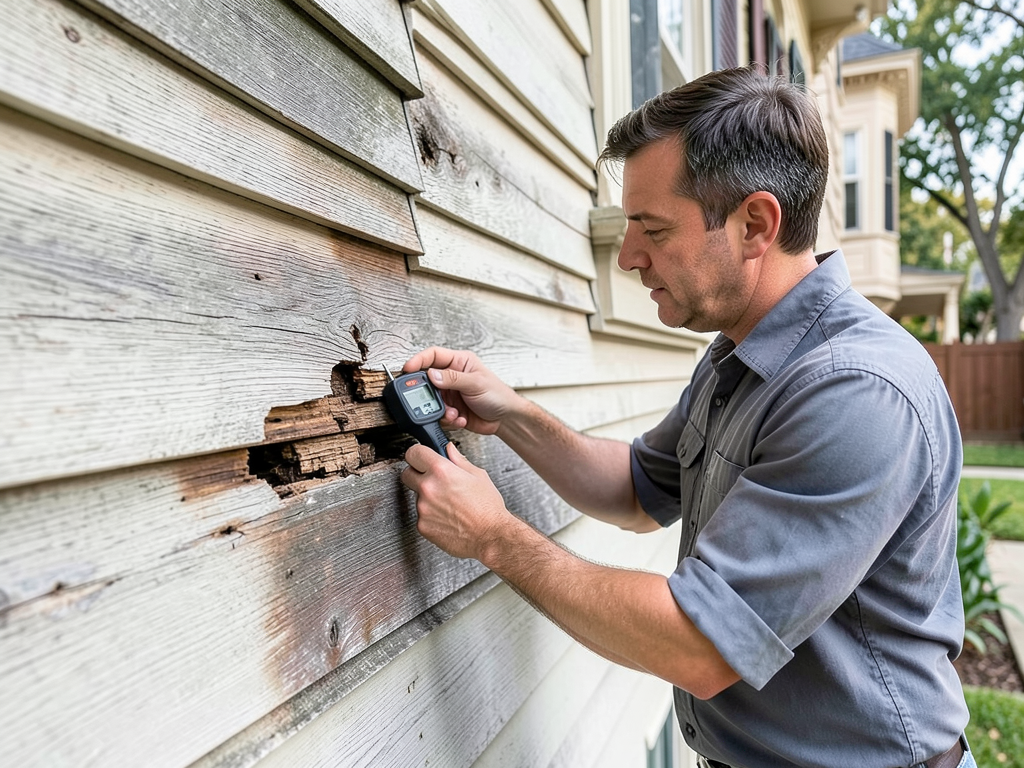
Moisture content measurement provides the most reliable indicator of rot risk. Professional moisture meters can detect elevated moisture levels before visible signs appear. Readings above 20% indicate conditions favorable for fungal growth, while readings above 30% suggest active decay processes. Professional sewage cleanup and sanitization for Mission District basements.
Professional Detection Methods
Moisture mapping represents the first step in identifying hidden rot problems. Technicians use specialized meters that can detect moisture at various depths through siding materials. These readings create a moisture profile showing where water accumulates and how deeply it penetrates.
Infrared thermography reveals temperature differences that indicate moisture presence. Wet materials conduct heat differently than dry materials, creating thermal patterns visible with infrared cameras. This technology can detect moisture behind finished surfaces without destructive testing.
Boroscope inspection allows visual examination of wall cavities through small access holes. This minimally invasive technique lets technicians see fungal growth, moisture patterns, and structural damage without removing large sections of siding.
Resistograph testing measures wood density variations that indicate decay. This device uses a small drill bit to penetrate wood surfaces, measuring resistance throughout the drilling process. Areas with reduced density show up clearly, indicating rot or insect damage.
Air quality testing can detect elevated mold spore levels that suggest hidden fungal growth. While not definitive for rot detection, high spore counts often correlate with moisture problems and active fungal colonies behind siding.
Restoration Process and Best Practices
Successful wood siding restoration requires addressing both visible damage and underlying moisture problems. The process begins with thorough assessment and moisture mapping to determine the extent of damage and identify contributing factors.
Water damage restoration follows IICRC S500 standards, which establish procedures for professional water damage mitigation. These standards require documenting moisture levels, establishing drying goals, and verifying that materials return to acceptable moisture content before repairs begin. IICRC S500 Standards.
Structural repairs address damaged framing, sheathing, and support members. This work often reveals more extensive damage than initially visible, as rot can spread from siding into structural components. Proper repair requires replacing all compromised materials and addressing the moisture source.
Flashing and waterproofing improvements prevent future moisture intrusion. This includes installing proper head flashing above windows and doors, adding kickout flashing where roofs meet walls, and ensuring all horizontal surfaces shed water away from the building.. Read more about How to Tell if Your Window Frames Are Rotting from the Constant Coastal Humidity.
Ventilation improvements reduce moisture accumulation. This might involve adding soffit vents, improving attic ventilation, or installing vapor barriers in wall cavities. Proper ventilation helps wood siding dry after fog exposure, preventing the extended wet time that promotes fungal growth.
Preventative Maintenance Strategies
Regular maintenance significantly extends wood siding life in San Francisco’s challenging climate. Annual inspections can identify problems while they’re still manageable, preventing the need for extensive repairs.
Cleaning removes dirt, salt, and organic debris that trap moisture against siding surfaces. Power washing at low pressure or gentle scrubbing with appropriate cleaners prevents buildup that accelerates deterioration. Pay special attention to areas where fog accumulates, such as north-facing walls and sheltered corners.
Recoating protects wood from moisture penetration. High-quality exterior paint or stain creates a barrier that sheds water while allowing some moisture vapor transmission. In San Francisco’s climate, recoating every 3-5 years maintains adequate protection, with south-facing surfaces often requiring more frequent attention.
Caulking seals joints and gaps where moisture can penetrate. Silicone or polyurethane caulks provide the best flexibility and adhesion for San Francisco’s temperature fluctuations. Pay particular attention to areas around windows, doors, and where different materials meet.
Gutter and downspout maintenance prevents water overflow that can saturate siding near the foundation. Clean gutters at least twice yearly, with additional cleaning after fall leaf drop and spring pollen season. Ensure downspouts direct water at least five feet from the foundation.
San Francisco Building Code Considerations
San Francisco Building Code Section 1403.2 requires weather-resistant barriers behind exterior wall coverings. This code mandates specific installation methods and materials to prevent moisture intrusion, particularly important for wood siding in the city’s foggy climate.
California Title 24 energy standards affect siding repairs and replacements. These standards require specific insulation levels and air sealing measures that may impact how siding restoration projects proceed, particularly in older homes undergoing renovation.
Historic preservation requirements apply in many San Francisco neighborhoods. The city’s Historic Preservation Commission reviews exterior modifications in designated historic districts, potentially affecting siding repair methods and material choices to maintain architectural character.
Permit requirements vary by project scope. Simple repairs might not require permits, while extensive siding replacement or structural repairs typically need building permits. The Department of Building Inspection provides specific guidance based on project details and location.
Lead-safe work practices become necessary for homes built before 1978. California regulations require specific containment and cleanup procedures when disturbing painted surfaces that might contain lead, protecting workers and occupants from lead exposure during siding repairs.
Insurance and Cost Considerations
Standard homeowner insurance policies typically don’t cover rot damage caused by long-term moisture exposure. Insurance companies consider rot a maintenance issue rather than a sudden, accidental loss. However, related damage from sudden events might be covered if rot contributed to the failure.
Documentation supports insurance claims when rot results from covered events like wind damage or plumbing failures. Maintain records of inspections, maintenance, and repairs to demonstrate reasonable care and support claims for related damages.
Cost factors include the extent of damage, accessibility of affected areas, and whether structural repairs are needed. Simple siding replacement might cost $8-15 per square foot, while extensive restoration involving structural repairs can exceed $30 per square foot.
Professional assessment fees typically range from $200-500 but often apply toward repair costs if you proceed with the recommended work. This investment provides valuable information about your home’s condition and helps prioritize necessary repairs.
Preventative maintenance costs less than emergency repairs. Annual inspection and maintenance might cost $500-1,000 but can prevent $10,000-50,000 in structural repairs by catching problems early.
Case Study: Sunset District Home Restoration
A 1920s Sunset District home exhibited classic fog-related siding problems. The homeowners noticed peeling paint on the north-facing wall but didn’t realize extensive rot had developed behind the siding.
Moisture mapping revealed readings above 30% in several wall sections, with the highest concentrations near ground level where fog accumulated. Infrared imaging showed thermal patterns consistent with moisture intrusion around windows and at butt joints between siding boards.
Removal of affected siding revealed extensive rot in the wall sheathing and some framing members. The original building paper had deteriorated, and previous repairs had trapped moisture rather than solving the underlying problem.
Restoration involved removing all compromised materials, installing modern weather-resistant barriers, improving ventilation details, and replacing damaged structural members. The homeowners also upgraded their gutter system and added foundation drainage to address moisture sources.
Post-restoration monitoring showed moisture levels returning to normal ranges within three months. The homeowners implemented a quarterly inspection schedule and annual maintenance plan to prevent recurrence.
Professional Assessment Checklist
Before beginning any siding restoration project, a thorough assessment identifies all problem areas and determines the appropriate scope of work. This checklist covers the essential evaluation steps.
Visual inspection examines all exterior surfaces for signs of moisture damage, including paint condition, wood deformation, and joint separation. Pay special attention to areas where different materials meet and where water might accumulate.
Moisture testing uses specialized meters to measure wood moisture content at various depths. Testing should include areas that appear sound to establish baseline readings and identify hidden problems.
Structural evaluation checks for damage to framing, sheathing, and other concealed components. This might involve limited invasive testing to verify conditions behind finished surfaces.
Ventilation assessment examines how air moves through and around the building envelope. Poor ventilation contributes to moisture problems by preventing drying after fog exposure.
Historical research reviews building permits, previous repairs, and known issues. Understanding what modifications have occurred helps identify potential problem areas and code compliance issues.
When to Call a Professional
Certain situations require immediate professional attention to prevent further damage and ensure proper repairs. Understanding when DIY approaches become risky helps protect your home and investment.
Extensive damage covering more than 10% of siding area typically requires professional restoration. Large-scale problems often indicate systemic issues that simple repairs won’t address effectively.
Structural involvement, such as damaged framing or compromised sheathing, demands professional assessment and repair. Structural repairs require specific knowledge of building systems and code compliance.
Hidden moisture problems behind finished surfaces need professional detection methods. Without proper testing equipment, you might miss extensive damage that continues deteriorating unseen.
Permit-required work involving structural changes, electrical modifications, or plumbing alterations must comply with building codes. Professional contractors understand permit requirements and ensure work meets current standards.
Historic district properties face additional requirements for exterior modifications. Professional restorers understand preservation guidelines and can navigate approval processes while maintaining architectural integrity.
Frequently Asked Questions
How can I tell if my wood siding has rot before it becomes visible?
Professional moisture testing using specialized meters can detect elevated moisture levels before visible signs appear. Readings above 20% indicate conditions favorable for fungal growth, while readings above 30% suggest active decay processes.
Does San Francisco’s fog really cause more siding damage than rain?
Yes. Fog provides prolonged moisture exposure at moderate levels, creating ideal conditions for fungal growth. Rain typically dries more quickly, while fog can keep surfaces wet for days, giving fungi time to establish and spread.
How often should I inspect my wood siding for potential problems?
Annual inspections are recommended, with additional checks after severe weather events. Quarterly visual inspections can catch problems early, especially in fog-prone areas like the Sunset and Richmond districts.
Can I repair just the damaged sections of siding, or do I need complete replacement?
Localized repairs work for isolated damage affecting less than 10% of the surface. Extensive damage or systemic moisture problems usually require more comprehensive restoration to address underlying causes.
What’s the typical lifespan of wood siding in San Francisco’s climate?
Well-maintained wood siding can last 20-30 years in San Francisco, while neglected siding might fail in 10-15 years. Regular maintenance, proper ventilation, and prompt repairs significantly extend service life.
Are there siding materials that resist fog-related rot better than wood?
Fiber cement siding resists rot and fungal growth effectively but requires different installation techniques. Engineered wood products often perform poorly in San Francisco’s moisture conditions compared to traditional solid wood siding.
Will my homeowner’s insurance cover siding rot damage?
Standard policies typically exclude rot caused by long-term moisture exposure, considering it a maintenance issue. However, related damage from sudden events might be covered if rot contributed to the failure.
How much does professional siding restoration typically cost in San Francisco?
Costs vary widely based on damage extent and required repairs. Simple siding replacement might cost $8-15 per square foot, while extensive restoration involving structural repairs can exceed $30 per square foot.
Protect Your Home from Hidden Rot
San Francisco’s beautiful coastal environment creates unique challenges for wood siding homeowners. The persistent fog that gives our city its character also creates perfect conditions for hidden rot that can compromise your home’s structure and value.
Understanding the warning signs and implementing proper maintenance strategies helps protect your investment. Regular inspections, timely repairs, and professional assessment when problems arise can prevent costly emergency repairs and preserve your home’s architectural character.
Don’t wait until you can see the damage from the street. By then, the rot has likely spread far beyond what’s visible, potentially affecting structural components and requiring extensive restoration work.
Call (415) 449-6555 today to schedule your professional siding inspection. Our experienced technicians use advanced moisture detection equipment to identify problems before they become visible, saving you money and protecting your home’s structural integrity.
Pick up the phone and call (415) 449-6555 before the next fog bank rolls in. Early detection and professional intervention are your best defense against the hidden rot that threatens San Francisco homes every day.
Your home deserves expert care from professionals who understand San Francisco’s unique climate challenges. Don’t let hidden rot compromise your investment or your family’s safety. Contact us now for your comprehensive siding assessment.
{
“@context”: “https://schema.org”,
“@type”: “BlogPosting”,
“headline”: “How the San Francisco Fog Causes Hidden Rot Behind Your Home Wood Siding”,
“description”: “San Francisco’s coastal fog traps moisture behind wood siding, causing hidden rot that weakens your home’s structure. Learn the warning signs and professional solutions.”,
“wordCount”: 3052,
“datePublished”: “2026-03-28T15:03:00.000Z”,
“dateModified”: “2026-03-28T15:03:00.000Z”,
“inLanguage”: “en-US”,
“mainEntityOfPage”: {
“@type”: “WebPage”,
“@id”: “https://summitwaterdamagerestorationsanfrancisco.com”
},
“publisher”: {
“@type”: “LocalBusiness”,
“name”: “Summit Water Damage Restoration San Francisco”,
“url”: “https://summitwaterdamagerestorationsanfrancisco.com”
},
“author”: {
“@type”: “Organization”,
“name”: “Summit Water Damage Restoration San Francisco”,
“url”: “https://summitwaterdamagerestorationsanfrancisco.com”
},
“image”: {
“@type”: “ImageObject”,
“url”: “https://summitwaterdamagerestorationsanfrancisco.com/wp-content/uploads/2026/03/how-the-san-francisco-fog-causes-hidden-rot-behind-1.png”
}
}
{
“@context”: “https://schema.org”,
“@type”: “LocalBusiness”,
“name”: “Summit Water Damage Restoration San Francisco”,
“url”: “https://summitwaterdamagerestorationsanfrancisco.com”,
“address”: {
“@type”: “PostalAddress”,
“addressLocality”: “San Francisco”
},
“areaServed”: {
“@type”: “City”,
“name”: “San Francisco”
}
}
{
“@context”: “https://schema.org”,
“@type”: “FAQPage”,
“mainEntity”: [
{
“@type”: “Question”,
“name”: “How can I tell if my wood siding has rot before it becomes visible?”,
“acceptedAnswer”: {
“@type”: “Answer”,
“text”: “Professional moisture testing using specialized meters can detect elevated moisture levels before visible signs appear. Readings above 20% indicate conditions favorable for fungal growth, while readings above 30% suggest active decay processes.”
}
},
{
“@type”: “Question”,
“name”: “Does San Francisco’s fog really cause more siding damage than rain?”,
“acceptedAnswer”: {
“@type”: “Answer”,
“text”: “Yes. Fog provides prolonged moisture exposure at moderate levels, creating ideal conditions for fungal growth. Rain typically dries more quickly, while fog can keep surfaces wet for days, giving fungi time to establish and spread.”
}
},
{
“@type”: “Question”,
“name”: “How often should I inspect my wood siding for potential problems?”,
“acceptedAnswer”: {
“@type”: “Answer”,
“text”: “Annual inspections are recommended, with additional checks after severe weather events. Quarterly visual inspections can catch problems early, especially in fog-prone areas like the Sunset and Richmond districts.”
}
},
{
“@type”: “Question”,
“name”: “Can I repair just the damaged sections of siding, or do I need complete replacement?”,
“acceptedAnswer”: {
“@type”: “Answer”,
“text”: “Localized repairs work for isolated damage affecting less than 10% of the surface. Extensive damage or systemic moisture problems usually require more comprehensive restoration to address underlying causes.”
}
},
{
“@type”: “Question”,
“name”: “What’s the typical lifespan of wood siding in San Francisco’s climate?”,
“acceptedAnswer”: {
“@type”: “Answer”,
“text”: “Well-maintained wood siding can last 20-30 years in San Francisco, while neglected siding might fail in 10-15 years. Regular maintenance, proper ventilation, and prompt repairs significantly extend service life.”
}
},
{
“@type”: “Question”,
“name”: “Are there siding materials that resist fog-related rot better than wood?”,
“acceptedAnswer”: {
“@type”: “Answer”,
“text”: “Fiber cement siding resists rot and fungal growth effectively but requires different installation techniques. Engineered wood products often perform poorly in San Francisco’s moisture conditions compared to traditional solid wood siding.”
}
},
{
“@type”: “Question”,
“name”: “Will my homeowner’s insurance cover siding rot damage?”,
“acceptedAnswer”: {
“@type”: “Answer”,
“text”: “Standard policies typically exclude rot caused by long-term moisture exposure, considering it a maintenance issue. However, related damage from sudden events might be covered if rot contributed to the failure.”
}
},
{
“@type”: “Question”,
“name”: “How much does professional siding restoration typically cost in San Francisco?”,
“acceptedAnswer”: {
“@type”: “Answer”,
“text”: “Costs vary widely based on damage extent and required repairs. Simple siding replacement might cost $8-15 per square foot, while extensive restoration involving structural repairs can exceed $30 per square foot.”
}
}
]
}
{
“@context”: “https://schema.org”,
“@type”: “BreadcrumbList”,
“itemListElement”: [
{
“@type”: “ListItem”,
“position”: 1,
“name”: “Home”,
“item”: “https://summitwaterdamagerestorationsanfrancisco.com”
},
{
“@type”: “ListItem”,
“position”: 2,
“name”: “Blog”,
“item”: “https://summitwaterdamagerestorationsanfrancisco.com/blog”
},
{
“@type”: “ListItem”,
“position”: 3,
“name”: “How the San Francisco Fog Causes Hidden Rot Behind Your Home Wood Siding”
}
]
}
{
“@context”: “https://schema.org”,
“@type”: “Service”,
“serviceType”: “Water Damage Restoration”,
“provider”: {
“@type”: “LocalBusiness”,
“name”: “Summit Water Damage Restoration San Francisco”,
“url”: “https://summitwaterdamagerestorationsanfrancisco.com”
},
“areaServed”: {
“@type”: “City”,
“name”: “San Francisco”
},
“description”: “San Francisco’s coastal fog traps moisture behind wood siding, causing hidden rot that weakens your home’s structure. Learn the warning signs and professional solutions.”
}