
When a pipe bursts or a roof leaks in a Candlestick Point condo, the first question isn’t about cleanup—it’s about who pays. The answer depends on California Civil Code Section 4775, the Davis-Stirling Act, and your specific HOA’s Covenants, Conditions, and Restrictions. In this article, you’ll learn exactly where the boundary lies between homeowner and HOA responsibility, how San Francisco’s unique building environment affects liability, and what to do immediately when water strikes. California Department of Real Estate.
Understanding the Davis-Stirling Act in California
The Davis-Stirling Act governs all common interest developments in California, including the newer condo complexes in Candlestick Point. Under California Civil Code Section 4775, the HOA maintains, repairs, and replaces common area structures, while homeowners maintain their separate interests. But the lines blur when water travels through walls or ceilings, making immediate diagnosis critical. Who to call for emergency water damage repair in San Francisco right now.
In Candlestick Point’s newer construction, many buildings feature mixed-use designs with shared plumbing stacks and roof membranes. A leak in a common riser affects multiple units, triggering HOA responsibility. But if the source is a failed washing machine hose inside your unit, that’s on you. The key is documenting the source before cleanup begins.
Common Areas vs. Separate Interests: Defining the Boundary
Common areas typically include building exteriors, roofs, foundations, and shared plumbing lines. In Candlestick Point’s modern developments, this often extends to underground parking structures and landscaped areas. Separate interests cover everything from the interior paint inward, including your personal property and fixtures.
However, many HOAs in San Francisco have exclusive use common areas—balconies, patios, or even individual water heaters in older buildings. These create liability gray zones. If your balcony’s waterproofing fails and damages the unit below, your HOA might hold you responsible for repairs to the common structure. Fast water restoration services for SoMa businesses and tech offices.
Exclusive Use Common Areas: The Gray Area (Balconies and Patios)
Exclusive use common areas are portions of common property reserved for one owner’s use. In Candlestick Point, this often includes private balconies with shared structural support. If water seeps through your balcony’s membrane and damages the ceiling below, liability depends on your CC&Rs. High-end water damage restoration for historic Pacific Heights estates.
Some HOAs require owners to maintain exclusive use areas, while others treat them as common property. A recent case in the Bayview District showed how quickly disputes escalate when CC&Rs are vague. The owner assumed balcony maintenance was personal responsibility, but the HOA considered it common area, delaying repairs for weeks.
When the HOA is Responsible: Negligence and Maintenance Failures
The HOA bears responsibility when water damage results from their failure to maintain common areas. This includes roof leaks from deferred maintenance, plumbing failures in shared lines, or drainage system backups. In San Francisco’s coastal climate, salt air accelerates corrosion in exposed pipes, making regular inspections crucial. Water Damage Restoration Oakland.
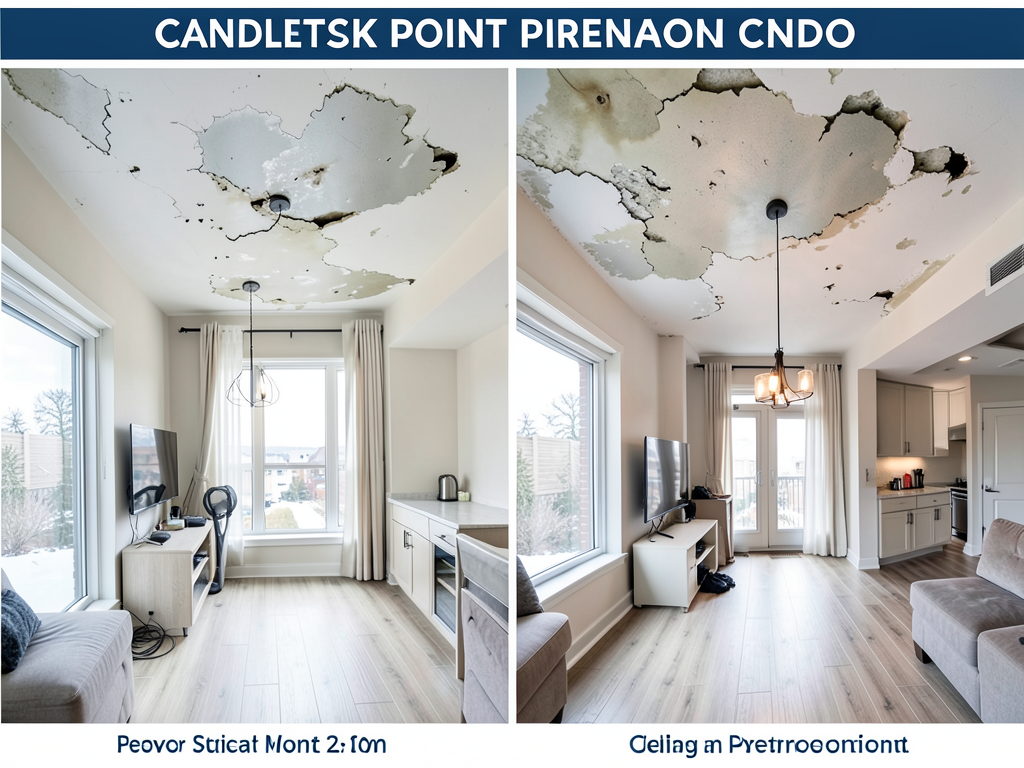
If your HOA ignored multiple reports of a roof leak that eventually caused ceiling damage in your unit, they’re likely liable. Document every communication with the HOA board. Photos of active leaks, dated maintenance requests, and inspection reports strengthen your position when filing insurance claims.
When the Homeowner is Responsible: Internal Fixtures and Appliances
Homeowners cover damage from fixtures inside their separate interest. This includes toilet overflows, washing machine hose failures, and refrigerator line leaks. In Candlestick Point’s newer condos, many units have stacked laundry closets with shared plumbing—a leak here affects your unit first, then potentially neighbors below.
Appliance failures are the leading cause of interior water damage in San Francisco condos. A five-year-old washing machine hose can burst without warning, releasing hundreds of gallons before you notice. Installing stainless steel braided hoses costs around $20 per appliance but prevents thousands in damage.
San Francisco Specific Considerations (Aging Infrastructure & Multi-Unit Buildings)
San Francisco’s unique building stock creates specific liability challenges. Many Candlestick Point buildings use modern materials but share infrastructure with older nearby structures. The city’s combined sewer system, managed by the San Francisco Public Utilities Commission, can back up during heavy rains, overwhelming building drainage systems.
Buildings constructed before 2010 often lack proper backwater valves, making them vulnerable to sewage backups. If your HOA hasn’t installed these devices, they might share liability for damage from municipal system failures. Check your building’s age and ask about recent plumbing upgrades. Professional sewage cleanup and sanitization for Mission District basements.
Step-by-Step Guide: What to Do When a Leak Occurs in an SF HOA
Time matters more than anything else. Within the first hour, you need to stop the water source, document the damage, and notify the right parties. Here’s the exact process that protects your interests:
- Stop the Water Source
Locate your unit’s main shutoff valve immediately. In Candlestick Point condos, these are often in utility closets or behind access panels. Turn off the valve completely. If you can’t find it, call building maintenance or a plumber right away.
- Document Everything
Take photos and videos of all visible damage before anything is moved. Capture water spread, damaged items, and potential sources. Time-stamp these photos—they’re crucial for insurance claims. Don’t just photograph the damage; show the surrounding context to establish the leak’s origin.
- Notify Your HOA
Send written notice to your HOA board immediately. Email creates a timestamped record. Include photos and a brief description of the damage. Most HOAs require written notice within 72 hours for insurance purposes.
- Mitigate Further Damage
Remove standing water and protect undamaged items. Use towels, mops, or a wet vacuum if available. Open windows for ventilation if weather permits. Your insurance may require you to take reasonable steps to prevent additional damage.
- Call a Professional
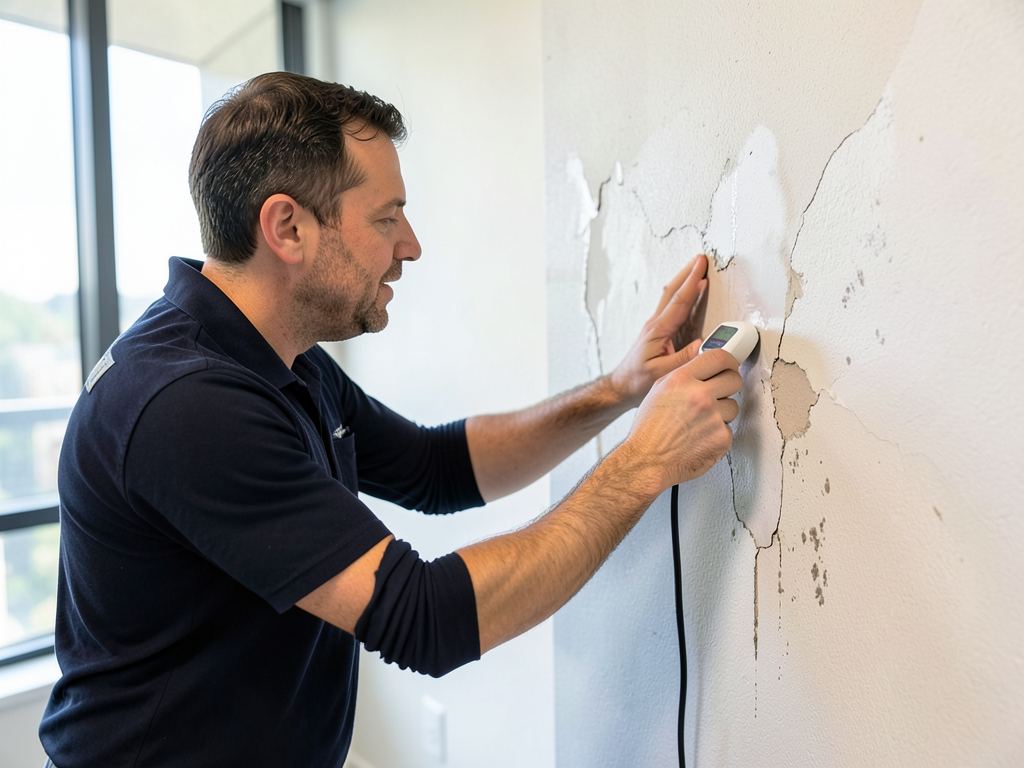
Don’t wait for the HOA to act. Call (415) 449-6555 for immediate water damage assessment. Professional moisture detection can find hidden damage that isn’t visible to the naked eye. Early intervention prevents mold growth, which can start within 24-48 hours.
Insurance Implications: H06 Policies vs. HOA Master Policies
Understanding your insurance coverage is crucial before disaster strikes. Your HOA carries a master policy covering common areas and the building structure. You need an H06 policy (condo insurance) for your personal property, fixtures, and any improvements you’ve made.
H06 policies typically cover water damage from sudden accidents but exclude flooding or sewer backups. Check your policy’s specific exclusions. Many San Francisco HOAs now require H06 coverage with at least $500,000 in liability protection. Without it, you could be personally responsible for damage to common areas.
When filing claims, document everything meticulously. Insurance adjusters need to determine the damage source before assigning liability. Keep all receipts for emergency services, temporary housing, and repairs. Your H06 policy may reimburse these expenses even before liability is settled.
Common HOA Water Damage Scenarios in Candlestick Point
Different building designs create different liability patterns. In Candlestick Point’s newer developments, you’ll find three main scenarios:
| Scenario | Typical Source | Who Pays | Immediate Action |
|---|---|---|---|
| Roof Leak | Failed membrane or flashing | HOA (common area) | Document damage, notify HOA, call professional |
| Plumbing Stack Failure | Shared vertical pipes | HOA (common area) | Shut off main valve, document spread pattern |
| Appliance Hose Burst | Washing machine, dishwasher | Homeowner | Shut off supply valve, clean up immediately |
| Balcony Waterproofing Failure | Membrane deterioration | Depends on CC&Rs | Document source, review HOA documents |
| Sewer Backup | City system overload | HOA or City (depends on cause) | Evacuate, document contamination, call professional |
Preventing Water Damage in Your HOA Community
Prevention costs far less than restoration. In San Francisco’s climate, where fog and salt air accelerate deterioration, regular maintenance is non-negotiable. Here are the most effective prevention strategies:
- Install water leak detection systems that automatically shut off supply lines when leaks are detected
- Schedule annual roof inspections before rainy season begins
- Replace washing machine hoses every five years or upgrade to stainless steel braided versions
- Clean gutters and downspouts quarterly to prevent overflow during atmospheric river events
- Install backwater valves if your building lacks them
Many Candlestick Point HOAs now require owners to install smart water sensors that alert both the homeowner and building management when moisture is detected. These systems can prevent thousands in damage by catching leaks before they spread.
Legal Resources and Next Steps
If you’re facing a water damage dispute with your HOA, several resources can help. The California Department of Real Estate provides guidance on HOA disputes. Local attorneys specializing in HOA law can review your CC&Rs and advise on liability.
For immediate restoration needs, call (415) 449-6555. Our team understands San Francisco’s unique building environment and can work within HOA guidelines while protecting your interests. We provide detailed documentation that insurance companies and attorneys need for liability determination.
Don’t let water damage escalate. Whether you’re dealing with a current leak or want to prevent future problems, professional assessment is your best first step. The longer water sits, the more expensive and complicated the restoration becomes.
Frequently Asked Questions
Who is responsible for water damage in a condo if the source is unclear?
California law requires the party claiming responsibility to prove their case. If the source isn’t immediately clear, both the HOA and homeowner may need to investigate. Professional moisture mapping can often determine the water’s path and origin, establishing liability.
How quickly should I report water damage to my HOA?
Report damage immediately in writing. Email creates a timestamped record. Most HOAs require written notice within 72 hours for insurance purposes. Delaying notification could affect your ability to recover costs later.
Can I make repairs before determining liability?
Yes, but document everything first. Your insurance policy likely requires you to mitigate further damage. Take photos, keep receipts, and notify all relevant parties before starting repairs. This protects your right to reimbursement regardless of who ultimately pays.
What if my HOA refuses to repair common area damage?
If your HOA neglects necessary repairs to common areas, you may need legal assistance. Document all communications, gather evidence of the damage’s impact on your unit, and consider consulting an attorney who specializes in HOA disputes.
Does my H06 policy cover damage to my neighbor’s unit?
Your H06 policy includes liability coverage that may pay for damage to other units if you’re found responsible. However, if the HOA’s common areas caused the damage, their master policy would be primary. Always notify your insurance company when damage occurs.
[IMAGE_PLACEHOLDER_3>
Take Action Now
Water damage doesn’t wait for liability decisions. If you’re dealing with a leak in your Candlestick Point condo, call (415) 449-6555 immediately. Our certified technicians will assess the damage, document everything for your records, and begin mitigation to prevent further loss. Don’t let uncertainty about who pays delay critical repairs—we’ll help you navigate the process while protecting your property.
Pick up the phone and call (415) 449-6555 before the next storm hits. Whether you need emergency response or want to prevent future problems, we’re here to help San Francisco condo owners understand their rights and restore their homes quickly. For more information, visit IICRC water damage restoration standards.
{
“@context”: “https://schema.org”,
“@type”: “BlogPosting”,
“headline”: “Navigating Water Damage Responsibilities in a Candlestick Point HOA Community”,
“description”: “Learn who pays for water damage repairs in Candlestick Point condos. Understand HOA vs homeowner liability, insurance coverage, and immediate restoration steps.”,
“wordCount”: 1830,
“datePublished”: “2026-05-09T10:54:00.000Z”,
“dateModified”: “2026-05-09T10:54:00.000Z”,
“inLanguage”: “en-US”,
“mainEntityOfPage”: {
“@type”: “WebPage”,
“@id”: “https://summitwaterdamagerestorationsanfrancisco.com”
},
“publisher”: {
“@type”: “LocalBusiness”,
“name”: “Summit Water Damage Restoration San Francisco”,
“url”: “https://summitwaterdamagerestorationsanfrancisco.com”
},
“author”: {
“@type”: “Organization”,
“name”: “Summit Water Damage Restoration San Francisco”,
“url”: “https://summitwaterdamagerestorationsanfrancisco.com”
},
“image”: {
“@type”: “ImageObject”,
“url”: “https://summitwaterdamagerestorationsanfrancisco.com/wp-content/uploads/2026/03/navigating-water-damage-responsibilities-in-a-cand-1.png”
}
}
{
“@context”: “https://schema.org”,
“@type”: “LocalBusiness”,
“name”: “Summit Water Damage Restoration San Francisco”,
“url”: “https://summitwaterdamagerestorationsanfrancisco.com”,
“address”: {
“@type”: “PostalAddress”,
“addressLocality”: “San Francisco”
},
“areaServed”: {
“@type”: “City”,
“name”: “San Francisco”
}
}
{
“@context”: “https://schema.org”,
“@type”: “FAQPage”,
“mainEntity”: [
{
“@type”: “Question”,
“name”: “Who is responsible for water damage in a condo if the source is unclear?”,
“acceptedAnswer”: {
“@type”: “Answer”,
“text”: “California law requires the party claiming responsibility to prove their case. If the source isn’t immediately clear, both the HOA and homeowner may need to investigate. Professional moisture mapping can often determine the water’s path and origin, establishing liability.”
}
},
{
“@type”: “Question”,
“name”: “How quickly should I report water damage to my HOA?”,
“acceptedAnswer”: {
“@type”: “Answer”,
“text”: “Report damage immediately in writing. Email creates a timestamped record. Most HOAs require written notice within 72 hours for insurance purposes. Delaying notification could affect your ability to recover costs later.”
}
},
{
“@type”: “Question”,
“name”: “Can I make repairs before determining liability?”,
“acceptedAnswer”: {
“@type”: “Answer”,
“text”: “Yes, but document everything first. Your insurance policy likely requires you to mitigate further damage. Take photos, keep receipts, and notify all relevant parties before starting repairs. This protects your right to reimbursement regardless of who ultimately pays.”
}
},
{
“@type”: “Question”,
“name”: “What if my HOA refuses to repair common area damage?”,
“acceptedAnswer”: {
“@type”: “Answer”,
“text”: “If your HOA neglects necessary repairs to common areas, you may need legal assistance. Document all communications, gather evidence of the damage’s impact on your unit, and consider consulting an attorney who specializes in HOA disputes.”
}
},
{
“@type”: “Question”,
“name”: “Does my H06 policy cover damage to my neighbor’s unit?”,
“acceptedAnswer”: {
“@type”: “Answer”,
“text”: “Your H06 policy includes liability coverage that may pay for damage to other units if you’re found responsible. However, if the HOA’s common areas caused the damage, their master policy would be primary. Always notify your insurance company when damage occurs.”
}
}
]
}
{
“@context”: “https://schema.org”,
“@type”: “HowTo”,
“name”: “Emergency Water Damage Response”,
“step”: [
{
“@type”: “HowToStep”,
“position”: 1,
“name”: “Stop the Water Source”,
“text”: “Locate your unit’s main shutoff valve immediately. In Candlestick Point condos, these are often in utility closets or behind access panels. Turn off the valve completely. If you can’t find it, call building maintenance or a plumber right away.”
},
{
“@type”: “HowToStep”,
“position”: 2,
“name”: “Document Everything”,
“text”: “Take photos and videos of all visible damage before anything is moved. Capture water spread, damaged items, and potential sources. Time-stamp these photos—they’re crucial for insurance claims. Don’t just photograph the damage; show the surrounding context to establish the leak’s origin.”
},
{
“@type”: “HowToStep”,
“position”: 3,
“name”: “Notify Your HOA”,
“text”: “Send written notice to your HOA board immediately. Email creates a timestamped record. Include photos and a brief description of the damage. Most HOAs require written notice within 72 hours for insurance purposes.”
},
{
“@type”: “HowToStep”,
“position”: 4,
“name”: “Mitigate Further Damage”,
“text”: “Remove standing water and protect undamaged items. Use towels, mops, or a wet vacuum if available. Open windows for ventilation if weather permits. Your insurance may require you to take reasonable steps to prevent additional damage.”
},
{
“@type”: “HowToStep”,
“position”: 5,
“name”: “Call a Professional”,
“text”: “Don’t wait for the HOA to act. Call (415) 449-6555 for immediate water damage assessment. Professional moisture detection can find hidden damage that isn’t visible to the naked eye. Early intervention prevents mold growth, which can start within 24-48 hours.”
}
],
“image”: “https://summitwaterdamagerestorationsanfrancisco.com/wp-content/uploads/2026/03/navigating-water-damage-responsibilities-in-a-cand-1.png”
}
{
“@context”: “https://schema.org”,
“@type”: “BreadcrumbList”,
“itemListElement”: [
{
“@type”: “ListItem”,
“position”: 1,
“name”: “Home”,
“item”: “https://summitwaterdamagerestorationsanfrancisco.com”
},
{
“@type”: “ListItem”,
“position”: 2,
“name”: “Blog”,
“item”: “https://summitwaterdamagerestorationsanfrancisco.com/blog”
},
{
“@type”: “ListItem”,
“position”: 3,
“name”: “Navigating Water Damage Responsibilities in a Candlestick Point HOA Community”
}
]
}
{
“@context”: “https://schema.org”,
“@type”: “Service”,
“serviceType”: “Water Damage Restoration”,
“provider”: {
“@type”: “LocalBusiness”,
“name”: “Summit Water Damage Restoration San Francisco”,
“url”: “https://summitwaterdamagerestorationsanfrancisco.com”
},
“areaServed”: {
“@type”: “City”,
“name”: “San Francisco”
},
“description”: “Learn who pays for water damage repairs in Candlestick Point condos. Understand HOA vs homeowner liability, insurance coverage, and immediate restoration steps.”
}