
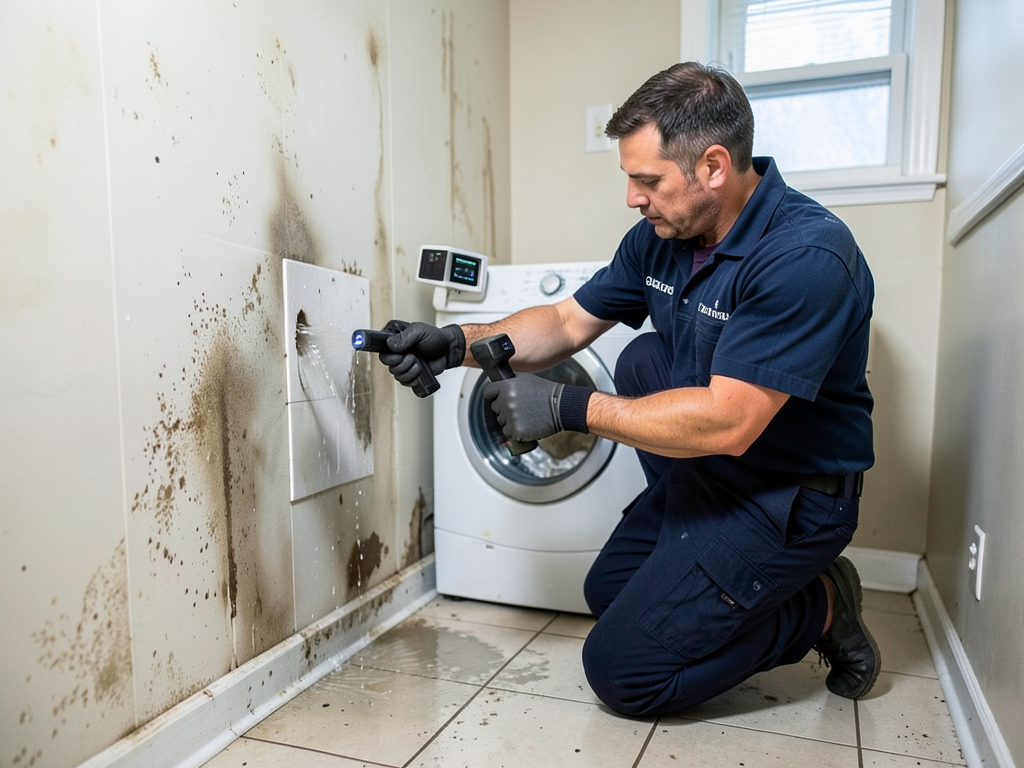
Steps to Take When Your Washing Machine Floods Your Glen Park Laundry Room
A washing machine flood hits fast. One minute you’re loading clothes, the next you’re standing in inches of soapy water spreading across your Glen Park laundry room floor. The immediate panic is real, but your next steps determine whether you’re looking at a quick cleanup or thousands in structural repairs. EPA mold guidelines.
The first 60 minutes matter most. Shut off the water supply valve behind the machine. Unplug the washer if you can reach the outlet safely. If water has reached electrical outlets or you smell burning, leave the room and call for emergency help immediately. Standing water conducts electricity through metal washer parts and can create serious shock hazards. Who to call for emergency water damage repair in San Francisco right now.
Now you need to decide: handle this yourself or call professionals? The answer depends on how much water escaped, what kind of flooring you have, and how long it sat before you discovered it. Water from a washing machine is classified as Category 2 gray water. It contains detergents, soil, and microorganisms that can cause health issues if not properly cleaned and dried. Fast water restoration services for SoMa businesses and tech offices.
Glen Park’s older homes often feature hardwood floors and crawl spaces beneath laundry rooms. Water seeps between floorboards within minutes, wicking into subfloors and wall cavities. Even if the surface looks dry, moisture meters often reveal hidden saturation that leads to warping, mold growth, and structural weakening within 24-48 hours. High-end water damage restoration for historic Pacific Heights estates.
Here’s your immediate action plan:
- Stop the Water Flow
Locate the cold and hot water supply valves behind the washing machine. Turn both clockwise until they stop. If valves are stuck or you cannot reach them, find your home’s main water shut-off valve, typically near the water heater or in the garage.. Read more about How much does water damage restoration actually cost in San Francisco.
- Cut Power Safely
If water hasn’t reached outlets, unplug the washing machine. If water is near electrical sources, go to your circuit breaker panel and switch off the laundry room circuit. Never stand in water to access breakers.. Read more about Who Is Responsible for Water Damage in an Inner Sunset Rental Property?.
- Extract Standing Water
Use towels, mops, or a wet vacuum to remove surface water. For areas larger than 10 square feet or water deeper than half an inch, professional extraction equipment is necessary to prevent subfloor damage. Professional sewage cleanup and sanitization for Mission District basements.
- Begin Drying Process
Open windows if weather permits. Set up fans to circulate air. Remove wet items from the floor. Place aluminum foil under furniture legs to prevent staining on damp carpet or wood.
- Assess Damage Scope
Check walls for water wicking up from the floor. Look for bubbling paint or soft drywall. Feel the floor for soft spots or warping. These signs indicate water has penetrated beyond the surface.. Read more about Clean Water vs Black Water and Why the Difference Matters for Your Health.
DIY vs. Professional Assessment Table
| Damage Factor | DIY Safe | Call Professionals |
|---|---|---|
| Water Volume | Less than 10 sq ft | Over 10 sq ft or standing water |
| Floor Type | Tile or sealed concrete | Hardwood, laminate, or carpet |
| Time Elapsed | Under 2 hours | Over 2 hours or overnight |
| Wall Contact | No wall moisture | Wet baseboards or drywall |
| Subfloor Access | Concrete slab foundation | Crawl space or pier-and-beam |
Glen Park’s coastal fog and high humidity create unique challenges for DIY drying. What works in Arizona’s dry climate fails here. San Francisco’s average relative humidity stays above 70% most mornings, preventing moisture from evaporating naturally. Professional-grade dehumidifiers remove 20-30 gallons of water daily from the air, accelerating drying times from days to hours.. Read more about Comparing the High Tech Drying Equipment Used by San Francisco Restoration Pros.
The professional restoration process follows industry standards from the IICRC S500, which classifies water damage by contamination level and dictates specific drying protocols. For washing machine floods, technicians use moisture meters to map water migration, then deploy air movers and dehumidifiers strategically based on psychrometric calculations. IICRC S500 standards.
Structural drying requires more than fans. Technicians calculate cubic feet of affected space, determine optimal temperature and humidity ratios, and monitor progress with thermal imaging cameras. They check moisture content in wood framing, aiming for readings below 16% to prevent mold growth.
San Francisco’s building codes add another layer of complexity. The San Francisco Building Code Section 107A.7.4 requires that water-damaged materials be removed if they cannot be dried within 72 hours. This prevents mold colonization in our humid climate. Professional restorers document moisture readings and drying progress to satisfy insurance adjusters and code inspectors.. Read more about The Real Dangers of Waiting Too Long to Dry Out Your San Francisco Property.
Insurance claims for washing machine floods follow specific patterns. Most standard homeowners policies cover sudden appliance failures but exclude slow leaks or maintenance issues. Document everything: take photos before cleanup, save damaged parts, and keep receipts for emergency services. Many Glen Park homes built before 1980 have galvanized supply lines that corrode internally, creating failure risks insurers scrutinize.. Read more about What to Do When Your Refrigerator Water Line Leaks All Over Your Telegraph Hill Kitchen.
Prevention beats emergency response every time. Replace rubber washing machine hoses every five years. Install stainless steel braided hoses that resist bursting. Add an automatic shut-off valve that detects leaks and cuts water supply within seconds. These upgrades cost $50-150 but prevent $5,000-15,000 in damage.
Glen Park’s older homes often have laundry rooms in converted garages or basement spaces with limited ventilation. Poor air circulation extends drying times and increases mold risk. Consider installing a humidity sensor that alerts you to moisture spikes before visible damage occurs. How to handle basement flooding in San Francisco after a heavy rainstorm.
The health risks from gray water extend beyond immediate slip hazards. Detergent residues can cause skin irritation. Soil bacteria multiply rapidly in warm, moist environments. Within 48 hours, mold spores begin colonizing damp surfaces, releasing allergens that affect respiratory health, particularly problematic for Glen Park’s many families with young children or elderly residents.
Professional sanitization involves more than surface cleaning. Technicians use EPA-registered antimicrobials that kill 99.9% of bacteria and mold spores. They apply treatments to all affected surfaces, including areas you cannot see, such as inside wall cavities and under flooring. This prevents secondary contamination that DIY cleaning misses.
Time is your enemy in water damage. Every hour water sits increases restoration costs by approximately 10-15%. Mold begins growing within 24-48 hours in San Francisco’s climate. Wood floors warp within 12-24 hours of saturation. Drywall wicks water up walls at one inch per hour, potentially affecting entire room heights.. Read more about Can Your Original Nob Hill Hardwood Floors Be Saved After a Pipe Burst?.
Professional equipment makes the difference between partial and complete restoration. Truck-mounted extraction units remove water at 20 times the rate of shop vacuums. Industrial dehumidifiers extract moisture from air at rates impossible with household fans. Thermal imaging reveals hidden moisture pockets that visual inspection misses.
Glen Park’s proximity to Glen Canyon Park and the Pacific Ocean means higher baseline humidity than other San Francisco neighborhoods. This affects drying times significantly. What dries in 24 hours in the Sunset District might take 48-72 hours in Glen Park without professional equipment.
Don’t wait for visible mold growth to call for help. By the time you see black spots, mold colonies have already established deep into porous materials. Professional remediation at this stage involves removing and replacing affected materials rather than cleaning them.
Your next steps after initial cleanup determine long-term outcomes. If you’ve extracted water and begun drying but notice persistent dampness, soft spots in flooring, or musty odors within 24 hours, professional assessment becomes critical. These symptoms indicate water has penetrated beyond what DIY methods can address.
Call (415) 449-6555 today to schedule your inspection. Our Glen Park water damage specialists arrive within 60 minutes, equipped with moisture meters, thermal cameras, and industrial drying equipment. We document everything for your insurance claim and guarantee our work meets or exceeds IICRC S500 standards. Don’t let a washing machine flood turn into a $10,000 mold remediation project. Pick up the phone and call (415) 449-6555 before the next load of laundry.
Frequently Asked Questions
How long before mold starts growing after a washing machine flood?
Mold spores begin colonizing damp surfaces within 24-48 hours in San Francisco’s humid climate. Some toxic molds can start growing in as little as 12 hours on wet drywall or carpet padding.
Can I save my hardwood floors if they got wet from the washing machine?
It depends on water volume, exposure time, and floor type. Engineered hardwood with water-resistant cores has better survival rates than solid wood. Professional drying within 24 hours offers the best chance of saving floors, but cupping or buckling often requires board replacement.
Will my homeowners insurance cover washing machine flood damage?
Most standard policies cover sudden appliance failures but exclude slow leaks or maintenance issues. Document everything with photos, save damaged parts, and contact your insurance company immediately. Professional restoration companies often assist with insurance documentation.
What’s the difference between gray water and clean water from a flood?
Gray water contains contaminants like detergents, soil, and microorganisms. Clean water comes from broken supply lines or rainwater. Gray water requires specific cleaning protocols and antimicrobial treatment to prevent health hazards, while clean water only needs extraction and drying.
How much does professional water damage restoration cost for a laundry room flood?
Costs vary based on damage extent, but typical laundry room floods range from $1,500 to $5,000 for professional restoration. Factors include water volume, affected materials, and required demolition. Insurance often covers sudden appliance failures minus your deductible.
{
“@context”: “https://schema.org”,
“@type”: “BlogPosting”,
“headline”: “Steps to Take When Your Washing Machine Floods Your Glen Park Laundry Room”,
“description”: “Flooded laundry room in Glen Park? Learn immediate steps to stop water damage, when to call professionals, and how San Francisco’s climate affects drying times.”,
“wordCount”: 1545,
“datePublished”: “2026-03-11T12:46:00.000Z”,
“dateModified”: “2026-03-11T12:46:00.000Z”,
“inLanguage”: “en-US”,
“mainEntityOfPage”: {
“@type”: “WebPage”,
“@id”: “https://summitwaterdamagerestorationsanfrancisco.com”
},
“publisher”: {
“@type”: “LocalBusiness”,
“name”: “Summit Water Damage Restoration San Francisco”,
“url”: “https://summitwaterdamagerestorationsanfrancisco.com”
},
“author”: {
“@type”: “Organization”,
“name”: “Summit Water Damage Restoration San Francisco”,
“url”: “https://summitwaterdamagerestorationsanfrancisco.com”
},
“image”: {
“@type”: “ImageObject”,
“url”: “https://summitwaterdamagerestorationsanfrancisco.com/wp-content/uploads/2026/03/steps-to-take-when-your-washing-machine-floods-you-1.png”
}
}
{
“@context”: “https://schema.org”,
“@type”: “LocalBusiness”,
“name”: “Summit Water Damage Restoration San Francisco”,
“url”: “https://summitwaterdamagerestorationsanfrancisco.com”,
“address”: {
“@type”: “PostalAddress”,
“addressLocality”: “San Francisco”
},
“areaServed”: {
“@type”: “City”,
“name”: “San Francisco”
}
}
{
“@context”: “https://schema.org”,
“@type”: “FAQPage”,
“mainEntity”: [
{
“@type”: “Question”,
“name”: “How long before mold starts growing after a washing machine flood?”,
“acceptedAnswer”: {
“@type”: “Answer”,
“text”: “Mold spores begin colonizing damp surfaces within 24-48 hours in San Francisco’s humid climate. Some toxic molds can start growing in as little as 12 hours on wet drywall or carpet padding.”
}
},
{
“@type”: “Question”,
“name”: “Can I save my hardwood floors if they got wet from the washing machine?”,
“acceptedAnswer”: {
“@type”: “Answer”,
“text”: “It depends on water volume, exposure time, and floor type. Engineered hardwood with water-resistant cores has better survival rates than solid wood. Professional drying within 24 hours offers the best chance of saving floors, but cupping or buckling often requires board replacement.”
}
},
{
“@type”: “Question”,
“name”: “Will my homeowners insurance cover washing machine flood damage?”,
“acceptedAnswer”: {
“@type”: “Answer”,
“text”: “Most standard policies cover sudden appliance failures but exclude slow leaks or maintenance issues. Document everything with photos, save damaged parts, and contact your insurance company immediately. Professional restoration companies often assist with insurance documentation.”
}
},
{
“@type”: “Question”,
“name”: “What’s the difference between gray water and clean water from a flood?”,
“acceptedAnswer”: {
“@type”: “Answer”,
“text”: “Gray water contains contaminants like detergents, soil, and microorganisms. Clean water comes from broken supply lines or rainwater. Gray water requires specific cleaning protocols and antimicrobial treatment to prevent health hazards, while clean water only needs extraction and drying.”
}
},
{
“@type”: “Question”,
“name”: “How much does professional water damage restoration cost for a laundry room flood?”,
“acceptedAnswer”: {
“@type”: “Answer”,
“text”: “Costs vary based on damage extent, but typical laundry room floods range from $1,500 to $5,000 for professional restoration. Factors include water volume, affected materials, and required demolition. Insurance often covers sudden appliance failures minus your deductible.”
}
}
]
}
{
“@context”: “https://schema.org”,
“@type”: “HowTo”,
“name”: “Emergency Washing Machine Flood Response”,
“step”: [
{
“@type”: “HowToStep”,
“position”: 1,
“name”: “Stop the Water Flow”,
“text”: “Locate the cold and hot water supply valves behind the washing machine. Turn both clockwise until they stop. If valves are stuck or you cannot reach them, find your home’s main water shut-off valve, typically near the water heater or in the garage.”
},
{
“@type”: “HowToStep”,
“position”: 2,
“name”: “Cut Power Safely”,
“text”: “If water hasn’t reached outlets, unplug the washing machine. If water is near electrical sources, go to your circuit breaker panel and switch off the laundry room circuit. Never stand in water to access breakers.”
},
{
“@type”: “HowToStep”,
“position”: 3,
“name”: “Extract Standing Water”,
“text”: “Use towels, mops, or a wet vacuum to remove surface water. For areas larger than 10 square feet or water deeper than half an inch, professional extraction equipment is necessary to prevent subfloor damage. Professional sewage cleanup and sanitization for Mission District basements.”
},
{
“@type”: “HowToStep”,
“position”: 4,
“name”: “Begin Drying Process”,
“text”: “Open windows if weather permits. Set up fans to circulate air. Remove wet items from the floor. Place aluminum foil under furniture legs to prevent staining on damp carpet or wood.”
},
{
“@type”: “HowToStep”,
“position”: 5,
“name”: “Assess Damage Scope”,
“text”: “Check walls for water wicking up from the floor. Look for bubbling paint or soft drywall. Feel the floor for soft spots or warping. These signs indicate water has penetrated beyond the surface.”
}
],
“image”: “https://summitwaterdamagerestorationsanfrancisco.com/wp-content/uploads/2026/03/steps-to-take-when-your-washing-machine-floods-you-1.png”
}
{
“@context”: “https://schema.org”,
“@type”: “BreadcrumbList”,
“itemListElement”: [
{
“@type”: “ListItem”,
“position”: 1,
“name”: “Home”,
“item”: “https://summitwaterdamagerestorationsanfrancisco.com”
},
{
“@type”: “ListItem”,
“position”: 2,
“name”: “Blog”,
“item”: “https://summitwaterdamagerestorationsanfrancisco.com/blog”
},
{
“@type”: “ListItem”,
“position”: 3,
“name”: “Steps to Take When Your Washing Machine Floods Your Glen Park Laundry Room”
}
]
}
{
“@context”: “https://schema.org”,
“@type”: “Service”,
“serviceType”: “Water Damage Restoration”,
“provider”: {
“@type”: “LocalBusiness”,
“name”: “Summit Water Damage Restoration San Francisco”,
“url”: “https://summitwaterdamagerestorationsanfrancisco.com”
},
“areaServed”: {
“@type”: “City”,
“name”: “San Francisco”
},
“description”: “Flooded laundry room in Glen Park? Learn immediate steps to stop water damage, when to call professionals, and how San Francisco’s climate affects drying times.”
}