
Understanding Why Professional Grade LGR Dehumidifiers Are Necessary for Anza Vista Basements
The marine layer that rolls through Anza Vista every morning creates unique moisture challenges that conventional dehumidifiers simply cannot handle. Professional-grade LGR (Low Grain Refrigerant) dehumidifiers remove moisture at a level that protects your basement from the secondary damage that plagues San Francisco homes. These units extract water below 40 grains per pound, a threshold where standard refrigerant models stop working effectively. Who to call for emergency water damage repair in San Francisco right now.
Anza Vista’s coastal proximity means relative humidity often hovers above 75% during summer fog events. This persistent moisture seeps through older foundation walls and creates the perfect environment for mold growth. Standard dehumidifiers struggle when temperatures drop below 70 degrees, which happens frequently in basement applications. LGR technology maintains efficiency down to 33 degrees, ensuring continuous moisture removal even during San Francisco’s cooler months. How to handle basement flooding in San Francisco after a heavy rainstorm.
The difference becomes critical when you consider drying times. A conventional unit might take 7-10 days to properly dry a flooded basement, while an LGR can accomplish the same task in 3-4 days. This speed reduction means less opportunity for mold colonization and significantly lower restoration costs. For Anza Vista residents dealing with burst pipes or storm flooding, that time difference can mean the difference between salvageable materials and complete replacement. Fast water restoration services for SoMa businesses and tech offices.
How LGR Technology Works in Coastal Conditions
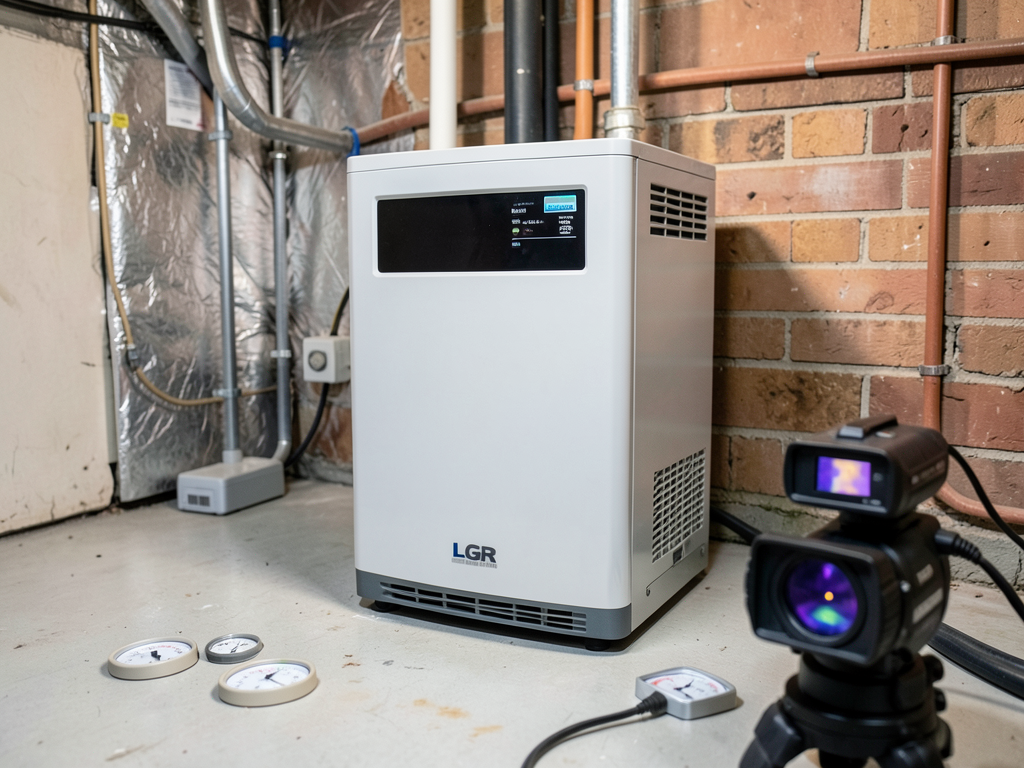
LGR dehumidifiers use a double cooling system that pre-cools incoming air before it passes over the evaporator coils. This process allows the unit to extract moisture from air that would be too cold for conventional models. The pre-cooling stage drops the air temperature below its dew point, causing water vapor to condense into liquid form. High-end water damage restoration for historic Pacific Heights estates.
The key metric is grains per pound of moisture removed. Standard units top out around 55-60 grains per pound, while LGR units consistently achieve 30-40 grains per pound. In Anza Vista’s humid conditions, this difference means removing 2-3 times more moisture from the air. The lower grain depression prevents condensation from forming on cool basement surfaces like concrete walls and metal pipes.
Professional restoration teams use LGR units because they maintain performance across a wider temperature range. When San Francisco experiences its characteristic temperature swings, conventional dehumidifiers cycle off and lose effectiveness. LGR units continue pulling moisture regardless of whether the basement is 55 or 85 degrees. This reliability is crucial during extended drying operations where consistent moisture removal prevents secondary damage. Professional sewage cleanup and sanitization for Mission District basements.
Comparing Performance Metrics That Matter
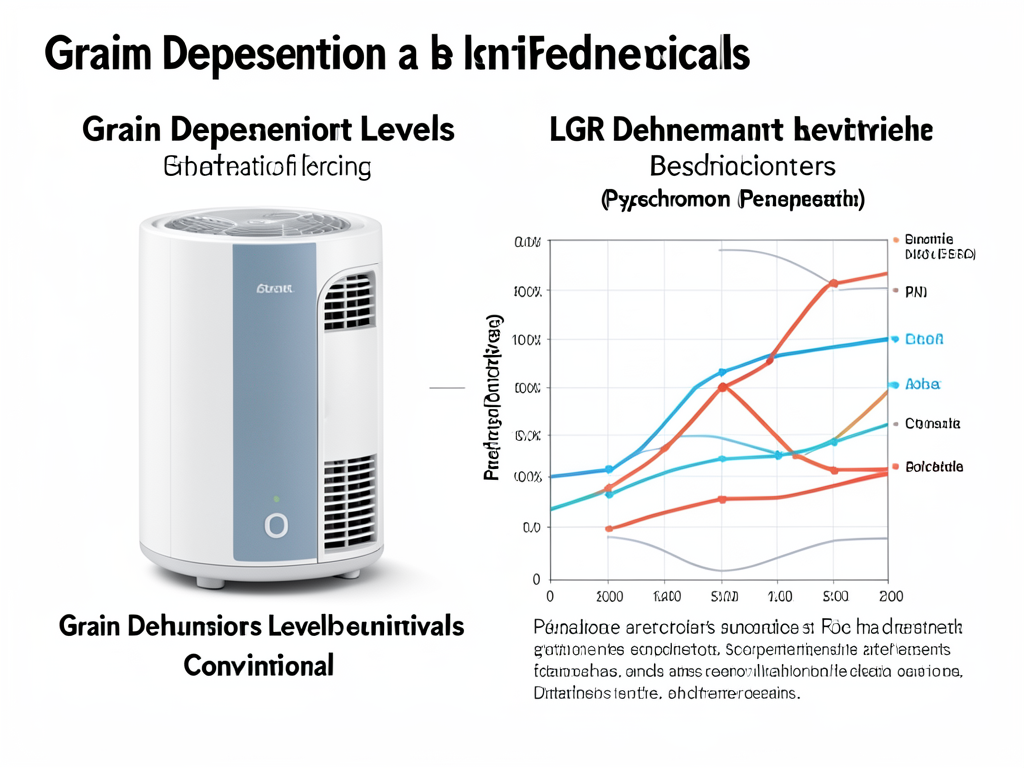
The technical differences between LGR and conventional units show up in several measurable ways. Here’s how they compare in real-world restoration scenarios:
| Metric | Conventional Dehumidifier | Professional LGR Unit |
|---|---|---|
| Grains Per Pound (GPP) | 55-60 max | 30-40 typical |
| Operating Temperature Range | 70-90°F | 33-105°F |
| Pints Per Day (PPD) at AHAM | 70-100 | 150-200+ |
| Energy Efficiency (L/kWh) | 1.5-2.0 | 2.5-3.5 |
| Noise Level (dB) | 52-58 | 58-65 |
The energy efficiency difference becomes apparent when running units for multiple days. While LGR units consume more power per hour, they remove significantly more moisture per kilowatt-hour. This efficiency translates to lower total energy costs over the course of a typical restoration project.
Noise levels matter in Anza Vista’s dense residential environment. Conventional units operate at 52-58 decibels, similar to a normal conversation. LGR units run louder at 58-65 decibels, comparable to a dishwasher. While this difference exists, the superior performance justifies the additional noise during emergency situations.
Anza Vista’s Specific Moisture Challenges
The soil composition in Anza Vista creates unique foundation moisture issues. The area sits on former sand dune deposits that drain poorly when saturated. During heavy rains, water migrates laterally through these sandy layers and presses against basement walls. This hydrostatic pressure forces moisture through even the smallest cracks.
Many Anza Vista homes were built between 1920 and 1950 with minimal waterproofing. The original builders used tar-based coatings that deteriorate over 50-70 years. Combined with San Francisco’s seismic activity, these aging waterproofing systems fail, allowing groundwater intrusion during wet seasons.
The San Francisco Building Code Section 107A.10.3 requires proper waterproofing for basement renovations. However, many older homes predate these requirements. When moisture problems emerge, professional restoration using LGR technology becomes necessary to prevent mold growth in these vulnerable spaces.
According to the IICRC S500 Standard for Professional Water Damage Restoration, Category 2 and 3 water losses require specific drying protocols. LGR units meet these standards by achieving the low grain depression necessary for proper structural drying. Conventional units cannot achieve the moisture content levels specified in the standard. IICRC S500 Standard for Professional Water Damage Restoration.
Cost Analysis for Insurance Claims
Insurance adjusters recognize the value of LGR technology in reducing claim severity. A typical water damage claim in Anza Vista might involve $15,000-$25,000 in structural repairs. Using conventional drying methods extends the claim timeline by 4-5 days, increasing costs through additional monitoring, equipment rental, and secondary damage prevention measures. EPA Mold Remediation Guidelines.
LGR units reduce these extended costs through faster drying times. The equipment rental for an LGR runs $30-$50 per day compared to $15-$25 for conventional units. However, the reduced project duration often saves $200-$400 in labor and monitoring costs per day. Over a 5-day reduction, this represents $1,000-$2,000 in savings.
The EPA’s Mold Remediation guidelines emphasize the importance of rapid moisture removal to prevent colonization. LGR units achieve the moisture content thresholds specified in these guidelines more consistently than conventional equipment. This compliance reduces liability exposure for both property owners and restoration contractors.
Diagnostic Testing We Perform On-Site
Professional restoration begins with moisture mapping using specialized meters. We test concrete moisture emissions at multiple depths using calcium chloride tests that measure vapor transmission rates. These tests reveal whether moisture is actively moving through foundation walls or if the issue is condensation-based.
Thermal imaging cameras detect temperature differentials that indicate moisture presence. Wet materials show up as cooler areas on the infrared scan because evaporation creates a cooling effect. This non-invasive testing helps locate hidden moisture pockets behind walls or under flooring without destructive testing.
Relative humidity monitoring tracks drying progress throughout the project. We place data loggers at different heights and locations to create moisture maps showing how humidity changes over time. This documentation proves to insurance companies that proper drying protocols were followed according to IICRC standards.
Frequently Asked Questions
Can I use a conventional dehumidifier from the hardware store for basement flooding?
Conventional units remove moisture too slowly for emergency situations. They also cannot achieve the low grain depression needed to prevent secondary damage in San Francisco’s humid climate. Professional LGR units are specifically designed for structural drying applications.
How long does it take to dry a flooded basement with LGR equipment?
Typical drying times range from 3-4 days for a standard basement, depending on the water category and extent of saturation. Category 1 clean water dries faster than Category 3 sewage contamination, which requires additional sanitization steps.
Will LGR units work during San Francisco’s cooler months?
Yes. LGR technology maintains efficiency down to 33 degrees Fahrenheit, making it ideal for basement applications year-round. Conventional units lose effectiveness below 70 degrees, which is common in San Francisco basements.
What size LGR unit do I need for my basement?
Professional restoration teams calculate required capacity based on cubic footage, existing moisture levels, and materials affected. A typical 1,000 square foot basement might need 2-3 LGR units for proper drying. Over-sizing provides better results than under-sizing.
Protecting Your Anza Vista Investment
The architectural character of Anza Vista homes makes proper moisture management essential. Many properties feature original hardwood floors, plaster walls, and historic details that cannot be replaced if damaged by prolonged moisture exposure. LGR technology provides the precise moisture control needed to protect these irreplaceable features.
San Francisco’s Building Department requires permits for basement waterproofing modifications. Professional restoration companies navigate these requirements while implementing effective moisture management solutions. This compliance ensures your restoration work meets current building standards and maintains property value.
Don’t wait for visible mold growth or structural damage to appear. If you notice musty odors, condensation on windows, or persistent dampness in your basement, call for professional assessment. Early intervention using proper LGR technology prevents costly repairs and protects your family’s health.
Call (415) 449-6555 today to schedule your inspection. Our certified technicians will evaluate your moisture situation and recommend the appropriate equipment for your specific needs. We serve the entire San Francisco Bay Area with 24/7 emergency response capabilities.
Pick up the phone and call (415) 449-6555 before the next storm hits. San Francisco’s rainy season is approaching, and your basement’s vulnerability increases with each passing week. Professional assessment now can prevent emergency restoration costs later.
{
“@context”: “https://schema.org”,
“@type”: “BlogPosting”,
“headline”: “Understanding Why Professional Grade LGR Dehumidifiers Are Necessary for Anza Vista Basements”,
“description”: “Learn why LGR dehumidifiers outperform conventional units in Anza Vista’s coastal climate. Discover the technical differences that protect your San Francisco basement from mold and structural damage.”,
“wordCount”: 1475,
“datePublished”: “2026-05-11T13:25:00.000Z”,
“dateModified”: “2026-05-11T13:25:00.000Z”,
“inLanguage”: “en-US”,
“mainEntityOfPage”: {
“@type”: “WebPage”,
“@id”: “https://summitwaterdamagerestorationsanfrancisco.com”
},
“publisher”: {
“@type”: “LocalBusiness”,
“name”: “Summit Water Damage Restoration San Francisco”,
“url”: “https://summitwaterdamagerestorationsanfrancisco.com”
},
“author”: {
“@type”: “Organization”,
“name”: “Summit Water Damage Restoration San Francisco”,
“url”: “https://summitwaterdamagerestorationsanfrancisco.com”
},
“image”: {
“@type”: “ImageObject”,
“url”: “https://summitwaterdamagerestorationsanfrancisco.com/wp-content/uploads/2026/03/understanding-why-professional-grade-lgr-dehumidif-1.png”
}
}
{
“@context”: “https://schema.org”,
“@type”: “LocalBusiness”,
“name”: “Summit Water Damage Restoration San Francisco”,
“url”: “https://summitwaterdamagerestorationsanfrancisco.com”,
“address”: {
“@type”: “PostalAddress”,
“addressLocality”: “San Francisco”
},
“areaServed”: {
“@type”: “City”,
“name”: “San Francisco”
}
}
{
“@context”: “https://schema.org”,
“@type”: “FAQPage”,
“mainEntity”: [
{
“@type”: “Question”,
“name”: “Can I use a conventional dehumidifier from the hardware store for basement flooding?”,
“acceptedAnswer”: {
“@type”: “Answer”,
“text”: “Conventional units remove moisture too slowly for emergency situations. They also cannot achieve the low grain depression needed to prevent secondary damage in San Francisco’s humid climate. Professional LGR units are specifically designed for structural drying applications.”
}
},
{
“@type”: “Question”,
“name”: “How long does it take to dry a flooded basement with LGR equipment?”,
“acceptedAnswer”: {
“@type”: “Answer”,
“text”: “Typical drying times range from 3-4 days for a standard basement, depending on the water category and extent of saturation. Category 1 clean water dries faster than Category 3 sewage contamination, which requires additional sanitization steps.”
}
},
{
“@type”: “Question”,
“name”: “Will LGR units work during San Francisco’s cooler months?”,
“acceptedAnswer”: {
“@type”: “Answer”,
“text”: “Yes. LGR technology maintains efficiency down to 33 degrees Fahrenheit, making it ideal for basement applications year-round. Conventional units lose effectiveness below 70 degrees, which is common in San Francisco basements.”
}
},
{
“@type”: “Question”,
“name”: “What size LGR unit do I need for my basement?”,
“acceptedAnswer”: {
“@type”: “Answer”,
“text”: “Professional restoration teams calculate required capacity based on cubic footage, existing moisture levels, and materials affected. A typical 1,000 square foot basement might need 2-3 LGR units for proper drying. Over-sizing provides better results than under-sizing.”
}
}
]
}
{
“@context”: “https://schema.org”,
“@type”: “BreadcrumbList”,
“itemListElement”: [
{
“@type”: “ListItem”,
“position”: 1,
“name”: “Home”,
“item”: “https://summitwaterdamagerestorationsanfrancisco.com”
},
{
“@type”: “ListItem”,
“position”: 2,
“name”: “Blog”,
“item”: “https://summitwaterdamagerestorationsanfrancisco.com/blog”
},
{
“@type”: “ListItem”,
“position”: 3,
“name”: “Understanding Why Professional Grade LGR Dehumidifiers Are Necessary for Anza Vista Basements”
}
]
}
{
“@context”: “https://schema.org”,
“@type”: “Service”,
“serviceType”: “Water Damage Restoration”,
“provider”: {
“@type”: “LocalBusiness”,
“name”: “Summit Water Damage Restoration San Francisco”,
“url”: “https://summitwaterdamagerestorationsanfrancisco.com”
},
“areaServed”: {
“@type”: “City”,
“name”: “San Francisco”
},
“description”: “Learn why LGR dehumidifiers outperform conventional units in Anza Vista’s coastal climate. Discover the technical differences that protect your San Francisco basement from mold and structural damage.”
}