
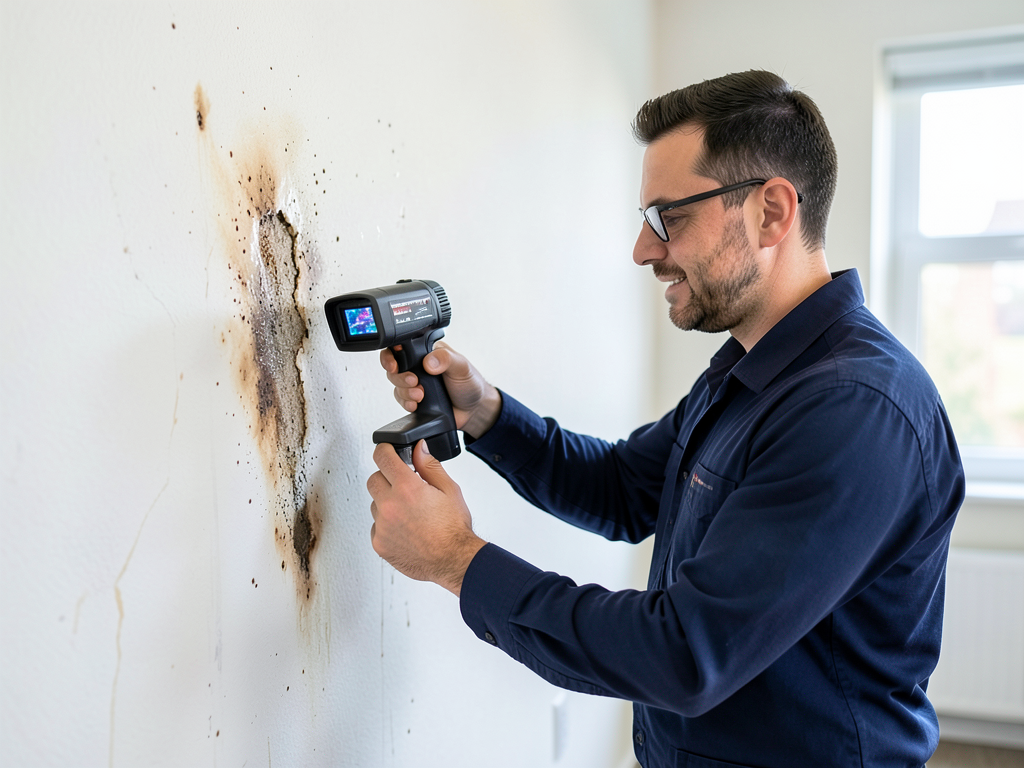
Using Thermal Imaging to Find a Leak Behind the Walls of Your Mission Bay Apartment
Water damage behind walls creates a silent crisis in Mission Bay apartments. By the time you see stains or smell mold, the damage has already spread. Thermal imaging technology offers a non-invasive solution that finds hidden leaks before they destroy your property. This advanced diagnostic tool detects temperature differences caused by moisture, allowing technicians to pinpoint problems without tearing apart your walls. Who to call for emergency water damage repair in San Francisco right now.
Mission Bay’s modern high-rise construction presents unique challenges for leak detection. Glass curtain walls, concrete slabs, and complex plumbing systems create hidden pathways for water intrusion. Traditional methods often require destructive testing that damages property and costs thousands in repairs. Thermal imaging changes this equation by providing accurate diagnostics through non-destructive means. EPA Mold Resources.
The technology works by detecting infrared radiation emitted by objects. When water infiltrates building materials, it creates temperature differentials that thermal cameras can visualize. These temperature patterns reveal moisture locations, pipe leaks, and insulation failures that remain invisible to the naked eye. For Mission Bay residents, this means faster diagnosis and targeted repairs that preserve your apartment’s integrity. Fast water restoration services for SoMa businesses and tech offices.
How Thermal Imaging Technology Works for Leak Detection
Thermal imaging cameras capture infrared radiation in the 9,000 to 14,000 nanometer wavelength range. These cameras convert thermal energy into visible images where different temperatures appear as different colors. Cool areas typically show as blue or purple while warm areas appear red or white.
Moisture creates distinct thermal signatures because water has a high specific heat capacity. When water infiltrates building materials, it absorbs and releases heat differently than dry materials. This creates temperature differentials that thermal cameras detect. A cold water pipe leak will create a cool spot on the wall surface while evaporative cooling from a roof leak produces similar effects. High-end water damage restoration for historic Pacific Heights estates.
Modern thermal cameras used in water damage restoration achieve temperature sensitivity of 0.05°C or better. This precision allows detection of moisture patterns that represent just a few percentage points of water content. The cameras also provide radiometric data that quantifies temperature differences across the scanned area. Water Damage Restoration Oakland.
Image quality depends on several factors including camera resolution, thermal sensitivity, and the temperature difference between wet and dry materials. High-end cameras used by professional restoration companies typically offer 320×240 pixel resolution or better. This resolution provides sufficient detail to identify moisture patterns in wall cavities and under flooring. Professional sewage cleanup and sanitization for Mission District basements.
Common Leak Sources in Mission Bay Apartment Buildings
Mission Bay’s high-rise construction creates specific vulnerabilities for water intrusion. Glass curtain wall systems installed in buildings like the Strata or Madrone often develop seal failures around windows and balconies. These failures allow water to penetrate the building envelope during heavy rains or wind-driven storms.. Read more about Is It Dry Rot or Active Water Damage? How Balboa Terrace Homeowners Can Tell the Difference.
Plumbing systems in multi-story buildings create complex leak scenarios. Supply lines run through wall cavities between units, and a leak on the 15th floor can manifest as water damage on the 10th floor. Thermal imaging helps trace these hidden pathways by detecting temperature patterns along pipe runs.. Read more about How to Check if Water Damage Reached the HVAC Ducts in Your Mission Terrace Home.
Concrete slab construction common in Mission Bay buildings presents unique challenges. Slab leaks occur when water supply lines embedded in concrete develop pinhole leaks. These leaks saturate the concrete and create moisture patterns that thermal imaging can detect through the floor surface.
HVAC systems in high-rise buildings create condensation risks. Air handling units and ductwork can produce significant condensation when warm, humid air contacts cold surfaces. This condensation often accumulates in ceiling spaces and wall cavities, creating moisture problems that thermal imaging helps locate.
The Professional Thermal Imaging Process
Professional thermal imaging for leak detection follows a systematic approach that maximizes accuracy. The process begins with a visual inspection to identify potential problem areas and gather information about the building’s construction and history.
Technicians then use thermal cameras to scan suspect areas. They typically scan walls, ceilings, and floors systematically, looking for temperature anomalies that suggest moisture presence. The scanning process requires careful control of environmental conditions to ensure accurate results.
Moisture meters provide validation for thermal imaging findings. While thermal cameras detect temperature differences, moisture meters measure actual water content in materials. This combination provides confirmation that temperature anomalies represent actual moisture rather than other temperature variations.
Professional reports document findings with thermal images, moisture readings, and location data. These reports help property owners understand the extent of damage and plan appropriate repairs. The documentation also proves valuable for insurance claims and warranty issues.
Technicians typically scan from multiple angles to eliminate false readings. They may use different camera settings or environmental controls like heating or cooling the space to enhance temperature differentials. This thorough approach ensures accurate diagnosis of moisture problems.
Benefits of Thermal Imaging for Mission Bay Property Owners
Thermal imaging offers several advantages over traditional leak detection methods. The technology provides non-destructive testing that preserves property integrity. Instead of cutting holes in walls to find leaks, technicians can locate problems precisely without damage.
Speed represents another significant benefit. Traditional leak detection often requires hours or days of exploratory work. Thermal imaging can scan large areas in minutes and identify problem locations immediately. This rapid diagnosis reduces property damage and allows faster repairs.
Cost savings accumulate through multiple channels. Non-destructive testing eliminates repair costs for exploratory demolition. Accurate leak location reduces repair time and material waste. Early detection prevents extensive damage that would require costly restoration.
Documentation quality improves with thermal imaging. The technology provides visual evidence of moisture problems that helps property owners understand issues and make informed decisions. Insurance companies often accept thermal imaging reports as proof of damage extent.
Preventive maintenance benefits emerge from thermal imaging scans. The technology can identify potential problems before they cause significant damage. This early warning allows property owners to address issues during convenient times rather than during emergencies.
Mission Bay Building Construction and Thermal Imaging Challenges
Mission Bay’s modern construction presents specific challenges for thermal imaging. High-rise buildings experience stack effect, where temperature differences between floors create air movement that affects thermal readings. This air movement can create false temperature patterns that mimic moisture problems.
Concrete and steel construction common in Mission Bay buildings affects thermal imaging results. These materials have different thermal properties than wood frame construction. Concrete’s high thermal mass can mask temperature differences, while steel’s high conductivity can create misleading thermal patterns.
Window wall systems in Mission Bay buildings create thermal bridging effects. The aluminum frames and glass create temperature differences that thermal cameras detect. Technicians must distinguish between normal thermal patterns from construction and abnormal patterns from moisture problems.
Mechanical systems in high-rise buildings generate heat that affects thermal imaging. HVAC ducts, electrical conduits, and plumbing systems create temperature variations that must be accounted for during scanning. Understanding these normal heat sources helps technicians identify abnormal moisture patterns.
Environmental factors in Mission Bay affect thermal imaging accuracy. Fog and marine layer conditions can cool building surfaces and reduce temperature differentials. Technicians often schedule scans during optimal conditions or use environmental controls to enhance detection capabilities.
Comparison of Detection Methods
| Detection Method | Accuracy | Cost | Damage Risk | Time Required |
|---|---|---|---|---|
| Thermal Imaging | High | $$ | None | 1-2 hours |
| Moisture Meters | Medium | $ | Minimal | 2-4 hours |
| Destructive Testing | High | $$$ | High | 4-8 hours |
| Acoustic Detection | Low-Medium | $$ | Minimal | 3-6 hours |
| Tracer Gas | High | $$$$ | Minimal | 2-3 hours |
Integration with Other Diagnostic Tools
Thermal imaging works most effectively when combined with other diagnostic tools. Moisture meters provide quantitative data that validates thermal imaging findings. These devices measure actual water content in materials using electrical resistance or capacitance methods.
Hygrometers measure air moisture content and help identify condensation problems. These devices track relative humidity and dew point temperatures that indicate condensation risks. Combined with thermal imaging, they provide a complete picture of moisture conditions.
Borescopes allow visual inspection of wall cavities without extensive demolition. These small cameras can examine areas identified by thermal imaging to confirm moisture presence and assess damage extent. The combination provides both thermal and visual confirmation of problems.
Pressure testing helps identify plumbing leaks that thermal imaging might miss. This method pressurizes plumbing systems and measures pressure drops that indicate leaks. When combined with thermal imaging, it provides comprehensive plumbing diagnostics.
Data logging equipment tracks environmental conditions over time. These devices record temperature, humidity, and other parameters that affect moisture problems. Long-term data helps identify patterns that thermal imaging alone might miss.
San Francisco Building Code Considerations
San Francisco Building Code Section 1203 requires moisture protection in exterior walls. This code mandates proper flashing, weather barriers, and drainage systems to prevent water intrusion. Thermal imaging helps verify compliance by identifying moisture penetration points. San Francisco Building Code.
California Title 24 energy standards affect thermal imaging results. The code requires specific insulation levels that create thermal patterns thermal cameras detect. Understanding these patterns helps technicians distinguish between normal insulation effects and moisture problems.
San Francisco’s seismic retrofit requirements influence building construction methods. Many Mission Bay buildings incorporate specific moisture protection measures as part of seismic upgrades. Thermal imaging can verify these protections remain intact and functional.
California Health and Safety Code Section 19210 mandates mold assessment and remediation protocols. Thermal imaging plays a crucial role in these assessments by identifying moisture sources that promote mold growth. The technology helps ensure compliance with state mold regulations.
San Francisco’s Green Building Code encourages moisture management practices that affect thermal imaging results. The code promotes materials and methods that manage moisture effectively. Thermal imaging helps verify these green building practices function as intended.
Common Problems Found in Mission Bay Apartments
Window seal failures represent the most frequent thermal imaging finding in Mission Bay buildings. The area’s marine climate and temperature fluctuations stress window seals over time. Thermal imaging detects these failures through temperature patterns around window frames.
Balcony door leaks create significant moisture problems in many Mission Bay apartments. These doors often develop seal failures that allow water penetration during storms. Thermal imaging identifies these leaks through cool temperature patterns around door frames.. Read more about Why a Clogged Balcony Drain Is a Major Threat to Your South Beach High Rise Condo.
Concrete slab moisture problems affect ground-floor units in many Mission Bay buildings. These problems often result from construction moisture or groundwater infiltration. Thermal imaging detects these issues through floor temperature patterns.
HVAC condensate line failures create moisture problems in ceiling spaces. These failures often go unnoticed until significant damage occurs. Thermal imaging identifies condensate line problems through ceiling temperature patterns.
Pipe insulation failures create condensation problems in wall cavities. These failures often occur in accessible areas like utility closets. Thermal imaging detects insulation problems through wall temperature patterns.
Emergency Response Considerations
Water damage emergencies require immediate response to prevent extensive damage. Thermal imaging enables rapid assessment that guides emergency mitigation efforts. The technology helps prioritize response actions based on moisture extent and location.
Insurance considerations affect emergency response decisions. Many policies require prompt mitigation to maintain coverage. Thermal imaging documentation helps justify emergency response actions to insurance companies.
Tenant considerations influence emergency response approaches. Many Mission Bay apartments house tenants who require temporary relocation during repairs. Thermal imaging helps minimize disruption by precisely locating problems and reducing exploratory demolition.
Building management coordination becomes crucial during emergencies. High-rise buildings require coordination with building engineers and management teams. Thermal imaging provides clear documentation that facilitates this coordination.
Health and safety concerns drive emergency response priorities. Water damage creates mold growth risks and indoor air quality problems. Thermal imaging helps identify these risks quickly so appropriate safety measures can be implemented.
Cost Factors for Thermal Imaging Services
Service costs vary based on several factors. Property size affects scanning time and complexity. Larger properties require more scanning time and may need multiple technicians to complete work efficiently.
Building construction type influences service complexity. Simple wood frame construction requires basic scanning procedures. Complex high-rise construction with multiple systems requires more sophisticated approaches and experienced technicians.
Problem complexity affects service scope. Simple leak detection requires basic scanning and analysis. Complex moisture problems involving multiple sources require comprehensive investigation and detailed reporting.
Urgency impacts service costs. Emergency response often requires after-hours service and rapid mobilization. These factors increase service costs but provide critical benefits during water damage emergencies.
Documentation requirements influence service scope. Basic leak detection requires minimal reporting. Insurance claims or legal matters require comprehensive documentation that increases service complexity and cost.
Frequently Asked Questions
How accurate is thermal imaging for finding leaks?
Thermal imaging achieves 90-95% accuracy when performed by trained technicians using proper equipment. Accuracy depends on factors like temperature differentials, camera quality, and environmental conditions. The technology works best when combined with moisture meters for validation.
Can I use a smartphone thermal camera attachment instead?
Smartphone attachments provide basic thermal imaging but lack the sensitivity and accuracy of professional equipment. These devices typically have lower resolution and thermal sensitivity. Professional services use cameras with 320×240 resolution or better and temperature sensitivity of 0.05°C or less.
How long does a thermal imaging scan take?
Typical residential scans take 1-2 hours for a 1,500 square foot apartment. Complex commercial properties may require 4-6 hours or multiple visits. Scan time depends on property size, construction complexity, and the extent of investigation required.
Will thermal imaging damage my walls?
No. Thermal imaging is completely non-destructive. The cameras detect infrared radiation without physical contact with surfaces. This makes thermal imaging ideal for luxury properties and historic buildings where preservation is important.
What should I do if thermal imaging finds a problem?
Contact a licensed water damage restoration company immediately. They can assess damage extent, develop repair plans, and coordinate with insurance companies if needed. Prompt action prevents additional damage and reduces repair costs.
Choosing a Thermal Imaging Service Provider
Experience matters significantly in thermal imaging services. Look for providers with specific experience in high-rise construction and San Francisco building types. Mission Bay’s unique construction requires specialized knowledge that general contractors may lack.
Equipment quality affects service results. Professional services use high-end thermal cameras with appropriate resolution and sensitivity. Ask about camera specifications and whether the provider uses moisture meters for validation.
Certification demonstrates technical competence. Look for technicians certified by organizations like the Building Performance Institute or similar professional associations. These certifications indicate proper training in thermal imaging principles and applications.
Insurance coverage protects property owners. Ensure providers carry appropriate liability insurance and workers’ compensation coverage. This protection becomes crucial if problems arise during service or if damage occurs during investigation.
References provide insight into service quality. Ask for references from similar properties in Mission Bay or other high-rise buildings. Contact these references to learn about their experiences with the provider.
Preventive Maintenance Using Thermal Imaging
Regular thermal imaging scans help prevent water damage problems. Annual scans can identify developing issues before they cause significant damage. This preventive approach saves money by addressing problems during convenient times rather than during emergencies.
Seasonal considerations affect scanning timing. Fall scans before rainy season can identify problems that might cause winter damage. Spring scans can identify winter damage that requires repair before summer humidity increases mold risks.
Building age influences scanning frequency. Newer buildings may require less frequent scanning. Older buildings or those with known issues may benefit from more frequent monitoring to track problem development.
Construction defects often emerge during thermal imaging scans. These defects might include missing insulation, improper flashing, or other installation errors. Early detection allows builders to address warranty issues before they become major problems.
Energy efficiency improvements often emerge from thermal imaging scans. The technology can identify insulation gaps, air leaks, and other energy waste sources. This information helps property owners improve building performance while addressing moisture problems.
Future Developments in Thermal Imaging Technology
Thermal imaging technology continues advancing rapidly. Higher resolution cameras with better thermal sensitivity are becoming available. These improvements will increase detection capabilities and reduce false readings.
Artificial intelligence integration enhances thermal imaging analysis. AI algorithms can identify patterns and anomalies that human technicians might miss. This technology improves accuracy and reduces analysis time.
Drone-mounted thermal cameras expand scanning capabilities. These devices can access difficult areas like tall building exteriors or large roof areas. This technology improves exterior scanning efficiency and safety.
Integration with building management systems creates new monitoring capabilities. Thermal sensors can provide continuous monitoring of critical areas. This technology enables early warning of developing problems.
Cost reductions make thermal imaging more accessible. As technology advances and competition increases, thermal imaging services become more affordable. This trend expands access to this valuable diagnostic tool.
Call to Action
Water damage behind walls creates serious risks for Mission Bay apartment owners. Don’t wait for visible damage to appear. Call (415) 449-6555 today to schedule a professional thermal imaging scan. Our experienced technicians use advanced equipment to find hidden leaks before they destroy your property. We serve Mission Bay and all San Francisco neighborhoods with 24/7 emergency response. Pick up the phone and call (415) 449-6555 now to protect your investment.
Early detection saves thousands in repair costs and prevents mold growth that threatens your health. Our thermal imaging services provide accurate diagnosis without destructive testing. We document findings with professional reports that help with insurance claims and repair planning. Don’t let hidden water damage compromise your Mission Bay apartment. Call (415) 449-6555 today for expert thermal imaging services.
{
“@context”: “https://schema.org”,
“@type”: “BlogPosting”,
“headline”: “Using Thermal Imaging to Find a Leak Behind the Walls of Your Mission Bay Apartment”,
“description”: “Discover how thermal imaging detects hidden water leaks in Mission Bay apartments without destructive testing. Learn the technology, process, and why it’s essential for San Francisco property owners.”,
“wordCount”: 2896,
“datePublished”: “2026-04-06T10:10:00.000Z”,
“dateModified”: “2026-04-06T10:10:00.000Z”,
“inLanguage”: “en-US”,
“mainEntityOfPage”: {
“@type”: “WebPage”,
“@id”: “https://summitwaterdamagerestorationsanfrancisco.com”
},
“publisher”: {
“@type”: “LocalBusiness”,
“name”: “Summit Water Damage Restoration San Francisco”,
“url”: “https://summitwaterdamagerestorationsanfrancisco.com”
},
“author”: {
“@type”: “Organization”,
“name”: “Summit Water Damage Restoration San Francisco”,
“url”: “https://summitwaterdamagerestorationsanfrancisco.com”
},
“image”: {
“@type”: “ImageObject”,
“url”: “https://summitwaterdamagerestorationsanfrancisco.com/wp-content/uploads/2026/03/using-thermal-imaging-to-find-a-leak-behind-the-wa-1.png”
}
}
{
“@context”: “https://schema.org”,
“@type”: “LocalBusiness”,
“name”: “Summit Water Damage Restoration San Francisco”,
“url”: “https://summitwaterdamagerestorationsanfrancisco.com”,
“address”: {
“@type”: “PostalAddress”,
“addressLocality”: “San Francisco”
},
“areaServed”: {
“@type”: “City”,
“name”: “San Francisco”
}
}
{
“@context”: “https://schema.org”,
“@type”: “FAQPage”,
“mainEntity”: [
{
“@type”: “Question”,
“name”: “How accurate is thermal imaging for finding leaks?”,
“acceptedAnswer”: {
“@type”: “Answer”,
“text”: “Thermal imaging achieves 90-95% accuracy when performed by trained technicians using proper equipment. Accuracy depends on factors like temperature differentials, camera quality, and environmental conditions. The technology works best when combined with moisture meters for validation.”
}
},
{
“@type”: “Question”,
“name”: “Can I use a smartphone thermal camera attachment instead?”,
“acceptedAnswer”: {
“@type”: “Answer”,
“text”: “Smartphone attachments provide basic thermal imaging but lack the sensitivity and accuracy of professional equipment. These devices typically have lower resolution and thermal sensitivity. Professional services use cameras with 320×240 resolution or better and temperature sensitivity of 0.05°C or less.”
}
},
{
“@type”: “Question”,
“name”: “How long does a thermal imaging scan take?”,
“acceptedAnswer”: {
“@type”: “Answer”,
“text”: “Typical residential scans take 1-2 hours for a 1,500 square foot apartment. Complex commercial properties may require 4-6 hours or multiple visits. Scan time depends on property size, construction complexity, and the extent of investigation required.”
}
},
{
“@type”: “Question”,
“name”: “Will thermal imaging damage my walls?”,
“acceptedAnswer”: {
“@type”: “Answer”,
“text”: “No. Thermal imaging is completely non-destructive. The cameras detect infrared radiation without physical contact with surfaces. This makes thermal imaging ideal for luxury properties and historic buildings where preservation is important.”
}
},
{
“@type”: “Question”,
“name”: “What should I do if thermal imaging finds a problem?”,
“acceptedAnswer”: {
“@type”: “Answer”,
“text”: “Contact a licensed water damage restoration company immediately. They can assess damage extent, develop repair plans, and coordinate with insurance companies if needed. Prompt action prevents additional damage and reduces repair costs.”
}
}
]
}
{
“@context”: “https://schema.org”,
“@type”: “BreadcrumbList”,
“itemListElement”: [
{
“@type”: “ListItem”,
“position”: 1,
“name”: “Home”,
“item”: “https://summitwaterdamagerestorationsanfrancisco.com”
},
{
“@type”: “ListItem”,
“position”: 2,
“name”: “Blog”,
“item”: “https://summitwaterdamagerestorationsanfrancisco.com/blog”
},
{
“@type”: “ListItem”,
“position”: 3,
“name”: “Using Thermal Imaging to Find a Leak Behind the Walls of Your Mission Bay Apartment”
}
]
}
{
“@context”: “https://schema.org”,
“@type”: “Service”,
“serviceType”: “Water Damage Restoration”,
“provider”: {
“@type”: “LocalBusiness”,
“name”: “Summit Water Damage Restoration San Francisco”,
“url”: “https://summitwaterdamagerestorationsanfrancisco.com”
},
“areaServed”: {
“@type”: “City”,
“name”: “San Francisco”
},
“description”: “Discover how thermal imaging detects hidden water leaks in Mission Bay apartments without destructive testing. Learn the technology, process, and why it’s essential for San Francisco property owners.”
}