
What to do when your old Victorian plumbing finally gives out in Haight-Ashbury
When water starts gushing from century-old galvanized pipes in your Haight-Ashbury Victorian, panic sets in fast. The distinctive smell of damp wood and plaster fills the air as water pools on hardwood floors that have seen generations of San Francisco residents. This isn’t just a plumbing problem—it’s an emergency that requires immediate action to prevent catastrophic damage to your historic home. San Francisco Public Utilities Commission.
The first 30 minutes after a pipe burst determine whether you’re facing a simple repair or a $50,000 restoration project. Haight-Ashbury’s Victorian homes, built between 1890 and 1915, contain plumbing systems that have reached the end of their service life. Galvanized steel pipes corrode from the inside out, creating weak points that fail without warning. When pressure drops suddenly or you hear banging sounds from your walls, you need to act immediately.
Emergency shutdown procedures for Haight-Ashbury Victorians
Finding your main water shut-off valve in a Victorian flat can be challenging. Unlike modern homes with centralized plumbing, many Haight-Ashbury buildings have multiple shut-off points due to their historic conversion from single-family homes to multi-unit dwellings. The main valve is typically located where the water main enters the building, often in a basement or crawl space accessible from the front or rear of the property.. Read more about Finding the source of a mystery ceiling leak in your Castro apartment.
If you can’t locate the main valve quickly, shut off individual fixtures. Most Victorian bathrooms have separate hot and cold shut-off valves under the sink and behind the toilet. Turn these clockwise until they stop. For burst pipes in walls, you’ll need to shut off the main supply immediately to prevent further flooding.
Once water flow stops, electrical safety becomes critical. Water conducts electricity, and many Victorians have knob-and-tube wiring in their original sections. If water reaches electrical outlets, light fixtures, or appliances, turn off power at the circuit breaker. Never touch electrical components while standing in water.
Document everything before cleanup begins. Take photos and videos of the damage from multiple angles. This documentation proves invaluable when filing insurance claims and helps restoration professionals assess the scope of work needed.
Understanding Victorian plumbing failures in San Francisco
San Francisco’s unique water pressure system contributes to plumbing failures in historic neighborhoods. The Hetch Hetchy water delivery system maintains high pressure throughout the city, but many Victorians lack modern pressure reducing valves. Water pressure that exceeds 80 PSI puts tremendous stress on century-old pipes, especially at joints and fittings.
Galvanized steel pipes, standard in homes built before 1960, have an average lifespan of 40-50 years. Many Haight-Ashbury Victorians still contain their original plumbing, meaning pipes are 110+ years old. The corrosion process creates internal buildup that reduces water flow and increases pressure on weakened sections.
Temperature fluctuations common in San Francisco’s microclimates also stress old plumbing. Morning fog followed by afternoon sun creates expansion and contraction cycles that fatigue metal pipes. The clay soil in Haight-Ashbury, prone to shifting during seismic events, can cause foundation movement that stresses buried plumbing lines.
Lead service lines were common in early 20th century construction. If your home was built before 1930, you may have lead pipes connecting your home to the city water main. These pipes not only fail frequently but also pose serious health risks.
The restoration process after Victorian plumbing fails
Professional water damage restoration follows a systematic approach based on the IICRC S500 standard for professional water damage restoration. The first step involves water extraction using industrial-grade pumps and vacuums capable of removing thousands of gallons per hour. In Victorian homes, water often seeps into wall cavities, under floorboards, and into crawl spaces. IICRC S500 standard.
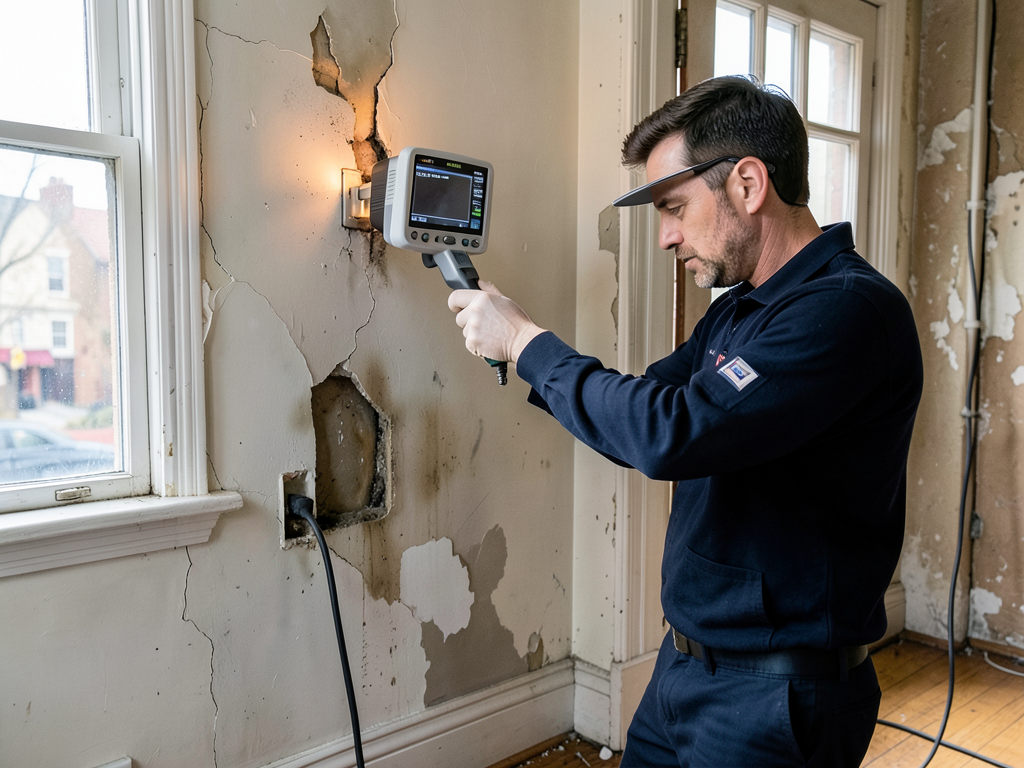
Moisture mapping with infrared cameras and moisture meters identifies all affected areas. Victorian construction techniques, including lath and plaster walls and hardwood flooring, require specialized drying equipment. Standard household fans cannot remove moisture trapped in these materials.
Category classification determines the restoration approach. Category 1 water from clean supply lines requires less intensive treatment than Category 3 water from sewage backups or long-standing floodwater. Many Victorian plumbing failures involve Category 2 water—clean water that has contacted building materials for extended periods.
Structural drying uses industrial dehumidifiers and air movers positioned according to psychrometric calculations. The goal is reducing moisture content in materials to safe levels—typically below 15% for wood framing and below 4% for hardwood flooring.
Mold prevention is critical in San Francisco’s humid climate. The combination of water damage and coastal fog creates ideal conditions for mold growth within 24-48 hours. Professional antimicrobial treatments and HEPA air filtration prevent mold colonization in historic woodwork and plaster.
Insurance coordination and building permits
San Francisco’s strict building codes require permits for plumbing repairs in historic districts. The Planning Department’s preservation guidelines for the Haight-Ashbury neighborhood mean that pipe replacement must preserve original architectural features when possible. This often involves creative solutions like running new PEX lines through existing wall cavities rather than demolishing historic plaster.
Insurance claims for Victorian plumbing failures typically fall under sudden and accidental damage coverage. However, many policies exclude damage from lack of maintenance or wear and tear. Documentation of regular plumbing inspections can strengthen your claim if you’ve maintained the system properly.
Professional restoration companies work directly with insurance adjusters, providing detailed damage assessments and repair estimates. This coordination reduces your stress during an already difficult situation. Many companies offer direct billing to insurance companies, eliminating out-of-pocket expenses for covered work.
The restoration timeline varies based on damage extent. Minor incidents might require 3-5 days, while major flooding affecting multiple rooms could take 2-3 weeks. Victorian homes require special consideration for historic materials, potentially extending restoration time.
Preventing future plumbing failures
Proactive plumbing assessment can identify weak points before catastrophic failure occurs. Professional plumbers use video inspection cameras to examine pipe interiors, revealing corrosion, mineral buildup, and potential failure points. This technology shows exactly what’s happening inside walls without destructive testing.
Pressure reducing valves installed at the main water line protect old plumbing from excessive pressure. These devices maintain consistent pressure between 40-60 PSI, extending pipe life by reducing stress on joints and fittings. Installation costs $300-500 but prevents thousands in water damage repairs.
Whole-house repiping becomes necessary when multiple pipes show signs of failure. Modern PEX piping offers flexibility, corrosion resistance, and easier installation in existing wall cavities. Copper remains popular for its durability and resistance to UV damage in San Francisco’s sunny exposures.
Regular maintenance includes checking for water stains on ceilings and walls, monitoring water pressure, and listening for unusual sounds in plumbing lines. Early warning signs often precede catastrophic failures by weeks or months.
Seismic shut-off valves automatically stop water flow during earthquakes, preventing flooding from broken pipes. Given San Francisco’s seismic activity, these devices provide valuable protection for historic homes with vulnerable plumbing systems.
Common mistakes that worsen water damage
DIY cleanup efforts often cause more harm than good. Household vacuums cannot handle large volumes of water and may be damaged or create electrical hazards. Box fans lack the power to dry structural materials effectively, allowing moisture to remain trapped in walls and floors.
Removing wet carpet without proper extraction leaves padding saturated with water. This padding can hold several times its weight in water, creating perfect conditions for mold growth beneath seemingly dry surfaces.
Opening windows during San Francisco’s foggy evenings introduces more moisture into the home. Professional drying requires controlled conditions with specific temperature and humidity levels maintained throughout the process.
Waiting to call professionals allows damage to compound. Water continues spreading through capillary action in building materials, and mold begins growing within 24 hours. Every hour of delay increases restoration costs and complexity.
Ignoring hidden damage in wall cavities and under flooring creates long-term problems. Water that appears to have stopped spreading may still be wicking upward through drywall or seeping into subflooring.
Why choose professional restoration for your Victorian home
Victorian homes require specialized knowledge of historic construction techniques. Plaster walls, unlike modern drywall, cannot be simply cut out and replaced. Professional restorers understand how to preserve original materials while ensuring complete drying and sanitation.
Hardwood flooring in Victorians often features tongue-and-groove construction that traps water between boards. Professional drying systems use specialized mats and vacuum extraction to remove moisture without causing cupping or warping that ruins expensive flooring.
The ornate woodwork and built-in features common in Haight-Ashbury Victorians require careful handling during restoration. Professional teams use containment barriers and specialized cleaning techniques to protect these irreplaceable architectural elements.
Insurance companies prefer working with certified restoration professionals who provide detailed documentation meeting industry standards. This documentation speeds claim processing and ensures you receive appropriate compensation for damages.
Professional restoration includes final testing to verify complete drying. Moisture meters and thermal imaging confirm that all affected materials have returned to safe moisture levels, preventing future problems from incomplete restoration.
Local resources and support
The Haight-Ashbury Neighborhood Association provides resources for historic home maintenance and can recommend contractors familiar with Victorian construction. Local building supply stores specializing in historic renovation offer materials matching original specifications.
San Francisco Public Utilities Commission offers rebates for water-efficient plumbing upgrades when replacing old pipes. These programs can offset some costs of modernizing your home’s plumbing infrastructure.
Historic preservation consultants can help navigate the permit process for plumbing repairs in designated historic districts. Their expertise ensures compliance with local preservation guidelines while achieving necessary repairs.
Local contractors familiar with Haight-Ashbury’s unique building characteristics understand the challenges of working in narrow lots and multi-story conversions. Their experience prevents common mistakes that damage historic features during restoration work.
Frequently Asked Questions
How quickly should I call for help after discovering a burst pipe?
Call immediately after shutting off the main water valve. Every hour of delay allows water to spread further and mold to begin growing. Professional restoration teams can typically arrive within 60 minutes in San Francisco.
Will my insurance cover water damage from old pipes?
Most policies cover sudden and accidental damage but may exclude damage from lack of maintenance. Documentation of regular plumbing inspections strengthens claims. Professional restoration companies can help document damage and work with your insurance adjuster.
How long does restoration take in a Victorian home?
Timeline depends on damage extent. Minor incidents might require 3-5 days, while major flooding affecting multiple rooms could take 2-3 weeks. Victorian construction requires special care for historic materials, potentially extending restoration time.
Can I stay in my home during restoration?
This depends on damage extent and affected areas. If water damage is confined to one area, you might remain in unaffected portions of your home. Major flooding or mold remediation typically requires temporary relocation for safety.
What makes Victorian plumbing restoration different from modern homes?
Victorian homes feature historic materials like plaster walls, hardwood flooring, and ornate woodwork requiring specialized restoration techniques. Professional restorers understand how to preserve these irreplaceable features while ensuring complete drying and sanitation.
- Shut off main water valve
Locate and turn off the main water supply immediately to stop flooding. In Victorians, this may be in a basement or crawl space.
- Turn off electricity if needed
Shut off power at the circuit breaker if water reaches electrical outlets, fixtures, or appliances to prevent electrocution.
- Document the damage
Take photos and videos from multiple angles before any cleanup begins. This documentation is crucial for insurance claims.
- Call professional restoration
Contact certified water damage restoration specialists who understand Victorian construction and can arrive within 60 minutes.
Take action before your Victorian plumbing fails
Old galvanized pipes in Haight-Ashbury Victorians don’t give warning before failing. The sound of rushing water through walls often comes without notice, leaving homeowners scrambling to minimize damage. Professional plumbing inspection can identify weak points before catastrophic failure occurs.
Modern pressure reducing valves, PEX repiping, and seismic shut-off devices protect your historic home from water damage while preserving its architectural integrity. The cost of preventive upgrades pales compared to emergency restoration after a major pipe burst.
When water damage strikes, time is your enemy. Mold begins growing within 24 hours, and structural damage compounds hourly. Professional restoration teams bring industrial equipment and IICRC-certified expertise to restore your Victorian home properly.
Don’t wait for disaster to strike. Schedule a plumbing assessment today to identify potential failure points in your home’s aging infrastructure. When the inevitable happens, you’ll be prepared with a plan and trusted professionals ready to respond.
Call (415) 449-6555 today to schedule your plumbing inspection or emergency response. Our certified technicians understand the unique challenges of restoring Haight-Ashbury Victorians and can arrive within 60 minutes when disaster strikes. Don’t let old plumbing destroy your historic home’s irreplaceable character.
{
“@context”: “https://schema.org”,
“@type”: “BlogPosting”,
“headline”: “What to do when your old Victorian plumbing finally gives out in Haight-Ashbury”,
“description”: “When Victorian plumbing fails in Haight-Ashbury, immediate action prevents mold growth and structural damage. Learn the emergency steps and when to call Summit Water Damage Restoration.”,
“wordCount”: 2100,
“datePublished”: “2026-02-17T11:51:00.000Z”,
“dateModified”: “2026-02-17T11:51:00.000Z”,
“inLanguage”: “en-US”,
“mainEntityOfPage”: {
“@type”: “WebPage”,
“@id”: “https://summitwaterdamagerestorationsanfrancisco.com”
},
“publisher”: {
“@type”: “LocalBusiness”,
“name”: “Summit Water Damage Restoration San Francisco”,
“url”: “https://summitwaterdamagerestorationsanfrancisco.com”
},
“author”: {
“@type”: “Organization”,
“name”: “Summit Water Damage Restoration San Francisco”,
“url”: “https://summitwaterdamagerestorationsanfrancisco.com”
},
“image”: {
“@type”: “ImageObject”,
“url”: “https://summitwaterdamagerestorationsanfrancisco.com/wp-content/uploads/2026/03/what-to-do-when-your-old-victorian-plumbing-finall-1.png”
}
}
{
“@context”: “https://schema.org”,
“@type”: “LocalBusiness”,
“name”: “Summit Water Damage Restoration San Francisco”,
“url”: “https://summitwaterdamagerestorationsanfrancisco.com”,
“address”: {
“@type”: “PostalAddress”,
“addressLocality”: “San Francisco”
},
“areaServed”: {
“@type”: “City”,
“name”: “San Francisco”
}
}
{
“@context”: “https://schema.org”,
“@type”: “FAQPage”,
“mainEntity”: [
{
“@type”: “Question”,
“name”: “How quickly should I call for help after discovering a burst pipe?”,
“acceptedAnswer”: {
“@type”: “Answer”,
“text”: “Call immediately after shutting off the main water valve. Every hour of delay allows water to spread further and mold to begin growing. Professional restoration teams can typically arrive within 60 minutes in San Francisco.”
}
},
{
“@type”: “Question”,
“name”: “Will my insurance cover water damage from old pipes?”,
“acceptedAnswer”: {
“@type”: “Answer”,
“text”: “Most policies cover sudden and accidental damage but may exclude damage from lack of maintenance. Documentation of regular plumbing inspections strengthens claims. Professional restoration companies can help document damage and work with your insurance adjuster.”
}
},
{
“@type”: “Question”,
“name”: “How long does restoration take in a Victorian home?”,
“acceptedAnswer”: {
“@type”: “Answer”,
“text”: “Timeline depends on damage extent. Minor incidents might require 3-5 days, while major flooding affecting multiple rooms could take 2-3 weeks. Victorian construction requires special care for historic materials, potentially extending restoration time.”
}
},
{
“@type”: “Question”,
“name”: “Can I stay in my home during restoration?”,
“acceptedAnswer”: {
“@type”: “Answer”,
“text”: “This depends on damage extent and affected areas. If water damage is confined to one area, you might remain in unaffected portions of your home. Major flooding or mold remediation typically requires temporary relocation for safety.”
}
},
{
“@type”: “Question”,
“name”: “What makes Victorian plumbing restoration different from modern homes?”,
“acceptedAnswer”: {
“@type”: “Answer”,
“text”: “Victorian homes feature historic materials like plaster walls, hardwood flooring, and ornate woodwork requiring specialized restoration techniques. Professional restorers understand how to preserve these irreplaceable features while ensuring complete drying and sanitation.”
}
}
]
}
{
“@context”: “https://schema.org”,
“@type”: “HowTo”,
“name”: “Emergency Response Steps”,
“step”: [
{
“@type”: “HowToStep”,
“position”: 1,
“name”: “Shut off main water valve”,
“text”: “Locate and turn off the main water supply immediately to stop flooding. In Victorians, this may be in a basement or crawl space.”
},
{
“@type”: “HowToStep”,
“position”: 2,
“name”: “Turn off electricity if needed”,
“text”: “Shut off power at the circuit breaker if water reaches electrical outlets, fixtures, or appliances to prevent electrocution.”
},
{
“@type”: “HowToStep”,
“position”: 3,
“name”: “Document the damage”,
“text”: “Take photos and videos from multiple angles before any cleanup begins. This documentation is crucial for insurance claims.”
},
{
“@type”: “HowToStep”,
“position”: 4,
“name”: “Call professional restoration”,
“text”: “Contact certified water damage restoration specialists who understand Victorian construction and can arrive within 60 minutes.”
}
],
“image”: “https://summitwaterdamagerestorationsanfrancisco.com/wp-content/uploads/2026/03/what-to-do-when-your-old-victorian-plumbing-finall-1.png”
}
{
“@context”: “https://schema.org”,
“@type”: “BreadcrumbList”,
“itemListElement”: [
{
“@type”: “ListItem”,
“position”: 1,
“name”: “Home”,
“item”: “https://summitwaterdamagerestorationsanfrancisco.com”
},
{
“@type”: “ListItem”,
“position”: 2,
“name”: “Blog”,
“item”: “https://summitwaterdamagerestorationsanfrancisco.com/blog”
},
{
“@type”: “ListItem”,
“position”: 3,
“name”: “What to do when your old Victorian plumbing finally gives out in Haight-Ashbury”
}
]
}
{
“@context”: “https://schema.org”,
“@type”: “Service”,
“serviceType”: “Water Damage Restoration”,
“provider”: {
“@type”: “LocalBusiness”,
“name”: “Summit Water Damage Restoration San Francisco”,
“url”: “https://summitwaterdamagerestorationsanfrancisco.com”
},
“areaServed”: {
“@type”: “City”,
“name”: “San Francisco”
},
“description”: “When Victorian plumbing fails in Haight-Ashbury, immediate action prevents mold growth and structural damage. Learn the emergency steps and when to call Summit Water Damage Restoration.”
}