
When a pipe bursts or a ceiling leaks in your Inner Sunset rental, the panic hits fast. You’re not just dealing with soggy belongings—you’re facing a maze of legal responsibilities, landlord obligations, and urgent restoration needs. Under California Civil Code Section 1941.1, landlords must provide habitable conditions, but what happens when water damage strikes? This guide breaks down exactly who pays for what, when tenants can take action, and why professional restoration is often the only way to protect your health and your security deposit. Who to call for emergency water damage repair in San Francisco right now.
Understanding Landlord vs. Tenant Responsibilities
California law places the burden of maintaining a habitable dwelling squarely on the landlord. This means they must repair plumbing failures, roof leaks, and structural water intrusion. However, tenants are responsible for promptly notifying the landlord of any water issues. If you ignore a small leak and it becomes a major flood, you could be liable for the resulting damage. Fast water restoration services for SoMa businesses and tech offices.
The warranty of habitability requires landlords to keep rental units free from conditions that endanger health and safety. Water damage that leads to mold growth or structural weakness violates this warranty. In the Inner Sunset, where many buildings date back to the early 1900s, aging plumbing and poor drainage systems make water emergencies more common. High-end water damage restoration for historic Pacific Heights estates.
Tenants should document everything. Take photos of the damage immediately, write a formal notice to your landlord, and keep copies of all communication. California law requires landlords to respond to repair requests within a reasonable time—typically 30 days for non-emergency repairs, but much sooner for active leaks.</p
Essential Steps for SF Tenants After a Flood or Leak
Time matters when water invades your home. Mold can begin growing within 24 to 48 hours of moisture exposure. Here’s what you should do immediately: Water Damage Restoration Oakland.
- Stop the Water Source
If you can safely access the main water valve or the source of the leak, turn it off. This prevents additional damage while you wait for professional help. Professional sewage cleanup and sanitization for Mission District basements.
- Document the Damage
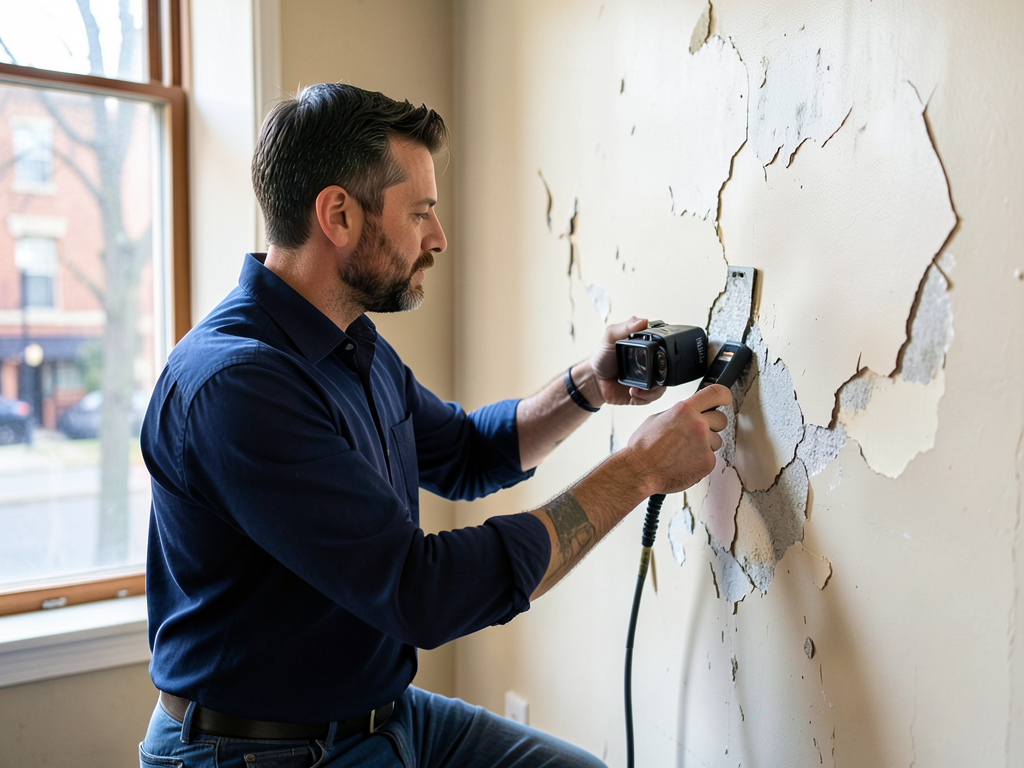
Take clear photos and videos of all affected areas. Include timestamps if your phone allows. This documentation is crucial for insurance claims and legal disputes.
- Protect Your Belongings
Move furniture, electronics, and valuables away from wet areas. Use aluminum foil under furniture legs to prevent staining on wet carpets.
- Notify Your Landlord
Send a written notice via email and certified mail. California law requires landlords to receive proper notice before they’re obligated to make repairs.
- Prevent Mold Growth
Open windows, run fans, and use dehumidifiers if available. However, avoid using your home’s HVAC system if water has entered air ducts, as this can spread contamination.
When Does Water Damage Become a ‘Constructive Eviction’?
In severe cases, water damage can make a rental unit legally uninhabitable. This is called “constructive eviction”—when conditions are so bad that you’re forced to leave, even though the landlord hasn’t formally evicted you.
California courts look at several factors to determine if conditions warrant constructive eviction. The damage must be substantial, not just inconvenient. A small ceiling stain probably doesn’t qualify, but black mold covering an entire wall or raw sewage backing up into living spaces likely does.
If you believe you’re facing constructive eviction, you have options. You can move out and stop paying rent, but this is risky without proper documentation. A safer approach is to use the “repair and deduct” remedy—paying for necessary repairs yourself and deducting the cost from your rent. However, California limits this to one month’s rent per repair, and you must follow specific procedures.
Before taking drastic action, consider the health risks. Category 3 water damage (sewage, floodwater, or water containing pathogens) poses serious health hazards. The IICRC S500 standard classifies this as the most dangerous type of water damage, requiring specialized equipment and protective gear to handle safely. IICRC S500 Standards.
Mold Growth and San Francisco Health Codes
San Francisco’s damp climate creates perfect conditions for mold growth after water damage. The city’s health code requires landlords to maintain properties free from mold and mildew that could harm occupants’ health. San Francisco Rent Board.
Stachybotrys chartarum, commonly called “black mold,” thrives in the moisture-rich environment of Inner Sunset homes. This toxic mold produces mycotoxins that can cause respiratory problems, skin irritation, and other serious health issues. Children, elderly individuals, and those with compromised immune systems are especially vulnerable.
Professional mold remediation follows strict protocols. Technicians wear HEPA-filtered respirators, containment barriers, and disposable coveralls. They use negative air pressure to prevent spores from spreading to other areas of the building. Simply wiping visible mold with bleach often makes the problem worse by releasing spores into the air.
The San Francisco Department of Public Health can inspect properties for mold violations. If they find hazardous conditions, they can issue citations requiring landlords to remediate the problem. However, the process can take weeks or months, during which your health and belongings remain at risk.
How to Get Your Landlord to Pay for Restoration Services
Getting your landlord to approve professional restoration services can be challenging. Many landlords try to save money by handling water damage themselves or hiring unlicensed contractors. This approach often leads to incomplete drying, hidden mold growth, and long-term structural problems.
Here’s how to build a strong case for professional restoration:
- Request a Professional Assessment
Ask your landlord to have a certified water damage restoration company evaluate the damage. Most companies offer free inspections and can provide detailed reports with photos and moisture readings.
- Explain the Insurance Implications
Professional restoration helps preserve the property’s value and can prevent insurance claim denials. Insurance companies often require proof of proper mitigation to process claims.
- Cite the Warranty of Habitability
Remind your landlord that California law requires them to maintain habitable conditions. Water damage that leads to mold or structural issues violates this warranty.
- Offer to Coordinate
Many landlords appreciate tenants who take initiative. Offer to be the point of contact with the restoration company and help schedule the work.
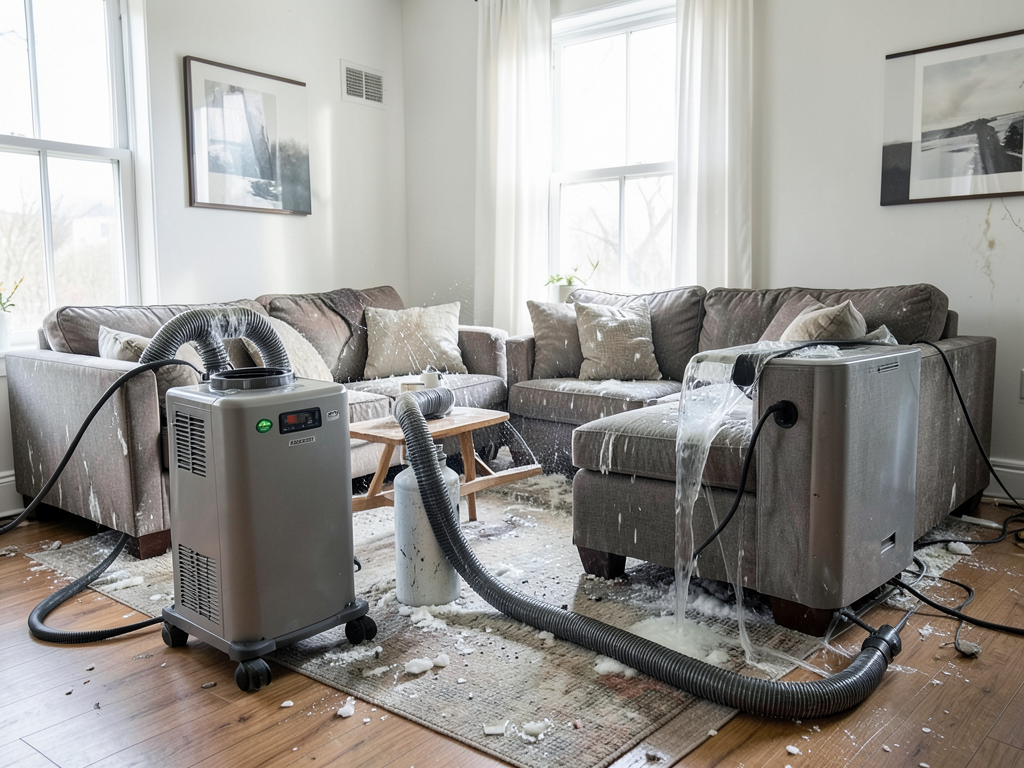
Professional restoration companies use industrial-grade equipment that homeowners cannot rent. High-capacity dehumidifiers, air movers, and moisture meters ensure thorough drying. They also document the entire process with photos and readings, creating a paper trail that protects both you and your landlord.
Insurance Considerations for Renters
Your renter’s insurance policy (HO-4) covers your personal belongings but not the structure itself. That’s your landlord’s responsibility. However, many renters don’t realize that their policy may cover temporary housing if your unit becomes uninhabitable due to covered perils like burst pipes.
Document everything for your insurance claim. Take photos before cleaning up, keep receipts for any emergency expenses, and get written estimates for repairs. Some insurance companies require you to mitigate further damage, so your quick response could affect your claim.
Landlords typically carry property insurance that covers the building structure but not your personal belongings. If the water damage resulted from the landlord’s negligence—like failing to fix a known leak—you might have grounds for a liability claim against their insurance.
Consider the timing of your claim. Insurance companies often have specific timeframes for reporting damage. Waiting too long could result in claim denial, even if the damage is severe.
Local Resources and Support
The San Francisco Rent Board provides free counseling and mediation services for tenant-landlord disputes. They can help you understand your rights and negotiate with your landlord. The board also maintains information about local housing codes and repair standards.
The San Francisco Tenants Union offers legal advice and can represent you in housing court if necessary. They maintain updated information about rent control, eviction protections, and repair rights specific to San Francisco’s unique rental market.
For immediate health concerns, the San Francisco Department of Public Health can inspect properties for hazardous conditions. They have authority to order landlords to address serious mold, sewage, or structural issues that threaten occupant health.
Remember that time is critical. Every hour that passes allows water to spread deeper into building materials and increases the risk of mold growth. While you’re navigating the legal aspects, the physical damage continues to worsen.
Frequently Asked Questions
How long does my landlord have to fix water damage?
California law doesn’t specify exact timeframes, but courts generally expect landlords to address active leaks within 24-48 hours. For less urgent repairs, a reasonable time is typically considered 30 days. However, the warranty of habitability requires landlords to maintain habitable conditions at all times.
Can I withhold rent if my landlord won’t fix water damage?
Withholding rent is risky and can lead to eviction proceedings. A safer approach is using the “repair and deduct” remedy, where you pay for necessary repairs and deduct the cost from your rent. You must follow specific procedures and keep detailed documentation.
Who pays for mold remediation in a rental?
Generally, landlords are responsible for mold remediation since it’s part of maintaining habitable conditions. However, if the mold resulted from your negligence—like leaving a window open during rain—you might be liable. Professional assessment can determine the source and responsibility.
What if my landlord refuses to let me hire a restoration company?
You can hire a company yourself and seek reimbursement through the repair and deduct process, but this requires following specific legal procedures. Document everything, get multiple estimates, and keep all receipts. Consider involving the Rent Board or Tenants Union if your landlord remains uncooperative.
How do I prove water damage was pre-existing?
Request a move-in inspection report that documents existing conditions. Take your own photos when you move in. If damage appears later, compare it to your initial documentation. Some tenants video record the entire unit during move-in for future reference.
[IMAGE_PLACEHOLDER_3>
Don’t Wait Until It’s Too Late
Water damage in your Inner Sunset rental isn’t just an inconvenience—it’s a serious threat to your health, your belongings, and your legal rights. Every hour you wait allows moisture to spread deeper into walls, floors, and ceilings, creating perfect conditions for toxic mold growth.
While you’re trying to figure out who’s responsible, the damage continues to worsen. Professional water damage restoration isn’t just about drying things out—it’s about protecting your health, preserving your security deposit, and ensuring your home remains habitable.
Call (415) 449-6555 today to schedule your inspection. Our certified technicians understand San Francisco’s unique building challenges and can provide the documentation you need to protect your rights. Don’t let a water emergency turn into a legal nightmare—get professional help now.
{
“@context”: “https://schema.org”,
“@type”: “BlogPosting”,
“headline”: “Who Is Responsible for Water Damage in an Inner Sunset Rental Property?”,
“description”: “Understand your rights as a San Francisco renter when water damage strikes. Learn who pays for repairs, mold prevention, and restoration under California law.”,
“wordCount”: 1767,
“datePublished”: “2026-03-17T13:11:00.000Z”,
“dateModified”: “2026-03-17T13:11:00.000Z”,
“inLanguage”: “en-US”,
“mainEntityOfPage”: {
“@type”: “WebPage”,
“@id”: “https://summitwaterdamagerestorationsanfrancisco.com”
},
“publisher”: {
“@type”: “LocalBusiness”,
“name”: “Summit Water Damage Restoration San Francisco”,
“url”: “https://summitwaterdamagerestorationsanfrancisco.com”
},
“author”: {
“@type”: “Organization”,
“name”: “Summit Water Damage Restoration San Francisco”,
“url”: “https://summitwaterdamagerestorationsanfrancisco.com”
},
“image”: {
“@type”: “ImageObject”,
“url”: “https://summitwaterdamagerestorationsanfrancisco.com/wp-content/uploads/2026/03/who-is-responsible-for-water-damage-in-an-inner-su-1.png”
}
}
{
“@context”: “https://schema.org”,
“@type”: “LocalBusiness”,
“name”: “Summit Water Damage Restoration San Francisco”,
“url”: “https://summitwaterdamagerestorationsanfrancisco.com”,
“address”: {
“@type”: “PostalAddress”,
“addressLocality”: “San Francisco”
},
“areaServed”: {
“@type”: “City”,
“name”: “San Francisco”
}
}
{
“@context”: “https://schema.org”,
“@type”: “FAQPage”,
“mainEntity”: [
{
“@type”: “Question”,
“name”: “When Does Water Damage Become a ‘Constructive Eviction’?”,
“acceptedAnswer”: {
“@type”: “Answer”,
“text”: “In severe cases, water damage can make a rental unit legally uninhabitable. This is called \”constructive eviction\”—when conditions are so bad that you’re forced to leave, even though the landlord hasn’t formally evicted you.”
}
},
{
“@type”: “Question”,
“name”: “How long does my landlord have to fix water damage?”,
“acceptedAnswer”: {
“@type”: “Answer”,
“text”: “California law doesn’t specify exact timeframes, but courts generally expect landlords to address active leaks within 24-48 hours. For less urgent repairs, a reasonable time is typically considered 30 days. However, the warranty of habitability requires landlords to maintain habitable conditions at all times.”
}
},
{
“@type”: “Question”,
“name”: “Can I withhold rent if my landlord won’t fix water damage?”,
“acceptedAnswer”: {
“@type”: “Answer”,
“text”: “Withholding rent is risky and can lead to eviction proceedings. A safer approach is using the \”repair and deduct\” remedy, where you pay for necessary repairs and deduct the cost from your rent. You must follow specific procedures and keep detailed documentation.”
}
},
{
“@type”: “Question”,
“name”: “Who pays for mold remediation in a rental?”,
“acceptedAnswer”: {
“@type”: “Answer”,
“text”: “Generally, landlords are responsible for mold remediation since it’s part of maintaining habitable conditions. However, if the mold resulted from your negligence—like leaving a window open during rain—you might be liable. Professional assessment can determine the source and responsibility.”
}
},
{
“@type”: “Question”,
“name”: “What if my landlord refuses to let me hire a restoration company?”,
“acceptedAnswer”: {
“@type”: “Answer”,
“text”: “You can hire a company yourself and seek reimbursement through the repair and deduct process, but this requires following specific legal procedures. Document everything, get multiple estimates, and keep all receipts. Consider involving the Rent Board or Tenants Union if your landlord remains uncooperative.”
}
},
{
“@type”: “Question”,
“name”: “How do I prove water damage was pre-existing?”,
“acceptedAnswer”: {
“@type”: “Answer”,
“text”: “Request a move-in inspection report that documents existing conditions. Take your own photos when you move in. If damage appears later, compare it to your initial documentation. Some tenants video record the entire unit during move-in for future reference.”
}
}
]
}
{
“@context”: “https://schema.org”,
“@type”: “HowTo”,
“name”: “Emergency Water Damage Response”,
“step”: [
{
“@type”: “HowToStep”,
“position”: 1,
“name”: “Stop the Water Source”,
“text”: “If you can safely access the main water valve or the source of the leak, turn it off. This prevents additional damage while you wait for professional help. Professional sewage cleanup and sanitization for Mission District basements.”
},
{
“@type”: “HowToStep”,
“position”: 2,
“name”: “Document the Damage”,
“text”: “Take clear photos and videos of all affected areas. Include timestamps if your phone allows. This documentation is crucial for insurance claims and legal disputes.”
},
{
“@type”: “HowToStep”,
“position”: 3,
“name”: “Protect Your Belongings”,
“text”: “Move furniture, electronics, and valuables away from wet areas. Use aluminum foil under furniture legs to prevent staining on wet carpets.”
},
{
“@type”: “HowToStep”,
“position”: 4,
“name”: “Notify Your Landlord”,
“text”: “Send a written notice via email and certified mail. California law requires landlords to receive proper notice before they’re obligated to make repairs.”
},
{
“@type”: “HowToStep”,
“position”: 5,
“name”: “Prevent Mold Growth”,
“text”: “Open windows, run fans, and use dehumidifiers if available. However, avoid using your home’s HVAC system if water has entered air ducts, as this can spread contamination.”
}
],
“image”: “https://summitwaterdamagerestorationsanfrancisco.com/wp-content/uploads/2026/03/who-is-responsible-for-water-damage-in-an-inner-su-1.png”
}
{
“@context”: “https://schema.org”,
“@type”: “BreadcrumbList”,
“itemListElement”: [
{
“@type”: “ListItem”,
“position”: 1,
“name”: “Home”,
“item”: “https://summitwaterdamagerestorationsanfrancisco.com”
},
{
“@type”: “ListItem”,
“position”: 2,
“name”: “Blog”,
“item”: “https://summitwaterdamagerestorationsanfrancisco.com/blog”
},
{
“@type”: “ListItem”,
“position”: 3,
“name”: “Who Is Responsible for Water Damage in an Inner Sunset Rental Property?”
}
]
}
{
“@context”: “https://schema.org”,
“@type”: “Service”,
“serviceType”: “Water Damage Restoration”,
“provider”: {
“@type”: “LocalBusiness”,
“name”: “Summit Water Damage Restoration San Francisco”,
“url”: “https://summitwaterdamagerestorationsanfrancisco.com”
},
“areaServed”: {
“@type”: “City”,
“name”: “San Francisco”
},
“description”: “Understand your rights as a San Francisco renter when water damage strikes. Learn who pays for repairs, mold prevention, and restoration under California law.”
}