
Why Your Mini Split AC Is Leaking Down Your Walls in a Mission District Loft
If you’re staring at a growing water stain spreading down your Mission District loft wall from your mini split AC unit, you’re not alone. This is one of the most common emergency calls we get in San Francisco’s older converted lofts. The combination of San Francisco’s coastal humidity, the age of many Mission District buildings, and the compact installation of ductless systems creates a perfect storm for condensate leaks that can destroy drywall, trigger toxic mold growth, and compromise your home’s structural integrity. San Francisco Building Inspection requirements.
The good news is that most AC condensate leaks are fixable, and with the right emergency response, you can prevent thousands in secondary water damage. This guide explains exactly why your mini split is leaking, what immediate steps to take, and when you need professional water damage restoration services to protect your investment. Who to call for emergency water damage repair in San Francisco right now.
Why Mission District Lofts Are Especially Vulnerable to AC Leaks
Mission District lofts face unique challenges that make AC condensate leaks more likely and more destructive. Many of these buildings were constructed before modern HVAC standards, with thin walls, minimal insulation, and aging plumbing infrastructure. The coastal microclimate in the Mission creates higher humidity levels than other parts of San Francisco, which means your mini split’s evaporator coil produces more condensate than units in drier neighborhoods.. Read more about Why Your San Francisco Furnace Is Rusting and What It Means for Your Plumbing.
Additionally, many Mission District lofts were converted from industrial spaces where mini splits were retrofitted into tight wall cavities. This often results in condensate drain lines that are too short, improperly sloped, or trapped behind drywall where leaks go unnoticed until significant damage occurs. The San Francisco Building Code requires proper condensate disposal, but older conversions may not meet current standards.
The Mission’s clay-rich soil also contributes to foundation settling, which can cause slight shifts in wall-mounted units over time. Even a quarter-inch movement can misalign drain pans and cause overflow. When you combine these factors with San Francisco’s seasonal temperature swings, you get a system that’s working harder and producing more moisture than it was designed to handle. How to handle basement flooding in San Francisco after a heavy rainstorm.
Common Causes of AC Condensate Leaks in Bay Area Homes
Understanding why your mini split is leaking is the first step to stopping the damage. Here are the most frequent culprits we see in San Francisco homes:
Clogged Condensate Drain Lines
The number one cause of AC leaks is a blocked condensate drain line. Over time, algae, mold, dust, and mineral deposits build up inside the narrow PVC pipe that carries water away from your evaporator coil. In San Francisco’s humid climate, this process happens faster than in drier regions. When the line clogs, water backs up and overflows from the drain pan, often inside your wall cavity where you can’t see it until damage appears. Fast water restoration services for SoMa businesses and tech offices.
A simple test: if your AC is running but you don’t see water dripping from the outdoor condensate line, you likely have a blockage. You can try clearing it with a wet/dry vacuum on the outdoor end, but if the clog is deep inside the wall, you’ll need professional equipment. Professional sewage cleanup and sanitization for Mission District basements.
Cracked or Rusted Drain Pans
Most mini split drain pans are made of plastic or galvanized steel. In San Francisco’s salt-air environment, metal pans can rust through in as little as five years. Plastic pans can crack from thermal stress or UV exposure if the unit is in direct sunlight. A damaged drain pan allows water to escape before it ever reaches the drain line. High-end water damage restoration for historic Pacific Heights estates.
During our inspections, we often find hairline cracks in drain pans that are invisible to the naked eye but still allow significant water leakage. These require replacement rather than repair to prevent recurring problems. EPA mold guidelines.
Frozen Evaporator Coils
When your evaporator coil freezes, it creates a sudden flood of water when it thaws. This typically happens due to restricted airflow (dirty filters, blocked vents) or low refrigerant levels. The ice buildup prevents normal condensate drainage, and when it melts, the water overwhelms the drain pan capacity.. Read more about Preventing Secondary Water Damage Like Warping and Buckling in Parnassus Heights Homes.
Signs of a frozen coil include reduced cooling performance, ice visible on the indoor unit, and water appearing only after the AC has been running for several hours. This is a serious issue that can damage your compressor if not addressed quickly.
Faulty Condensate Pumps
Many Mission District lofts require condensate pumps because the natural drain line slope isn’t sufficient for gravity drainage. These small pumps activate when water reaches a certain level in the drain pan. If the pump fails, water accumulates until it overflows.
Pumps can fail due to power issues, mechanical wear, or blockages in the discharge line. We recommend testing your pump annually by pouring water into the drain pan and verifying it activates properly.
Why a Leaking AC is a Water Damage Emergency
Many homeowners underestimate how quickly a small AC leak can become a major structural problem. Water damage in walls follows a predictable progression that accelerates over time:
Hidden Mold Growth in Drywall
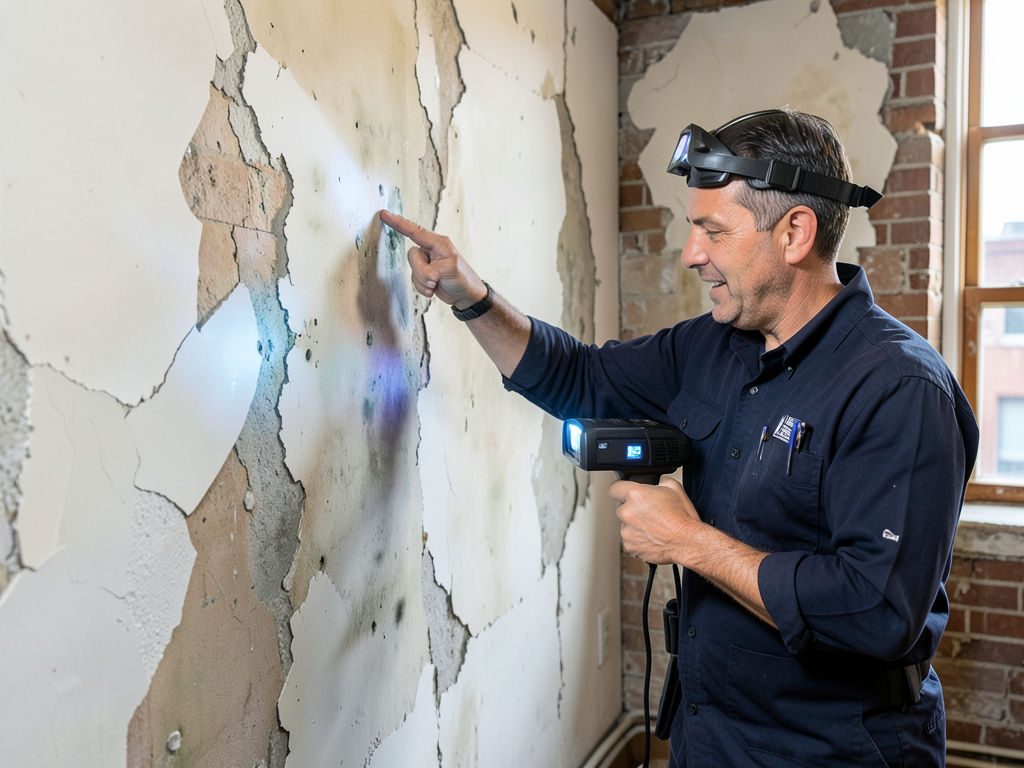
Once water penetrates drywall, mold can begin growing within 24-48 hours in San Francisco’s humid environment. The paper facing on drywall provides an ideal food source for mold spores. By the time you see visible staining, the colony inside the wall is often extensive and may include toxic black mold varieties.
The California Department of Public Health requires landlords to address mold growth exceeding ten square feet, but homeowners often discover problems only after they’ve spread significantly. Professional mold testing and remediation become necessary once contamination occurs.
Structural Damage to Floorboards and Joists
Water that reaches your subfloor can cause wood rot, warping, and loss of structural integrity. In Mission District lofts with original wood flooring, this damage is often irreversible and requires complete floor replacement. Joists that support your walls can also weaken, creating safety hazards that may not be apparent until catastrophic failure occurs.
We’ve seen cases where AC leaks went unnoticed for months, resulting in $15,000+ in structural repairs that could have been prevented with early intervention.
Impact on Indoor Air Quality in Humid SF Climates
Even if you don’t see visible mold, damp wall cavities create musty odors and release spores into your living space. For residents with allergies, asthma, or respiratory conditions, this can trigger serious health problems. The EPA recommends maintaining indoor humidity below 60%, but a leaking AC can push levels much higher, creating an unhealthy living environment.
Professional water damage restoration includes moisture mapping to identify all affected areas, even those not yet visible, and ensures complete drying to prevent ongoing air quality issues.
Professional Restoration vs. DIY Repair
While some AC maintenance tasks are suitable for DIY, water damage from a leaking unit requires professional assessment. Here’s when you can handle it yourself and when to call experts:
Step-by-Step DIY Clearing of the Drain Line
If you catch the leak early and the damage appears minimal, you might resolve it with these steps:
- Turn off the AC at the breaker to prevent further water production
- Locate the outdoor condensate drain line (usually a PVC pipe near the condenser)
- Attach a wet/dry vacuum to the line and seal the connection with duct tape
- Run the vacuum for 2-3 minutes to suction out the blockage
- Pour a cup of white vinegar down the line to kill algae and prevent future clogs
This method works for surface-level clogs but won’t help if the blockage is inside your wall or if there’s damage to the drain pan or pump.
When to Call a San Francisco Water Damage Specialist
Call professionals immediately if you notice any of these signs:
- Water stains larger than a dinner plate
- Musty odors or visible mold growth
- Soft or spongy drywall that indicates internal saturation
- Multiple leaks or recurring problems despite DIY attempts
- Water damage affecting adjacent rooms or floors
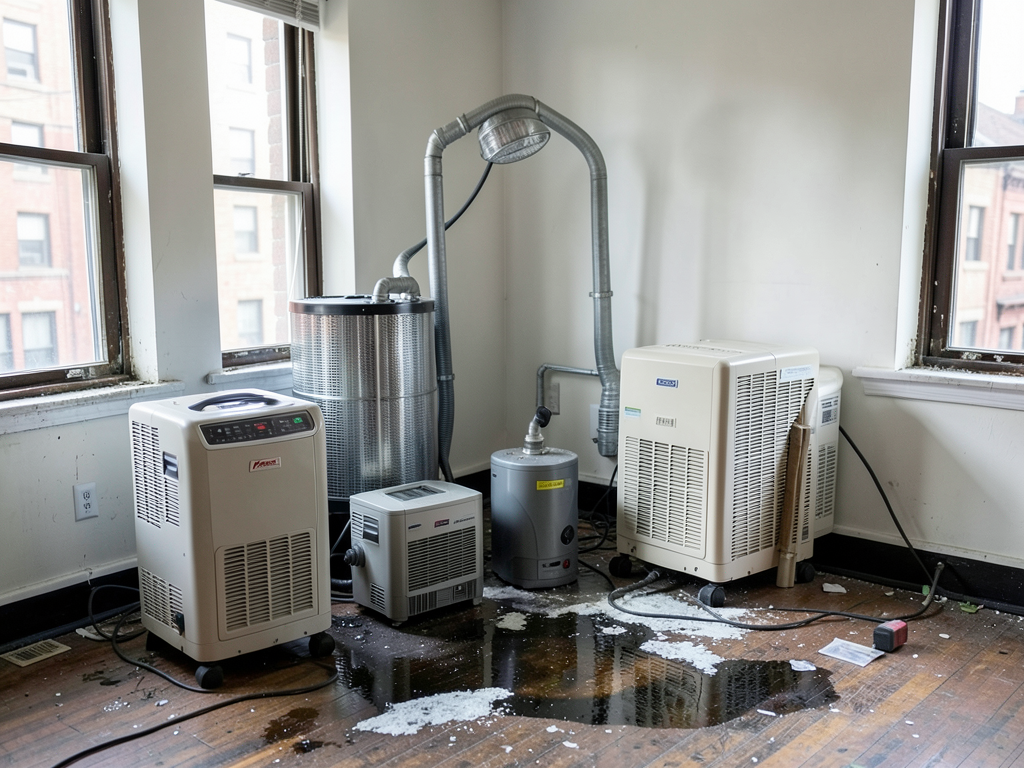
Professional restoration involves moisture detection equipment, antimicrobial treatments, and structural drying that goes far beyond what homeowners can accomplish with fans and dehumidifiers.
The 24/7 Emergency Response Process
When you call Summit Water Damage Restoration, here’s what happens:
- Immediate Dispatch: Our San Francisco-based team arrives within 60-90 minutes, equipped with moisture meters and thermal imaging cameras
- Damage Assessment: We identify all affected areas, including hidden moisture in wall cavities and under flooring
- Water Extraction: Using commercial-grade extractors, we remove standing water and saturated materials
- Structural Drying: Industrial air movers and dehumidifiers reduce moisture content to safe levels per IICRC S500 standards
- Antimicrobial Treatment: EPA-registered disinfectants prevent mold growth and sanitize affected areas
- Documentation for Insurance: We provide detailed reports and photos for your insurance claim
Our process follows the IICRC S500 standard for professional water damage restoration, ensuring your home is returned to pre-loss condition safely and efficiently.
Preventing Future AC Leaks in Your Mission District Loft
Prevention is always better than emergency restoration. Here are professional recommendations for Mission District residents:
Annual Professional Maintenance
Schedule professional AC maintenance every spring before cooling season. A qualified technician will clean the evaporator coil, check refrigerant levels, inspect the drain pan and lines, and test the condensate pump. This service typically costs $150-250 but can prevent thousands in water damage repairs.
During maintenance, ask the technician to install a condensate overflow switch, which automatically shuts off your AC if the drain pan fills with water, preventing overflow damage.
Smart Leak Detection Systems
Modern leak detection systems can alert you to water problems before they cause major damage. These devices use moisture sensors placed near your AC unit and send alerts to your smartphone. Some advanced systems can automatically shut off your AC when leaks are detected.
For Mission District lofts, we recommend systems with multiple sensors since the compact layout means water can travel quickly between rooms.
Secondary Drain Pan Installation
For high-risk installations, consider adding a secondary drain pan beneath your indoor unit. This pan catches overflow and typically has a separate drain line or float switch that triggers an alarm. While it requires cutting into your wall for installation, it provides crucial backup protection for valuable properties.
According to the San Francisco Department of Building Inspection, secondary drain pans are required for units installed in habitable spaces where water damage could affect living areas below.
Understanding Your Insurance Coverage
Water damage from AC leaks is typically covered under standard homeowners insurance policies, but coverage details matter:
Sudden vs. Gradual Damage: Insurance usually covers sudden, accidental leaks but may deny claims for damage that occurred over time due to lack of maintenance. This is why prompt professional assessment is critical when you discover a leak.
Additional Living Expenses: If water damage makes your home uninhabitable during restoration, your policy may cover temporary housing costs. Keep all receipts for meals and lodging if you need to relocate.
Documentation Requirements: Most insurers require professional assessment and repair estimates. DIY repairs without documentation can complicate claims, even if they stop the immediate leak.
We work directly with all major insurance companies and can help navigate the claims process to ensure you receive proper coverage for restoration services.
Our San Francisco Service Area
Summit Water Damage Restoration serves all of San Francisco with rapid emergency response. Our team is strategically positioned throughout the city to ensure we can reach you quickly, whether you’re in a Victorian in Noe Valley or a modern high-rise in SoMa.
We maintain a 24/7 dispatch center in the Mission District, allowing us to respond to local emergencies faster than companies based outside the city. Our technicians are familiar with the unique building characteristics of each San Francisco neighborhood, from the Edwardian architecture of the Richmond District to the concrete construction of downtown high-rises.
Common areas we serve include the Mission District (94110, 94103), SoMa (94105, 94107), the Castro (94114), Haight-Ashbury (94117), and the Financial District (94111). No matter where you are in San Francisco, we can be at your door within 90 minutes of your call.
Emergency Triage Checklist
If you’re dealing with an active AC leak right now, take these immediate steps while waiting for professional help:
- Turn off the AC at the thermostat and circuit breaker
- Place towels or buckets under the leak to catch water
- Move electronics and valuables away from affected areas
- Take photos of the damage for insurance purposes
- Open windows if weather permits to improve air circulation
- Call (415) 449-6555 for emergency water damage restoration
Every hour counts when water is actively damaging your home. The longer moisture sits in your walls, the more extensive and expensive the restoration becomes.
Frequently Asked Questions
How much does professional water damage restoration cost?
Costs vary based on damage extent, but most AC leak restorations in San Francisco range from $1,500 to $5,000. This includes water extraction, drying, antimicrobial treatment, and minor repairs. Severe cases involving structural repairs or mold remediation can exceed $10,000. We provide free assessments and detailed estimates before any work begins.
Can I just fix the AC leak and not worry about the water damage?
No. Even after stopping the leak, moisture trapped in walls and flooring continues to cause damage. Mold can grow within 24-48 hours, and wood rot can compromise structural integrity. Professional drying and treatment are essential to prevent ongoing problems that will cost more to fix later.
How long does the restoration process take?
Most AC leak restorations take 3-5 days. The first 24-48 hours involve water extraction and initial drying. Complete structural drying typically requires 48-72 hours with commercial equipment. Final repairs and repainting may extend the timeline, but you can usually remain in your home during the process.
Will I need to replace my drywall?
Not always. We use moisture meters to determine if drywall can be saved through drying and treatment. Drywall that’s been wet for less than 48 hours and shows no structural damage can often be restored. However, if mold is present or the material has lost integrity, replacement is necessary for safety.
Do you work with my insurance company?
Yes. We work with all major insurance providers and can bill them directly. We provide detailed documentation, photos, and estimates that meet insurance requirements. Our team can also help you understand your coverage and assist with the claims process to ensure you receive proper compensation.
[IMAGE_PLACEHOVER_1]
Don’t Wait Until It’s Too Late
A leaking mini split AC might seem like a minor inconvenience, but in San Francisco’s unique climate and building environment, it can quickly escalate into a major structural and health hazard. The combination of high humidity, aging building stock, and compact loft designs means water damage spreads faster and causes more destruction than in other regions.
If you’re seeing water stains, smelling musty odors, or noticing reduced AC performance, don’t gamble with DIY fixes or wait for the problem to resolve itself. Water damage only gets worse with time, and the cost of professional restoration increases exponentially the longer you wait.
Call Summit Water Damage Restoration at (415) 449-6555 today. Our San Francisco-based team is ready to respond 24/7 with the equipment, expertise, and local knowledge to stop the damage and restore your home to perfect condition. Whether you’re in the Mission District or anywhere else in the city, we’ll be at your door within 90 minutes to begin protecting your property and your health.
Pick up the phone and call (415) 449-6555 before the next storm hits. Your home deserves professional care, and you deserve peace of mind knowing the job will be done right the first time.
{
“@context”: “https://schema.org”,
“@type”: “BlogPosting”,
“headline”: “Why Your Mini Split AC Is Leaking Down Your Walls in a Mission District Loft”,
“description”: “Mission District loft mini split AC leaking down walls? Learn why it happens and how to stop water damage before it destroys your drywall and creates toxic mold.”,
“wordCount”: 2635,
“datePublished”: “2026-06-03T12:23:00.000Z”,
“dateModified”: “2026-06-03T12:23:00.000Z”,
“inLanguage”: “en-US”,
“mainEntityOfPage”: {
“@type”: “WebPage”,
“@id”: “https://summitwaterdamagerestorationsanfrancisco.com”
},
“publisher”: {
“@type”: “LocalBusiness”,
“name”: “Summit Water Damage Restoration San Francisco”,
“url”: “https://summitwaterdamagerestorationsanfrancisco.com”
},
“author”: {
“@type”: “Organization”,
“name”: “Summit Water Damage Restoration San Francisco”,
“url”: “https://summitwaterdamagerestorationsanfrancisco.com”
},
“image”: {
“@type”: “ImageObject”,
“url”: “https://summitwaterdamagerestorationsanfrancisco.com/wp-content/uploads/2026/03/why-your-mini-split-ac-is-leaking-down-your-walls-1.png”
}
}
{
“@context”: “https://schema.org”,
“@type”: “LocalBusiness”,
“name”: “Summit Water Damage Restoration San Francisco”,
“url”: “https://summitwaterdamagerestorationsanfrancisco.com”,
“address”: {
“@type”: “PostalAddress”,
“addressLocality”: “San Francisco”
},
“areaServed”: {
“@type”: “City”,
“name”: “San Francisco”
}
}
{
“@context”: “https://schema.org”,
“@type”: “FAQPage”,
“mainEntity”: [
{
“@type”: “Question”,
“name”: “How much does professional water damage restoration cost?”,
“acceptedAnswer”: {
“@type”: “Answer”,
“text”: “Costs vary based on damage extent, but most AC leak restorations in San Francisco range from $1,500 to $5,000. This includes water extraction, drying, antimicrobial treatment, and minor repairs. Severe cases involving structural repairs or mold remediation can exceed $10,000. We provide free assessments and detailed estimates before any work begins.”
}
},
{
“@type”: “Question”,
“name”: “Can I just fix the AC leak and not worry about the water damage?”,
“acceptedAnswer”: {
“@type”: “Answer”,
“text”: “No. Even after stopping the leak, moisture trapped in walls and flooring continues to cause damage. Mold can grow within 24-48 hours, and wood rot can compromise structural integrity. Professional drying and treatment are essential to prevent ongoing problems that will cost more to fix later.”
}
},
{
“@type”: “Question”,
“name”: “How long does the restoration process take?”,
“acceptedAnswer”: {
“@type”: “Answer”,
“text”: “Most AC leak restorations take 3-5 days. The first 24-48 hours involve water extraction and initial drying. Complete structural drying typically requires 48-72 hours with commercial equipment. Final repairs and repainting may extend the timeline, but you can usually remain in your home during the process.”
}
},
{
“@type”: “Question”,
“name”: “Will I need to replace my drywall?”,
“acceptedAnswer”: {
“@type”: “Answer”,
“text”: “Not always. We use moisture meters to determine if drywall can be saved through drying and treatment. Drywall that’s been wet for less than 48 hours and shows no structural damage can often be restored. However, if mold is present or the material has lost integrity, replacement is necessary for safety.”
}
},
{
“@type”: “Question”,
“name”: “Do you work with my insurance company?”,
“acceptedAnswer”: {
“@type”: “Answer”,
“text”: “Yes. We work with all major insurance providers and can bill them directly. We provide detailed documentation, photos, and estimates that meet insurance requirements. Our team can also help you understand your coverage and assist with the claims process to ensure you receive proper compensation.”
}
}
]
}
{
“@context”: “https://schema.org”,
“@type”: “BreadcrumbList”,
“itemListElement”: [
{
“@type”: “ListItem”,
“position”: 1,
“name”: “Home”,
“item”: “https://summitwaterdamagerestorationsanfrancisco.com”
},
{
“@type”: “ListItem”,
“position”: 2,
“name”: “Blog”,
“item”: “https://summitwaterdamagerestorationsanfrancisco.com/blog”
},
{
“@type”: “ListItem”,
“position”: 3,
“name”: “Why Your Mini Split AC Is Leaking Down Your Walls in a Mission District Loft”
}
]
}
{
“@context”: “https://schema.org”,
“@type”: “Service”,
“serviceType”: “Water Damage Restoration”,
“provider”: {
“@type”: “LocalBusiness”,
“name”: “Summit Water Damage Restoration San Francisco”,
“url”: “https://summitwaterdamagerestorationsanfrancisco.com”
},
“areaServed”: {
“@type”: “City”,
“name”: “San Francisco”
},
“description”: “Mission District loft mini split AC leaking down walls? Learn why it happens and how to stop water damage before it destroys your drywall and creates toxic mold.”
}