
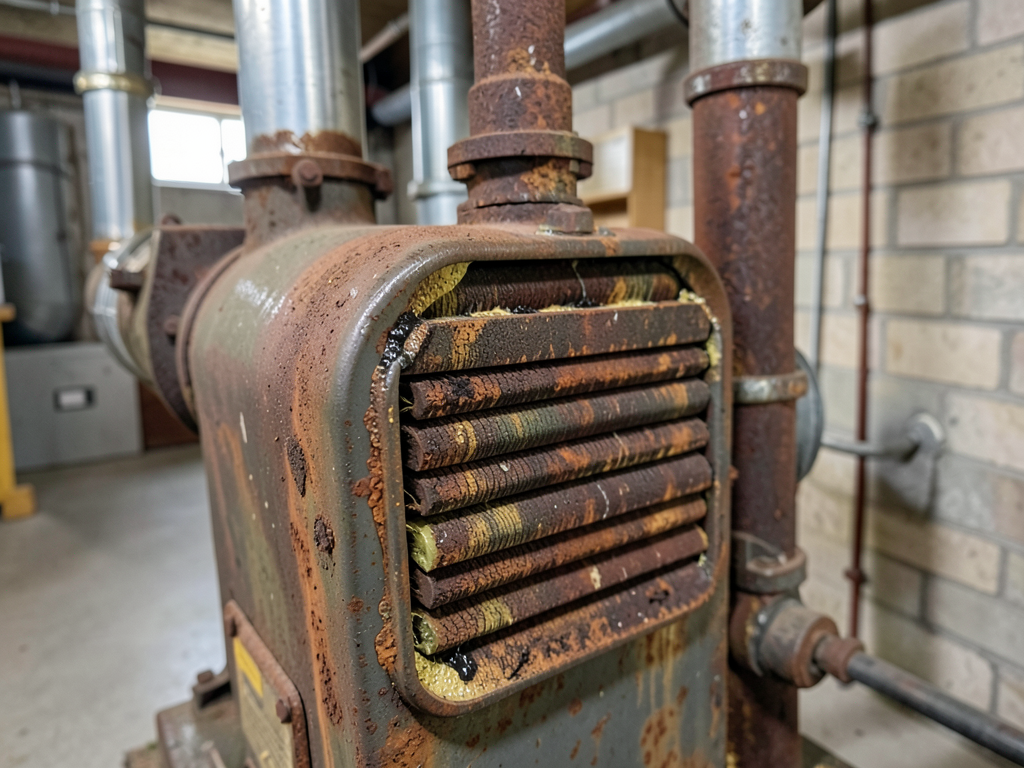
San Francisco’s unique coastal climate creates conditions where furnace rust can signal deeper plumbing problems. The combination of salty air from the Pacific, frequent fog, and aging infrastructure in many homes means corrosion often starts in one system and spreads to others. Understanding this connection helps you catch problems early before they cause major damage. San Francisco Public Utilities Commission.
When moisture from the Bay Area’s high humidity settles on metal surfaces, it accelerates oxidation. This process is especially aggressive in neighborhoods like the Sunset District and Richmond where ocean breezes carry salt particles that act as electrolytes, speeding up corrosion. What starts as surface rust on your furnace can indicate that your plumbing pipes are also under attack from the inside out.
How San Francisco’s Climate Accelerates Furnace Rust
The Bay Area’s microclimates play a major role in how quickly metal components degrade. Areas like the Marina and Embarcadero experience higher salt exposure due to their proximity to the water, while the Mission District’s older buildings often have poor ventilation that traps moisture. These conditions create perfect environments for rust to form on furnace heat exchangers, burners, and other metal parts. Who to call for emergency water damage repair in San Francisco right now.
San Francisco’s seasonal patterns also contribute. During the dry summer months, dust and salt accumulate on surfaces. When winter rains arrive, this debris traps moisture against metal, creating localized corrosion hotspots. The temperature swings common in San Francisco cause metal to expand and contract, creating microscopic cracks where moisture can penetrate deeper. San Francisco Planning Department.
According to the San Francisco Department of Public Health, indoor humidity levels in coastal homes often exceed 60% during fog events. This sustained moisture exposure dramatically reduces the lifespan of metal components in heating systems. The California Energy Commission’s Title 24 standards require specific ventilation in new construction, but many older homes lack these protections. California Energy Commission.
The Hidden Link Between Furnace Rust and Plumbing Damage
Furnace rust rarely occurs in isolation. The same moisture that corrodes your heating system often indicates problems in your plumbing network. Galvanized steel pipes, common in homes built before the 1960s, are particularly vulnerable to the Bay Area’s corrosive environment. These pipes can develop internal rust that reduces water pressure and affects water quality. Fast water restoration services for SoMa businesses and tech offices.
When you notice rust on your furnace, check your plumbing fixtures for signs of corrosion. Discolored water when you first turn on a tap, especially in the morning, suggests that rust is breaking loose from pipes. The presence of rust particles in your water supply means your plumbing system is deteriorating from the inside. High-end water damage restoration for historic Pacific Heights estates.
The connection becomes more apparent when you consider how these systems share the same air space. Poor ventilation in basements or utility rooms allows moisture to accumulate around both the furnace and plumbing lines. This creates a cycle where humidity from one system feeds corrosion in the other, accelerating damage to both. How to handle basement flooding in San Francisco after a heavy rainstorm.
San Francisco’s Hetch Hetchy water supply, while clean and treated, has a slightly alkaline pH that can affect different metals in various ways. This water chemistry, combined with the city’s aging infrastructure, means that corrosion patterns often reveal underlying plumbing issues before they become catastrophic failures.
Common Signs of Rust-Related Plumbing Problems
Beyond visible rust on your furnace, several warning signs indicate that your plumbing may be compromised. Listen for unusual sounds in your pipes when water flows. A hissing or whistling noise can indicate that corrosion has created rough surfaces inside pipes, causing turbulence in the water flow.
Check your water pressure throughout the house. If you notice that pressure drops significantly when multiple fixtures are used, this suggests that rust buildup is restricting water flow in your pipes. The problem often starts in sections of pipe closest to the water main, where pressure is highest.
Inspect your water heater for rust accumulation. If you find rust flakes or sediment in the bottom of the tank, this indicates that your home’s entire plumbing system may be deteriorating. The water heater acts as a collection point for rust particles traveling through the pipes.
Pay attention to your water’s taste and smell. A metallic taste or slight odor often indicates that rust is leaching into your water supply. This is particularly concerning in older San Francisco homes where lead solder was commonly used to join copper pipes before regulations changed in the 1980s.
When Rust Signals Emergency Plumbing Issues
Certain rust patterns require immediate attention from a professional plumber. If you notice rust forming rapidly on your furnace, especially in new spots within weeks, this suggests that humidity levels in your home are dangerously high. This excess moisture can indicate a hidden plumbing leak somewhere in your walls or foundation. Professional sewage cleanup and sanitization for Mission District basements.
Look for rust-colored stains on walls or ceilings, particularly in areas below bathrooms or kitchens. These stains often indicate that a pipe is leaking slowly, allowing water to seep through building materials and create rust stains as it travels. In San Francisco’s older homes, these leaks can go undetected for months.
If you hear water running when all fixtures are off, this could indicate a leak that’s causing moisture buildup and accelerating rust formation. The sound might be subtle—a faint hissing or dripping that becomes noticeable only when your home is quiet.
Check your water meter when no water is being used. If the meter continues to run, you likely have a hidden leak. This continuous water flow creates the perfect conditions for rust to form on metal surfaces throughout your home, including your furnace.
San Francisco Neighborhoods Most Affected by Corrosion
Certain San Francisco neighborhoods face higher risks due to their specific environmental conditions and building ages. The Sunset District, with its proximity to Ocean Beach and frequent fog, experiences some of the highest corrosion rates in the city. Homes here often show rust damage within 5-7 years of installation on exposed metal components.
The Marina District presents unique challenges because many homes sit on former marshland that was filled in during the early 1900s. This soil retains moisture and creates high humidity levels in basements and crawl spaces, accelerating both furnace rust and plumbing corrosion. The 1989 Loma Prieta earthquake also damaged many pipes in this area, creating vulnerabilities that continue to cause problems.
Downtown San Francisco’s high-rise buildings face different corrosion challenges. The combination of mechanical ventilation systems, sealed environments, and the city’s humidity creates condensation issues that affect both heating and plumbing systems. Buildings constructed before 2000 often lack the moisture control features required by current building codes.
The Mission District’s older Victorian and Edwardian homes, many built between 1900 and 1940, contain original plumbing that’s reaching the end of its useful life. These homes often have galvanized steel pipes that are now 80-120 years old, making them extremely susceptible to the corrosive effects of San Francisco’s climate.
Professional Assessment and Restoration Options
When you discover rust on your furnace, a professional assessment should include both the heating system and your plumbing network. A qualified technician will use moisture meters to detect hidden water sources and thermal imaging cameras to identify temperature variations that suggest pipe leaks behind walls.
The assessment process typically starts with a visual inspection of all accessible plumbing, followed by pressure testing to identify leaks in the system. Technicians will also check for proper ventilation around your furnace, as inadequate airflow can trap moisture and accelerate rust formation.
For homes with significant corrosion, restoration options range from targeted pipe replacement to whole-home repiping. The choice depends on factors like the age of your home, the extent of the damage, and your long-term plans for the property. In many cases, replacing old galvanized pipes with modern PEX or copper piping provides the best long-term solution.
Professional restoration also addresses the underlying causes of moisture buildup. This might include installing dehumidifiers, improving ventilation, or repairing roof leaks that allow moisture to enter your home. The goal is to create an environment where rust cannot easily form or spread.
Preventive Measures for San Francisco Homes
Preventing rust and corrosion in San Francisco homes requires a proactive approach. Start by installing a whole-house water filter that removes sediment and minerals that can accelerate pipe corrosion. These filters are especially important in areas with hard water or high mineral content.
Improve ventilation in areas where your furnace and plumbing are located. This might mean installing exhaust fans in utility rooms or ensuring that existing vents are not blocked by storage items. Proper airflow helps moisture evaporate before it can cause damage.
Consider installing a water softener if your home has hard water. While San Francisco’s water is generally soft, some areas may have mineral content that contributes to scale buildup and corrosion. A water softener can extend the life of both your plumbing and water-using appliances.
Schedule annual maintenance for your furnace and plumbing systems. A professional inspection can catch early signs of corrosion before they become major problems. During these inspections, technicians can apply protective coatings to vulnerable metal surfaces and recommend specific improvements for your home.
Monitor your water bill for unexplained increases. A sudden jump in usage often indicates a leak that’s causing moisture problems throughout your home. Early detection can prevent the secondary damage that leads to widespread rust and corrosion.
Understanding the Cost of Corrosion Damage
The financial impact of rust and corrosion extends beyond the immediate repair costs. A furnace with extensive rust damage may need complete replacement, which can cost $3,000 to $7,000 for a standard unit in San Francisco. However, this is often just one part of a larger problem.
Plumbing repairs related to corrosion can be significantly more expensive. Replacing galvanized pipes in a single section of your home might cost $1,500 to $3,000, while whole-home repiping can range from $4,000 to $15,000 depending on your home’s size and the complexity of the work.
The secondary damage caused by hidden leaks can be even more costly. Water damage to walls, floors, and personal belongings can easily add thousands of dollars to repair bills. In severe cases, mold remediation becomes necessary, adding another layer of expense and complexity to the restoration process.
Insurance coverage for corrosion-related damage varies significantly. Many policies exclude damage from rust and corrosion, considering it a maintenance issue rather than a sudden accident. This means that homeowners often bear the full cost of repairs, making preventive maintenance even more important.
When to Call a Professional for Assessment
Certain situations require immediate professional attention. If you notice rust forming on multiple metal surfaces throughout your home, this suggests a systemic moisture problem that needs expert diagnosis. The same applies if you detect a musty odor or see condensation forming on windows regularly.
Call a professional if you experience simultaneous problems with your furnace and plumbing. For example, if your furnace is rusting while you’re also dealing with low water pressure or discolored water, these issues are likely connected and require comprehensive assessment.
Don’t wait if you discover rust on critical components like your furnace’s heat exchanger or your home’s main water supply pipes. These situations can create safety hazards, from gas leaks to water contamination, that require immediate professional intervention.
Professional assessment is also warranted if you’re planning major home renovations. Understanding the condition of your hidden plumbing and HVAC systems before construction begins can prevent costly surprises and ensure that new work won’t be damaged by existing corrosion problems.
Frequently Asked Questions
Why is my furnace rusting so quickly in San Francisco?
San Francisco’s coastal humidity and salt air accelerate corrosion on metal surfaces. Homes in areas like the Sunset District and Marina are particularly vulnerable due to their proximity to the ocean and frequent fog exposure.
Can rust on my furnace indicate plumbing problems?
Yes, rust on your furnace often signals excess moisture in your home, which could be caused by plumbing leaks. The same environmental conditions that cause furnace rust can also damage your pipes from the inside out.
How do I know if my plumbing pipes are corroding?
Signs include discolored water, low water pressure, unusual sounds in pipes, and rust particles in your water. If you notice these issues along with furnace rust, your plumbing likely needs inspection.
Is corrosion damage covered by homeowners insurance in San Francisco?
Most standard policies exclude rust and corrosion damage, considering it a maintenance issue. However, sudden damage from a burst pipe might be covered if it’s not related to gradual deterioration.
How often should I have my furnace and plumbing inspected?
Annual inspections are recommended for both systems, especially in San Francisco’s corrosive environment. Professional maintenance can catch problems early and extend the life of your equipment.
Call (415) 449-6555 Today to Schedule Your Inspection
Don’t wait for rust to cause major damage to your home. Call (415) 449-6555 today to schedule a comprehensive inspection of your furnace and plumbing systems. Our experienced technicians understand San Francisco’s unique environmental challenges and can identify problems before they become expensive emergencies.
Pick up the phone and call (415) 449-6555 before the next fog rolls in. Early detection of corrosion can save you thousands in repair costs and prevent the disruption of major system failures. We serve all San Francisco neighborhoods and offer same-day emergency service when you need it most.
{
“@context”: “https://schema.org”,
“@type”: “BlogPosting”,
“headline”: “Why Your San Francisco Furnace Is Rusting and What It Means for Your Plumbing”,
“description”: “San Francisco’s coastal climate causes furnace rust that signals deeper plumbing issues. Learn how humidity and salt air damage both systems.”,
“wordCount”: 2259,
“datePublished”: “2026-05-30T06:40:00.000Z”,
“dateModified”: “2026-05-30T06:40:00.000Z”,
“inLanguage”: “en-US”,
“mainEntityOfPage”: {
“@type”: “WebPage”,
“@id”: “https://summitwaterdamagerestorationsanfrancisco.com”
},
“publisher”: {
“@type”: “LocalBusiness”,
“name”: “Summit Water Damage Restoration San Francisco”,
“url”: “https://summitwaterdamagerestorationsanfrancisco.com”
},
“author”: {
“@type”: “Organization”,
“name”: “Summit Water Damage Restoration San Francisco”,
“url”: “https://summitwaterdamagerestorationsanfrancisco.com”
},
“image”: {
“@type”: “ImageObject”,
“url”: “https://summitwaterdamagerestorationsanfrancisco.com/wp-content/uploads/2026/03/why-your-san-francisco-furnace-is-rusting-and-what-1.png”
}
}
{
“@context”: “https://schema.org”,
“@type”: “LocalBusiness”,
“name”: “Summit Water Damage Restoration San Francisco”,
“url”: “https://summitwaterdamagerestorationsanfrancisco.com”,
“address”: {
“@type”: “PostalAddress”,
“addressLocality”: “San Francisco”
},
“areaServed”: {
“@type”: “City”,
“name”: “San Francisco”
}
}
{
“@context”: “https://schema.org”,
“@type”: “FAQPage”,
“mainEntity”: [
{
“@type”: “Question”,
“name”: “Why is my furnace rusting so quickly in San Francisco?”,
“acceptedAnswer”: {
“@type”: “Answer”,
“text”: “San Francisco’s coastal humidity and salt air accelerate corrosion on metal surfaces. Homes in areas like the Sunset District and Marina are particularly vulnerable due to their proximity to the ocean and frequent fog exposure.”
}
},
{
“@type”: “Question”,
“name”: “Can rust on my furnace indicate plumbing problems?”,
“acceptedAnswer”: {
“@type”: “Answer”,
“text”: “Yes, rust on your furnace often signals excess moisture in your home, which could be caused by plumbing leaks. The same environmental conditions that cause furnace rust can also damage your pipes from the inside out.”
}
},
{
“@type”: “Question”,
“name”: “How do I know if my plumbing pipes are corroding?”,
“acceptedAnswer”: {
“@type”: “Answer”,
“text”: “Signs include discolored water, low water pressure, unusual sounds in pipes, and rust particles in your water. If you notice these issues along with furnace rust, your plumbing likely needs inspection.”
}
},
{
“@type”: “Question”,
“name”: “Is corrosion damage covered by homeowners insurance in San Francisco?”,
“acceptedAnswer”: {
“@type”: “Answer”,
“text”: “Most standard policies exclude rust and corrosion damage, considering it a maintenance issue. However, sudden damage from a burst pipe might be covered if it’s not related to gradual deterioration.”
}
},
{
“@type”: “Question”,
“name”: “How often should I have my furnace and plumbing inspected?”,
“acceptedAnswer”: {
“@type”: “Answer”,
“text”: “Annual inspections are recommended for both systems, especially in San Francisco’s corrosive environment. Professional maintenance can catch problems early and extend the life of your equipment.”
}
}
]
}
{
“@context”: “https://schema.org”,
“@type”: “BreadcrumbList”,
“itemListElement”: [
{
“@type”: “ListItem”,
“position”: 1,
“name”: “Home”,
“item”: “https://summitwaterdamagerestorationsanfrancisco.com”
},
{
“@type”: “ListItem”,
“position”: 2,
“name”: “Blog”,
“item”: “https://summitwaterdamagerestorationsanfrancisco.com/blog”
},
{
“@type”: “ListItem”,
“position”: 3,
“name”: “Why Your San Francisco Furnace Is Rusting and What It Means for Your Plumbing”
}
]
}
{
“@context”: “https://schema.org”,
“@type”: “Service”,
“serviceType”: “Water Damage Restoration”,
“provider”: {
“@type”: “LocalBusiness”,
“name”: “Summit Water Damage Restoration San Francisco”,
“url”: “https://summitwaterdamagerestorationsanfrancisco.com”
},
“areaServed”: {
“@type”: “City”,
“name”: “San Francisco”
},
“description”: “San Francisco’s coastal climate causes furnace rust that signals deeper plumbing issues. Learn how humidity and salt air damage both systems.”
}