menu

Sewage Backup Cleanup in San Francisco – Expert Containment, Safe Removal, and Complete Sanitization

Summit Water Damage Restoration San Francisco delivers rapid-response sewage backup cleanup with biohazard-certified technicians, advanced extraction equipment, and EPA-compliant sanitization protocols to protect your property and health.

Slider Image 1
Slider Image 2
Slider Image 3
Slider Image 4
Slider Image 5
Slider Image 7
Slider Image 8
Slider Image 9
Slider Image 10
Slider Image 11

Why Sewage Backups Demand Immediate Professional Attention in San Francisco

Sewage backups release Category 3 contaminated water into your property. This black water contains human waste, bacteria, viruses, and parasites that pose serious health risks. You cannot wait.

San Francisco's aging sewer infrastructure, combined with the city's hilly terrain and outdated clay pipe systems in neighborhoods like the Sunset District and Richmond, creates unique vulnerabilities. Heavy winter rains overwhelm the combined sewer system, forcing raw sewage back through floor drains, toilets, and basement fixtures. The city's dense housing stock means a backup in one unit can quickly spread to adjacent properties through shared plumbing lines.

Raw sewage cleanup requires more than a shop vacuum and disinfectant. Porous materials like drywall, insulation, and subflooring absorb contaminated water within minutes. Bacteria colonize these materials, creating long-term health hazards and structural damage. Sewage remediation must follow strict protocols: immediate containment, complete extraction, antimicrobial treatment, and thorough drying.

The pathogens in sewage can cause gastroenteritis, hepatitis A, and respiratory infections. Children, elderly residents, and anyone with compromised immunity face elevated risk. Professional sewer backup cleaning eliminates these threats through systematic decontamination that meets IICRC S500 standards.

San Francisco property owners face additional complications from the city's strict health codes and landlord liability statutes. Improper sewage damage restoration can trigger Department of Public Health violations, tenant lawsuits, and insurance claim denials. You need sewage removal that protects both your property and your legal standing.

Why Sewage Backups Demand Immediate Professional Attention in San Francisco
Our Biohazard-Certified Sewage Remediation Process

Our Biohazard-Certified Sewage Remediation Process

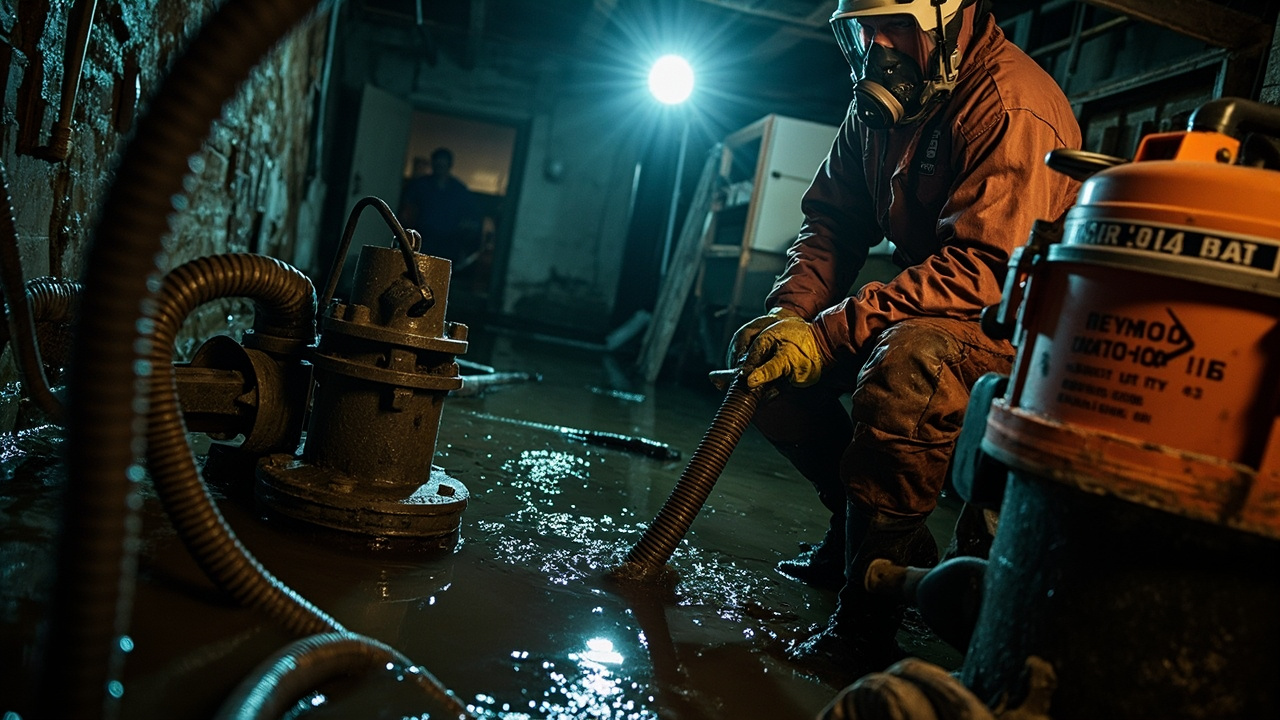
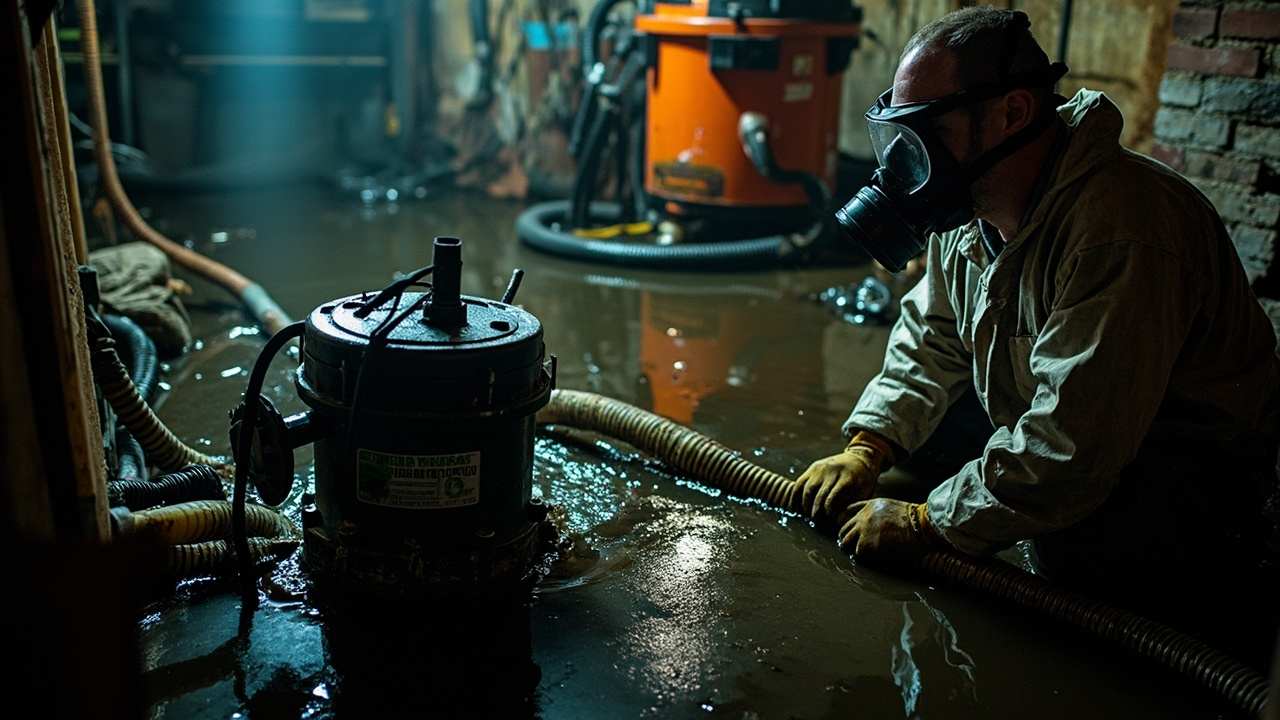
Summit Water Damage Restoration San Francisco deploys technicians with IICRC Applied Microbial Remediation certification and OSHA bloodborne pathogen training. We treat every sewage backup as a biohazard incident requiring full personal protective equipment and containment protocols.

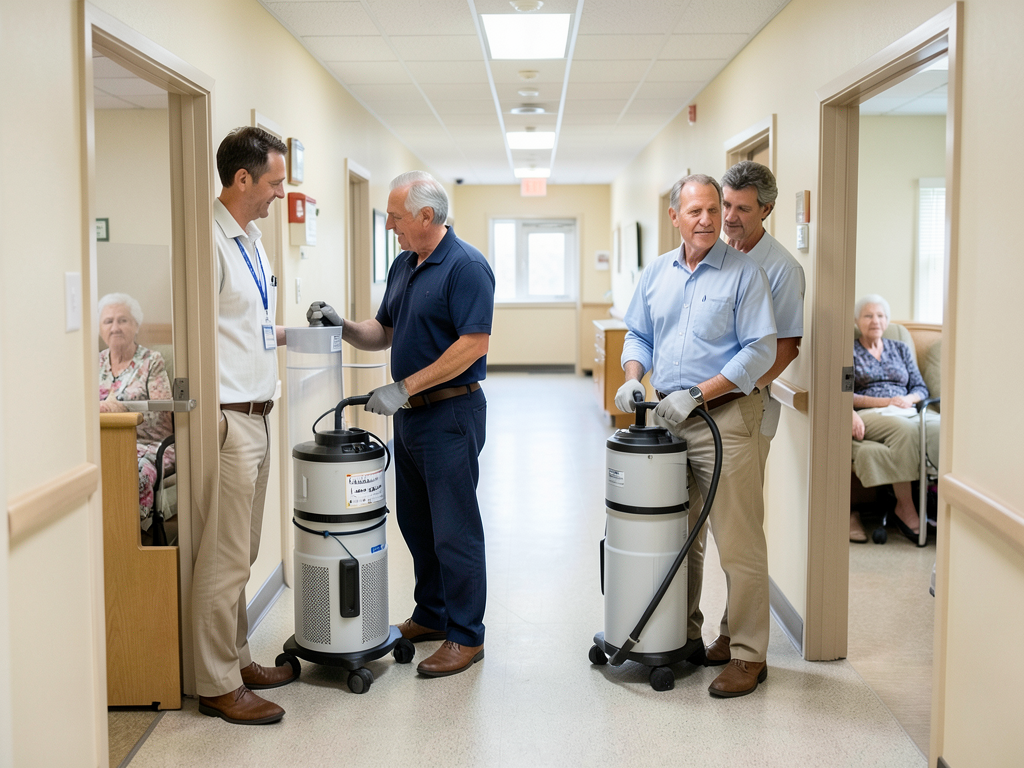
We establish negative air pressure zones using air scrubbers with HEPA filtration to prevent cross-contamination. This matters in San Francisco's multi-unit buildings where airborne pathogens can migrate through shared HVAC systems and common walls.

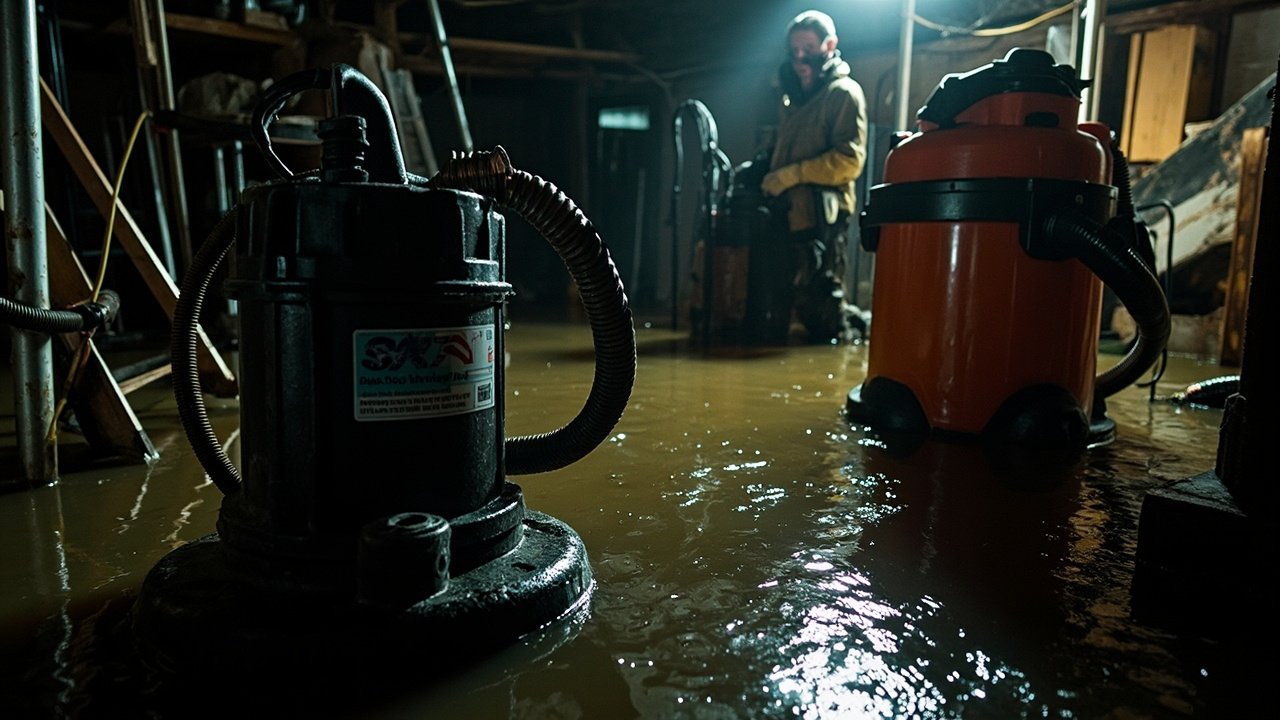
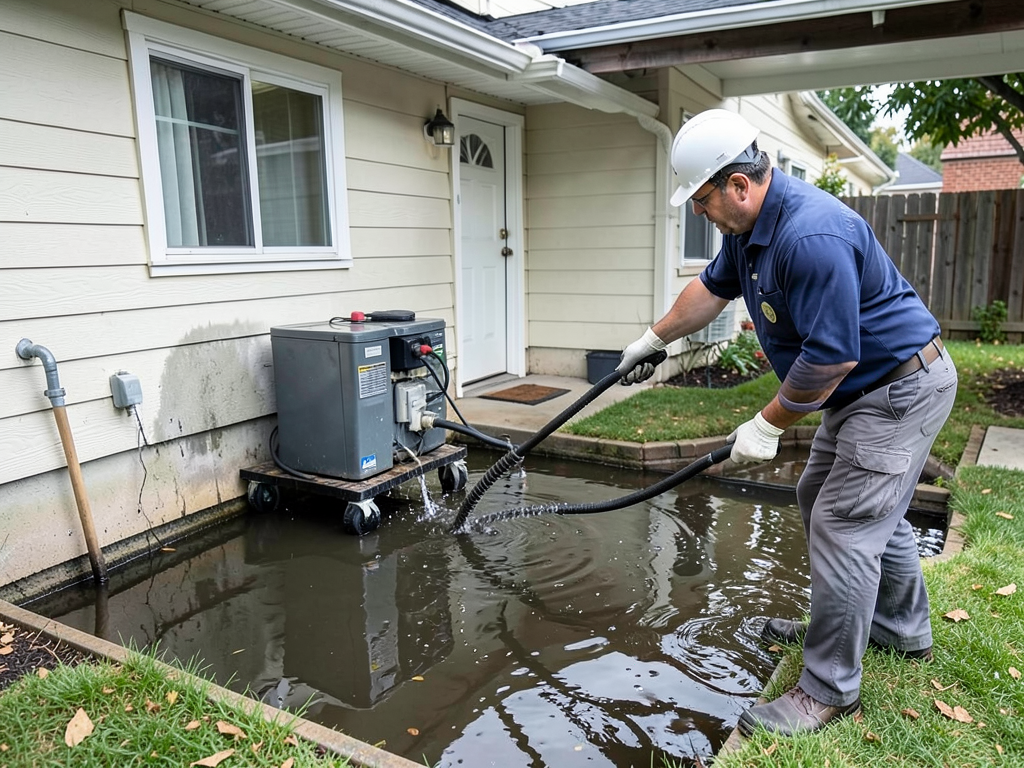
Our truck-mounted extractors remove standing sewage and contaminated water at 400 gallons per minute. We then apply EPA-registered antimicrobial agents that kill bacteria, viruses, and fungi on contact. These hospital-grade disinfectants meet California Department of Public Health standards for pathogen elimination.

We remove all porous materials that contacted sewage. Drywall, insulation, baseboards, and carpeting cannot be adequately sanitized and must be discarded following San Francisco Department of the Environment hazardous waste protocols. We document all removal for insurance claims and health inspections.

After extraction and demolition, we apply residual antimicrobial coatings to structural surfaces. Our hydroxyl generators and thermal foggers penetrate cracks, cavities, and subflooring to neutralize odors at the molecular level. Standard air fresheners mask sewage smells. We eliminate them.

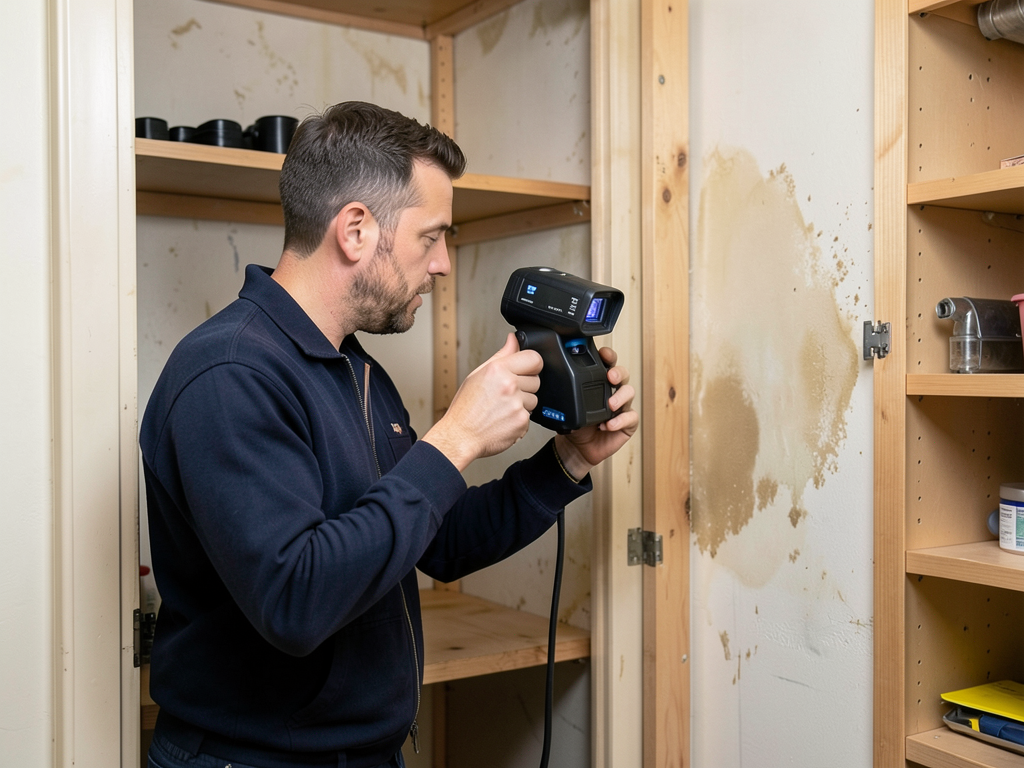
We monitor moisture levels in framing lumber, concrete slabs, and wall cavities using thermal imaging and moisture meters. San Francisco's cool, humid climate slows evaporation. Materials may feel dry to the touch while retaining 20 percent moisture content. We dry structures to below 15 percent moisture content to prevent mold colonization. This requires commercial dehumidifiers and targeted air movement for three to five days minimum.

What Happens When You Call Us for Sewage Backup Cleanup

Sewage Backup Cleanup in San Francisco – Expert Containment, Safe Removal, and Complete Sanitization
01

Emergency Response and Containment

We arrive within 90 minutes of your call with truck-mounted extraction units and containment barriers. Our technicians immediately stop the sewage source if possible, establish contamination zones using plastic sheeting and negative air machines, and begin rapid extraction to minimize spread. We document pre-loss conditions with photo and video evidence for your insurance adjuster. You receive a verbal assessment of contamination extent and required scope of work within the first hour onsite.
02

Extraction and Decontamination

We extract all standing sewage and contaminated water, then remove affected porous materials following biohazard disposal protocols. Our technicians apply antimicrobial treatments to all hard surfaces and structural components using electrostatic sprayers that coat hidden areas conventional methods miss. We treat HVAC systems separately to prevent recontamination. All removed materials are bagged, labeled, and transported according to San Francisco hazardous waste regulations. You receive detailed removal documentation for insurance and compliance purposes.
03

Drying and Verification

We deploy industrial dehumidifiers and air movers to dry structural components to safe moisture levels. Our technicians monitor progress twice daily using moisture meters and thermal cameras, adjusting equipment placement to target trapped moisture. Once readings confirm complete drying, we conduct ATP surface testing to verify microbial elimination. You receive a clearance certificate documenting that your property meets health and safety standards before reconstruction begins. This documentation protects you from future liability and supports insurance settlements.

Why San Francisco Properties Need Local Sewage Cleanup Specialists

San Francisco's combined sewer system serves 80 percent of the city. During heavy rain events, storm runoff and sewage flow through the same pipes. When capacity is exceeded, backups occur at the lowest points in the system. If your property sits downhill from a main line or has a basement below street level, you face elevated risk.

The city's Victorians, Edwardians, and pre-1950 buildings often have original cast iron and clay sewer laterals. These pipes crack, collapse, and allow tree root intrusion. A backup caused by a lateral failure is the property owner's responsibility, not the San Francisco Public Utilities Commission's. You need cleanup specialists who understand local infrastructure and liability divisions.

Summit Water Damage Restoration San Francisco works directly with San Francisco plumbers who specialize in sewer lateral repair. We coordinate scope, scheduling, and access so you get both cleanup and permanent fixes without delays. This matters when you need Department of Building Inspection sign-off for tenant reoccupancy.

We understand San Francisco Residential Rent Ordinance requirements. If sewage affects a rental unit, you must provide alternative housing and cannot simply deduct cleanup costs from the security deposit. We provide the documentation and timeline estimates your attorney needs to comply with tenant protection laws while protecting your rights.

Our crews know which San Francisco neighborhoods have combined systems versus separated systems, where the oldest infrastructure creates chronic problems, and how the Public Utilities Commission responds to different backup scenarios. This local knowledge prevents wasted time and costly mistakes during emergency response.

We maintain relationships with San Francisco environmental health inspectors and building department officials. When your cleanup requires inspection and clearance, we know the requirements, documentation standards, and how to schedule efficiently. This gets you back to normal operations faster.

What You Get with Professional Sewage Backup Cleanup

24/7 Emergency Response

Sewage contamination spreads rapidly and worsens with every passing hour. We dispatch crews any time, day or night, including holidays. You will speak with a technician, not an answering service. We provide accurate arrival times and maintain communication throughout the emergency. Our trucks carry full extraction, containment, and sanitization equipment so we can begin work immediately upon arrival. Most extractions are complete within four to six hours, depending on contamination volume. We never leave your property partially treated or unsecured overnight.

Comprehensive Contamination Assessment

Our technicians inspect beyond the obvious damage zones. Sewage flows through cracks, under baseboards, and into wall cavities where you cannot see it. We use thermal imaging cameras to detect hidden moisture and contamination in subflooring, framing, and insulation. You receive a written assessment detailing all affected materials, required removal, and treatment protocols. This documentation prevents future mold problems and supports insurance claims. We identify the backup source when possible and explain whether repairs fall under your responsibility or the city's jurisdiction.

Verified Pathogen Elimination

You cannot see bacteria, viruses, or parasites. Standard cleaning leaves dangerous pathogens behind. We use EPA-registered disinfectants proven effective against sewage-borne pathogens and apply them at manufacturer-specified dwell times. Our hydroxyl generators break down organic compounds at the molecular level, eliminating odors and volatile organic compounds that indicate incomplete treatment. We conduct post-treatment ATP testing on hard surfaces to verify microbial elimination. You receive laboratory documentation confirming your property meets safe reoccupancy standards before we consider the job complete.

Insurance Claim Support

Sewage backup coverage is often a separate endorsement from standard water damage policies. We document everything your insurance adjuster needs: pre-loss photos, moisture readings, removed materials, applied treatments, and drying logs. Our estimates follow Xactimate pricing that adjusters recognize and accept. We communicate directly with your insurance company to expedite approvals and prevent claim denials due to inadequate documentation. If your policy excludes sewer backup or you lack coverage, we provide payment plans that make professional cleanup accessible. You never pay until work is complete and you are satisfied with the results.

Frequently Asked Questions

You Have Questions,
We Have Answers

How to clean up after sewer back up? +

Do not attempt DIY sewage cleanup. Raw sewage contains E. coli, hepatitis A, and other pathogens that require professional-grade disinfection. First, evacuate the area and turn off electricity if water is near outlets. Call a certified sewage cleanup company immediately. Professionals use containment barriers, industrial extractors, antimicrobial treatments, and air scrubbers to decontaminate surfaces. They remove porous materials like drywall and carpet that cannot be salvaged. San Francisco's older sewer infrastructure makes backups more common in neighborhoods like the Mission and Richmond. Professional cleanup protects your health and prevents contamination from spreading through your home.

Is it safe to stay in a house with sewage backup? +

No. Evacuate immediately. Sewage contains harmful bacteria, viruses, and parasites that become airborne and settle on surfaces. Exposure causes gastrointestinal illness, respiratory infections, and skin diseases. Children, elderly residents, and those with compromised immune systems face the highest risk. Category 3 water (sewage) requires professional remediation before the space is habitable. Do not touch contaminated items or walk through affected areas. San Francisco's dense housing means sewage can affect multiple units in apartment buildings. Stay elsewhere until certified technicians complete extraction, disinfection, and air quality testing. Your safety is not negotiable when sewage is involved.

How much does sewage backup cleanup cost? +

Sewage cleanup costs vary based on contamination extent, affected square footage, and structural damage. Minor backups in a single bathroom start lower, while whole-basement flooding costs significantly more. Factors include water extraction volume, materials requiring removal (carpet, drywall, insulation), antimicrobial treatments, and dehumidification time. San Francisco's high cost of living and strict disposal regulations for biohazard waste affect pricing. Many homeowners insurance policies cover sewage backup if you purchased the optional rider. Get a detailed estimate that includes extraction, disinfection, disposal, and restoration. Emergency service rates apply for after-hours calls, but delaying cleanup increases damage and health risks.

How to get rid of sewer smell after a backup? +

Sewage odor persists because organic matter and bacteria embed in porous surfaces. Professional remediation is necessary. Technicians remove contaminated materials, apply enzyme-based cleaners that break down organic waste, and use hydroxyl generators or ozone machines to neutralize odor molecules. Do not mask smells with air fresheners. If odor remains after cleanup, sewage may have penetrated subflooring, wall cavities, or HVAC ducts. San Francisco's fog and humidity slow drying, which prolongs odors. Technicians use thermal imaging to locate hidden moisture pockets. Proper ventilation and dehumidification during cleanup prevent mold growth, which adds musty smells to sewage stench.

How long do sewage bacteria last on surfaces? +

Sewage bacteria survive on surfaces for days to months depending on conditions. E. coli lives up to several weeks on hard surfaces. Salmonella persists for days. Hepatitis A virus remains infectious for months in the right environment. Porous materials like wood, drywall, and fabric harbor bacteria longer than non-porous surfaces. San Francisco's moderate temperatures and coastal humidity create conditions where pathogens thrive. Standard household cleaners do not kill sewage bacteria. Professional remediation uses EPA-registered antimicrobial agents designed for Category 3 water contamination. Technicians test surfaces post-cleanup to verify disinfection. Never assume a surface is safe without professional treatment.

Can I clean my sewer line myself? +

Minor drain clogs may respond to augers or hydro-jetters, but sewage backups indicate serious blockages or line damage requiring professional diagnosis. San Francisco's aging sewer laterals (the pipe connecting your home to the city main) often have root intrusion, bellied sections, or Orangeburg pipe failure. Attempting DIY repairs risks exposure to raw sewage and may worsen damage. The city holds property owners responsible for lateral line repairs from the building to the connection point at the street. Licensed plumbers use video camera inspections to locate problems. If the backup originates from the city main, report it to the San Francisco Public Utilities Commission immediately.

Does homeowners insurance cover sewer back up? +

Standard homeowners insurance excludes sewer backup. You must purchase a separate sewer backup endorsement or rider, which costs minimal extra premium but covers cleanup, repairs, and damaged belongings. This coverage applies when sewage backs up through drains due to blockages or overwhelmed municipal systems. San Francisco experiences heavy winter rains that overload combined sewer systems, particularly in older neighborhoods. Review your policy declarations page or call your agent to confirm coverage. Without the rider, you pay all cleanup and restoration costs out of pocket. Given the Bay Area's aging infrastructure and seismic activity risks, this coverage is essential for San Francisco homeowners.

How long does it take to get sick from sewage exposure? +

Symptoms appear within hours to days after sewage exposure, depending on the pathogen and exposure route. Gastroenteritis symptoms (nausea, vomiting, diarrhea) typically develop within 12 to 48 hours from ingesting contaminated water or touching your mouth with contaminated hands. Respiratory infections from inhaling aerosolized sewage particles may appear within 24 to 72 hours. Skin infections develop where sewage contacted cuts or abrasions. Hepatitis A has a longer incubation period of 15 to 50 days. If you had direct sewage contact, wash thoroughly with soap and hot water immediately. Seek medical attention if symptoms develop. Document exposure for insurance and potential workers compensation claims.

Who is responsible for blocked sewer drains? +

Responsibility depends on blockage location. In San Francisco, property owners are responsible for the sewer lateral from the building to where it connects with the city main, typically at the property line or street centerline. The San Francisco Public Utilities Commission maintains the main sewer line. If tree roots, grease buildup, or pipe deterioration in your lateral cause the backup, you pay for repairs. If the city main is blocked or overloaded, the city responds. Determining responsibility often requires a plumber's camera inspection. Multi-unit buildings have shared laterals, complicating liability. Review your deed and contact SFPUC if unclear about the connection point location.

Why is my sewer bill 200 dollars? +

This question confuses sewage cleanup with utility billing. Your sewer bill reflects wastewater treatment charges from the San Francisco Public Utilities Commission, not cleanup costs. Bills vary based on water usage, property size, and rate tier. San Francisco has some of the highest water and sewer rates in California due to extensive infrastructure upgrades, including seismic retrofitting and combined sewer overflow reduction projects. High bills may indicate leaks increasing your water consumption. If your bill suddenly increased, check for running toilets or irrigation leaks. Contact SFPUC billing at 311 for account-specific questions. Sewer backup cleanup is a separate emergency service unrelated to monthly utility charges.

San Francisco's Aging Sewer Infrastructure and Your Backup Risk

San Francisco's combined sewer system dates to the 1860s. Many neighborhoods still rely on original brick and clay pipes that crack, collapse, and restrict flow. The Richmond and Sunset districts experience frequent backups during winter storms when the system exceeds capacity. Properties below street grade face the highest risk because sewage flows downhill and seeks the lowest drainage point. The Public Utilities Commission's Sewer System Improvement Program is replacing infrastructure citywide, but construction can temporarily increase backup frequency in active work zones. Professional sewage removal becomes essential when aging systems fail during peak demand periods.

San Francisco property owners face strict liability under California Health and Safety Code Section 17920 for maintaining sanitary conditions. A sewage backup that affects tenants or adjacent properties can trigger Department of Public Health enforcement actions, including red tags and mandatory remediation orders. Summit Water Damage Restoration San Francisco provides the documentation, treatment protocols, and clearance certificates that satisfy health department requirements. Our familiarity with San Francisco building codes and health regulations ensures your cleanup meets all compliance standards. This protects you from fines, lawsuits, and insurance claim complications that result from improper sewage damage restoration.
Water Damage Restoration Services in The San Francisco Area

Our commitment to rapid response means we cover the entire San Francisco area and surrounding communities. View the map below to visualize our primary service region, which includes key neighborhoods and business districts. Whether you are located in the Financial District, the Mission, or out toward the Sunset, you can trust our 24/7 team to reach you quickly. We proudly serve both residential and commercial clients across the entire map, guaranteeing a fast and effective mitigation service the moment you need us.

Address:
Summit Water Damage Restoration San Francisco, 1390 Market St, San Francisco, CA, 94102

Additional Services We Offer

Our news updates

Latest Articles & News from The Blogs

What Happens if Your Home Addition Gets Flooded During Construction in Noe Valley Water flooding your home addition during construction…

What Happens if Your Home Addition Gets Flooded During Construction in Noe Valley

What Happens if Your Home Addition Gets Flooded During Construction in Noe Valley Water flooding your home addition during construction…

How San Francisco Summer Fog Can Cause More Water Damage Than Winter Rain

How San Francisco Summer Fog Can Cause More Water Damage Than Winter Rain San Francisco’s famous summer fog, known locally…

Why Your Chronic Cough Might Actually Be a Hidden Mold Problem in the Richmond District

Why Your Chronic Cough Might Actually Be a Hidden Mold Problem in the Richmond District If you’ve lived in San…

Contact Us

Sewage contamination is a health emergency. Every hour increases pathogen exposure and property damage. Call Summit Water Damage Restoration San Francisco now at (415) 449-6555 for immediate dispatch. Our biohazard-certified technicians are ready 24/7 to contain, extract, and sanitize your property safely and completely.