menu

Commercial Water Damage Restoration in San Francisco – Minimize Downtime and Protect Your Business Assets

Rapid commercial water mitigation and business water damage restoration engineered to restore operations fast, meet code requirements, and prevent long-term structural losses across San Francisco's commercial districts.

Slider Image 1
Slider Image 2
Slider Image 3
Slider Image 4
Slider Image 5
Slider Image 7
Slider Image 8
Slider Image 9
Slider Image 10
Slider Image 11

Why San Francisco Commercial Properties Face Elevated Water Damage Risks

San Francisco's aging commercial building stock and unique seismic engineering create hidden vulnerabilities you cannot ignore. Many commercial structures in the Financial District, SoMa, and Mission Bay were built before modern waterproofing standards existed. Underground parking levels sit below sea level in areas like Embarcadero and Fisherman's Wharf, making them prone to groundwater intrusion during king tides and heavy winter storms.

The city's stringent seismic retrofitting requirements often disturb existing pipe systems, creating weak points where supply lines and waste lines meet. When a pipe fails on the third floor of a multi-tenant building, water migrates fast through older plaster-and-lath construction. The result is not just surface damage. You face structural compromise, mold colonization within 48 hours, and potential code violations that halt operations.

Commercial water damage cleanup demands speed and scale you cannot get from residential contractors. A retail space in Union Square cannot afford three weeks of downtime. A medical office in Nob Hill cannot risk biohazard contamination from sewage backups. A warehouse in Bayview needs industrial-grade dehumidification to salvage inventory.

Business water damage restoration is not cosmetic. It is about liability mitigation, insurance compliance, and operational continuity. Every hour of delay compounds loss. Water seeps into electrical conduits, HVAC plenums, and subfloor voids. What starts as a visible leak becomes a hidden structural problem that resurfaces months later during a tenant improvement inspection or sale.

San Francisco's marine layer humidity slows natural evaporation, extending drying times and increasing mold risk. Standard air movers are not enough. You need commercial-grade desiccant dehumidifiers and thermal imaging to verify complete moisture removal behind walls and under flooring systems.

Why San Francisco Commercial Properties Face Elevated Water Damage Risks
How Professional Commercial Water Mitigation Protects Your Bottom Line

How Professional Commercial Water Mitigation Protects Your Bottom Line

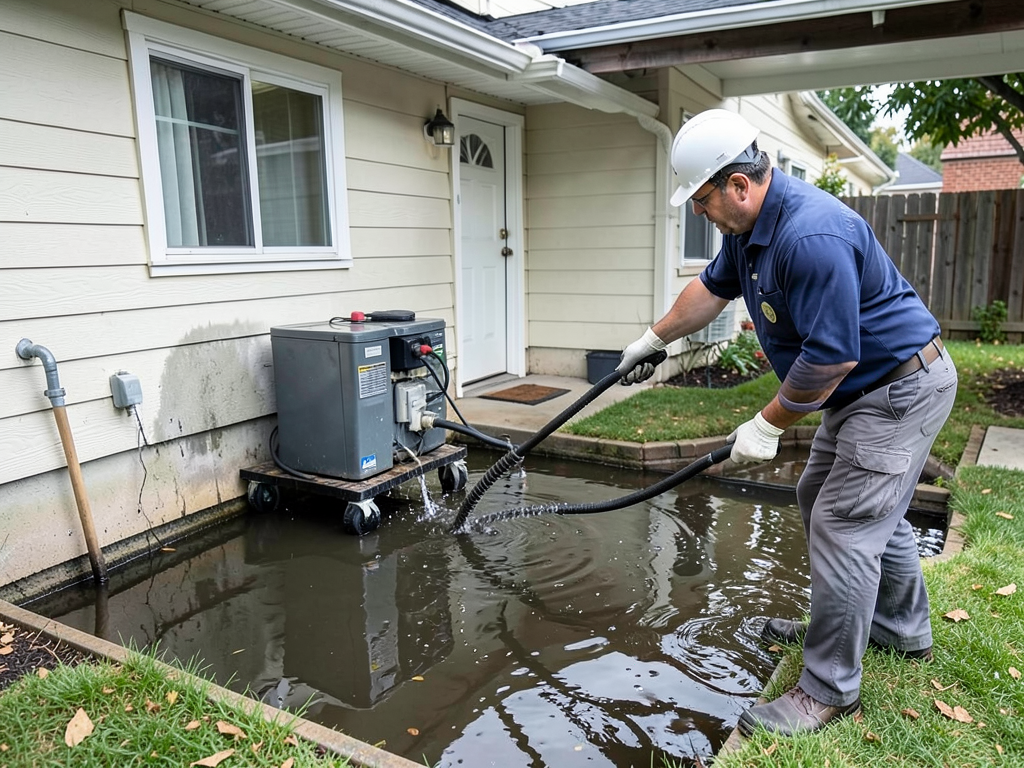
Commercial water remediation requires equipment residential contractors do not carry. We deploy truck-mounted extraction units capable of removing thousands of gallons per hour from flooded basements and ground-floor retail spaces. Portable diesel generators power equipment when building electrical systems are compromised. Trailer-mounted desiccant dehumidifiers handle spaces exceeding 50,000 square feet, maintaining controlled drying conditions even in San Francisco's high ambient humidity.

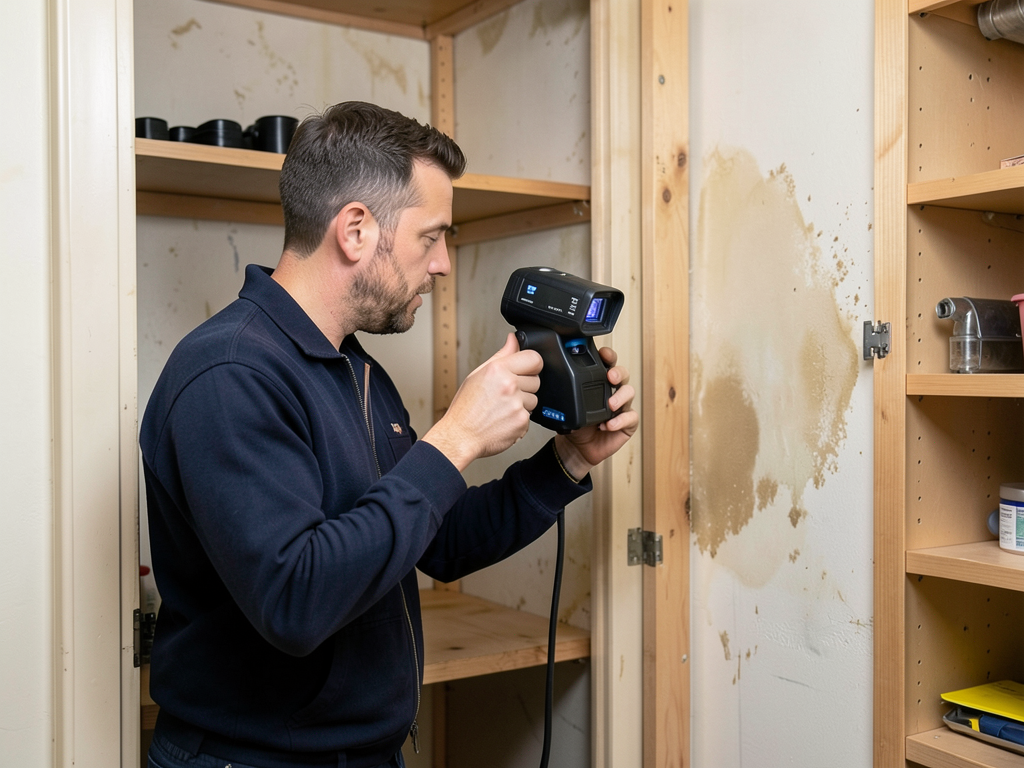
Our approach starts with moisture mapping using infrared thermography and penetrating moisture meters. We do not guess. We document moisture levels in structural framing, subfloors, and concealed cavities to establish baselines and track progress. This data satisfies insurance adjusters and provides legal protection if mold claims surface later.

Water classification determines remediation protocol. Clean water from supply line breaks requires different handling than gray water from HVAC condensate or black water from sewage backups. We follow IICRC S500 standards for water damage restoration and S520 standards for mold remediation. These are not suggestions. They are industry benchmarks that protect you from liability and ensure work meets code requirements for commercial occupancies.

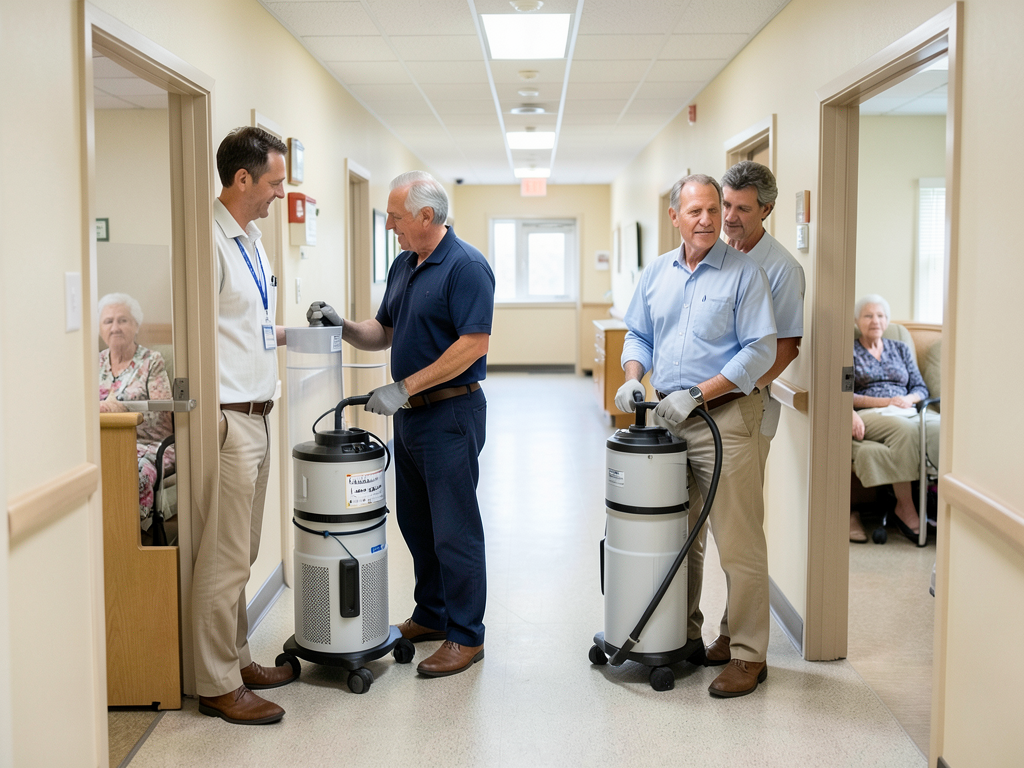
Containment is critical in multi-tenant buildings. We establish negative air pressure zones using HEPA-filtered air scrubbers to prevent cross-contamination between units. This matters when you have active tenants above and below the affected space. We coordinate with building engineers to shut down HVAC systems that could distribute airborne contaminants throughout the building.

Commercial water damage repair includes antimicrobial application on all affected surfaces before reconstruction begins. We remove and dispose of non-salvageable materials following San Francisco Department of Public Health guidelines. Drywall, insulation, and baseboards saturated beyond 48 hours get removed to prevent hidden mold growth. We do not patch over problems. We eliminate them.

What Happens During Your Commercial Water Damage Response

Commercial Water Damage Restoration in San Francisco – Minimize Downtime and Protect Your Business Assets
01

Emergency Assessment and Containment

Our team arrives within 90 minutes to identify the water source, shut off supply lines, and establish containment zones. We document damage with photos and moisture readings, then brief your property manager on scope and timeline. Immediate extraction begins while we coordinate with your insurance carrier and building engineer to ensure compliance with safety protocols and preserve evidence for claims processing.
02

Structural Drying and Monitoring

Industrial dehumidifiers and air movers run continuously under daily monitoring. We track moisture levels in walls, ceilings, and subfloors using calibrated meters, adjusting equipment placement as conditions change. Drying typically requires three to seven days depending on materials and extent of saturation. We provide daily progress reports to your team and insurance adjuster, documenting compliance with industry drying standards and building code requirements.
03

Reconstruction and Clearance Testing

Once moisture levels return to normal, we remove equipment and begin reconstruction. Damaged drywall, flooring, and finishes get replaced using materials that match existing conditions. We coordinate with your electrical and HVAC contractors to restore building systems. Final clearance testing confirms no elevated moisture or microbial growth remains. You receive a full report documenting the restoration process, satisfying insurance requirements and protecting you from future liability claims.

Why San Francisco Businesses Trust Our Commercial Restoration Team

Commercial water damage restoration in San Francisco requires knowledge of local building codes that differ significantly from state standards. The city enforces strict seismic retrofit requirements, historic preservation rules in certain districts, and environmental regulations that affect demolition and disposal. We work daily with San Francisco Department of Building Inspection requirements and understand permit triggers for commercial water damage repair projects.

Our team knows San Francisco's commercial building types. We have restored historic brick buildings south of Market, concrete high-rises in the Financial District, and timber-frame warehouses in Dogpatch. Each construction type presents different challenges. Brick and mortar absorb water differently than concrete and steel. Wood-frame buildings require different drying protocols than masonry structures. We adjust our approach based on building materials, age, and construction methods specific to your property.

Insurance compliance is non-negotiable. We document every phase of commercial water mitigation using photos, moisture logs, and daily progress reports. This documentation protects you during claims disputes and provides evidence of proper remediation if liability questions arise later. We communicate directly with your adjuster and provide detailed estimates that align with Xactimate pricing, the industry standard for insurance claims.

Building occupant safety drives our protocols. We coordinate with your tenants, property management team, and building engineers to minimize disruption. When possible, we work nights and weekends to avoid business hour interruptions. We maintain clean work areas, use dust containment barriers, and ensure all safety signage meets OSHA requirements for commercial job sites.

Response speed matters because every hour of delay increases total loss. Water migrates through building cavities faster than most people realize. What starts as a localized leak can affect multiple floors if not contained immediately. We maintain equipment staging facilities in San Francisco, allowing rapid deployment regardless of traffic conditions or time of day.

What to Expect When You Call for Commercial Water Damage Service

Response Time and Availability

We dispatch crews to San Francisco commercial properties within 90 minutes of your call, 24 hours per day. Weekend and holiday response follows the same protocol. Our project managers arrive with full documentation equipment, moisture detection tools, and authority to make immediate decisions about containment and extraction. You receive a preliminary scope assessment within the first two hours, allowing you to notify tenants, update insurance carriers, and plan for business continuity. We understand downtime costs you money. Speed is not a luxury. It is a requirement.

Site Assessment and Loss Documentation

Our initial assessment maps the full extent of water intrusion using infrared cameras and penetrating moisture meters. We test wall cavities, ceiling spaces, and subfloor areas to identify hidden moisture that visual inspection misses. You receive a written scope of work detailing affected materials, required demolition, drying time estimates, and reconstruction needs. We photograph all damage before beginning work, creating a record that satisfies insurance requirements and protects you from future disputes. This documentation becomes part of your permanent building file.

Restoration Quality and Code Compliance

All reconstruction work meets San Francisco building codes and matches existing finishes. We use moisture-resistant materials in areas prone to repeated exposure, such as mechanical rooms and ground-floor spaces near sidewalk grade. Electrical outlets and switches get replaced if compromised by water. HVAC registers and return grilles get cleaned or replaced to prevent contamination spread. Paint and flooring selections match existing conditions unless you request upgrades. We coordinate inspections with the Department of Building Inspection when permits are required, handling paperwork and scheduling to keep your project moving forward.

Post-Restoration Monitoring and Support

We provide final moisture readings and clearance documentation confirming complete drying before closing out your project. You receive copies of all photos, moisture logs, and scope documents for your records. If mold testing is required by your insurance carrier or lease agreement, we coordinate with independent third-party labs and provide remediation if needed. Our team remains available after project completion to address questions from tenants, insurance adjusters, or building inspectors. We maintain detailed project files for five years, giving you access to documentation if future issues arise or if you need records for property transactions.

Frequently Asked Questions

You Have Questions,
We Have Answers

How much does a water restoration company charge? +

Commercial water restoration pricing depends on damage scope, square footage, water category, and equipment required. Most companies charge by the project after a damage assessment. Expect costs to include water extraction, drying equipment, antimicrobial treatment, structural repairs, and content handling. San Francisco projects often involve seismic retrofitted buildings or historic structures, which can add complexity. Category 3 water (sewage) costs more than clean water. Multi-story buildings require specialized equipment. Most reputable contractors provide itemized estimates and work directly with your insurance adjuster to streamline the claims process and minimize out-of-pocket expenses.

Does commercial property insurance cover water damage? +

Most commercial property policies cover sudden and accidental water damage, such as burst pipes, roof leaks from storms, or sprinkler malfunctions. Coverage depends on your policy specifics and the water source. Flood damage requires separate flood insurance, which matters for San Francisco properties near the Bay or in FEMA zones. Gradual damage from poor maintenance is typically excluded. Review your policy's peril section and deductible structure. Business interruption riders can cover lost revenue during restoration. Always document damage immediately and notify your carrier within the reporting window to avoid claim denials.

Is water damage restoration profitable? +

This question applies to contractors, not property owners. For business owners asking about ROI on restoration versus demolition, professional restoration is almost always more cost-effective than total rebuild. You preserve structural integrity, maintain business continuity faster, and avoid permitting delays common in San Francisco due to Planning Department reviews. Restoration minimizes downtime, which directly impacts revenue. Delaying restoration leads to secondary damage like mold, which exponentially increases costs. The profitability equation for your business hinges on speed and thoroughness, not cutting corners with inadequate drying or remediation.

How much can water damage cost to repair? +

Commercial water damage repair costs range from a few thousand dollars for minor incidents to over six figures for major structural damage. Variables include affected square footage, water category, materials damaged, and business type. San Francisco labor rates and permit costs run higher than national averages. A small office pipe leak might cost $5,000 to $15,000. A multi-floor retail flooding event can exceed $100,000 when factoring in structural drying, content restoration, buildout replacement, and code compliance upgrades. Category 3 contamination requires specialized protocols that increase costs. Insurance typically covers most expenses minus your deductible.

Is water damage restoration worth it? +

Professional restoration is always worth it for commercial properties. The alternative is business closure, lease default, liability exposure, and asset depreciation. Water damage spreads rapidly. Within 48 hours, mold colonizes. Within a week, structural integrity degrades. In San Francisco's competitive market, prolonged closures mean lost customers and revenue you cannot recover. Professional restoration mitigates liability, preserves your lease agreement, satisfies insurance requirements, and gets you operational faster. DIY attempts void insurance coverage and miss hidden moisture in wall cavities or subfloors. The cost of not restoring properly far exceeds professional service investment.

Does insurance pay for water restoration? +

Yes, if the damage qualifies under your policy terms. Insurance pays for covered perils like sudden pipe bursts, storm damage, or appliance failures. You file a claim, provide documentation, and the adjuster assesses damage. Your contractor works with the adjuster to agree on scope and pricing. You pay your deductible, insurance covers the rest up to policy limits. Excluded perils like flood (without flood insurance), gradual leaks, or maintenance neglect are denied. In San Francisco, earthquake-related water damage requires separate earthquake coverage. Always review your policy's water damage section and exclusions before assuming coverage.

What is the 80% rule in property insurance? +

The 80% rule requires you to insure your property for at least 80% of its replacement cost to receive full claim payments. If you underinsure, the carrier applies a coinsurance penalty. For example, if your building is worth $1 million but you only carry $600,000 in coverage, you insured 60% of value. The insurer will only pay 75% of any claim (60 divided by 80). This matters in San Francisco where property values and construction costs run high. Underinsuring to save premium dollars backfires during claims. Review your policy limits annually to match current replacement costs.

What is not covered under commercial property insurance? +

Commercial policies typically exclude flood damage (requires separate policy), earthquake damage (requires endorsement), gradual damage from poor maintenance, mold from long-term leaks, and sewer backup without specific coverage. Tenant improvements may need separate coverage. Mechanical breakdown often requires equipment breakdown endorsement. In San Francisco, seismic activity and proximity to water make flood and earthquake exclusions critical gaps. Damage from code enforcement upgrades triggered by repairs is often excluded. War, nuclear hazards, and intentional acts are standard exclusions. Always read your declarations page and exclusions section to understand gaps in your coverage.

Why would insurance deny a water damage claim? +

Insurers deny water damage claims for late reporting, excluded perils, policy lapses, misrepresentation on applications, or maintenance-related gradual damage. If you knew about a slow leak and ignored it, that is neglect. Flood damage without flood insurance is denied. Claims filed after the reporting deadline are denied. In San Francisco, earthquake-caused pipe breaks require earthquake coverage. Inadequate documentation or inconsistent statements raise red flags. Underinsuring triggers coinsurance penalties, reducing payouts. To avoid denials, report damage immediately, maintain your property, document everything with photos, and understand your policy's specific coverage triggers and exclusions.

Why is water damage so expensive? +

Water damage is expensive because it spreads rapidly through porous materials, requires specialized equipment, and triggers secondary issues. Drying a commercial building demands industrial dehumidifiers, air movers, moisture meters, and thermal imaging. Labor costs include emergency response, demolition, antimicrobial treatment, reconstruction, and project management. San Francisco wage rates and permitting fees exceed national averages. Water migrates into wall cavities, subfloors, and HVAC systems, requiring extensive tear-out. Mold remediation adds costs. Contaminated water requires hazmat protocols. Business interruption losses compound expenses. Speed matters because every delay increases damage severity and total restoration investment.

How San Francisco's Seismic Requirements Complicate Commercial Water Damage Restoration

San Francisco requires seismic retrofitting in many commercial buildings built before 1980, particularly unreinforced masonry structures and soft-story buildings with ground-floor parking or retail. These retrofits often include steel moment frames, shear walls, and foundation anchoring that intersect with existing plumbing and drainage systems. When water damage requires demolition, you may trigger additional permit requirements for seismic work if structural framing or foundation elements are exposed. We coordinate with structural engineers and expeditors who understand San Francisco's retrofit ordinances, preventing project delays and unexpected compliance costs during commercial water damage repair.

Commercial properties near the Embarcadero, Fisherman's Wharf, and Mission Bay face unique groundwater challenges due to proximity to San Francisco Bay and underground streams that flow beneath the city. High winter water tables can cause hydrostatic pressure against basement walls and underground parking structures, leading to seepage that requires specialized waterproofing solutions beyond standard business water damage restoration. We work with geotechnical consultants and waterproofing specialists who understand San Francisco's subsurface conditions, designing permanent solutions that address root causes rather than just treating symptoms. This local expertise prevents recurring problems that cost you money and disrupt operations year after year.
Water Damage Restoration Services in The San Francisco Area

Our commitment to rapid response means we cover the entire San Francisco area and surrounding communities. View the map below to visualize our primary service region, which includes key neighborhoods and business districts. Whether you are located in the Financial District, the Mission, or out toward the Sunset, you can trust our 24/7 team to reach you quickly. We proudly serve both residential and commercial clients across the entire map, guaranteeing a fast and effective mitigation service the moment you need us.

Address:
Summit Water Damage Restoration San Francisco, 1390 Market St, San Francisco, CA, 94102

Additional Services We Offer

Our news updates

Latest Articles & News from The Blogs

What to Do if Your New Backyard ADU Floods During a Heavy San Francisco Rain A sudden downpour in San…

What to Do if Your New Backyard ADU Floods During a Heavy San Francisco Rain

What to Do if Your New Backyard ADU Floods During a Heavy San Francisco Rain A sudden downpour in San…

Selecting a Restoration Partner for Vulnerable Residents in a Richmond District Care Home

Specialized Senior Living Water Restoration Services in San Francisco Water damage in a Richmond District care home requires more than…

Why Your Noe Valley High Efficiency Boiler Could Be Slowly Flooding Your Utility Closet

Why Your Noe Valley High Efficiency Boiler Could Be Slowly Flooding Your Utility Closet If you live in a Noe…

Contact Us

Water damage compounds every hour you wait. Call Summit Water Damage Restoration San Francisco now at (415) 449-6555 for immediate dispatch. Our crews are standing by with the equipment and expertise your commercial property needs to minimize loss and restore operations fast.