menu

Document Drying & Restoration in San Francisco | Industrial-Grade Recovery That Keeps Your Business Operating

High-capacity document recovery services for San Francisco businesses facing water damage to critical records, leveraging vacuum freeze drying technology and specialized wet document salvage protocols to minimize downtime and preserve your operational continuity.

Slider Image 1
Slider Image 2
Slider Image 3
Slider Image 4
Slider Image 5
Slider Image 7
Slider Image 8
Slider Image 9
Slider Image 10
Slider Image 11

Water Intrusion Threatens Business Records Across San Francisco's Commercial Districts

San Francisco's coastal fog and dense urban infrastructure create specific document vulnerability. The Financial District, SoMa, and Mission Bay house thousands of businesses storing critical paper records, where elevated humidity from marine layer exposure and aging building envelope failures routinely compromise document integrity.

When sprinkler systems malfunction, pipes burst in high-rise buildings, or roof leaks saturate filing systems, you face immediate business continuity threats. Insurance claims, legal records, patient files, property deeds, and financial documents deteriorate within 48 hours of water contact. Mold colonization begins, paper bonds weaken, and ink bleeds.

The risk calculation changes for commercial facilities. You cannot simply discard decades of compliance documentation, historical records, or proprietary business information. San Francisco's concentration of legal firms, medical practices, financial institutions, and government agencies means document recovery services demand industrial-grade capacity and specialized technical execution.

Standard air drying fails with high-volume incidents. Paper warps, binds together, and loses structural integrity. Archive drying services require controlled environments where temperature, humidity, and air circulation follow precise parameters. Vacuum freeze drying documents represents the gold standard for wet document salvage, particularly when dealing with coated papers, photographs, or bound volumes where conventional methods cause irreversible damage.

Your liability exposure multiplies when water damaged records restoration gets delayed. HIPAA violations, missing chain-of-custody documentation, and lost financial records create regulatory complications that exceed the immediate water damage costs. San Francisco businesses need response protocols that prioritize critical document stabilization before structural drying begins.

Water Intrusion Threatens Business Records Across San Francisco's Commercial Districts
Technical Document Recovery Protocols for Commercial Water Damage

Technical Document Recovery Protocols for Commercial Water Damage

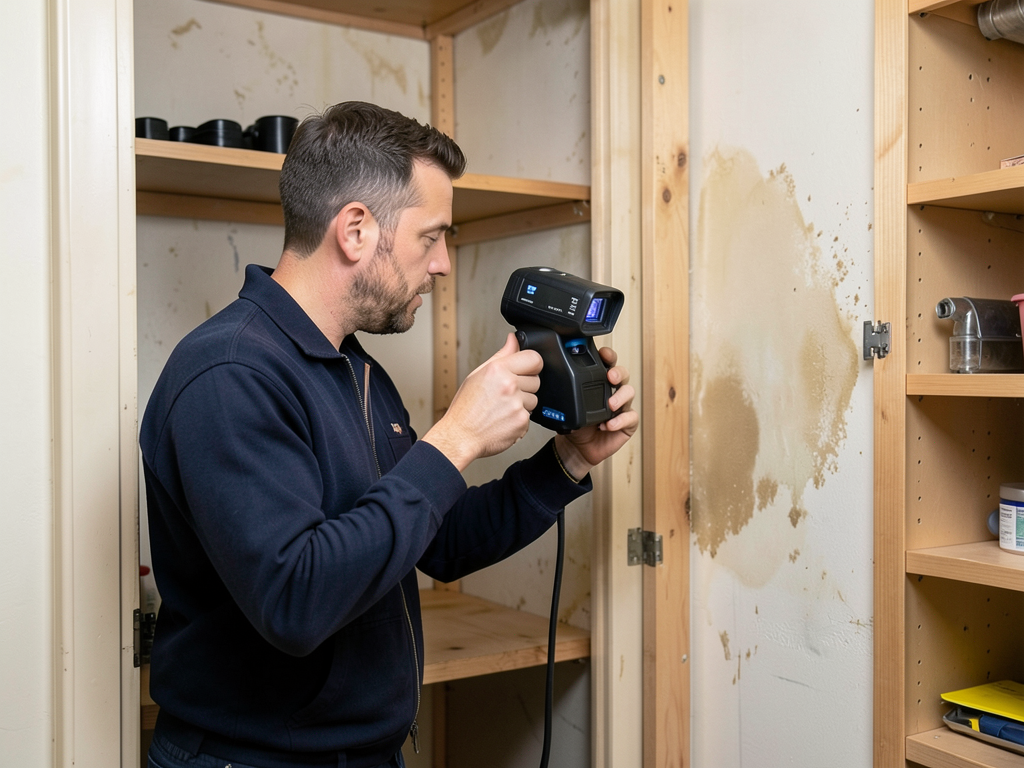
Document recovery services require different technical approaches than standard water extraction. We assess document condition, contamination level, and material composition before selecting appropriate drying methodology. Time sensitivity dictates intervention speed because document deterioration accelerates exponentially after initial water contact.

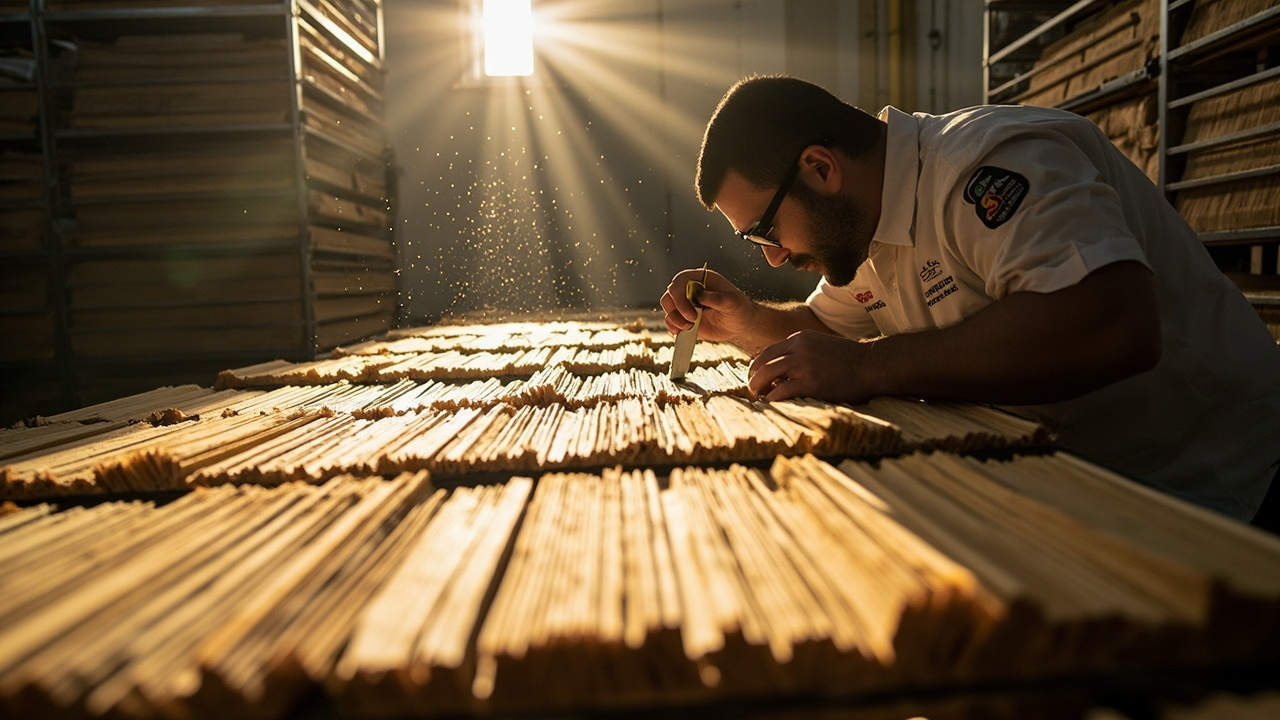
Our vacuum freeze drying process works by sublimation, converting ice directly to vapor while documents remain frozen. This prevents the mechanical damage that occurs when saturated paper fibers expand and contract during conventional drying. We transport documents to specialized freeze-drying chambers where controlled pressure and temperature conditions preserve original document structure. This method works for bound volumes, coated papers, photographs, and materials that would disintegrate under thermal drying.

For immediate stabilization, we implement blast freezing to halt degradation while determining the full scope of affected materials. This buys critical time for inventory assessment and recovery prioritization. Your legal documents receive different handling protocols than general correspondence. We separate materials by recovery priority, contamination level, and restoration complexity.

Water damaged records restoration involves contamination assessment. Clean water from supply line breaks requires different decontamination than sewage backups or storm flooding. San Francisco's combined sewer systems mean certain flood events carry Category 3 contamination requiring specialized cleaning protocols before documents enter drying chambers.

We coordinate with your IT department, legal counsel, and compliance officers to establish recovery priorities. Some documents need immediate access for ongoing operations. Others require chain-of-custody documentation for legal proceedings. Our project management integrates with your business continuity planning to minimize operational disruption while maximizing document recovery rates.

Wet document salvage extends beyond paper. Digital media, film archives, and magnetic storage require different stabilization techniques. We handle mixed-media recovery where facilities store both physical and legacy digital records.

How Commercial Document Recovery Actually Works

Document Drying & Restoration in San Francisco | Industrial-Grade Recovery That Keeps Your Business Operating
01

Emergency Stabilization and Inventory

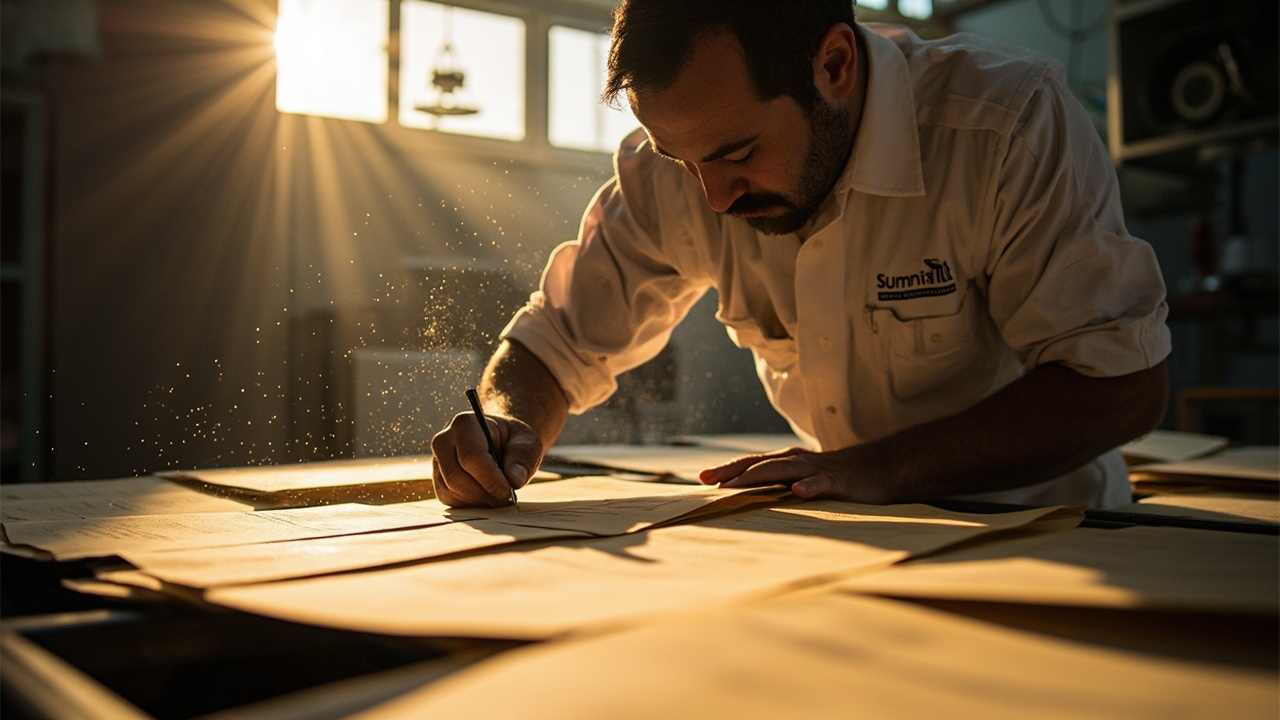
We deploy within hours to assess damage scope and stabilize affected documents. Our teams inventory damaged materials, categorize by recovery priority, and implement immediate preservation measures. Blast freezing halts degradation for materials requiring vacuum freeze drying. We separate documents by contamination level and material type, establishing chain-of-custody documentation for legal and compliance requirements while coordinating with your internal stakeholders on recovery priorities.
02

Controlled Environment Processing

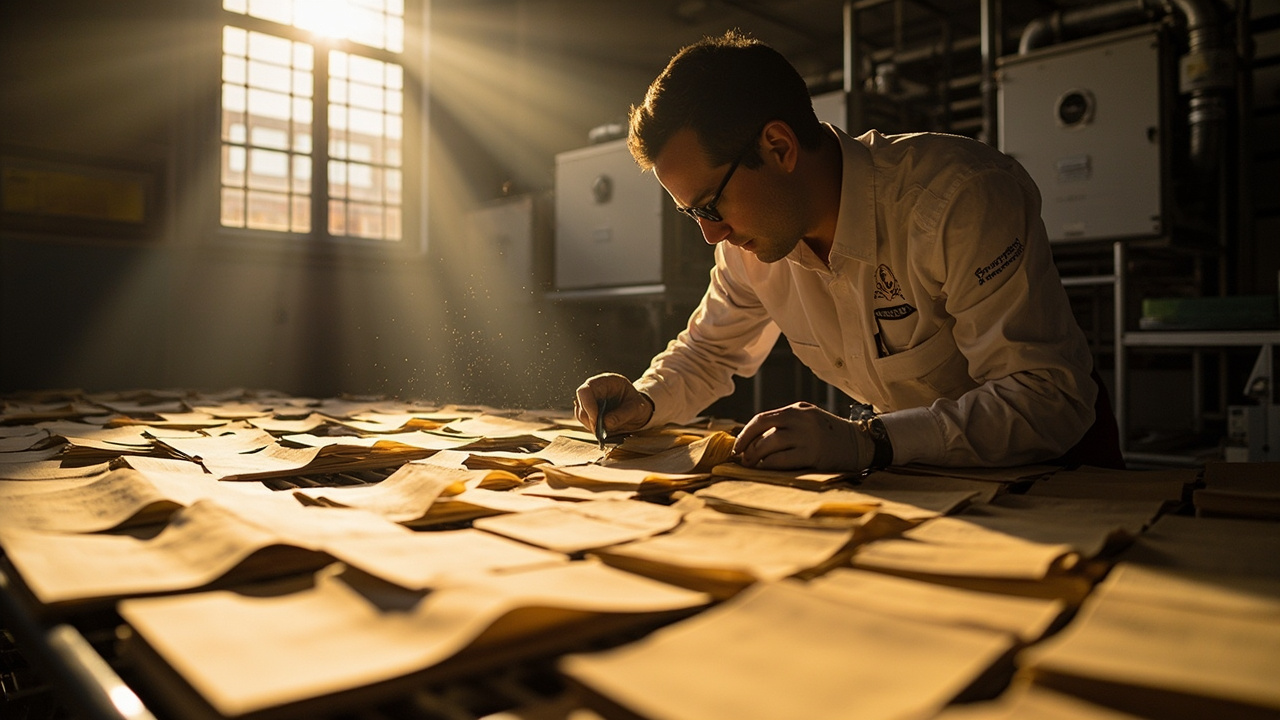
Documents enter specialized drying chambers based on material composition and damage severity. Vacuum freeze drying handles bound volumes, coated papers, and high-value archives where conventional methods cause irreversible damage. We maintain precise temperature and humidity controls throughout the drying cycle, monitoring material response and adjusting parameters to optimize recovery outcomes. Decontamination protocols address Category 2 and Category 3 water exposure, meeting health department standards for document reintroduction to occupied spaces.
03

Documentation and Facility Return

Recovered documents receive final quality assessment, with detailed reporting on recovery success rates and any materials requiring additional conservation work. We coordinate reintegration logistics, including temporary storage options if your facility needs ongoing restoration work. You receive complete documentation of recovery processes for insurance claims and compliance audits. Our project closeout includes recommendations for improved document storage and emergency response protocols to reduce vulnerability in future water damage incidents.

Why San Francisco Businesses Choose Specialized Document Recovery

San Francisco's commercial real estate landscape demands document recovery expertise that understands high-rise building systems, historic structure limitations, and the regulatory environment governing professional record retention. Financial District buildings operate complex mechanical systems where multiple failure points threaten document storage areas. Our familiarity with these building types accelerates response and improves recovery outcomes.

We maintain relationships with San Francisco's major insurance carriers, understanding their documentation requirements for commercial water damage claims. This coordination reduces your administrative burden during recovery operations. Our detailed loss documentation supports claim processing while our direct billing options improve cash flow during business interruption periods.

Legal and medical practices face specific compliance obligations under California state law and federal regulations. We understand HIPAA requirements for protected health information, attorney-client privilege considerations for legal documents, and financial record retention mandates. Our handling protocols maintain confidentiality and chain-of-custody standards that protect your professional liability exposure.

Capacity matters for commercial incidents. A high-rise sprinkler malfunction can saturate thousands of documents across multiple floors. We deploy sufficient personnel and equipment to process high-volume recovery operations without creating bottlenecks that extend your business interruption period. Our vacuum freeze drying capacity handles large-scale incidents that overwhelm conventional restoration approaches.

San Francisco businesses operate in competitive markets where operational disruption carries significant financial consequences. We coordinate document recovery with your broader business continuity planning, establishing temporary access to critical records while comprehensive restoration proceeds. This parallel processing minimizes downtime and maintains your ability to serve clients during recovery operations.

Our technical capabilities extend to specialized archives. Museums, universities, and cultural institutions store irreplaceable materials requiring conservation-grade recovery protocols. We work with archival specialists to preserve historical documents, rare books, and artistic materials using methods that meet professional conservation standards.

What Commercial Document Recovery Delivers

Response Speed and Project Timeline

Emergency response begins within two to four hours of initial contact for San Francisco commercial clients. We dispatch assessment teams immediately, with stabilization operations beginning the same day. Blast freezing halts document degradation within hours, buying time for comprehensive recovery planning. Vacuum freeze drying cycles typically require one to two weeks depending on document volume and contamination level. We provide realistic timeline projections during initial assessment, with regular progress updates throughout the recovery process. Your business continuity planning benefits from clear milestone communication and proactive problem identification.

Damage Assessment and Recovery Planning

Initial assessment evaluates document condition, water contamination category, and material composition. We inventory affected materials, categorize by recovery priority, and identify documents requiring specialized conservation techniques. Our teams coordinate with your legal counsel, compliance officers, and department heads to establish recovery hierarchies that align with business needs. You receive detailed documentation outlining expected recovery rates, processing timelines, and cost projections. This assessment includes recommendations for documents that may prove more cost-effective to recreate than restore, particularly when dealing with heavily contaminated or severely degraded materials that offer poor recovery probability.

Recovery Success Rates and Quality

Vacuum freeze drying achieves recovery rates exceeding 90 percent for documents treated within 72 hours of water exposure. Success rates vary based on contamination level, paper quality, and ink composition. Coated papers and bound volumes respond particularly well to sublimation drying, maintaining structural integrity that conventional methods cannot match. We provide realistic recovery expectations during assessment, identifying materials that may require additional conservation work or professional rebinding. Quality control processes verify document legibility and structural stability before return to your facility. You receive comprehensive documentation of recovery outcomes for insurance claims and internal audit requirements.

Post-Recovery Documentation and Consulting

Project closeout includes detailed reporting on recovery operations, documenting processes used, success rates achieved, and any materials requiring additional conservation work. We provide recommendations for improved document storage, including climate control specifications, shelving configurations, and emergency response protocols that reduce future vulnerability. Your facility receives guidance on document digitization priorities, identifying high-value or frequently accessed materials that benefit from redundant digital backup. We coordinate with your insurance carrier to provide documentation supporting your claim, including detailed inventory listings, process documentation, and cost breakdowns that streamline claim processing and reduce disputes.

Frequently Asked Questions

You Have Questions,
We Have Answers

How San Francisco's Marine Climate and Historic Buildings Impact Document Preservation

San Francisco's persistent marine layer creates elevated ambient humidity that accelerates document degradation after water exposure. Buildings in the Financial District, many constructed before modern HVAC systems became standard, lack climate control that would slow mold growth and paper deterioration. The combination of aging building envelopes, corroded plumbing infrastructure, and inadequate dehumidification means commercial facilities face higher document vulnerability than inland locations. Historic structures, particularly common in Jackson Square and South of Market, often store documents in basements susceptible to groundwater intrusion during heavy rainfall. This environmental context demands faster response times and more aggressive stabilization protocols than drier climates require.

San Francisco's concentration of legal, financial, and medical practices creates specific document recovery demands. California's stringent record retention requirements and professional licensing standards mean businesses cannot simply recreate certain documents. We understand local compliance obligations, including San Francisco Business and Tax Regulations Code requirements and California Rules of Professional Conduct governing attorney document retention. Our teams work regularly with facilities throughout the Financial District, SoMa, and Mission Bay, understanding the building systems and access limitations that affect emergency response. This local operational experience accelerates project mobilization and improves recovery outcomes for San Francisco businesses facing document water damage.
Water Damage Restoration Services in The San Francisco Area

Our commitment to rapid response means we cover the entire San Francisco area and surrounding communities. View the map below to visualize our primary service region, which includes key neighborhoods and business districts. Whether you are located in the Financial District, the Mission, or out toward the Sunset, you can trust our 24/7 team to reach you quickly. We proudly serve both residential and commercial clients across the entire map, guaranteeing a fast and effective mitigation service the moment you need us.

Address:
Summit Water Damage Restoration San Francisco, 1390 Market St, San Francisco, CA, 94102

Additional Services We Offer

Our news updates

Latest Articles & News from The Blogs

What Happens if Your Home Addition Gets Flooded During Construction in Noe Valley Water flooding your home addition during construction…

What Happens if Your Home Addition Gets Flooded During Construction in Noe Valley

What Happens if Your Home Addition Gets Flooded During Construction in Noe Valley Water flooding your home addition during construction…

How San Francisco Summer Fog Can Cause More Water Damage Than Winter Rain

How San Francisco Summer Fog Can Cause More Water Damage Than Winter Rain San Francisco’s famous summer fog, known locally…

Why Your Chronic Cough Might Actually Be a Hidden Mold Problem in the Richmond District

Why Your Chronic Cough Might Actually Be a Hidden Mold Problem in the Richmond District If you’ve lived in San…

Contact Us

Water damage to business documents requires immediate professional intervention. Contact Summit Water Damage Restoration San Francisco at (415) 449-6555 for emergency document stabilization and recovery services. Our teams deploy rapidly across San Francisco's commercial districts, bringing specialized equipment and technical expertise that maximizes document recovery rates and minimizes business interruption.