menu

Emergency Mold Containment in San Francisco – Immediate Response Teams Deployed Within 60 Minutes

When mold threatens your property, every minute counts. Our rapid mold containment services isolate hazardous spores before they spread, protecting your health and preventing structural damage across San Francisco neighborhoods.

Slider Image 1
Slider Image 2
Slider Image 3
Slider Image 4
Slider Image 5
Slider Image 7
Slider Image 8
Slider Image 9
Slider Image 10
Slider Image 11

Mold Spreads Fast in San Francisco's Microclimates

You just discovered mold. Maybe it is behind a wall that leaked during the last atmospheric river event. Maybe it is creeping across your ceiling after a pipe burst in the Richmond District's aging Victorian plumbing. The cold ocean fog that rolls through the Sunset and Outer Richmond creates the perfect breeding ground. Mold spores double every 24 to 48 hours in the right conditions, and San Francisco's cool, damp air provides exactly that.

The problem is not just cosmetic. Black mold and toxic species release mycotoxins that trigger respiratory distress, headaches, and immune system damage. Children and elderly residents face the highest risk. You need urgent mold isolation before spores migrate through your HVAC system or settle into porous building materials common in pre-1950s San Francisco construction.

Immediate mold mitigation is not optional when you face an active infestation. Waiting 24 hours can mean the difference between a contained cleanup and a whole-structure remediation that costs thousands more. San Francisco's Prop C tenant protection laws also make landlords liable for mold-related health claims, adding legal urgency to residential emergencies.

Emergency mold abatement starts with containment barriers and negative air pressure. You need professionals who understand how San Francisco's unique fog belt humidity interacts with older building envelopes. The longer you wait, the deeper mold embeds into drywall, insulation, and wood framing. Rapid mold containment services stop the clock on structural damage and health exposure.

Mold Spreads Fast in San Francisco's Microclimates
How We Execute 24/7 Mold Damage Containment

How We Execute 24/7 Mold Damage Containment

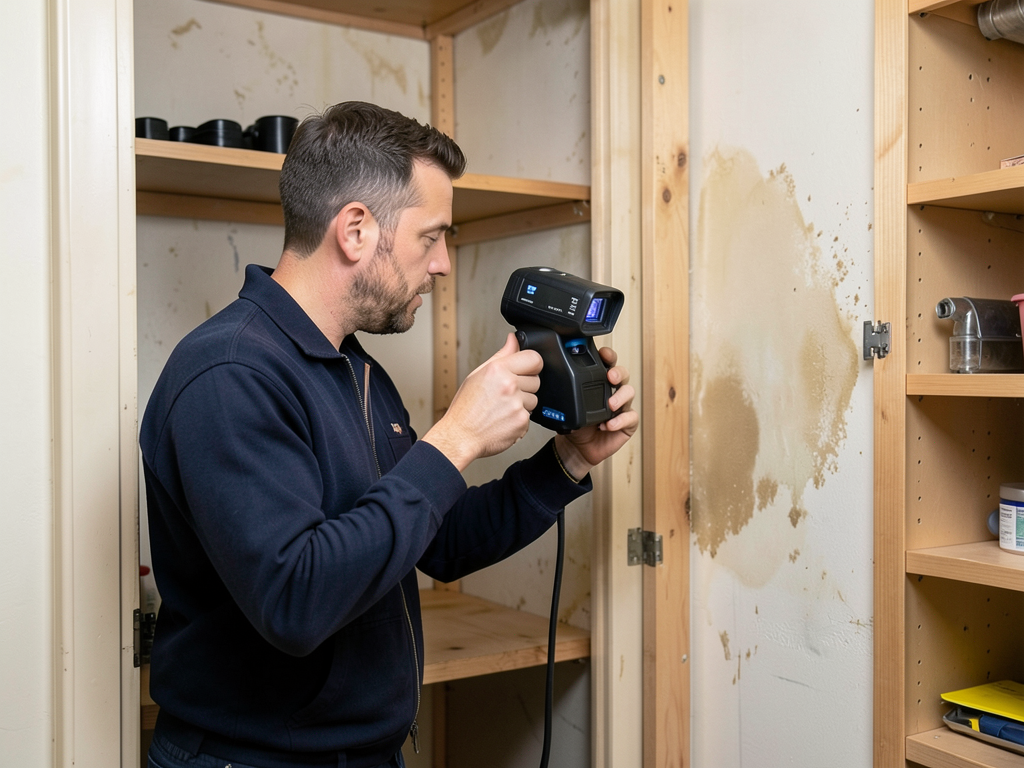
We deploy containment protocols within 60 minutes of your call. Our teams arrive with industrial HEPA air scrubbers, polyethylene containment barriers, and infrared moisture detection tools. The first step is always source identification. We use thermal imaging to trace hidden moisture behind walls and under floors, because mold only grows where water persists.

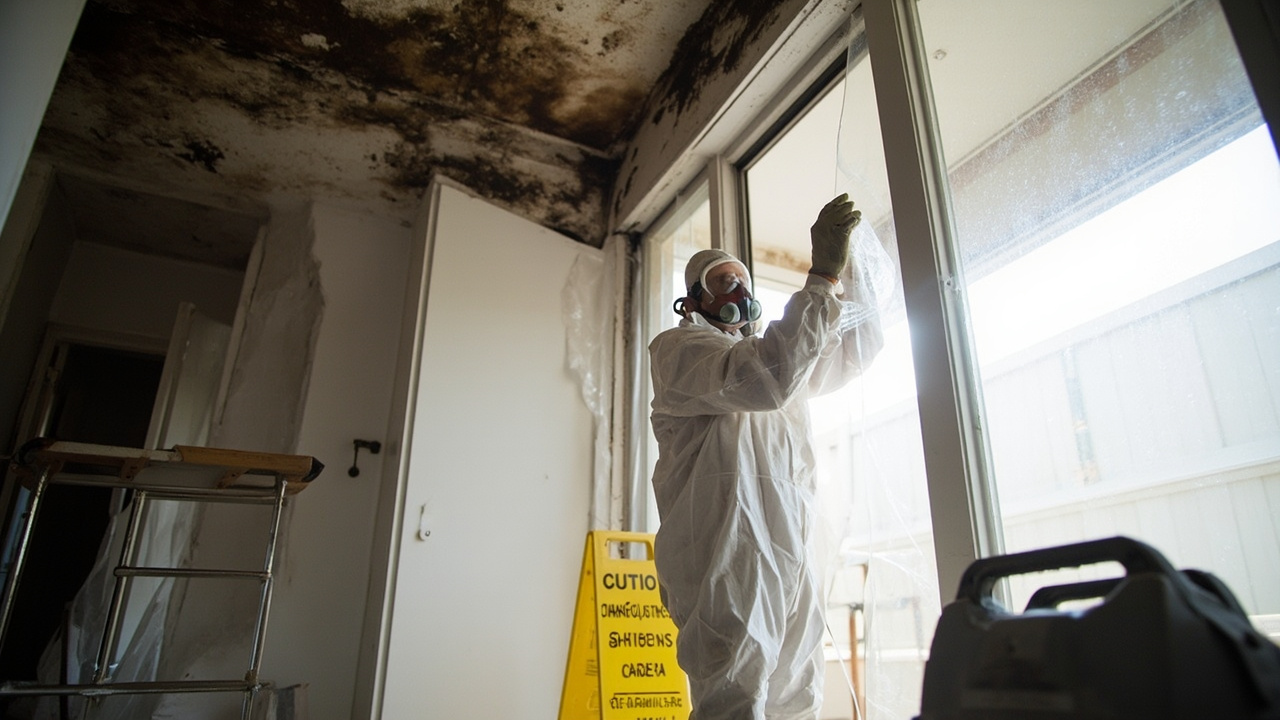
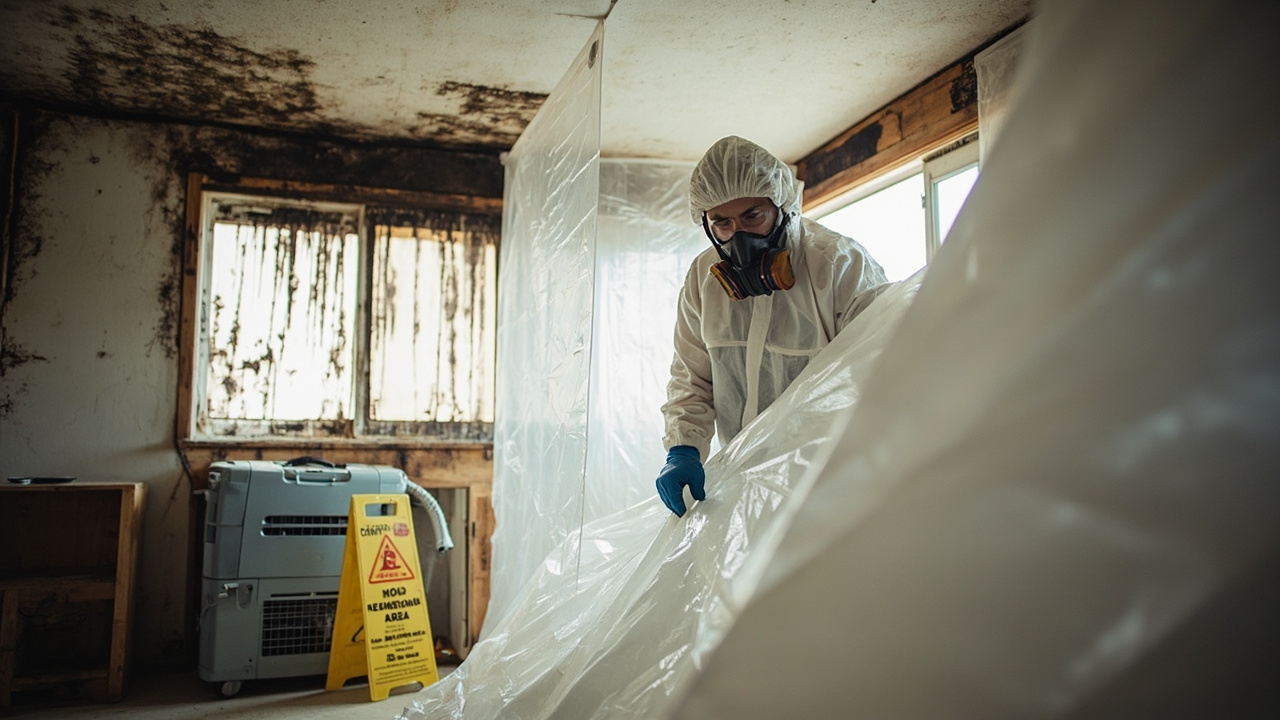
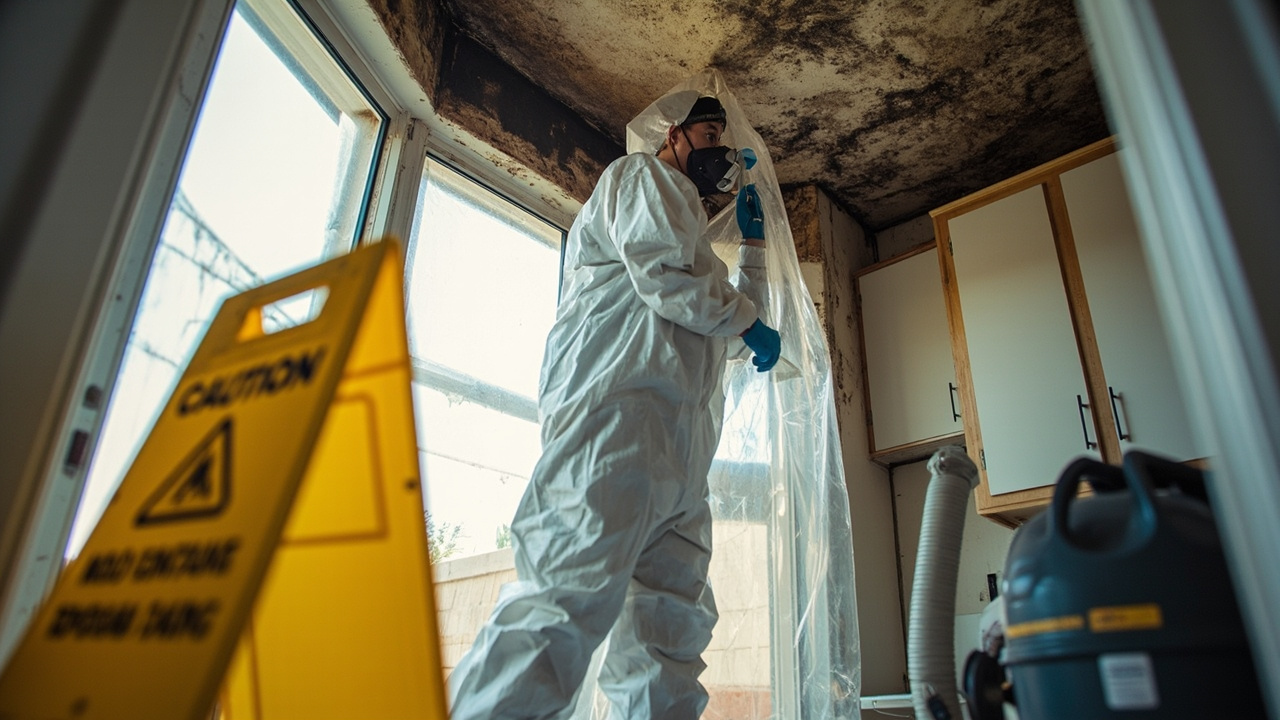
Containment means building a physical barrier between contaminated and clean zones. We seal off affected areas with six-mil poly sheeting and create negative air pressure using HEPA-filtered air movers. This prevents airborne spores from spreading to unaffected rooms during the removal process. For multi-unit buildings in the Mission or SOMA, we install airlocks to protect adjacent apartments.

We measure airborne spore counts before and after containment using particle counters. This is not guesswork. If readings show elevated spore levels outside the containment zone, we expand the barrier until air quality tests clear. San Francisco's Department of Public Health requires post-remediation verification for commercial properties, and we follow the same standard for residential work.

Our technicians remove contaminated materials using controlled demolition techniques. Drywall, insulation, and baseboards go into sealed bags before transport. We apply antimicrobial treatments to exposed framing and apply encapsulants to prevent regrowth. The final phase is moisture correction. We repair the leak, dry structural components to below 15 percent moisture content, and verify humidity levels stabilize below 60 percent. Without moisture control, mold returns within weeks.

What Happens During Your Emergency Containment

Emergency Mold Containment in San Francisco – Immediate Response Teams Deployed Within 60 Minutes
01

Immediate Site Assessment

Our team arrives at your San Francisco property and performs infrared scanning to locate hidden moisture and mold colonies behind walls, above ceilings, and under flooring. We document the contamination extent with photos and moisture readings. You receive an on-site action plan within 15 minutes. We identify whether you face Category 1, 2, or 3 water damage, which determines containment intensity and safety protocols for your specific situation.
02

Physical Isolation Deployment

We build full containment barriers using commercial-grade polyethylene sheeting and seal all vents, doorways, and penetrations with adhesive tape. HEPA air scrubbers establish negative air pressure at 25 to 50 pascals, forcing contaminated air through filtration before exhaust. We set up decontamination chambers for technician entry and exit. This prevents cross-contamination during material removal. For severe infestations, we use double containment zones with separate equipment airlocks to protect your home.
03

Verified Clearance Testing

After material removal and antimicrobial treatment, we conduct air quality testing to confirm spore counts return to normal background levels for San Francisco's coastal environment. We provide written documentation showing pre- and post-remediation measurements. Your property does not exit containment until independent testing verifies safe air quality. We also address the root moisture source, whether it is a plumbing leak, condensation issue, or structural water intrusion, to prevent recurrence.

Why San Francisco Properties Need Local Mold Experts

Mold containment is not a DIY project. San Francisco's housing stock presents unique challenges. Victorian and Edwardian homes in the Haight, Castro, and Pacific Heights feature plaster walls, horsehair insulation, and knob-and-tube wiring. These materials require specialized removal techniques to avoid structural damage and electrical hazards. Cookie-cutter franchises from outside the Bay Area do not understand these nuances.

We know how to work within San Francisco's strict building codes. Any mold remediation affecting more than 10 square feet triggers Department of Building Inspection oversight in many cases. We coordinate permits, post proper notices for multi-unit buildings, and ensure all work meets Title 24 requirements for moisture barriers and ventilation. This protects you from future code violations and failed inspections.

Our teams also understand San Francisco's tenant protection laws. If you are a landlord dealing with mold complaints, improper handling creates liability under the city's Residential Rent Ordinance. We document every step of the containment and remediation process, providing the paper trail you need if disputes escalate. For commercial properties in the Financial District or SOMA, we execute after-hours containment to minimize business disruption.

Local expertise means we respond faster. Our equipment and crews are staged in San Francisco, not Sacramento or San Jose. When you call at 2 a.m. because a pipe burst and you see mold spreading, we arrive before out-of-town competitors finish their drive. Speed matters when spores are airborne and spreading through your property's HVAC system.

What to Expect When You Call for Emergency Containment

Arrival Time and Availability

We guarantee response within 60 minutes for emergency mold containment calls anywhere in San Francisco. Our dispatch operates around the clock, including holidays and weekends. When you call, you speak immediately with a trained technician who assesses your situation and dispatches the nearest crew. We do not use answering services or offshore call centers. You get a live expert who begins coordinating your containment before the call ends. For after-hours emergencies, we often arrive in under 45 minutes to properties in central neighborhoods like Noe Valley, the Marina, and Inner Sunset.

On-Site Evaluation Process

Your initial assessment includes thermal imaging, moisture mapping, and air quality testing. We identify all affected areas, including hidden colonies behind walls and above ceilings. You receive a written scope of work detailing the containment plan, affected materials, and timeline before we begin physical work. We also coordinate with your insurance carrier if you are filing a claim. Most policies cover sudden water damage that leads to mold, and we provide the documentation adjusters require. For self-pay situations, we offer transparent pricing based on contamination extent and containment complexity.

Containment Outcomes and Air Quality

Successful containment means zero spore migration outside the work zone. We verify this with independent air sampling that compares spore counts in contained areas versus unaffected rooms. Your property is not released from containment until results confirm safe air quality matching or better than outdoor baseline levels for San Francisco. We remove all contaminated materials, treat structural components with antimicrobial solutions, and dry everything to prevent regrowth. You receive a completion certificate showing all testing results and documenting that your property meets or exceeds industry standards for post-remediation verification.

Post-Containment Moisture Control

Containment is only half the solution. We identify and repair the moisture source that caused mold growth in the first place. This might mean fixing a roof leak common in San Francisco's aging Sunset District bungalows, replacing corroded supply lines in older apartment buildings, or improving crawl space ventilation in Richmond District homes built on hillside lots. We install commercial dehumidifiers if your property suffers from condensation issues related to San Francisco's fog belt humidity. After completion, we provide a moisture management plan specific to your building type and neighborhood microclimate to prevent future outbreaks.

Frequently Asked Questions

You Have Questions,
We Have Answers

What is the proper containment for mold? +

Proper mold containment involves creating a sealed barrier to prevent spore spread. Professionals use 6-mil polyethylene sheeting to isolate the affected area, seal HVAC vents, and establish negative air pressure with HEPA-filtered air scrubbers. Entry points require decontamination chambers. In San Francisco's Victorian homes and older buildings, containment must account for shared walls and ventilation systems common in multi-unit structures. This prevents cross-contamination between units. The goal is to keep spores confined during removal, protecting unaffected areas. Do not attempt large containment yourself. Improper sealing can spread mold throughout your home, worsening the problem and increasing remediation costs.

What plant removes 78% of airborne mold? +

The English ivy plant reportedly removes up to 78% of airborne mold in controlled studies. However, this is not a solution for active mold infestations requiring emergency containment. Plants cannot address mold growing on surfaces or handle high spore counts from water damage. In San Francisco's fog-prone climate, indoor humidity already promotes mold growth, and adding plants increases moisture levels. If you face visible mold or smell musty odors, you need professional assessment and containment immediately. Plants work only as passive air quality aids in healthy spaces, not as remediation tools. Focus on fixing moisture sources, proper ventilation, and professional removal to protect your home.

Does FEMA pay for mold remediation? +

FEMA rarely pays for mold remediation directly. Coverage applies only when mold results from a federally declared disaster and even then, funds are limited to minimum health and safety standards. FEMA does not cover mold from neglect, aging infrastructure, or pre-existing conditions. In San Francisco, where fog and coastal moisture create persistent humidity issues, most mold situations do not qualify for FEMA assistance. Check your homeowners insurance first. Many policies exclude mold unless it stems from a covered water damage event. Document everything immediately. If you face emergency mold from sudden flooding or pipe bursts, act fast. Delays give insurance companies grounds to deny claims.

Is mold an OSHA violation? +

Yes, mold exposure can trigger OSHA violations in workplace settings. OSHA does not have a specific mold standard but enforces employer duty to provide a safe work environment under the General Duty Clause. Employers must address visible mold, provide respiratory protection during remediation, and train workers on health hazards. In San Francisco's commercial buildings, aging infrastructure and high humidity create frequent mold issues. Property managers must act when employees report symptoms or visible growth. Ignoring mold risks citations, liability, and worker compensation claims. If your business has mold, implement containment and remediation immediately to protect employees and avoid regulatory consequences and potential shutdowns.

How do Japanese bathrooms not get mold? +

Japanese bathrooms resist mold through superior ventilation design and materials. Most feature powerful exhaust fans, waterproof wall panels instead of drywall, and heated floors that dry moisture quickly. The entire bathroom is a sealed wet room with a floor drain, preventing water from seeping into walls. In San Francisco, many older homes have poor bathroom ventilation, outdated materials, and leaky fixtures. Fog and coastal humidity worsen the problem. If you want mold-free bathrooms, run exhaust fans during and after showers, fix leaks immediately, and improve airflow. Consider upgrading to mold-resistant drywall or panels if renovating. Prevention stops mold before containment becomes necessary.

What kills mold permanently? +

Nothing kills mold permanently if moisture returns. Professionals use EPA-registered antimicrobial solutions and HEPA vacuuming to remove mold from surfaces, but the key is eliminating the water source. Bleach only lightens stains on non-porous surfaces and does not penetrate porous materials like drywall or wood. In San Francisco's damp climate, you must fix leaks, improve ventilation, and control indoor humidity below 60%. Mold spores exist everywhere. They grow only when moisture is present for 24 to 48 hours. Address water intrusion first, then remove contaminated materials. Without moisture control, mold returns regardless of cleaning methods. Professional remediation includes moisture mapping to prevent recurrence.

What pulls mold out of the air? +

HEPA air scrubbers and purifiers pull mold spores from the air during containment and remediation. These machines use High Efficiency Particulate Air filters that capture 99.97% of particles as small as 0.3 microns, trapping mold spores before they settle and colonize new areas. Standard home air filters do not achieve this level of filtration. In San Francisco, professionals use negative air machines during containment to create lower pressure in the work zone, preventing spores from escaping into clean areas. Air scrubbers run continuously during and after removal. However, machines alone do not solve mold problems. You must remove contaminated materials and fix moisture sources to prevent regrowth.

Is it true that English Ivy absorbs mold? +

English ivy absorbs some airborne mold spores, but claims about its effectiveness are overstated for emergency situations. Studies show it can reduce airborne mold in controlled environments, but it cannot remediate active mold growth on walls, ceilings, or building materials. In San Francisco's humid microclimates, adding plants increases indoor moisture, potentially worsening mold conditions. If you see visible mold, smell musty odors, or have recent water damage, plants will not solve the problem. You need professional containment and removal immediately. Use ivy only as a supplemental air quality measure in healthy, dry spaces. Do not delay proper remediation by relying on plants to fix structural mold problems.

How long do airborne mold spores last? +

Airborne mold spores remain viable indefinitely in dry conditions but settle within hours to days depending on air movement. Once settled, spores stay dormant until moisture activates growth. In San Francisco's fog-heavy neighborhoods like Sunset and Richmond, high humidity keeps spores active longer. During remediation, professionals create containment zones and run HEPA air scrubbers for 24 to 72 hours after removal to capture lingering spores. Without containment, spores spread throughout your home during disturbance, contaminating clean areas. This is why DIY mold removal often backfires. Disturbing mold without proper containment and filtration releases thousands of spores, creating new growth in unexpected places. Always contain before removing.

What to do if I can't afford mold removal? +

If you cannot afford professional mold removal, prioritize immediate safety and damage control. Isolate the affected area by sealing it with plastic sheeting and turning off HVAC to prevent spore spread. Fix the moisture source immediately, even if temporary. Document everything with photos for future insurance claims or assistance programs. Contact your homeowners insurance to verify coverage. Many San Francisco residents do not realize their policy covers mold from sudden water damage. Explore payment plans with local remediation companies or apply for emergency home repair assistance through San Francisco Housing Development Corporation. Do not ignore mold. Health risks and structural damage worsen daily, increasing eventual costs exponentially. Act now.

Why San Francisco's Fog Belt Makes Emergency Mold Containment Critical

San Francisco's coastal fog creates year-round humidity that rarely exists in other California cities. The Richmond, Sunset, and Outer Parkside neighborhoods see daily fog intrusion from May through September, keeping outdoor humidity above 70 percent even when temperatures stay cool. This moisture penetrates building envelopes through single-pane windows common in pre-1970s construction and condenses inside wall cavities. Mold thrives in these conditions, often growing undetected until residents notice musty odors or visible staining. Immediate mold mitigation becomes urgent because the fog cycle repeats daily, continuously feeding spore colonies and accelerating growth beyond what you would see in drier East Bay or Peninsula locations.

San Francisco properties also face unique construction challenges that complicate mold containment. Many Victorian and Edwardian buildings lack vapor barriers and use organic materials like horsehair plaster and wood lath that trap moisture and provide mold food sources. The city's strict historic preservation rules in districts like Alamo Square and Jackson Square limit how you can modify these structures, requiring containment specialists who understand both remediation protocols and historical building codes. Local expertise matters because emergency mold abatement in a 1906 earthquake shack requires different techniques than treating a modern SOMA loft. We work daily with San Francisco's Department of Building Inspection and understand expedited permitting for emergency remediation work.
Water Damage Restoration Services in The San Francisco Area

Our commitment to rapid response means we cover the entire San Francisco area and surrounding communities. View the map below to visualize our primary service region, which includes key neighborhoods and business districts. Whether you are located in the Financial District, the Mission, or out toward the Sunset, you can trust our 24/7 team to reach you quickly. We proudly serve both residential and commercial clients across the entire map, guaranteeing a fast and effective mitigation service the moment you need us.

Address:
Summit Water Damage Restoration San Francisco, 1390 Market St, San Francisco, CA, 94102

Additional Services We Offer

Our news updates

Latest Articles & News from The Blogs

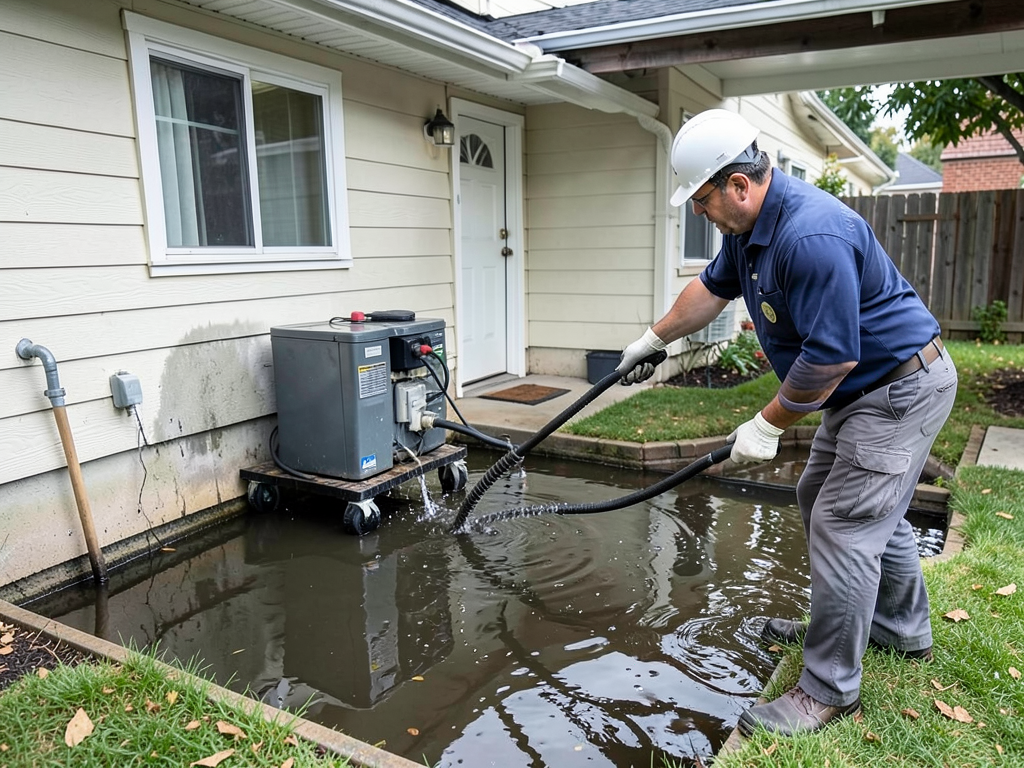
What to Do if Your New Backyard ADU Floods During a Heavy San Francisco Rain A sudden downpour in San…

What to Do if Your New Backyard ADU Floods During a Heavy San Francisco Rain

What to Do if Your New Backyard ADU Floods During a Heavy San Francisco Rain A sudden downpour in San…

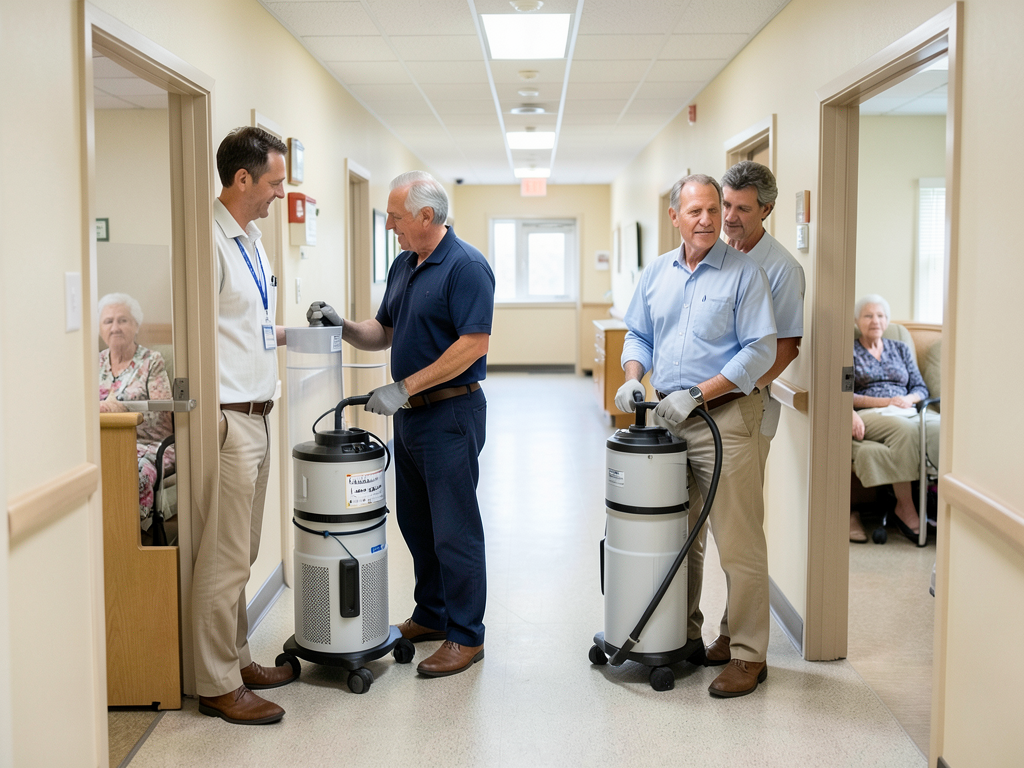
Selecting a Restoration Partner for Vulnerable Residents in a Richmond District Care Home

Specialized Senior Living Water Restoration Services in San Francisco Water damage in a Richmond District care home requires more than…

Why Your Noe Valley High Efficiency Boiler Could Be Slowly Flooding Your Utility Closet

Why Your Noe Valley High Efficiency Boiler Could Be Slowly Flooding Your Utility Closet If you live in a Noe…

Contact Us

Do not let mold colonize your entire property while you wait. Call (415) 449-6555 now for emergency containment services. Our crews deploy within 60 minutes across San Francisco. We answer 24/7 and begin containment the moment we arrive.