menu

Cupping or Buckling Wood Floors in San Francisco – Expert Diagnosis and Permanent Moisture Control

When you see lifting floorboards or swollen wood planks, you need technicians who understand San Francisco's unique moisture patterns and can identify the hidden water source before your entire floor fails.

Slider Image 1
Slider Image 2
Slider Image 3
Slider Image 4
Slider Image 5
Slider Image 7
Slider Image 8
Slider Image 9
Slider Image 10
Slider Image 11

Why San Francisco Hardwood Floors Warp Without Warning

You walk across your floor and notice the boards feel uneven. Some planks are higher than others. The edges are lifting. The surface looks rippled or crowned. This is not normal wear. This is moisture damage, and in San Francisco, it happens faster than you think.

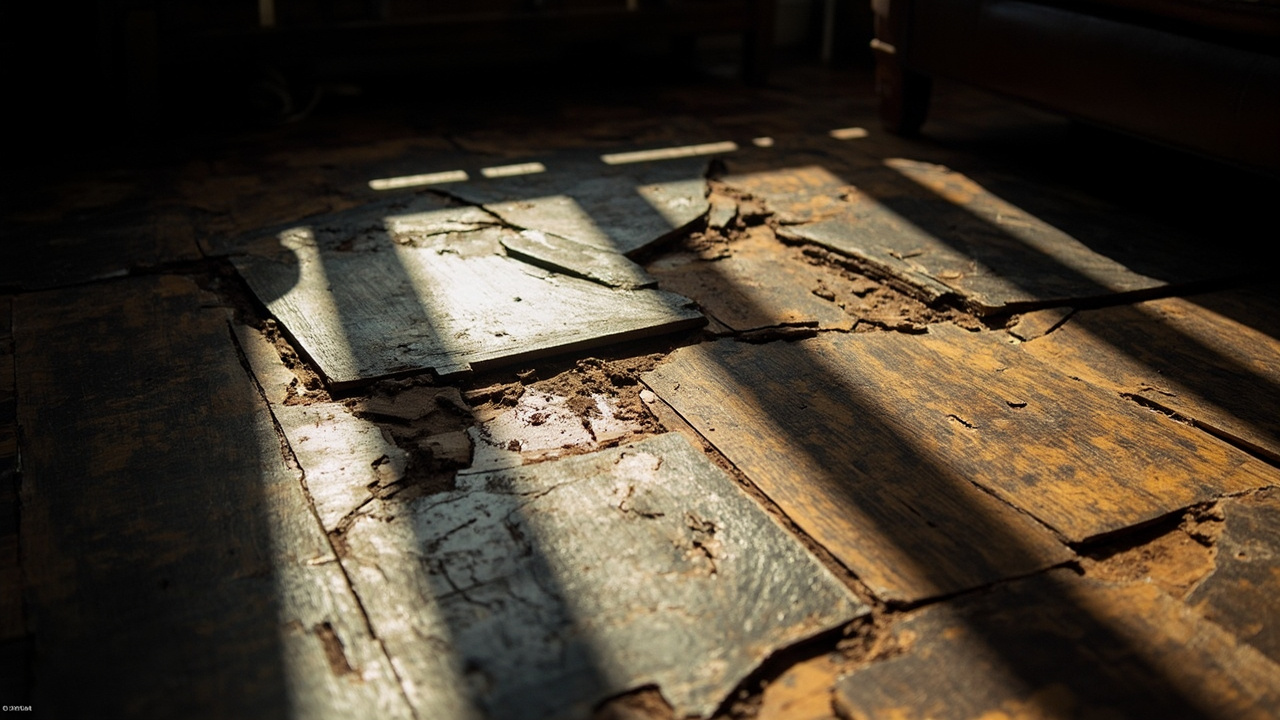
San Francisco's proximity to the Bay creates persistent humidity. Fog rolls in year-round, keeping ambient moisture levels high. Older Victorian and Edwardian homes were not built with vapor barriers. Subfloors sit directly on crawl spaces that trap damp air. When moisture migrates upward through the subfloor, your hardwood absorbs it from below. The wood swells. The boards push against each other. You get cupping, where the edges rise higher than the center. You get peaking hardwood joints, where boards push up at the seams. You get buckling, where entire sections lift off the subfloor.

Warped hardwood flooring does not fix itself. The longer moisture sits in the wood, the more permanent the damage becomes. You might also see swollen wood planks near bathrooms, kitchens, or exterior walls where plumbing leaks or condensation problems go unnoticed. The wood darkens. It smells musty. The finish cracks.

The real danger is what you cannot see. By the time your floor shows raised wood floor edges, water has been present for days or weeks. The subfloor may be rotting. Mold may be growing in the crawl space. The joists may be compromised. You need someone who can trace the moisture to its source and fix the root problem, not just sand down the surface.

Why San Francisco Hardwood Floors Warp Without Warning
How We Diagnose and Reverse Moisture Damage in Hardwood Floors

How We Diagnose and Reverse Moisture Damage in Hardwood Floors

Summit Water Damage Restoration San Francisco does not guess. We measure. We use pin-type and pinless moisture meters to map the moisture content in your flooring system. We test the surface boards, the subfloor, and the joists. We measure relative humidity in the crawl space or basement. This tells us whether the moisture is coming from above (a leak) or below (ground moisture or vapor intrusion).

Once we identify the source, we stop it. If it is a plumbing leak, we coordinate with your plumber to make the repair. If it is a condensation problem, we address the ventilation or insulation issue. If it is groundwater intrusion, we evaluate drainage and vapor barrier solutions.

Then we dry the structure. We use commercial dehumidifiers and air movers to pull moisture out of the wood and subfloor. We monitor moisture levels daily until they return to normal range. Depending on the severity, this can take three to seven days. We do not rush it. If you try to repair the floor before it is fully dry, the problem will return.

If the wood has cupped but not cracked, it may flatten as it dries. We evaluate whether sanding and refinishing will restore the floor or whether sections need replacement. If the subfloor is damaged, we remove the affected hardwood, replace the subfloor, and reinstall new boards to match the existing floor. We do not install new flooring over wet subfloor. That guarantees future failure.

Our goal is not cosmetic. It is structural. We want your floor stable, dry, and safe for the next decade.

What Happens When We Assess Your Warped Hardwood

Cupping or Buckling Wood Floors in San Francisco – Expert Diagnosis and Permanent Moisture Control
01

Moisture Mapping

We test your hardwood, subfloor, and crawl space with calibrated moisture meters. We document readings across the affected area and compare them to dry zones. This creates a moisture map that shows us where the water is concentrated and whether it is actively spreading. We photograph the cupping, buckling, and any visible staining to track changes during drying.
02

Source Identification

We trace the moisture to its origin. We inspect plumbing lines, appliance connections, window seals, and exterior drainage. We check for roof leaks, gutter overflow, and foundation cracks. In San Francisco's older homes, we often find missing vapor barriers, inadequate crawl space ventilation, or rising damp from poor site grading. We identify the exact failure point so you can fix it permanently.
03

Controlled Drying

We set up professional drying equipment and run it continuously until moisture levels drop to acceptable range. We monitor daily and adjust airflow and dehumidification as needed. Once the floor is dry, we evaluate whether the wood has returned to flat or whether sanding and refinishing are required. If the damage is too severe, we recommend replacement of affected sections.

Why San Francisco Homeowners Trust Us with Their Hardwood Floors

San Francisco's housing stock is old. Most homes were built between 1900 and 1940. They have original hardwood floors, plaster walls, and no vapor barriers. When water gets into these structures, it behaves differently than it does in modern construction. You cannot treat a 1920s Victorian the same way you treat a 2015 condo.

We understand how these buildings work. We know that many homes in the Richmond and Sunset districts have crawl spaces that flood during winter rains. We know that homes in Noe Valley and the Mission have old cast iron plumbing that leaks at the joints. We know that Pacific Heights Victorians have complex roof lines that funnel water into hidden valleys.

We also understand San Francisco's microclimates. The fog belt near Ocean Beach keeps homes damp for months. The eastern neighborhoods get more sun and dry out faster. The Presidio and Twin Peaks deal with wind-driven rain. These factors affect how we dry your home and how we prevent future moisture problems.

Summit Water Damage Restoration San Francisco has worked in every neighborhood in the city. We have seen every type of water damage and every type of hardwood floor. We know which floors are worth saving and which need replacement. We do not upsell. We give you the information you need to make the right decision for your home and your budget.

We also work directly with your insurance company. We document everything. We provide detailed estimates. We communicate with adjusters so you do not have to. Our goal is to remove the stress and confusion from the claims process so you can focus on getting your home back to normal.

What You Can Expect When You Call Us

Same-Day Response

When you call about lifting floorboards or swollen wood planks, we respond immediately. Water damage does not wait, and neither do we. We schedule an assessment within hours, not days. Our technicians arrive with moisture meters, thermal imaging cameras, and documentation tools. We evaluate the damage, measure moisture levels, and give you a clear explanation of what is happening and what needs to happen next. You get a written scope of work before we start any drying or demolition. No surprises.

Thorough Moisture Assessment

We do not stop at the surface. We pull baseboards to check the subfloor. We inspect crawl spaces and basements. We test walls adjacent to the affected area. We use thermal imaging to detect hidden moisture behind finishes. We measure relative humidity in enclosed spaces to determine if environmental conditions are contributing to the problem. You get a full diagnostic report that explains where the moisture is, how much is present, and what is causing it. This is the foundation of a successful repair.

Complete Structural Drying

We dry your floors and subfloor to industry standards. We use commercial dehumidifiers and air movers positioned for maximum efficiency. We monitor moisture levels every day and document progress. We do not remove equipment until readings confirm the structure is dry. This process protects your floor from permanent warping and prevents mold growth in the subfloor and framing. Once drying is complete, we evaluate whether your hardwood can be refinished or whether replacement is necessary. We give you options, not orders.

Prevention and Follow-Up

After the floor is repaired, we explain how to prevent future problems. This might include improving crawl space ventilation, installing a vapor barrier, addressing drainage issues, or monitoring humidity levels during wet months. We provide written recommendations based on what we found during the assessment. If you need follow-up moisture testing after repairs, we offer that service. Our goal is to make sure this does not happen again. We also stay in contact with your insurance company throughout the process to ensure claims are processed correctly.

Frequently Asked Questions

You Have Questions,
We Have Answers

What is the difference between wood buckling and cupping? +

Cupping occurs when the edges of wood planks rise higher than the center, creating a concave shape. This happens when moisture absorbs into the bottom of the board faster than the top. Buckling is more severe. The entire plank lifts or warps away from the subfloor, creating visible peaks or ridges. Buckling often results from prolonged water exposure or failed adhesive bonds. In San Francisco's microclimates, fog and humidity fluctuations commonly cause cupping, while buckling usually signals a plumbing leak or flooding event. Both require moisture removal and professional assessment to prevent permanent damage.

What does a buckled hardwood floor look like? +

A buckled hardwood floor shows planks lifting noticeably from the subfloor. You will see raised ridges running across boards, gaps between the wood and underlayment, or entire sections warped upward. The floor feels spongy or unstable when you walk on it. In severe cases, planks crack or splinter at stress points. The damage usually concentrates near moisture sources like bathrooms, kitchens, or exterior walls. San Francisco homes with older plumbing often experience buckling after slow leaks behind walls. If your floor feels uneven or you hear cracking sounds underfoot, inspect immediately for moisture intrusion.

Will my cupped wood floors flatten? +

Minor cupping may flatten once you remove the moisture source and restore proper humidity balance. This process takes weeks or months as the wood naturally acclimates. However, severe cupping often causes permanent deformation. The wood fibers compress and expand unevenly, leaving lasting warps even after drying. San Francisco's coastal humidity makes this tricky. You need consistent dehumidification and proper ventilation. Do not sand cupped floors immediately. Wait until moisture levels stabilize completely. A professional moisture meter reading confirms when the subfloor and planks reach equilibrium. Premature sanding creates crowned boards, making the problem worse.

What does cupping look like on a wood floor? +

Cupping makes wood planks look like shallow troughs or canoes. The board edges curl upward while the center dips down. Run your hand across the floor and you will feel ridges at each seam between planks. The cupping pattern usually appears uniform across affected areas. In San Francisco homes, you often see cupping near sliding glass doors, in basements, or around older radiators where humidity concentrates. Light reflects unevenly off cupped floors, creating shadow lines that highlight the deformation. Severe cupping makes the floor look corrugated or washboard-like. Catch it early before the wood sets permanently.

Can cupped hardwood floors be repaired? +

Yes, but success depends on severity and timing. First, identify and eliminate the moisture source. Then allow the floor to dry completely for several weeks. Monitor with a moisture meter until readings match your subfloor. Minor cupping often self-corrects. Moderate cupping may require professional sanding and refinishing once stabilized. Severe cupping needs plank replacement. In San Francisco's fog belt, proper dehumidification is critical during drying. Do not rush repairs. Wood that appears dry on top may still hold moisture below. Refinishing too soon traps moisture and causes crowning, creating a worse problem than you started with.

Will buckled hardwood floors go back to normal? +

Sometimes, but not always. Buckled floors need the moisture source eliminated first. Then the subfloor must dry completely. Minor buckling may relax if caught early, but the planks rarely return perfectly flat. The wood fibers stressed beyond their elastic limit. Most buckled floors require partial or full replacement. In San Francisco, buckling often means a hidden plumbing leak damaged the subfloor itself. You cannot just dry the surface. The underlayment, adhesive, and structural layer all need inspection. Waiting too long invites mold growth. Address buckled floors within 48 hours of water exposure for the best chance of salvaging materials.

How to tell if a floor is buckling? +

Walk across your floor barefoot. Buckling feels unstable, spongy, or springy underfoot. You may hear hollow sounds or creaking where planks separated from the subfloor. Visually, look for raised sections, peaks between boards, or gaps along walls where the floor pushed away from trim. Shine a flashlight at floor level. Shadows reveal uneven surfaces. Check for moisture around toilets, under sinks, or near exterior walls. San Francisco homes with crawl spaces should inspect for groundwater intrusion or failed vapor barriers. If you see lifting or feel movement, stop walking on the area to prevent further damage.

How much does it cost to fix a buckled floor? +

Repair costs vary widely based on damage extent, wood species, and accessibility. Minor repairs fixing a few buckled planks range from several hundred dollars. Extensive buckling requiring subfloor replacement and refinishing the entire room costs several thousand. San Francisco labor rates run higher than state averages. Older homes with hardwood matching challenges increase costs. You also pay for moisture remediation, which may include dehumidifiers, fans, and antimicrobial treatment. Insurance sometimes covers buckling from sudden plumbing failures but rarely gradual moisture damage. Get three estimates from certified flooring contractors. Cheaper fixes without addressing the moisture source fail quickly.

Is hardwood floor cupping normal? +

No. Cupping signals a moisture imbalance problem. Healthy hardwood floors remain flat with tight seams. Seasonal humidity changes cause slight expansion and contraction, but visible cupping means excessive moisture exposure. In San Francisco, many homeowners mistake fog-related humidity for normal conditions. It is not. Your crawl space needs proper ventilation and vapor barriers. Coastal neighborhoods require dehumidifiers during summer months. Cupping also indicates poor installation over damp subfloors or missing moisture barriers. Do not ignore cupping. It worsens over time, invites mold growth, and permanently damages your investment. Address the root moisture problem immediately.

How much does it cost to repair cupping wood floors? +

Repair costs depend on severity and square footage affected. Minor cupping requiring sanding and refinishing averages several dollars per square foot. Moderate damage with some plank replacement costs more. Severe cupping needing full floor replacement runs significantly higher. San Francisco contractors charge premium rates, and matching older hardwood species adds expense. Factor in moisture remediation costs like dehumidifiers, subfloor drying, and mold prevention. Insurance coverage varies. Most policies exclude gradual moisture damage but may cover sudden pipe bursts. Get detailed estimates including moisture testing, drying time, and finish work. Cheaper quotes often skip critical steps like subfloor inspection.

How San Francisco's Fog and Aging Homes Create the Perfect Storm for Warped Hardwood

San Francisco's coastal fog creates persistent humidity that older homes were never designed to handle. Victorians and Edwardians built before 1950 have minimal crawl space ventilation and no vapor barriers. Ground moisture rises through the foundation and into the subfloor. The hardwood absorbs moisture from below, expands, and buckles. Homes in the Richmond, Sunset, and Parkside districts face this problem constantly. The fog belt keeps relative humidity high for six to eight months each year. Your floor never fully dries out. This is why cupping or buckling wood floors in San Francisco requires professional moisture control, not just sanding and refinishing.

Summit Water Damage Restoration San Francisco understands the construction methods and moisture vulnerabilities specific to this city. We know how to inspect crawl spaces in homes with limited access. We know how to identify moisture intrusion in homes with brick foundations and no perimeter drainage. We work with local contractors who specialize in historic home retrofitting when vapor barriers or ventilation upgrades are needed. Choosing a local team means you get someone who understands your building, your neighborhood, and the unique challenges of maintaining a San Francisco home.
Water Damage Restoration Services in The San Francisco Area

Our commitment to rapid response means we cover the entire San Francisco area and surrounding communities. View the map below to visualize our primary service region, which includes key neighborhoods and business districts. Whether you are located in the Financial District, the Mission, or out toward the Sunset, you can trust our 24/7 team to reach you quickly. We proudly serve both residential and commercial clients across the entire map, guaranteeing a fast and effective mitigation service the moment you need us.

Address:
Summit Water Damage Restoration San Francisco, 1390 Market St, San Francisco, CA, 94102

Additional Services We Offer

Our news updates

Latest Articles & News from The Blogs

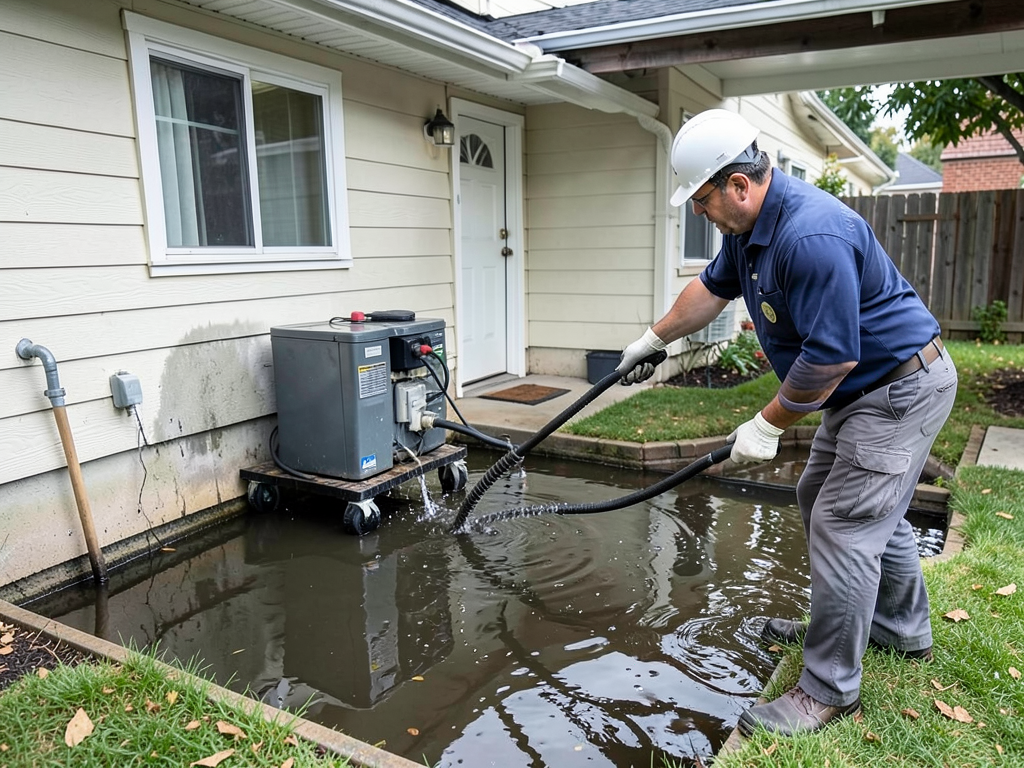
What to Do if Your New Backyard ADU Floods During a Heavy San Francisco Rain A sudden downpour in San…

What to Do if Your New Backyard ADU Floods During a Heavy San Francisco Rain

What to Do if Your New Backyard ADU Floods During a Heavy San Francisco Rain A sudden downpour in San…

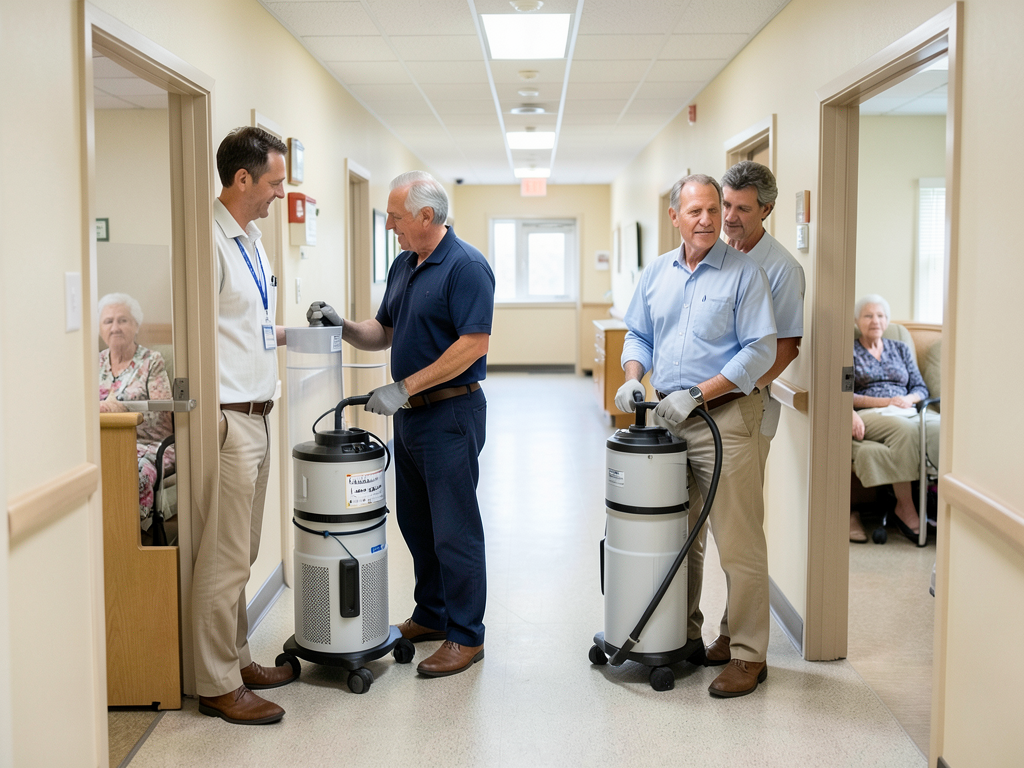
Selecting a Restoration Partner for Vulnerable Residents in a Richmond District Care Home

Specialized Senior Living Water Restoration Services in San Francisco Water damage in a Richmond District care home requires more than…

Why Your Noe Valley High Efficiency Boiler Could Be Slowly Flooding Your Utility Closet

Why Your Noe Valley High Efficiency Boiler Could Be Slowly Flooding Your Utility Closet If you live in a Noe…

Contact Us

If you see lifting floorboards, swollen planks, or uneven surfaces, call Summit Water Damage Restoration San Francisco at (415) 449-6555. We will assess the moisture, identify the source, and give you a clear plan to fix it permanently.