menu

Efflorescence on Concrete in San Francisco – Expert Diagnosis and Permanent Moisture Solutions

Summit Water Damage Restoration San Francisco identifies the root moisture source causing white powder on concrete, eliminates hidden water intrusion, and prevents recurring crystalline deposits throughout your property.

Slider Image 1
Slider Image 2
Slider Image 3
Slider Image 4
Slider Image 5
Slider Image 7
Slider Image 8
Slider Image 9
Slider Image 10
Slider Image 11

Why White Powder Keeps Appearing on Your San Francisco Concrete

You notice white residue on concrete in your basement, garage, or foundation walls. You scrub it away, and within weeks, the white powder on concrete returns. This frustrating cycle signals a moisture problem, not just a cosmetic nuisance.

San Francisco's proximity to the Pacific Ocean creates persistent humidity that drives moisture through concrete. The city's fog belt neighborhoods, from the Sunset District to Outer Richmond, experience sustained dampness that never fully dries. This constant moisture migration pulls mineral salts from within the concrete to the surface, creating the crystalline deposits you see.

The white powder is efflorescence. It forms when water moves through porous concrete, dissolves calcium hydroxide and other salts, then evaporates at the surface. The minerals stay behind as concrete salt deposits. If you can wipe it off easily, you have efflorescence. If it requires scraping, you likely have mineral salt buildup with possible calcium carbonate bonding.

San Francisco's Victorian and Edwardian homes sit on foundations built before modern waterproofing standards existed. Many basements in the Mission, Castro, and Noe Valley lack proper vapor barriers. The clay-heavy soil throughout the city expands when wet, creating hydrostatic pressure that forces groundwater through foundation walls. Older concrete in these structures is more porous, accelerating salt migration.

The white residue proves water is moving through your concrete. That moisture path damages structural integrity, promotes mold growth in adjacent spaces, and signals potential foundation issues. The longer moisture migrates unchecked, the more the concrete degrades from freeze-thaw action during San Francisco's winter months.

Why White Powder Keeps Appearing on Your San Francisco Concrete
How We Stop Moisture Migration and Eliminate Efflorescence

How We Stop Moisture Migration and Eliminate Efflorescence

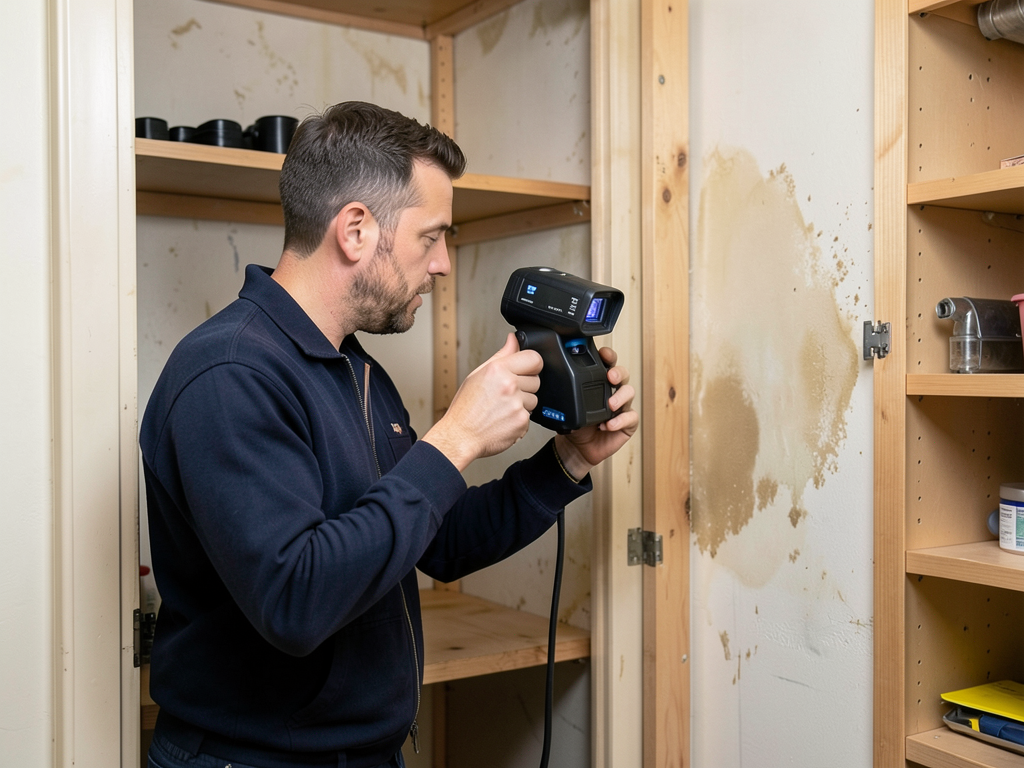
Surface cleaning does nothing. You must eliminate the moisture source driving salt migration. We use thermal imaging cameras to map exactly where water enters your concrete. These tools reveal temperature differentials that indicate active moisture pathways invisible to the naked eye.

We test concrete moisture levels with calibrated hygrometers at multiple depths. Surface readings mean nothing. We need to know if moisture originates from groundwater pressure, overhead leaks, or inadequate drainage. Each source requires a different intervention. We also test the pH of efflorescence deposits to determine if you face simple salt migration or more aggressive sulfate attack that degrades concrete binders.

For groundwater intrusion common in San Francisco's Marina District and other bay-adjacent areas, we install interior drainage systems that relieve hydrostatic pressure before it forces water through foundation walls. We apply crystalline waterproofing compounds that penetrate concrete pores and form insoluble crystals. These crystals block water pathways while allowing the concrete to breathe and release vapor.

When overhead sources cause the issue, we trace plumbing leaks, repair foundation cracks with epoxy or polyurethane injection, and ensure proper grade slope directs water away from your foundation. San Francisco's hilly terrain creates unique drainage challenges. A property on Potrero Hill faces different water management needs than a flat lot in the Excelsior.

We remove existing efflorescence with diluted acidic cleaners after stopping the moisture source. Cleaning before fixing the water problem wastes time and money. The deposits will return within days. We also assess whether the concrete has lost structural integrity from prolonged moisture exposure and recommend reinforcement if spalling or delamination has occurred.

What Happens During Efflorescence Assessment and Remediation

Efflorescence on Concrete in San Francisco – Expert Diagnosis and Permanent Moisture Solutions
01

Moisture Source Identification

We map your entire property with thermal imaging and moisture meters to locate active water intrusion points. You receive a detailed report showing exactly where water enters, whether from groundwater pressure, surface drainage failure, or plumbing leaks. We document moisture levels in concrete at multiple depths and test efflorescence samples to determine salt composition. This diagnostic phase typically takes two to three hours and provides the foundation for targeted repairs.
02

Waterproofing and Drainage Correction

We implement the specific solution your property needs based on our diagnostic findings. This might include installing French drains, applying penetrating sealers, injecting foundation cracks, or regrading soil to direct water away from your foundation. For severe groundwater intrusion, we install sump pump systems with battery backup. All waterproofing products meet San Francisco's seismic building code requirements. We address the root cause, not the symptom, so crystalline deposits stop forming permanently.
03

Deposit Removal and Prevention

After stopping moisture migration, we clean existing mineral salts using pH-appropriate treatments that do not damage concrete. We then apply breathable sealers that allow vapor transmission while blocking liquid water. You receive maintenance guidelines specific to San Francisco's climate, including optimal times to check drainage systems before winter rain and how to monitor for any recurring moisture issues. We schedule a follow-up inspection to verify the concrete remains dry and salt-free.

Why San Francisco Property Owners Choose Local Efflorescence Experts

Efflorescence solutions require understanding San Francisco's specific challenges. A contractor unfamiliar with the city's microclimate zones will apply generic fixes that fail within months. We know the Sunset District experiences different moisture loads than SoMa, and a Richmond District basement needs different waterproofing than a Bernal Heights crawl space.

San Francisco's building stock includes thousands of pre-1906 structures with unreinforced masonry foundations. Modern waterproofing techniques must account for these historic materials. We understand which sealers bond to soft brick versus modern concrete, and how to waterproof without trapping moisture that accelerates deterioration in older masonry.

The city's seismic requirements affect every foundation repair. When we inject cracks or install drainage systems, we maintain structural flexibility that allows your foundation to move safely during seismic activity. Rigid repairs crack during earthquakes. Our solutions meet San Francisco Building Code Chapter 34 standards for foundation alterations.

We work with the city's complex permit requirements when structural work becomes necessary. Many efflorescence cases reveal foundation damage requiring reinforcement. We handle Department of Building Inspection permits and coordinate with structural engineers familiar with San Francisco's geology. You avoid delays and compliance issues.

Our teams know which San Francisco neighborhoods sit on fill, where groundwater tables fluctuate seasonally, and how bay proximity affects humidity levels. The Marina and parts of SoMa sit on liquefaction-prone fill that behaves differently than bedrock areas in Twin Peaks. This geological knowledge informs every moisture mitigation strategy we recommend.

We respond faster because we are local. When winter storms hit and you discover white powder spreading across your foundation, we arrive within hours, not days. We stock equipment and materials suited to San Francisco's building types and can source specialized products from local suppliers immediately.

What to Expect When You Call Summit Water Damage Restoration San Francisco

Rapid Response and Assessment

We schedule diagnostics within 24 hours of your call. Emergency moisture intrusion gets same-day response. Our initial assessment takes two to three hours and includes thermal imaging, moisture testing at multiple depths, and efflorescence sample analysis. You receive a written report with photos showing exactly where water enters your concrete and what drives the salt migration. We explain findings in plain language and answer questions until you understand the scope of the problem and why specific solutions work for your property.

Comprehensive Moisture Evaluation

We do not guess. Our technicians use calibrated moisture meters that measure concrete humidity at depth, not just surface readings. We map the entire affected area with thermal cameras that reveal moisture pathways through walls and floors. We test your soil for permeability and check gutters, downspouts, and grading for proper water management. If plumbing contributes to the issue, we locate leaks with acoustic detection equipment. You get a complete picture of every moisture source affecting your concrete, plus prioritized recommendations based on severity.

Permanent Solutions and Clean Results

We fix the cause, so efflorescence does not return. You get dry concrete, no recurring white powder, and restored structural integrity. Our waterproofing systems carry manufacturer warranties, and we guarantee our installation work. After we stop moisture intrusion and clean existing deposits, your concrete stays clear. We use low-odor, non-toxic cleaning agents safe for occupied homes. The space remains usable during most remediation work. You see measurable results with before-and-after moisture readings that prove your concrete is dry.

Ongoing Monitoring and Maintenance Support

We schedule a follow-up inspection 30 to 60 days after remediation to verify moisture levels remain low and no new salt deposits appear. You receive maintenance guidelines specific to your property and San Francisco's seasonal weather patterns. We explain when to check drainage systems, how to spot early signs of moisture return, and when to call for re-evaluation. If you experience any recurring issues within the first year, we return to reassess at no additional diagnostic charge. You have direct contact information for our team, not a call center.

Frequently Asked Questions

You Have Questions,
We Have Answers

Is efflorescence on concrete a problem? +

Efflorescence itself is not structural damage. It signals that water is moving through your concrete, carrying dissolved salts to the surface. In San Francisco's foggy climate and older building stock, this moisture movement can accelerate underlying issues like spalling, cracking, or freeze-thaw damage. The real problem is the water source. If you see white powdery deposits on basement walls, garage floors, or foundation surfaces, you need to identify where moisture is entering. Ignoring it allows hidden water damage to worsen, which can compromise concrete integrity over time.

How do you repair efflorescence in concrete? +

Start by dry brushing the white deposits with a stiff bristle brush. For stubborn stains, use a diluted white vinegar solution or a commercial efflorescence cleaner. Scrub, rinse thoroughly, and let the surface dry completely. This removes the visible salt but does not fix the moisture problem. You must address the water source next. Check for poor grading, leaking gutters, or hydrostatic pressure in basements. In San Francisco's hilly terrain, improper drainage is common. Seal cracks, improve exterior drainage, or install a vapor barrier to stop water infiltration at the source.

Should efflorescence be removed? +

Yes. Removing efflorescence improves appearance and helps you monitor ongoing moisture issues. If deposits return quickly after cleaning, you have active water movement that needs professional attention. Leaving heavy buildup can interfere with sealers or coatings, preventing proper adhesion. In San Francisco's damp microclimates, especially in the Sunset or Richmond districts, efflorescence on crawl space walls or garage slabs often indicates chronic moisture problems. Remove it, then investigate why water keeps migrating through the concrete. Repeated blooming is your concrete telling you something is wrong with drainage or waterproofing.

Can you seal concrete over efflorescence? +

No. Sealing over efflorescence traps moisture and salts behind the coating, causing the sealer to peel, bubble, or fail within months. The surface must be completely clean and dry before any sealer application. Professionals test moisture levels using meters before sealing. In San Francisco's foggy coastal zones, concrete can stay damp for weeks. If you seal prematurely, you lock in moisture that will continue pushing salts outward, destroying your investment. Always remove all deposits, fix the water source, let the slab dry fully, then apply a breathable sealer designed for damp climates.

How do professionals remove efflorescence? +

Professionals use mechanical methods like wire brushing, sandblasting, or pressure washing to remove heavy deposits. For deep staining, they apply acidic cleaners that dissolve salts without damaging concrete. The key difference is diagnosis. Professionals use moisture meters and infrared cameras to find hidden water sources. In San Francisco, this often means checking for failed waterproofing membranes, corroded plumbing behind walls, or capillary rise from high groundwater tables. They address the root cause, not just the symptom. This prevents efflorescence from returning and stops further water damage to your foundation or slab.

Should I worry about efflorescence? +

It depends on severity and recurrence. A one-time appearance after new concrete cures is normal. Repeated blooming or heavy deposits signal active water intrusion that can damage concrete, corrode rebar, and create mold conditions. In San Francisco's older Victorian and Edwardian homes, chronic efflorescence in basements often indicates failed drainage systems or rising damp from inadequate foundation waterproofing. If you see it spreading, returning after cleaning, or accompanied by musty odors, you should worry. It means moisture is actively moving through your concrete, and the longer you wait, the more expensive repairs become.

Does efflorescence indicate water damage? +

Yes. Efflorescence proves water is traveling through concrete, carrying dissolved minerals to the surface. It does not tell you how much water or where it originates, but it confirms moisture intrusion. In San Francisco, common sources include poor exterior grading, leaking sewer laterals, or hydrostatic pressure from clay soil. You might also see it near plumbing failures or after heavy winter rains. The white staining is your early warning system. If you ignore it, you risk hidden mold growth, wood rot in adjacent framing, or concrete deterioration that requires costly foundation repairs down the line.

How do I stop efflorescence from coming back? +

Fix the water source permanently. Improve exterior drainage by regrading soil away from foundations, extending downspouts, and repairing gutters. Seal foundation cracks with polyurethane or epoxy injections. Install interior or exterior waterproofing membranes if needed. In San Francisco's hilly neighborhoods, improper drainage is the leading cause of recurring efflorescence. You may need French drains, sump pumps, or vapor barriers in crawl spaces. After stopping water infiltration, clean the concrete thoroughly and apply a penetrating sealer. If efflorescence returns, you missed the water source. Recheck plumbing, irrigation lines, and subgrade moisture levels.

Does Drylok stop efflorescence? +

Drylok and similar masonry waterproofers can reduce minor seepage, but they do not stop efflorescence if serious water pressure exists. Applying Drylok over active efflorescence traps salts and moisture, causing the coating to fail. You must remove all deposits and let the concrete dry completely first. In San Francisco basements with high groundwater or hydrostatic pressure, Drylok alone often fails within a year. It works best as a supplemental barrier after you fix grading and drainage issues. For chronic moisture problems, you need exterior waterproofing, drainage systems, or professional vapor barriers, not just a topical coating.

How much does it cost to fix efflorescence? +

Simple cleaning costs between 50 cents and two dollars per square foot if you hire someone. Fixing the underlying water problem varies widely. Regrading and drainage work might run a few hundred dollars. Foundation crack sealing, French drain installation, or full exterior waterproofing can range from low four figures to mid five figures, depending on access and severity. In San Francisco, costs run higher due to hillside access challenges, older building conditions, and labor rates. Get multiple estimates. Focus on permanent fixes, not quick patches. Addressing efflorescence early prevents expensive foundation repairs later.

How San Francisco's Coastal Fog and Fill Soil Accelerate Concrete Efflorescence

San Francisco's fog belt delivers persistent moisture that never fully dries from concrete surfaces. Neighborhoods west of Twin Peaks experience this phenomenon daily during summer months, creating ideal conditions for continuous salt migration. The city's fill soil areas, particularly the Marina District, Mission Bay, and parts of SoMa, sit on unconsolidated material with high groundwater tables. These areas experience hydrostatic pressure that forces moisture through foundation walls year-round. Historic buildings constructed before 1950 lack vapor barriers and modern waterproofing, making them especially vulnerable. The combination of exterior humidity and interior moisture creates a push-pull effect that accelerates crystalline deposit formation.

Summit Water Damage Restoration San Francisco specializes in the unique moisture challenges facing properties throughout the city's diverse microclimates and geological zones. We understand how the Franciscan Complex bedrock in areas like Nob Hill and Russian Hill affects foundation behavior differently than the bay mud and fill in eastern neighborhoods. Our solutions account for San Francisco's seismic requirements, historic building materials, and coastal climate patterns. We work within the city's strict building codes and maintain relationships with local structural engineers when foundation reinforcement becomes necessary. Choosing a team familiar with San Francisco's specific conditions means you get solutions engineered for long-term success, not generic fixes that fail during the next rainy season.
Water Damage Restoration Services in The San Francisco Area

Our commitment to rapid response means we cover the entire San Francisco area and surrounding communities. View the map below to visualize our primary service region, which includes key neighborhoods and business districts. Whether you are located in the Financial District, the Mission, or out toward the Sunset, you can trust our 24/7 team to reach you quickly. We proudly serve both residential and commercial clients across the entire map, guaranteeing a fast and effective mitigation service the moment you need us.

Address:
Summit Water Damage Restoration San Francisco, 1390 Market St, San Francisco, CA, 94102

Additional Services We Offer

Our news updates

Latest Articles & News from The Blogs

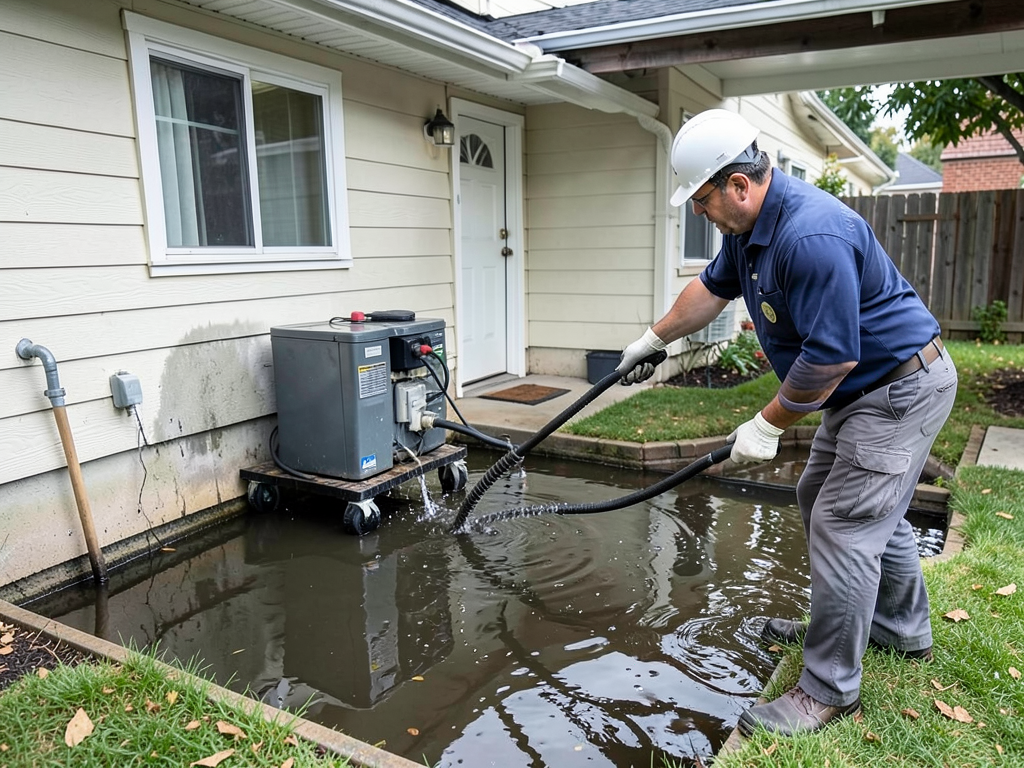
What to Do if Your New Backyard ADU Floods During a Heavy San Francisco Rain A sudden downpour in San…

What to Do if Your New Backyard ADU Floods During a Heavy San Francisco Rain

What to Do if Your New Backyard ADU Floods During a Heavy San Francisco Rain A sudden downpour in San…

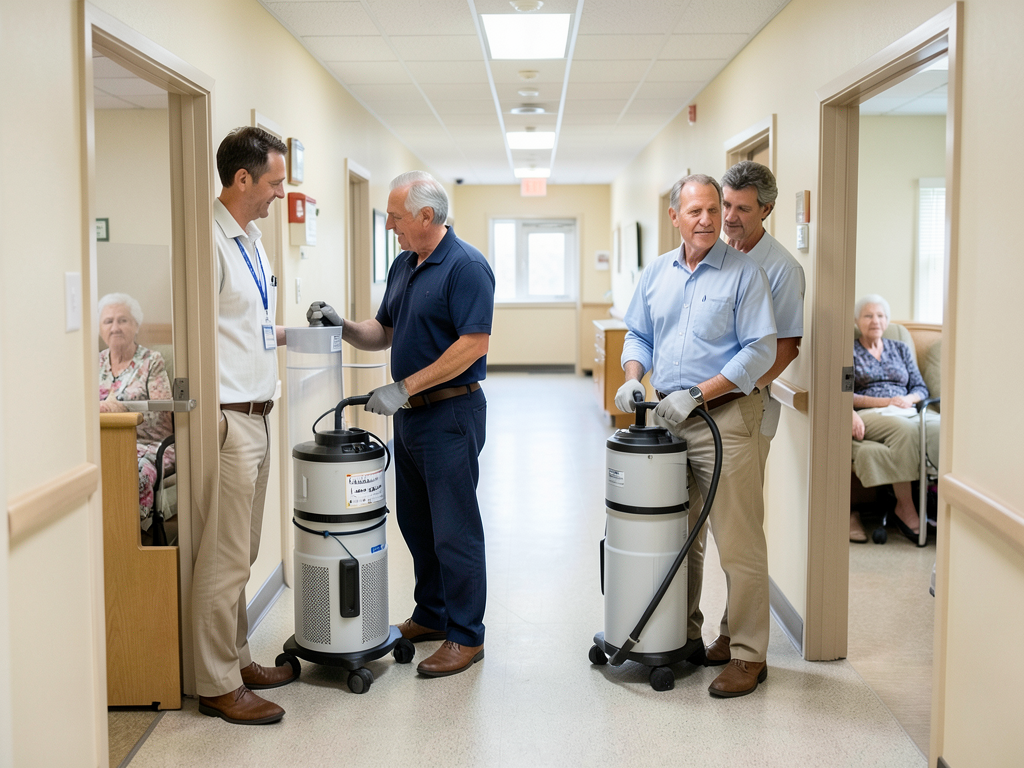
Selecting a Restoration Partner for Vulnerable Residents in a Richmond District Care Home

Specialized Senior Living Water Restoration Services in San Francisco Water damage in a Richmond District care home requires more than…

Why Your Noe Valley High Efficiency Boiler Could Be Slowly Flooding Your Utility Closet

Why Your Noe Valley High Efficiency Boiler Could Be Slowly Flooding Your Utility Closet If you live in a Noe…

Contact Us

White powder on your concrete signals active moisture intrusion that worsens over time. Call Summit Water Damage Restoration San Francisco at (415) 449-6555 for same-day diagnostics. We identify the exact moisture source, eliminate water intrusion, and restore your concrete to dry, stable condition.