
menu

Water Damage Restoration Cost 2026 in San Francisco | Transparent Pricing for Every Emergency

Get detailed water damage restoration cost estimates for San Francisco homes and businesses, with complete breakdowns of water mitigation cost estimates, remediation expenses, and restoration service rates that help you budget and plan with confidence.

Slider Image 1
Slider Image 2
Slider Image 3
Slider Image 4
Slider Image 5
Slider Image 7
Slider Image 8
Slider Image 9
Slider Image 10
Slider Image 11

What Drives Water Damage Restoration Expenses in San Francisco

San Francisco's unique geography creates specific water damage challenges that directly impact restoration pricing. The city's proximity to the Pacific Ocean means persistent fog and moisture exposure year-round. This constant humidity accelerates mold growth timelines, often requiring more extensive remediation than inland areas.

The city's older building stock plays a major role in average water damage cleanup pricing. Many San Francisco structures were built before modern waterproofing standards existed. Victorian homes in the Mission District and Edwardian buildings in the Haight often have galvanized steel pipes installed 80 to 100 years ago. When these fail, water spreads through lath-and-plaster walls faster than through modern drywall, expanding the affected area and increasing restoration expenses.

San Francisco's seismic building codes add another cost factor. Restoration work must maintain earthquake bracing and shear wall integrity. You cannot simply rip out damaged materials and replace them. Every repair must preserve the structural reinforcement required by Title 24 building codes.

Water mitigation cost estimates also reflect San Francisco's high cost of living. Labor rates, permitting fees, and material costs run higher than state averages. A standard Category 1 water loss affecting 500 square feet might cost 30 to 40 percent more here than in Sacramento or Fresno.

Understanding these local factors helps you interpret price to repair water damage quotes accurately. The lowest bid often means corners will be cut on proper drying, antimicrobial treatment, or code compliance. Water damage remediation expenses reflect the true scope of work required to return your property to pre-loss condition while meeting San Francisco's strict building standards.

What Drives Water Damage Restoration Expenses in San Francisco
How We Calculate Water Restoration Service Rates

How We Calculate Water Restoration Service Rates

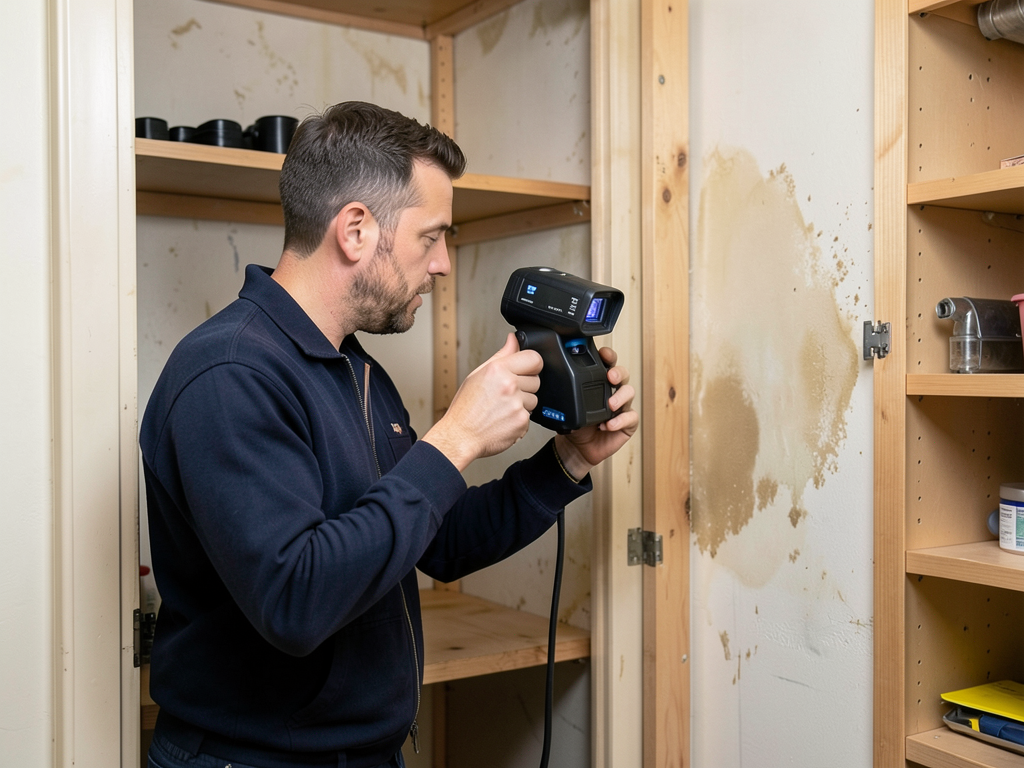
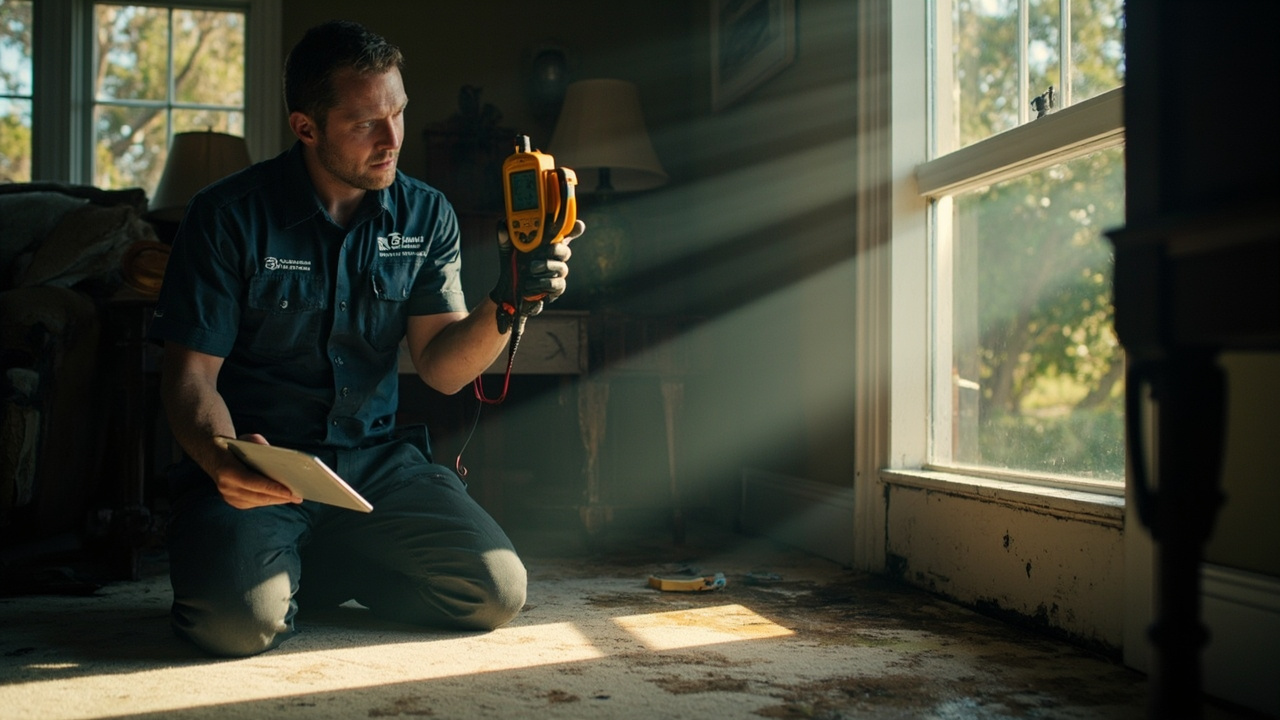
Accurate pricing starts with proper damage assessment. Summit Water Damage Restoration San Francisco uses thermal imaging cameras and moisture meters to map the full extent of saturation. We measure moisture content in structural materials, not just surface dampness. This prevents the common mistake of underestimating affected square footage.

We classify water damage using IICRC S500 standards. Category 1 clean water from supply lines requires different handling than Category 2 gray water from dishwashers or Category 3 black water from sewage backups. Each category demands specific safety protocols and disposal procedures that affect water restoration service rates.

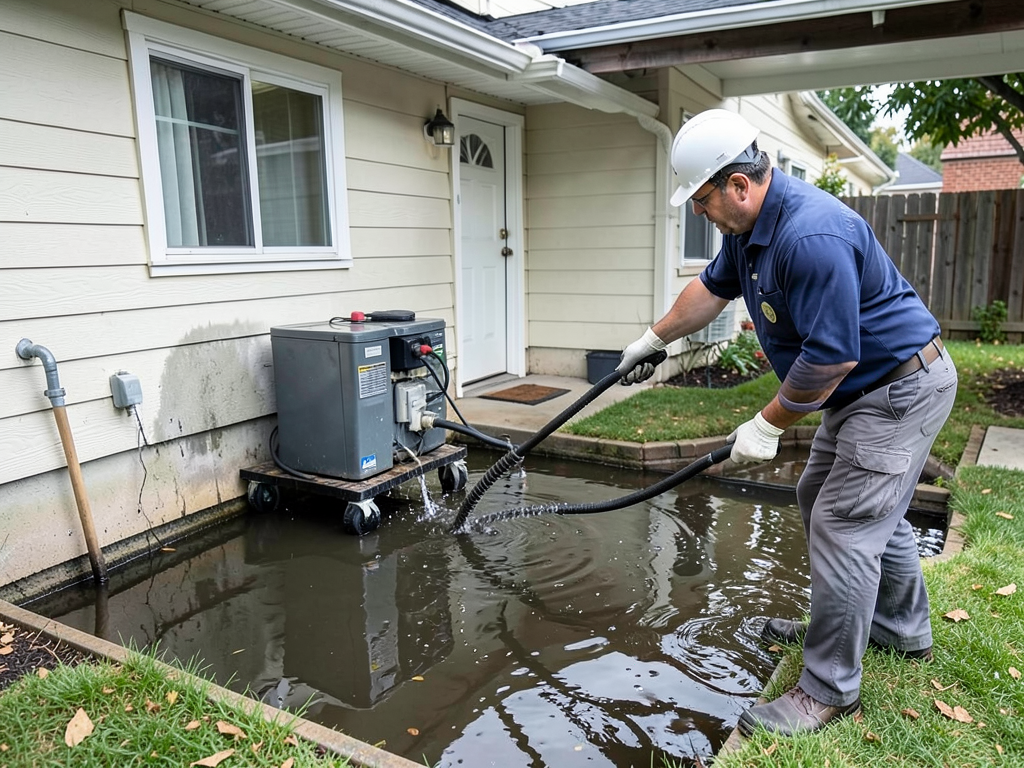
Our pricing structure accounts for four distinct phases. Emergency water extraction happens first, using truck-mounted pumps that remove standing water within hours. Structural drying follows, using commercial dehumidifiers and air movers calibrated to your building's specific psychrometric conditions. We monitor moisture levels twice daily until materials reach acceptable dry standards.

Demolition and disposal form the third phase. We remove unsalvageable materials like soaked insulation, warped baseboards, and contaminated drywall. San Francisco requires proper manifesting for contaminated waste disposal, which adds to water damage remediation expenses but protects public health.

Reconstruction completes the process. We replace removed materials, match existing finishes, and restore functionality. For older San Francisco homes, this often means sourcing period-appropriate materials. A 1920s bungalow in the Sunset District needs different trim profiles than a 1960s ranch in the Excelsior.

We provide itemized estimates breaking down equipment rental, labor hours, materials, and disposal fees. This transparency lets you understand exactly what drives your water mitigation cost estimates and compare proposals accurately.

Your Path to Understanding Restoration Costs

Water Damage Restoration Cost 2026 in San Francisco | Transparent Pricing for Every Emergency
01

Initial Damage Assessment

We send a certified technician to your San Francisco property within two hours of your call. They use calibrated moisture detection equipment to measure saturation levels in floors, walls, and ceilings. You receive a written scope of work detailing affected square footage, water category classification, and materials requiring removal. This assessment forms the foundation of your water damage restoration cost estimate and helps you understand the full extent of needed repairs.
02

Detailed Cost Breakdown

We prepare a line-item estimate separating mitigation costs from reconstruction expenses. You see exactly how much goes toward emergency water extraction, structural drying equipment, antimicrobial treatment, demolition, and rebuild work. We explain how your specific situation, like Victorian plaster walls or engineered hardwood flooring, impacts pricing. Our estimates include San Francisco permit fees and compliance costs so you face no surprise charges. This clarity helps you make informed decisions about insurance claims and out-of-pocket expenses.
03

Insurance Documentation Support

We photograph all damage, document moisture readings, and prepare detailed loss reports formatted for insurance submission. Our estimates use Xactimate pricing software, the same system most adjusters rely on, which streamlines claim approval. We communicate directly with your insurance company to clarify coverage questions and justify recommended repairs. This support often results in higher claim payouts and fewer disputes. You get the restoration your property needs without fighting for every dollar of coverage.

Why San Francisco Property Owners Trust Our Pricing Transparency

Summit Water Damage Restoration San Francisco has restored properties across every neighborhood in the city. We understand how Richmond District homes with pier-and-beam foundations respond differently to water intrusion than concrete slab homes in Bayview. This local knowledge ensures accurate water mitigation cost estimates from the first assessment.

We maintain relationships with San Francisco Department of Building Inspection plan reviewers. When restoration work requires permits, we know which documentation they expect and how to expedite approval. This familiarity prevents costly project delays and change orders that inflate final costs.

Our technicians train specifically on San Francisco's building types. They recognize when tongue-and-groove fir flooring can be saved through proper drying versus when saturation has caused irreversible cupping. They know which lath-and-plaster walls contain horsehair binder that complicates demolition. These skills prevent unnecessary demolition that drives up your price to repair water damage.

We stock equipment sized for San Francisco's urban environment. Our truck-mounted extractors navigate narrow streets in North Beach and park legally while working. We use quieter equipment suitable for multi-unit buildings where noise complaints trigger fines. These operational details keep projects on schedule and on budget.

Every estimate includes a detailed timeline. You know when equipment will arrive, how many days drying will take, and when reconstruction begins. We account for San Francisco's permit processing times and inspector availability so projected completion dates remain accurate.

Our pricing remains valid for 30 days. Material costs fluctuate, but we honor our quotes even if lumber prices spike during your project. This protection matters in San Francisco's volatile construction market.

What Your Water Damage Restoration Investment Covers

Response Time and Project Duration

We arrive at San Francisco properties within 90 minutes during normal hours and two hours after midnight. Emergency water extraction begins immediately to minimize damage progression. Most structural drying takes three to five days, though San Francisco's humidity can extend timelines. We run dehumidifiers continuously and monitor moisture levels every 12 hours. Reconstruction timelines depend on scope, but typical Category 1 losses affecting one room take seven to ten days from initial call to final walkthrough. We update you daily on progress and any timeline changes caused by hidden damage discovery or permit delays.

Assessment Methods and Scope Determination

Your assessment begins with visual inspection and moisture mapping using thermal cameras and penetrating moisture meters. We test moisture content in wood framing, drywall, insulation, and subfloors. Readings above 15 percent in wood or 1.0 percent in drywall indicate saturation requiring intervention. We identify the water source, trace migration paths, and classify contamination levels. You receive a written report with photos, moisture readings, and recommended scope of work. This documentation supports insurance claims and helps you understand why certain materials need replacement while others can be dried in place. We never recommend unnecessary work to inflate costs.

Quality Standards and Final Results

We dry structures to IICRC S500 standards, which specify maximum moisture content levels for different materials. Wood must read below 15 percent, concrete below 4.5 percent, and drywall below 1.0 percent before we consider drying complete. All antimicrobial treatments use EPA-registered products applied at manufacturer-specified concentrations. Reconstruction work matches existing finishes in texture, color, and quality. We use Benjamin Moore or Sherwin-Williams paints, not contractor-grade alternatives. Hardwood patches blend grain patterns and stain colors to existing floors. Your restored space should be indistinguishable from undamaged areas. We conduct final walkthroughs to verify your satisfaction before closing any project.

Post-Restoration Monitoring and Support

We return 30 days after project completion to verify moisture levels remain stable and no new issues have developed. This follow-up visit catches problems early, when repairs cost less. You receive written documentation of final moisture readings for your records and insurance files. We provide guidance on preventing future water damage specific to your property type and San Francisco's climate. Our team remains available to answer questions about maintenance or address concerns long after invoices are paid. While we cannot provide specific warranty years, we stand behind our workmanship and respond quickly if you experience any issues related to our restoration work.

Frequently Asked Questions

You Have Questions,
We Have Answers

How much will it cost to repair water damage? +

Water damage repair costs in San Francisco vary based on the source, extent, and location of damage. Minor incidents like a leaking pipe affecting one room might run a few hundred dollars. Extensive damage from flooding or sewage backup can reach several thousand. San Francisco's older housing stock and microclimates can complicate repairs. Category 3 water (sewage) costs more due to contamination protocols. Foundation issues in hillside neighborhoods add expense. Get a professional assessment quickly. Most companies offer free inspections and work directly with your insurance to minimize out-of-pocket costs. Fast action prevents mold and secondary damage.

Is water damage restoration worth it? +

Yes. Water damage restoration prevents catastrophic long-term problems. Ignoring water damage in San Francisco's humid coastal climate invites mold growth within 48 hours. Mold remediation alone costs more than initial restoration. Structural decay spreads quickly through wood framing common in older San Francisco homes. Foundation damage worsens over time, especially in neighborhoods built on fill or slopes. Property values drop significantly with documented water damage history. Insurance claims become difficult if you delay. Professional restoration preserves your home's structural integrity, protects your family's health, and maintains resale value. The cost of inaction far exceeds restoration investment.

How to charge for water restoration? +

Water restoration pricing follows standardized industry methods based on damage classification, affected square footage, and materials involved. Category 1 (clean water) costs less than Category 3 (sewage). Class 1 damage (minimal absorption) costs less than Class 4 (deep saturation). Pricing includes water extraction, drying equipment rental days, antimicrobial treatment, and material removal. San Francisco's seismic retrofitting and historic building codes can affect pricing. Most companies charge per square foot for drying and separately for demolition. Moisture meters and thermal imaging document progress. Transparent companies provide detailed estimates before starting work and document everything for insurance claims.

Is water damage restoration profitable? +

This question targets business owners considering the industry, not homeowners seeking restoration. Water damage restoration is profitable because demand remains constant. Homes and businesses in San Francisco face risks from aging infrastructure, coastal fog creating condensation, and seismic activity rupturing pipes. Profit margins vary based on equipment investment, insurance relationships, and response time. Emergency availability commands premium pricing. Repeat commercial contracts with property managers provide steady revenue. However, profitability requires significant upfront capital for equipment, proper licensing, insurance, and trained technicians. Success depends on reputation and speed in competitive markets like San Francisco where customers have many choices.

Is water damage in walls covered by insurance? +

It depends on the cause. Insurance typically covers sudden, accidental water damage like burst pipes or appliance malfunctions. Gradual damage from neglected maintenance or seepage is usually excluded. San Francisco's older homes often have hidden plumbing issues. You must prove the damage was sudden and unforeseeable. Flood damage requires separate flood insurance, critical for homes near the Bay or in FEMA zones. Your policy's coverage limits and deductible affect payout. Document everything with photos before repairs. Get a professional assessment quickly. Most restoration companies work directly with insurance adjusters to maximize your claim and handle paperwork.

Why is water damage so expensive? +

Water damage restoration costs reflect the complexity and urgency of the work. Specialized equipment runs 24/7 for days: commercial dehumidifiers, air movers, moisture meters, thermal cameras. Labor is expensive because crews work nights and weekends for emergency response. San Francisco's building codes require licensed contractors and permits for structural work. Hidden damage behind walls necessitates exploratory demolition. Mold prevention requires antimicrobial treatments. Sewage contamination demands hazmat protocols and disposal fees. Materials like hardwood flooring and plaster common in older San Francisco homes cost more to replace than carpet. Speed matters because every hour of moisture exposure increases damage exponentially.

How long does water damage restoration take? +

Water damage restoration in San Francisco typically takes three to seven days for drying, longer for reconstruction. Minor incidents with quick water extraction may dry in 48 to 72 hours. Extensive flooding or sewage damage requires a week or more. San Francisco's coastal humidity slows evaporation compared to drier climates. Class 4 damage (deep saturation into plaster, hardwood, or subfloors) takes longest. Drying time depends on airflow, temperature, and material type. Professionals use moisture meters to confirm materials reach safe levels before reconstruction begins. Reconstruction adds days or weeks depending on scope. Delays happen if insurance approval or permits are required.

What is the difference between water remediation and restoration? +

Remediation removes water and prevents further damage. Restoration returns your property to pre-loss condition. Remediation happens first: water extraction, structural drying, dehumidification, and antimicrobial treatment. It stops the crisis. Restoration comes next: replacing drywall, repainting, installing new flooring, and rebuilding damaged structures. Some San Francisco companies handle both phases. Others specialize in one. Understanding the difference matters for insurance claims because policies may cover remediation but cap restoration costs. Ask whether your estimate includes both. Emergency response focuses on remediation to prevent mold. Restoration timelines depend on material availability and contractor schedules. Both require documentation for insurance.

How to tell if water damage is permanent? +

Permanent water damage shows through structural symptoms you cannot reverse with drying. Warped hardwood floors that remain buckled after drying indicate fiber damage. Drywall that crumbles when touched has lost structural integrity. Stains or discoloration that persist after cleaning suggest deep saturation or mold. Musty odors indicate hidden microbial growth inside walls. Sagging ceilings mean waterlogged insulation or compromised joists. In San Francisco's older homes, plaster walls develop spiderweb cracks from moisture cycling. Touch the surface. If it feels soft or spongy, the material is compromised. Professional moisture meters detect hidden saturation. When in doubt, get an assessment before cosmetic repairs.

What is the average water damage claim? +

The average water damage insurance claim in the United States ranges from several thousand to over ten thousand dollars, depending on severity. San Francisco claims often run higher due to the city's elevated property values and older housing stock requiring specialized repair methods. Claims vary widely. A washing machine hose leak affecting one room costs less than a multi-story pipe burst. Category 3 water (sewage) claims cost more due to contamination protocols. Your actual payout depends on your policy limits, deductible, and whether the cause is covered. Document everything immediately. Work with your restoration company to provide detailed estimates and photos to maximize your claim.

How San Francisco's Fog Belt Affects Water Damage Restoration Pricing

San Francisco experiences 108 foggy days annually, concentrated in summer months when the rest of California bakes dry. This persistent moisture keeps ambient humidity between 70 and 85 percent in western neighborhoods like the Sunset and Richmond Districts. Water damaged structures in these areas take 40 to 60 percent longer to dry than properties in drier East Bay cities. Dehumidifiers run additional days, increasing equipment rental costs that show up in your average water damage cleanup pricing. Mold growth also accelerates in fog belt properties, often requiring more aggressive antimicrobial treatment and affected material removal. Understanding this microclimate helps explain why identical water damage costs more to remediate in San Francisco than in Oakland or San Jose.

San Francisco Department of Building Inspection enforces stricter standards than most California jurisdictions. Any restoration work involving structural elements or more than 100 square feet of drywall replacement requires permits. Permit fees, plan check charges, and inspector scheduling all add time and cost to water damage projects. Summit Water Damage Restoration San Francisco maintains strong working relationships with city inspectors and knows exactly which documentation they require. We prepare permit applications that pass plan check on first submission, avoiding costly resubmission delays. Our familiarity with Title 24 energy codes, seismic bracing requirements, and historical preservation rules for properties in designated districts ensures your restoration meets all local regulations while controlling costs.
Water Damage Restoration Services in The San Francisco Area

Our commitment to rapid response means we cover the entire San Francisco area and surrounding communities. View the map below to visualize our primary service region, which includes key neighborhoods and business districts. Whether you are located in the Financial District, the Mission, or out toward the Sunset, you can trust our 24/7 team to reach you quickly. We proudly serve both residential and commercial clients across the entire map, guaranteeing a fast and effective mitigation service the moment you need us.

Address:
Summit Water Damage Restoration San Francisco, 1390 Market St, San Francisco, CA, 94102

Additional Services We Offer

Our news updates

Latest Articles & News from The Blogs

What to Do if Your New Backyard ADU Floods During a Heavy San Francisco Rain A sudden downpour in San…

What to Do if Your New Backyard ADU Floods During a Heavy San Francisco Rain

What to Do if Your New Backyard ADU Floods During a Heavy San Francisco Rain A sudden downpour in San…

Selecting a Restoration Partner for Vulnerable Residents in a Richmond District Care Home

Specialized Senior Living Water Restoration Services in San Francisco Water damage in a Richmond District care home requires more than…

Why Your Noe Valley High Efficiency Boiler Could Be Slowly Flooding Your Utility Closet

Why Your Noe Valley High Efficiency Boiler Could Be Slowly Flooding Your Utility Closet If you live in a Noe…

Contact Us

Call (415) 449-6555 now for a transparent breakdown of your water damage restoration costs. We provide itemized estimates within 24 hours of assessing your San Francisco property. No hidden fees, no surprise charges, just honest pricing from local experts.