
When water invades your San Francisco property, the first question isn’t always about cleanup—it’s about who pays for it. Many homeowners discover too late that standard insurance won’t cover flood damage, while others file claims for water damage that get denied because the cause falls under a different policy. Understanding the distinction between water damage and flood insurance in San Francisco could save you thousands of dollars and weeks of frustration after a disaster. San Francisco Public Utilities Commission.
Water damage typically results from sudden, accidental internal failures like burst pipes, overflowing appliances, or roof leaks. Flood damage, however, involves rising water from external sources such as storm surges, overflowing rivers, or heavy rainfall overwhelming drainage systems. In San Francisco’s unique coastal and urban environment, this distinction becomes even more critical due to the city’s aging infrastructure and exposure to atmospheric river events. Who to call for emergency water damage repair in San Francisco right now.
The confusion often stems from policy language and the specific causes of water intrusion. A backed-up sewer line in your basement might be covered under certain endorsements, but if that backup results from citywide flooding, you may need separate flood insurance. Similarly, water seeping through your foundation after prolonged rain could be considered flood damage, even if it appears to be a simple leak. Fast water restoration services for SoMa businesses and tech offices.
San Francisco’s combination of historic Victorian homes, modern high-rises, and complex underground infrastructure creates unique vulnerabilities. Properties in low-lying areas near the bay or those with older plumbing systems face different risks than hillside homes or newer constructions. Knowing which type of damage your property is most susceptible to helps you make informed decisions about coverage and preparation.. Read more about How much does water damage restoration actually cost in San Francisco.
Understanding these distinctions isn’t just about insurance—it’s about protecting your investment and ensuring you can recover quickly when disaster strikes. Whether you’re dealing with a current emergency or planning for future risks, knowing the difference between water damage and flood insurance in San Francisco is the first step toward comprehensive protection. High-end water damage restoration for historic Pacific Heights estates.
San Francisco Flood Insurance vs. Water Damage: What’s Covered?
Standard homeowners insurance policies in California typically cover sudden and accidental water damage from internal sources. This includes burst pipes, appliance malfunctions, and roof leaks from covered perils like windstorms. However, these policies specifically exclude damage from flooding, which is defined as surface water entering your home from external sources.. Read more about How to Stop Water from Seeping Through Your Diamond Heights Foundation.
Flood insurance through the National Flood Insurance Program (NFIP) covers rising water from heavy rainfall, storm surges, and other external water sources. But here’s where San Francisco residents face a unique challenge: the city’s combined sewer system can create situations where it’s unclear whether damage stems from a flood or a sewer backup.. Read more about Who Is Responsible for Water Damage in an Inner Sunset Rental Property?.
The San Francisco Public Utilities Commission (SFPUC) manages a combined sewer system that handles both stormwater and wastewater. During heavy atmospheric river events, this system can become overwhelmed, causing backups that may or may not be covered depending on the specific circumstances and your policy endorsements. How to handle basement flooding in San Francisco after a heavy rainstorm.
For San Francisco properties, the distinction becomes even more complex when considering the city’s varied topography. A home in the Marina District built on former bay fill faces different flood risks than a Victorian in the Mission District or a high-rise in SoMa. Each neighborhood has its own vulnerabilities based on elevation, drainage patterns, and infrastructure age.
Understanding your specific risk requires knowing your property’s flood zone designation. FEMA flood maps divide San Francisco into zones ranging from high-risk areas along the bayfront to moderate and low-risk inland zones. Even properties outside high-risk zones can experience flooding during extreme weather events, which have become more frequent in recent years. FEMA National Flood Insurance Program.
The cost difference between standard homeowners insurance and flood insurance also factors into coverage decisions. While flood insurance through NFIP has standardized rates based on risk factors, the deductibles and coverage limits differ significantly from standard policies. Many San Francisco homeowners underestimate their flood risk until they experience their first major storm event.
Call (415) 449-6555 today to schedule your inspection.
The Key Difference: ‘Rising Water’ vs. ‘Internal Failures’
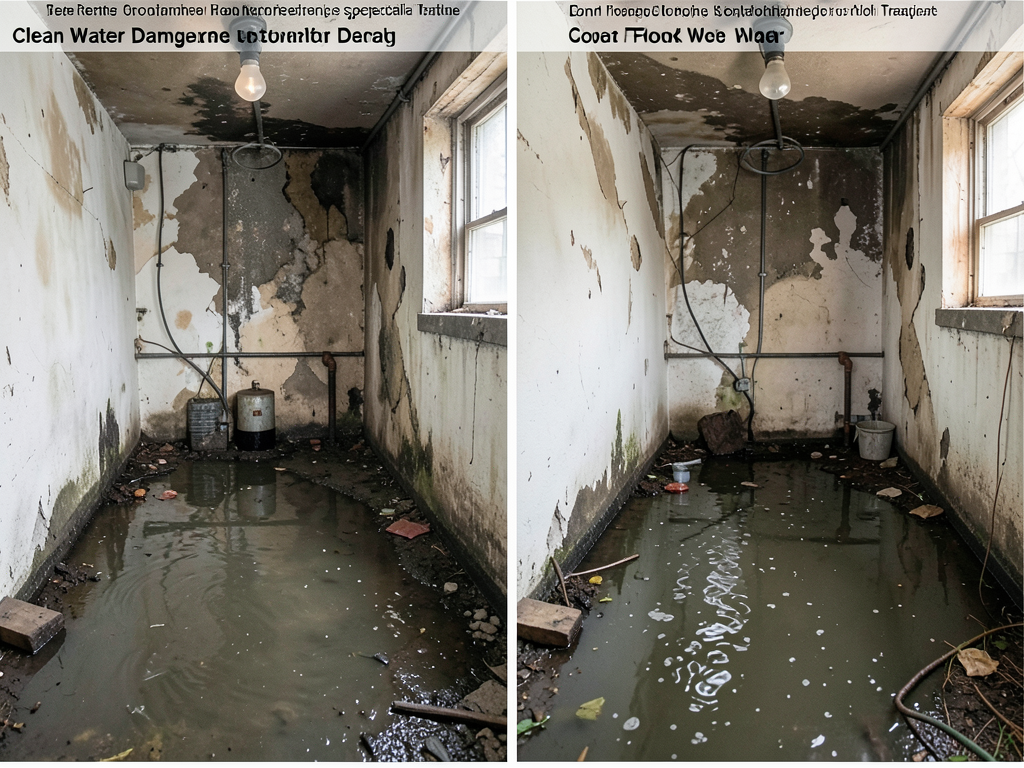
The fundamental distinction between water damage and flood damage lies in the water’s origin and movement. Water damage involves water that originates inside your property or falls directly onto it from above. This includes burst pipes, overflowing toilets, washing machine hose failures, and roof leaks from wind-driven rain.. Read more about Steps to Take When Your Washing Machine Floods Your Glen Park Laundry Room.
Flood damage, conversely, involves rising water that enters your property from the ground level or below. This includes storm surges, river overflow, heavy rainfall accumulation, and drainage system failures that cause water to rise into your home. The key test: if the water touched the ground before entering your property, it’s likely considered flood damage.. Read more about How to Spot Hidden Water Damage in a San Francisco Home You Are Thinking About Buying.
In San Francisco’s unique environment, this distinction becomes critical during atmospheric river events. These powerful storm systems can dump several inches of rain in hours, overwhelming the city’s drainage infrastructure. Water that backs up through floor drains or seeps through basement walls during these events may be classified as flood damage, even if it appears to be a simple plumbing backup.
The timing and progression of water entry also matter. Gradual seepage through foundation cracks over weeks or months typically isn’t covered by any insurance policy, as it’s considered a maintenance issue. However, sudden foundation failure during a major storm might be covered if you can prove the damage was directly caused by the storm event.
San Francisco’s older homes present additional complications. Many Victorian and Edwardian properties have foundations that predate modern building codes and lack proper waterproofing. Water that enters through these aging foundations might be considered flood damage if it results from external water pressure, even if the foundation itself is deteriorating.
The presence of contaminants also affects classification. Clean water from a broken supply line is treated differently than water containing sewage, chemicals, or other contaminants. Category 3 water, which includes flood water and sewage, requires specialized cleanup procedures and may affect how insurance companies handle your claim. Professional sewage cleanup and sanitization for Mission District basements.
Understanding these distinctions helps you document damage properly when filing claims. Photos showing water levels, entry points, and the progression of damage can make the difference between a covered claim and a denied one. This documentation becomes especially important in San Francisco’s dense urban environment where multiple properties might be affected by the same flooding event.
<img decoding="async" src="
” alt=”Diagram showing the difference between water damage from internal sources versus flood damage from rising external water, with examples specific to San Francisco’s coastal and urban environment”>
Standard Homeowners Insurance: What San Francisco Residents Need to Know
Standard homeowners insurance policies in California follow a basic structure that covers sudden and accidental water damage but excludes flooding. These policies typically cover damage from burst pipes, appliance overflows, and roof leaks caused by covered perils like windstorms. However, they specifically exclude damage from surface water, groundwater, and sewer backups unless you have specific endorsements.
In San Francisco, standard policies also exclude damage from earth movement, including mudflows and landslides. This exclusion becomes particularly relevant in hillside neighborhoods where heavy rainfall can trigger soil movement. Some insurers offer separate earth movement coverage, but it often comes with high deductibles and specific limitations.
The age and condition of your plumbing system significantly impact your coverage. Insurance companies may deny claims for water damage resulting from corroded pipes, tree root intrusion, or lack of maintenance. In San Francisco’s older neighborhoods, where galvanized steel pipes were common before the 1960s, this becomes a particular concern.
Roof-related water damage coverage depends on the cause and your maintenance history. While sudden damage from wind-driven rain is typically covered, gradual deterioration from lack of maintenance isn’t. San Francisco’s foggy climate can accelerate roof deterioration, making regular inspections crucial for maintaining coverage.
Mold damage resulting from water intrusion presents another coverage challenge. Most standard policies limit mold coverage to specific amounts, often between $5,000 and $10,000. Given San Francisco’s high humidity levels, mold can develop quickly after water damage, potentially exceeding these coverage limits.
Business interruption coverage for commercial properties adds another layer of complexity. While standard policies might cover physical damage, they often exclude loss of income unless you have specific business interruption coverage. For San Francisco’s tech companies and restaurants, this can mean significant financial exposure.
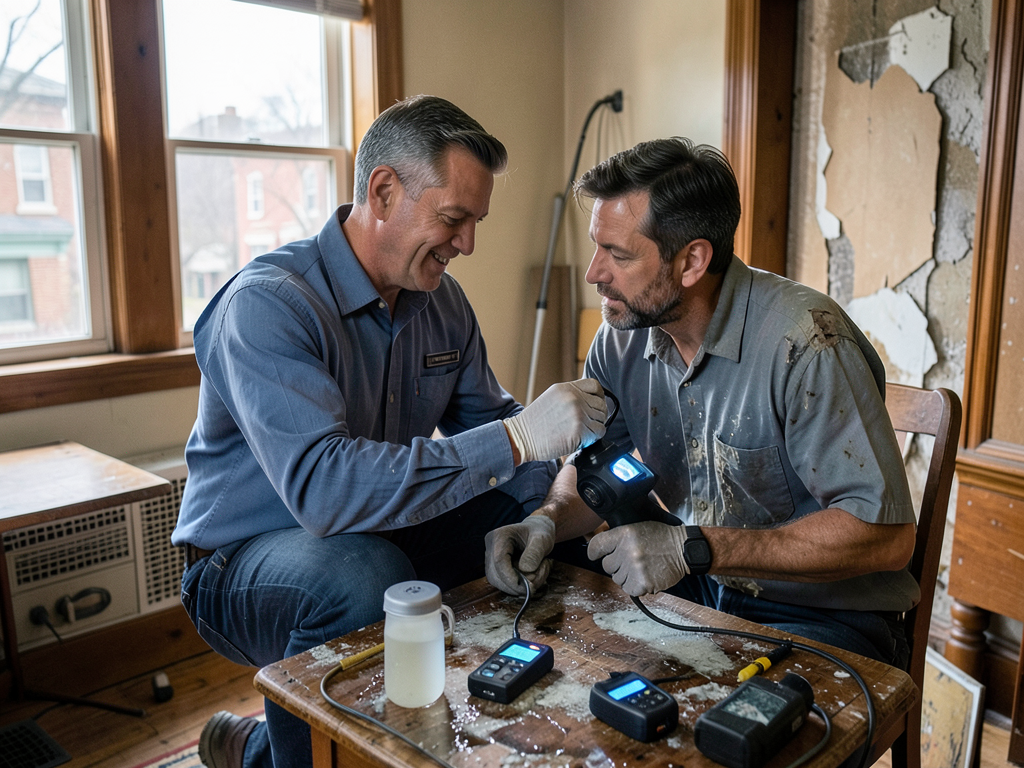
The claims process itself can be challenging. Insurance companies often send their own adjusters to assess damage, and their classifications may differ from yours. Having a professional restoration company document damage using industry-standard moisture meters and thermal imaging can support your claim and ensure proper classification.
Understanding your policy’s actual cash value versus replacement cost provisions is crucial. Many older San Francisco homes have unique architectural features that may not be fully covered under standard replacement cost provisions. Historic preservation requirements can also affect restoration costs and insurance coverage.
<img decoding="async" src="
” alt=”Technician using moisture meters and thermal imaging equipment to document water damage in a San Francisco Victorian home, showing the diagnostic process for insurance claims”>
When Do You Need Separate Flood Insurance (NFIP) in SF?
Flood insurance through the National Flood Insurance Program becomes necessary when your property is located in a high-risk flood zone or when you want protection against rising water that standard homeowners insurance won’t cover. In San Francisco, this decision is complicated by the city’s varied topography and the increasing frequency of extreme weather events.
Properties in FEMA-designated high-risk zones, marked as Zone A or V on flood maps, require flood insurance if you have a federally backed mortgage. Even if you own your home outright, these zones present significant flood risks that warrant consideration of separate coverage. San Francisco’s waterfront areas, including parts of the Marina District, Mission Bay, and Hunters Point, fall into these high-risk categories.
However, flood risk isn’t limited to designated high-risk zones. San Francisco has experienced flooding in areas previously considered low-risk, particularly during atmospheric river events. Properties in Zone X, which includes much of the city’s interior, can still experience flooding from overwhelmed drainage systems, especially in low-lying areas or those near major watersheds.
The cost of flood insurance varies significantly based on your flood zone designation, elevation, and building characteristics. In high-risk zones, annual premiums can exceed $1,000, while properties in low-risk areas might pay $200-400 annually. The investment often makes sense when compared to potential flood damage costs, which can easily reach tens of thousands of dollars.
San Francisco’s combined sewer system creates unique considerations for flood insurance. During heavy storms, the system can back up, causing water to enter basements and lower levels. Whether this constitutes a flood or a sewer backup depends on the specific circumstances and your policy endorsements. Some homeowners opt for both flood insurance and sewer backup endorsements for comprehensive protection.
The age of your building also affects flood insurance considerations. Older structures may not meet current flood-resistant construction standards, potentially increasing premiums or limiting coverage options. San Francisco’s building department maintains records of flood-resistant improvements, which can help lower insurance costs.
Climate change projections suggest increasing flood risks for coastal cities like San Francisco. Sea level rise and more frequent extreme weather events may expand high-risk flood zones in coming years. Purchasing flood insurance now, before risks increase, can provide long-term protection and potentially lower rates through grandfathered provisions.
Commercial properties face additional considerations. Business continuity, inventory protection, and liability concerns often make flood insurance a necessary investment even outside high-risk zones. San Francisco’s economic diversity, from tech startups to restaurants and retail, means flood damage can have cascading effects beyond the immediate property.
The claims process for flood insurance differs from standard homeowners claims. NFIP policies have specific documentation requirements and coverage limits that may not align with your property’s replacement value. Understanding these limitations before disaster strikes helps you make informed decisions about additional coverage or risk mitigation measures.
Real-World SF Scenarios: Atmospheric Rivers and Sewer Backups
Atmospheric rivers, the powerful storm systems that frequently impact California’s coast, create some of the most complex insurance scenarios in San Francisco. These systems can dump several inches of rain in hours, overwhelming drainage infrastructure and creating situations where the distinction between flood damage and water damage becomes critical for insurance claims.
Consider a typical scenario in the Mission District during an atmospheric river event. Heavy rainfall overwhelms the combined sewer system, causing water to back up through floor drains in a basement apartment. The water contains sewage and debris, creating both a health hazard and significant property damage. Whether this damage is covered depends on the specific endorsements in your policy and how the water entered your property.
In another scenario, a Victorian home in Noe Valley experiences a pipe burst during a cold snap, causing extensive water damage to walls and flooring. This represents classic covered water damage under standard homeowners insurance. However, if the same home’s basement floods during an atmospheric river because the foundation lacks proper waterproofing, that damage might be classified as flood damage requiring separate coverage.. Read more about Why Every Visitacion Valley Homeowner Needs to Check Their Sump Pump Before Winter.
Commercial properties face their own unique scenarios. A restaurant in SoMa might experience water damage from a malfunctioning dishwasher, clearly covered under standard insurance. But if that same restaurant’s basement storage area floods during a major storm because nearby construction altered drainage patterns, determining coverage becomes more complex.
San Francisco’s tech corridor presents additional scenarios. A startup in a South Park office building might experience water damage from a rooftop HVAC unit leak, covered under standard insurance. But if that same building’s lower levels flood during a storm because the drainage system can’t handle runoff from new nearby developments, the damage might require flood insurance coverage.
The timing of damage discovery also affects coverage. Water that slowly seeps into a foundation over weeks might be considered a maintenance issue, while sudden foundation failure during a storm might be covered. This distinction becomes particularly relevant in San Francisco’s older buildings, where gradual deterioration can make sudden failures more likely during extreme weather.
Documenting these scenarios properly is crucial for successful claims. Photos showing water levels, entry points, and the progression of damage help establish the cause and classification of damage. This documentation becomes especially important when multiple properties are affected by the same weather event, as insurance companies may scrutinize claims more carefully.
The cleanup requirements also differ based on damage classification. Category 3 water from flooding requires specific safety protocols, including protective equipment and specialized cleaning agents. Understanding these requirements helps you choose qualified restoration professionals and ensures proper documentation for insurance purposes.
Cost of Remediation: Why Documentation Matters for Your Claim
The cost of water damage remediation in San Francisco varies dramatically based on the extent of damage, the type of water involved, and the classification of the loss. Clean water from a burst pipe might cost $3-5 per square foot to dry and restore, while contaminated flood water can cost $7-10 per square foot due to specialized safety requirements and disposal procedures.
San Francisco’s high property values and construction costs compound these remediation expenses. Victorian homes with intricate woodwork and historic features require specialized restoration techniques that can triple standard repair costs. Similarly, modern high-rise condos may need industrial-grade drying equipment and containment procedures that increase remediation expenses.
The speed of response significantly impacts remediation costs. Water damage follows a predictable progression: within 24-48 hours, mold can begin growing; within 72 hours, structural materials may become compromised. San Francisco’s humid coastal climate accelerates this process, making rapid response crucial for both health and financial reasons.
Proper documentation serves multiple purposes in the claims process. Detailed moisture mapping using industry-standard meters establishes the extent of damage and guides the remediation plan. This documentation also provides the evidence insurance adjusters need to approve claims and determine appropriate coverage amounts.
Category 3 water damage, which includes flood water and sewage, requires specific remediation protocols that affect costs. These protocols include containment barriers, negative air pressure systems, and disposal of contaminated materials. In San Francisco’s dense urban environment, these requirements can significantly increase remediation expenses.
The presence of asbestos or lead in older San Francisco buildings adds another cost layer. Many properties built before 1980 contain these materials, requiring specialized testing and abatement procedures during water damage remediation. These procedures can add thousands of dollars to restoration costs but are necessary for safety and code compliance.
Insurance companies often have specific requirements for documentation and contractor qualifications. Using certified restoration professionals who follow IICRC S500 standards ensures your remediation plan meets insurance requirements and maximizes your chances of claim approval. This certification becomes particularly important for complex San Francisco properties with unique construction features. IICRC Water Damage Restoration Standards.
The distinction between repair and replacement also affects costs and coverage. Insurance policies may have different provisions for repairing existing materials versus replacing them with new materials that meet current building codes. In San Francisco’s historic districts, this distinction can affect both costs and the approval process for restoration work.
Business interruption costs add another dimension for commercial properties. Water damage that forces a restaurant or retail store to close can result in significant lost income, often exceeding the direct repair costs. Business interruption coverage, when available, requires specific documentation of revenue losses and restoration timelines.
Understanding these cost factors helps you make informed decisions about coverage and risk mitigation. While flood insurance through NFIP has standardized rates, the actual costs of damage and remediation can vary widely based on your specific circumstances. This understanding becomes crucial when evaluating whether additional coverage or risk mitigation measures make financial sense.
Immediate Steps to Take After Finding Water Damage in your SF Home
When you discover water damage in your San Francisco home, taking the right steps immediately can prevent further damage and strengthen your insurance claim. The first priority is safety: if you’re dealing with contaminated water or electrical hazards, evacuate the affected area and call professionals immediately. San Francisco’s older homes often have outdated electrical systems that can create dangerous situations when exposed to water.
Document the damage thoroughly before beginning any cleanup. Take photos and videos showing the extent of water, affected areas, and any visible damage to walls, flooring, and personal belongings. This documentation becomes crucial for insurance claims, especially when determining whether damage falls under water damage or flood insurance coverage.
Stop the water source if possible and safe to do so. This might mean shutting off the main water valve for burst pipes or containing a roof leak with tarps. However, avoid using electrical equipment in wet areas and be cautious of weakened structures that could collapse. San Francisco’s older buildings may have hidden structural issues that water exposure can worsen.
Remove standing water using appropriate equipment. For small amounts, mops and buckets might suffice, but for larger volumes, professional-grade pumps may be necessary. The type of water matters: clean water from a supply line is less hazardous than contaminated water from flooding or sewage backups, which requires specialized handling and protective equipment.
Begin the drying process immediately to prevent mold growth. San Francisco’s coastal humidity means moisture can linger in building materials, creating ideal conditions for mold within 24-48 hours. Use fans, dehumidifiers, and open windows when weather permits. However, avoid using your HVAC system if it might spread contaminants throughout your home.
Contact your insurance company as soon as possible to report the damage. Provide them with your documentation and be prepared to answer questions about the cause and extent of damage. Understanding whether your damage falls under water damage or flood insurance coverage helps you communicate effectively with your insurer and gather appropriate documentation.
Call restoration professionals who understand San Francisco’s unique building characteristics and insurance requirements. Professionals certified by the IICRC follow industry standards for water damage restoration and can provide the documentation insurance companies require. They also understand local building codes and can ensure your restoration work meets San Francisco’s requirements.
Be cautious of contractors who promise to handle insurance claims for you or ask for large upfront payments. Reputable restoration companies work with your insurance company but don’t guarantee claim approval, as this depends on your specific policy and the circumstances of the damage. Look for companies with local experience and proper certifications.
Consider temporary housing if the damage is extensive. San Francisco’s housing market can make finding temporary accommodations challenging, but staying in a water-damaged home can be hazardous to your health, especially if mold develops. Your insurance policy may cover additional living expenses while your home is being restored.
Keep detailed records of all communications, expenses, and restoration activities. This includes saving receipts for emergency repairs, documenting conversations with insurance adjusters, and maintaining a log of restoration progress. These records become invaluable if there are disputes about coverage or restoration quality.
Understanding the timeline for restoration helps manage expectations. While some water damage can be addressed in days, extensive damage may require weeks or months to fully restore. San Francisco’s permitting requirements and historic preservation considerations can extend timelines, especially for older properties in designated historic districts.
Finally, use this experience to evaluate your insurance coverage and risk mitigation strategies. Consider whether your current coverage adequately protects your property and whether additional measures like flood insurance or plumbing upgrades make sense for your specific situation. San Francisco’s changing climate patterns may affect your risk profile over time.
Frequently Asked Questions
What’s the difference between water damage and flood damage in insurance terms?
Water damage involves water that originates inside your property or falls directly onto it from above, such as burst pipes or roof leaks. Flood damage involves rising water that enters your property from the ground level or below, including storm surges, river overflow, and drainage system failures. The key test: if the water touched the ground before entering your property, it’s likely considered flood damage.
Do I need flood insurance if I don’t live in a high-risk flood zone in San Francisco?
While flood insurance is required for properties in high-risk zones with federally backed mortgages, many San Francisco properties outside these zones can still experience flooding during extreme weather events. Atmospheric river events have caused flooding in areas previously considered low-risk. Consider your property’s elevation, proximity to waterways, and the age of local drainage infrastructure when deciding about flood insurance.
How quickly should I respond to water damage in my San Francisco home?
Immediate response is crucial. Water damage can lead to mold growth within 24-48 hours, and San Francisco’s humid coastal climate accelerates this process. Within 72 hours, structural materials may become compromised. Contact restoration professionals immediately, document the damage thoroughly, and begin the drying process as soon as it’s safe to do so.
Will my homeowners insurance cover mold damage from water leaks?
Most standard homeowners policies limit mold coverage to specific amounts, often between $5,000 and $10,000. Coverage typically applies only if the mold results from a covered peril, such as a sudden pipe burst. Gradual mold growth from maintenance issues or excluded causes may not be covered. Check your policy details and consider additional mold coverage if you’re concerned about this risk.
How do I know if my water damage requires professional restoration?
Professional restoration is recommended when you’re dealing with contaminated water (Category 2 or 3), extensive damage affecting structural materials, or when you need documentation for insurance claims. San Francisco’s older homes often contain asbestos or lead, requiring specialized handling. If you’re unsure about the extent of damage or safety concerns, professional assessment is the safest approach.
What should I look for in a water damage restoration company in San Francisco?
Look for companies certified by the IICRC (Institute of Inspection Cleaning and Restoration Certification) that understand San Francisco’s unique building characteristics and insurance requirements. They should have experience with local building codes, historic preservation requirements, and the specific challenges of San Francisco’s climate and infrastructure. Check reviews, ask about their response times, and verify their insurance and licensing.
How long does water damage restoration typically take in San Francisco?
Restoration timelines vary based on damage extent, but clean water damage in accessible areas might take 3-5 days to dry and restore. Contaminated water or extensive structural damage can take weeks. San Francisco’s permitting requirements and historic preservation considerations can extend timelines, especially for older properties in designated historic districts.
Can I stay in my home during water damage restoration?
This depends on the extent and type of damage. For minor clean water damage in isolated areas, you might be able to stay. However, for extensive damage, contaminated water situations, or when mold remediation is needed, temporary relocation is often safer and may be required. Your insurance policy may cover additional living expenses during restoration.
Understanding the difference between water damage and flood insurance in San Francisco is crucial for protecting your property and ensuring you can recover quickly when disaster strikes. Whether you’re dealing with a current emergency or planning for future risks, knowing your coverage options and response procedures can save you thousands of dollars and weeks of frustration.
Don’t wait until water invades your home to discover gaps in your coverage. Call (415) 449-6555 today to schedule your inspection. Our certified restoration professionals understand San Francisco’s unique challenges and can help you develop a comprehensive protection strategy that covers both water damage and flood risks.
Water damage doesn’t wait for business hours, and neither do we. Our 24/7 emergency response team is ready to help you navigate the complexities of insurance claims and restoration work. Whether you’re in the Marina District, Mission District, or anywhere else in San Francisco, we’re just a phone call away from protecting your most valuable investment.
{
“@context”: “https://schema.org”,
“@type”: “BlogPosting”,
“headline”: “How to Tell the Difference Between Water Damage and Flood Insurance in San Francisco”,
“description”: “Confused about San Francisco flood insurance vs. water damage coverage? Learn the critical differences, when you need NFIP, and how to protect your property from rising water and internal leaks.”,
“wordCount”: 4290,
“datePublished”: “2026-03-07T10:28:00.000Z”,
“dateModified”: “2026-03-07T10:28:00.000Z”,
“inLanguage”: “en-US”,
“mainEntityOfPage”: {
“@type”: “WebPage”,
“@id”: “https://summitwaterdamagerestorationsanfrancisco.com”
},
“publisher”: {
“@type”: “LocalBusiness”,
“name”: “Summit Water Damage Restoration San Francisco”,
“url”: “https://summitwaterdamagerestorationsanfrancisco.com”
},
“author”: {
“@type”: “Organization”,
“name”: “Summit Water Damage Restoration San Francisco”,
“url”: “https://summitwaterdamagerestorationsanfrancisco.com”
},
“image”: {
“@type”: “ImageObject”,
“url”: “https://summitwaterdamagerestorationsanfrancisco.com/wp-content/uploads/2026/03/how-to-tell-the-difference-between-water-damage-an-1.png”
}
}
{
“@context”: “https://schema.org”,
“@type”: “LocalBusiness”,
“name”: “Summit Water Damage Restoration San Francisco”,
“url”: “https://summitwaterdamagerestorationsanfrancisco.com”,
“address”: {
“@type”: “PostalAddress”,
“addressLocality”: “San Francisco”
},
“areaServed”: {
“@type”: “City”,
“name”: “San Francisco”
}
}
{
“@context”: “https://schema.org”,
“@type”: “FAQPage”,
“mainEntity”: [
{
“@type”: “Question”,
“name”: “San Francisco Flood Insurance vs. Water Damage: What’s Covered?”,
“acceptedAnswer”: {
“@type”: “Answer”,
“text”: “Standard homeowners insurance policies in California typically cover sudden and accidental water damage from internal sources. This includes burst pipes, appliance malfunctions, and roof leaks from covered perils like windstorms. However, these policies specifically exclude damage from flooding, which is defined as surface water entering your home from external sources.”
}
},
{
“@type”: “Question”,
“name”: “When Do You Need Separate Flood Insurance (NFIP) in SF?”,
“acceptedAnswer”: {
“@type”: “Answer”,
“text”: “Flood insurance through the National Flood Insurance Program becomes necessary when your property is located in a high-risk flood zone or when you want protection against rising water that standard homeowners insurance won’t cover. In San Francisco, this decision is complicated by the city’s varied topography and the increasing frequency of extreme weather events.”
}
},
{
“@type”: “Question”,
“name”: “What’s the difference between water damage and flood damage in insurance terms?”,
“acceptedAnswer”: {
“@type”: “Answer”,
“text”: “Water damage involves water that originates inside your property or falls directly onto it from above, such as burst pipes or roof leaks. Flood damage involves rising water that enters your property from the ground level or below, including storm surges, river overflow, and drainage system failures. The key test: if the water touched the ground before entering your property, it’s likely considered flood damage.”
}
},
{
“@type”: “Question”,
“name”: “Do I need flood insurance if I don’t live in a high-risk flood zone in San Francisco?”,
“acceptedAnswer”: {
“@type”: “Answer”,
“text”: “While flood insurance is required for properties in high-risk zones with federally backed mortgages, many San Francisco properties outside these zones can still experience flooding during extreme weather events. Atmospheric river events have caused flooding in areas previously considered low-risk. Consider your property’s elevation, proximity to waterways, and the age of local drainage infrastructure when deciding about flood insurance.”
}
},
{
“@type”: “Question”,
“name”: “How quickly should I respond to water damage in my San Francisco home?”,
“acceptedAnswer”: {
“@type”: “Answer”,
“text”: “Immediate response is crucial. Water damage can lead to mold growth within 24-48 hours, and San Francisco’s humid coastal climate accelerates this process. Within 72 hours, structural materials may become compromised. Contact restoration professionals immediately, document the damage thoroughly, and begin the drying process as soon as it’s safe to do so.”
}
},
{
“@type”: “Question”,
“name”: “Will my homeowners insurance cover mold damage from water leaks?”,
“acceptedAnswer”: {
“@type”: “Answer”,
“text”: “Most standard homeowners policies limit mold coverage to specific amounts, often between $5,000 and $10,000. Coverage typically applies only if the mold results from a covered peril, such as a sudden pipe burst. Gradual mold growth from maintenance issues or excluded causes may not be covered. Check your policy details and consider additional mold coverage if you’re concerned about this risk.”
}
},
{
“@type”: “Question”,
“name”: “How do I know if my water damage requires professional restoration?”,
“acceptedAnswer”: {
“@type”: “Answer”,
“text”: “Professional restoration is recommended when you’re dealing with contaminated water (Category 2 or 3), extensive damage affecting structural materials, or when you need documentation for insurance claims. San Francisco’s older homes often contain asbestos or lead, requiring specialized handling. If you’re unsure about the extent of damage or safety concerns, professional assessment is the safest approach.”
}
},
{
“@type”: “Question”,
“name”: “What should I look for in a water damage restoration company in San Francisco?”,
“acceptedAnswer”: {
“@type”: “Answer”,
“text”: “Look for companies certified by the IICRC (Institute of Inspection Cleaning and Restoration Certification) that understand San Francisco’s unique building characteristics and insurance requirements. They should have experience with local building codes, historic preservation requirements, and the specific challenges of San Francisco’s climate and infrastructure. Check reviews, ask about their response times, and verify their insurance and licensing.”
}
},
{
“@type”: “Question”,
“name”: “How long does water damage restoration typically take in San Francisco?”,
“acceptedAnswer”: {
“@type”: “Answer”,
“text”: “Restoration timelines vary based on damage extent, but clean water damage in accessible areas might take 3-5 days to dry and restore. Contaminated water or extensive structural damage can take weeks. San Francisco’s permitting requirements and historic preservation considerations can extend timelines, especially for older properties in designated historic districts.”
}
},
{
“@type”: “Question”,
“name”: “Can I stay in my home during water damage restoration?”,
“acceptedAnswer”: {
“@type”: “Answer”,
“text”: “This depends on the extent and type of damage. For minor clean water damage in isolated areas, you might be able to stay. However, for extensive damage, contaminated water situations, or when mold remediation is needed, temporary relocation is often safer and may be required. Your insurance policy may cover additional living expenses during restoration.”
}
}
]
}
{
“@context”: “https://schema.org”,
“@type”: “BreadcrumbList”,
“itemListElement”: [
{
“@type”: “ListItem”,
“position”: 1,
“name”: “Home”,
“item”: “https://summitwaterdamagerestorationsanfrancisco.com”
},
{
“@type”: “ListItem”,
“position”: 2,
“name”: “Blog”,
“item”: “https://summitwaterdamagerestorationsanfrancisco.com/blog”
},
{
“@type”: “ListItem”,
“position”: 3,
“name”: “How to Tell the Difference Between Water Damage and Flood Insurance in San Francisco”
}
]
}
{
“@context”: “https://schema.org”,
“@type”: “Service”,
“serviceType”: “Water Damage Restoration”,
“provider”: {
“@type”: “LocalBusiness”,
“name”: “Summit Water Damage Restoration San Francisco”,
“url”: “https://summitwaterdamagerestorationsanfrancisco.com”
},
“areaServed”: {
“@type”: “City”,
“name”: “San Francisco”
},
“description”: “Confused about San Francisco flood insurance vs. water damage coverage? Learn the critical differences, when you need NFIP, and how to protect your property from rising water and internal leaks.”
}