
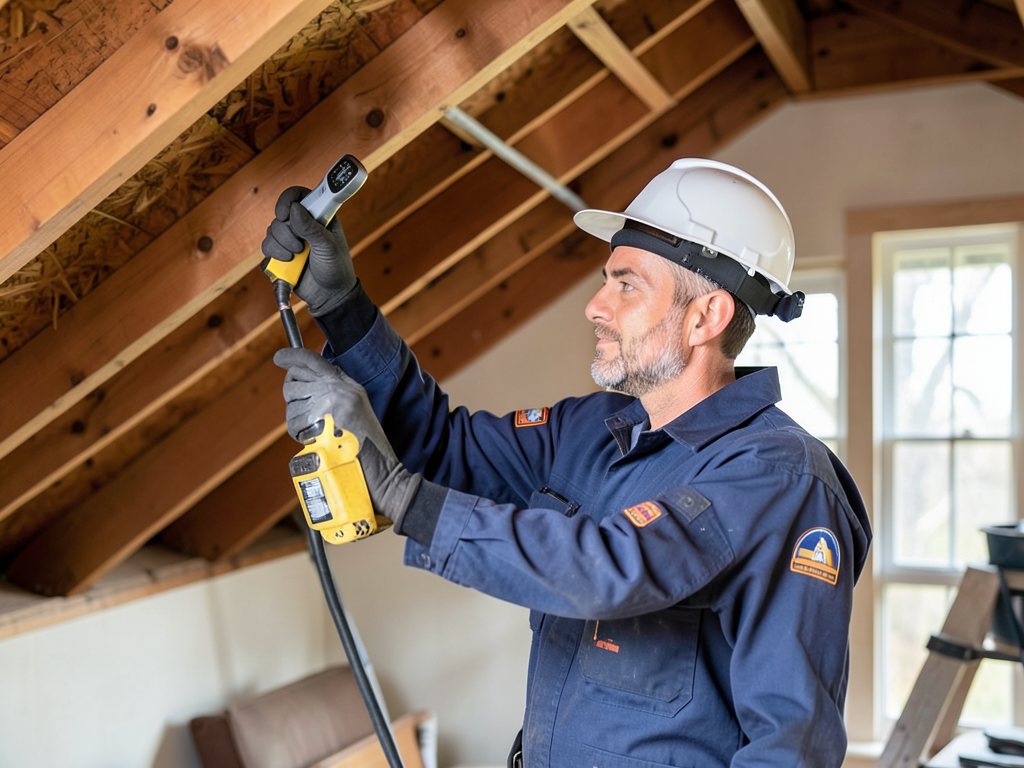
Why Miraloma Park Attics Get Moldy Even Without a Roof Leak
Your Miraloma Park attic might be hiding a moisture problem that has nothing to do with your roof. The combination of San Francisco’s persistent fog, older construction methods, and inadequate ventilation creates perfect conditions for attic mold to grow silently for years before homeowners notice a problem.. Read more about How the San Francisco Fog Causes Hidden Rot Behind Your Home Wood Siding.
Many homeowners in the Portola Drive and O’Shaughnessy Boulevard corridors are shocked to discover black mold in their attic spaces despite having a roof that appears perfectly intact. The culprit isn’t always a leak from above but rather the invisible moisture that San Francisco’s marine layer brings to your attic every night.
When warm, moist air from your living spaces rises into the cooler attic, it hits surfaces that are below the dew point temperature. This causes condensation to form on wood rafters, insulation, and drywall. Over time, this moisture creates an ideal breeding ground for mold species like Aspergillus and Cladosporium that thrive in San Francisco’s moderate temperatures.
The problem is particularly acute in Miraloma Park because many homes were built between the 1930s and 1950s with minimal attic ventilation. These homes often lack proper soffit vents and ridge ventilation systems that modern building codes require under California Title 24 energy standards.
If you’re noticing a musty smell in upper bedrooms or seeing dark spots on attic rafters during seasonal inspections, you’re likely dealing with condensation mold rather than a roof failure. The good news is that this type of mold problem is preventable and treatable with the right remediation approach.
How San Francisco’s Fog Creates Attic Moisture Problems
San Francisco’s unique microclimate plays a major role in attic moisture issues throughout Miraloma Park. The area experiences an average relative humidity of 75-85% during summer mornings when the marine layer is thickest. This persistent moisture in the air finds its way into your attic through small gaps around light fixtures, plumbing stacks, and attic hatches.. Read more about Managing the High Humidity Levels in Your Yerba Buena Loft During the Foggy Winter Months.
During the day, your attic might warm up to 85-90 degrees Fahrenheit while the outside temperature remains in the 60s. At night, as temperatures drop, any moisture trapped in the attic condenses on cooler surfaces. This daily temperature swing of 20-30 degrees creates a perfect cycle for moisture accumulation.
The problem compounds in homes with inadequate vapor barriers. Many Miraloma Park houses were built before vapor barrier requirements existed in California building codes. Without this protective layer, moisture from your living space migrates upward into the attic where it becomes trapped.
Older insulation materials like fiberglass batts can also contribute to the problem. When these materials become damp, they lose their insulating properties and create cold spots where condensation forms more readily. This creates a vicious cycle where moisture problems worsen over time.
Understanding this moisture dynamic is crucial because it means that even a brand-new roof won’t solve your attic mold problem if the underlying ventilation and moisture control issues aren’t addressed.
Diagnosing Attic Mold vs. Roof Leaks in Miraloma Park Homes
Before calling for mold remediation, it’s important to determine whether you’re dealing with condensation mold or an actual roof leak. The diagnostic process involves several key observations that can save you time and money.
Condensation mold typically appears as uniform dark spots on multiple rafters or sheathing panels, often concentrated near the peak of the attic where warm air accumulates. Roof leak mold, on the other hand, shows up as isolated dark patches directly below damaged roofing materials or around penetrations like chimneys and vents. Water Damage Restoration Oakland.
Here’s how to differentiate between the two problems:
| Characteristic | Condensation Mold | Roof Leak Mold |
|---|---|---|
| Pattern | Widespread, uniform spots | Isolated patches near damage |
| Seasonality | Worse during fog season (May-October) | Appears after rain events |
| Location | Upper attic areas, near peak | Directly below roof damage |
| Moisture source | Airborne humidity and condensation | Water intrusion from above |
| Wood condition | Dark staining, surface mold | Soft, rotting wood possible |
Another diagnostic clue is the smell. Condensation mold often produces a consistent musty odor that intensifies during humid weather. Roof leak mold might have a more pronounced wet or earthy smell, especially after rainfall.
The screwdriver test is a simple diagnostic tool we use on every inspection. By gently pressing a screwdriver into suspected mold areas, we can determine if the wood is merely stained or actually compromised. Sound wood will resist penetration, while rotted wood from prolonged moisture exposure will feel spongy.
Temperature differentials also provide clues. Using an infrared camera, we can identify cold spots where condensation is likely forming. These cold zones often correlate with areas of heaviest mold growth in condensation-related cases.
Our San Francisco-Specific Mold Remediation Process
When we remediate attic mold in Miraloma Park homes, we follow the IICRC S520 standards for mold remediation, which are specifically designed for the unique challenges of San Francisco’s climate and building types. Our process addresses both the visible mold and the underlying moisture issues that caused it. IICRC S520 Mold Remediation Standard.
The first step is containment. We seal off the affected attic area with 6-mil polyethylene sheeting and create negative air pressure using HEPA-filtered air scrubbers. This prevents mold spores from spreading to other parts of your home during the remediation process. EPA Mold Resources.
Next, we remove contaminated materials. In many Miraloma Park homes, this means removing sections of affected drywall, insulation, and sometimes portions of sheathing that have been compromised. We bag all materials in sealed containers before removing them from your home.
The cleaning phase involves HEPA vacuuming all surfaces to remove loose spores, followed by antimicrobial treatment of remaining wood surfaces. We use EPA-registered fungicides that are specifically formulated for use in occupied homes and are safe for the San Francisco Bay Area’s environmental regulations.
After cleaning, we apply a mold-resistant sealant to wood surfaces to prevent future growth. This step is crucial in San Francisco’s climate where moisture control is an ongoing challenge.
The final phase addresses the root cause. We install proper ventilation systems including soffit vents, ridge vents, or powered attic fans depending on your home’s configuration. We also ensure proper vapor barrier installation and may recommend insulation upgrades to meet current California Title 24 requirements.
Throughout the process, we maintain detailed documentation for insurance purposes and provide you with a clearance certificate once remediation is complete. This documentation is essential for California’s strict mold disclosure requirements if you ever sell your home.
Preventing Future Mold Growth in Your Miraloma Park Attic
Prevention is always more cost-effective than remediation. For Miraloma Park homeowners, preventing attic mold requires a multi-faceted approach that addresses the unique challenges of San Francisco’s climate and your home’s specific construction.
Proper ventilation is the cornerstone of prevention. California building codes now require a minimum of 1 square foot of net free ventilation area for every 150 square feet of attic space. Many older Miraloma Park homes fall far short of this standard. Installing continuous soffit vents along with ridge vents creates passive airflow that removes moist air before it can condense.
Insulation upgrades also play a crucial role. Modern insulation materials like closed-cell spray foam not only provide better thermal resistance but also act as vapor barriers. The recommended R-value for attics in the San Francisco Bay Area is R-38, which is significantly higher than what many older homes have.
Attic bypasses are another critical consideration. Small gaps around light fixtures, plumbing vents, and attic hatches allow warm, moist air to rise into your attic. Sealing these gaps with fire-rated caulk or expanding foam can dramatically reduce moisture migration.
Regular inspections are essential in San Francisco’s climate. We recommend checking your attic every six months, particularly during the transition between wet and dry seasons. Look for signs of moisture, check that vents are clear of debris, and ensure insulation hasn’t shifted or become compressed.
Consider installing a hygrometer in your attic to monitor relative humidity levels. Ideally, attic humidity should stay between 40-50%. Levels consistently above 60% indicate a ventilation problem that needs addressing.
For homes with HVAC equipment in the attic, proper duct sealing is crucial. Leaky ducts can pull humid air from your living spaces into the attic, exacerbating moisture problems. Professional duct sealing can improve both your energy efficiency and moisture control. Professional sewage cleanup and sanitization for Mission District basements.
Finally, be aware of lifestyle factors that contribute to indoor humidity. Activities like showering, cooking, and even breathing add moisture to your home. Using exhaust fans consistently and considering whole-house ventilation systems can help manage indoor humidity levels.
Health Risks of Attic Mold in San Francisco Homes
The mold species commonly found in Miraloma Park attics pose varying levels of health risk, particularly for sensitive individuals. Understanding these risks helps homeowners make informed decisions about remediation timing and scope.
Aspergillus species are among the most common molds in San Francisco attics. While many people can tolerate low levels of exposure, Aspergillus can cause allergic reactions, respiratory irritation, and in rare cases, more serious infections in immunocompromised individuals.
Cladosporium is another frequent attic mold that thrives in cool, damp conditions. It’s known for causing respiratory symptoms including coughing, sneezing, and in some cases, asthma attacks. The spores are particularly problematic for people with existing respiratory conditions.
Stachybotrys chartarum, often called “black mold,” can grow in attics with chronic moisture problems. While sensationalized in media, it does produce mycotoxins that can cause more severe symptoms including headaches, memory problems, and immune system suppression in sensitive individuals.
The health impact isn’t limited to direct exposure in the attic. Mold spores can travel through your home’s ventilation system, affecting air quality throughout your living spaces. This is particularly concerning in older Miraloma Park homes where duct systems may not have proper filtration.
Children, elderly individuals, and people with asthma or allergies are most vulnerable to mold-related health effects. Even low levels of mold exposure can trigger symptoms in these sensitive populations.
The California Department of Public Health recommends remediation for any visible mold growth, regardless of species. The agency emphasizes that all mold growth indicates excess moisture that should be addressed, both for health reasons and to prevent structural damage.
If you’re experiencing unexplained respiratory symptoms that improve when you leave your home, mold exposure could be a contributing factor. Professional air quality testing can help identify whether mold spores are present at concerning levels.
Local Building Codes and Permit Requirements
Attic mold remediation in Miraloma Park must comply with San Francisco Building Code requirements and California state regulations. Understanding these requirements helps homeowners navigate the remediation process and avoid potential complications.
Structural repairs related to mold remediation often require permits from the San Francisco Department of Building Inspection. This includes removal and replacement of damaged roof sheathing, floor joists, or other load-bearing components. Permit fees vary based on project scope but typically range from $500 to $2,000 for attic work.
California Title 24 energy standards affect remediation work by requiring insulation upgrades to current code levels when more than 50% of the attic floor area is disturbed. This means that comprehensive mold remediation often triggers insulation improvements that provide long-term energy savings.
The San Francisco Mold Disclosure Ordinance requires landlords to disclose known mold problems to tenants. For homeowners planning to sell, California law requires disclosure of material defects, including mold issues, on the Transfer Disclosure Statement.
Work involving lead-based paint, common in homes built before 1978, requires additional precautions under EPA regulations. This includes using lead-safe work practices and proper containment to prevent lead dust contamination during remediation.
Air quality testing may be required as part of the remediation process, particularly for commercial properties or if occupants have documented health sensitivities. Testing must be conducted by certified industrial hygienists following ASTM standards.
Insurance considerations also come into play. Many homeowners policies exclude mold damage unless it results from a covered peril like a burst pipe. Understanding your coverage limits and documentation requirements is crucial before beginning remediation work.
Working with a remediation company familiar with local codes ensures your project proceeds smoothly and passes all required inspections. This expertise can prevent costly delays and ensure your home is safe and compliant when work is complete.
Cost Factors for Attic Mold Remediation in Miraloma Park
The cost of attic mold remediation varies significantly based on several factors specific to Miraloma Park homes and San Francisco’s unique conditions. Understanding these variables helps homeowners budget appropriately and avoid surprises.
Project size is the primary cost driver. Small attic areas of 500 square feet might cost $2,000-$3,000 to remediate, while larger attics exceeding 1,500 square feet can range from $5,000-$10,000 or more. The per-square-foot cost typically decreases as project size increases.
Contamination severity affects both scope and cost. Surface mold on rafters might require only cleaning and treatment, while mold that has penetrated drywall or insulation necessitates complete material removal and replacement, significantly increasing costs.
Accessibility challenges in Miraloma Park’s older homes can add to costs. Low clearance attics, tight access points, or complex roof configurations require additional labor and specialized equipment, potentially adding 20-30% to base remediation costs.
Permit requirements and inspections add administrative costs but are mandatory for structural repairs. These costs typically range from $500-$2,000 but ensure work meets all safety and building code requirements.
Post-remediation testing provides documentation of successful remediation but adds $300-$800 to project costs. This testing is often required by insurance companies or for real estate transactions.
Insurance coverage varies widely. Some policies cover mold resulting from covered water damage but exclude mold from condensation or humidity. Understanding your specific coverage before beginning work can prevent unexpected out-of-pocket expenses. Who to call for emergency water damage repair in San Francisco right now.
Preventative improvements like upgraded ventilation systems or insulation typically cost $1,000-$4,000 but prevent future mold problems. These improvements often pay for themselves through energy savings and avoided remediation costs.
Financing options may be available through remediation companies or third-party lenders. Some homeowners use home equity lines of credit or specialized renovation loans to fund comprehensive remediation projects.
Frequently Asked Questions
How can I tell if my attic mold is from condensation or a roof leak?
Condensation mold appears as uniform dark spots across multiple rafters and worsens during San Francisco’s fog season. Roof leak mold shows up as isolated patches directly below damaged roofing materials and appears after rain events. A professional inspection can definitively diagnose the cause using moisture meters and thermal imaging.
Is attic mold dangerous to my family’s health?
Common attic molds like Aspergillus and Cladosporium can cause respiratory irritation, allergic reactions, and worsen asthma symptoms. Stachybotrys chartarum produces mycotoxins that may cause more severe effects in sensitive individuals. The California Department of Public Health recommends remediation for all visible mold growth regardless of species.
How long does attic mold remediation take?
Most attic mold remediation projects in Miraloma Park take 2-5 days depending on the scope. Small surface cleaning might be completed in one day, while comprehensive remediation involving material removal and structural repairs typically requires 3-5 days plus additional time for drying and clearance testing.
Will my homeowner’s insurance cover attic mold remediation?
Coverage depends on the cause of the mold. Most policies cover mold resulting from covered water damage like burst pipes but exclude mold from condensation or humidity. Review your policy carefully and document the cause of your mold problem before filing a claim. Fast water restoration services for SoMa businesses and tech offices.
What ventilation improvements are recommended for Miraloma Park attics?
Modern building codes require 1 square foot of net free ventilation area per 150 square feet of attic space. Most Miraloma Park homes need additional soffit vents and ridge vents to meet this standard. Powered attic fans may be recommended for particularly problematic attics or those with complex roof designs.
How can I prevent attic mold from returning after remediation?
Prevent recurrence by ensuring proper ventilation meets current code requirements, installing adequate insulation to R-38 levels, sealing attic bypasses, and monitoring humidity levels. Regular inspections every six months help catch moisture problems early before mold can establish itself again.
Do I need permits for attic mold remediation in San Francisco?
Permits are required for structural repairs like removing damaged roof sheathing or floor joists. Simple cleaning and treatment of existing surfaces typically doesn’t require permits. Your remediation contractor should handle permit requirements and ensure all work meets San Francisco Building Code standards. How to handle basement flooding in San Francisco after a heavy rainstorm.
How much does attic mold remediation cost in Miraloma Park?
Costs range from $2,000-$3,000 for small areas to $5,000-$10,000 or more for comprehensive remediation of larger attics. Factors affecting cost include project size, contamination severity, accessibility challenges, permit requirements, and whether preventative improvements are included.
Can I remediate attic mold myself?
DIY remediation is not recommended for areas larger than 10 square feet or when mold is present on structural materials. Professional remediation ensures proper containment, complete removal, and addresses underlying moisture issues. Improper DIY attempts can spread spores throughout your home and create health hazards.
How soon should I address attic mold?
Address attic mold as soon as it’s discovered. Mold continues to grow and spread as long as moisture is present, potentially causing structural damage and health issues. Early intervention typically results in less extensive and less expensive remediation.
Take Action Before Your Mold Problem Worsens
Attic mold in Miraloma Park homes isn’t just an aesthetic issue—it’s a sign of underlying moisture problems that will only get worse over time. The combination of San Francisco’s persistent fog and many homes’ inadequate ventilation creates conditions where mold can thrive undetected for years.
If you’re noticing musty odors in upper rooms, seeing dark spots in your attic, or experiencing unexplained respiratory symptoms, don’t wait for the problem to escalate. Professional assessment can determine whether you’re dealing with condensation mold or a roof leak, and our San Francisco-specific remediation process addresses both the visible mold and the conditions that caused it.
Our team understands the unique challenges of Miraloma Park’s older homes and San Francisco’s climate. We follow IICRC S520 standards, comply with all local building codes, and provide documentation that satisfies insurance companies and meets California’s strict disclosure requirements.
Don’t let attic mold compromise your home’s structural integrity or your family’s health. Call (415) 449-6555 today to schedule your professional attic inspection. We’ll identify the source of your moisture problem, provide a clear remediation plan, and help you implement preventative measures to keep your attic mold-free for years to come.
Pick up the phone and call (415) 449-6555 before the next foggy season hits. Early intervention saves you money and protects your home’s value. Our team is ready to help you breathe easier and protect your investment.
{
“@context”: “https://schema.org”,
“@type”: “BlogPosting”,
“headline”: “Why Miraloma Park Attics Get Moldy Even Without a Roof Leak”,
“description”: “Discover why Miraloma Park attics develop mold without leaks. Learn about San Francisco’s fog, condensation, and our proven mold remediation process. Call (415) 449-6555.”,
“wordCount”: 3118,
“datePublished”: “2026-03-23T12:53:00.000Z”,
“dateModified”: “2026-03-23T12:53:00.000Z”,
“inLanguage”: “en-US”,
“mainEntityOfPage”: {
“@type”: “WebPage”,
“@id”: “https://summitwaterdamagerestorationsanfrancisco.com”
},
“publisher”: {
“@type”: “LocalBusiness”,
“name”: “Summit Water Damage Restoration San Francisco”,
“url”: “https://summitwaterdamagerestorationsanfrancisco.com”
},
“author”: {
“@type”: “Organization”,
“name”: “Summit Water Damage Restoration San Francisco”,
“url”: “https://summitwaterdamagerestorationsanfrancisco.com”
},
“image”: {
“@type”: “ImageObject”,
“url”: “https://summitwaterdamagerestorationsanfrancisco.com/wp-content/uploads/2026/03/why-miraloma-park-attics-get-moldy-even-without-a-1.png”
}
}
{
“@context”: “https://schema.org”,
“@type”: “LocalBusiness”,
“name”: “Summit Water Damage Restoration San Francisco”,
“url”: “https://summitwaterdamagerestorationsanfrancisco.com”,
“address”: {
“@type”: “PostalAddress”,
“addressLocality”: “San Francisco”
},
“areaServed”: {
“@type”: “City”,
“name”: “San Francisco”
}
}
{
“@context”: “https://schema.org”,
“@type”: “FAQPage”,
“mainEntity”: [
{
“@type”: “Question”,
“name”: “How can I tell if my attic mold is from condensation or a roof leak?”,
“acceptedAnswer”: {
“@type”: “Answer”,
“text”: “Condensation mold appears as uniform dark spots across multiple rafters and worsens during San Francisco’s fog season. Roof leak mold shows up as isolated patches directly below damaged roofing materials and appears after rain events. A professional inspection can definitively diagnose the cause using moisture meters and thermal imaging.”
}
},
{
“@type”: “Question”,
“name”: “Is attic mold dangerous to my family’s health?”,
“acceptedAnswer”: {
“@type”: “Answer”,
“text”: “Common attic molds like Aspergillus and Cladosporium can cause respiratory irritation, allergic reactions, and worsen asthma symptoms. Stachybotrys chartarum produces mycotoxins that may cause more severe effects in sensitive individuals. The California Department of Public Health recommends remediation for all visible mold growth regardless of species.”
}
},
{
“@type”: “Question”,
“name”: “How long does attic mold remediation take?”,
“acceptedAnswer”: {
“@type”: “Answer”,
“text”: “Most attic mold remediation projects in Miraloma Park take 2-5 days depending on the scope. Small surface cleaning might be completed in one day, while comprehensive remediation involving material removal and structural repairs typically requires 3-5 days plus additional time for drying and clearance testing.”
}
},
{
“@type”: “Question”,
“name”: “Will my homeowner’s insurance cover attic mold remediation?”,
“acceptedAnswer”: {
“@type”: “Answer”,
“text”: “Coverage depends on the cause of the mold. Most policies cover mold resulting from covered water damage like burst pipes but exclude mold from condensation or humidity. Review your policy carefully and document the cause of your mold problem before filing a claim. Fast water restoration services for SoMa businesses and tech offices.”
}
},
{
“@type”: “Question”,
“name”: “What ventilation improvements are recommended for Miraloma Park attics?”,
“acceptedAnswer”: {
“@type”: “Answer”,
“text”: “Modern building codes require 1 square foot of net free ventilation area per 150 square feet of attic space. Most Miraloma Park homes need additional soffit vents and ridge vents to meet this standard. Powered attic fans may be recommended for particularly problematic attics or those with complex roof designs.”
}
},
{
“@type”: “Question”,
“name”: “How can I prevent attic mold from returning after remediation?”,
“acceptedAnswer”: {
“@type”: “Answer”,
“text”: “Prevent recurrence by ensuring proper ventilation meets current code requirements, installing adequate insulation to R-38 levels, sealing attic bypasses, and monitoring humidity levels. Regular inspections every six months help catch moisture problems early before mold can establish itself again.”
}
},
{
“@type”: “Question”,
“name”: “Do I need permits for attic mold remediation in San Francisco?”,
“acceptedAnswer”: {
“@type”: “Answer”,
“text”: “Permits are required for structural repairs like removing damaged roof sheathing or floor joists. Simple cleaning and treatment of existing surfaces typically doesn’t require permits. Your remediation contractor should handle permit requirements and ensure all work meets San Francisco Building Code standards. How to handle basement flooding in San Francisco after a heavy rainstorm.”
}
},
{
“@type”: “Question”,
“name”: “How much does attic mold remediation cost in Miraloma Park?”,
“acceptedAnswer”: {
“@type”: “Answer”,
“text”: “Costs range from $2,000-$3,000 for small areas to $5,000-$10,000 or more for comprehensive remediation of larger attics. Factors affecting cost include project size, contamination severity, accessibility challenges, permit requirements, and whether preventative improvements are included.”
}
},
{
“@type”: “Question”,
“name”: “Can I remediate attic mold myself?”,
“acceptedAnswer”: {
“@type”: “Answer”,
“text”: “DIY remediation is not recommended for areas larger than 10 square feet or when mold is present on structural materials. Professional remediation ensures proper containment, complete removal, and addresses underlying moisture issues. Improper DIY attempts can spread spores throughout your home and create health hazards.”
}
},
{
“@type”: “Question”,
“name”: “How soon should I address attic mold?”,
“acceptedAnswer”: {
“@type”: “Answer”,
“text”: “Address attic mold as soon as it’s discovered. Mold continues to grow and spread as long as moisture is present, potentially causing structural damage and health issues. Early intervention typically results in less extensive and less expensive remediation.”
}
}
]
}
{
“@context”: “https://schema.org”,
“@type”: “BreadcrumbList”,
“itemListElement”: [
{
“@type”: “ListItem”,
“position”: 1,
“name”: “Home”,
“item”: “https://summitwaterdamagerestorationsanfrancisco.com”
},
{
“@type”: “ListItem”,
“position”: 2,
“name”: “Blog”,
“item”: “https://summitwaterdamagerestorationsanfrancisco.com/blog”
},
{
“@type”: “ListItem”,
“position”: 3,
“name”: “Why Miraloma Park Attics Get Moldy Even Without a Roof Leak”
}
]
}
{
“@context”: “https://schema.org”,
“@type”: “Service”,
“serviceType”: “Water Damage Restoration”,
“provider”: {
“@type”: “LocalBusiness”,
“name”: “Summit Water Damage Restoration San Francisco”,
“url”: “https://summitwaterdamagerestorationsanfrancisco.com”
},
“areaServed”: {
“@type”: “City”,
“name”: “San Francisco”
},
“description”: “Discover why Miraloma Park attics develop mold without leaks. Learn about San Francisco’s fog, condensation, and our proven mold remediation process. Call (415) 449-6555.”
}