
Common Places Water Hides Inside San Francisco Edwardian Homes After a Storm
Water always finds the path of least resistance. In San Francisco’s Edwardian homes built between 1901 and 1918 that path often leads to hidden pockets within century-old walls and foundations. These historic structures feature lath-and-plaster walls, balloon framing, and old-growth redwood that absorb moisture differently than modern materials. When storms hit the Peninsula the combination of wind-driven rain and coastal humidity creates perfect conditions for water to penetrate these aging building envelopes. San Francisco Edwardian Home Characteristics.
The first 24 to 48 hours after a storm are critical. Moisture trapped behind plaster or under floorboards begins breaking down structural integrity and creates ideal conditions for mold growth. Unlike modern drywall that shows immediate signs of water damage Edwardian homes often mask the problem until extensive damage has occurred. Understanding where water hides becomes essential for protecting these architectural treasures. Who to call for emergency water damage repair in San Francisco right now.
Hidden Moisture Zones in Edwardian Construction
Edwardian homes in San Francisco feature construction methods that differ significantly from modern building practices. These differences create unique vulnerabilities during and after storm events. The original builders used materials and techniques that responded to water exposure in ways we must understand to properly restore these homes. Fast water restoration services for SoMa businesses and tech offices.
Lath-and-plaster walls represent the first major hiding place. Unlike drywall that shows immediate water staining plaster absorbs moisture gradually. Water travels along the backside of plaster through capillary action often traveling several feet from the original entry point. A small roof leak near a window can result in moisture appearing on the opposite side of a room weeks later. High-end water damage restoration for historic Pacific Heights estates.
The balloon framing common in Edwardian construction creates vertical moisture channels. These wall cavities extend from foundation to roof without horizontal fire stops. Water entering at any point can travel upward through these channels by gravity and capillary action. The old-growth Douglas fir used in these frames initially resists water but once saturated begins to rot from the inside out.. Read more about How to Document Water Damage Properly for a Successful San Francisco Insurance Claim.
Subfloor spaces present another critical hiding place. Many Edwardian homes in San Francisco sit on raised foundations with crawl spaces beneath. These areas often lack proper ventilation and become collection points for storm water. The redwood mudsills that sit directly on foundation walls absorb moisture like sponges. Once these sills begin to rot the structural integrity of the entire floor system becomes compromised.. Read more about Why Lone Mountain Homes Often Experience Mystery Moisture in the Garage.
Attic spaces in these homes frequently harbor hidden moisture problems. The original wood shingle roofs under later asphalt or composite roofing can trap water between layers. This creates a perfect environment for rot to develop unseen. The lack of modern vapor barriers means moisture from the living spaces below migrates upward and condenses in attic spaces during temperature changes.. Read more about Why a Professional Moisture Survey Is Essential Before Selling Your San Francisco Property.
Common Entry Points During San Francisco Storms
San Francisco’s unique weather patterns create specific vulnerabilities for Edwardian homes. The combination of atmospheric river events and the city’s coastal location means these structures face moisture challenges unlike those in other regions.
Roof penetrations represent the most common entry points. The original clay tile or wood shingle roofs on many Edwardian homes have been replaced multiple times. Each replacement creates potential gaps around chimneys, vent pipes, and skylights. The mortar joints between clay tiles deteriorate over decades allowing wind-driven rain to penetrate beneath the surface.
Window and door openings present significant vulnerabilities. The original single-pane windows with wooden frames expand and contract with temperature changes creating gaps over time. The lack of proper flashing around these openings allows water to enter the wall cavities. Many Edwardian homes feature bay windows that extend beyond the main roofline creating additional exposure points.
Foundation issues plague many San Francisco Edwardian homes. The expansive clay soil common in the area causes foundations to shift and crack over time. These cracks widen during wet seasons allowing groundwater to enter crawl spaces. The original perimeter drains often become clogged with sediment reducing their effectiveness during heavy rains.. Read more about How Rising Groundwater Levels Are Affecting Low Lying Basements in the Marina District.
Gutter and downspout failures frequently contribute to moisture problems. The original half-round gutters on many Edwardian homes cannot handle the volume of water from modern atmospheric river events. When these systems overflow water cascades down exterior walls finding entry points around windows and through deteriorated mortar joints. How to handle basement flooding in San Francisco after a heavy rainstorm.
Moisture Detection in Historic Materials
Detecting moisture in Edwardian homes requires specialized equipment and knowledge of historic building materials. Standard moisture meters calibrated for modern drywall often give inaccurate readings in lath-and-plaster walls. The lime-based plaster and wood lath combination requires different testing approaches.
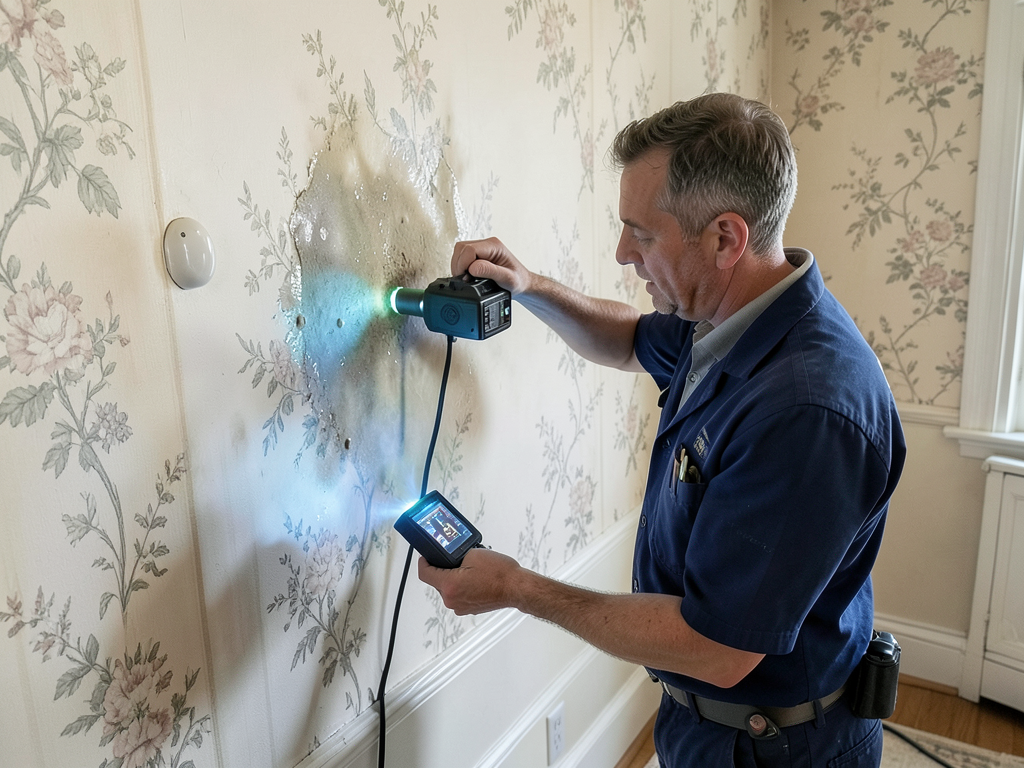
Non-invasive moisture scanning using thermal imaging cameras helps identify temperature variations that indicate moisture presence. These cameras detect the evaporative cooling effect of wet materials even when hidden behind plaster. The technology proves especially valuable for scanning large wall areas without causing damage to historic surfaces.
Pin-type moisture meters with extended probes reach deeper into wall cavities than standard models. These meters measure moisture content in wood framing members that may be saturated while the visible plaster surface appears dry. Readings above 20% moisture content in Douglas fir indicate conditions favorable for rot development.
Relative humidity monitoring in crawl spaces and wall cavities provides insight into long-term moisture conditions. These areas often maintain elevated humidity levels that slowly degrade building materials. Hygrometers placed in strategic locations help track moisture trends over time especially important during San Francisco’s wet winter months.
Airborne moisture sampling identifies mold spore levels that indicate active moisture problems. Even when visible mold is not present elevated spore counts suggest hidden moisture sources. This testing becomes crucial in Edwardian homes where water damage often occurs behind finished surfaces.
Structural Risks From Hidden Water
Water hidden within Edwardian home structures creates progressive damage that accelerates over time. The original building materials respond to moisture exposure in ways that modern materials do not making early detection critical.. Read more about The Critical First 24 Hours After Finding a Leak in Your Inner Sunset Home.
Wood rot represents the most serious structural risk. Old-growth Douglas fir used in Edwardian framing resists rot longer than modern lumber but once moisture content exceeds 28% for sustained periods decay begins. The rot often starts inside wall cavities where air circulation is limited. By the time surface signs appear significant structural damage may exist.
Foundation settlement increases when moisture weakens supporting soils. The clay soils under many San Francisco homes expand when wet and contract when dry. This cycle creates movement that cracks plaster walls and floors. Water trapped around foundations exacerbates this problem leading to uneven settling and structural misalignment.
Termite infestations thrive in moist wood conditions common in water-damaged Edwardian homes. These pests prefer wood with moisture content above 20%. Once established they can destroy structural members rapidly. The combination of water damage and termite activity creates a compounding problem that threatens building stability.
Electrical system hazards emerge when water contacts original knob-and-tube wiring still present in many pre-1920s homes. This outdated wiring lacks the insulation protection of modern systems. Water contact can cause short circuits, corrosion of connections, and fire hazards. The hidden nature of both the wiring and water damage makes this particularly dangerous.
Restoration Approaches for Historic Properties
Restoring water-damaged Edwardian homes requires balancing modern drying techniques with historic preservation requirements. The San Francisco Planning Department maintains strict guidelines for alterations to historic properties making professional expertise essential. EPA Lead-Safe Renovation Guidelines.
Controlled demolition becomes necessary when water damage affects structural elements. This process involves carefully removing damaged materials while preserving original architectural features. The goal focuses on salvaging historic woodwork, moldings, and built-in elements that define Edwardian character.
Drying techniques must account for historic material properties. Modern high-temperature drying can damage old plaster and cause wood to warp. Low-temperature desiccant dehumidification provides effective moisture removal while protecting historic surfaces. This method maintains ambient temperatures that prevent additional damage during the drying process.
Material matching presents challenges when replacement becomes unavoidable. Modern lumber lacks the density and dimensional stability of old-growth wood. Salvage yards specializing in historic building materials often provide the best matches for repairs. The goal maintains visual consistency while meeting current building code requirements.
Permit requirements through the San Francisco Department of Building Inspection add complexity to restoration projects. Work on designated historic properties requires additional reviews and approvals. Documentation proving compliance with preservation guidelines becomes essential for insurance claims and future property transactions.
Preventive Measures for Future Storms
Preventing water damage in Edwardian homes requires addressing vulnerabilities specific to their construction and San Francisco’s climate. The investment in preventive measures often proves less expensive than restoration after storm damage occurs.
Roof maintenance prevents the most common source of water intrusion. Annual inspections identify deteriorating flashing, damaged tiles, and compromised underlayment before leaks develop. The cost of preventive maintenance typically runs 5-10% of what storm damage repairs cost when problems go undetected.
Exterior drainage improvements protect foundations from groundwater intrusion. French drains installed around problem areas redirect water away from building foundations. These systems prove especially valuable in San Francisco’s hilly neighborhoods where water naturally flows toward structures during heavy rains.. Read more about How Improper Deck Drainage Can Rot the Exterior Walls of Your Twin Peaks Home.
Window and door weatherization reduces moisture entry points. Modern weatherstripping installed in historic window frames improves sealing without altering appearance. Storm windows added to interior window openings provide additional protection during severe weather while maintaining historic exterior character.
Foundation waterproofing addresses vulnerabilities in raised foundation systems. Applying moisture barriers to crawl space walls prevents groundwater vapor from entering living spaces. Proper ventilation systems in these areas reduce humidity levels that contribute to ongoing moisture problems.
Regular moisture monitoring helps detect problems early. Simple hygrometers placed in crawl spaces and attic areas provide early warning of developing moisture issues. The cost of monitoring equipment proves minimal compared to restoration expenses for advanced water damage.
Insurance Considerations for Historic Homes
Insurance coverage for Edwardian homes requires understanding the unique risks these properties face. Standard homeowner policies often exclude coverage for certain types of water damage or historic material replacement.
Replacement cost valuation becomes critical for historic properties. Many insurance companies provide actual cash value settlements that factor in depreciation. For century-old materials this approach leaves homeowners unable to restore properties to their original condition. Agreed value policies provide better protection for historic homes.
Water damage exclusions in standard policies often surprise Edwardian homeowners. Coverage typically excludes damage from groundwater, sewer backups, and gradual leaks. Additional riders become necessary to protect against these common sources of water damage in older homes.
Documentation requirements for historic properties prove more extensive than for modern homes. Detailed records of original materials, architectural features, and previous restoration work support insurance claims. Professional appraisals every few years help establish current replacement values for unique historic elements. Professional sewage cleanup and sanitization for Mission District basements.
Claims processes for historic properties often move slower than standard claims. Insurance adjusters may need to consult preservation specialists before approving certain repairs. Understanding these potential delays helps homeowners plan for temporary housing or business interruption during restoration.
Professional Assessment Protocols
Professional assessment of water damage in Edwardian homes follows specific protocols developed for historic structures. These protocols differ from standard residential assessments due to the unique materials and construction methods involved.
Initial visual inspection focuses on identifying obvious water entry points and damage patterns. Technicians examine roof conditions, exterior drainage systems, and foundation vulnerabilities. This inspection often reveals multiple water sources that contribute to the overall moisture problem.
Moisture mapping documents the extent and severity of water damage. This process uses specialized equipment to create a detailed picture of moisture distribution within walls, floors, and ceilings. The mapping guides restoration efforts by identifying areas requiring immediate attention versus those needing monitoring.
Material testing determines the composition and condition of affected building elements. This testing identifies hazardous materials like lead paint or asbestos that require special handling during restoration. Understanding material properties helps select appropriate drying and restoration techniques.
Structural assessment evaluates the impact of moisture on building integrity. This assessment examines load-bearing elements, connections, and foundation conditions. The results determine whether temporary shoring becomes necessary before restoration work begins.
Documentation through photographs, moisture readings, and written reports creates a record essential for insurance claims and future reference. This documentation proves especially valuable for historic properties where original conditions must be documented before restoration begins.
Common Mistakes in DIY Restoration
Homeowners attempting DIY restoration of water-damaged Edwardian homes often make mistakes that compound problems. Understanding these common errors helps avoid costly mistakes during emergency situations.
Using standard drywall repair techniques on lath-and-plaster walls creates additional damage. The different material properties require specialized approaches. Aggressive removal of damaged plaster often destroys sound material that could be salvaged with proper techniques.
High-temperature drying equipment damages historic materials. The original wood and plaster respond poorly to rapid moisture removal. This approach causes warping, cracking, and additional structural damage that exceeds the original water damage.
Ignoring hidden moisture sources leads to recurring problems. Surface drying without addressing moisture in wall cavities or subfloor spaces allows damage to continue developing unseen. This approach often results in mold growth and progressive structural deterioration.
Using modern materials that do not match historic elements reduces property value. The visual inconsistency between original and replacement materials becomes obvious even to casual observers. This mismatch can affect both property value and historic designation status.
Failing to address underlying causes guarantees future water damage. Repairing visible damage without fixing roof leaks, drainage problems, or foundation issues means the same problems will recur. This cycle of damage and repair becomes increasingly expensive over time.
Emergency Response Steps
Immediate response to water damage in Edwardian homes can prevent extensive restoration needs. These steps help minimize damage while ensuring safety during emergency situations.
Safety assessment comes first in any water damage emergency. Water contact with electrical systems creates shock hazards. Identifying and eliminating these hazards prevents injuries during emergency response. This assessment includes checking for structural instability that could cause collapse.
Water source control stops additional damage from occurring. This step involves identifying and eliminating the water source whether from roof leaks, plumbing failures, or groundwater intrusion. Quick source control can reduce restoration needs by 50% or more.
Initial moisture extraction removes standing water from affected areas. This step uses specialized equipment designed for historic materials. The extraction process must balance effectiveness with protection of original surfaces and finishes.
Humidity control prevents secondary damage from high moisture levels. This step involves deploying dehumidification equipment appropriate for the space and materials involved. Proper humidity control limits the spread of moisture to unaffected areas.
Protection of unaffected areas prevents additional damage during restoration. This step includes covering furniture, sealing off unaffected rooms, and establishing containment barriers. These protections help maintain living conditions during the restoration process.
Long-Term Monitoring Requirements
Water damage in Edwardian homes often creates long-term moisture problems that require ongoing monitoring. These monitoring programs help detect recurring issues before extensive damage occurs.
Seasonal moisture testing identifies problems that develop during wet weather periods. This testing focuses on areas vulnerable to groundwater intrusion and roof leaks. The results help predict when preventive maintenance becomes necessary.
Structural movement monitoring tracks foundation and framing conditions over time. This monitoring identifies gradual settling or shifting that indicates ongoing moisture problems. Early detection of structural movement allows for preventive interventions before major repairs become necessary.
Air quality testing monitors for mold growth and other moisture-related issues. This testing becomes especially important in homes with previous water damage history. The results help determine when professional remediation becomes necessary.
Material condition assessments evaluate the ongoing integrity of repaired areas. This assessment identifies deterioration that indicates incomplete restoration or recurring moisture problems. The results guide decisions about additional repairs or monitoring frequency.
Documentation of monitoring results creates a valuable record for future reference. This documentation helps identify patterns and predict future problems. The records also support insurance claims and property transactions involving historic homes.
Cost Factors in Restoration Projects
Restoration costs for water-damaged Edwardian homes vary significantly based on damage extent and restoration approach. Understanding these cost factors helps homeowners budget appropriately for necessary repairs.
Material salvageability affects restoration costs substantially. Salvaging original woodwork, plaster, and architectural details reduces replacement expenses. The cost of specialized restoration techniques often proves less expensive than complete replacement of historic elements.
Permit requirements add administrative costs to restoration projects. The San Francisco Planning Department charges fees for historic property reviews and inspections. These fees vary based on project scope but typically range from $500 to $5,000 for major restoration work.
Specialized labor requirements increase restoration costs. Craftsmen familiar with historic building materials command premium rates. The limited availability of these specialists can also affect project timelines and costs.
Material matching expenses vary based on availability and rarity. Finding matching old-growth lumber or period-specific hardware can require extensive searches through salvage yards and specialty suppliers. These unique materials often cost 200-300% more than standard alternatives.
Insurance coordination adds administrative overhead to restoration projects. Working with insurance adjusters, providing documentation, and meeting coverage requirements requires additional time and expertise. Professional restoration companies familiar with insurance processes can streamline this aspect of restoration.
Frequently Asked Questions
How long does it take for water damage to become visible in lath-and-plaster walls?
Water damage in lath-and-plaster walls often takes 48 to 72 hours to become visible on the surface. The plaster absorbs moisture gradually and may show discoloration or bubbling only after significant saturation has occurred behind the surface.
Can I dry out my Edwardian home’s water damage myself?
DIY drying of Edwardian homes risks additional damage to historic materials. The original plaster and old-growth wood require specialized drying techniques. Professional restoration companies use equipment calibrated for historic materials and understand the unique drying requirements of Edwardian construction.
What building permits are required for water damage restoration in San Francisco?
Permit requirements depend on the extent of restoration work. Structural repairs, electrical system work, and alterations to designated historic properties require permits through the San Francisco Department of Building Inspection. Professional restoration companies handle permit acquisition as part of their services.
How can I tell if my Edwardian home has hidden water damage?
Signs of hidden water damage include musty odors, elevated humidity levels, unexplained increases in utility bills, and visible mold growth in unexpected locations. Professional moisture scanning using thermal imaging cameras can detect hidden moisture without damaging historic surfaces.
Does homeowners insurance cover water damage in historic homes?
Standard policies often exclude certain types of water damage common in historic homes. Coverage for groundwater intrusion, sewer backups, and gradual leaks typically requires additional riders. Agreed value policies provide better protection for historic properties than standard actual cash value settlements.
Protecting Your Edwardian Investment
San Francisco’s Edwardian homes represent significant architectural and financial investments that require specialized care when water damage occurs. The unique construction methods and materials used in these historic structures demand restoration approaches that balance modern drying science with historic preservation requirements.
The combination of San Francisco’s climate, with its atmospheric river events and coastal humidity, creates ongoing challenges for Edwardian homeowners. Understanding where water hides and how it affects historic materials enables better prevention and faster response when problems occur. The investment in preventive maintenance and professional restoration when needed protects both the structural integrity and historic character of these valuable properties.
Professional restoration companies familiar with Edwardian construction can provide the expertise necessary to properly address water damage while preserving historic elements. Their understanding of local building codes, permit requirements, and insurance processes streamlines the restoration experience for homeowners. The result maintains both the beauty and structural integrity of San Francisco’s architectural heritage.
Water damage in Edwardian homes requires immediate attention to prevent progressive deterioration. The unique vulnerabilities of these historic structures make professional assessment and restoration essential for protecting your investment. Contact a restoration specialist familiar with San Francisco’s historic properties at the first sign of water intrusion.
Call (415) 449-6555 today to schedule your inspection. Our team specializes in Edwardian home restoration and can help protect your historic property from water damage. Don’t wait until small problems become major structural issues. We’re available 24/7 for emergency response in San Francisco and the surrounding Peninsula area. For more information, visit SFDBI Historic Preservation Guidelines.
{
“@context”: “https://schema.org”,
“@type”: “BlogPosting”,
“headline”: “Common Places Water Hides Inside San Francisco Edwardian Homes After a Storm”,
“description”: “Discover where water hides in Edwardian homes after storms. Expert guide on moisture detection, structural risks, and restoration for San Francisco’s historic properties.”,
“wordCount”: 3372,
“datePublished”: “2026-05-18T09:58:00.000Z”,
“dateModified”: “2026-05-18T09:58:00.000Z”,
“inLanguage”: “en-US”,
“mainEntityOfPage”: {
“@type”: “WebPage”,
“@id”: “https://summitwaterdamagerestorationsanfrancisco.com”
},
“publisher”: {
“@type”: “LocalBusiness”,
“name”: “Summit Water Damage Restoration San Francisco”,
“url”: “https://summitwaterdamagerestorationsanfrancisco.com”
},
“author”: {
“@type”: “Organization”,
“name”: “Summit Water Damage Restoration San Francisco”,
“url”: “https://summitwaterdamagerestorationsanfrancisco.com”
},
“image”: {
“@type”: “ImageObject”,
“url”: “https://summitwaterdamagerestorationsanfrancisco.com/wp-content/uploads/2026/03/common-places-water-hides-inside-san-francisco-edw-1.png”
}
}
{
“@context”: “https://schema.org”,
“@type”: “LocalBusiness”,
“name”: “Summit Water Damage Restoration San Francisco”,
“url”: “https://summitwaterdamagerestorationsanfrancisco.com”,
“address”: {
“@type”: “PostalAddress”,
“addressLocality”: “San Francisco”
},
“areaServed”: {
“@type”: “City”,
“name”: “San Francisco”
}
}
{
“@context”: “https://schema.org”,
“@type”: “FAQPage”,
“mainEntity”: [
{
“@type”: “Question”,
“name”: “How long does it take for water damage to become visible in lath-and-plaster walls?”,
“acceptedAnswer”: {
“@type”: “Answer”,
“text”: “Water damage in lath-and-plaster walls often takes 48 to 72 hours to become visible on the surface. The plaster absorbs moisture gradually and may show discoloration or bubbling only after significant saturation has occurred behind the surface.”
}
},
{
“@type”: “Question”,
“name”: “Can I dry out my Edwardian home’s water damage myself?”,
“acceptedAnswer”: {
“@type”: “Answer”,
“text”: “DIY drying of Edwardian homes risks additional damage to historic materials. The original plaster and old-growth wood require specialized drying techniques. Professional restoration companies use equipment calibrated for historic materials and understand the unique drying requirements of Edwardian construction.”
}
},
{
“@type”: “Question”,
“name”: “What building permits are required for water damage restoration in San Francisco?”,
“acceptedAnswer”: {
“@type”: “Answer”,
“text”: “Permit requirements depend on the extent of restoration work. Structural repairs, electrical system work, and alterations to designated historic properties require permits through the San Francisco Department of Building Inspection. Professional restoration companies handle permit acquisition as part of their services.”
}
},
{
“@type”: “Question”,
“name”: “How can I tell if my Edwardian home has hidden water damage?”,
“acceptedAnswer”: {
“@type”: “Answer”,
“text”: “Signs of hidden water damage include musty odors, elevated humidity levels, unexplained increases in utility bills, and visible mold growth in unexpected locations. Professional moisture scanning using thermal imaging cameras can detect hidden moisture without damaging historic surfaces.”
}
},
{
“@type”: “Question”,
“name”: “Does homeowners insurance cover water damage in historic homes?”,
“acceptedAnswer”: {
“@type”: “Answer”,
“text”: “Standard policies often exclude certain types of water damage common in historic homes. Coverage for groundwater intrusion, sewer backups, and gradual leaks typically requires additional riders. Agreed value policies provide better protection for historic properties than standard actual cash value settlements.”
}
}
]
}
{
“@context”: “https://schema.org”,
“@type”: “BreadcrumbList”,
“itemListElement”: [
{
“@type”: “ListItem”,
“position”: 1,
“name”: “Home”,
“item”: “https://summitwaterdamagerestorationsanfrancisco.com”
},
{
“@type”: “ListItem”,
“position”: 2,
“name”: “Blog”,
“item”: “https://summitwaterdamagerestorationsanfrancisco.com/blog”
},
{
“@type”: “ListItem”,
“position”: 3,
“name”: “Common Places Water Hides Inside San Francisco Edwardian Homes After a Storm”
}
]
}
{
“@context”: “https://schema.org”,
“@type”: “Service”,
“serviceType”: “Water Damage Restoration”,
“provider”: {
“@type”: “LocalBusiness”,
“name”: “Summit Water Damage Restoration San Francisco”,
“url”: “https://summitwaterdamagerestorationsanfrancisco.com”
},
“areaServed”: {
“@type”: “City”,
“name”: “San Francisco”
},
“description”: “Discover where water hides in Edwardian homes after storms. Expert guide on moisture detection, structural risks, and restoration for San Francisco’s historic properties.”
}