
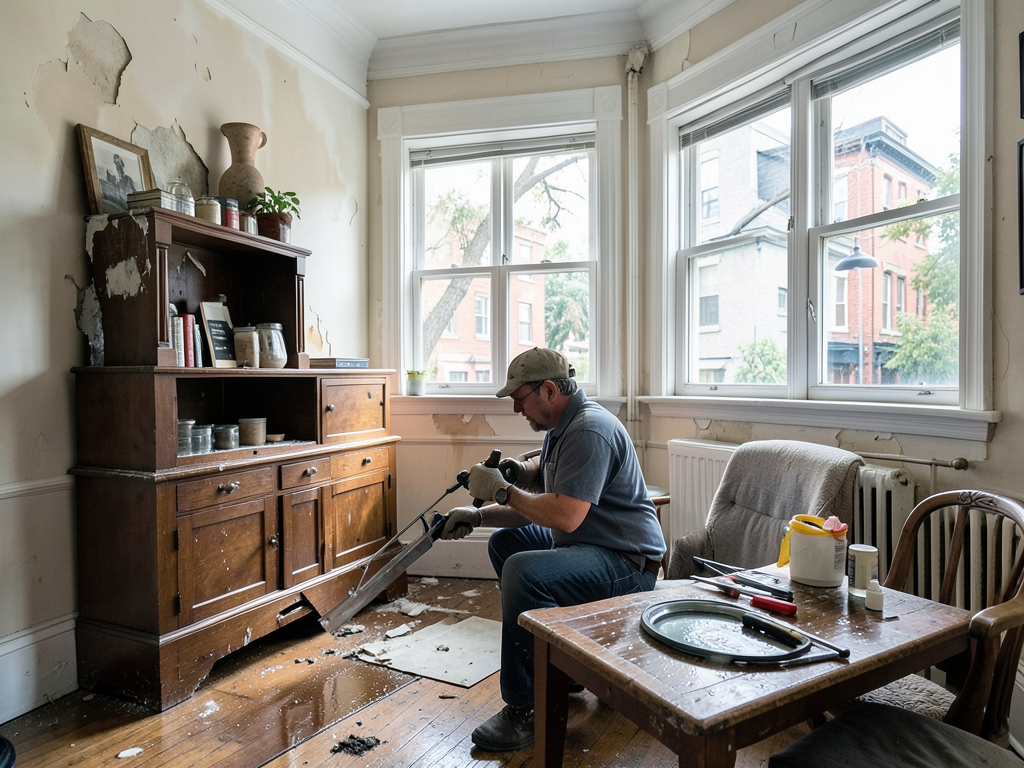
How to Document Water Damage Properly for a Successful San Francisco Insurance Claim. Read more about What Every San Francisco Resident Should Have in Their Emergency Water Damage Kit.
Water damage in San Francisco requires precise documentation to support your insurance claim. The unique challenges of our coastal climate, historic buildings, and dense urban environment mean that proper documentation can make the difference between a denied claim and full compensation.
Start With the Right Tools Before You Begin
Before documenting any water damage, gather these essential items:
– Digital camera or smartphone with timestamp function
– Moisture meter (pin-type for wood, non-invasive for walls)
– Measuring tape
– Flashlight for dark spaces
– Notebook for detailed observations
– Protective gloves and mask
Immediate Steps When You Discover Water Damage
Time matters when water damage occurs. Follow this sequence:
1. Safety First
– Turn off electricity to affected areas
– Identify the water source if possible
– Move valuables to dry areas
– Wear protective equipment
2. Stop the Water Flow
– Shut off main water valve if plumbing-related
– Cover roof leaks with tarps if safe to do so
– Block water paths with towels or barriers
3. Begin Documentation Immediately
Take timestamped photos before touching anything. Insurance adjusters need to see the damage in its original state.
Photo Documentation: The Foundation of Your Claim
Quality photos serve as your primary evidence. Follow these guidelines:
Exterior Documentation
– Wide shots showing entire affected area
– Close-ups of visible water damage
– Photos of the source point if identifiable
– Images showing weather conditions at discovery time
Interior Documentation
– Multiple angles of damaged rooms
– Close-ups of water stains, bubbling, or warping
– Photos of water level lines on walls
– Images of damaged personal property
Golden Nugget: San Francisco Building Code Section 1209.1 requires proper drainage systems in all new construction. Many Victorian and Edwardian homes in neighborhoods like the Haight and Noe Valley lack modern drainage, making them particularly vulnerable to water intrusion.
Moisture Readings: The Technical Evidence
Moisture meters provide objective data that strengthens your claim. Here’s how to use them effectively:. Read more about Why Store Bought Moisture Meters Often Fail Stonestown Homeowners After a Leak.
Reading Type | Best For | Accuracy Level | Cost Range
————-|———|—————|————
Pin-type | Wood, drywall | High | $50-200
Non-invasive | Finished surfaces | Medium | $100-400
Hygrometer | Air quality | Low-Medium | $30-150
Take readings at:
– 24-inch intervals on affected walls
– Around all windows and doors
– Along baseboards and flooring
– In adjacent rooms to track spread
Record each reading with location and time. These numbers provide concrete evidence beyond visual damage.
Detailed Written Documentation
Written records complement photos and readings. Include:
– Date and time of discovery
– Weather conditions during incident
– Actions taken immediately after discovery
– Previous water issues in the same area
– Visible signs of mold or mildew
– Sounds of dripping or running water
– Odors present
Golden Nugget: The San Francisco Public Utilities Commission reports that homes in the Sunset District and outer Richmond experience higher groundwater intrusion rates due to the area’s proximity to the Pacific Ocean and unique soil composition.
Video Documentation Techniques
Video provides context that photos cannot capture. Create effective documentation by:
– Starting with a wide shot of the entire affected area
– Narrating what you see and when you discovered it
– Showing the progression of damage room by room
– Capturing any active water movement
– Recording unusual sounds or smells
– Demonstrating how materials respond to touch
Video length should be 5-10 minutes maximum. Upload to a secure cloud service for backup.
Common Water Damage Scenarios in San Francisco
Different situations require specific documentation approaches:
Roof Leaks
– Document attic space if accessible
– Show ceiling stains from multiple angles
– Note any previous patching or repairs
– Include photos of roof condition from ground level
Plumbing Failures
– Locate and photograph the source pipe
– Document surrounding undamaged areas for comparison
– Show water path through the structure
– Include photos of water meter if visible
Foundation Issues
– Document exterior grading around foundation
– Show cracks in foundation walls
– Include photos of drainage systems
– Note any recent landscaping changes
Golden Nugget: Homes in the Marina District sit on landfill from the 1915 Panama-Pacific International Exposition. This soil composition makes these properties more susceptible to settlement and water-related structural issues compared to bedrock-based neighborhoods like Telegraph Hill.
Professional Assessment Documentation
If you hire professionals, ensure they provide:
– Detailed written reports
– Moisture mapping results
– Thermal imaging if performed
– Material sampling results if applicable
– Estimated scope of work and costs
Keep all invoices and receipts. These documents establish the extent of damage and necessary repairs.
Creating Your Documentation Package
Organize your evidence systematically:
1. Create a digital folder with date-stamped name
2. Organize photos by room or damage type
3. Compile moisture readings in spreadsheet format
4. Write a chronological incident report
5. Gather all receipts and invoices
6. Create a summary document linking all evidence
Insurance Claim Submission Best Practices
When submitting your documentation:
– Submit all evidence electronically when possible
– Include a cover letter summarizing key points
– Reference specific policy sections if known
– Request written acknowledgment of receipt
– Keep copies of everything submitted
Golden Nugget: California Insurance Code Section 2071.7 requires insurers to acknowledge claim receipt within 15 days. Document when you submit your claim and follow up if you don’t receive acknowledgment.
Common Documentation Mistakes to Avoid
– Waiting too long to document damage
– Moving items before photographing
– Not including timestamps on photos
– Failing to document undamaged adjacent areas
– Not keeping original files
– Submitting only partial documentation
The San Francisco Factor: Why Local Documentation Matters
San Francisco’s unique characteristics affect water damage documentation:
Historic Preservation Concerns
Many San Francisco homes are historic or contribute to historic districts. Document:
– Original architectural features
– Any previous restoration work
– Materials that match historic requirements
– Impact on historic character
Climate Considerations
Our coastal fog and seasonal rains create specific patterns:
– Document weather patterns during incident
– Note any recent storms or unusual weather
– Include photos showing seasonal context
– Record humidity levels if available
Building Density Issues
San Francisco’s dense urban environment creates unique challenges:
– Document any impact on adjacent properties
– Note shared walls or common areas
– Include photos of building access points
– Record any third-party involvement
When to Call a Professional
Consider professional help when:
– Damage covers large areas
– Structural integrity is questionable
– Mold is visible or suspected
– Water source cannot be identified
– Insurance company requests independent assessment
Professional services provide:
– Advanced moisture detection equipment
– Detailed damage assessment reports
– Industry-standard documentation formats
– Expert testimony if needed
Golden Nugget: The San Francisco Department of Building Inspection requires permits for most water-related repairs over $500. Document any permit requirements and ensure all work is properly permitted.
Next Steps After Documentation
Once you’ve documented everything:
1. Contact your insurance company immediately
2. Submit your documentation package
3. Keep detailed records of all communications
4. Follow up regularly on claim status
5. Be prepared for adjuster inspection
6. Consider professional claim assistance if needed
Don’t let poor documentation cost you your insurance claim. The team at Water Damage San Francisco specializes in helping property owners document water damage properly for successful insurance claims. We understand San Francisco’s unique building codes, climate challenges, and insurance requirements.
Call us today at (415) 449-6555 for a free consultation. Our experts can help you document your damage properly and maximize your insurance recovery.
Remember: Insurance companies have experienced adjusters working for them. Make sure you have experienced professionals working for you. Proper documentation is your best protection against claim denial or underpayment.
For more information about San Francisco building codes and insurance requirements, visit the San Francisco Department of Building Inspection website or the California Department of Insurance consumer resources page.
You may also find this helpful. Protecting Your Boutique Inventory from Ceiling Leaks in Hayes Valley.
You may also find this helpful. Can Your Antique Furniture Be Saved After a Flood? What Japantown Residents Need to Know.
Don’t wait until it’s too late. Document your water damage properly from the start, and protect your property and financial interests.
{
“@context”: “https://schema.org”,
“@type”: “BlogPosting”,
“headline”: “How to Document Water Damage Properly for a Successful San Francisco Insurance Claim”,
“description”: “Learn how to document water damage properly for a successful San Francisco insurance claim. Expert tips on photos, moisture readings, and local codes.”,
“wordCount”: 1338,
“datePublished”: “2026-05-23T14:03:00.000Z”,
“dateModified”: “2026-05-23T14:03:00.000Z”,
“inLanguage”: “en-US”,
“mainEntityOfPage”: {
“@type”: “WebPage”,
“@id”: “https://summitwaterdamagerestorationsanfrancisco.com”
},
“publisher”: {
“@type”: “LocalBusiness”,
“name”: “Summit Water Damage Restoration San Francisco”,
“url”: “https://summitwaterdamagerestorationsanfrancisco.com”
},
“author”: {
“@type”: “Organization”,
“name”: “Summit Water Damage Restoration San Francisco”,
“url”: “https://summitwaterdamagerestorationsanfrancisco.com”
},
“image”: {
“@type”: “ImageObject”,
“url”: “https://summitwaterdamagerestorationsanfrancisco.com/wp-content/uploads/2026/03/how-to-document-water-damage-properly-for-a-succes-1.png”
}
}
{
“@context”: “https://schema.org”,
“@type”: “LocalBusiness”,
“name”: “Summit Water Damage Restoration San Francisco”,
“url”: “https://summitwaterdamagerestorationsanfrancisco.com”,
“address”: {
“@type”: “PostalAddress”,
“addressLocality”: “San Francisco”
},
“areaServed”: {
“@type”: “City”,
“name”: “San Francisco”
}
}
{
“@context”: “https://schema.org”,
“@type”: “BreadcrumbList”,
“itemListElement”: [
{
“@type”: “ListItem”,
“position”: 1,
“name”: “Home”,
“item”: “https://summitwaterdamagerestorationsanfrancisco.com”
},
{
“@type”: “ListItem”,
“position”: 2,
“name”: “Blog”,
“item”: “https://summitwaterdamagerestorationsanfrancisco.com/blog”
},
{
“@type”: “ListItem”,
“position”: 3,
“name”: “How to Document Water Damage Properly for a Successful San Francisco Insurance Claim”
}
]
}
{
“@context”: “https://schema.org”,
“@type”: “Service”,
“serviceType”: “Water Damage Restoration”,
“provider”: {
“@type”: “LocalBusiness”,
“name”: “Summit Water Damage Restoration San Francisco”,
“url”: “https://summitwaterdamagerestorationsanfrancisco.com”
},
“areaServed”: {
“@type”: “City”,
“name”: “San Francisco”
},
“description”: “Learn how to document water damage properly for a successful San Francisco insurance claim. Expert tips on photos, moisture readings, and local codes.”
}