
The Complicated Link Between Lead Paint and Water Damage in Older San Francisco Properties
When water infiltrates the walls of a San Francisco Victorian built before 1978 it can do more than cause structural damage. The moisture can activate dormant lead paint hazards turning a simple leak into a serious health risk. This guide explains the dangerous intersection of water damage and lead paint in our historic housing stock and outlines the exact steps required to restore your property safely. Who to call for emergency water damage repair in San Francisco right now.
Why Older San Francisco Homes Are at Risk
San Francisco’s architectural heritage includes thousands of homes constructed between 1880 and 1940 featuring original wood siding plaster walls and decorative trim coated with lead-based paint. When water from a burst pipe or roof leak saturates these materials the paint binders break down. This process can release microscopic lead dust particles into the air creating an invisible hazard that standard water restoration methods cannot address. Fast water restoration services for SoMa businesses and tech offices.
The problem becomes acute in neighborhoods like the Castro Noe Valley and the Mission District where many homes retain their original lathe and plaster construction. Water trapped behind walls creates high humidity conditions that cause lead paint to flake and peel. Once airborne these lead particles settle on surfaces throughout your home posing risks to children pregnant women and pets. High-end water damage restoration for historic Pacific Heights estates.
Understanding the EPA RRP Rule Requirements
The Environmental Protection Agency’s Renovation Repair and Painting Rule mandates specific procedures for any work disturbing lead paint in homes built before 1978. This federal regulation applies to water damage restoration contractors who must follow lead-safe work practices including containment testing and proper disposal. EPA Renovation Repair and Painting Rule.
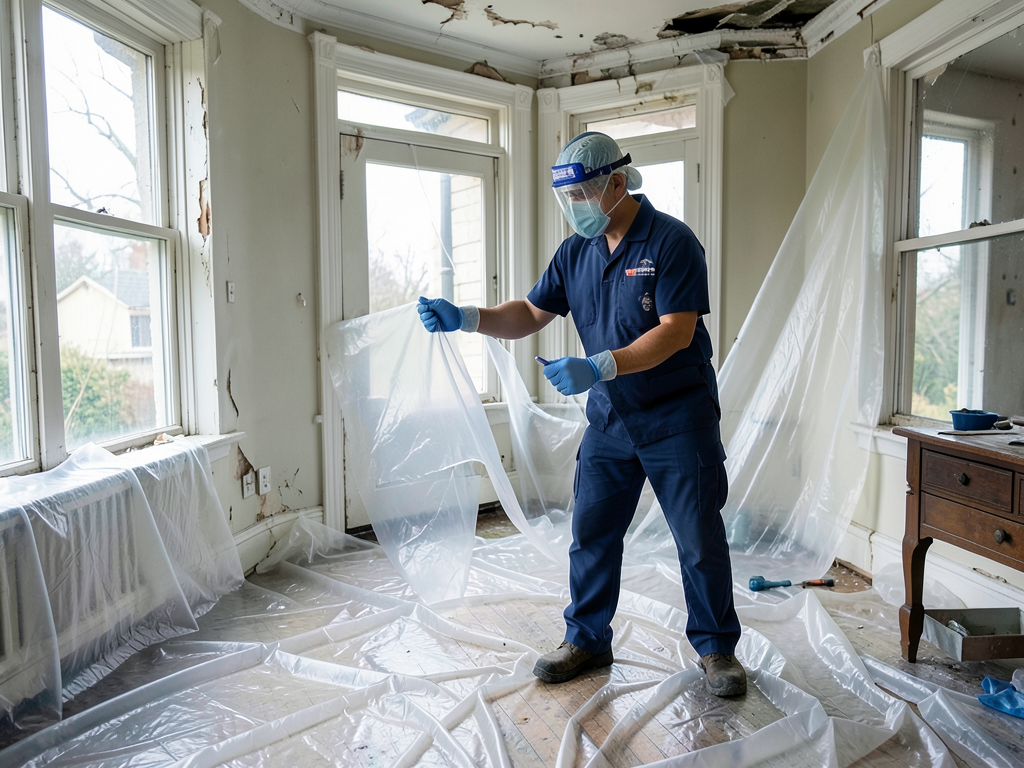
Under the RRP Rule contractors must contain the work area with six-mil plastic sheeting seal off HVAC vents and use HEPA-filtered air scrubbers. Workers need EPA lead-safe certification and must wear personal protective equipment. The rule requires posting warning signs and preventing occupants from entering the contained area until clearance testing confirms the space is safe.. Read more about Why Post Restoration Air Quality Testing Is a Must for Fairmount Families.
California’s Title 17 regulations add another layer of protection requiring lead hazard reduction in pre-1978 housing. San Francisco’s Department of Public Health enforces these standards making compliance mandatory for any restoration work in our older housing stock. California Department of Public Health Lead Program.
Health Risks of Lead Exposure During Water Damage
Lead exposure can cause permanent damage especially in young children. The Centers for Disease Control and Prevention identifies five micrograms per deciliter of blood lead as the reference level for concern. Lead affects brain development causing learning disabilities and behavioral problems. In adults it can cause high blood pressure kidney damage and reproductive issues.
During water damage events lead becomes most dangerous when disturbed. Standard drying equipment like air movers can aerosolize lead dust spreading contamination throughout a home. Even small amounts of lead dust tracked on shoes can contaminate living spaces. The risk multiplies when water damage occurs in areas with visible peeling paint or where walls show signs of moisture staining.
Professional Lead-Safe Water Damage Restoration Process
Effective restoration requires a methodical approach that addresses both water damage and lead paint hazards. The process begins with a thorough assessment using moisture meters and visual inspection to identify affected areas. Before any demolition work begins lead testing determines whether lead-safe procedures are required.
Containment forms the foundation of lead-safe restoration. Technicians establish a sealed work zone using six-mil poly sheeting and negative air pressure with HEPA-filtered air scrubbers. This prevents lead dust from escaping into occupied areas. All HVAC systems must be sealed to prevent contamination of ductwork.
Water extraction and drying follow strict protocols. Instead of standard air movers technicians use specialized drying equipment that minimizes air disturbance. Dehumidifiers with HEPA filtration capture airborne particles while moisture levels return to normal. Wet materials that cannot be salvaged must be removed using lead-safe demolition techniques.
Demolition requires specific tools and methods. Workers use hand tools rather than power tools when possible to reduce dust generation. Any cutting or drilling must be done with HEPA-filtered vacuums attached to capture particles at the source. Materials are removed carefully wrapped in plastic and labeled as lead-contaminated waste.
Cleaning and clearance testing complete the process. All surfaces undergo wet wiping with lead-specific cleaning solutions followed by HEPA vacuuming. Clearance testing by a certified lead inspector verifies that lead levels meet safety standards before occupants can return.
San Francisco Specific Regulations and Resources
San Francisco enforces strict lead paint regulations through the Department of Public Health and the Department of Building Inspection. The city’s Lead-Based Paint Hazard Ordinance requires property owners to address lead hazards in pre-1978 housing particularly when children under six reside in the home.
The San Francisco Department of Public Health maintains a lead poisoning prevention program offering free lead testing for eligible residents. The agency provides resources for lead-safe renovation and maintains a list of certified lead abatement contractors. Property owners must disclose known lead hazards when selling or renting pre-1978 housing.
California law requires lead-safe certification for contractors working in pre-1978 homes. The Contractors State License Board maintains records of certified professionals and investigates complaints about lead safety violations. San Francisco’s building code incorporates these requirements making lead-safe practices mandatory for water damage restoration in our historic housing stock. Professional sewage cleanup and sanitization for Mission District basements.
Insurance Coverage Complexities
Standard homeowners insurance policies typically cover water damage restoration but may exclude lead abatement costs. When water damage reveals lead hazards insurance companies often require additional documentation and may dispute coverage for lead-safe procedures. Some policies include lead paint exclusions making it essential to review coverage before beginning restoration work.
Professional restoration companies work directly with insurance adjusters to document damage and justify necessary procedures. Detailed photographic evidence moisture mapping and lead test results support claims for comprehensive restoration including lead-safe practices. Many companies offer direct insurance billing to simplify the claims process for property owners.
Documenting the extent of damage proves crucial for insurance approval. Before and after photos moisture readings and contractor certifications demonstrate the necessity of lead-safe procedures. Some restoration companies provide insurance specialists who handle claims paperwork allowing property owners to focus on recovery. How to handle basement flooding in San Francisco after a heavy rainstorm.
Preventing Lead Paint Activation During Future Water Events
Prevention starts with regular maintenance of plumbing and roofing systems. Annual inspections can identify potential failure points before they cause water damage. Replacing aging galvanized pipes with modern materials eliminates a common source of leaks in older San Francisco homes.. Read more about Why Your Ingleside Home Might Have Galvanized Pipes and Why That Is a Flood Risk.
Proper drainage systems protect foundations from water intrusion. French drains gutter extensions and proper grading direct water away from structures. These measures prevent the moisture buildup that can activate lead paint hazards even without direct water intrusion.
Professional lead inspections provide baseline data for property owners. Testing identifies areas with lead paint allowing for informed decisions about renovation and maintenance. Some property owners choose proactive lead abatement in high-risk areas reducing future liability and health risks.
Victorian and Edwardian Home Specific Considerations
San Francisco’s Victorian and Edwardian homes present unique challenges for lead-safe restoration. These homes often feature elaborate woodwork decorative plaster and multiple layers of paint accumulated over decades. Water damage in these structures requires specialized knowledge of historic building materials and techniques.
Many Victorian homes use balloon framing with continuous wall cavities that can channel water throughout the structure. This construction method means a small leak can cause extensive hidden damage. The ornate trim and detailing common in these homes often contains lead paint requiring careful removal and restoration.
Plaster walls in older homes behave differently than modern drywall when wet. Traditional three-coat plaster systems can hold moisture for extended periods creating ideal conditions for lead paint degradation. Restoration requires understanding these material differences to prevent unnecessary damage during drying.
DIY Risks and Professional Requirements
Property owners tempted to handle water damage themselves face serious risks when lead paint is present. Standard water damage restoration techniques can spread lead contamination throughout a home. Without proper containment equipment and training DIY efforts often create more extensive contamination requiring professional remediation.
Professional restoration companies invest in specialized equipment including negative air machines HEPA vacuums and containment systems. Their technicians receive ongoing training in lead-safe practices and stay current with changing regulations. This expertise proves essential when water damage affects lead-painted surfaces.
The cost of professional lead-safe restoration often proves less than the expense of addressing widespread contamination from improper DIY methods. Professional companies also provide documentation of compliance protecting property owners from potential liability.
When to Call for Emergency Help
Certain situations require immediate professional intervention. Water leaking behind walls in pre-1978 homes demands urgent attention to prevent lead activation. Visible water damage near peeling paint or deteriorating plaster signals high risk for lead exposure.
Flooding events particularly those affecting multiple rooms create widespread contamination risks. The combination of standing water and lead paint can produce dangerous conditions within hours. Professional emergency response teams can establish containment before contamination spreads.
Unusual odors or visible mold growth accompanying water damage indicates complex contamination requiring professional assessment. These conditions often involve multiple hazards requiring coordinated remediation strategies.
Frequently Asked Questions
How can I tell if my San Francisco home has lead paint?
Homes built before 1978 likely contain lead paint. Professional lead testing provides definitive results. Visual inspection cannot determine lead content as lead paint often looks identical to modern paint.
Will my insurance cover lead-safe restoration procedures?
Coverage varies by policy. Many standard policies cover water damage but exclude lead abatement. Review your policy or consult with your restoration company’s insurance specialist for guidance.
How long does lead-safe water damage restoration take?
Timeline depends on damage extent and lead testing results. Simple cases might take three to five days while complex restorations involving extensive demolition could require two to three weeks.
Can I stay in my home during restoration?
Occupants typically must vacate areas under restoration. The contained work zone prevents access until clearance testing confirms safety. Your restoration company can advise on temporary housing options.
What documentation should I receive after restoration?
Professional companies provide clearance test results waste disposal manifests and documentation of lead-safe procedures. These records prove compliance and may be required for future property transactions.
Take Action to Protect Your Property and Family
Water damage in older San Francisco homes requires immediate attention from lead-certified professionals. The combination of historic architecture and strict regulations makes DIY restoration dangerous and potentially illegal. Professional restoration not only addresses water damage but also protects your family from lead exposure.
Don’t wait for small leaks to become major hazards. If your home was built before 1978 and experiences water damage call a lead-certified restoration company immediately. The cost of professional restoration pales compared to the expense of addressing widespread lead contamination or the health impacts on your family.
Call (415) 449-6555 today to schedule your inspection. Our certified technicians understand the unique challenges of San Francisco’s historic housing stock and provide comprehensive lead-safe restoration services. Protect your investment and your family’s health with professional emergency response.
You may also find this helpful. Deciding Between Patching Drywall or Replacing It After a Leak in Corona Heights.
{
“@context”: “https://schema.org”,
“@type”: “BlogPosting”,
“headline”: “The Complicated Link Between Lead Paint and Water Damage in Older San Francisco Properties”,
“description”: “Discover how water damage in San Francisco’s historic homes can trigger lead paint hazards. Learn EPA RRP compliance, safety protocols, and restoration steps to protect your family.”,
“wordCount”: 1871,
“datePublished”: “2026-04-11T07:44:00.000Z”,
“dateModified”: “2026-04-11T07:44:00.000Z”,
“inLanguage”: “en-US”,
“mainEntityOfPage”: {
“@type”: “WebPage”,
“@id”: “https://summitwaterdamagerestorationsanfrancisco.com”
},
“publisher”: {
“@type”: “LocalBusiness”,
“name”: “Summit Water Damage Restoration San Francisco”,
“url”: “https://summitwaterdamagerestorationsanfrancisco.com”
},
“author”: {
“@type”: “Organization”,
“name”: “Summit Water Damage Restoration San Francisco”,
“url”: “https://summitwaterdamagerestorationsanfrancisco.com”
},
“image”: {
“@type”: “ImageObject”,
“url”: “https://summitwaterdamagerestorationsanfrancisco.com/wp-content/uploads/2026/03/the-complicated-link-between-lead-paint-and-water-1.png”
}
}
{
“@context”: “https://schema.org”,
“@type”: “LocalBusiness”,
“name”: “Summit Water Damage Restoration San Francisco”,
“url”: “https://summitwaterdamagerestorationsanfrancisco.com”,
“address”: {
“@type”: “PostalAddress”,
“addressLocality”: “San Francisco”
},
“areaServed”: {
“@type”: “City”,
“name”: “San Francisco”
}
}
{
“@context”: “https://schema.org”,
“@type”: “FAQPage”,
“mainEntity”: [
{
“@type”: “Question”,
“name”: “How can I tell if my San Francisco home has lead paint?”,
“acceptedAnswer”: {
“@type”: “Answer”,
“text”: “Homes built before 1978 likely contain lead paint. Professional lead testing provides definitive results. Visual inspection cannot determine lead content as lead paint often looks identical to modern paint.”
}
},
{
“@type”: “Question”,
“name”: “Will my insurance cover lead-safe restoration procedures?”,
“acceptedAnswer”: {
“@type”: “Answer”,
“text”: “Coverage varies by policy. Many standard policies cover water damage but exclude lead abatement. Review your policy or consult with your restoration company’s insurance specialist for guidance.”
}
},
{
“@type”: “Question”,
“name”: “How long does lead-safe water damage restoration take?”,
“acceptedAnswer”: {
“@type”: “Answer”,
“text”: “Timeline depends on damage extent and lead testing results. Simple cases might take three to five days while complex restorations involving extensive demolition could require two to three weeks.”
}
},
{
“@type”: “Question”,
“name”: “Can I stay in my home during restoration?”,
“acceptedAnswer”: {
“@type”: “Answer”,
“text”: “Occupants typically must vacate areas under restoration. The contained work zone prevents access until clearance testing confirms safety. Your restoration company can advise on temporary housing options.”
}
},
{
“@type”: “Question”,
“name”: “What documentation should I receive after restoration?”,
“acceptedAnswer”: {
“@type”: “Answer”,
“text”: “Professional companies provide clearance test results waste disposal manifests and documentation of lead-safe procedures. These records prove compliance and may be required for future property transactions.”
}
}
]
}
{
“@context”: “https://schema.org”,
“@type”: “BreadcrumbList”,
“itemListElement”: [
{
“@type”: “ListItem”,
“position”: 1,
“name”: “Home”,
“item”: “https://summitwaterdamagerestorationsanfrancisco.com”
},
{
“@type”: “ListItem”,
“position”: 2,
“name”: “Blog”,
“item”: “https://summitwaterdamagerestorationsanfrancisco.com/blog”
},
{
“@type”: “ListItem”,
“position”: 3,
“name”: “The Complicated Link Between Lead Paint and Water Damage in Older San Francisco Properties”
}
]
}
{
“@context”: “https://schema.org”,
“@type”: “Service”,
“serviceType”: “Water Damage Restoration”,
“provider”: {
“@type”: “LocalBusiness”,
“name”: “Summit Water Damage Restoration San Francisco”,
“url”: “https://summitwaterdamagerestorationsanfrancisco.com”
},
“areaServed”: {
“@type”: “City”,
“name”: “San Francisco”
},
“description”: “Discover how water damage in San Francisco’s historic homes can trigger lead paint hazards. Learn EPA RRP compliance, safety protocols, and restoration steps to protect your family.”
}