
Using Smart Leak Detectors to Prevent Massive Water Damage in Your San Francisco Smart Home
Smart leak detectors can save San Francisco homeowners thousands of dollars by catching water problems before they become disasters. These devices monitor your plumbing 24/7 and can automatically shut off water when they detect leaks, protecting your property from the city’s aging infrastructure and seismic risks. Who to call for emergency water damage repair in San Francisco right now.
San Francisco’s combination of historic Victorian plumbing, high-rise condo living, and frequent seismic activity creates unique water damage risks that smart technology is perfectly positioned to address. With the right system installed, you can prevent catastrophic flooding, reduce insurance premiums, and gain peace of mind whether you’re home or away. Fast water restoration services for SoMa businesses and tech offices.
How Smart Leak Detectors Work in San Francisco Homes
Smart leak detectors use sensors to monitor water flow, moisture levels, or both. When they detect unusual patterns that indicate a leak, they send alerts to your smartphone and can automatically shut off your main water supply. This technology is especially valuable in San Francisco where many homes have aging galvanized pipes that are prone to sudden failures. High-end water damage restoration for historic Pacific Heights estates.
The most effective systems combine flow monitoring with moisture detection. Flow monitors track water usage patterns and can identify leaks based on continuous water flow when everything should be off. Moisture sensors placed near water heaters, under sinks, and around toilets provide immediate alerts when water appears where it shouldn’t.. Read more about What Every San Francisco Resident Should Have in Their Emergency Water Damage Kit.
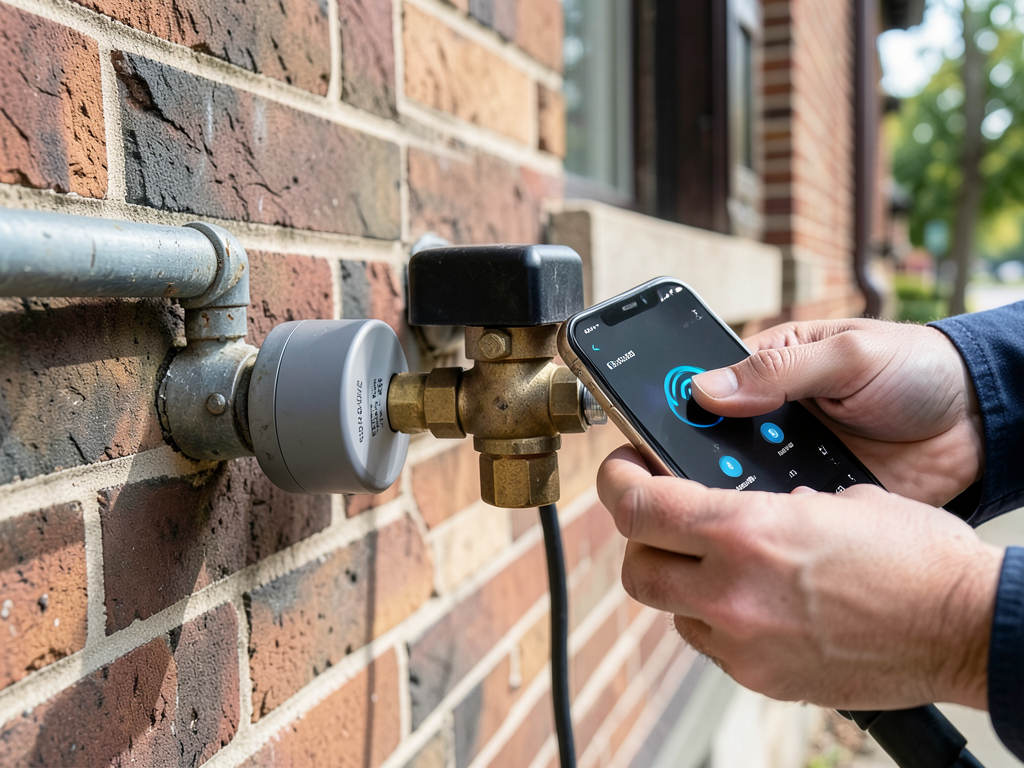
Professional installation of a smart water shut-off valve on a San Francisco Victorian home’s main water line, showing the device connected to the home’s Wi-Fi network and smartphone app interface.
Types of Smart Water Leak Detection Systems
Point-of-leak sensors are small devices that sit in specific locations and trigger when they detect moisture. These work well for targeted protection under appliances or near plumbing fixtures. Whole-home flow monitors install on your main water line and track overall water usage, making them ideal for comprehensive protection.. Read more about Hidden Mold Risks in Small San Francisco Laundry Closets and How to Spot Them.
Automatic shut-off valves represent the highest level of protection. These devices not only detect leaks but can immediately cut off your home’s water supply when problems occur. In San Francisco’s seismic zones, some systems include earthquake detection that shuts off water automatically when shaking occurs, preventing post-quake pipe ruptures from flooding your home.. Read more about Navigating Water Damage Responsibilities in a Candlestick Point HOA Community.
Top Smart Leak Detection Systems for San Francisco
The Moen Flo by Moen offers comprehensive protection with flow monitoring, automatic shut-off, and integration with smart home systems. It’s particularly well-suited for San Francisco’s high-rise buildings because it doesn’t require Wi-Fi in every room – it connects directly to your main water line and communicates through your home’s network.
Phyn Plus provides similar functionality with additional features like pressure monitoring that can detect small leaks before they become major problems. This is crucial in San Francisco where water pressure fluctuations from the Hetch Hetchy system can stress older plumbing systems.
For budget-conscious homeowners, the Govee Water Sensor 3 offers reliable moisture detection at a fraction of the cost. While it requires manual monitoring rather than automatic shut-off, it’s an excellent choice for protecting specific high-risk areas like basements or laundry rooms. How to handle basement flooding in San Francisco after a heavy rainstorm.
San Francisco Specific Installation Considerations
San Francisco’s building codes require special considerations for smart water systems. The San Francisco Building Code Section 1503.4 mandates that any automatic water shut-off system must include manual override capability and be accessible for maintenance. This ensures you can still access water during power outages or system failures.
Victorian homes in neighborhoods like Pacific Heights and Noe Valley often have galvanized steel pipes that can interfere with wireless signals. Professional installation may require signal boosters or hardwired connections to ensure reliable operation. The clay soil common in many San Francisco neighborhoods can also affect underground pipe monitoring. Professional sewage cleanup and sanitization for Mission District basements.
High-rise buildings in SoMa and the Financial District present unique challenges. These structures often have complex plumbing systems with multiple water sources. Smart systems must be configured to monitor all water entry points and may require building management approval for installation.
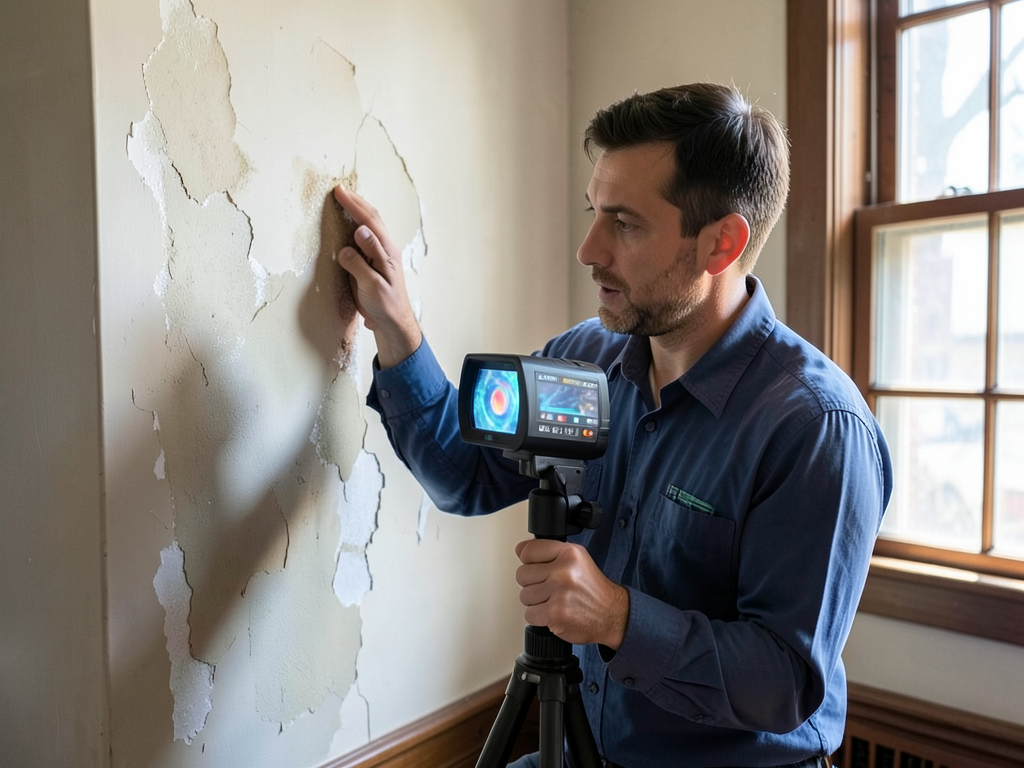
Technician using thermal imaging camera to detect hidden moisture behind walls in a San Francisco Edwardian home, demonstrating professional moisture assessment techniques.
Insurance Incentives and ROI in California
Many California insurance providers offer premium discounts of 5-15% for homes with certified smart leak detection systems. Companies like State Farm, Allstate, and USAA have specific programs for San Francisco Bay Area properties, recognizing the high risk of water damage in the region.
The return on investment calculation is straightforward in San Francisco. The average water damage claim in the Bay Area exceeds $10,000, while quality smart leak detection systems cost between $300 and $1,500 installed. Even a single prevented incident pays for the system multiple times over.
Beyond direct savings, these systems can prevent secondary damage like mold growth, which is particularly problematic in San Francisco’s humid coastal climate. The EPA estimates that mold remediation can cost $15-30 per square foot, making prevention through early detection extremely cost-effective. EPA mold guidelines.
Professional Installation vs. DIY for Insurance Compliance
Insurance companies often require professional installation for smart leak systems to qualify for discounts. Professional installers understand local building codes, can properly integrate systems with existing plumbing, and provide documentation that insurance companies require for claims processing.
DIY installation might seem cost-effective, but it can void insurance coverage if the system fails during a claim. Professional installation includes proper mounting, secure wiring, correct calibration, and testing that ensures the system will work when you need it most.
Professional installers also provide valuable assessment services. They can identify high-risk areas in your home that you might not consider, such as aging washing machine hoses, corroded water heater connections, or vulnerable outdoor spigots that are common failure points in San Francisco homes.
Secondary Damage Prevention: Mold and Structural Issues
San Francisco’s coastal humidity creates perfect conditions for mold growth when water damage occurs. The California Department of Public Health recommends addressing water damage within 24-48 hours to prevent mold colonization. Smart leak detectors provide this critical early warning time.
Beyond mold, water damage can cause structural issues in San Francisco’s older buildings. Victorian homes often have wood framing that deteriorates quickly when exposed to moisture. Smart systems can prevent the kind of slow, undetected leaks that cause foundation damage and require expensive structural repairs.
The technology also helps prevent secondary damage to personal property. Water from a burst pipe can destroy electronics, documents, and irreplaceable items in minutes. Early detection gives you time to move valuables and minimize losses beyond just the building structure.
Smart Home Integration and Automation
Modern smart leak detectors integrate seamlessly with other smart home systems. They can work with Amazon Alexa, Google Home, and Apple HomeKit, allowing voice control and automated responses. For example, you can set up routines that turn off HVAC systems when leaks are detected to prevent mold spore circulation.
Integration with security systems adds another layer of protection. Many systems can trigger cameras to start recording when leaks are detected, providing valuable documentation for insurance claims. They can also send alerts to multiple family members or property managers simultaneously.
For San Francisco’s tech-savvy residents, API access allows custom integrations with home automation systems. You can create complex scenarios like automatically adjusting smart thermostats when away, or integrating with weather forecasts to increase monitoring during atmospheric river events common to the Bay Area.
Maintenance and Testing Requirements
Smart leak detection systems require regular maintenance to ensure reliability. The San Francisco Public Utilities Commission recommends testing systems monthly by temporarily creating a small leak and verifying that alerts trigger correctly. This is especially important in earthquake-prone areas where systems may be jarred out of calibration.
Battery-powered sensors need replacement every 1-2 years, while main unit electronics should be updated periodically to maintain security and functionality. Professional maintenance services can perform these tasks and ensure your system remains compliant with evolving building codes.
Seasonal considerations also matter in San Francisco. Winter atmospheric river events increase the risk of plumbing failures due to pressure changes. Systems should be tested before the rainy season and batteries replaced if needed to ensure maximum protection during high-risk periods.
Common Failure Points and How to Address Them
Even the best smart leak detection systems can fail if not properly installed or maintained. Wi-Fi connectivity issues are common in San Francisco’s older buildings with thick walls or metal lath. Professional installation includes signal testing and may recommend wired connections for critical components.
Power outages can disable systems that rely on home electricity. Look for systems with battery backup or consider connecting critical components to uninterruptible power supplies. Some San Francisco residents also install small generators specifically to power leak detection systems during outages.
False alarms can be frustrating but indicate system sensitivity. Professional installers can calibrate systems to reduce false positives while maintaining protection. They understand local water usage patterns and can distinguish between normal variations and actual problems.
Choosing the Right System for Your San Francisco Home
The best system depends on your home’s specific characteristics. Victorian homes with original plumbing might benefit most from comprehensive flow monitoring and automatic shut-off. Modern condos might prioritize point-of-use sensors combined with smartphone alerts for convenience.
Consider your lifestyle when choosing a system. If you travel frequently, automatic shut-off capability becomes more important. If you have pets or elderly family members who might trigger false alarms, look for systems with adjustable sensitivity and learning algorithms.
Professional assessment can help you make the right choice. A qualified technician can evaluate your home’s plumbing, identify high-risk areas, and recommend a system that provides optimal protection for your specific situation and budget.
Why a Restoration Expert Should Audit Your Setup
Water damage restoration professionals see the failures that smart systems miss. They understand how water actually behaves in buildings and can identify vulnerabilities that sensor placement alone won’t address. A professional audit can reveal issues like inadequate drainage, poor ventilation, or structural weaknesses that contribute to water damage risk.
Restoration experts also understand insurance requirements and can ensure your system meets all criteria for premium discounts and claim processing. They can provide documentation that proves your system was properly installed and maintained, which is crucial if you ever need to file a claim.
Most importantly, restoration professionals can integrate your smart system with emergency response plans. They can help you establish protocols for when alerts trigger, including who to contact, what steps to take, and how to minimize damage while waiting for professional help to arrive.
Future Trends in Smart Water Protection
The smart water protection industry continues to evolve rapidly. New technologies include ultrasonic leak detection that can identify problems through walls, AI-powered systems that learn your home’s normal water patterns, and integration with municipal water monitoring systems for community-wide leak detection.
San Francisco’s tech ecosystem is driving innovation in this space. Local startups are developing systems specifically designed for the city’s unique challenges, including seismic detection, atmospheric river prediction integration, and advanced moisture mapping for historic buildings.
5G and improved IoT connectivity will make these systems more reliable and responsive. Future systems may offer real-time water quality monitoring alongside leak detection, providing comprehensive protection for both your property and your family’s health.
Taking Action to Protect Your Home
Smart leak detection represents a significant advancement in home protection technology, especially for San Francisco’s unique environmental and structural challenges. The combination of aging infrastructure, seismic activity, and coastal humidity makes these systems not just convenient but essential for responsible homeownership.
Don’t wait for a disaster to realize the value of smart water protection. A small investment now can prevent catastrophic damage later and provide peace of mind knowing your home is protected 24/7, whether you’re across town or across the country.
The technology has matured to the point where it’s both affordable and reliable. With professional installation and proper maintenance, a smart leak detection system can serve as your home’s first line of defense against water damage for years to come.
Frequently Asked Questions
How much do smart leak detection systems cost in San Francisco?
Basic systems start around $300 for DIY installation, while professional-grade systems with automatic shut-off typically cost $1,000-1,500 installed. High-end whole-home systems can exceed $2,000 but offer the most comprehensive protection.
Will insurance companies give me a discount for installing these systems?
Yes, many California insurers offer 5-15% premium discounts for certified smart leak detection systems. Companies like State Farm, Allstate, and USAA have specific programs for Bay Area properties recognizing the high water damage risk.
How long does professional installation take?
Most professional installations take 2-4 hours depending on your home’s complexity. Victorian homes or high-rise buildings may require additional time for proper integration with existing plumbing and building systems.
What happens if my Wi-Fi goes out?
Quality systems include cellular backup or local storage that continues monitoring during Wi-Fi outages. Some also send text alerts directly to your phone, ensuring you stay informed even when your home network is down.
Can these systems detect small leaks or just major problems?
Advanced systems can detect flow as small as one drop per minute, catching problems long before they cause significant damage. This early detection is crucial for preventing mold growth and structural damage in San Francisco’s humid climate.
Do I need permits for installation in San Francisco?
Most smart leak detection installations don’t require permits, but automatic shut-off valves may need inspection depending on your building type. Professional installers understand local requirements and can handle any necessary permitting.
How often should I test my system?
Test your system monthly by temporarily creating a small leak and verifying alerts trigger correctly. Professional maintenance should be performed annually to check calibration, update software, and replace batteries as needed.
Can smart leak detectors prevent mold growth?
Yes, by detecting leaks within hours instead of days or weeks, these systems can prevent the moisture conditions that allow mold to establish. This is especially important in San Francisco where coastal humidity accelerates mold growth.
What’s the difference between point-of-use and whole-home systems?
Point-of-use sensors monitor specific locations like under sinks or near water heaters. Whole-home systems monitor your main water line and can shut off water to your entire house when problems are detected.
Should I install these systems if I rent my home?
Many landlords welcome tenant-installed smart leak detectors because they protect the property. However, always get permission first and choose systems that don’t require permanent modifications to plumbing or electrical systems.
- Assess Your Home’s Risk
Evaluate your home’s age, plumbing condition, and location-specific risks like seismic activity or high water tables common in San Francisco neighborhoods.
- Determine Your Budget
Decide between basic DIY sensors ($300) or comprehensive professional systems ($1,000-2,000) based on your protection needs and insurance discount potential.
- Choose System Type
Select between point-of-use sensors for targeted protection or whole-home flow monitors for comprehensive coverage of your entire plumbing system.
- Verify Insurance Compatibility
Check with your insurance provider about specific system requirements for premium discounts and claim processing documentation needs.
- Plan Professional Installation
Schedule installation with certified technicians who understand San Francisco building codes and can properly integrate the system with your home’s infrastructure.
Don’t Wait for Disaster to Strike
Water damage can happen anytime in San Francisco – from aging pipes in Victorian homes to seismic events affecting high-rise plumbing. Smart leak detection technology provides the protection you need to prevent catastrophic damage and protect your investment.
The peace of mind alone is worth the investment, but when you factor in insurance discounts, prevented damage costs, and protection of irreplaceable personal property, smart leak detection systems pay for themselves many times over.
Ready to protect your San Francisco home with professional smart leak detection installation? Call (415) 449-6555 today to schedule your consultation. Our certified technicians understand the unique challenges of Bay Area homes and can recommend the perfect system for your specific needs.
Don’t let water damage destroy your home and belongings. Take action now before the next leak becomes a flood. Pick up the phone and call (415) 449-6555 before the next storm hits or the next pipe fails.
Before and after comparison showing water damage in a San Francisco basement that could have been prevented with early detection, highlighting the importance of proactive leak protection.
Water damage doesn’t wait for convenient times, and neither should you. Whether you’re dealing with a current leak emergency or want to prevent future disasters, professional help is just a phone call away. Contact us at (415) 449-6555 for expert assessment and installation of smart leak detection systems that will protect your San Francisco home for years to come.
Your home deserves the best protection available. With smart leak detection technology and professional installation, you can rest easy knowing your property is monitored 24/7 against the water damage risks unique to San Francisco living.
Remember, the cost of prevention is always less than the cost of repair. Don’t wait until you’re dealing with flooded floors, mold growth, or structural damage. Call (415) 449-6555 now to schedule your smart leak detection consultation and take the first step toward comprehensive water damage protection. For more information, visit IICRC.
{
“@context”: “https://schema.org”,
“@type”: “BlogPosting”,
“headline”: “Using Smart Leak Detectors to Prevent Massive Water Damage in Your San Francisco Smart Home”,
“description”: “Learn how smart leak detectors can protect your San Francisco home from water damage. Get expert advice on automatic shut-off valves, insurance discounts, and professional installation.”,
“wordCount”: 2889,
“datePublished”: “2026-05-25T08:27:00.000Z”,
“dateModified”: “2026-05-25T08:27:00.000Z”,
“inLanguage”: “en-US”,
“mainEntityOfPage”: {
“@type”: “WebPage”,
“@id”: “https://summitwaterdamagerestorationsanfrancisco.com”
},
“publisher”: {
“@type”: “LocalBusiness”,
“name”: “Summit Water Damage Restoration San Francisco”,
“url”: “https://summitwaterdamagerestorationsanfrancisco.com”
},
“author”: {
“@type”: “Organization”,
“name”: “Summit Water Damage Restoration San Francisco”,
“url”: “https://summitwaterdamagerestorationsanfrancisco.com”
},
“image”: {
“@type”: “ImageObject”,
“url”: “https://summitwaterdamagerestorationsanfrancisco.com/wp-content/uploads/2026/03/using-smart-leak-detectors-to-prevent-massive-wate-1.png”
}
}
{
“@context”: “https://schema.org”,
“@type”: “LocalBusiness”,
“name”: “Summit Water Damage Restoration San Francisco”,
“url”: “https://summitwaterdamagerestorationsanfrancisco.com”,
“address”: {
“@type”: “PostalAddress”,
“addressLocality”: “San Francisco”
},
“areaServed”: {
“@type”: “City”,
“name”: “San Francisco”
}
}
{
“@context”: “https://schema.org”,
“@type”: “FAQPage”,
“mainEntity”: [
{
“@type”: “Question”,
“name”: “How much do smart leak detection systems cost in San Francisco?”,
“acceptedAnswer”: {
“@type”: “Answer”,
“text”: “Basic systems start around $300 for DIY installation, while professional-grade systems with automatic shut-off typically cost $1,000-1,500 installed. High-end whole-home systems can exceed $2,000 but offer the most comprehensive protection.”
}
},
{
“@type”: “Question”,
“name”: “Will insurance companies give me a discount for installing these systems?”,
“acceptedAnswer”: {
“@type”: “Answer”,
“text”: “Yes, many California insurers offer 5-15% premium discounts for certified smart leak detection systems. Companies like State Farm, Allstate, and USAA have specific programs for Bay Area properties recognizing the high water damage risk.”
}
},
{
“@type”: “Question”,
“name”: “How long does professional installation take?”,
“acceptedAnswer”: {
“@type”: “Answer”,
“text”: “Most professional installations take 2-4 hours depending on your home’s complexity. Victorian homes or high-rise buildings may require additional time for proper integration with existing plumbing and building systems.”
}
},
{
“@type”: “Question”,
“name”: “What happens if my Wi-Fi goes out?”,
“acceptedAnswer”: {
“@type”: “Answer”,
“text”: “Quality systems include cellular backup or local storage that continues monitoring during Wi-Fi outages. Some also send text alerts directly to your phone, ensuring you stay informed even when your home network is down.”
}
},
{
“@type”: “Question”,
“name”: “Can these systems detect small leaks or just major problems?”,
“acceptedAnswer”: {
“@type”: “Answer”,
“text”: “Advanced systems can detect flow as small as one drop per minute, catching problems long before they cause significant damage. This early detection is crucial for preventing mold growth and structural damage in San Francisco’s humid climate.”
}
},
{
“@type”: “Question”,
“name”: “Do I need permits for installation in San Francisco?”,
“acceptedAnswer”: {
“@type”: “Answer”,
“text”: “Most smart leak detection installations don’t require permits, but automatic shut-off valves may need inspection depending on your building type. Professional installers understand local requirements and can handle any necessary permitting.”
}
},
{
“@type”: “Question”,
“name”: “How often should I test my system?”,
“acceptedAnswer”: {
“@type”: “Answer”,
“text”: “Test your system monthly by temporarily creating a small leak and verifying alerts trigger correctly. Professional maintenance should be performed annually to check calibration, update software, and replace batteries as needed.”
}
},
{
“@type”: “Question”,
“name”: “Can smart leak detectors prevent mold growth?”,
“acceptedAnswer”: {
“@type”: “Answer”,
“text”: “Yes, by detecting leaks within hours instead of days or weeks, these systems can prevent the moisture conditions that allow mold to establish. This is especially important in San Francisco where coastal humidity accelerates mold growth.”
}
},
{
“@type”: “Question”,
“name”: “What’s the difference between point-of-use and whole-home systems?”,
“acceptedAnswer”: {
“@type”: “Answer”,
“text”: “Point-of-use sensors monitor specific locations like under sinks or near water heaters. Whole-home systems monitor your main water line and can shut off water to your entire house when problems are detected.”
}
},
{
“@type”: “Question”,
“name”: “Should I install these systems if I rent my home?”,
“acceptedAnswer”: {
“@type”: “Answer”,
“text”: “Many landlords welcome tenant-installed smart leak detectors because they protect the property. However, always get permission first and choose systems that don’t require permanent modifications to plumbing or electrical systems.”
}
}
]
}
{
“@context”: “https://schema.org”,
“@type”: “HowTo”,
“name”: “How to Choose Smart Leak Detection”,
“step”: [
{
“@type”: “HowToStep”,
“position”: 1,
“name”: “Assess Your Home’s Risk”,
“text”: “Evaluate your home’s age, plumbing condition, and location-specific risks like seismic activity or high water tables common in San Francisco neighborhoods.”
},
{
“@type”: “HowToStep”,
“position”: 2,
“name”: “Determine Your Budget”,
“text”: “Decide between basic DIY sensors ($300) or comprehensive professional systems ($1,000-2,000) based on your protection needs and insurance discount potential.”
},
{
“@type”: “HowToStep”,
“position”: 3,
“name”: “Choose System Type”,
“text”: “Select between point-of-use sensors for targeted protection or whole-home flow monitors for comprehensive coverage of your entire plumbing system.”
},
{
“@type”: “HowToStep”,
“position”: 4,
“name”: “Verify Insurance Compatibility”,
“text”: “Check with your insurance provider about specific system requirements for premium discounts and claim processing documentation needs.”
},
{
“@type”: “HowToStep”,
“position”: 5,
“name”: “Plan Professional Installation”,
“text”: “Schedule installation with certified technicians who understand San Francisco building codes and can properly integrate the system with your home’s infrastructure.”
}
],
“image”: “https://summitwaterdamagerestorationsanfrancisco.com/wp-content/uploads/2026/03/using-smart-leak-detectors-to-prevent-massive-wate-1.png”
}
{
“@context”: “https://schema.org”,
“@type”: “BreadcrumbList”,
“itemListElement”: [
{
“@type”: “ListItem”,
“position”: 1,
“name”: “Home”,
“item”: “https://summitwaterdamagerestorationsanfrancisco.com”
},
{
“@type”: “ListItem”,
“position”: 2,
“name”: “Blog”,
“item”: “https://summitwaterdamagerestorationsanfrancisco.com/blog”
},
{
“@type”: “ListItem”,
“position”: 3,
“name”: “Using Smart Leak Detectors to Prevent Massive Water Damage in Your San Francisco Smart Home”
}
]
}
{
“@context”: “https://schema.org”,
“@type”: “Service”,
“serviceType”: “Water Damage Restoration”,
“provider”: {
“@type”: “LocalBusiness”,
“name”: “Summit Water Damage Restoration San Francisco”,
“url”: “https://summitwaterdamagerestorationsanfrancisco.com”
},
“areaServed”: {
“@type”: “City”,
“name”: “San Francisco”
},
“description”: “Learn how smart leak detectors can protect your San Francisco home from water damage. Get expert advice on automatic shut-off valves, insurance discounts, and professional installation.”
}