
Why Lone Mountain Homes Often Experience Mystery Moisture in the Garage
Lone Mountain’s steep slopes create unique water challenges for homeowners. If you notice damp spots on garage walls or water pooling after rain, you are not alone. This neighborhood’s topography causes groundwater to flow downhill and press against garage walls and foundations. The result is what we call mystery moisture. It appears without obvious leaks or flooding but stems from San Francisco’s natural water movement through soil and rock. San Francisco Public Works.
Many homes here were built on hillsides with garages at or below street level. When heavy rains hit, water saturates the soil and creates pressure against concrete walls. This pressure forces moisture through even the smallest cracks. Add in San Francisco’s clay-rich soil and you have a recipe for persistent dampness that can damage stored items and create musty odors. Who to call for emergency water damage repair in San Francisco right now.
The good news is that understanding the cause helps you find the right fix. You do not need to live with a damp garage. Professional waterproofing and drainage solutions can stop moisture before it enters your space. The first step is knowing what you are dealing with. Fast water restoration services for SoMa businesses and tech offices.
Let’s look at why this happens and what you can do about it. Your garage does not have to stay a mystery.
How Lone Mountain’s Slope Affects Your Garage
The neighborhood sits on steep terrain where homes often have garages carved into hillsides. Water naturally flows downhill, and when it meets your garage walls, it creates hydrostatic pressure. This pressure pushes moisture through concrete like a sponge. Even if your walls look solid, microscopic pores allow water to seep through under pressure. High-end water damage restoration for historic Pacific Heights estates.
San Francisco’s soil composition makes this worse. Clay soils retain water and expand when wet. This expansion increases pressure against your garage walls. During dry periods, the soil contracts, creating new cracks. The cycle repeats with each season, gradually worsening moisture problems.. Read more about Why a Professional Moisture Survey Is Essential Before Selling Your San Francisco Property.
Many Lone Mountain homes also sit near the water table. During wet winters, groundwater levels rise and come closer to your garage floor. If your garage is below this level, water can seep up through the floor slab. This rising damp is especially common in older homes with no vapor barriers under the concrete.
Street drainage adds another factor. San Francisco’s storm drains can become overwhelmed during heavy rains. Water backs up and finds the path of least resistance. For hillside homes, this often means water flows toward your garage entrance or seeps through foundation walls.
Common Signs of Garage Moisture Problems
You might notice white powdery deposits on your garage walls. This is efflorescence, a sign that water is moving through the concrete and leaving mineral deposits behind. It looks like chalk but indicates ongoing moisture issues.. Read more about Why Your Chronic Cough Might Actually Be a Hidden Mold Problem in the Richmond District.
Musty odors are another red flag. Even if you do not see water, damp concrete releases odors that signal moisture presence. These smells often mean mold could be growing in wall cavities or under floor coatings.
Peeling paint or bubbling wall coatings also point to moisture. When water gets behind paint or waterproofing membranes, it causes them to fail. This creates unsightly damage and allows more moisture to enter.
Water stains on walls or floors that appear after rain are obvious signs. These stains often follow the path of least resistance as water moves through cracks or porous concrete. You might see them near floor-wall joints or along vertical cracks.
Finally, rust on metal shelving or tools indicates high humidity. While not direct water intrusion, rust shows your garage environment stays damp enough to damage metal items. This humidity often comes from moisture evaporating from concrete walls and floors.
Why DIY Fixes Often Fail in San Francisco
Many homeowners try simple fixes like waterproof paint or sealants. These products might work temporarily but rarely solve the underlying problem. San Francisco’s moisture issues come from external pressure, not just surface water. Paint cannot stop water pushing through concrete from the outside.
French drains are another common attempt. When installed incorrectly, they can make problems worse by directing water toward your foundation instead of away from it. Proper drainage requires understanding local soil conditions and water flow patterns.
Epoxy floor coatings often fail in damp garages. These coatings bond poorly to wet concrete and trap moisture underneath. This creates a perfect environment for mold growth and eventually causes the coating to peel away.
Even professional-grade sealants have limits. Without addressing the source of moisture pressure, any barrier you apply will eventually fail. San Francisco’s combination of hillside location, clay soil, and seasonal rainfall creates conditions that overwhelm most surface treatments. Professional sewage cleanup and sanitization for Mission District basements.
The most successful approach combines multiple strategies. This might include exterior drainage improvements, interior waterproofing, and moisture control systems. Each home requires a custom solution based on its specific conditions.
Professional Solutions That Actually Work
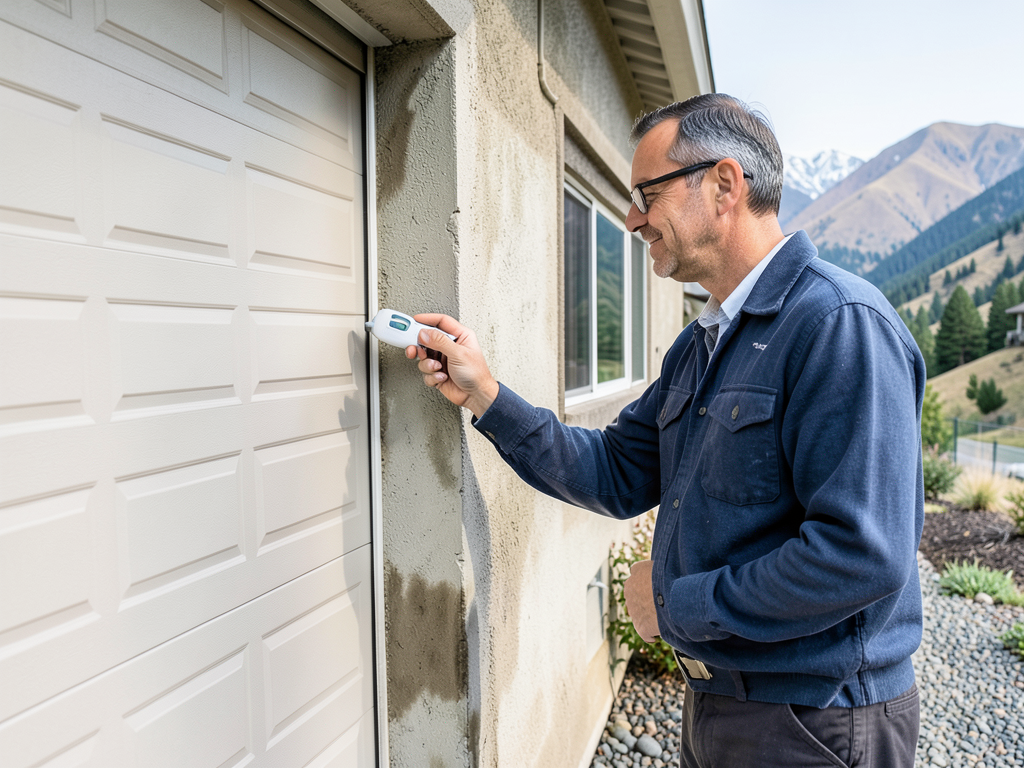
Professional waterproofing starts with a thorough assessment. Technicians use moisture meters and thermal imaging to find hidden damp areas. They also examine your property’s grading and drainage patterns. This diagnosis reveals whether you need exterior work, interior systems, or both.
Exterior waterproofing often provides the best long-term results. This involves excavating around foundation walls and applying waterproof membranes. These membranes stop water before it reaches your garage walls. Combined with proper drainage systems, they can eliminate most moisture problems.
Interior drainage systems offer another solution. These include French drains installed along garage walls to collect water and direct it to a sump pump. The pump then removes water from your garage before it can cause damage. This approach works well when exterior access is limited.
Sump pumps are essential for many Lone Mountain homes. They handle groundwater that rises during wet seasons. Modern sump pumps include battery backups to work during power outages. This ensures your garage stays dry even during storms. How to handle basement flooding in San Francisco after a heavy rainstorm.
Vapor barriers installed under garage floor coatings prevent rising damp. These barriers block moisture moving up through concrete slabs. Combined with proper floor coatings, they create a complete moisture barrier system.
San Francisco Building Code Requirements
San Francisco Building Code Section 107A.7.1 requires proper waterproofing for below-grade spaces. This includes garages built into hillsides. The code mandates that walls subject to hydrostatic pressure receive appropriate waterproofing treatment.
California Plumbing Code Section 909.1 addresses drainage for below-grade structures. It requires that water be directed away from foundations through proper grading or drainage systems. This code applies to any garage where water could accumulate against walls.
San Francisco Public Works requires permits for major waterproofing work. This includes exterior excavation and drainage installation. Permits ensure work meets current standards and does not create problems for neighboring properties.
The city also enforces drainage ordinances that prohibit directing water onto public property or neighboring yards. Any drainage system must handle water responsibly and comply with local regulations.
Working with licensed contractors familiar with these requirements protects you from code violations. It also ensures your waterproofing solution meets all legal standards for safety and effectiveness.
Cost Considerations for Garage Waterproofing
Professional waterproofing costs vary based on your specific situation. Exterior waterproofing typically ranges from $5,000 to $15,000 depending on wall length and excavation requirements. This includes membrane application and drainage system installation.
Interior drainage systems cost between $3,000 and $8,000. This covers French drain installation, sump pump setup, and any necessary concrete work. Costs increase if you need to remove and replace existing floor coatings.. Read more about The Connection Between Steep Hillside Erosion and Foundation Seepage in Portola.
Vapor barriers and floor coatings add $2,000 to $5,000 to your project. These protect against rising damp and create a finished surface. High-quality epoxy coatings cost more but offer better durability and moisture resistance.
DIY solutions might seem cheaper but often lead to higher costs later. Failed waterproofing requires removal and replacement, doubling your expense. Professional assessment and installation prevent these costly mistakes.
Consider waterproofing an investment in your property value. A dry, usable garage adds functional space and prevents moisture damage to your home’s structure. It also eliminates health hazards from mold and mildew growth.
Maintenance Tips for a Dry Garage
Regular maintenance keeps your waterproofing system working effectively. Check sump pumps quarterly by pouring water into the pit to ensure they activate properly. Clean pump screens and check discharge lines for clogs.
Inspect your garage after heavy rains for any new moisture signs. Look for efflorescence, water stains, or musty odors. Early detection allows you to address small problems before they become major issues.
Keep gutters and downspouts clear of debris. Clogged drainage causes water to overflow and pool near your foundation. Extend downspouts at least five feet from your home to direct water away from garage walls.
Monitor soil grading around your home. Soil should slope away from your garage walls at a minimum of six inches over ten feet. Regrade areas where soil has settled or eroded to maintain proper drainage.
Test floor coatings annually for signs of wear or moisture penetration. Small cracks or peeling areas allow water to reach concrete. Touch up these areas promptly to maintain your moisture barrier.
When to Call a Professional
Call for help if you notice persistent moisture despite DIY efforts. Professional assessment can identify problems you might miss. This includes hidden water sources or structural issues requiring specialized solutions.
Act quickly if you see mold growth or severe water damage. Mold poses health risks and spreads rapidly in damp environments. Professional remediation removes existing mold and prevents future growth.
Contact a specialist if your garage floods during rains. This indicates serious drainage problems that need immediate attention. Flooding can damage stored items and create unsafe conditions.
Schedule an inspection before finishing your garage. Waterproofing should come first to prevent moisture problems from damaging new finishes or stored items.
Consider professional help if you plan to convert your garage to living space. Building codes require proper moisture control for habitable areas. Professional waterproofing ensures your conversion meets all requirements.
Preventing Future Moisture Problems
Prevention starts with understanding your property’s water flow. Observe how water moves across your land during rains. Note areas where water pools or flows toward your garage. This knowledge helps you address problems before they cause damage.
Install proper drainage systems before moisture becomes severe. French drains, swales, and catch basins can redirect water away from your garage. These systems work best when installed during dry seasons.
Choose moisture-resistant materials for any garage improvements. This includes treated lumber, moisture-resistant drywall, and proper insulation. These materials withstand occasional dampness better than standard building products.
Maintain your home’s exterior to prevent water intrusion. This includes roof maintenance, gutter cleaning, and proper grading. Small maintenance tasks prevent large moisture problems from developing.
Consider your landscaping choices carefully. Some plants require frequent watering that increases soil moisture near your foundation. Choose drought-tolerant plants for areas close to your garage walls.
Frequently Asked Questions
Why does my garage smell musty even when it is not raining?
Musty odors indicate ongoing moisture problems. Even small amounts of water seeping through walls create humidity that causes odors. This moisture often comes from groundwater or condensation on cool concrete surfaces.
Can I just use a dehumidifier to solve my garage moisture problem?
Dehumidifiers treat symptoms but not causes. They remove moisture from air but cannot stop water entering through walls or floors. For severe problems, dehumidifiers become expensive to operate and may not keep up with incoming moisture.
How long does professional waterproofing typically last?
Quality waterproofing systems last 10 to 20 years with proper maintenance. Exterior waterproofing tends to last longer than interior systems. Regular inspections and prompt repairs extend system life significantly.
Will waterproofing increase my home value?
Yes. A dry, usable garage adds functional space and prevents structural damage. Buyers view moisture problems as major concerns. Professional waterproofing documentation can be a strong selling point.
Can I waterproof my garage myself?
DIY waterproofing works for minor surface issues but rarely solves underlying problems. San Francisco’s hillside conditions require professional assessment and installation. Improper waterproofing can trap moisture and cause more damage.
Take Action Before the Next Storm
Mystery moisture in your Lone Mountain garage is not just annoying. It can damage your belongings, create health hazards, and reduce your property value. The longer you wait, the worse the problem becomes. Professional assessment can identify the exact cause of your moisture issues and recommend the right solution.
Summit Water Damage Restoration San Francisco has helped many homeowners in your neighborhood solve similar problems. Our technicians understand Lone Mountain’s unique challenges and know how to address them effectively. We offer free inspections to diagnose your specific situation and provide clear recommendations.
Do not let another rainy season damage your garage. Call (415) 449-6555 today to schedule your inspection. Our team will arrive promptly, assess your situation, and explain your options clearly. We handle everything from diagnosis to complete waterproofing installation.
Pick up the phone and call (415) 449-6555 before the next storm hits. Your garage does not have to stay a mystery. Let us help you create a dry, usable space you can count on year-round. For more information, visit International Code Council.
{
“@context”: “https://schema.org”,
“@type”: “BlogPosting”,
“headline”: “Why Lone Mountain Homes Often Experience Mystery Moisture in the Garage”,
“description”: “Discover why Lone Mountain garages stay damp. Learn about hillside runoff, hydrostatic pressure, and San Francisco-specific solutions from local experts.”,
“wordCount”: 2218,
“datePublished”: “2026-05-22T12:39:00.000Z”,
“dateModified”: “2026-05-22T12:39:00.000Z”,
“inLanguage”: “en-US”,
“mainEntityOfPage”: {
“@type”: “WebPage”,
“@id”: “https://summitwaterdamagerestorationsanfrancisco.com”
},
“publisher”: {
“@type”: “LocalBusiness”,
“name”: “Summit Water Damage Restoration San Francisco”,
“url”: “https://summitwaterdamagerestorationsanfrancisco.com”
},
“author”: {
“@type”: “Organization”,
“name”: “Summit Water Damage Restoration San Francisco”,
“url”: “https://summitwaterdamagerestorationsanfrancisco.com”
},
“image”: {
“@type”: “ImageObject”,
“url”: “https://summitwaterdamagerestorationsanfrancisco.com/wp-content/uploads/2026/03/why-lone-mountain-homes-often-experience-mystery-m-1.png”
}
}
{
“@context”: “https://schema.org”,
“@type”: “LocalBusiness”,
“name”: “Summit Water Damage Restoration San Francisco”,
“url”: “https://summitwaterdamagerestorationsanfrancisco.com”,
“address”: {
“@type”: “PostalAddress”,
“addressLocality”: “San Francisco”
},
“areaServed”: {
“@type”: “City”,
“name”: “San Francisco”
}
}
{
“@context”: “https://schema.org”,
“@type”: “FAQPage”,
“mainEntity”: [
{
“@type”: “Question”,
“name”: “Why does my garage smell musty even when it is not raining?”,
“acceptedAnswer”: {
“@type”: “Answer”,
“text”: “Musty odors indicate ongoing moisture problems. Even small amounts of water seeping through walls create humidity that causes odors. This moisture often comes from groundwater or condensation on cool concrete surfaces.”
}
},
{
“@type”: “Question”,
“name”: “Can I just use a dehumidifier to solve my garage moisture problem?”,
“acceptedAnswer”: {
“@type”: “Answer”,
“text”: “Dehumidifiers treat symptoms but not causes. They remove moisture from air but cannot stop water entering through walls or floors. For severe problems, dehumidifiers become expensive to operate and may not keep up with incoming moisture.”
}
},
{
“@type”: “Question”,
“name”: “How long does professional waterproofing typically last?”,
“acceptedAnswer”: {
“@type”: “Answer”,
“text”: “Quality waterproofing systems last 10 to 20 years with proper maintenance. Exterior waterproofing tends to last longer than interior systems. Regular inspections and prompt repairs extend system life significantly.”
}
},
{
“@type”: “Question”,
“name”: “Will waterproofing increase my home value?”,
“acceptedAnswer”: {
“@type”: “Answer”,
“text”: “Yes. A dry, usable garage adds functional space and prevents structural damage. Buyers view moisture problems as major concerns. Professional waterproofing documentation can be a strong selling point.”
}
},
{
“@type”: “Question”,
“name”: “Can I waterproof my garage myself?”,
“acceptedAnswer”: {
“@type”: “Answer”,
“text”: “DIY waterproofing works for minor surface issues but rarely solves underlying problems. San Francisco’s hillside conditions require professional assessment and installation. Improper waterproofing can trap moisture and cause more damage.”
}
}
]
}
{
“@context”: “https://schema.org”,
“@type”: “BreadcrumbList”,
“itemListElement”: [
{
“@type”: “ListItem”,
“position”: 1,
“name”: “Home”,
“item”: “https://summitwaterdamagerestorationsanfrancisco.com”
},
{
“@type”: “ListItem”,
“position”: 2,
“name”: “Blog”,
“item”: “https://summitwaterdamagerestorationsanfrancisco.com/blog”
},
{
“@type”: “ListItem”,
“position”: 3,
“name”: “Why Lone Mountain Homes Often Experience Mystery Moisture in the Garage”
}
]
}
{
“@context”: “https://schema.org”,
“@type”: “Service”,
“serviceType”: “Water Damage Restoration”,
“provider”: {
“@type”: “LocalBusiness”,
“name”: “Summit Water Damage Restoration San Francisco”,
“url”: “https://summitwaterdamagerestorationsanfrancisco.com”
},
“areaServed”: {
“@type”: “City”,
“name”: “San Francisco”
},
“description”: “Discover why Lone Mountain garages stay damp. Learn about hillside runoff, hydrostatic pressure, and San Francisco-specific solutions from local experts.”
}