
Why Your San Francisco Home Air Quality Drops Significantly After a Minor Plumbing Leak
A small drip under your kitchen sink might seem harmless but within 48 hours it creates the perfect conditions for airborne contaminants to multiply. San Francisco’s coastal humidity combined with aging plumbing in Victorian and Edwardian homes means water damage often creates invisible health hazards. The moisture trapped behind walls or under flooring becomes a breeding ground for mold spores and bacteria that your HVAC system then circulates throughout your home. San Francisco Department of Public Health IAQ Resources.
Most homeowners don’t realize that even Category 1 water (clean water from a supply line) can degrade to Category 2 or 3 within days. The warm, moist environment behind your drywall allows mold colonies to establish and release mycotoxins into your breathing air. These microscopic particles can trigger asthma attacks, allergic reactions, and other respiratory issues especially dangerous for children, elderly residents, and those with compromised immune systems. Who to call for emergency water damage repair in San Francisco right now.
Hidden Air Contaminants After Water Damage
When water infiltrates building materials it creates three distinct air quality threats that continue long after visible drying occurs. Mold spores begin colonizing damp surfaces within 24-48 hours. The most common indoor molds Aspergillus and Penicillium release thousands of spores that become airborne and settle in your HVAC system. Stachybotrys chartarum or black mold thrives in the cellulose found in drywall and wood framing particularly problematic in San Francisco’s older housing stock. Fast water restoration services for SoMa businesses and tech offices.
Beyond mold the water itself introduces biological contaminants. Category 2 water from washing machines or dishwashers contains detergents and organic matter. Category 3 water from sewage backups introduces harmful bacteria like E. coli and Salmonella. These microorganisms multiply rapidly in the warm moist conditions behind your walls releasing endotoxins into your air. Professional sewage cleanup and sanitization for Mission District basements.
The third threat comes from volatile organic compounds VOCs. When building materials like particleboard MDF or engineered wood products get wet they release formaldehyde and other chemicals into your air. This off-gassing continues for weeks creating that characteristic musty odor many mistake for simple dampness.
Why San Francisco’s Climate Makes Water Damage Air Quality Worse
San Francisco’s unique microclimate creates conditions that accelerate air quality degradation after water damage. The city’s average relative humidity ranges from 70% to 85% year-round. When outdoor humidity is already high indoor spaces struggle to dry properly. A leak that might dry in 48 hours in Phoenix could take weeks in the Sunset District or Richmond due to persistent fog and marine layer. High-end water damage restoration for historic Pacific Heights estates.
Older San Francisco architecture compounds the problem. Many Victorian and Edwardian homes feature lath and plaster walls with minimal vapor barriers. Water trapped in these wall cavities has nowhere to escape. The solid wood framing common in homes built before 1940 absorbs moisture and releases it slowly creating ongoing humidity problems.. Read more about How to Check if Water Damage Reached the HVAC Ducts in Your Mission Terrace Home.
The city’s combined sewer system also plays a role. During heavy rains the system can back up pushing contaminated water into basements and crawl spaces. This Category 3 water introduces pathogens that become airborne when disturbed. The soil composition in areas like the Marina District with its artificial fill and liquefaction zones can also contribute to foundation moisture issues affecting indoor air quality. How to handle basement flooding in San Francisco after a heavy rainstorm.
Signs Your Indoor Air Quality is Compromised
Many San Francisco homeowners mistake air quality symptoms for seasonal allergies. Persistent coughing sneezing or itchy eyes that improve when you leave home indicate airborne contaminants. A musty odor that lingers despite cleaning points to hidden mold growth. Condensation on windows or cold surfaces suggests excess indoor humidity often caused by trapped moisture from past water damage.
Visual indicators include water stains on ceilings or walls dark spots on grout or caulk and peeling paint or wallpaper. These signs often appear long after the initial leak occurred. The real danger lies in what you cannot see. Mold can grow inside wall cavities under flooring or above ceiling tiles spreading spores throughout your HVAC system.
Health effects vary by individual sensitivity. Some people experience immediate symptoms like headaches dizziness or fatigue. Others develop chronic respiratory issues over time. Children and elderly residents typically show symptoms first due to their developing or compromised immune systems. If multiple household members experience similar symptoms air quality testing may be warranted.
Our Professional IAQ Restoration Process
Our restoration process follows IICRC S500 standards for water damage and the EPA’s guidelines for indoor air quality. We begin with moisture mapping using thermal imaging cameras to detect hidden water in wall cavities and under flooring. This non-invasive diagnostic reveals the full extent of damage often showing moisture in areas homeowners never suspected. EPA Indoor Air Quality Guidelines.
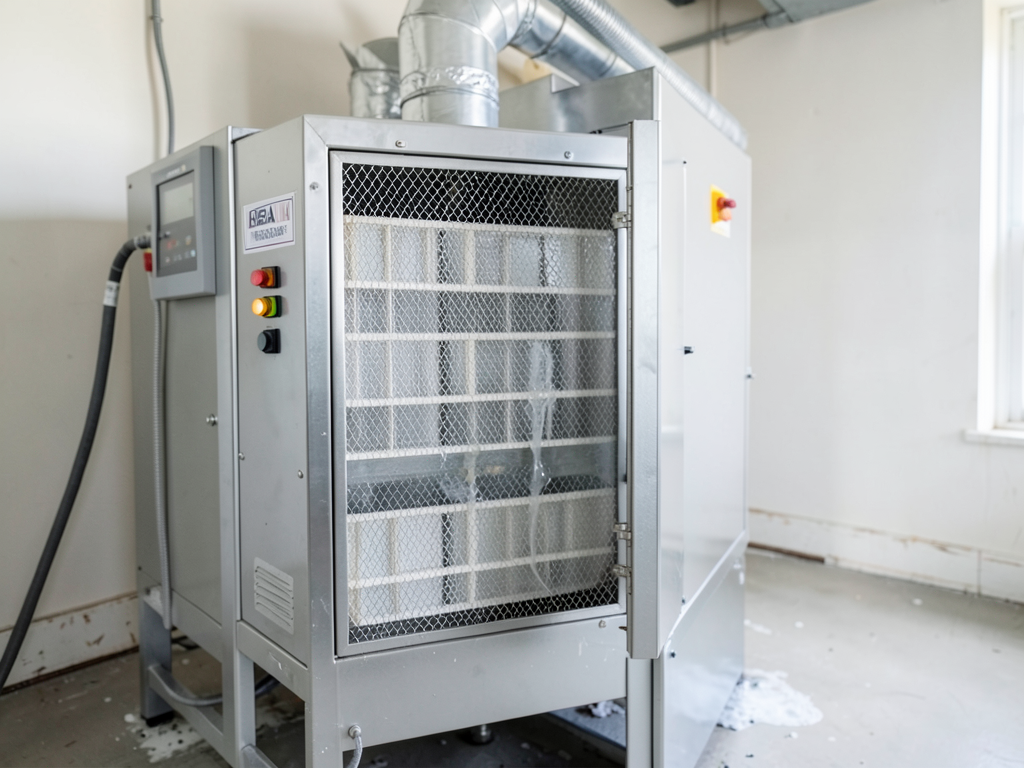
Next we deploy industrial-grade HEPA air scrubbers capable of removing 99.97% of particles 0.3 microns or larger. These units continuously filter your air during the restoration process preventing cross-contamination. We also use hydroxyl generators to neutralize odors and break down VOCs without the harsh chemicals found in ozone generators.
Structural drying involves strategically placing high-velocity air movers and commercial dehumidifiers. We monitor progress daily using moisture meters checking both surface and deep readings. The goal is achieving EMC (equilibrium moisture content) matching your home’s normal conditions typically 12-14% for wood framing in San Francisco’s climate.. Read more about Using Thermal Imaging to Find a Leak Behind the Walls of Your Mission Bay Apartment.
For mold remediation we follow California Department of Public Health guidelines. This includes containment barriers negative air pressure and HEPA vacuuming of all surfaces. We dispose of contaminated materials following San Francisco Department of Public Health protocols for Category 3 water damage.
DIY vs Professional Air Testing
Home test kits can detect obvious mold growth but miss hidden contamination. These kits typically test only surface samples missing airborne spores or toxins trapped in your HVAC system. They also cannot differentiate between harmful and harmless mold species.
Professional testing uses calibrated equipment to measure spore counts VOCs and specific contaminants. We collect air samples from multiple locations and send them to accredited laboratories for analysis. This provides a complete picture of your indoor air quality including contaminants you cannot see or smell.
Certain situations require immediate professional testing. If you’ve had sewage backup or flooding from outside sources Category 3 water always requires professional remediation. Visible mold covering more than 10 square feet indicates a significant problem requiring containment and specialized equipment. Health symptoms affecting multiple household members suggest airborne contamination that DIY methods cannot address.
For San Francisco renters the San Francisco Rent Board requires landlords to maintain habitable conditions including proper air quality. If you suspect air quality issues in a rental property document your concerns with photos and health records before contacting your landlord. Professional testing provides the evidence needed for legal action if necessary.
Preventing Future Air Quality Issues
Prevention starts with addressing the source of moisture. Replace aging plumbing especially galvanized steel pipes common in homes built before 1960. These pipes corrode from the inside creating weak points prone to leaks. Install water leak detection systems that alert you to problems before they cause extensive damage.. Read more about Why Your Ingleside Home Might Have Galvanized Pipes and Why That Is a Flood Risk.
Improve ventilation in moisture-prone areas. Bathrooms kitchens and laundry rooms need proper exhaust fans vented to the outside not into attics or wall cavities. In San Francisco’s mild climate whole-house ventilation systems can help maintain proper humidity levels year-round.
Regular HVAC maintenance prevents contaminated air circulation. Change filters monthly use HEPA-rated filters and have your ducts professionally cleaned every 3-5 years. This is especially important in San Francisco where fog and salt air can accelerate system contamination.
Consider professional waterproofing for basements and crawl spaces. San Francisco’s high water table and seasonal rainfall create ongoing moisture risks. Interior drainage systems sump pumps and vapor barriers can prevent the moisture accumulation that leads to air quality problems.
Local Building Code Requirements
San Francisco Building Code Section 107A.5.5 requires proper moisture control in all residential construction. This includes vapor barriers in exterior walls and proper drainage away from foundations. For renovations involving plumbing Section 108A.4.1 mandates pressure testing of new supply lines to prevent future leaks.
California Title 24 energy standards affect moisture control through requirements for continuous insulation and air sealing. While designed for energy efficiency these measures can trap moisture if not properly implemented. Our restoration work always considers these code requirements ensuring your repairs meet current standards.
The San Francisco Department of Building Inspection requires permits for most plumbing work including leak repairs affecting structural elements. This ensures proper inspection and code compliance. We handle all permitting requirements as part of our restoration services.
Emergency Response Timeline
Time is critical when water damage occurs. Within the first 24 hours mold begins colonizing damp surfaces. By 48 hours airborne spore counts can reach unhealthy levels. Our emergency response team arrives within 60 minutes of your call anywhere in San Francisco.
We immediately assess safety hazards including electrical risks and structural instability. Next we extract standing water using truck-mounted extraction equipment capable of removing hundreds of gallons per hour. This rapid response prevents secondary damage and reduces restoration costs.
Within the first four hours we establish containment barriers if needed and deploy air scrubbing equipment. By 24 hours we typically complete moisture mapping and develop a comprehensive restoration plan. Most residential water damage projects are complete within 3-5 days depending on the extent of damage and materials affected.
Insurance and Documentation
Professional restoration includes detailed documentation for insurance claims. We provide moisture mapping thermal imaging results and daily progress reports. This documentation proves the extent of damage and the necessity of restoration procedures.
Most homeowner insurance policies cover sudden accidental water damage but not gradual leaks or maintenance issues. We help you understand your coverage and work directly with insurance adjusters. Our detailed documentation often results in faster claim approval and full coverage of restoration costs.
For San Francisco residents dealing with combined sewer backups or flooding from city infrastructure failures additional coverage may be available through the San Francisco Public Utilities Commission. We can help you navigate these claims and provide the documentation required by city agencies.
Long-Term Air Quality Solutions
Beyond immediate restoration we offer long-term solutions to prevent future air quality issues. This includes HVAC system upgrades with HEPA filtration whole-house dehumidification and continuous air quality monitoring. These systems provide ongoing protection especially important for San Francisco’s moisture-prone environment.
We also provide education on maintaining healthy indoor air quality. This includes proper humidity control (ideally 30-50% relative humidity) regular maintenance schedules and early warning signs of moisture problems. Our goal is helping you prevent the conditions that lead to air quality degradation.
For commercial properties we offer IAQ management plans including quarterly inspections air quality testing and preventive maintenance. This proactive approach prevents the costly shutdowns and liability issues that can result from poor indoor air quality.
Why Choose Professional Restoration
Professional restoration provides benefits beyond simple drying. Our certified technicians understand the science of psychrometry and how different materials respond to moisture exposure. We use moisture meters calibrated for specific materials ensuring accurate readings and complete drying.
Professional equipment makes a significant difference. Our industrial dehumidifiers remove 5-10 times more moisture than rental units. Our air scrubbers process hundreds of cubic feet per minute continuously cleaning your air during restoration. These capabilities mean faster completion and better results.
Most importantly we guarantee our work. If moisture readings or air quality tests show problems after completion we return at no additional cost. This warranty provides peace of mind that DIY or low-cost contractors cannot match.
San Francisco’s unique climate and building stock require specialized knowledge. We understand how Victorian construction responds to moisture how the marine layer affects drying times and which materials perform best in our coastal environment. This local expertise means solutions that last rather than temporary fixes.
Frequently Asked Questions
How long after a leak does mold start growing?
Mold can begin colonizing damp surfaces within 24-48 hours of water exposure. The rate depends on temperature humidity and available nutrients. In San Francisco’s warm moist environment mold grows faster than in drier climates.
Can I clean up water damage myself?
Small spills on hard surfaces can be cleaned with proper safety equipment. However water that has penetrated walls flooring or ceiling requires professional equipment to detect and remove hidden moisture. DIY attempts often miss trapped water leading to ongoing problems.
What does professional air quality testing cost?
Professional testing typically costs $300-$600 depending on the size of your home and the number of samples needed. This investment provides accurate data about your indoor air quality and identifies specific contaminants requiring remediation.
Will my insurance cover water damage restoration?
Most policies cover sudden accidental damage but not gradual leaks or maintenance issues. We provide detailed documentation to support your claim and work directly with adjusters to ensure proper coverage. Many claims are approved within 24-48 hours of our initial assessment.
How can I prevent future water damage?
Regular plumbing inspections replacing aging pipes and installing leak detection systems prevent most water damage. For San Francisco homes proper drainage waterproofing and humidity control address the unique challenges of our coastal climate.
Take Action Now
Don’t wait for minor water damage to become a major health hazard. The musty odor you notice or the slight cough that won’t go away could indicate serious air quality problems developing behind your walls. Our certified technicians are standing by to assess your situation and provide immediate solutions.
Call (415) 449-6555 today to schedule your inspection. We offer 24/7 emergency response throughout San Francisco with average arrival times under 60 minutes. Our comprehensive assessment includes moisture mapping air quality testing and a detailed restoration plan with upfront pricing.
Pick up the phone and call (415) 449-6555 before the next storm hits. San Francisco’s rainy season is approaching and that small leak under your sink could become a major problem when combined with seasonal moisture. Our team has the equipment expertise and local knowledge to protect your home and your family’s health.
Don’t let water damage compromise your indoor air quality. Contact us now and breathe easier tomorrow. Our certified professionals understand San Francisco’s unique challenges and provide lasting solutions that protect your investment and your family’s wellbeing. For more information, visit IICRC S500 Water Damage Restoration Standard.
{
“@context”: “https://schema.org”,
“@type”: “BlogPosting”,
“headline”: “Why Your San Francisco Home Air Quality Drops Significantly After a Minor Plumbing Leak”,
“description”: “Discover how even small leaks trigger hidden air quality dangers in San Francisco homes. Learn about mold spores, VOCs, and our proven restoration process. Call (415) 449-6555.”,
“wordCount”: 2401,
“datePublished”: “2026-04-08T12:36:00.000Z”,
“dateModified”: “2026-04-08T12:36:00.000Z”,
“inLanguage”: “en-US”,
“mainEntityOfPage”: {
“@type”: “WebPage”,
“@id”: “https://summitwaterdamagerestorationsanfrancisco.com”
},
“publisher”: {
“@type”: “LocalBusiness”,
“name”: “Summit Water Damage Restoration San Francisco”,
“url”: “https://summitwaterdamagerestorationsanfrancisco.com”
},
“author”: {
“@type”: “Organization”,
“name”: “Summit Water Damage Restoration San Francisco”,
“url”: “https://summitwaterdamagerestorationsanfrancisco.com”
},
“image”: {
“@type”: “ImageObject”,
“url”: “https://summitwaterdamagerestorationsanfrancisco.com/wp-content/uploads/2026/03/why-your-san-francisco-home-air-quality-drops-sign-1.png”
}
}
{
“@context”: “https://schema.org”,
“@type”: “LocalBusiness”,
“name”: “Summit Water Damage Restoration San Francisco”,
“url”: “https://summitwaterdamagerestorationsanfrancisco.com”,
“address”: {
“@type”: “PostalAddress”,
“addressLocality”: “San Francisco”
},
“areaServed”: {
“@type”: “City”,
“name”: “San Francisco”
}
}
{
“@context”: “https://schema.org”,
“@type”: “FAQPage”,
“mainEntity”: [
{
“@type”: “Question”,
“name”: “How long after a leak does mold start growing?”,
“acceptedAnswer”: {
“@type”: “Answer”,
“text”: “Mold can begin colonizing damp surfaces within 24-48 hours of water exposure. The rate depends on temperature humidity and available nutrients. In San Francisco’s warm moist environment mold grows faster than in drier climates.”
}
},
{
“@type”: “Question”,
“name”: “Can I clean up water damage myself?”,
“acceptedAnswer”: {
“@type”: “Answer”,
“text”: “Small spills on hard surfaces can be cleaned with proper safety equipment. However water that has penetrated walls flooring or ceiling requires professional equipment to detect and remove hidden moisture. DIY attempts often miss trapped water leading to ongoing problems.”
}
},
{
“@type”: “Question”,
“name”: “What does professional air quality testing cost?”,
“acceptedAnswer”: {
“@type”: “Answer”,
“text”: “Professional testing typically costs $300-$600 depending on the size of your home and the number of samples needed. This investment provides accurate data about your indoor air quality and identifies specific contaminants requiring remediation.”
}
},
{
“@type”: “Question”,
“name”: “Will my insurance cover water damage restoration?”,
“acceptedAnswer”: {
“@type”: “Answer”,
“text”: “Most policies cover sudden accidental damage but not gradual leaks or maintenance issues. We provide detailed documentation to support your claim and work directly with adjusters to ensure proper coverage. Many claims are approved within 24-48 hours of our initial assessment.”
}
},
{
“@type”: “Question”,
“name”: “How can I prevent future water damage?”,
“acceptedAnswer”: {
“@type”: “Answer”,
“text”: “Regular plumbing inspections replacing aging pipes and installing leak detection systems prevent most water damage. For San Francisco homes proper drainage waterproofing and humidity control address the unique challenges of our coastal climate.”
}
}
]
}
{
“@context”: “https://schema.org”,
“@type”: “BreadcrumbList”,
“itemListElement”: [
{
“@type”: “ListItem”,
“position”: 1,
“name”: “Home”,
“item”: “https://summitwaterdamagerestorationsanfrancisco.com”
},
{
“@type”: “ListItem”,
“position”: 2,
“name”: “Blog”,
“item”: “https://summitwaterdamagerestorationsanfrancisco.com/blog”
},
{
“@type”: “ListItem”,
“position”: 3,
“name”: “Why Your San Francisco Home Air Quality Drops Significantly After a Minor Plumbing Leak”
}
]
}
{
“@context”: “https://schema.org”,
“@type”: “Service”,
“serviceType”: “Water Damage Restoration”,
“provider”: {
“@type”: “LocalBusiness”,
“name”: “Summit Water Damage Restoration San Francisco”,
“url”: “https://summitwaterdamagerestorationsanfrancisco.com”
},
“areaServed”: {
“@type”: “City”,
“name”: “San Francisco”
},
“description”: “Discover how even small leaks trigger hidden air quality dangers in San Francisco homes. Learn about mold spores, VOCs, and our proven restoration process. Call (415) 449-6555.”
}